
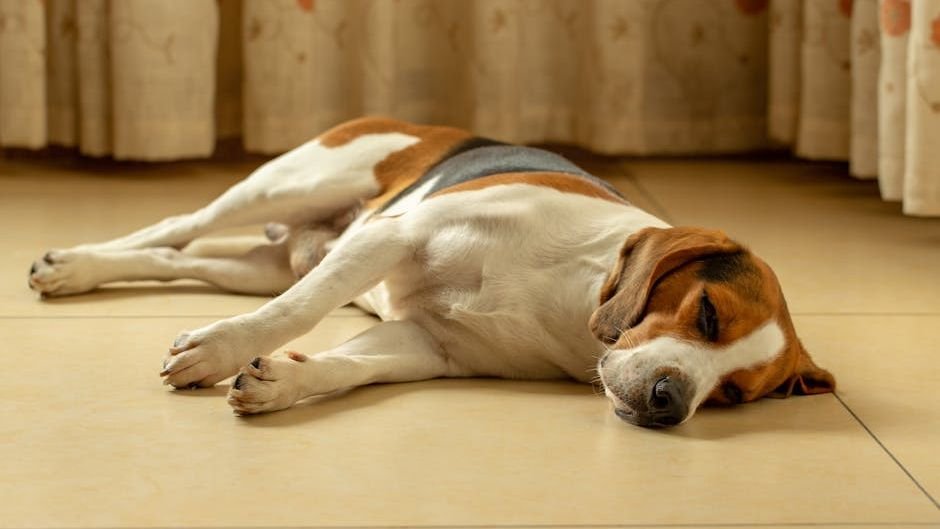
It happens at least once a day in most households. Your dog is curled up on their favorite spot, utterly still, and then suddenly a paw flicks. A soft whimper escapes. The tail gives a tiny wag. You freeze, watching, half-convinced you’re witnessing something almost magical. You probably are.
Most dog owners have wondered at some point whether their pup is actually dreaming, and if so, what on earth could be playing out behind those closed eyelids. The science, as it turns out, is far more detailed and heartwarming than most people expect. Understanding what happens inside your dog’s sleeping mind isn’t just fascinating. It’s genuinely useful for knowing how to care for them better.
The Science Behind the Snooze: How Dogs Actually Sleep
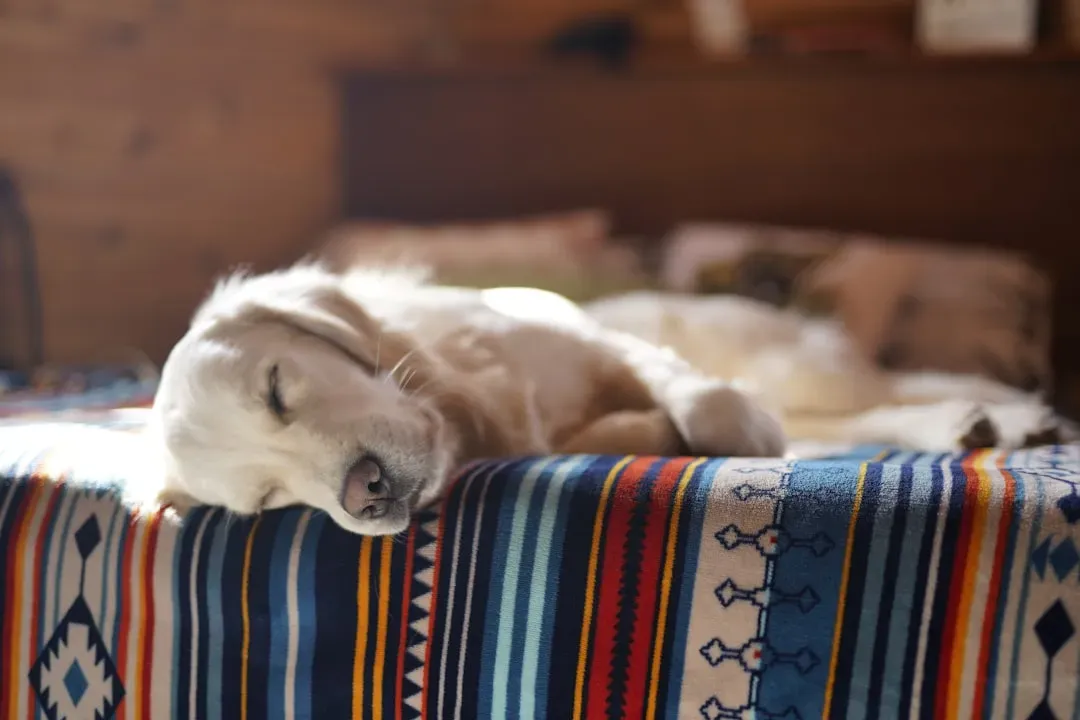
Like people, dogs and other animals go through several sleep cycles, with periods of wakefulness followed by rapid eye movement (REM) sleep and non-rapid eye movement sleep. A single sleep cycle usually lasts around 20 minutes in dogs, most of which is spent in the drowsy and slow-wave sleep stages, but for about six of those minutes, your dog will be in REM sleep, when most dreaming occurs.
Despite having daily downtime of between 12 and 14 hours, dogs have much shorter sleep cycles than us. Whereas we might have four to six 90-minute sleep cycles, dogs can experience around 15 to 20 cycles per night. That means they’re cycling in and out of dream states far more frequently than we do.
Scientific research demonstrates comparable brain wave patterns in humans and dogs, which validates the assumption that dreams are part of the normal sleep cycle, and dogs do indeed have them. So the next time you see those tiny paw paddles and nose twitches, know that you’re watching something neurologically real.
What Are They Actually Dreaming About?

The “continuity hypothesis” for dreaming, which is supported by strong evidence in humans, holds that people’s dreams reflect their daily experiences. Whatever you can observe dogs being interested in by day is what you would expect to show up in their dreams. This can include a favorite walking route, a bird or squirrel they wanted to chase, or even a favorite human.
Humans rarely report scents when recounting dreams. However, we should expect dogs to dream in smells, given that olfaction is so central to their waking experience of the world. That’s a reminder that a dog’s dream world isn’t just a fuzzy version of ours. It’s richer in some ways, built around the senses they rely on most.
Dreams can also be influenced by your dog’s breed. Pointers may point birds, while Doberman Pinschers may chase imaginary bad guys. Some researchers also believe dogs use dreams to mentally rehearse skills. If you’re training your dog or introducing new commands, they may practice these tasks while asleep, which helps reinforce memory and explains why dogs often make progress in training after a good nap.
Yes, Your Dog Is Probably Dreaming of You
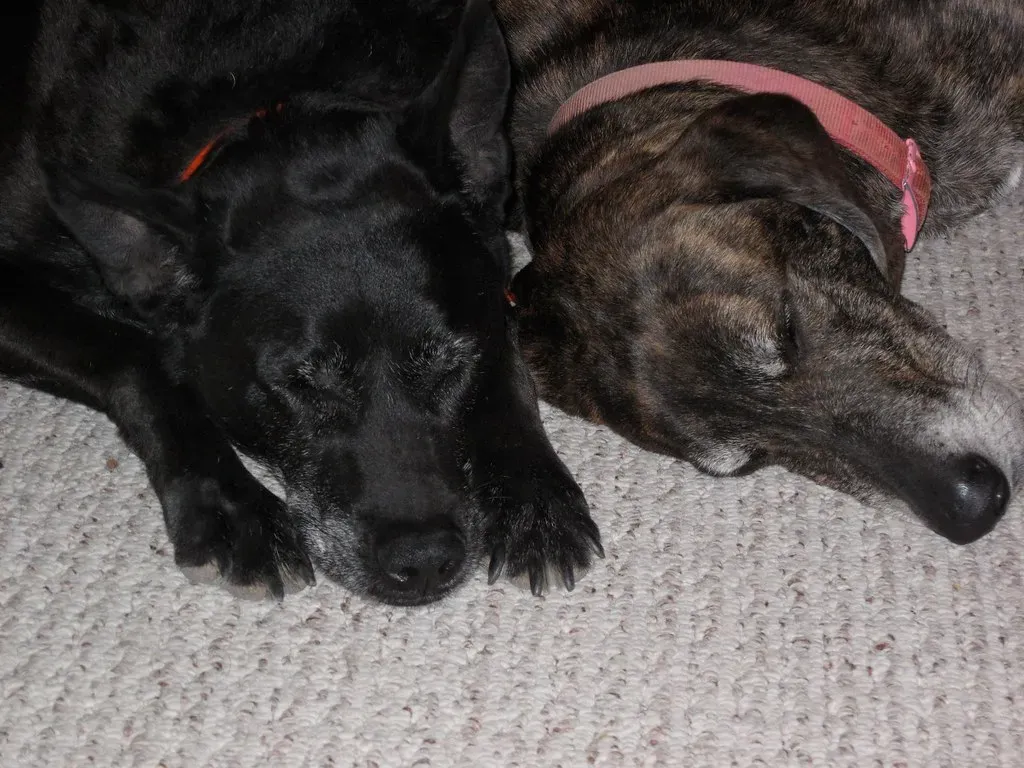
Dogs who share strong bonds with their owners tend to sleep more soundly. Trust allows the nervous system to relax, which makes dreaming more vivid and uninterrupted. Consistent affection, training, and shared routines reinforce that bond, and over time, these repeated positive interactions become the mental snapshots your dog revisits while dreaming.
Since dogs draw from their past experiences for their dreams, it’s possible they dream about their owners. We often play the biggest role in our dogs’ daily lives, so it makes sense that they would dream of us and our time together, playing fetch with them and giving them their favorite treats. There’s no definitive proof yet, but the behavioral and neurological evidence points warmly in that direction.
Given that dogs likely dream about daily events, it’s also probable that the emotions they feel during the day get carried into their dreams. If a dog shares a loving bond with its owner, dreams involving the owner might be warm, affectionate, and comforting. The quality of your relationship genuinely shapes the quality of their rest.
Reading the Signs: What Those Wiggles and Whimpers Tell You
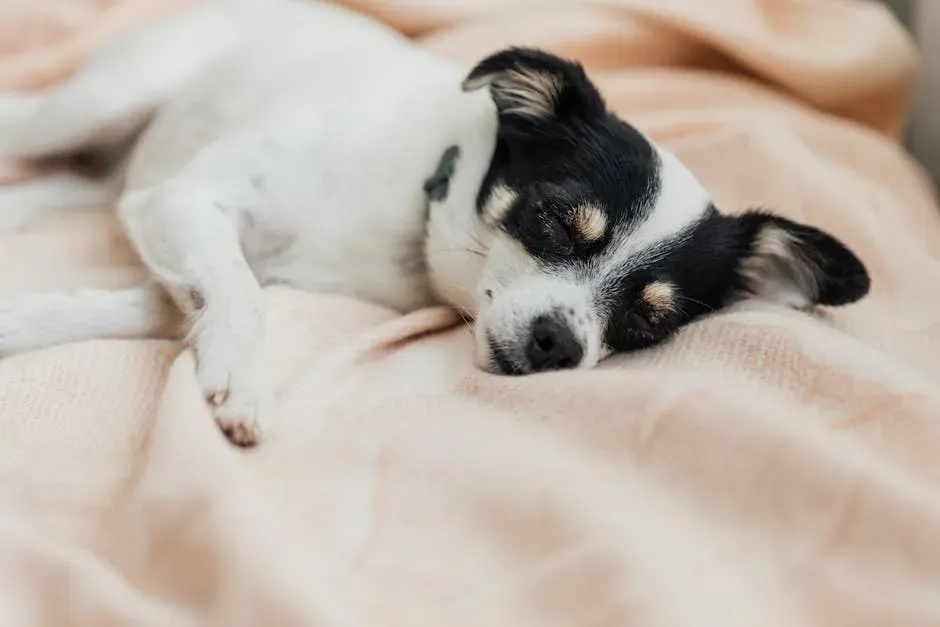
Paw twitching isn’t the only outward indicator that your dog is dreaming. It’s very common for dogs to react subconsciously to dream images by wagging their tail, whining, snarling, lip curling, or even barking. This doesn’t necessarily mean your dog is having a nightmare. Rather, they may be barking at something they would normally bark at during the day, since it is a form of communication for them.
Normal sleep tremors occur during your dog’s REM sleep cycle when brain activity increases while processing daily events. These harmless twitches have distinct patterns. Normal tremors affect specific body parts, like legs paddling as if chasing, ears flickering, or tail wagging. These movements typically last 5 to 10 seconds and stop naturally between sleep stages, while your dog maintains a relaxed facial expression and normal muscle tone throughout.
If your dog is whining, crying, or growling, they may be having a bad dream, in which they feel threatened or anxious. Most dogs cry in their sleep because they’re dreaming during REM sleep and processing emotions or memories, not necessarily having nightmares. Occasional whimpering is normal, but frequent or intense crying could signal pain, anxiety, or a medical issue like seizures or cognitive decline.
When to Watch More Closely: Normal vs. Concerning Sleep Behavior
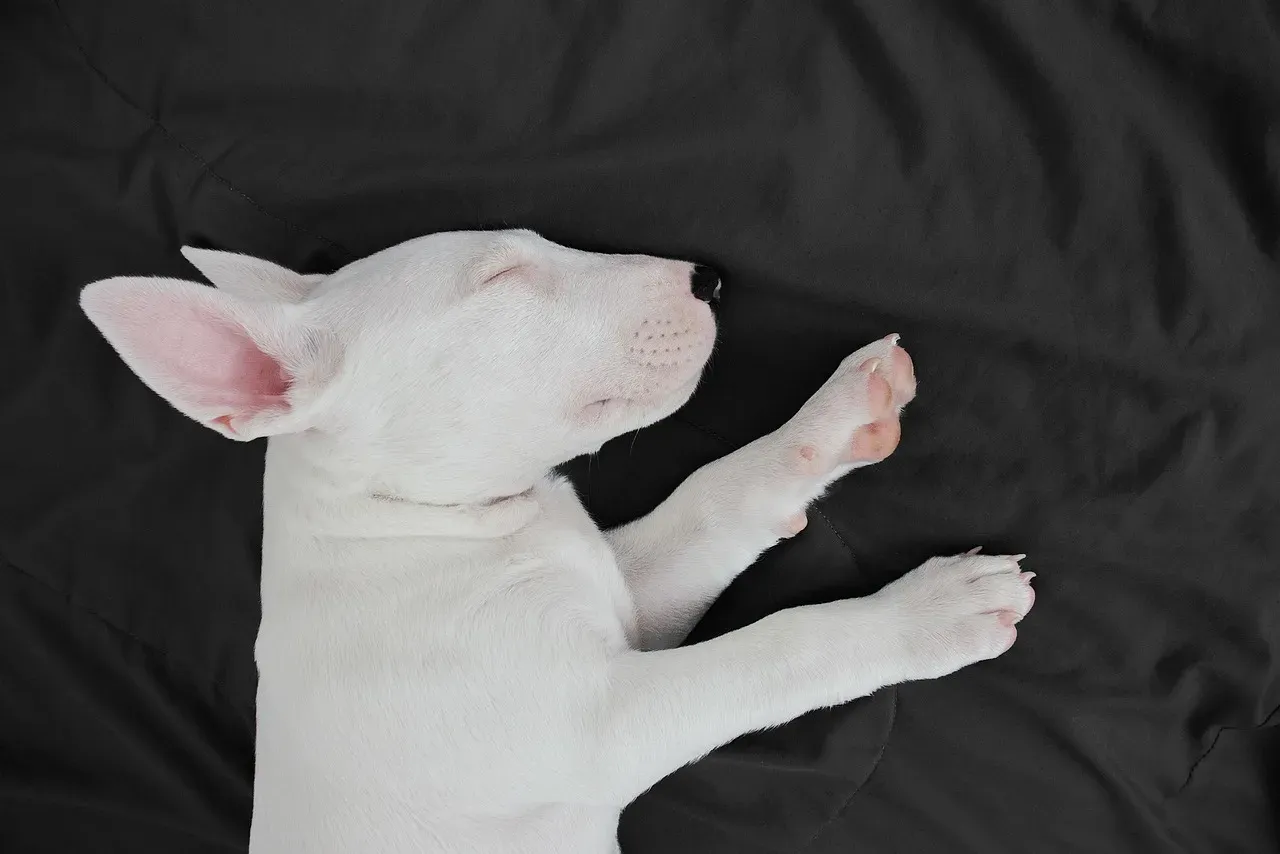
Twitching usually happens during REM sleep, the stage where dreaming kicks into high gear. At this point, your dog’s brain is firing off signals like they’re wide awake, but their body is mostly in rest mode. Unlike brief, isolated movements, problematic tremors typically involve full-body shaking lasting longer than 10 seconds and may repeat throughout sleep. Warning signs include loss of bladder or bowel control, excessive drooling, or rigid muscle tension.
Dogs regularly twitch in their sleep, so you probably don’t have anything to be concerned about if your dog’s twitches are normal and short-lived. You should be concerned if your dog’s twitches evolve into strong convulsions or jerks that are accompanied by other symptoms like drooling or whimpering. When in doubt, capturing a short video during the episode can help your vet assess what’s happening.
If you notice your dog starts having nightmares out of the blue, you should take them to the vet to see if a medical issue is causing the bad dreams. In older dogs, an inability to sleep or settle at night could be related to Canine Cognitive Dysfunction, also called Doggie Alzheimer’s. Changes in sleep patterns are worth paying attention to, because they can be among the earliest signs that something needs addressing.
How to Help Your Dog Sleep Better and Dream More Peacefully
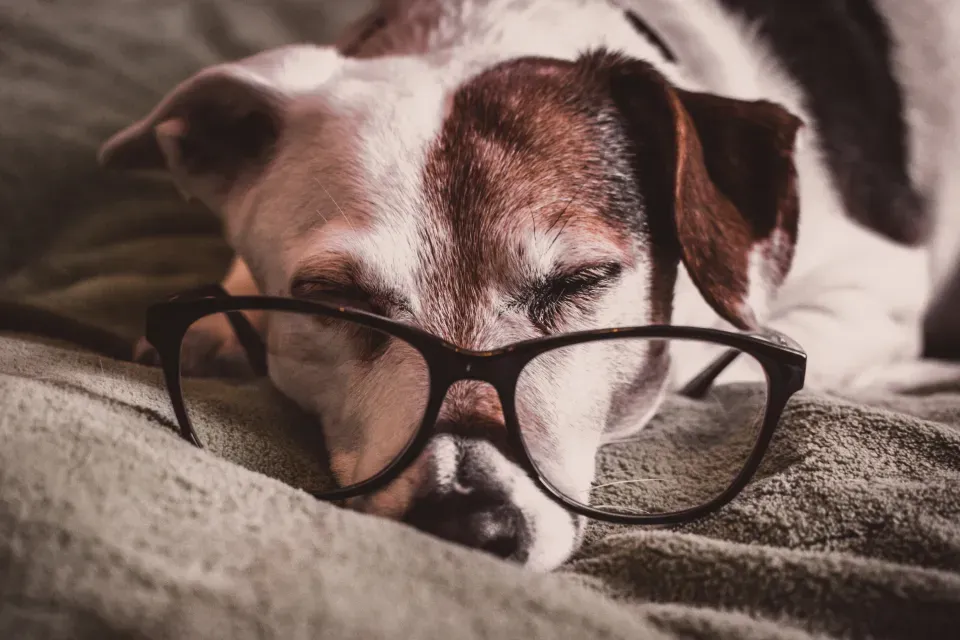
Maintaining a consistent daily routine by feeding, exercising, and putting your dog to bed at the same times each day makes a real difference. Ensuring regular exercise helps tire your dog out and promotes better sleep at night. It’s also wise to provide a balanced diet and proper hydration, while avoiding feeding your dog too close to bedtime to prevent digestive discomfort. Limiting stimulation before bedtime by avoiding high-energy activities and loud noises in the evening helps them settle down for the night.
A dog’s bed should be kept away from high-traffic or noisy areas of the home so they don’t always feel like they have to be on high alert. Try to notice the individual preferences of your dog. Some dogs like to be cradled within a bolster bed, others like to be snuggled under blankets, and others like to simply lie on the cool floor. It’s a surprisingly personal thing.
You should never wake a dreaming dog. Such a quick transition from a dream to the real world could startle the dog and lead to an unexpected and somewhat aggressive reaction. Scientists believe that sleep plays a big role in memory consolidation, helping dogs retain information about what’s significant in their lives while storing that as long-term memories. Routinely waking your sleeping dog could hinder their ability to learn and make them grumpy.
Conclusion: There’s More Going On Than You Think
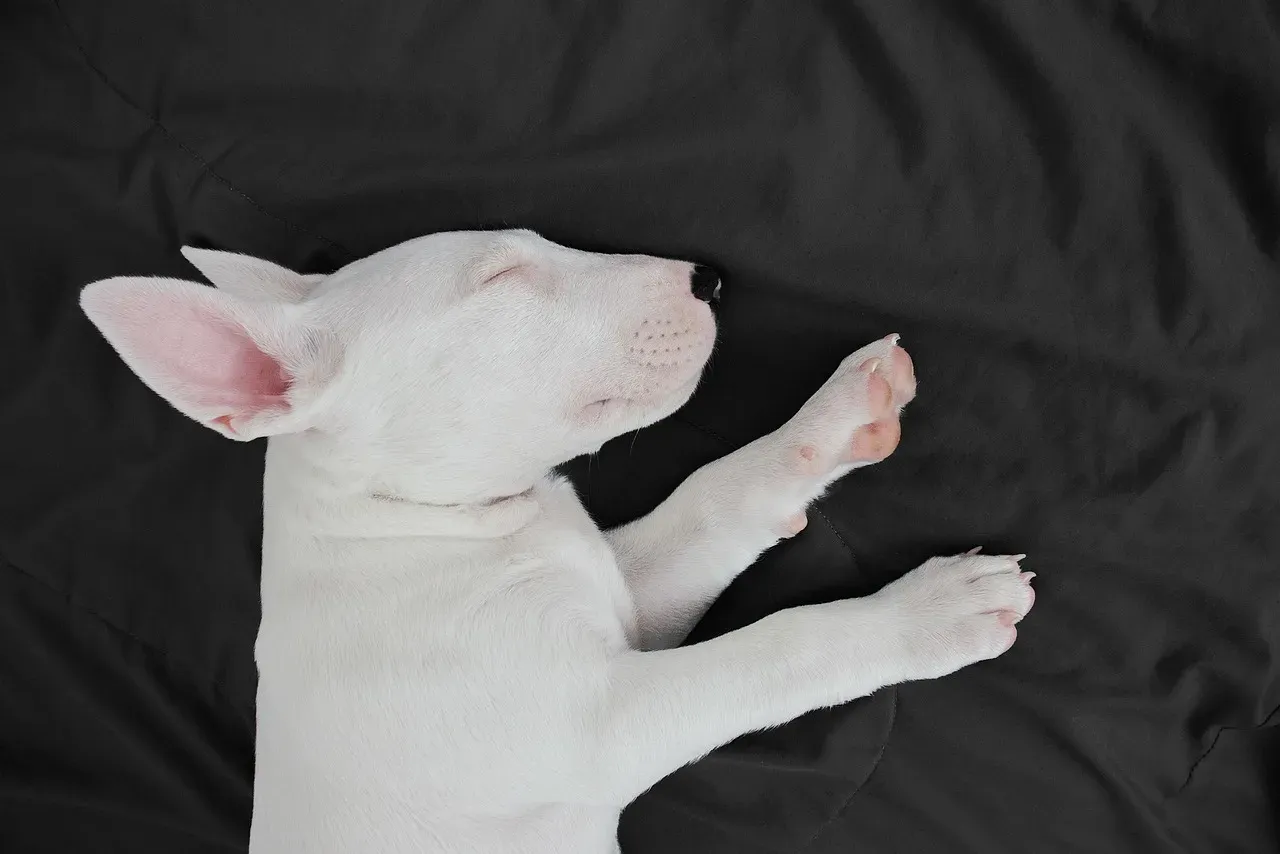
The next time your dog’s legs start paddling in their sleep, or a small sound escapes them mid-nap, you’re not watching random electrical noise in a resting brain. You’re watching memory, emotion, and lived experience being replayed and sorted. When dogs sleep, their brains organize their memories, consolidate what they’ve learned, and maintain their immune system. Sleep is serious business for them, even when it looks impossibly peaceful.
A dog who feels safe and comfortable at all times of the day will likely have a higher quality of life and a stronger bond with their pet parent. Well-rested dogs are also calmer, more relaxed, and more comfortable throughout the day. Every good routine, every comfortable bed, every calm evening you create for your dog is a small investment in their wellbeing that pays off in ways you may never fully see, but they absolutely feel.
The dream world of a dog is, in many ways, a mirror of the life you’ve built together. That’s worth thinking about.


