

There are moments in life that words can’t fully prepare you for. Watching a dog you’ve loved for years grow still and quiet is one of them. Something shifts in their eyes, in the way they carry themselves, in how they choose to spend the hours they have left.
Dogs can’t tell us what they’re feeling as they near the end of life, but they don’t stay silent either. Through posture, touch, and small daily choices, they communicate more than most of us realize in time. Understanding these behaviors isn’t just about recognizing decline – it’s about being present for the love that’s still being offered, right up until the last moment.
#1. Becoming Unusually Clingy
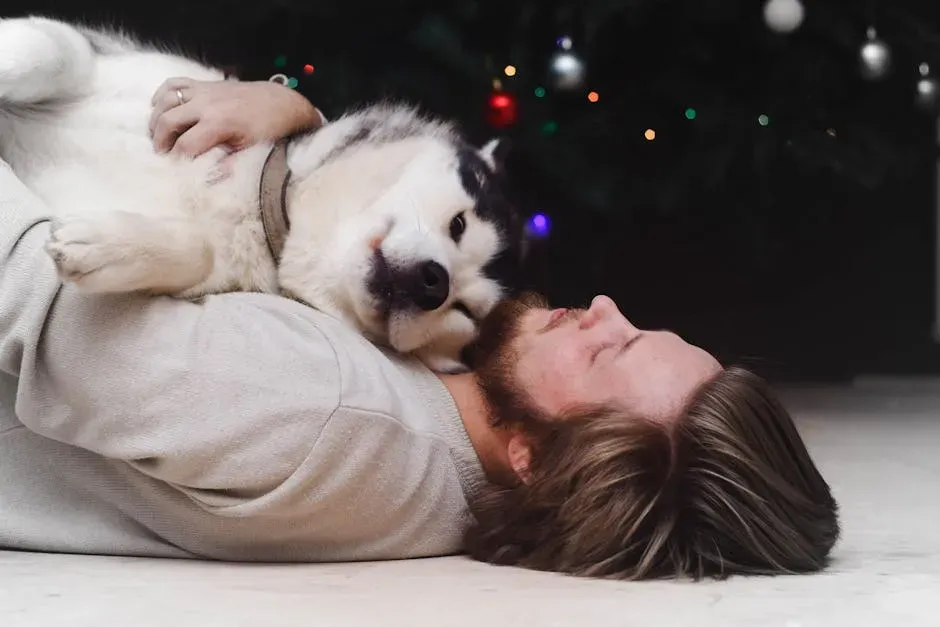
Some dogs become unusually clingy in their final days, seeking constant companionship and reassurance from . This behavior can be understood as a way of seeking comfort and expressing the depth of their bond.
Your dog might seek more physical contact, resting their head on your lap or following you from room to room. These actions are their way of staying connected and drawing comfort from your presence. It’s a quiet declaration that you are still their safe place, even now.
#2. Prolonged, Searching Eye Contact

Many pet owners report that their dogs make prolonged eye contact near the end, as if trying to communicate something profound. This can be seen as a final connection or farewell.
Those long, slow gazes are hard to forget once you’ve seen them. Dogs can detect far more through their senses than people can, and these keen observations help them recognize when we are happy, sad, fearful, or distressed. In their final days, that perceptive gaze often softens into something that feels deeply personal.
#3. Seeking Solitude in Quiet Corners

As their body temperature regulation changes or their urge to feel safer increases, dying dogs often start seeking unusual places to rest – under furniture, in closets, or other secluded spots. Your dog may want to be away from the hustle and bustle of daily household activities.
Dying pets may behave differently around people, sometimes becoming more distant. Choosing to hide or isolate themselves may reflect fatigue and a desire for quiet, or an instinct to separate oneself from others when the end is near. If you find them tucked away somewhere unusual, simply being nearby can be enough.
#4. Sudden, Brief Bursts of Energy
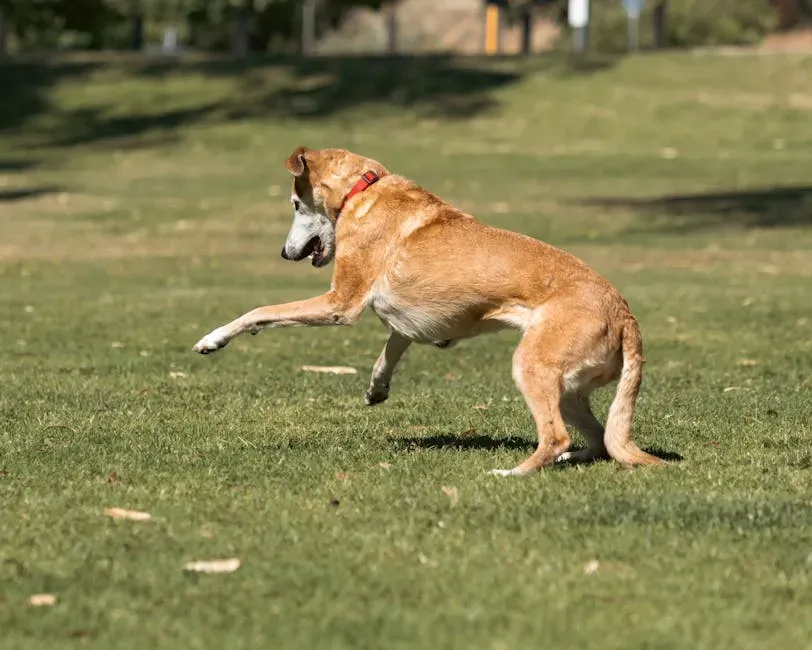
It’s not uncommon for dogs to experience a sudden burst of energy before they pass away. This phenomenon, often called the “last bloom” or “rally,” can be confusing and even misleading, giving pet owners false hope of recovery.
These moments are bittersweet and often short-lived. A dog that hasn’t moved from their bed may suddenly lift their head, thump their tail, or even walk to greet you. Cherish it without reading too much into it – it’s a gift, not a sign of turnaround.
#5. A Noticeable Drop in Appetite

A common sign that a dog is close to death is when they start refusing to eat or becoming fussy with certain foods. If they feel sick or are on medication that affects their sense of smell or taste, they may also lose their appetite entirely.
Pets may lose interest in food or water as vital organ functions begin to shut down. Your dog may be reluctant to approach their food bowl but continue to accept treats, or they may stop eating altogether. Don’t force it. Gentle coaxing with a favorite food is fine, but their body often knows what it needs.
#6. Sleeping Far More Than Usual

Lethargy is a common sign as a dog nears the end of life. They will usually sleep more and become disinterested in going for walks or other usual activities.
Extreme lethargy is one of the most common behavioral changes before death. Dogs may no longer have the energy for their usual activities, such as playing, going on walks, or greeting family members. Sitting beside them as they rest, simply being present, means more than you might think.
#7. Changes in Breathing Patterns

Changes in breathing patterns are a key sign that a dog may be nearing the end of life. Some pets may breathe more slowly, while others may pant excessively or have long pauses between breaths.
Irregular, shallow, or labored breathing is a warning sign that a dog may be dying. In a pet’s final hours, a gasping breath pattern may occur. Because breathing difficulties can be painful and distressing, timely veterinary care is important to reduce suffering. If breathing becomes notably difficult, reaching out to your vet for guidance is always the right move.
#8. Restlessness and Aimless Pacing

Some dogs become restless, wandering the house and seeming unable to settle or get comfortable. Others will be abnormally still and may even be unresponsive. Your dog’s sleeping patterns may also change noticeably.
A dog’s emotional state can become more fragile as their final journey nears, leading to heightened anxiety or apprehension. They may become restless, unable to settle in one spot, or engage in repetitive pacing, even at night. A calm, softly lit space with familiar smells nearby can help ease this agitation.
#9. Difficulty Recognizing Familiar Faces

Sometimes, dogs near the end of their life experience extreme confusion. They may wander the house aimlessly or get lost in the backyard. There may be times when you think they don’t recognize you or other family members.
Disorientation and confusion are common near the end. You might find your dog staring at walls, getting stuck in corners, or forgetting where their water bowl is as canine cognitive dysfunction sets in, a condition similar to dementia in humans. Stay gentle and patient in these moments. Their love is still there, even when recognition flickers.
#10. Withdrawing from Household Activities

A noticeable decline in interest in previously enjoyed activities is a significant behavioral change that indicates diminishing vitality. Dogs may show no interest in toys or games they once enthusiastically enjoyed, becoming less responsive to familiar sounds or even the presence of their loved ones.
As a dog’s illness progresses and natural death nears, their personality, behaviors, and physical abilities may change. Signs can include less interest in activities they previously enjoyed, such as toys, walks, car rides, or belly rubs. When these small joys go quiet, it’s a signal worth taking seriously.
#11. Altered or Unusual Vocalizations

It’s common for aging dogs to experience a decline in cognitive function, which can lead to confusion and anxiety. They might whine, cry, or pant without an obvious reason. You may notice them seeming lost in familiar surroundings or not responding to commands as they once did.
Like people, dogs can experience anxiety when they don’t understand what’s happening around them or within their bodies. This is especially true if your dog is in pain. You may notice your dog whining, pacing, crying, or panting as symptoms of this anxiety. Speaking to them in a low, calm voice often helps more than silence does.
#12. Loss of Control Over Bladder or Bowels
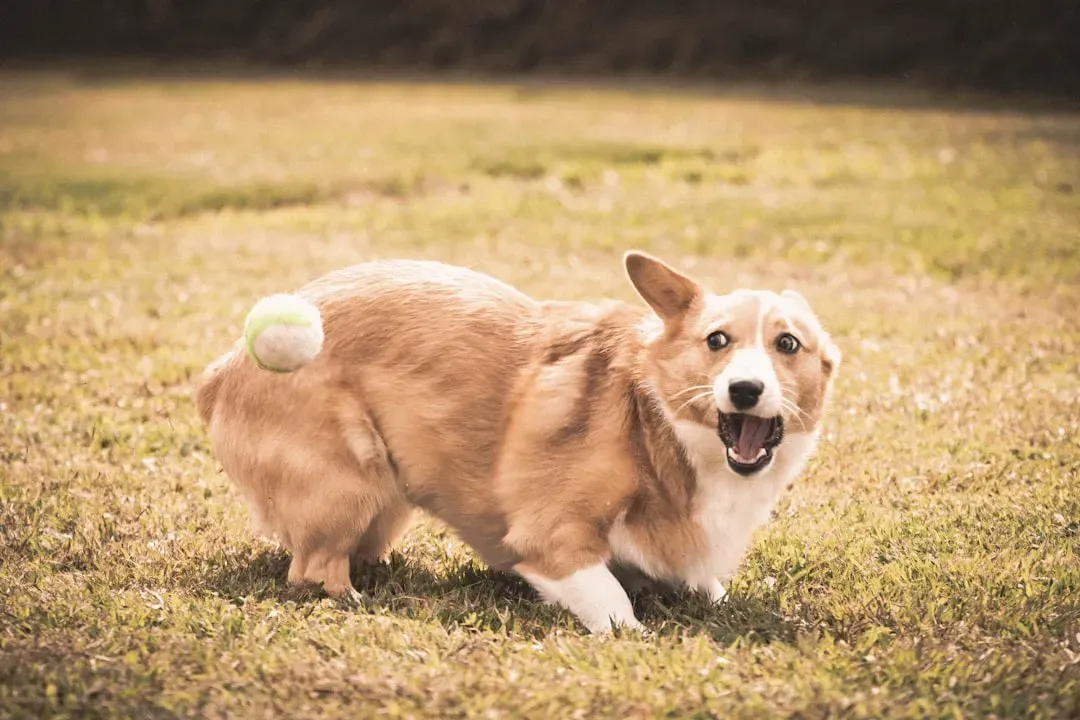
Dogs may lose control of their bladder and bowels as their muscles weaken near the end of life. Accidents inside the home may become more frequent, even if the dog was previously house-trained.
Incontinence is often upsetting for pets because they usually don’t mean to soil the house. Avoid yelling at your pet or punishing them if they have an accident, as this will generally cause even more stress. Instead, assist your dog by encouraging more frequent trips outside. Using absorbent bedding and gently cleaning your pet can help maintain their dignity and comfort.
#13. Neglecting Their Own Grooming

Due to decreased hygiene and grooming behavior, your dog’s coat may look dull or unkempt. Near the end of life, dogs may be in too much pain or discomfort to groom themselves. They may also simply be too tired or unable to coordinate the movement required to keep themselves clean.
A dog who was once particular about their appearance may stop caring entirely. This isn’t indifference – it’s exhaustion. Using gentle care and soft materials to keep them clean can help maintain their dignity and comfort during what can be an undignified time.
#14. Shifts in Personality and Temperament

Many dogs experience personality shifts as they near the end of their lives. Some may become withdrawn, preferring solitude, while others seek more affection and closeness. Dogs may also appear disoriented or anxious, which can be distressing for pet owners.
Their temperament can change – they might become irritable, sad, or unusually clingy. These behaviors are not a reflection of their love for you but rather a sign of their internal struggle. Offering reassurance through a calm voice and gentle touch can provide immense comfort.
#15. Declining Response to Their Name or Sound
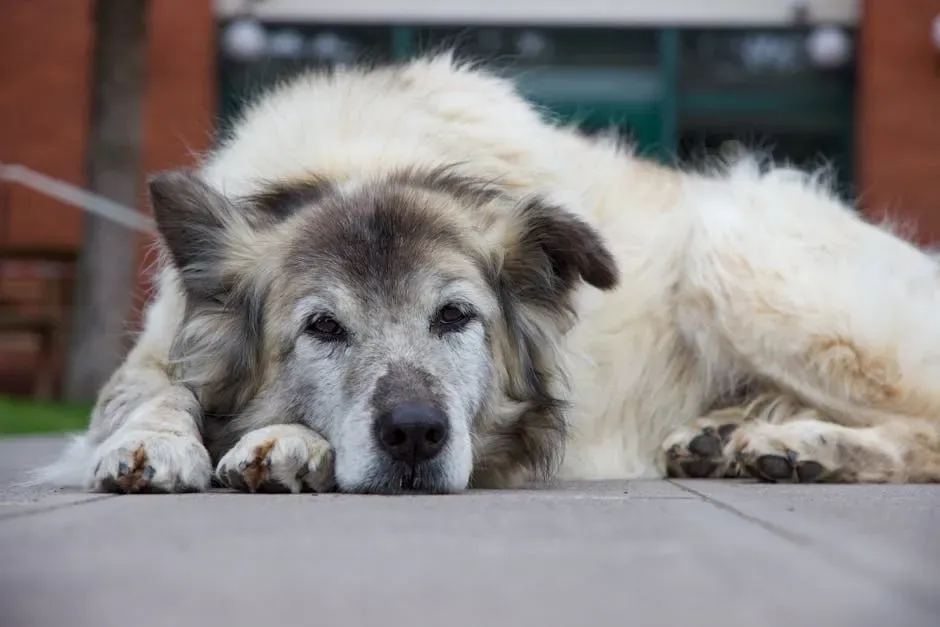
As dogs approach the end of their lives, their senses may begin to decline, affecting how they perceive and interact with their environment. They may become less responsive to their name or loud noises, indicating a decline in auditory perception. Bumping into objects or having difficulty navigating familiar surroundings suggests a decline in their eyesight as well.
Calling your dog’s name and getting a blank look in return is genuinely heartbreaking. It doesn’t mean the bond has faded. Dogs are incredibly loyal and often keep trying to engage even when they feel unwell. By the time their expression noticeably changes, they’re usually already uncomfortable.
#16. Resting Their Head on You More Often
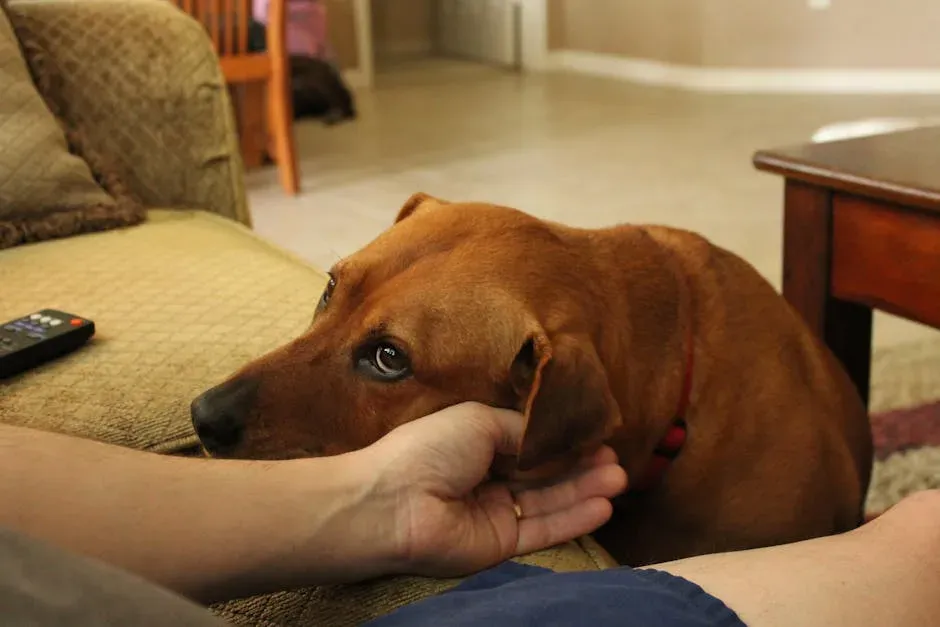
The emotional connection between you and your dog is incredibly strong. In their final days, your dog might seek more physical contact, resting their head on your lap or following you around the house. These actions are their way of staying connected and drawing comfort from your presence.
That weight on your leg or shoulder is something you won’t forget. Near the end, many dogs want nothing more than to spend time with the people they love. Letting them do exactly that, without distraction, is perhaps the most meaningful thing you can offer.
#17. Difficulty Standing or Moving

A dog nearing the end of life often shows symptoms including significant appetite loss, extreme lethargy, difficulty maintaining balance, respiratory changes, and disinterest in activities. Mobility decline is one of the most visible of these signs.
As dogs approach the end of life, their ability to manage physical pain often diminishes. Fear also becomes more concerning. Your dog may react to loud noises, touch, or even routine events with signs of anxiety or distress. Creating a low, soft space for them to rest without having to climb or stretch keeps their remaining mobility from being a source of pain.
#18. Sensing and Mirroring Your Own Distress

Dogs can sense their pet parents’ distress and may react accordingly, so try to remain as calm and reassuring as possible during their final days. This sensitivity doesn’t switch off near the end – if anything, it seems to intensify.
Providing gentle reassurance and maintaining a calm environment can help your dog feel secure. Spending quiet time together and offering soft words of comfort can make a real difference in their final days. There’s something quietly remarkable about a creature this attuned to you, still watching your face even now.
#19. Choosing Where They Want to Be

Some dogs seek out the comfort and company of their humans to the point of clinginess, while others become more solitary and seek quiet corners to be alone. Some dogs seem to know when they are about to die and wander off to a secluded location in the house or yard for their final moments.
As your dog’s death approaches, they may exhibit behaviors that indicate they are ready to pass on. Some dogs prefer to be alone, while others want to be close to their loved ones. Recognizing these preferences can help you provide the best end-of-life care for your pet. Follow their lead. Their choice of where to spend those last hours is its own kind of language.
A Final Word: Being Present Is Enough

Recognizing dog behavior before death allows pet owners to provide comfort, love, and support in a pet’s final moments. Every dog’s journey is unique, and being there for them is the greatest gift you can give.
The last things dogs do before they die often involve a quiet, gradual process as the dog’s organs shut down. Eventually, they will stop breathing, and their heart stops beating, signifying the end of their life. As you spot these changes, you can create meaningful, peaceful final experiences filled with love and comfort rather than confusion and distress.
None of these behaviors are easy to witness. They ask something of us – attention, patience, the willingness to sit in grief before it fully arrives. What dogs show us in their last days isn’t a farewell in any language we can easily translate. It’s simpler than that, and deeper. It’s just loyalty, running all the way to the end.


