
Senior Dog Comfort Needs (Ranked by Importance)
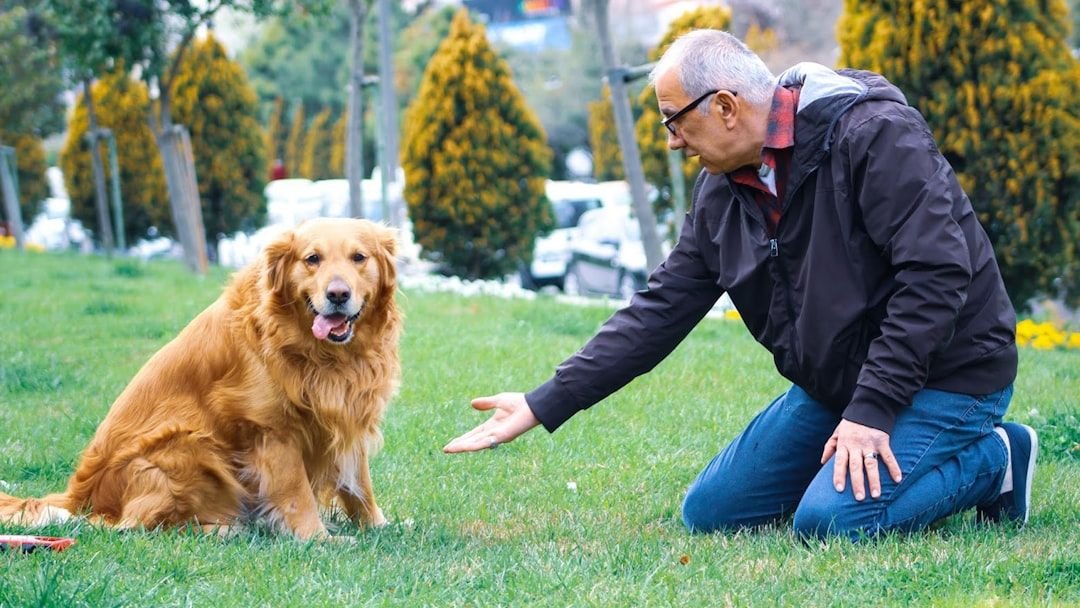
There’s a particular moment most dog owners recognize. You reach for your dog’s favorite toy and toss it across the room, and instead of the familiar zoom of energy, your beloved companion gives you a slow, soft look, takes a few careful steps, and lies back down. Nothing is dramatically wrong. They’re just older now.
That quiet shift is one of the most honest things a dog can tell you. Their world is changing, and how you respond to those changes matters more than almost anything else you’ll do as a pet parent. Senior dog care isn’t just about managing health issues – it’s about helping your dog enjoy comfort, connection, and quality of life during their golden years. The needs are real, they’re specific, and some are far more urgent than others.
This guide ranks the most important comfort needs of aging dogs, starting with what simply can’t wait.
1. Effective Pain Management: The Foundation of Everything Else
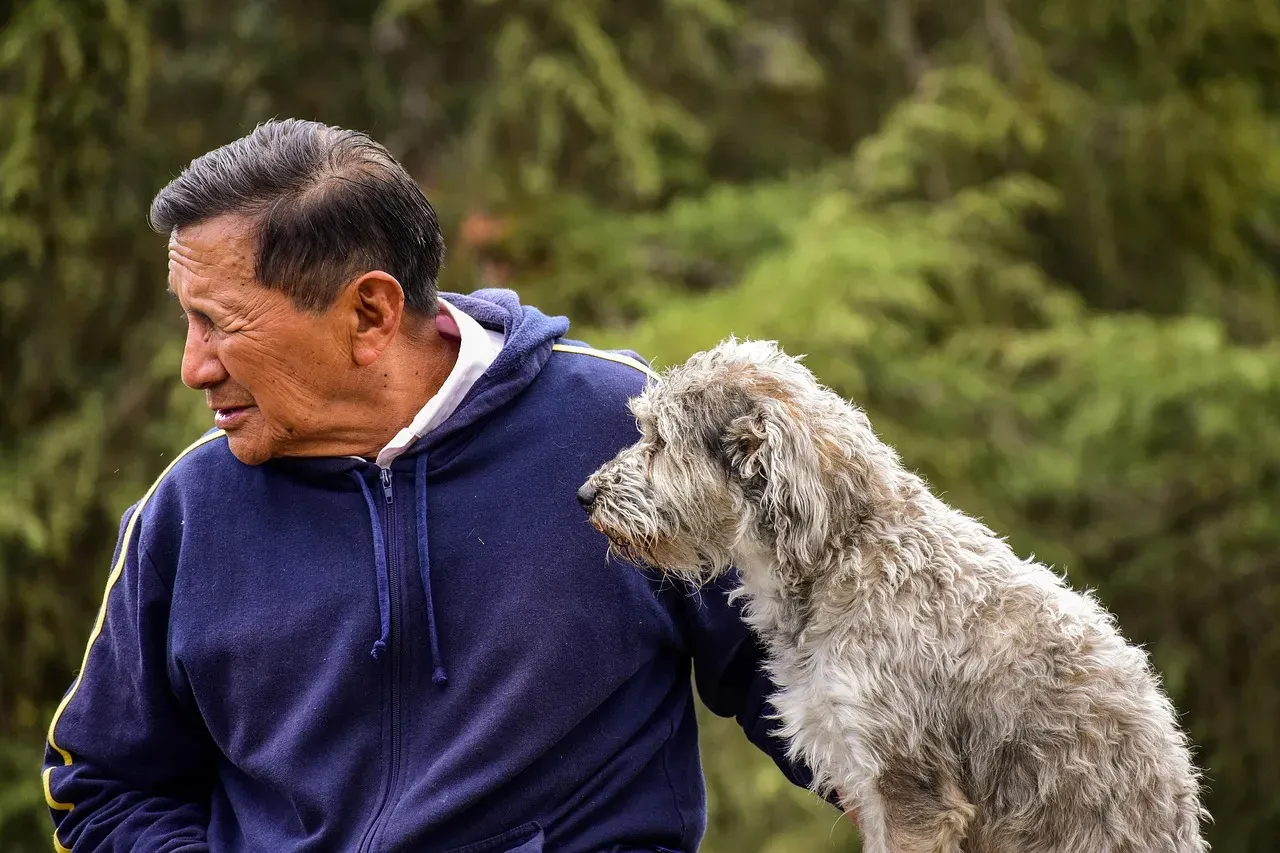
Pain is the single most urgent comfort issue in older dogs, and it’s also the most frequently missed. Even senior dogs with no outward signs of pain may be suffering in silence. Due to their stoic nature, canine arthritis and other orthopedic conditions often go undiagnosed or get shrugged off as normal aging changes. Your dog may not whimper or cry. They may simply stop jumping up to greet you.
As dogs age, they may experience joint pain, stiffness, and inflammation caused by conditions such as arthritis or lameness from wear and tear. These symptoms can disrupt sleep, limit mobility, and reduce their overall quality of life. Watch for reluctance to use stairs, stiffness when rising from rest, or hesitation before lying down. These are not personality quirks. They are pain signals.
Chronic discomfort from arthritis or other age-related conditions keeps the nervous system in a low-grade state of stress, which over time can contribute to generalized anxiety. This is one of the reasons supporting joint health proactively matters beyond just physical comfort – it affects your dog’s mental state as well. Pain is never just physical. Getting it managed early changes everything downstream.
2. Orthopedic Sleeping Surface: More Than Just Comfort

Arthritis and joint pain are the most common issues in senior dogs. A senior dog lying on hard flooring all day is suffering, even if they’re not vocal about it. Comfort investments have direct health impact. A quality orthopedic bed is non-negotiable for any dog over age seven. That last point is worth sitting with. Not preferred. Non-negotiable.
These beds feature memory foam or gel-infused foam that conforms to your dog’s body, distributing weight evenly and reducing pressure points that aggravate arthritis. Standard dog beds, by contrast, often flatten with use. Repeated use causes inferior beds to flatten under the dog’s weight, eventually providing nothing more than a thin layer of material between their joints and the floor.
According to the National Sleep Foundation, dogs spend roughly half their day sleeping, and around a third of it simply lounging. As they enter their senior years, they require even more rest to be at their best. Investing in the right sleep surface is one of the highest-impact decisions you can make for a senior dog’s daily comfort.
3. Regular Veterinary Checkups: Twice a Year, Not Once
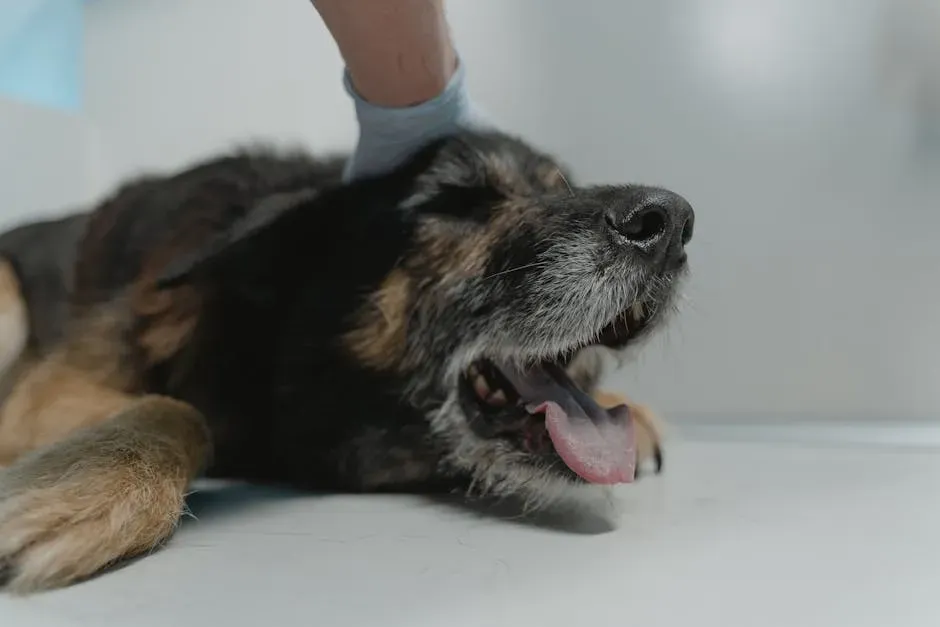
Most dog owners are used to an annual vet visit. For seniors, that schedule needs to change. Although yearly veterinary visits may have been sufficient when your pet was younger, senior pets should see their veterinarian twice a year, because their health can change rapidly and more frequent exams are essential. As the focus of your pet’s care shifts from disease prevention to early detection, semi-annual visits allow emerging health issues to be caught before they become serious.
Additional testing, such as blood work and urinalysis, is also recommended to monitor your senior pet’s health. These numbers can reveal kidney stress, thyroid changes, or early organ decline well before any symptoms appear. Early intervention, like starting medications for hypertension at age eight instead of age ten, extends quality lifespan significantly.
Common conditions to screen for include dental disease, which affects appetite, comfort, and overall well-being; heart disease, which may cause coughing, lethargy, or breathing trouble; kidney and liver issues, which can lead to increased thirst or urination; and cognitive decline, which shows up as disorientation or changes in sleep and wake cycles. Routine screening is what separates catching a problem at stage one versus stage four.
4. Age-Appropriate Nutrition: Fueling an Aging Body Correctly
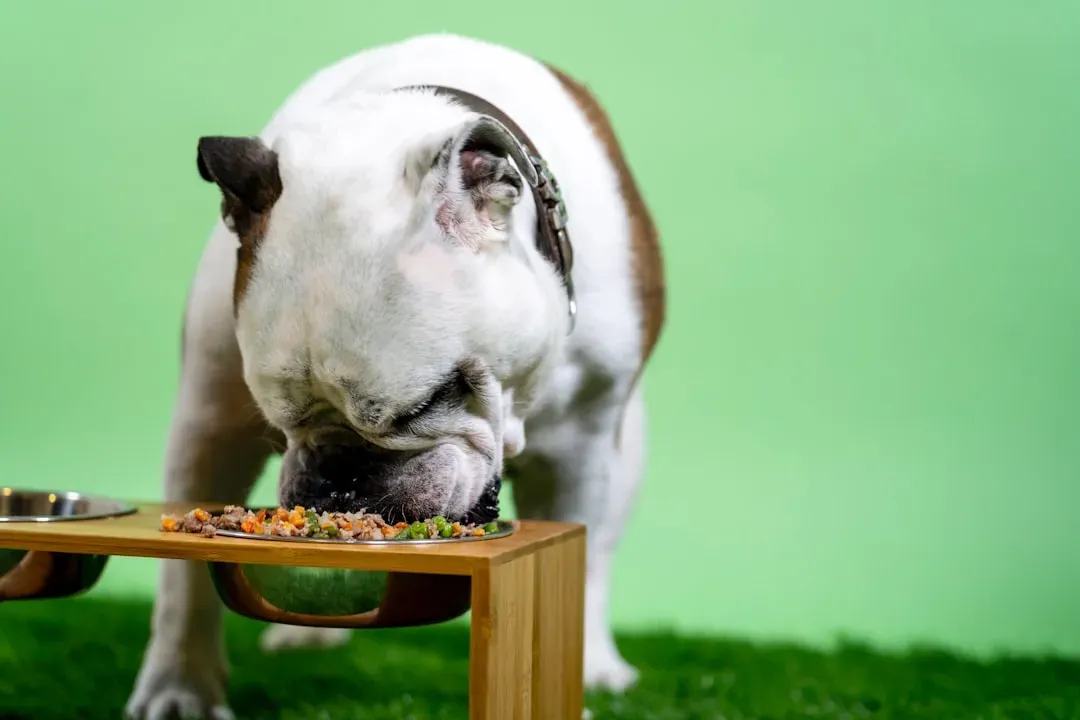
As metabolism slows down, older dogs burn fewer calories, which increases the risk of obesity and loss of muscle mass. Aging also affects digestion. Changes in the digestive system may alter stool consistency and make senior dogs more prone to an upset tummy than when they were younger. Organs like the kidneys, liver, and heart may not work as efficiently as they once did, and a poor diet can accelerate health decline.
There’s a common misconception that older dogs simply need less protein. Some senior dog food formulas reduce protein and fat, assuming older dogs require less. In reality, consuming overly low amounts of protein or fat can lead to muscle wasting, nutrient deficiencies, and even cognitive decline in older pets. Unless your veterinarian has advised a protein restriction for medical reasons, a healthy senior dog should not be on a protein-starved diet.
Glucosamine, chondroitin, and green-lipped mussel may help protect cartilage in the joints. If your dog is already suffering from osteoarthritis, adding a joint supplement with these ingredients to their diet could help them return to normal functioning. Joint supplements are often used as an early intervention and throughout the progression of arthritis because they are safe for long-term use in most patients. Always confirm supplement choices with your vet before adding them.
5. Proper Hydration: The Quiet Crisis Many Owners Miss
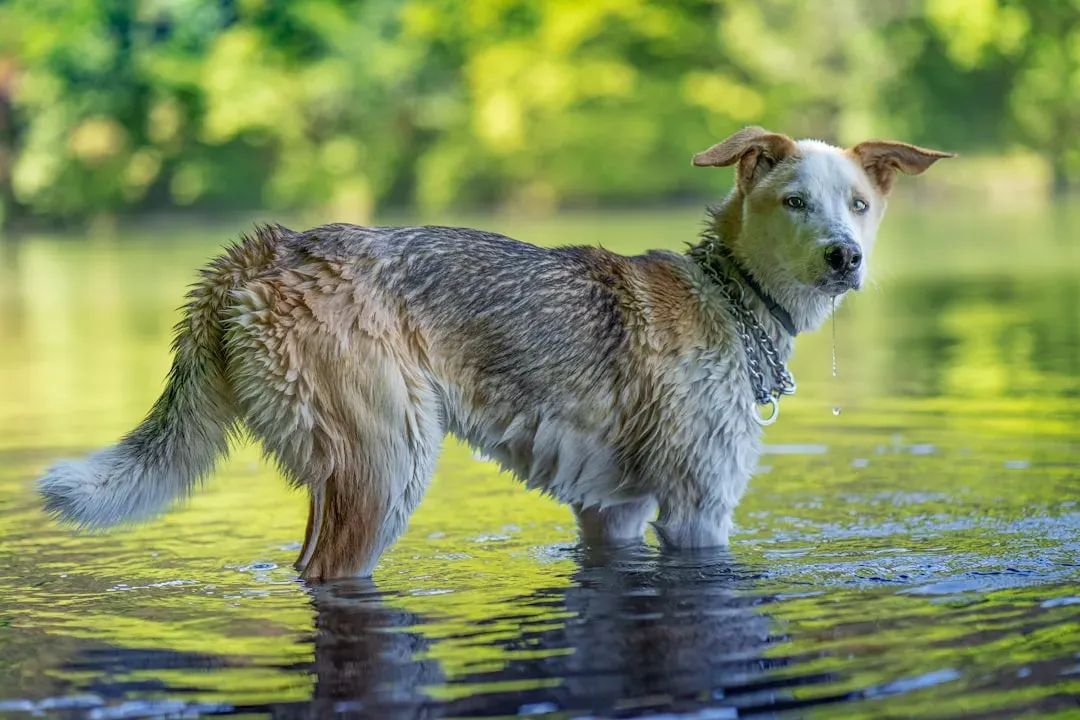
Proper hydration becomes increasingly critical as dogs age. Senior dogs often experience a diminished thirst response, making them vulnerable to subtle, chronic dehydration. Unlike a dog who refuses to drink, this one drinks normally, but simply not enough to meet their body’s rising needs. It can go unnoticed for weeks.
Hydration is essential for all dogs, but senior dogs are particularly vulnerable to dehydration due to decreased kidney function. Proper hydration is essential for kidney health and can also support cognitive function, since dehydration may worsen confusion in dogs with dementia. That’s a meaningful connection: what looks like a mental fog could partly be a water problem.
If your dog doesn’t drink enough water on their own, consider feeding them wet food to increase their hydration levels. Some senior dogs are more likely to drink from a flowing water source, so investing in a water fountain can encourage them to stay hydrated. Keeping your dog hydrated is an important part of their senior dog care routine and can help prevent kidney issues and other health complications.
6. Gentle, Low-Impact Exercise: Keep Moving, Just Differently
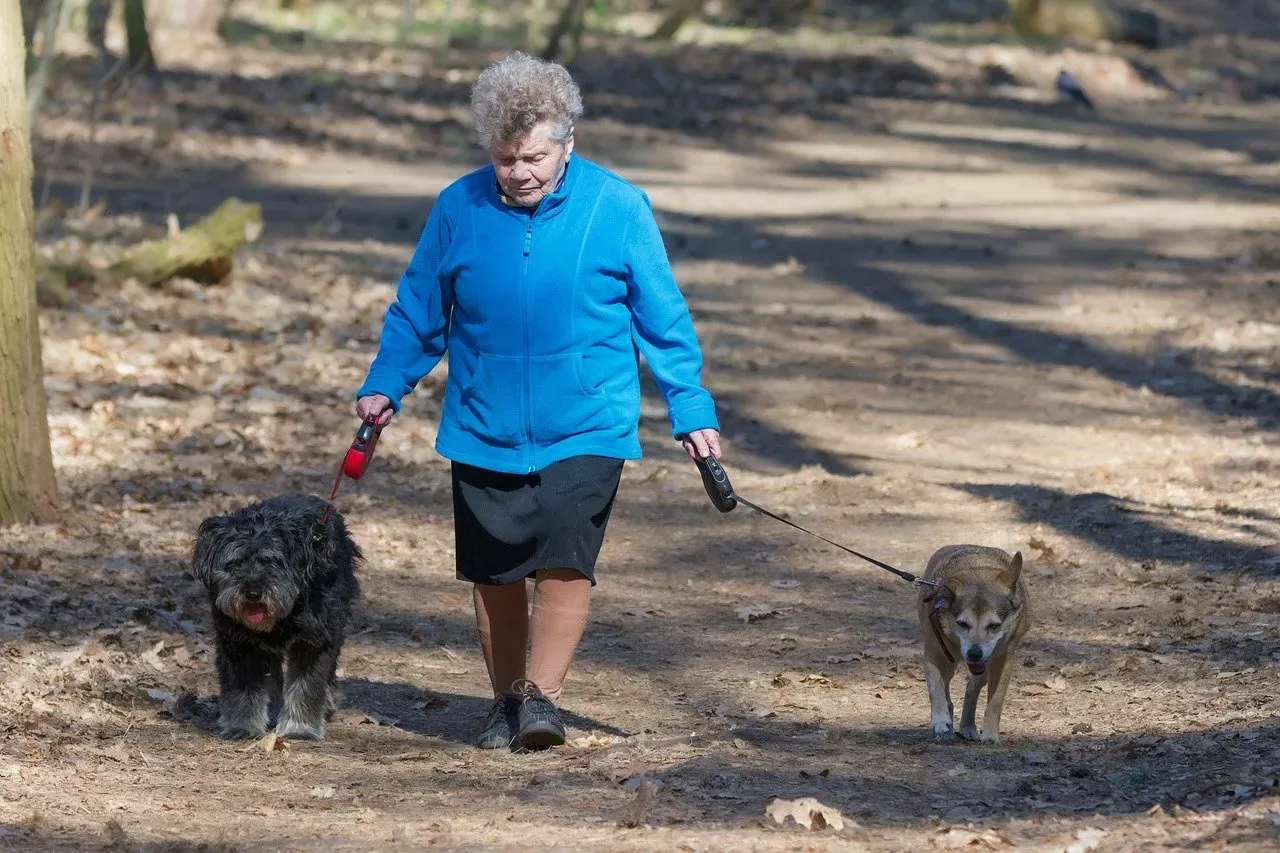
While energy levels may wane, gentle exercise remains vital. Light walks, playful sessions, and short bursts of activity will maintain muscle tone and joint flexibility. Adjust routines to their comfort, and consult your vet for safe activity guidance if pain or fatigue arises. It’s about balancing staying active and avoiding overexertion, ensuring they remain comfortable and engaged.
Swimming is an excellent low-impact exercise that helps maintain muscle strength and cardiovascular health while minimizing joint stress. For dogs who hesitate on hard floors or have obvious mobility challenges, water-based movement can be genuinely transformative. Short, frequent walks are another excellent choice, allowing your dog to enjoy the outdoors at a comfortable pace. The key word there is frequent, not long.
Exercise also protects the brain. Depression and anxiety tend to form in older dogs that are bored and have a lack of purpose. Movement gives your dog a reason to engage with the world. Even a fifteen-minute sniff walk through a familiar neighborhood counts as enrichment.
7. Home Modifications for Safety and Mobility
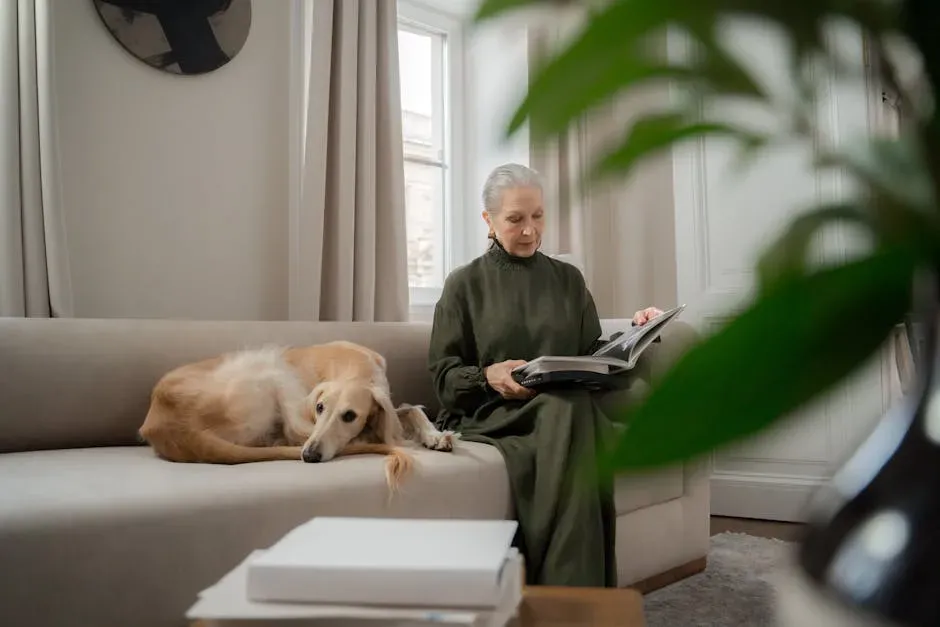
The family home that worked perfectly for a young dog may quietly become an obstacle course for an older one. Hard tile or wood flooring is painful for senior dogs with poor traction. Area rugs, yoga mats, or non-slip flooring reduce the risk of slips and provide comfortable resting surfaces. Senior dogs often develop sore hips and elbows from lying on hard floors, and even a few rugs in high-traffic areas make a difference.
You can make life at home more comfortable for your aging dog by raising your pet’s water and food bowls to make it easier for them to eat and drink without bending over as far, and by providing comfortable bedding, since dogs may experience joint or muscle pain more frequently as they age. If your pet is permitted on the bed or couch, place steps in front of the furniture to help them get up without the need to jump. Even easier for your pet is a ramp that allows them to get to higher areas like furniture, in and out of a vehicle, and up and down stairs.
Senior pets need to know they have a quiet, secure place where they can walk away and rest, undisturbed, in comfort. That dedicated safe spot, away from household noise and the chaos of daily life, is not a luxury. For a dog managing pain and sensory decline, it can be genuinely calming.
8. Dental Care: The Health Issue Hiding in Plain Sight
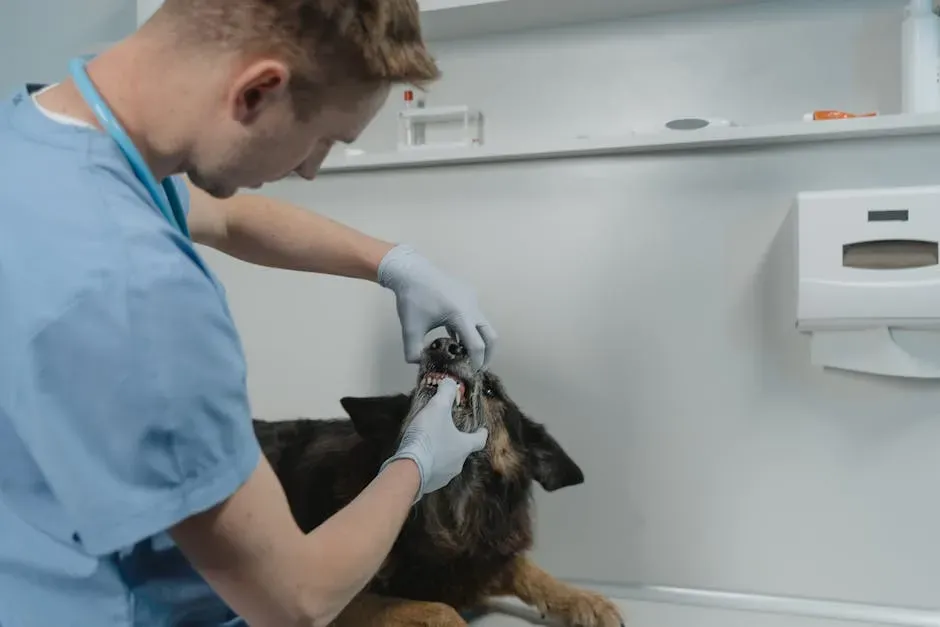
Dental disease often goes unnoticed in older dogs. Untreated gum infections can lead to systemic illness affecting the heart and kidneys. That’s not a minor inconvenience. Oral bacteria entering the bloodstream can complicate conditions that are already challenging to manage in a senior dog.
Pay extra attention to dental care, as dental issues are common in older dogs. Brushing teeth and using dental chews can help. Look for early signs like bad breath that seems unusual, pawing at the mouth, dropping food while eating, or suddenly losing interest in kibble. All of these point toward oral discomfort that deserves a closer look.
Healthy teeth improve appetite, comfort, and energy levels. A dog in oral pain often eats less, loses weight, and becomes more withdrawn. The fix can be as straightforward as a professional cleaning and a consistent home care routine. Start early, and stay consistent.
9. Weight Management: Every Extra Pound Counts More Now
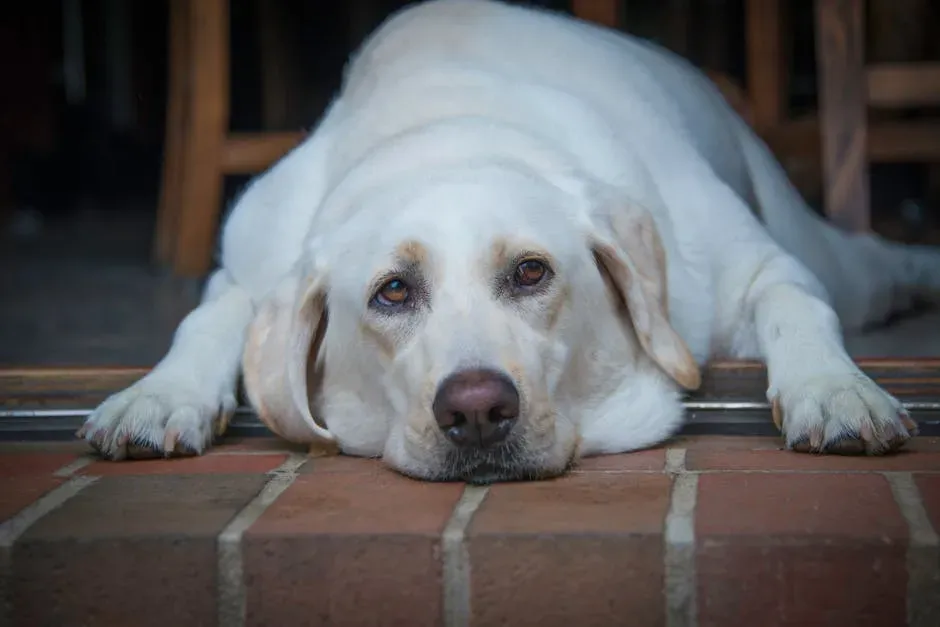
Excess weight can have a major effect on a senior pet’s health. Obesity in senior pets is linked to an increased risk of arthritis, difficulty breathing, insulin resistance or diabetes, heart disease, high blood pressure, skin problems, cancer, and other conditions. That’s a sobering list for what can start as just a little extra treat here and there.
Maintaining a healthy weight becomes increasingly challenging and increasingly important as dogs enter their senior years. With naturally declining activity levels and decreasing metabolic rates, many seniors tend toward weight gain without dietary adjustments. Excess weight places additional strain on aging joints and can exacerbate existing health conditions.
An overweight pet may not show any early warning signs of health problems, which is one reason why regular visits to your veterinarian are so important. Ask your vet to body-condition-score your dog at each visit. It’s a simple, visual assessment that gives you a real benchmark to track over time, and it’s far more useful than simply watching the scale.
10. Temperature Comfort: Their Thermostat Is No Longer Reliable

Maintaining your home at a steady, comfortable temperature matters more as dogs age. As dogs age, they begin losing large amounts of hair and their bodies are more sensitive to temperature fluctuations. Avoiding wide temperature variations and keeping the humidity consistent increases their comfort.
Provide blankets or heated mats for temperature sensitivity. Older pets often struggle to regulate their body temperature, so extra warmth is crucial. There’s a reason older dogs like warm, cozy beds. A dog who could handle hanging outside all day on a chilly day will likely need a sweater when out and a bit more time inside with a bed close to the heater.
Seasonal transitions are worth noting, too. What felt fine in autumn may become genuinely cold by January. Keeping a light dog sweater on hand for cooler mornings, and ensuring the sleeping area stays draft-free, are small things that add up meaningfully for a dog whose comfort margin has narrowed.
11. Consistent Daily Routine: Predictability Is a Form of Care
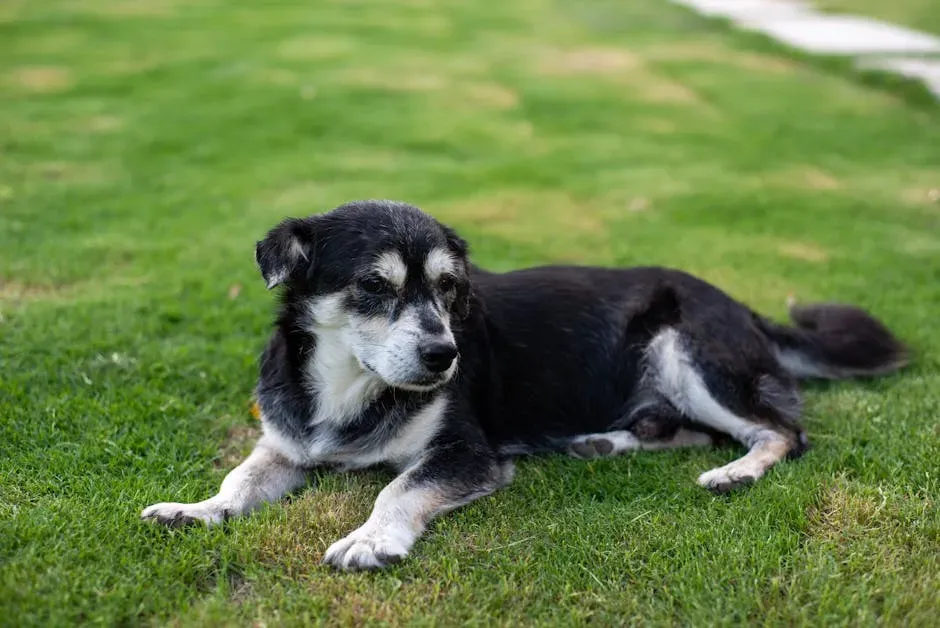
Dogs thrive on structure. As cognitive function changes, predictable routines reduce anxiety. Feed, walk, and rest at consistent times daily. Familiar schedules provide reassurance and stability. Think of it this way: when the world inside your dog’s mind starts feeling uncertain, the world outside them needs to stay steady.
For senior dogs, familiar surroundings and consistent routines help lower uncertainty and anxiety. Around the home, the best way to aid senior dogs and alleviate their anxiety is structure and routine. Structure and routine help reduce confusion and aid them in getting around comfortably and safely while still maintaining some independence.
Even small disruptions, like moving furniture or changing the feeding schedule, can unsettle an older dog more than you’d expect. Senior dogs often handle change less well than they did when younger. A new pet, a change in schedule, a move, or the loss of a companion animal can trigger significant anxiety in an older dog whose resilience and adaptability have diminished. Stability is genuinely therapeutic.
12. Cognitive Support: Keeping the Mind as Active as Possible
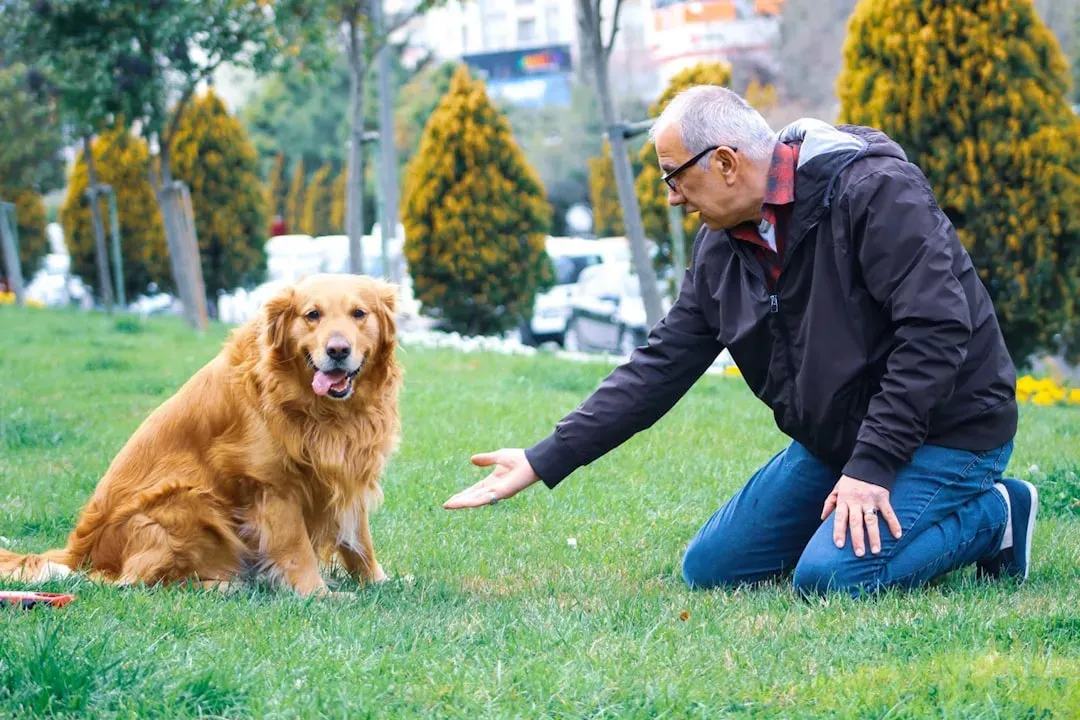
A notable breakthrough in senior dog nutrition is the use of particular ingredients, like medium chain triglyceride oils, to support cognitive health. Starting at around age seven, a dog’s brain begins to lose its ability to use glucose as its primary energy source. This can adversely affect memory, learning, awareness, and decision-making. MCT oils provide the brain with an alternative energy source, and studies have shown diets containing these ingredients can help improve an older dog’s cognitive functioning.
As dogs age, they may encounter the phenomenon known as Shrinking World Syndrome, a condition exacerbated when owners cease training and introducing new tricks. While an older dog’s senses may not be as sharp as in their youth, it’s crucial not to underestimate their capacity to learn and adapt. Keeping a senior dog mentally engaged isn’t just enriching. It’s protective.
Scientific studies have shown that, when combined with behavioral enrichment, antioxidants can improve memory and cognitive function in senior dogs. Puzzle toys and snuffle mats encourage problem-solving while keeping your dog active without demanding physical endurance. Brain games are one of the most accessible and underused tools in senior dog care.
13. Sensory Loss Support: Adapting When Sight and Hearing Fade
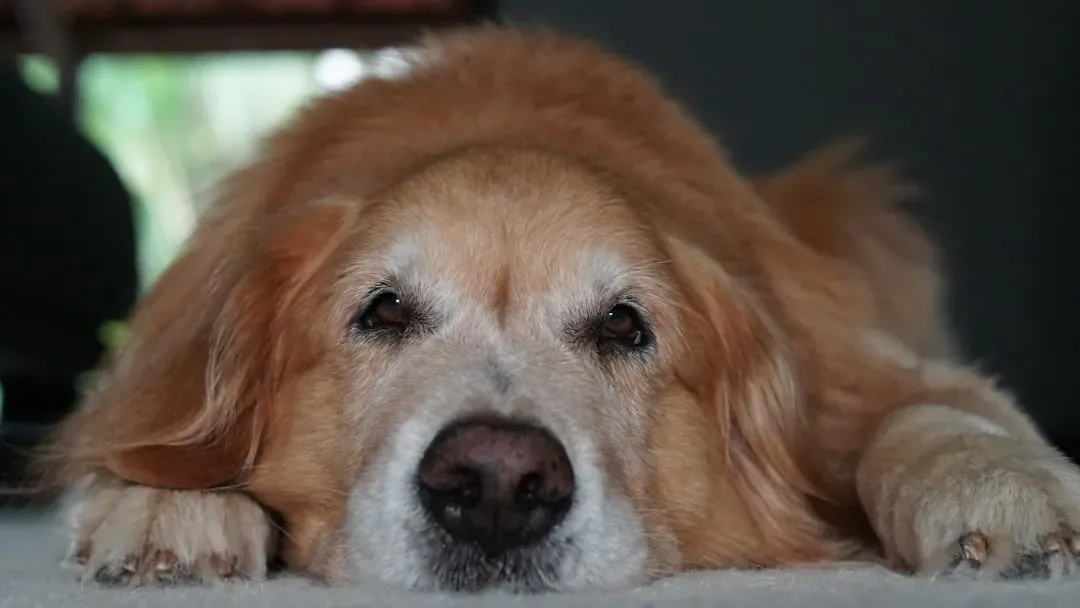
Vision loss is often accompanied by subtle signs. If your dog becomes clumsier, can’t find food or water dishes, doesn’t want to move around as much, or is easily startled, a loss of vision could be the culprit. These signs are easy to miss, especially in dogs who compensate instinctively for weeks before the deficit becomes obvious.
The ASPCA recommends clearing clutter from the floor, marking different rooms with different scents or differently textured rugs so your dog recognizes which room they’re in by smell or touch, blocking off dangerous areas, and keeping familiar things like furniture and food and water dishes in the same place. Consistency in spatial layout becomes a form of safety for a dog with compromised vision.
In the case of hearing loss, one of the ways you can prepare for a smooth transition to deafness is to start training with hand signals early. When your dog knows hand signals well, it won’t matter as much that they can’t hear what you’re asking of them. This one takes forward planning, but the payoff is a dog who stays responsive and connected to you even as their hearing fades.
14. Emotional Connection and Reduced Isolation
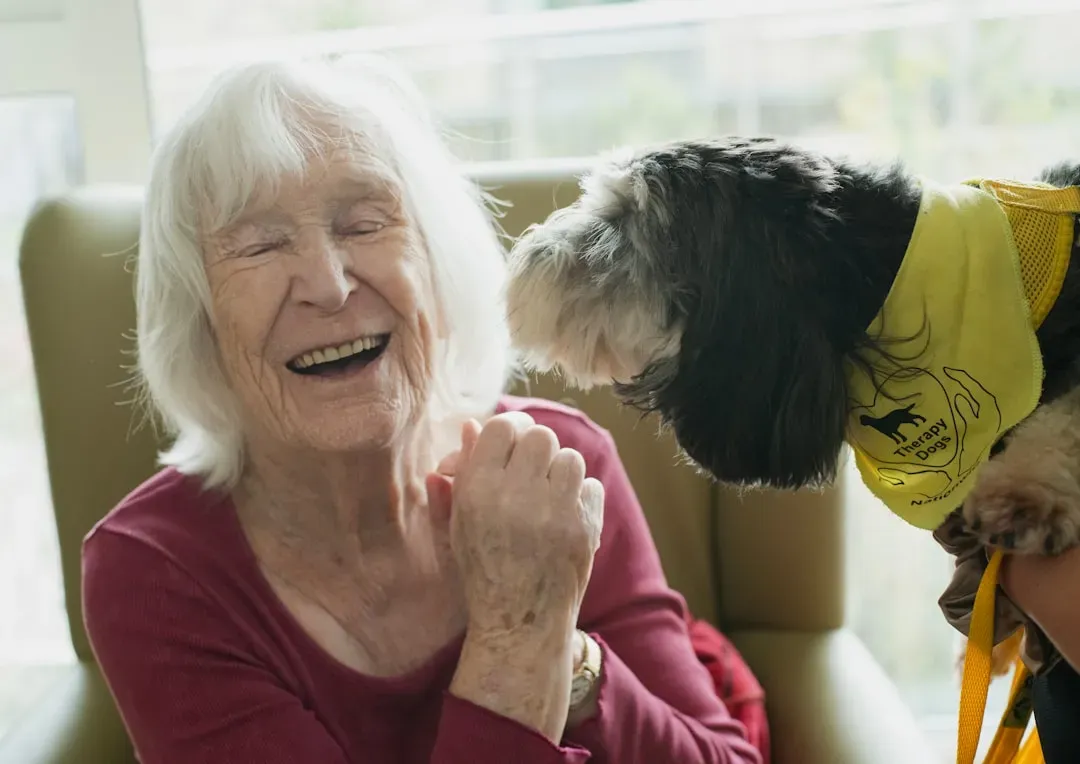
Senior dog care isn’t just about physical health – it’s about emotional well-being too. As dogs age, they may experience anxiety, confusion, or changes in temperament. Continue to offer consistent affection, gentle routines, and lots of reassurance. Physical comfort and emotional presence work together. One without the other leaves real gaps.
Some common concerns reported by guardians of aging dogs are increased sensitivity and irritability, increased fear of unfamiliar pets and people, decreased tolerance of touch and restraint, increased following and desire for contact, and increased anxiety when left alone. Noise sensitivity from hearing loss can also make some dogs more anxious and vocal. These aren’t bad behaviors. They’re communication.
Changes in vision, hearing, mobility, health and cognitive function can all produce anxiety in senior dogs, as well as making it difficult for them to get comfortable. Place rugs, yoga mats, or carpet runners on hard surfaces where they walk, and use pet gates or exercise pens to block off stairs or other parts of the home where they might get hurt, especially if dealing with vision loss or canine dementia. Your presence and your adjustments together form a kind of care that goes beyond any single product or routine.
15. Grooming and Skin Care: Dignity in the Details
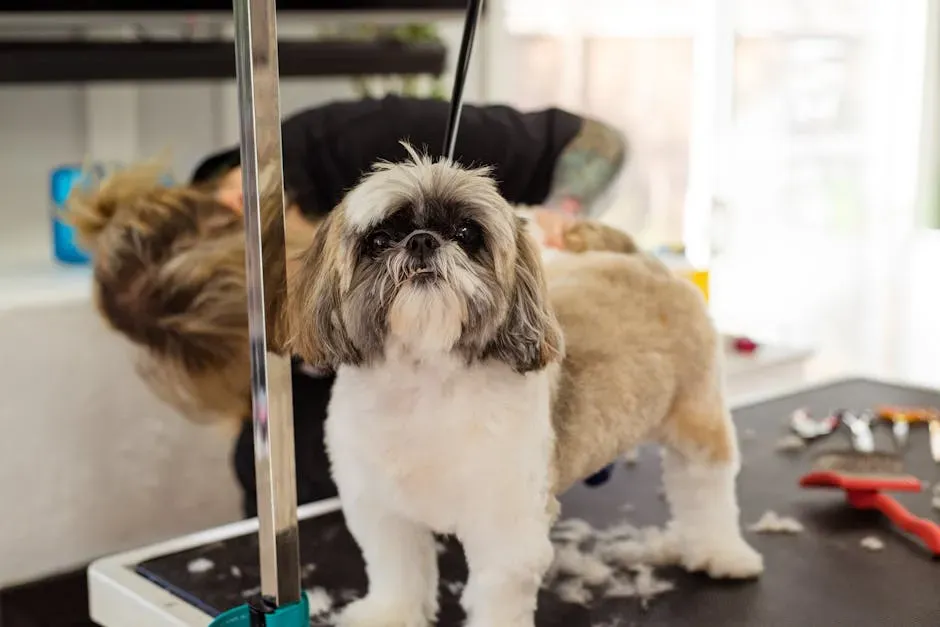
Grooming routines for senior dogs require special attention to ensure their comfort and health. Regular grooming is essential as older dogs often have drier skin and may be more prone to matting and skin issues. Use gentle, moisturizing shampoos to prevent dryness and irritation.
Brush your dog regularly to remove dead fur and improve circulation. Pay extra attention to dental care, as dental issues are common in older dogs. Regular nail trims are crucial to prevent discomfort and mobility issues. Overgrown nails force a dog to shift their posture when walking, which adds stress to already-taxed joints. It’s one of the most overlooked causes of mobility discomfort in older dogs.
Consider professional grooming services to avoid stress and ensure safety, especially for larger breeds. Adjust grooming routines to cater to your dog’s specific needs and consult your vet for personalized advice. Grooming also gives you regular, close-up time to check for new lumps, skin changes, or signs of pain. It’s not just about appearances. It’s ongoing observation wrapped in affection.
Conclusion: The Golden Years Are What You Make of Them

Caring for a senior dog asks something real of you. It asks you to slow down, pay attention, and make adjustments that aren’t always convenient. The goal isn’t to extend lifespan forever – it’s to maximize the quality of the remaining years. Most dog owners find that investment worthwhile.
A dog moving painfully on a hard floor, eating food that upsets their digestion, and going unmonitored for eighteen months will decline rapidly. The same dog on premium food, sleeping on a memory foam bed, receiving appropriate supplementation, and visiting the vet twice yearly will remain active, comfortable, and engaged. The difference between those two realities is mostly intentional choice.
Your dog has spent years reading your moods, staying by your side, and asking for so little. Now the list is a bit longer. Most of what’s on it doesn’t require perfection – just presence, consistency, and a willingness to keep learning what your dog needs as they change. That’s the whole job, really. Loving your dog through good nutrition, meeting all their health and wellness needs, and spending lots of quality time with them will go far when it comes to making their final years truly golden.