

There’s a specific kind of heartbreak that only dog owners understand. It’s not just the loss itself. It’s the slow, dawning realization, usually somewhere near the end, that your dog spent every single day showing you how to live, and you were too busy to notice.
Dogs don’t write books or give speeches. They teach through presence, through routine, through the quiet weight of a head resting on your knee at exactly the right moment. Life with a dog can teach you how to live in the moment, how to forgive, and how to find joy in the simplest of things. The tragedy is that most of us absorb these lessons only in retrospect, when the leash hangs empty on the hook and the house feels too still.
This article is for every dog owner who has ever felt that their dog understood something important about life that they themselves hadn’t fully grasped. You’re not imagining it.
Presence Is the Most Generous Gift You Can Give
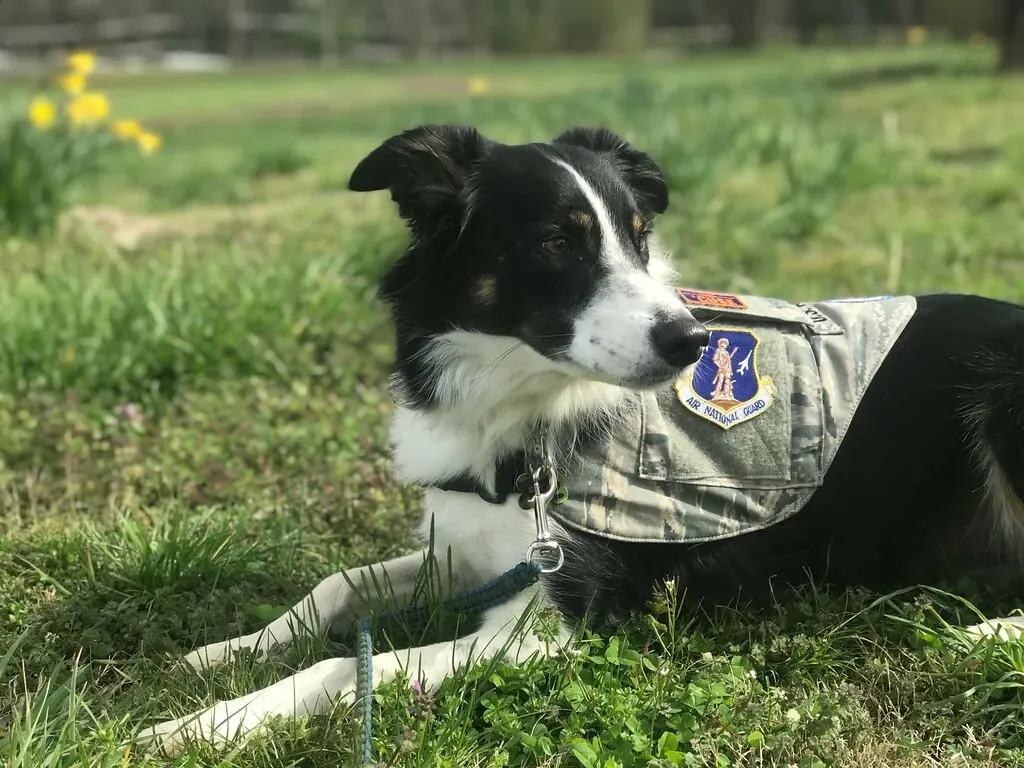
Dogs don’t multitask their affection. When they’re with you, they’re fully with you. Dogs fully engage in the present moment, whether chasing a butterfly or lying in the sun, and this ability to live in the moment teaches us to appreciate the here and now. That same full presence, offered to the people we love, is one of the most generous and underused things a human can do.
Dogs are masters of living in the moment. They don’t dwell on the past or worry about the future; they focus on the here and now. This ability to enjoy the present teaches us to embrace the moment and appreciate the people around us. Think about how rare that actually is among humans. We’re physically in a room while mentally rehearsing tomorrow’s meeting or replaying yesterday’s argument. Your dog never does that. Not once.
Love Without Conditions Is a Practice, Not Just a Feeling
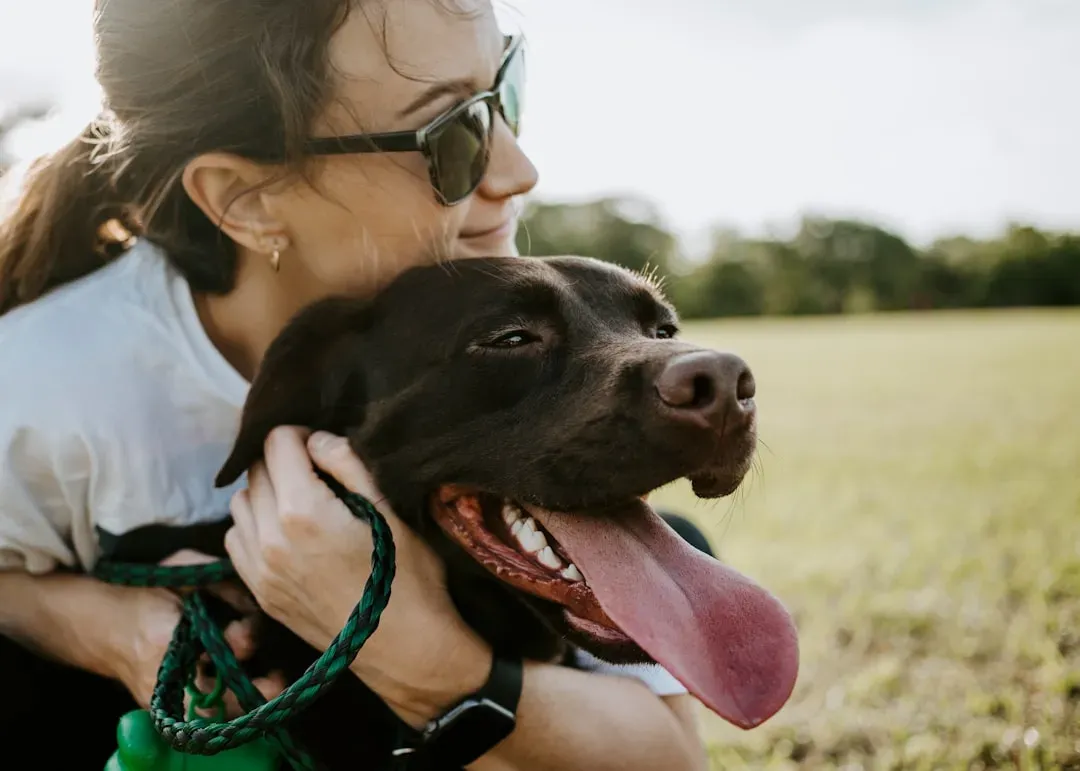
Dogs don’t just live; they love in a way that’s pure and selfless. Their love isn’t based on what you do or how you look, it’s unconditional. That’s not a small thing. Most human relationships come loaded with expectations, silent scorecards, and conditions we don’t even know we’ve set.
Dogs don’t let hardships affect their ability to love. Even when they are sick, injured, or facing difficult circumstances, they continue to love unconditionally. Their ability to persist in showing love during tough times reminds us that true love doesn’t falter when faced with adversity. The lesson here isn’t sentimental. It’s a practical challenge: can we offer even a fraction of that consistency to the people in our lives?
Joy Lives in Small Things, and Dogs Have Always Known This

Dogs find joy in the simplest things, from a favorite toy to a gentle pat. This unconditional joy is infectious, teaching us to find happiness in everyday moments. Dogs remind us that joy is a state of mind, not dependent on material possessions or status. A walk around the same block for the thousandth time is still, to your dog, a genuine adventure.
Dogs find immense joy in simple pleasures like a game of fetch or a stroll in the park. Their enthusiasm for the mundane reminds us to appreciate the little things that often go unnoticed. This lesson encourages us to slow down and savor everyday moments. Humans, by contrast, often spend enormous energy chasing experiences we think will finally make us happy, while the dog beside us is already there.
Loyalty Is Shown Through Showing Up, Not Just Saying So
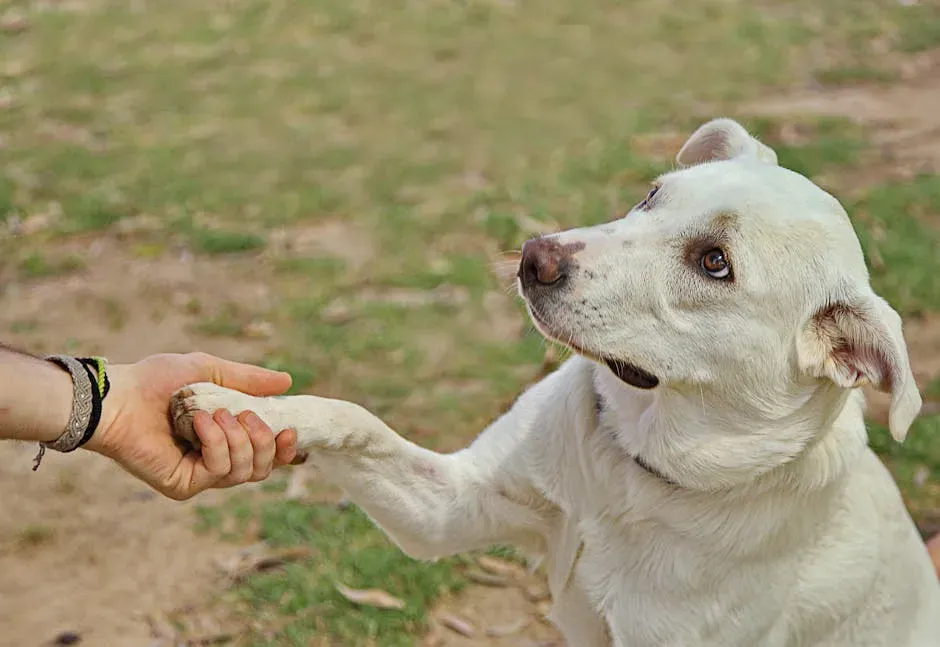
Dogs have an incredible knack for staying by your side no matter what. Whether you’re moving to a new city, facing a challenging chapter in life, or just spending a quiet evening at home, their loyal presence is constant. There’s no negotiation, no “I’ll be there unless something better comes along.” Just the simple, reliable fact of them, next to you.
Dogs epitomize trust and loyalty, forming bonds that stand the test of time. Their steadfastness reminds us of the importance of being reliable and trustworthy in our relationships. Dogs teach us to be present for those we care about, offering support and companionship without conditions. The humans in our lives need that same kind of quiet reliability. Not grand gestures, just the steady decision to show up.
Forgiveness Is Something You Practice Every Morning
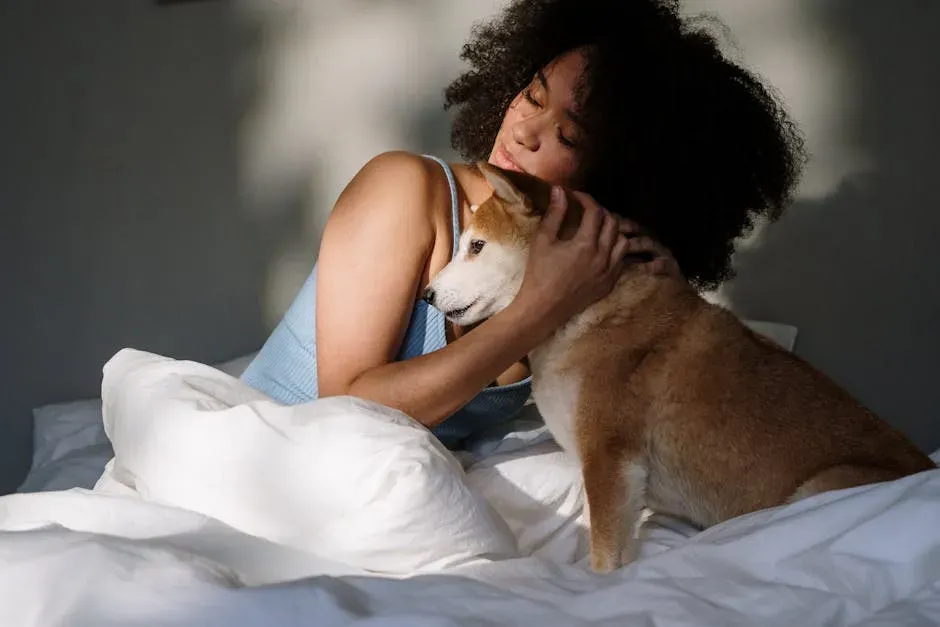
Pets have a remarkable ability to forgive and forget, as evidenced by their ability to trust humans after having been abandoned or abused. Their capacity for forgiveness teaches us the importance of letting go and opening up oneself for love and compassion from others. Dogs seem to have mastered what most humans spend years in therapy trying to achieve.
A dog’s love encourages us to forgive more freely, reminding us that every moment is an opportunity to connect and care more deeply. When your dog greets you with the same enthusiasm on a day you’ve been short-tempered or distracted, they’re not being naive. They’re modeling something ancient and profound. Each morning is genuinely a fresh start for them. That’s not weakness. It’s a kind of freedom most of us haven’t found.
Watch Your Dog Closely Because the Body Speaks Before the Voice Does
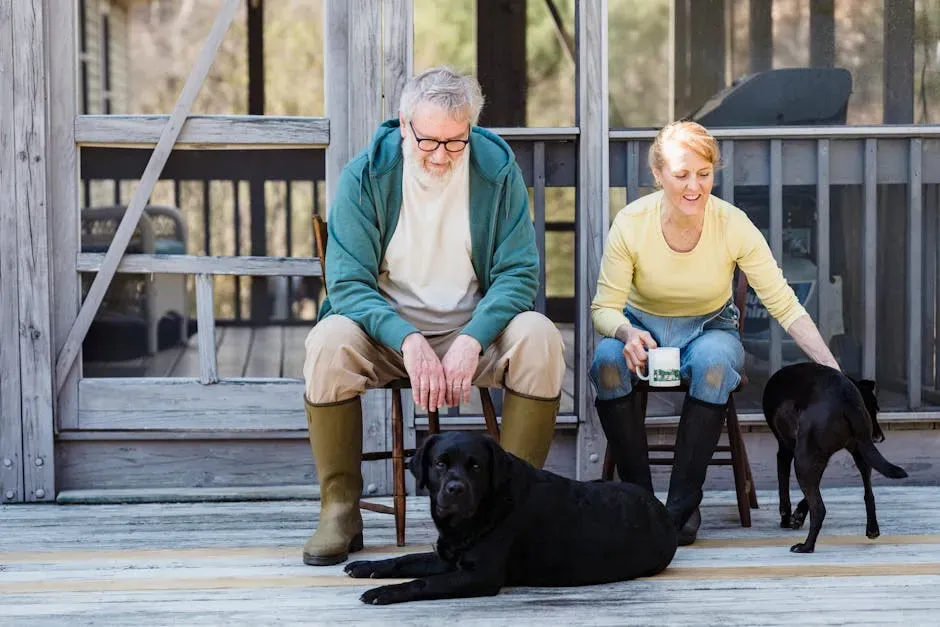
Dogs don’t become seniors overnight. Aging is a slow and gradual process, and changes can be subtle, so it’s important to keep a close eye on your dog’s health and behavior, and discuss any changes you notice with your veterinarian. Many owners miss the earliest signals simply because they’re looking for dramatic changes when the truth hides in small shifts.
Senior dogs may become more irritable or withdrawn. They might show less interest in activities they once loved, such as playing fetch or going for walks. These changes can be subtle at first but tend to become more pronounced over time. If your once-enthusiastic trail companion hesitates at the bottom of the stairs, or your social dog starts hanging back in corners, take note. Early observation is one of the most practical forms of care you can offer.
Pain in Dogs Is Often Quiet and Easily Missed
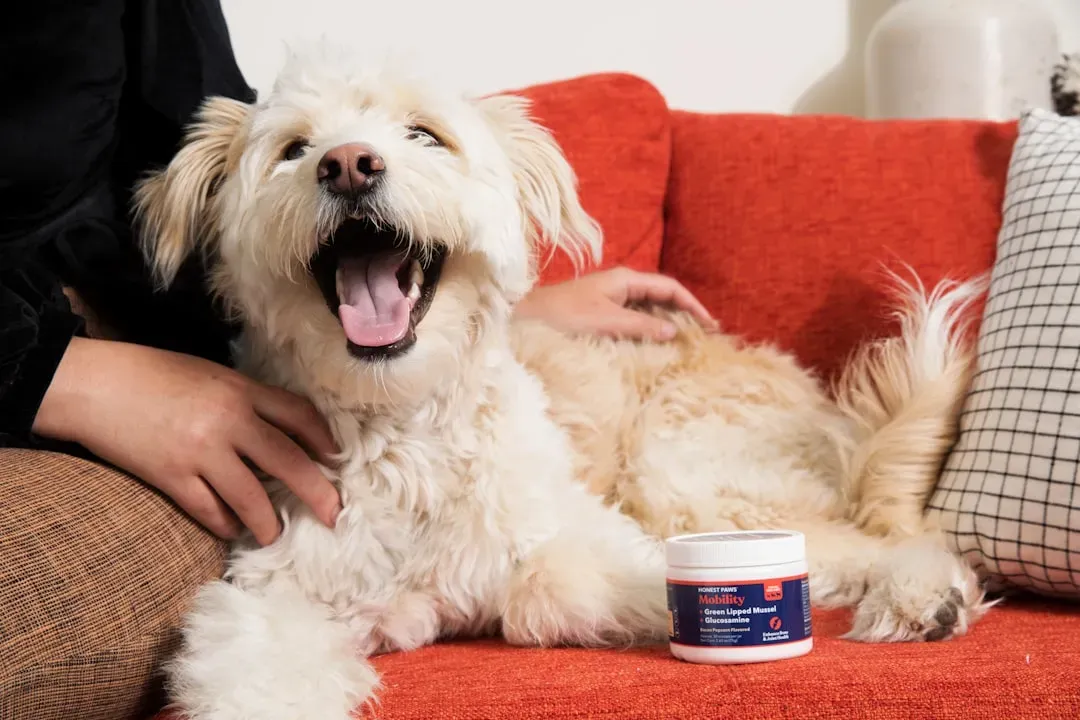
Dogs are remarkably stoic creatures. Unlike humans, they don’t reliably vocalize pain, and that silence can fool us into thinking all is well. Sudden or persistent shifts, such as drastic weight loss, significant drop in energy, altered breathing, or clear signs of pain, should prompt immediate consultation with a veterinarian to ensure timely intervention.
A sudden withdrawal, mobility issue, or appetite loss could just as easily stem from something like dental pain, infection, or a manageable chronic condition, and not necessarily mean impending death. Unfortunately, we sometimes hear, “He’s old, it’s just his time,” even when the pet hasn’t seen a veterinarian in years. This mindset can overlook treatable conditions that could dramatically improve a pet’s quality of life with something as simple as pain medication, joint support, or appropriate diagnostics. Don’t assume. Ask your vet.
Aging Gracefully Is a Choice You Help Them Make
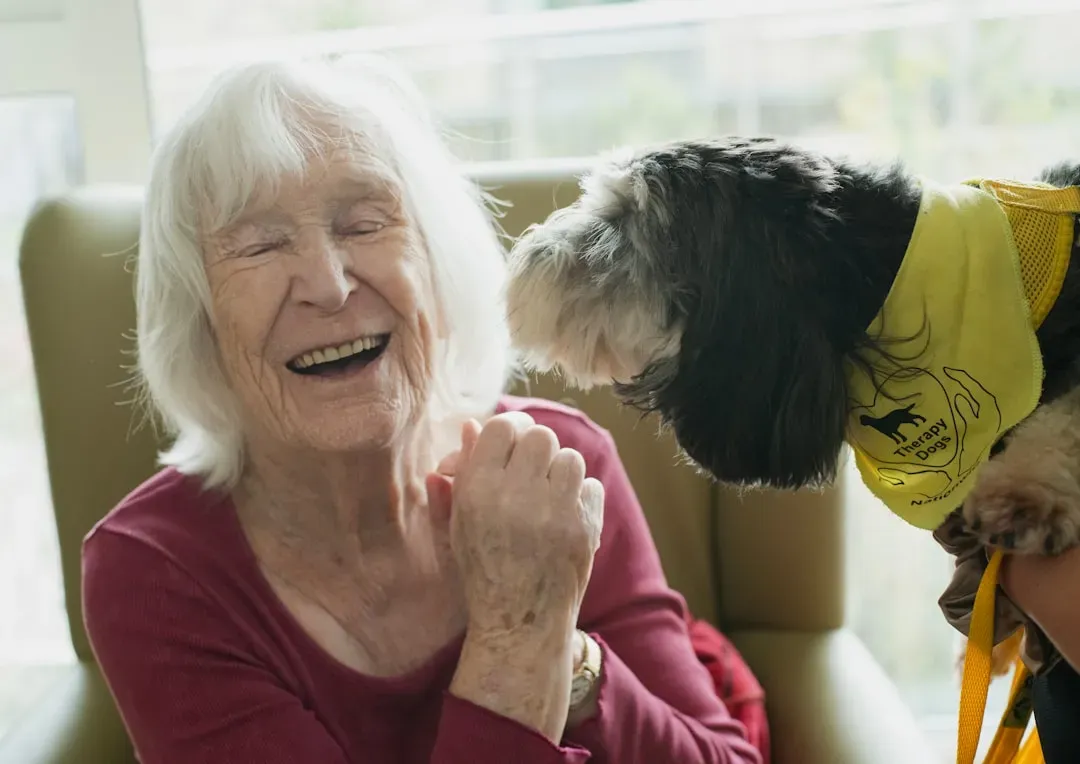
Arthritis and other joint issues become more prevalent as dogs age. You may notice your dog having difficulty standing up, climbing stairs, or even walking short distances. This mobility decline can greatly affect their quality of life. The good news is that a great deal can be done with early intervention, appropriate pain management, and simple home modifications like non-slip mats and orthopedic bedding.
Just like humans, senior dogs need extra care as they grow old. As an owner, it’s important to be mindful of all the ways you can help to maximize your dog’s quality of life during their golden years, especially those you can start while your pup is still young. Preventive care, regular vet check-ins, weight management, and adjusted exercise routines aren’t luxuries. They’re what love looks like in the senior years.
Knowing When to Ask for Help Is Wisdom, Not Weakness
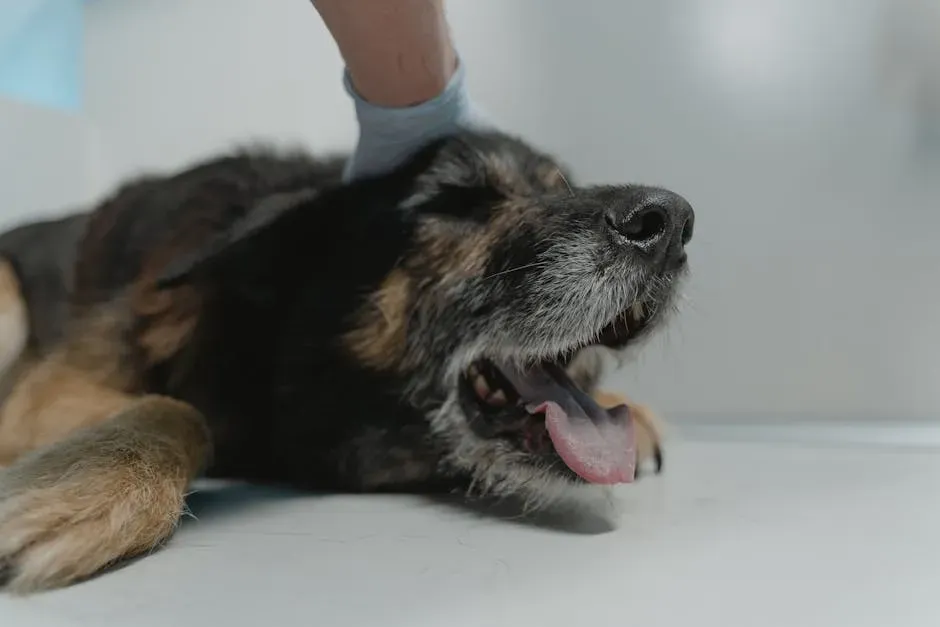
One of the hardest parts of watching a dog age is accepting that your role shifts. You’re no longer just their companion. You become their primary advocate, their voice in spaces they can’t navigate alone. When you notice signs that your dog is dying of old age, it’s crucial to seek veterinary guidance. A veterinarian can provide a thorough examination and offer advice on how to manage your dog’s symptoms and maintain their comfort.
It is important to plan for the end of life before it arrives, and the quality-of-life scale can help with that planning. You can help your dog maintain a good day-to-day life experience by using this scale to regularly measure how well your dog’s basic needs are being met. The scale can also help you clarify the decision for euthanasia, hopefully relieving anxiety and regret about your beloved dog’s end of life. Involving your vet early isn’t giving up. It’s giving your dog your best.
The HHHHHMM Scale: A Compassionate Tool When Decisions Get Hard
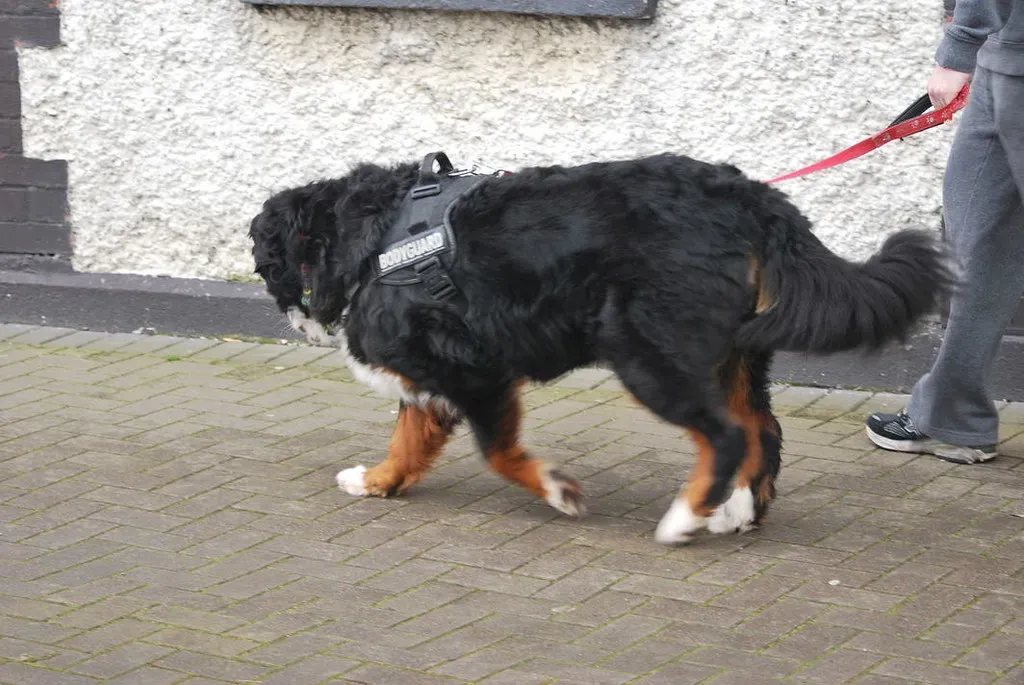
When a dog’s health declines and the hardest conversations begin, objectivity can feel almost impossible. Grief clouds everything. That’s where practical tools become genuinely helpful. Dr. Alice Villalobos, a veterinarian who started a quality of life program for terminal pets called Pawspice, has published a scoring system called the HHHHHMM scale. Having a quality of life inventory is helpful in seeing your pet’s situation in a more objective light.
The letters stand for: Hurt, Hunger, Hydration, Hygiene, Happiness, Mobility, and More Good Days than Bad. Each category is scored on a scale, and the cumulative result gives you a clearer picture of your dog’s lived experience beyond your own emotional lens. Many pet caregivers felt that using the Quality of Life Scale to decide when to put their dog down reduced their personal angst, guilt and anguish, as they wrestled with subjective feelings and emotional decision making. You don’t have to navigate the hardest moment alone or unarmed.
Dogs Face the End With a Grace That Challenges Us

When we bring new dogs into our lives, we subconsciously sign a contract with our dogs to end their lives. We give them a life and we also have to have the courage to let them die with dignity. That’s a profound responsibility, and one that most people don’t fully reckon with until they’re standing right in the middle of it.
As humans, we want to hang on to life forever, but dogs seem to accept it so peacefully. We are constantly trying to find ways to prolong our lives because we are so afraid of the unknown, and death is a really big unknown. If our dogs can accept death with grace and dignity, maybe we too can find a way to be unafraid and taste life right up to the end. Watching a dog move through their final days with quiet trust is one of the most humbling things a person can witness.
Grief Over a Dog Is Real, and It Deserves Real Space
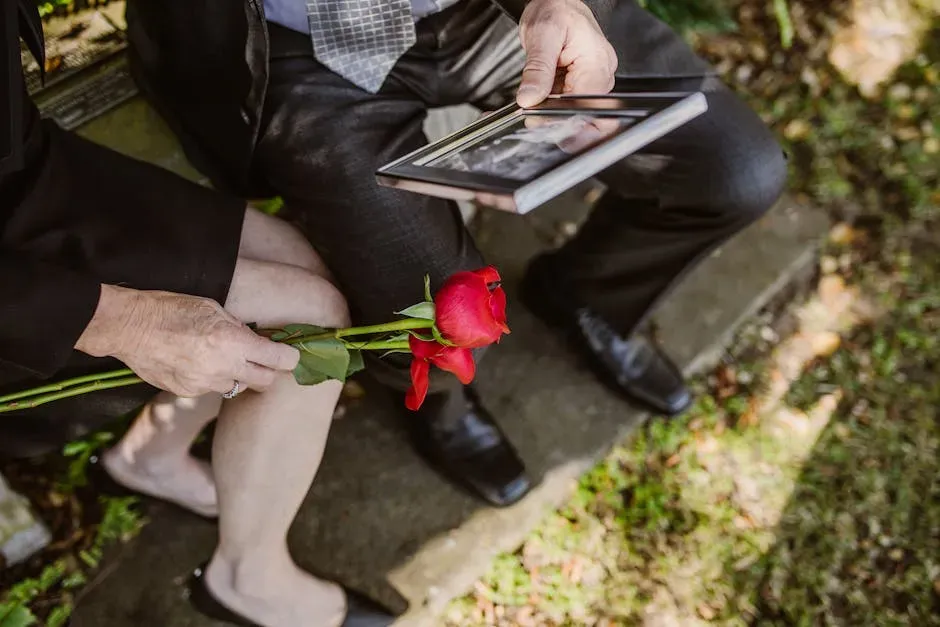
If you were lucky enough to share your life with a dog, especially a soulmate dog who has passed or is nearing the end of life, you also have the flip-side of such a strong relationship: grief. Every experience of grief is unique, so you can’t really be prepared for the loss of your dog. Knowing this ahead of time doesn’t soften the blow, but it does give permission to feel it fully.
When we lose a dog, the pain can feel all-consuming. In the midst of that pain, practicing gratitude can bring moments of peace and reflection. Instead of focusing solely on the loss, remembering the joy, companionship, and unconditional love your dog brought into your life can be a powerful way to heal. Grief, in this case, is simply love with nowhere to go yet. Eventually, it finds new form.
The Lessons Don’t End When They Leave
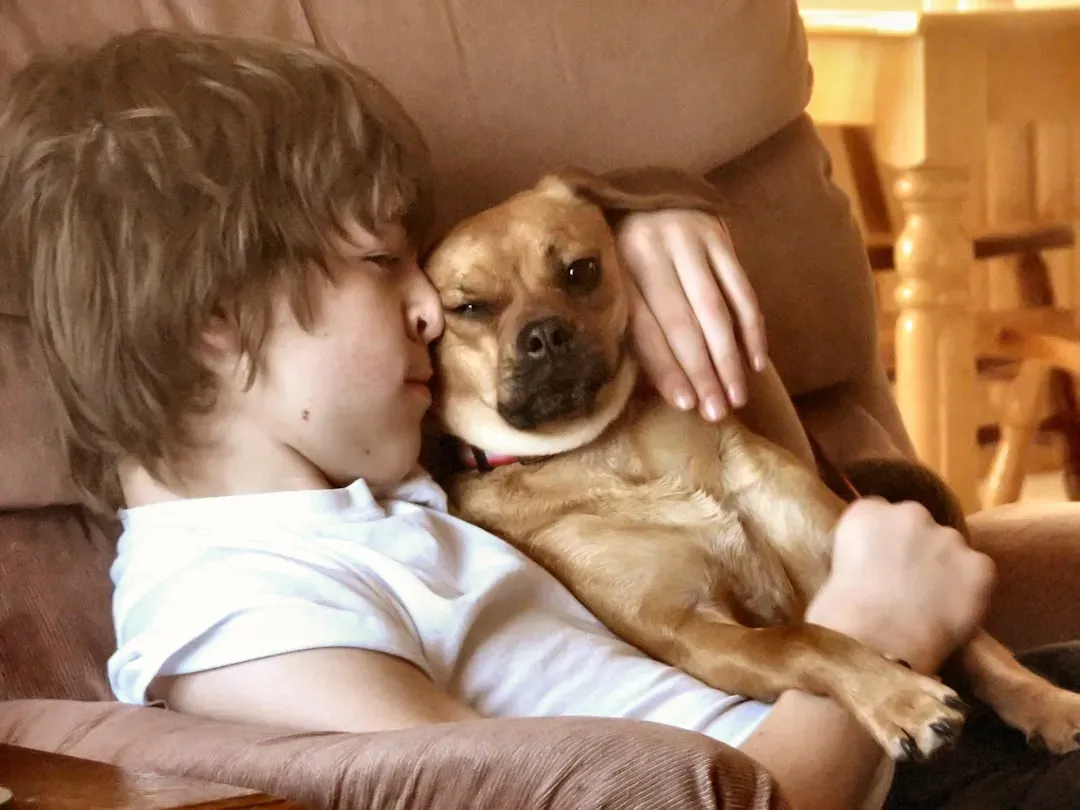
Your dog’s death can also teach you to live in the moment, give you insight into what it means to be alive, and give you an opportunity for growth. This might sound like a cold comfort when you’re in the thick of loss, but over time, many dog owners describe the experience of losing a dog as genuinely transformative, a shift in how they show up for the living.
We like to think we rescue these dogs, but in many ways they rescue us. They come into our lives and fill them with so much love. They always, always love us. This chance to learn is a parting gift from your dog. The final lesson isn’t about the end. It’s about everything that came before it, and whether we were paying attention.
Conclusion: What They Knew That We’re Still Learning
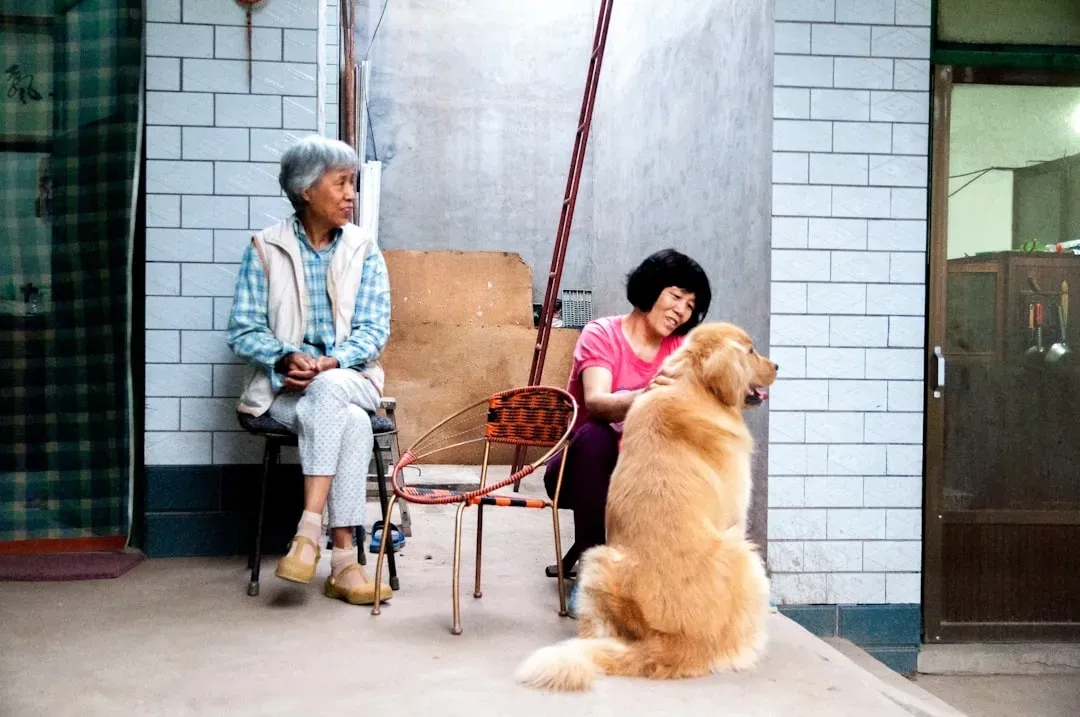
Dogs spend their whole lives teaching and most of us graduate only at the very end, when we finally slow down enough to really see what they were doing. They showed us how to be present, how to love without keeping score, how to forgive before breakfast, and how to face the unknown without flinching. Not because they read about it. Because it was simply who they were.
The best thing we can do, both for our dogs and for ourselves, is to start paying attention before it’s too late. Notice the subtle changes in their body. Protect their comfort in their senior years. Hold space for the grief when it comes. Grief doesn’t have a timeline, and it never fully disappears. Through gratitude, generosity, movement, and connection, you can find ways to move forward while still holding onto the love you shared. Every time you take a walk, support another grieving pet owner, or give back in your dog’s honor, you’re keeping their spirit alive.
The final lesson our dogs teach us isn’t really about death at all. It’s about the way a life, any life, is better when it’s lived with full attention and an open heart. They already knew that. Now it’s our turn.


