
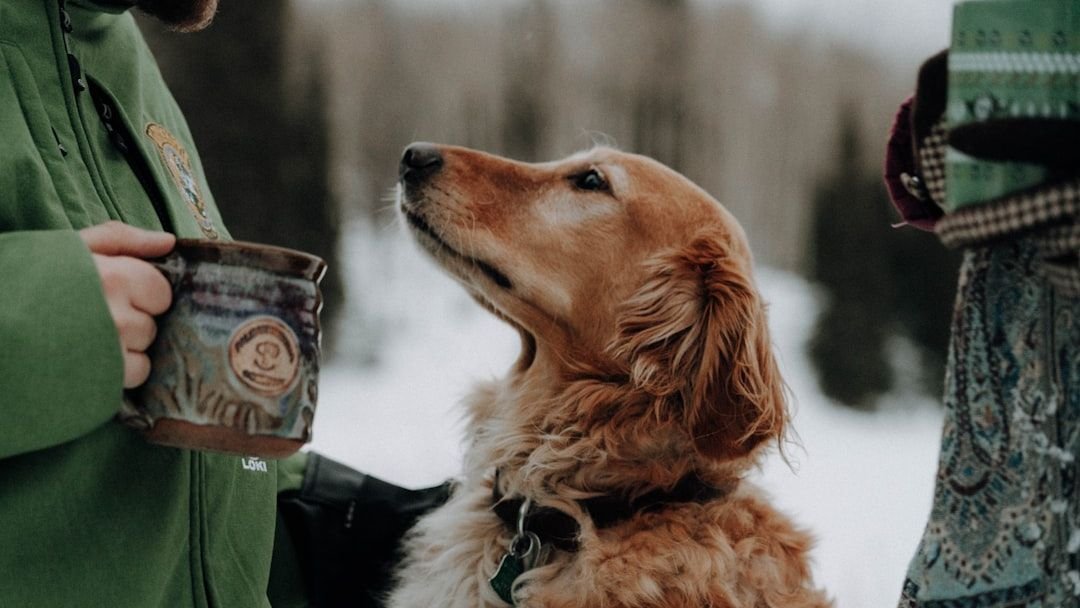
There’s a particular kind of joy that comes from watching your dog hit a trail for the first time. Nose down, tail up, every cell in their body fully switched on. It’s a reminder that adventure isn’t just something dogs tolerate – it’s something they’re built for. Whether you’re planning a weekend camping trip, a serious day hike, or a spontaneous beach run, sharing those moments with your dog is genuinely one of life’s better things.
Still, the outdoors asks a little more of both of you. The wrong gear, or no gear at all, can turn an exciting outing into a stressful one fast. The good news is that being prepared doesn’t require an overwhelming shopping list. It starts with eight solid essentials that cover safety, comfort, health, and freedom – for you and your dog both.
1. A Properly Fitted Harness and Sturdy Leash
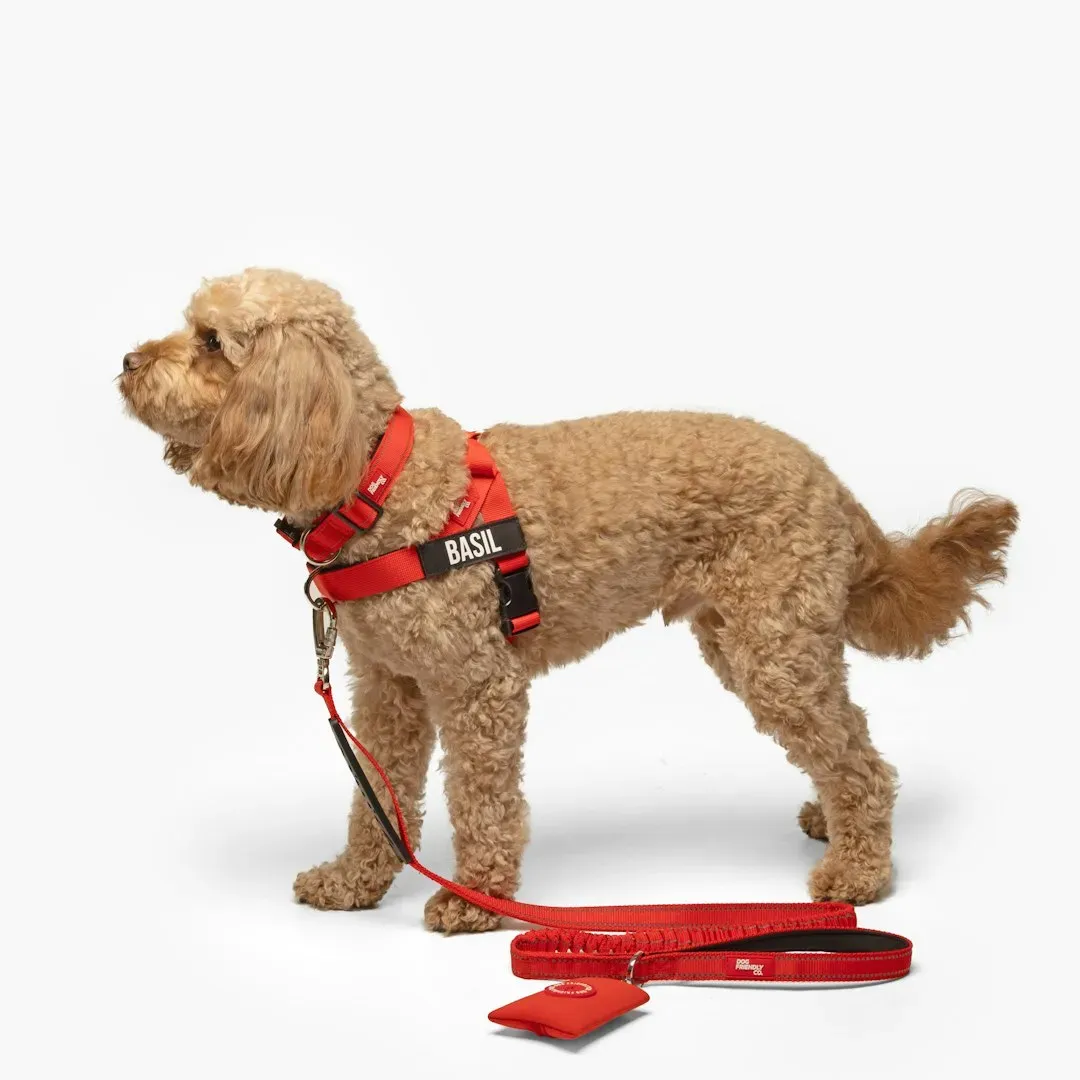
While some pet owners prefer walking their dogs on a collar alone, a harness is genuinely worth considering. For many dogs, a harness means less strain over time on their neck and esophagus. On rugged terrain, that difference matters even more.
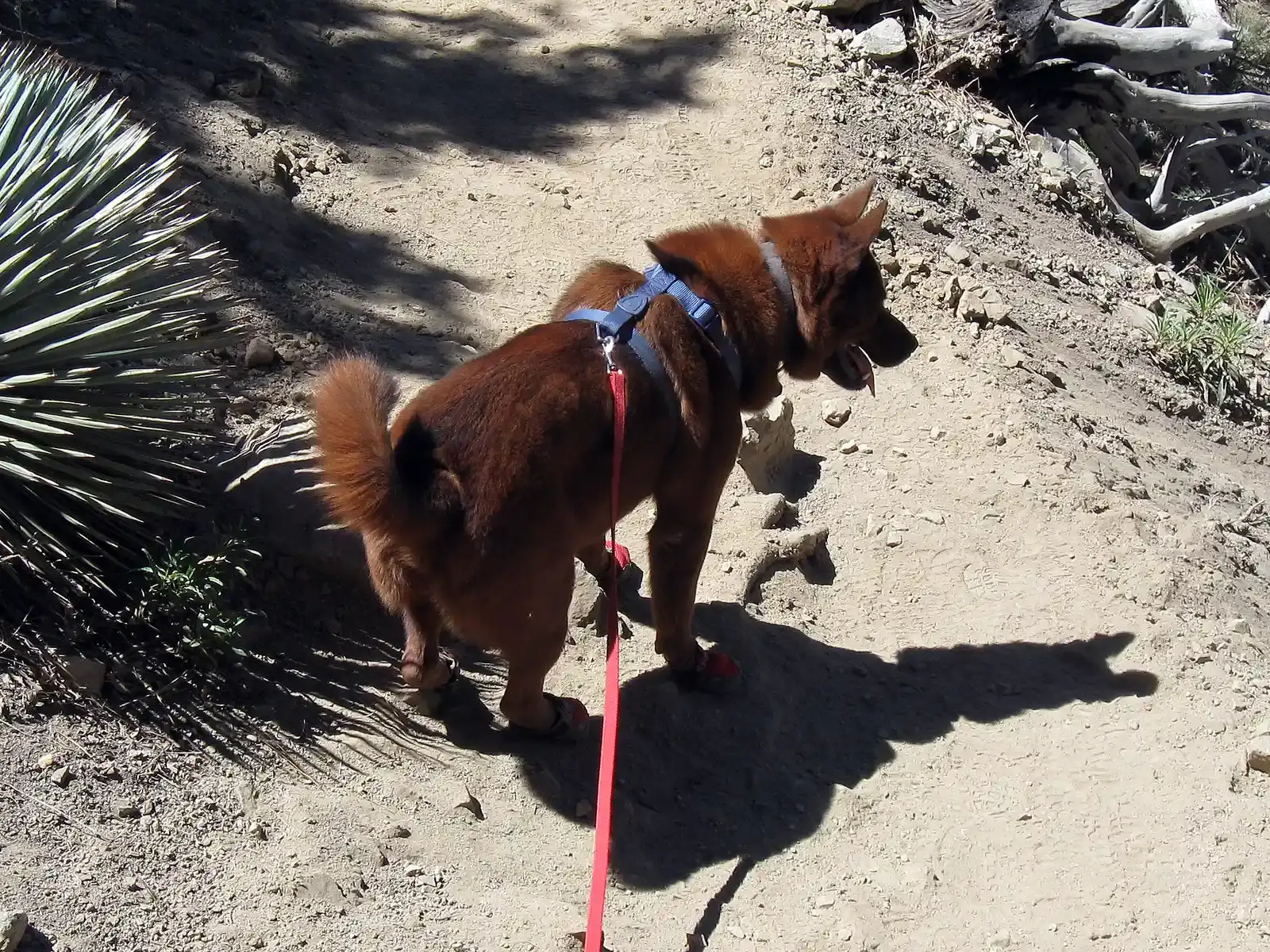
Harnesses also offer more versatility and control during training. When you take dogs off city sidewalks and into rougher terrain, a harness provides the added benefit of being harder to slip out of in uncomfortable situations and helps you assist your pet with tricky-to-travel areas.
Even if your dog is solid with recall at home, that reliability can vanish when something more interesting crosses their path outdoors. A reliable leash gives your dog freedom to explore while allowing you to maintain some control. For open spaces without secure fencing, a longer training lead works beautifully as a middle ground between total freedom and tight restriction.
2. Portable Water and a Collapsible Bowl
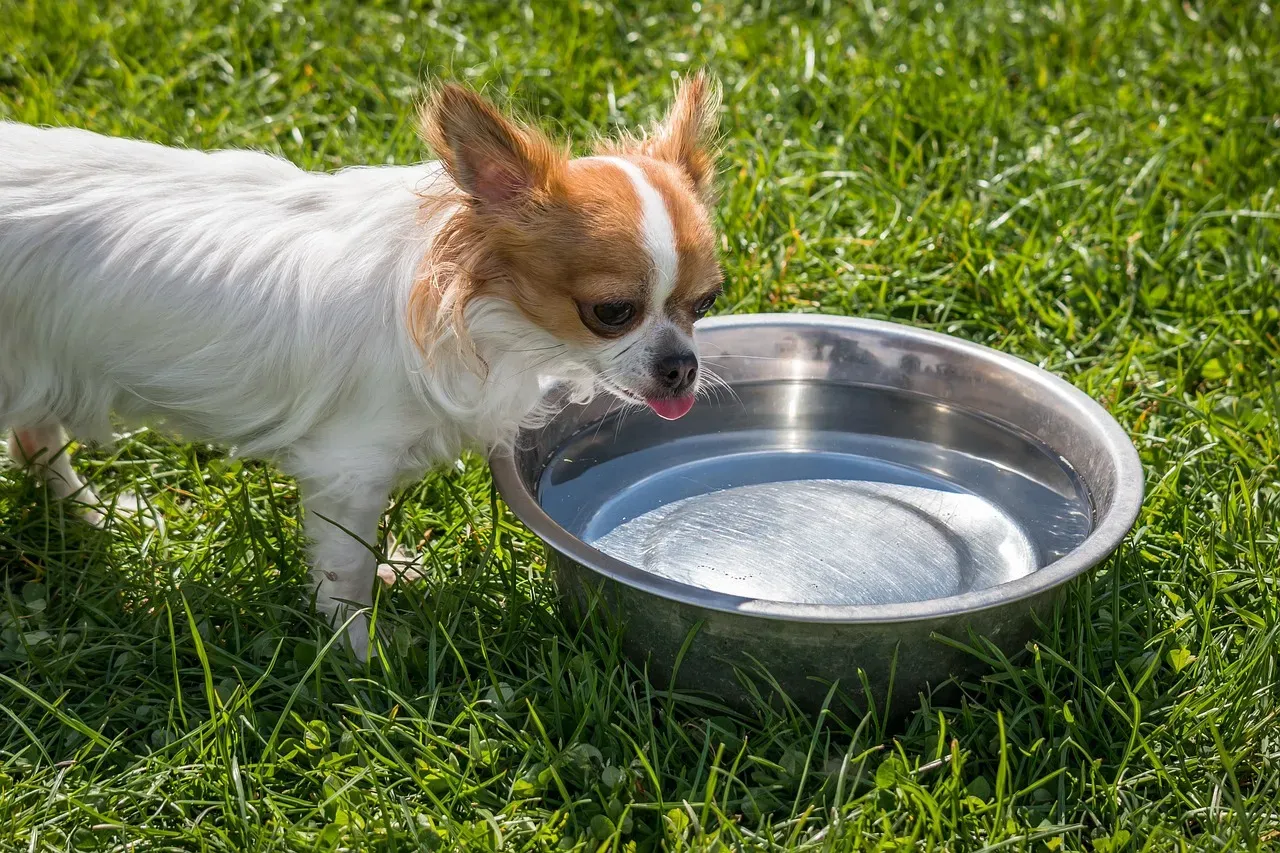
Dogs don’t sweat the way humans do. Panting is their main method to cool down, putting them at a higher risk of overheating on the trail. If you don’t bring water for your dog to drink, you risk your dog drinking from ponds, streams, or standing pools of water, which can pose a high risk.
In warmer months, toxic blue-green algae blooms are common on lakes, ponds, and streams. Even fresh-flowing mountain water can carry various parasites. Avoid stagnant or murky water. This is not a theoretical risk – it’s a real one that can ruin an adventure quickly.
Collapsible water bowls are a practical solution. They’re durable, light, and collapse flat for easy packing and storage. Most include a carabiner to attach to a backpack easily. A combined bottle-and-bowl option is even more convenient, keeping everything organized and within reach when your dog needs a drink.
3. A Dog-Specific First Aid Kit
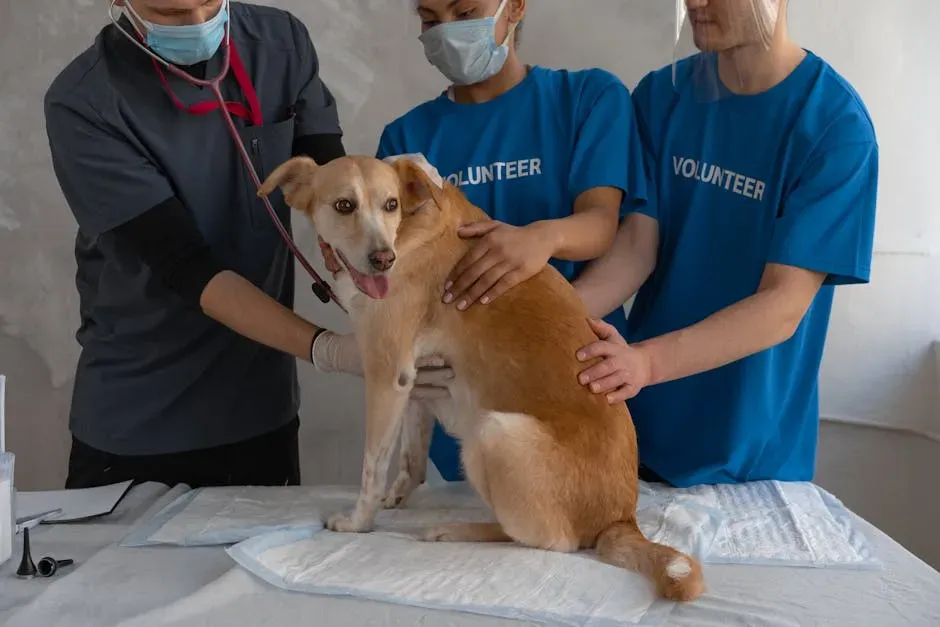
A great starting point, if you don’t already have one, is to buy a first aid kit specifically for pets. This will often cover you with all the essentials you need should the unexpected happen on your next adventure. Cuts, thorn pricks, and minor sprains are far more common on the trail than most people expect.
At a minimum, your kit should include vet wrap, gauze, your pet’s necessary medications, hydrogen peroxide, a syringe, gloves, hand sanitizer, a tick key, and diphenhydramine. A mesh muzzle is also handy, but a cloth bandage or bandana can be used to fashion an emergency muzzle if needed.
Whenever you travel with your dog, it’s important to take a copy of their medical records, including vaccinations for rabies and other diseases. You’ll also need to carry emergency telephone numbers for your veterinarian, a nearby emergency veterinary clinic, and a poison control center hotline. A few minutes of prep before you leave could genuinely make the difference in an emergency.
4. High-Value Trail Snacks and Portable Food
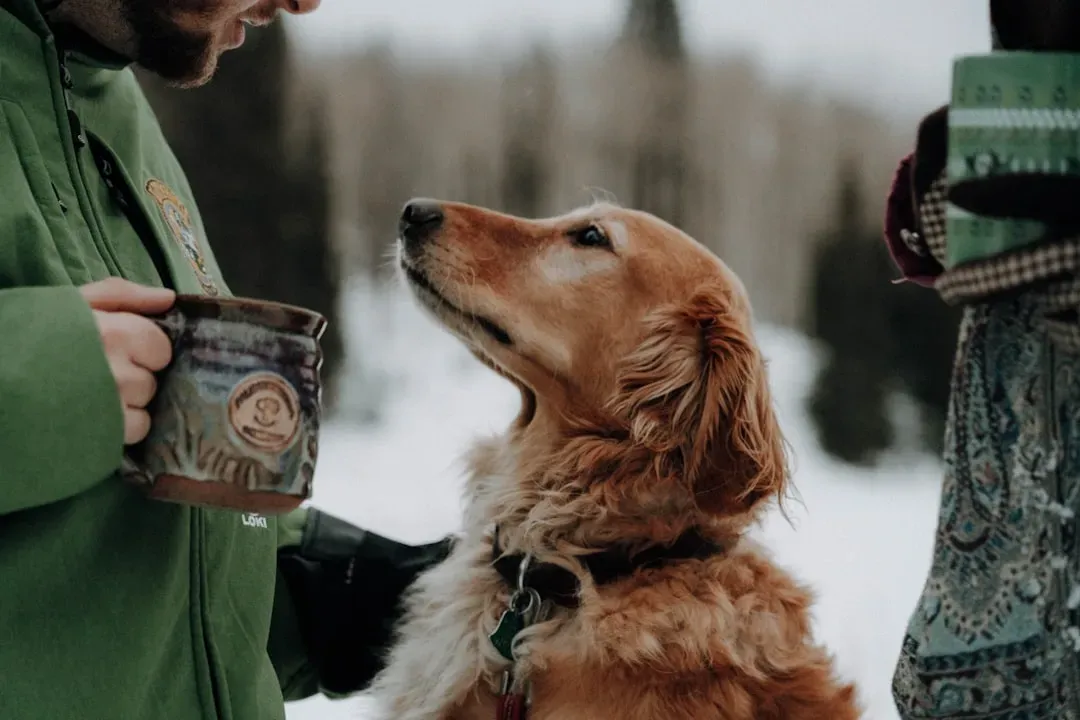
Whether it’s a long hike or a quick swim off a paddle board, it’s important to provide snacks or food to replace the extra calories your dog has burned. Bringing plenty of clean water for your pet is also important, so you don’t have to look for a fountain wherever your wandering takes you.
Being on the trail all day requires you to provide more food and water than your dog typically consumes. Larger dogs might drink between half an ounce to one full ounce of water per pound per day. Any hike you choose will require more food for your dog, with factors like being on a lengthy or steep trail necessitating greater caloric intake.
Snacks or treats can also be helpful for rewarding good behavior or giving your dog an energy boost. On unfamiliar trails where your dog encounters new sights and sounds, having high-value treats on hand also reinforces recall and keeps them focused on you when it matters.
5. Identification Tags and an Updated Microchip
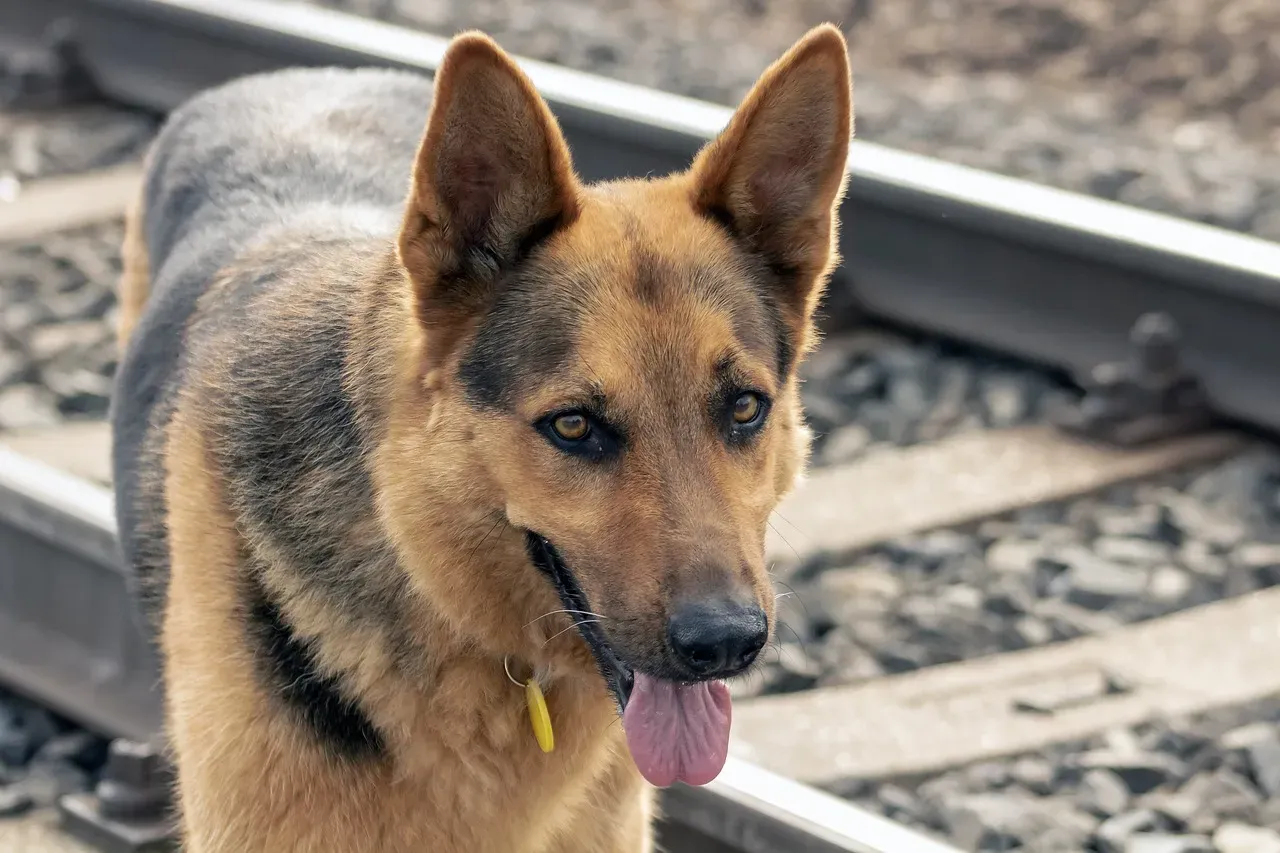
Identification through collars with ID tags is crucial for your dog’s safety. For ID tags, include your dog’s name, your phone number, and your address. Skip cute sayings in favor of essential information that helps reunite you quickly.
Microchips provide permanent identification that can’t be lost or removed. About the size of a grain of rice, they’re implanted under the skin between the shoulder blades during a quick veterinary procedure. The key is keeping your contact information current in the microchip database. Nearly two in five microchipped pets have outdated information, rendering this safety tool useless when it matters most.
Update ID information before any trip. Identification is extremely important in case your dog gets lost. In addition to making sure the phone number on your dog’s ID tag is current, check with your microchip recovery service provider to ensure that your contact information is still accurate. It’s a five-minute task that could bring your dog home.
6. Weather-Appropriate Gear and Paw Protection
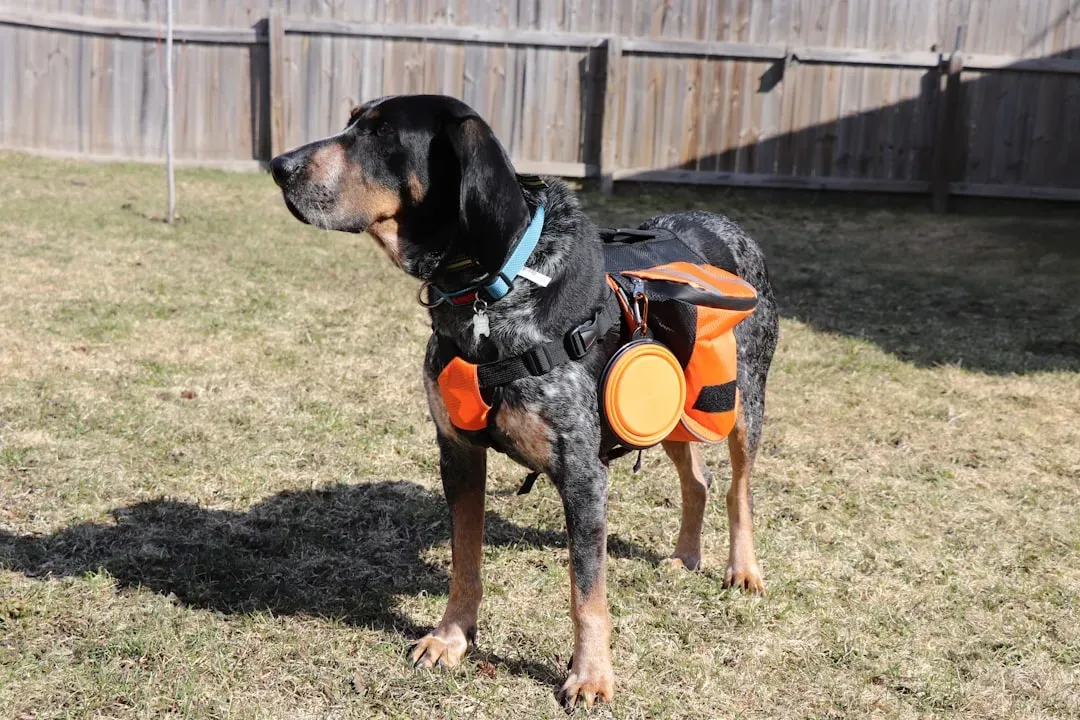
Protect your dog from the elements depending on the time of year and the location. Outdoor adventures can expose your dog to a variety of weather conditions, from extreme heat to cold and wet conditions. Make sure you pack the appropriate gear to protect your dog, such as a raincoat or sweater, and ensure they have a comfortable place to rest and sleep at night.
Check the weather before you leave. Temperatures above 80 degrees and below 40 degrees can be harmful to your dog if they’re exposed without reprieve. Hike during the cooler part of the day to prevent dehydration. On summer trails, paved surfaces and exposed rock can heat up faster than you’d imagine, causing real discomfort to unprotected paws.
For dog owners who love exploring trails, alpine routes, or winter streets with their dogs, protective booties add real value to every adventure. A slow, gradual approach to trail training also helps toughen up paws that aren’t yet conditioned for rougher terrain. Watch for signs of paw soreness like lifting a foot repeatedly, licking between the toes, or reluctance to walk on certain surfaces.
7. Tick and Flea Prevention

You and your dog may be venturing into flea and tick territory on your hikes. Consider using a vet-approved flea and tick preventative and be sure to examine your dog for ticks carefully when you get off the trail. Early removal reduces the risk of secondary illness.
All sorts of insects, including fleas and ticks, run rampant in wooded areas where campsites are often located. Give your dog flea and tick prevention treatments before your trip. Prevention is always simpler than treatment, and most vet-approved options today are easy to apply and long-lasting.
Check your dog at the end of each day. Inspect your dog from nose to tail, and look through their coat to remove ticks, foxtails, and hair mats at the end of each day. A bath or grooming session post-hike will also allow you to check for invaders, as well as burrs, foxtails, and other debris caught in your dog’s fur. Making this a consistent end-of-adventure routine takes only a few minutes and catches problems before they escalate.
8. A Reflective Safety Light or High-Visibility Gear
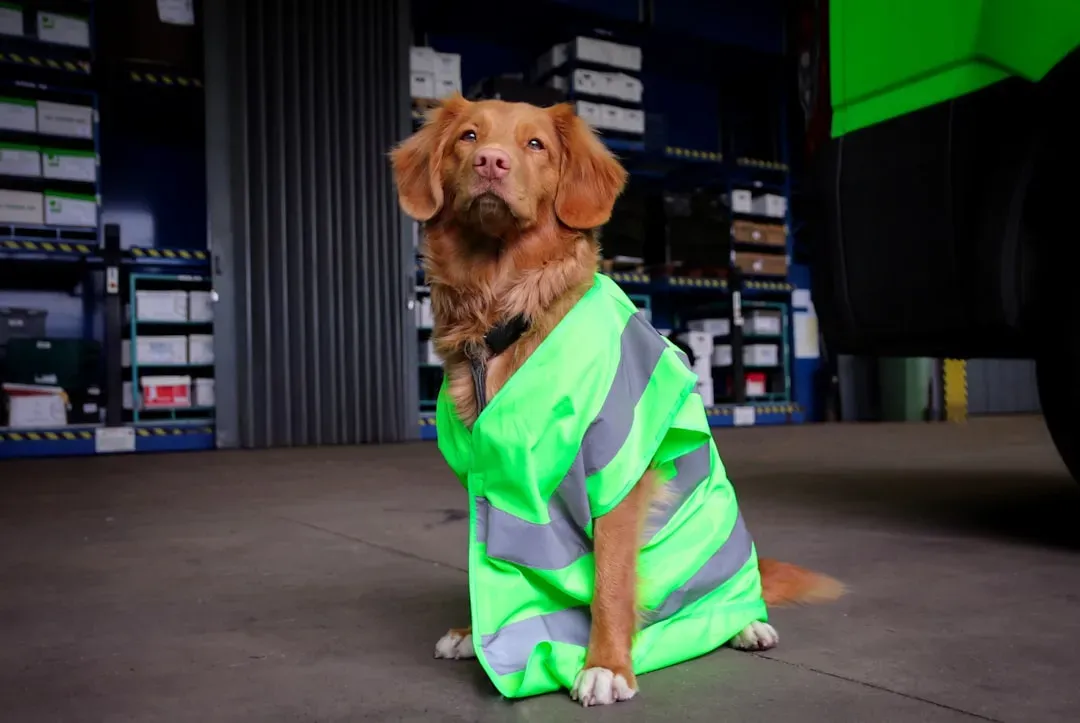
A safety light is a great way to help you keep tabs on your dog after sunset and during nighttime potty breaks. This matters more than most owners realize until the first time their dog disappears into the dark at the edge of a campsite.
A lighted collar or reflective gear ensures your pet is always visible. On trails that extend into dusk, in campgrounds with heavy foot traffic, or on early morning winter walks, visibility gear is one of those small investments that carries outsized peace of mind.
Outdoor dogs are tough on gear. Reinforced stitching, chew-resistant fabrics, and sturdy buckles will last through mud, snow, and sharp rock. Gear should also allow natural movement, with no chafing or restriction when running, climbing, or jumping. When shopping for visibility gear, prioritize fit and durability equally alongside brightness.
Adventure Together, Prepared Together
None of these eight items require a huge investment, but together they form a genuine safety net that lets you say yes to more adventures with confidence. The difference between a stressful outing and a joyful one often comes down to a few well-chosen items packed the night before.
Adventuring with your dog is one of the most rewarding ways to experience the outdoors. It’s not always easy – there’s extra planning, extra gear, and a few more variables to manage – but sharing those quiet mornings, trail miles, and campfire hangs with your pup makes it all worth it.
Your dog doesn’t need a perfect trail or ideal conditions. They need you, ready and equipped. Start with these essentials, learn what works for your specific dog, and let the gear list evolve naturally from there. The best adventure you’ll ever have is probably the next one you’re still planning.


