
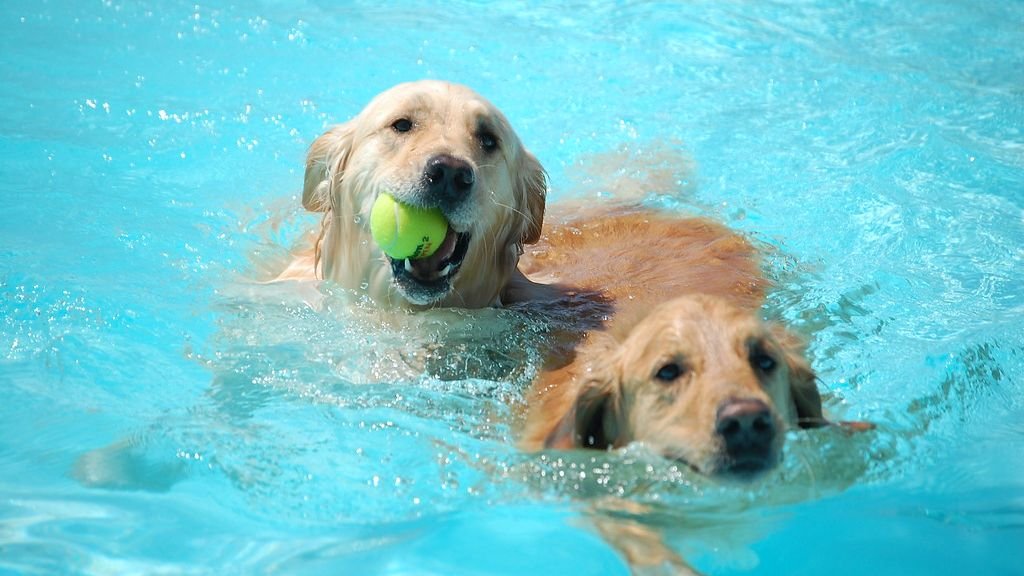
You take your Lab to the lake and before you’ve even unclipped the leash, she’s already waist-deep and circling back for more. Meanwhile, your friend’s Bulldog treats a light drizzle like a personal affront. Same species, wildly different reactions. If you’ve ever wondered what’s really going on beneath that wet fur or that deeply offended dry one, the answer runs deeper than personality.
A dog’s relationship with water is shaped by centuries of selective breeding, a body built for specific tasks, and experiences that go all the way back to their earliest weeks. Understanding all of this doesn’t just satisfy curiosity. It helps you make smarter, safer, more empathetic decisions for your dog every single day.
It’s in the DNA: How Breed History Shapes Water Love
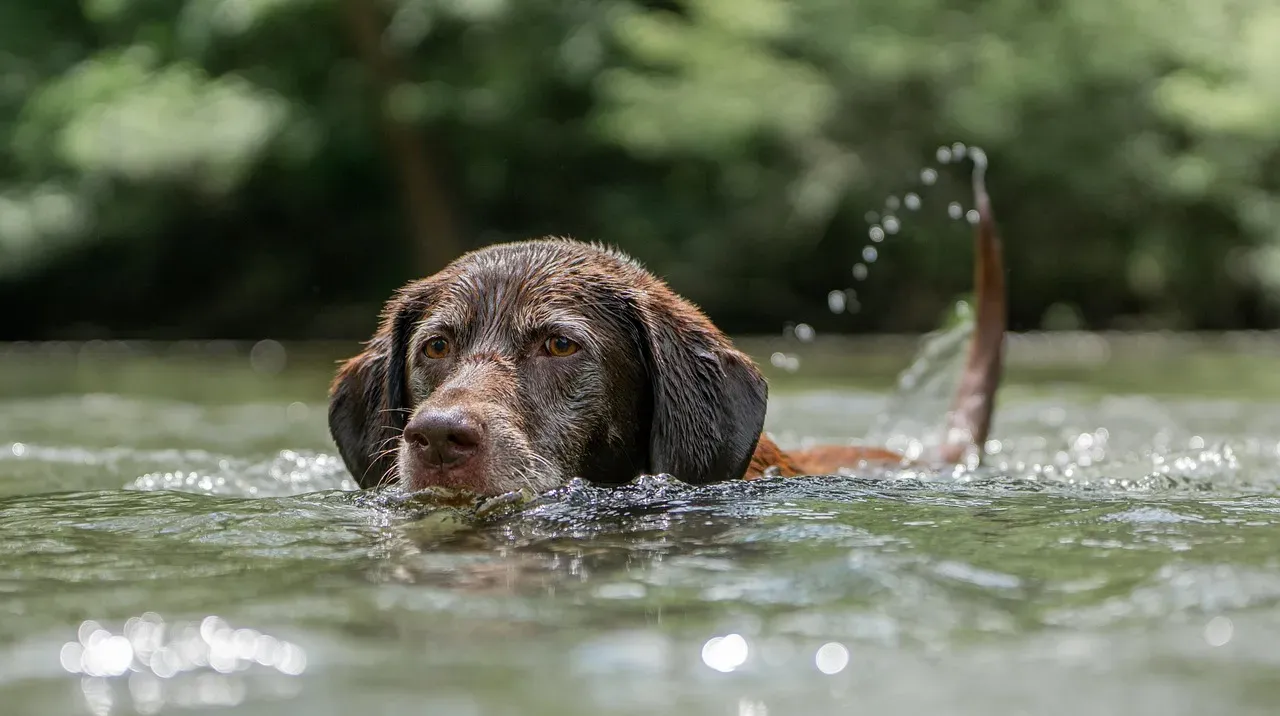
Many water-loving breeds were originally bred to work in and around water, whether that was retrieving game, helping fishermen, or even performing water rescues. That working history left a lasting imprint, not just in behavior, but in body and instinct. Labrador Retrievers have a long history intertwined with water. Originally bred in Newfoundland, Canada, their primary tasks involved retrieving fishing nets and catching fish that escaped hooks, which ingrained a natural affinity for water in the breed.
Portuguese Water Dogs were developed to herd fish and retrieve lost gear from the sea. The name “Poodle” comes from the German word “Pudelin,” meaning “to splash,” and historically Poodles were used as waterfowl retrievers, with their distinctive clip designed to enhance swimming efficiency while keeping vital areas warm. Newfoundlands were originally bred for water rescues and assisting fishermen in the icy waters of Newfoundland, Canada, with thick, water-resistant double coats and powerful builds that make them incredible swimmers, capable of pulling people and boats to safety. These aren’t just fun facts. They explain why certain dogs don’t simply enjoy water – they feel genuinely compelled by it.
Built for the Water: Physical Traits That Make the Difference
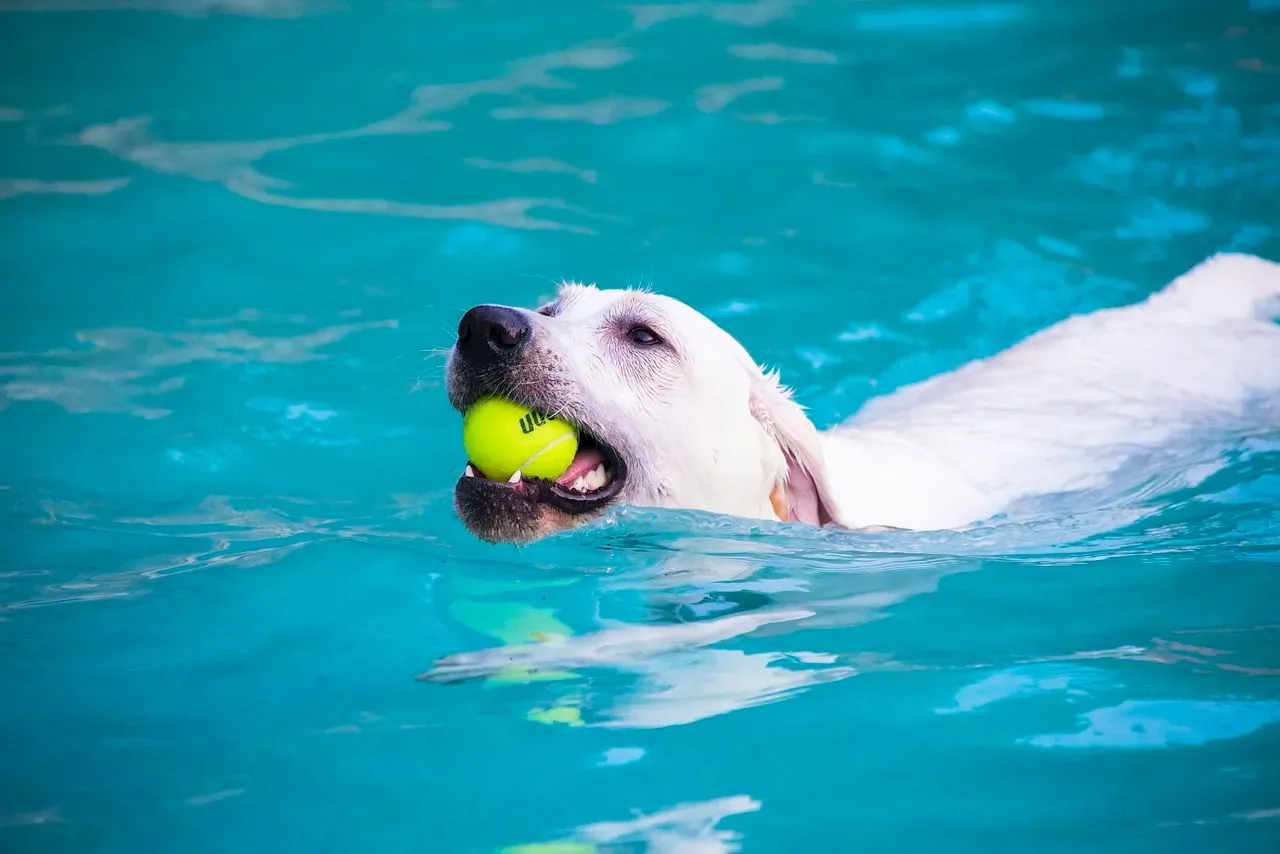
Labs have a thick double coat that is water-resistant, designed to keep them warm and dry even after prolonged exposure to chilly waters. The coat’s oily texture repels moisture and helps maintain body temperature during cold swims. Moreover, Labs have webbed feet, an evolutionary advantage that makes swimming easier and more efficient, acting like paddles and propelling them forward with minimal effort. These aren’t random quirks. They are purpose-built tools shaped by generations of selective breeding.
Water-loving breeds often have physical traits like webbed feet, water-resistant coats, and strong limbs designed for paddling. On the opposite end, physical structure can just as easily make water feel dangerous. Dogs with short muzzles, such as Bulldogs, Pugs, and Boxers, can easily tire in water because they must keep their heads tilted high to breathe. Heavy or short-legged breeds like Dachshunds and Corgis may also find swimming difficult since their bodies aren’t designed to stay buoyant. One of the biggest problems for flat-faced dogs is that they must maintain an upright position to prevent their face from submerging, but in this position it becomes increasingly difficult to stay afloat. Dogs with stubby legs may struggle because they lack the necessary power to drive themselves forward.
Fear, Trauma, and the Role of Early Experiences
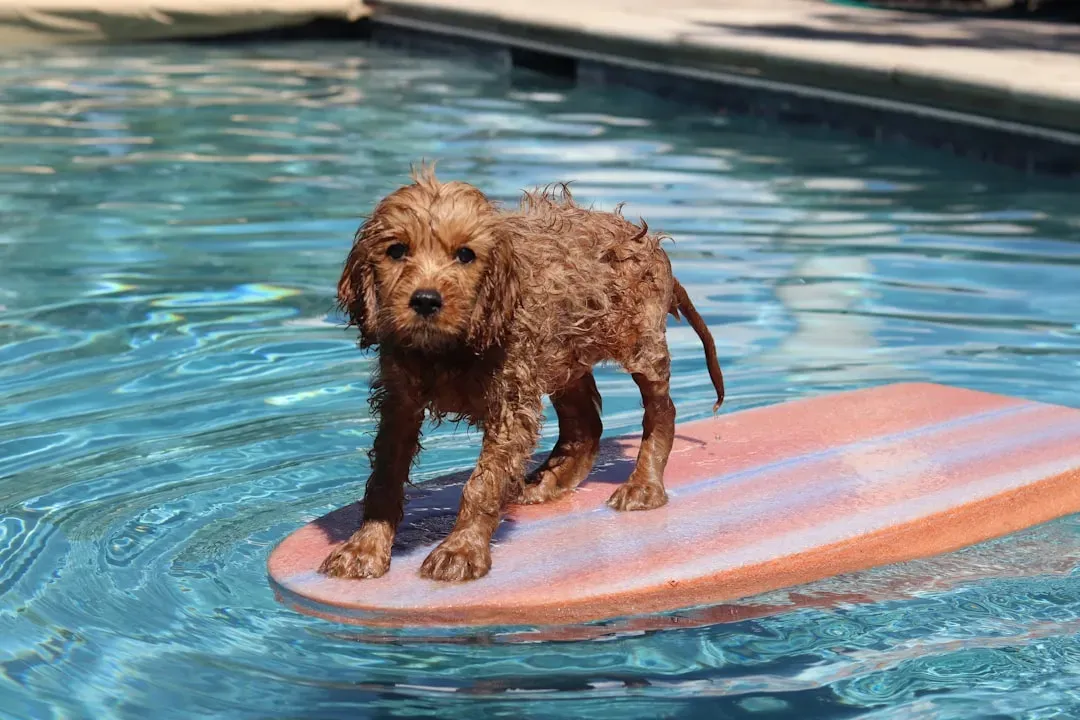
Not every dog that avoids water is built wrong for it. Sometimes the story is more personal than physical. There are many reasons why dogs may be fearful of water. It could simply be that it’s a new experience for them, that the water feels different under their paws or on their fur, or that they had a traumatic experience, including being forced to get wet when they weren’t ready. A single frightening moment near water – a sudden plunge, an unexpected current – can create a lasting association.
Many dogs become terrified of water due to previous negative experiences, and a negative first experience, like a puppy falling into the water, can cause lifelong fear. Early socialization matters enormously here. Dogs undergo critical socialization periods during which they learn about various stimuli in their environment. If a pup wasn’t exposed to water early on, between 3 and 14 weeks, they may develop fears later in life. So if your rescue dog flinches at the sight of a hose, it’s worth asking what their early weeks looked like, not assuming they’re simply stubborn.
The Surprising Health Benefits of Water for Dogs Who Love It
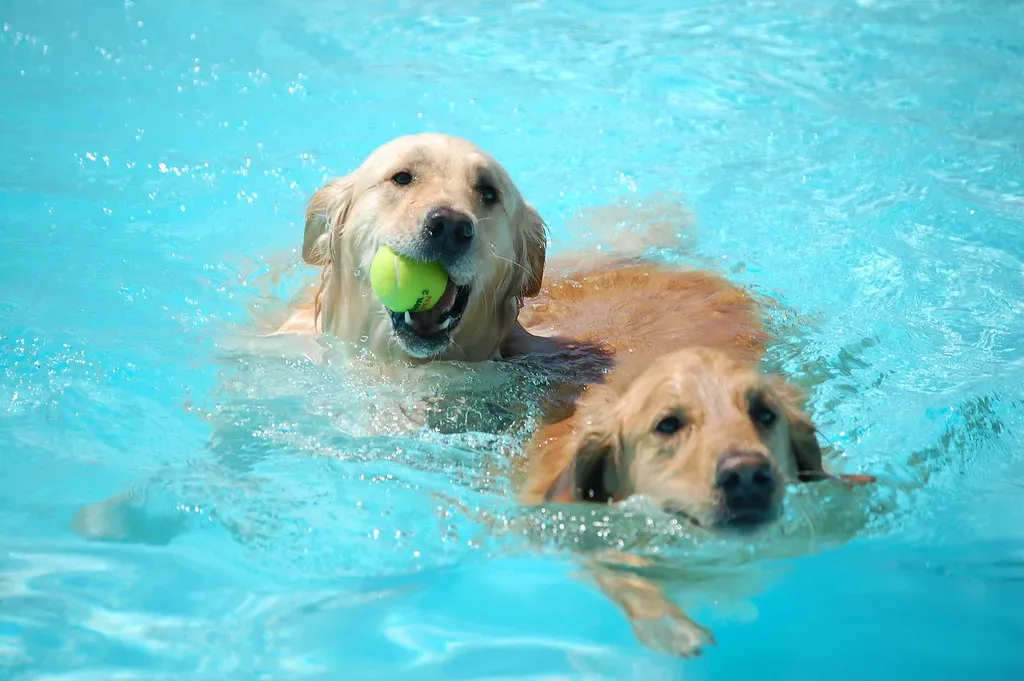
For dogs who take naturally to it, water isn’t just a playground. It’s genuinely good medicine. Swimming is low-impact, non-concussive, and non-weight bearing, meaning it allows your dog to enjoy all the benefits without putting stress on their joints and tendons. When submerged, the water takes on most of the dog’s weight, supporting their body and relieving their skeletal system from the stress of jarring impacts that can occur when exercising on land.
Swimming engages nearly every muscle in a dog’s body, providing a thorough workout that enhances cardiovascular health, strength, and endurance. For dogs with conditions like hip dysplasia or arthritis, this matters a great deal. Swimming can be extremely beneficial for dogs with arthritis. The buoyancy of water reduces the strain on their joints, allowing them to exercise without pain, and the resistance of water also helps build muscle mass, which supports and stabilizes arthritic joints. Swimming isn’t merely a physical exercise. It’s also a mental stimulant that keeps a dog’s mind active, mitigating destructive behaviors often caused by boredom, and the concentration required can help reduce anxiety and stress.
How to Help a Water-Shy Dog Build Confidence Safely
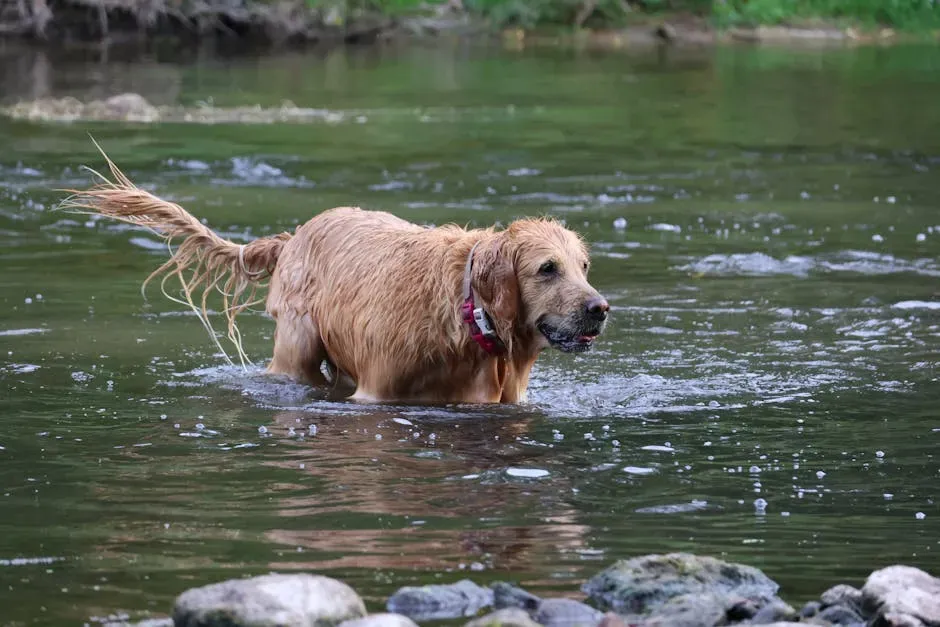
If your dog dreads bath time or backs away from puddles, there’s real hope. The key is patience and a complete rejection of force. Forcing a young dog into the water can reinforce fear rather than build confidence. If your dog hesitates, simplify the task and try again later. Pushing too hard too fast is the single most common mistake owners make, and it often makes things significantly worse.
Introduce your dog to water gradually, starting with small amounts in a controlled environment. Begin by offering treats near water sources and gradually move closer, as this gradual exposure helps build positive associations and reduces anxiety. The number one way to help your dog feel less fearful of water is to provide them with tons of positive reinforcement every time they’re around water, as it is a proven technique that can decrease anxiety and increase feelings of safety and trust. If you punish your dog or respond negatively, you may increase fear and anxiety, making their aversion to water worsen. If your dog’s fear of water persists or worsens, consider seeking professional help. A certified dog trainer or animal behaviourist can provide tailored guidance and techniques to address the specific needs of your pet.
Conclusion: Every Dog Has Their Own Relationship with Water
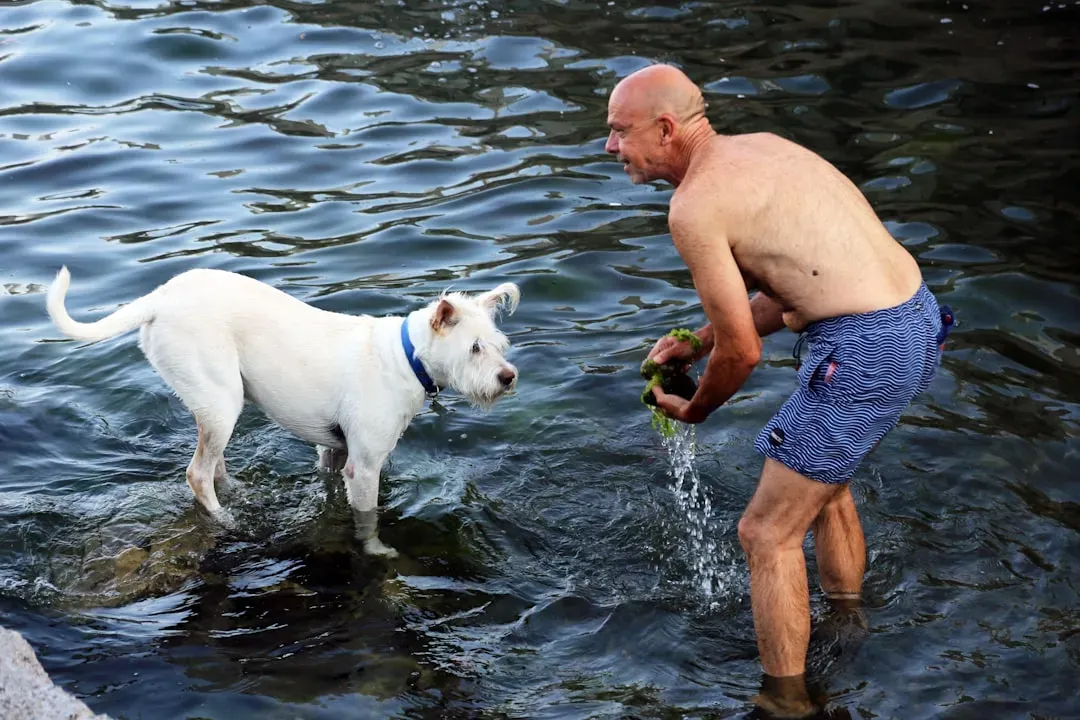
Whether your dog is a born swimmer or prefers to stay dry, their relationship with water is shaped by a complex mix of genetics, environment, and experience. It’s important to respect their preferences and comfort levels, because just like humans, dogs have their own likes and dislikes. Knowing this frees you from wondering if something is wrong with your dog when they won’t leap into the lake, and it keeps you from pushing them past what they’re ready for.
The best thing any dog owner can do is meet their dog where they are. Celebrate the Lab who launches herself into every pond with pure abandon. Be patient with the Pug who thinks rain is catastrophic. Both reactions make complete sense when you understand the biology, history, and story behind them. Your dog isn’t being dramatic or difficult. They’re just being exactly who they were built to be.


