
You walk through the front door after a long day, and before you’ve even put down your keys, your dog is already spinning in circles, tail going at full speed, eyes locked on you like you’re the best thing that’s ever happened in the history of the universe. It’s hard not to feel a little smug about that. But in a house full of people, dogs don’t treat everyone the same. They pick someone. They have a person.
The question is: what actually drives that choice? Is it whoever feeds them, whoever plays with them, or something deeper that science is only now beginning to fully explain? The answer turns out to be a fascinating mix of biology, behavior, memory, and something that functions a lot like love.
The Science Behind the Bond: It Goes Deeper Than Treats
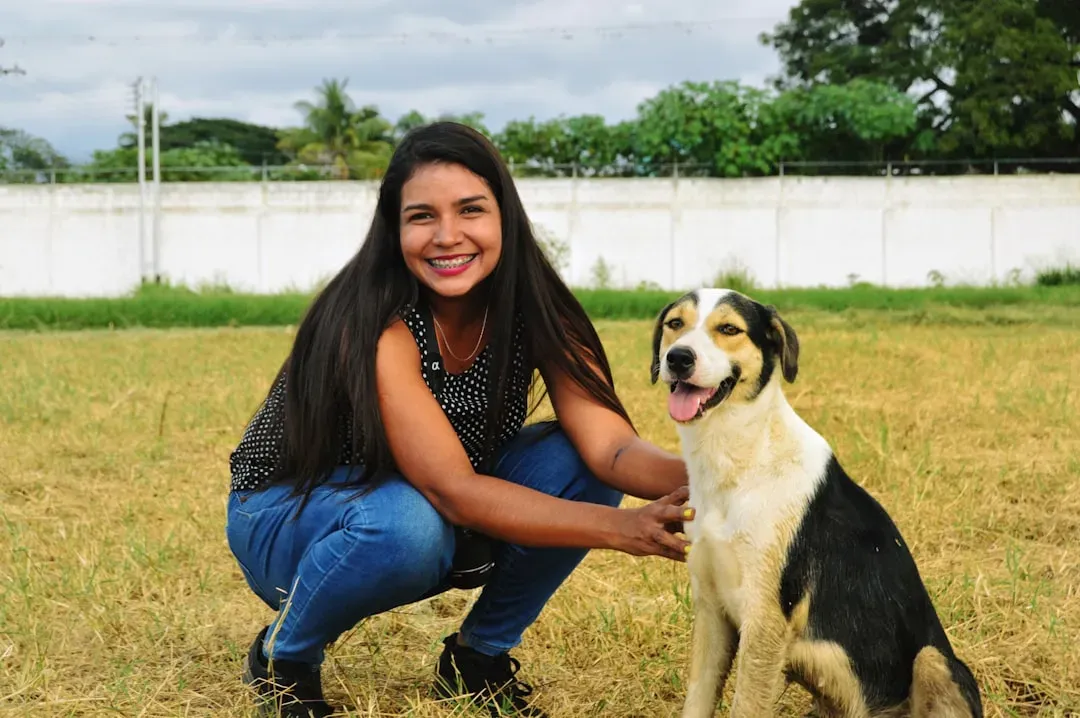
There’s a tempting assumption that the person who controls the food bag wins the dog’s heart. That’s only partly true. Scientific studies highlight how factors such as consistent caretaking, feeding rituals, and the person’s emotional tone significantly contribute to a dog’s attachment. So yes, feeding matters, but it’s one piece of a much larger picture.
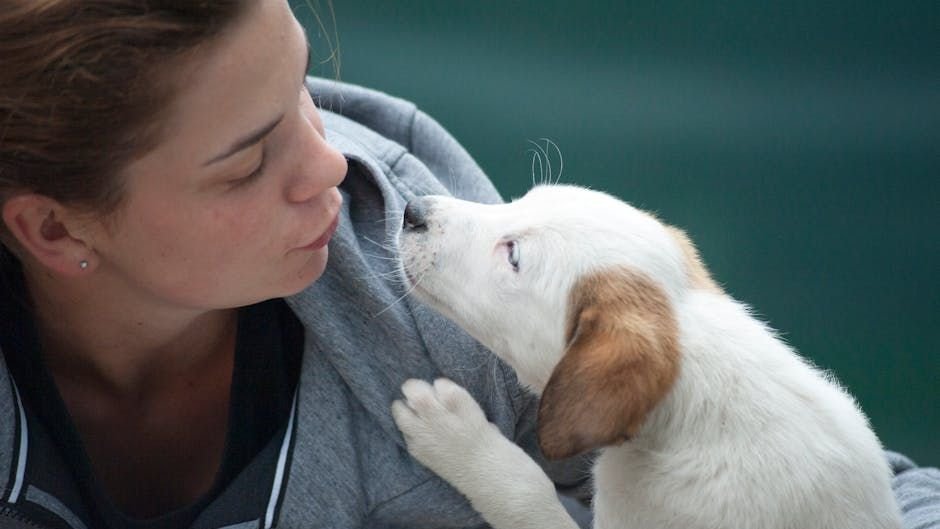
Research has shown that dogs and humans both release oxytocin, the “love hormone,” when they interact. This hormonal connection fosters trust and emotional bonding. That means the warmth you feel when your dog curls up on your lap is genuinely mutual. It’s not just projection.
The neurobiology of “love” involves the hormones oxytocin, dopamine, serotonin, and norepinephrine. Dogs have these hormones, which play a powerful role in shaping emotional experiences. Oxytocin is released during bonding moments, like when your dog cuddles with you. When it’s released, it helps strengthen attachment and makes your pup feel safe and connected.
Research in animal behavior suggests that dogs form attachment bonds similar to those seen in human infants. Studies using “secure base” testing show that dogs explore more confidently when their trusted human is present. When separated from that person, stress indicators increase. In other words, their favorite person isn’t just a comfort. That person is the emotional anchor around which their whole world is organized.
The Critical Window: Why Early Socialization Shapes Everything
Dogs can develop preferences depending on a variety of factors, including early socialization. The person who was most present during their critical developmental period, usually between 3 and 12 weeks, often gets the golden ticket to favorite status. For adopted pets, this can translate to whoever brought them home or who they learn to trust first.
From the moment a puppy opens its eyes, it starts imprinting on its surroundings. Those early weeks play a pivotal role in determining their affinities. A person actively involved in a pup’s early days will likely have a stronger bond. Think about who was there for those chaotic first nights, the early morning feedings, the first walks outside. That history doesn’t disappear.
Dogs get positive associations from being around people who consistently provide positive experiences, including treats, meals, and play that they enjoy. The most crucial time to form these bonds with a dog is in the first six months of its life. For rescue dogs, this window shifts. Whoever shows up patiently and consistently after adoption becomes their foundation.
What Dogs Are Really Looking For in Their Favorite Person
Dogs do not simply choose the loudest or most playful person. They gravitate toward the individual who feels steady. This attachment system evolved from their wolf ancestry, where pack stability meant survival. Even though domestic dogs live very different lives today, their brains still respond strongly to structure and social hierarchy within a family unit.
Dogs often like family members whose energy and personality are similar to theirs. If you’re quiet and calm, a quiet and calm dog wants to be with you, and just the opposite. Research suggests that dogs and their owners can develop similar personality traits. This personality matching is something many dog owners sense intuitively but rarely know has a real scientific basis.
A dog’s behavior is heavily influenced by its environment and the interactions it has every day. They feel more secure and stable when they can anticipate exactly what is going to happen and when. When a dog knows what to expect, whether it’s a walk in the morning or dinner at the same time each evening, they are less likely to feel anxious or exhibit unwanted behaviors. Routine isn’t just convenient for you. For your dog, it’s deeply reassuring.
The Clear Signs Your Dog Has Chosen You
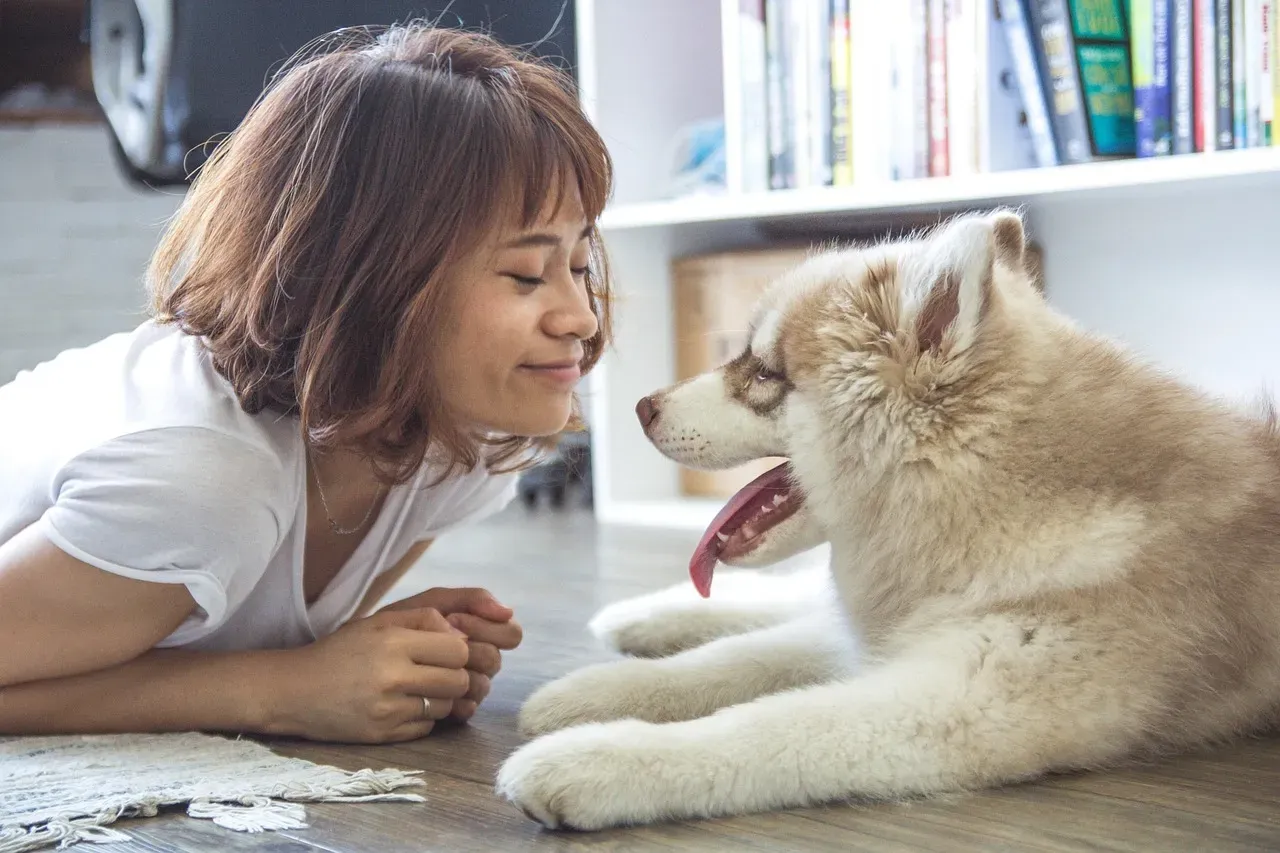
A dog’s body language is a strong indicator of their preference. A dog may repeatedly seek out the person they adore, remaining near them much of the time. They’ll often lean against or sit near their chosen human as a way to show trust. Eye contact is another clear sign, as dogs that gaze directly into a person’s eyes are demonstrating a strong connection.
Dogs that are emotionally attached to their owners tend to maintain eye contact, looking at them with soft, relaxed eyes. Eye contact releases oxytocin, often referred to as the “love hormone,” in both dogs and humans. This mutual gaze creates a feedback loop of bonding and affection that strengthens their connection even further. Notably, this kind of eye contact is reserved almost exclusively for their favorite person.
In the wild, canines are at their most vulnerable when they sleep. To maximize their safety, members of the pack will sleep with their backs facing each other and their noses facing out, creating a safe little circle. If your dog chooses to sleep with you or next to your bed, this means they see you as a trusted member of their pack. That’s not just cute. That’s one of the deepest signals of trust a dog can offer.
When your dog brings you their toys, it’s more than just playtime. This behavior signifies trust and affection. Dogs don’t share their prized possessions with just anyone. Offering their toy to you reflects your importance to them. It’s their way of saying they value your company and want to share their joy.
What to Do If You’re Not the Favorite (Yet)
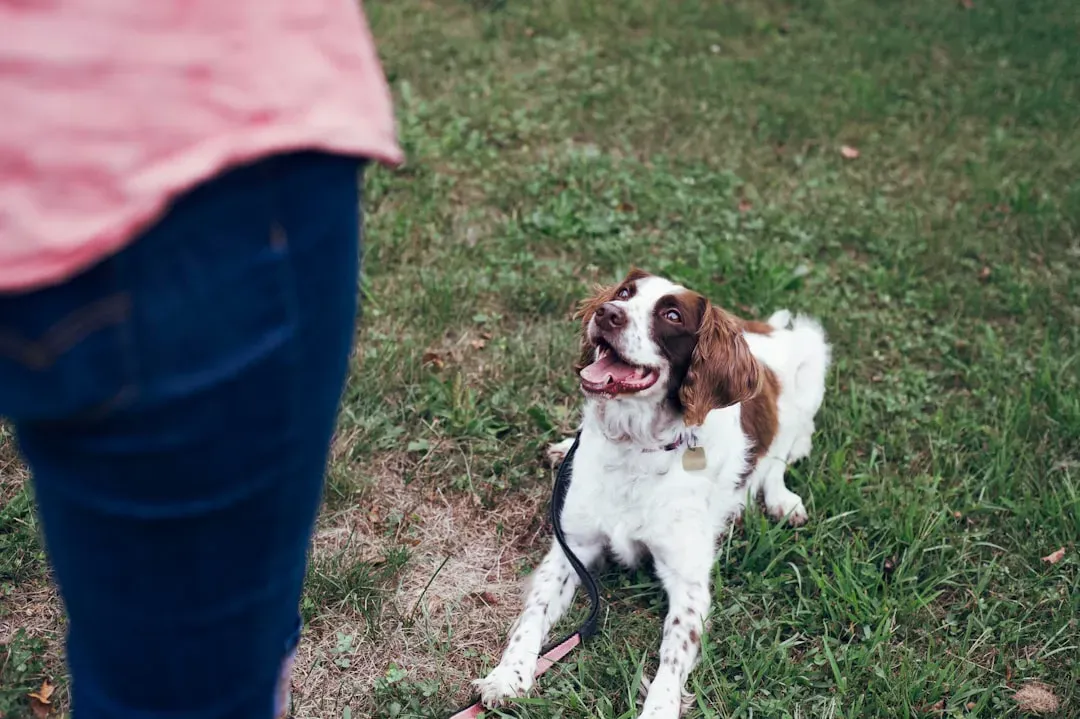
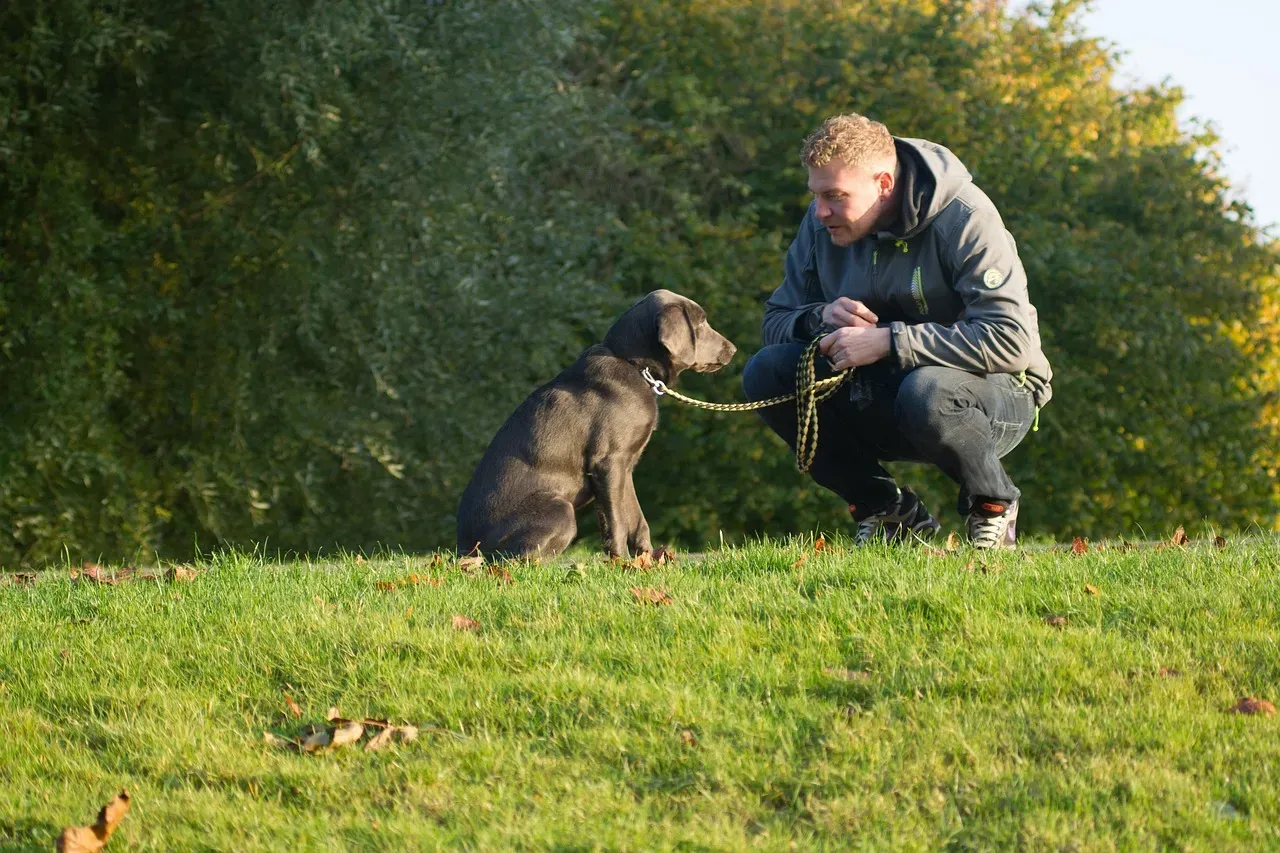
Quality time matters more than passive proximity. A focused 15-minute training session builds more connection than hours of distracted coexistence. Dogs respond strongly to people who notice their signals. If you’ve been in the same room but mentally elsewhere, your dog has noticed. They’re remarkably good at sensing genuine attention.
Dogs associate people with outcomes. The person who rewards good behavior, initiates play, and reinforces training with clarity creates strong positive neural associations. Reward-based interaction builds partnership rather than fear-based compliance. Over time, that partnership becomes attachment. So structured play, a little training, and consistent praise go a long way.
It’s also worth knowing that dogs are not locked into their choices forever. Dogs, regardless of age, can develop new bonds and preferences based on experiences and interactions. A change in routine, a new living situation, or simply someone stepping up with more attention can gradually shift where a dog directs its deepest loyalty.
The healthiest, most well-adjusted pets typically form strong but flexible bonds with multiple family members. It’s actually a sign of good socialization when your dog can feel secure enough to bond with different family members and maintain multiple “favorite” humans for different activities. So if you’re the walk person and someone else is the cuddle person, you’re both winning.
Conclusion: It Was Never Really About Favorites
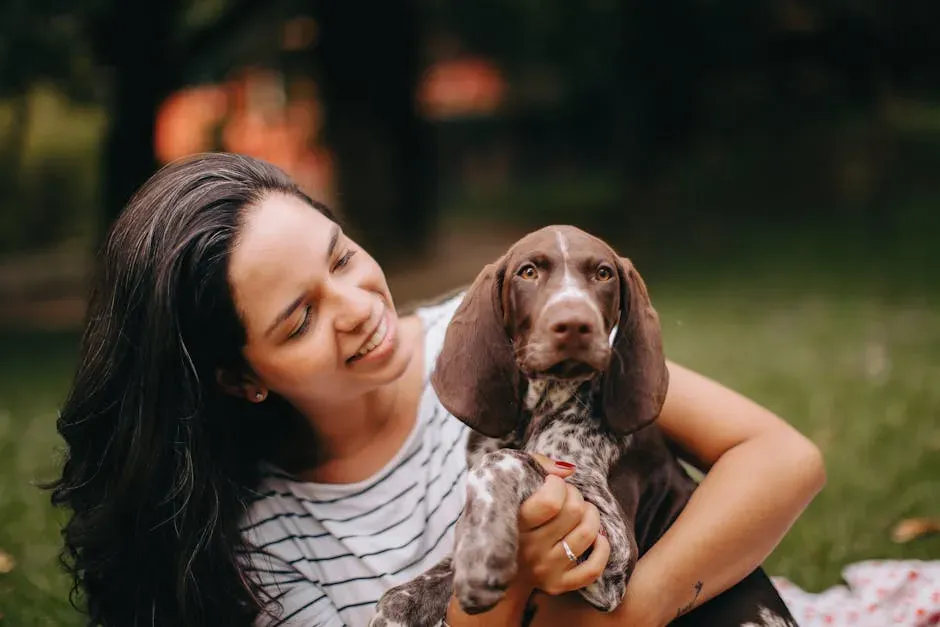
The word “favorite” makes it sound like a competition, but what dogs are actually doing is something much more meaningful. They’re building trust. They’re identifying who makes them feel safe, seen, and understood. If you show up daily, calm, predictable, and attentive, you are building exactly the type of relationship dogs instinctively gravitate toward.
The good news is that the qualities dogs value most, consistency, kindness, calm presence, and genuine attention, are things any of us can offer. You don’t have to be louder or funnier or the one with the treat bag. You just have to show up for them, really show up, in the small daily moments that quietly add up to something your dog will never forget.
Dogs don’t choose based on who’s most impressive. They choose based on who feels like home.


