

You come home after a long day, ready to kick off your shoes and relax. Then you spot it: a couch cushion reduced to foam confetti, a shoe that no longer resembles a shoe, and your dog looking up at you with an expression that somehow manages to be both guilty and proud at the same time. If that scenario rings a bell, you’re definitely not alone.
Dogs may engage in destructive chewing for several reasons, including boredom, anxiety, teething, lack of exercise, or a lack of appropriate chew toys. Some breeds are more prone to this behavior than others, particularly those bred for hunting or herding, which carry a deep natural urge to chew and destroy objects. Understanding which breeds are wired this way, and more importantly why, makes all the difference between frustration and compassion. Here’s a thorough, honest look at ten breeds most likely to put your belongings at risk, plus five gentle souls who’d honestly rather just curl up with you.
1. Labrador Retriever: The Enthusiastic Demolition Expert
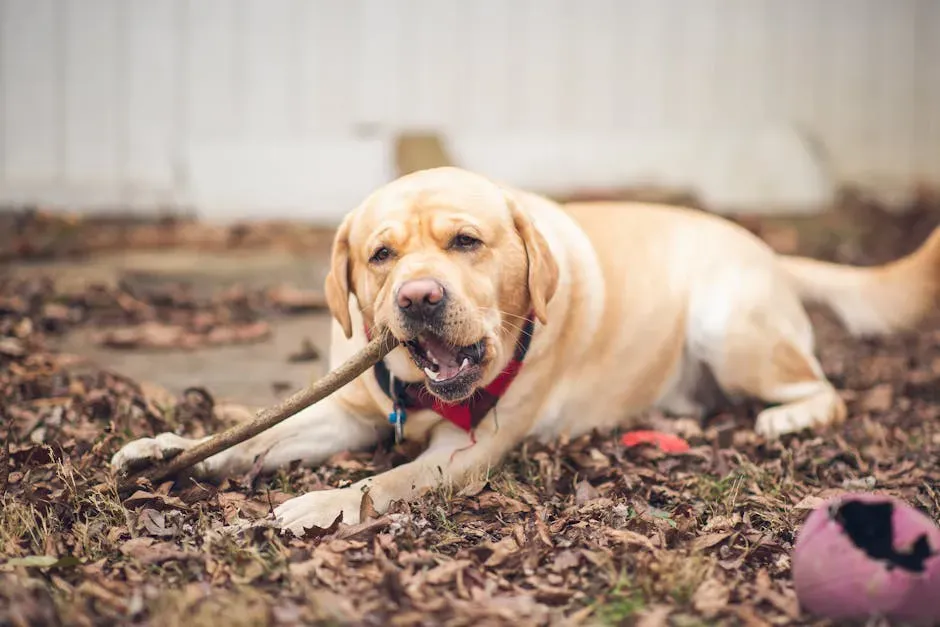
Labs are famously friendly, loyal, and energetic, but their jaws can be a force of nature. These dogs were bred to retrieve game for hunters, giving them a natural instinct to carry things in their mouths. Their powerful jaws and curious spirits mean that without enough stimulation, Labradors can turn destructive. Think of it this way: a Lab’s mouth is essentially their hands, and they use it constantly.
This breed seems to do everything with exuberance – fetching tennis balls, swimming, snuggling, and of course, chewing. Their well-known appetite for destruction doesn’t seem to keep fans from adding them to the family, though. The fix? Giving them puzzle games, regular exercise, and chew-safe toys can save your home and your sanity.
2. Border Collie: The Brilliant Boredom Chewer
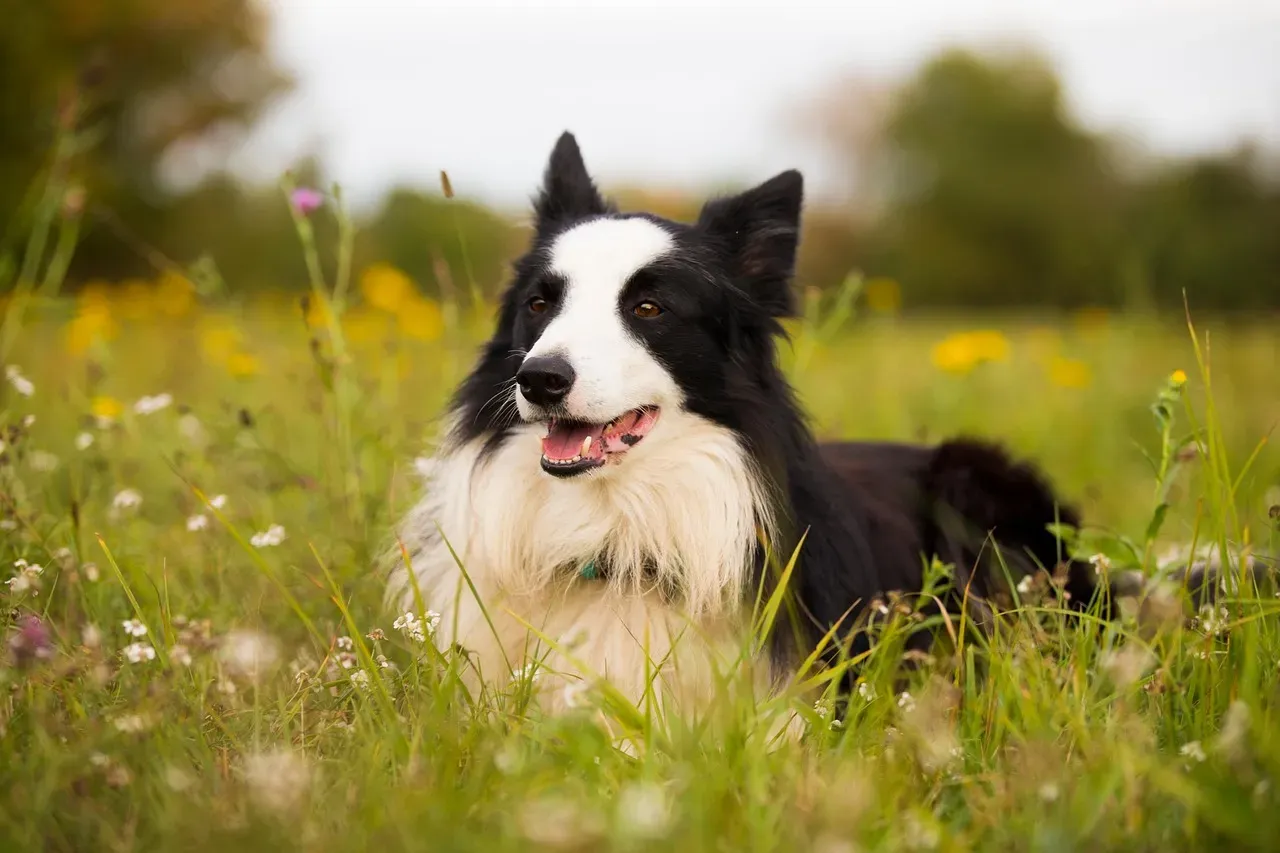
Border Collies are widely recognized as the most intelligent dog breed, and with that brilliance comes a need for constant engagement. If a Border Collie isn’t given enough mental and physical stimulation, they’ll often direct their energy into chewing. Their sharp minds crave challenges, and when those needs aren’t met, they’ll find their own entertainment, often at the expense of your belongings.
Border Collies are designed to work hard all day long out on the hills herding sheep. The gentle life of a pet dog can lead them to find ingenious ways to occupy their highly intelligent minds and athletic bodies. Enroll them in agility, teach them tricks, or invest in puzzle feeders. They excel in obedience and agility training, which can help curb unwanted behaviors.
3. Siberian Husky: The Bored Adventurer
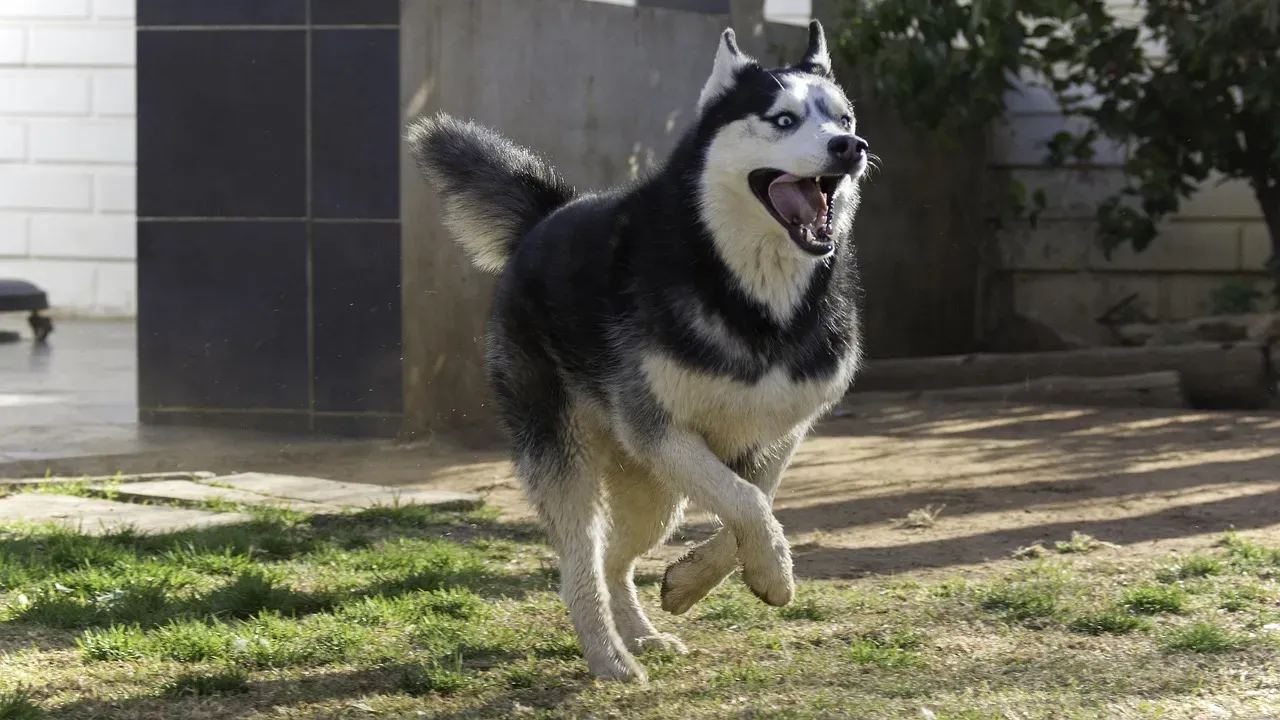
Siberian Huskies are active working dogs with a strong need for mental and physical stimulation. Without adequate exercise and proper outlets for their chewing instincts, they can resort to destructive chewing. Originally bred to run for miles across frozen terrain, a Husky cooped up in an apartment is essentially a ticking clock.
Huskies are high-energy dogs with a knack for mischief, including chewing. Their independent and curious personalities often result in them chewing when they’re bored or left alone for long periods. Their strong teeth can make quick work of many household items. Huskies often chew as a way to release pent-up energy or to combat separation anxiety. Ensuring they get enough exercise and mental challenges, along with durable chew toys, can help manage their tendencies. Regular socialization and structured routines also play a significant role in reducing destructive behaviors.
4. Golden Retriever: The Mouth That Never Quits
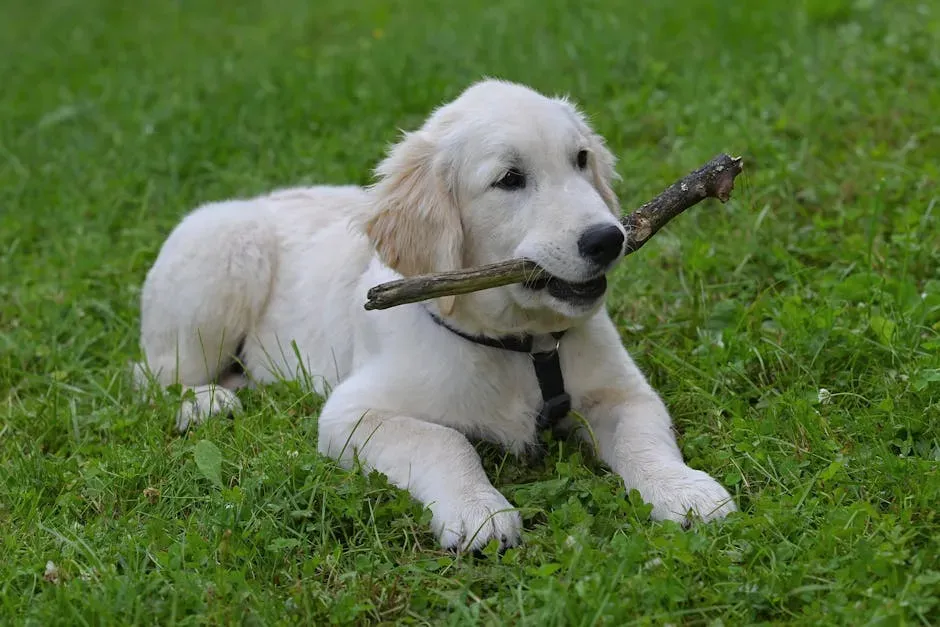
Golden Retrievers are one of today’s most popular dog breeds. They were bred to retrieve birds shot by hunters, making them another breed used to having things in their mouths. This leads to Retrievers mouthing things a lot, which inevitably leads to vigorous chewing if they aren’t kept busy.
Golden Retrievers are known as adorable family companions, but they are needy on the attention front. If you leave them alone for too long, they may well take their grievances out on the house, destroying whatever they can find. Boredom or lack of mental stimulation can exacerbate this behavior. Chewing often helps them relieve anxiety or excess energy. Keeping them entertained with engaging toys and sufficient playtime is key to preventing destructive chewing.
5. Beagle: The Nose-Led Shredder

Beagles were originally bred for hunting, and they love putting anything in their mouths and eating it, regardless of whether it’s meant to be there. You’ll find they help themselves to shoes, clothing, kids’ toys, and anything else lying around. They’re curious explorers and need to be taught firmly what is appropriate for their voracious chew instinct.
Beagles love to eat. Left to their own devices, they will follow their nose to anything they perceive to be edible. Their nose genuinely leads them into trouble. Beagles are small but mighty chewers. Their hunting instincts and love for exploring often lead them to chew through items in search of something interesting. Their stubborn nature can make training a challenge. Beagles are highly energetic and thrive on mental stimulation, so a lack of these can intensify their chewing tendencies.
6. Jack Russell Terrier: Small Dog, Maximum Destruction
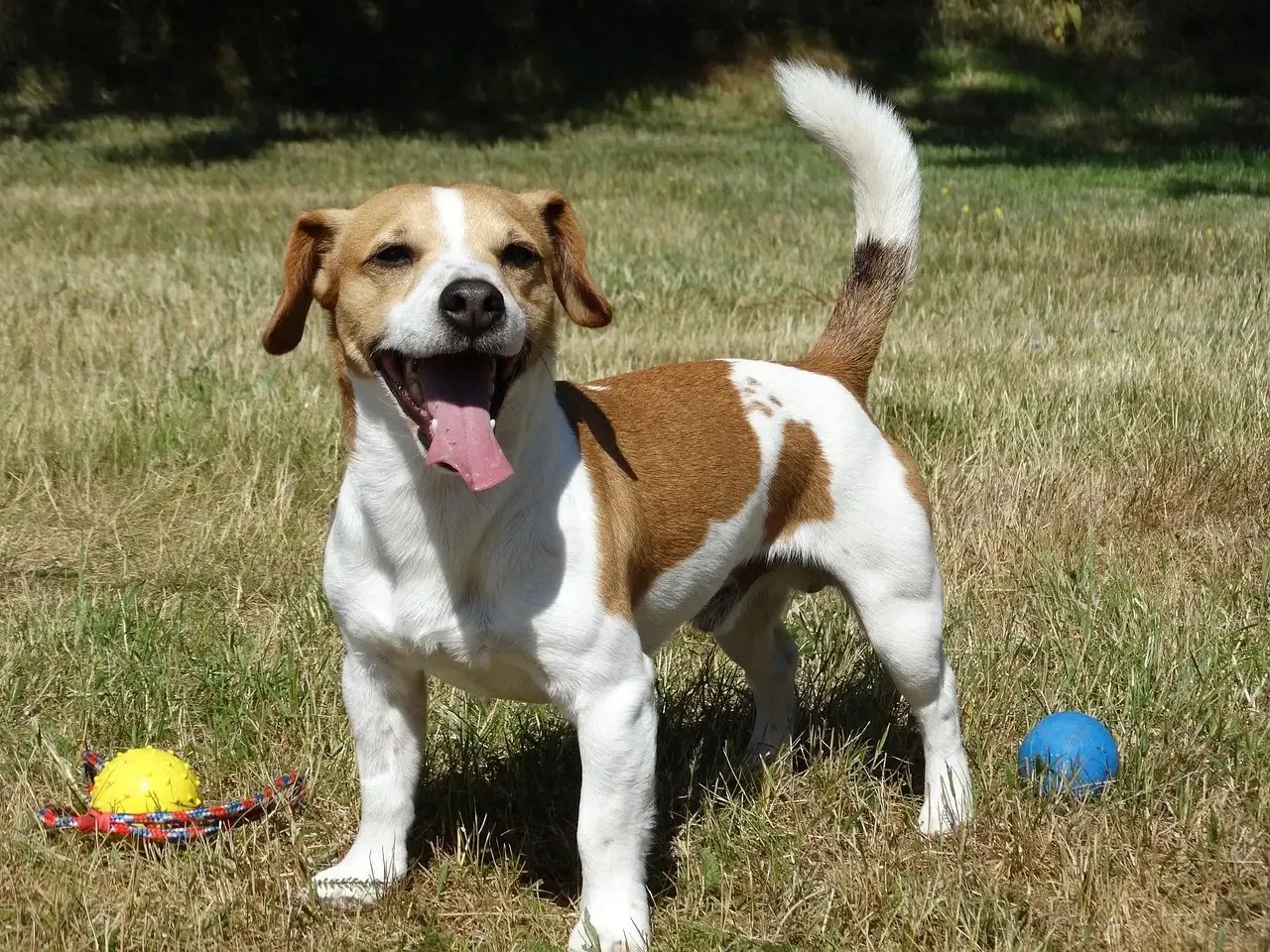
The Jack Russell Terrier is notorious for grabbing things with its teeth and swiftly demolishing them. They have bottomless energy and always need to find ways of using it up. Sometimes they dig furiously, sometimes they yap, and other times they gnaw on anything that will fit within their little jaws.
These high-energy little dogs are always on the move, and their intelligence means they get bored easily. When their minds aren’t challenged, they’ll invent their own games, often involving gnawing on anything from chair legs to electrical cords. Jack Russells are lively and clever, but their need for constant stimulation can be overwhelming for some owners. The Jack Russell Terrier has boundless energy. That energy, along with a seemingly endless desire to dig, means that if not given a job to do, they can easily become bored and destructive with both jaws and paws.
7. Boxer: The Playful Powerhouse

Boxers are known for their muscular build, boundless energy, and playful personalities. These lovable dogs can be surprisingly destructive chewers, especially when young. With their strong jaws and love of play, Boxers often turn chewing into a game. If a Boxer gets bored or anxious, their need to chew can skyrocket.
Boxers tend to have a strong urge to gnaw and chew, so they need to be trained from a young age on what is not appropriate to chomp on. They have strong, powerful jaws, and while all puppies tend to be mouthy, boxers often retain this trait as adults. Make sure you keep them well stimulated, with plenty of mental and physical activity, and provide appropriate chew toys on top of training to ensure their love of chewing does not become destructive.
8. Australian Shepherd: The Workaholic With a Jaw

Australian Shepherds are intelligent and energetic herding dogs that require a job to do. When not given sufficient mental and physical activity, they may develop destructive chewing habits. Providing them with interactive toys, engaging in obedience training, and offering them tasks to accomplish can help prevent excessive chewing.
Australian Shepherds are prone to destructive chewing. They’re natural high-fliers, high-energy workaholics, and if they don’t have the opportunity to make the most of those traits, they’ll seek alternative habits to satisfy them. These intelligent dogs are also one of the breeds most likely to suffer separation anxiety, and some resort to gnawing through the furniture in protest. A tired Aussie is a well-behaved Aussie, full stop.
9. Dachshund: The Determined Digger and Chewer

Dachshunds have a natural digging and chewing instinct due to their history as hunting dogs. Their small size doesn’t stop them from being persistent chewers, especially when they’re anxious or bored. They may also chew on household items to alleviate separation anxiety.
Dachshunds would usually rather dig than chew, but a Dachshund kept inside may certainly release pent-up energy and frustration by chewing. Try giving them more exercise and leave plenty of chew toys around for them to release their energy on. Dachshunds often chew to satisfy their natural instincts or to cope with stress. Providing them with engaging toys, regular physical activity, and opportunities for mental stimulation is crucial. Managing their environment and addressing any underlying anxiety can also help reduce their destructive chewing tendencies.
10. German Shepherd: The Stressed Protector
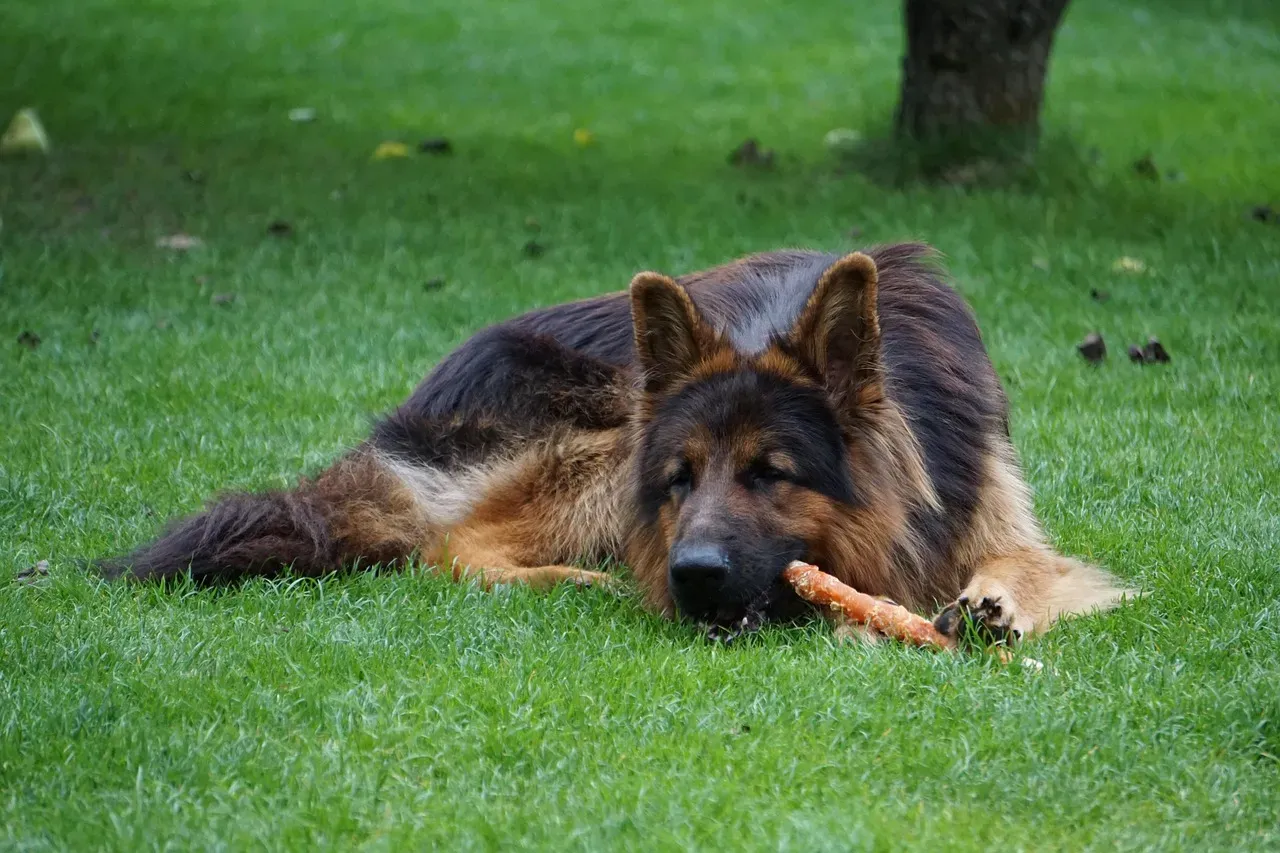
German Shepherds are intelligent and protective, but they’re also prone to chewing, especially during their teething phase. They often chew to relieve stress or boredom, and their strong teeth can cause significant damage. Their loyalty makes them prone to separation anxiety, which can trigger chewing.
Like other herding breeds, the German Shepherd will definitely do some damage with their mouth if left without mental stimulation and energy-burning activities. Watch for signs of anxiety in your German Shepherd: pacing, whining, or excessive yawning before you leave can all signal that destructive chewing might follow. Working breeds like German Shepherds need jobs to stay sane. Standard walks aren’t enough. These dogs thrive in agility classes, scent work, or advanced obedience programs.
11. Cavalier King Charles Spaniel: The Ultimate Lap Companion
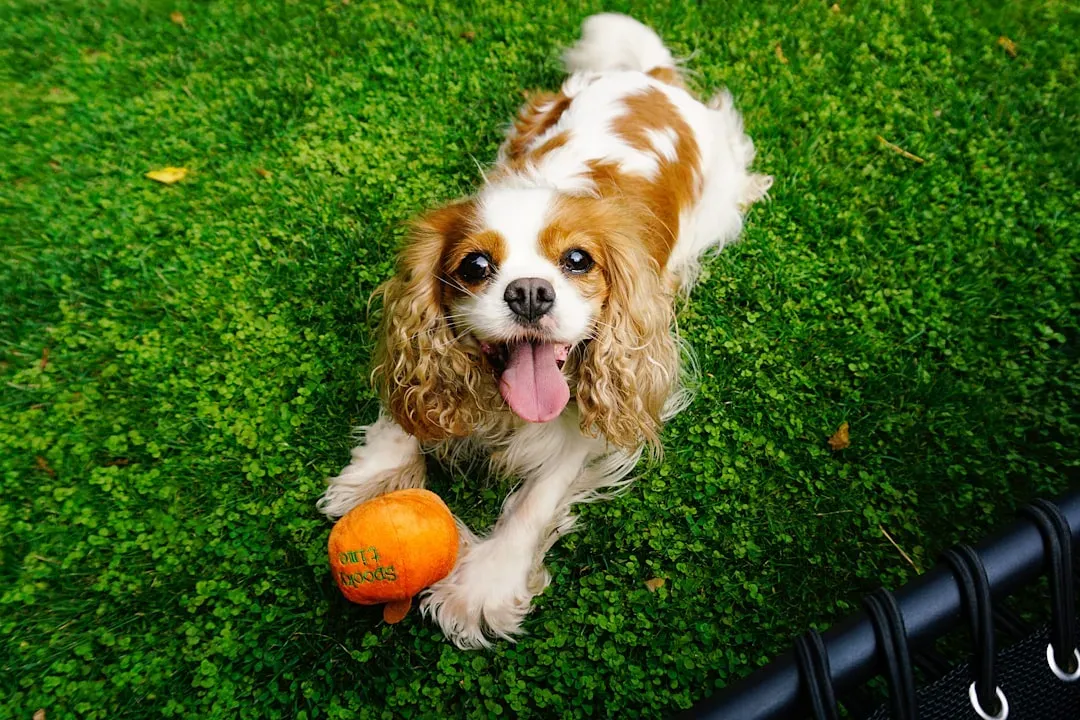
Cavaliers are among the most cuddly dog breeds, thriving in all types of company. They’re equally content romping around with children or curling up in the lap of a senior. Cavaliers were bred to be house pets for royal children in Great Britain, and over the years, they have retained traits like sociability, gentleness, affection, and patience.
With a tail that seldom stops wagging, the Cavalier King Charles Spaniel is one of the sweetest breeds you’ll ever encounter. These small, friendly Spaniels love their families and are happy to cuddle up on the couch after a day of play. Their affection extends to other pets and children as well. One gentle health reminder: they shed profusely and are prone to health issues like heart disease and syringomyelia, so regular vet checkups are genuinely important for this breed.
12. Bichon Frise: The Fluffy Cloud of Affection
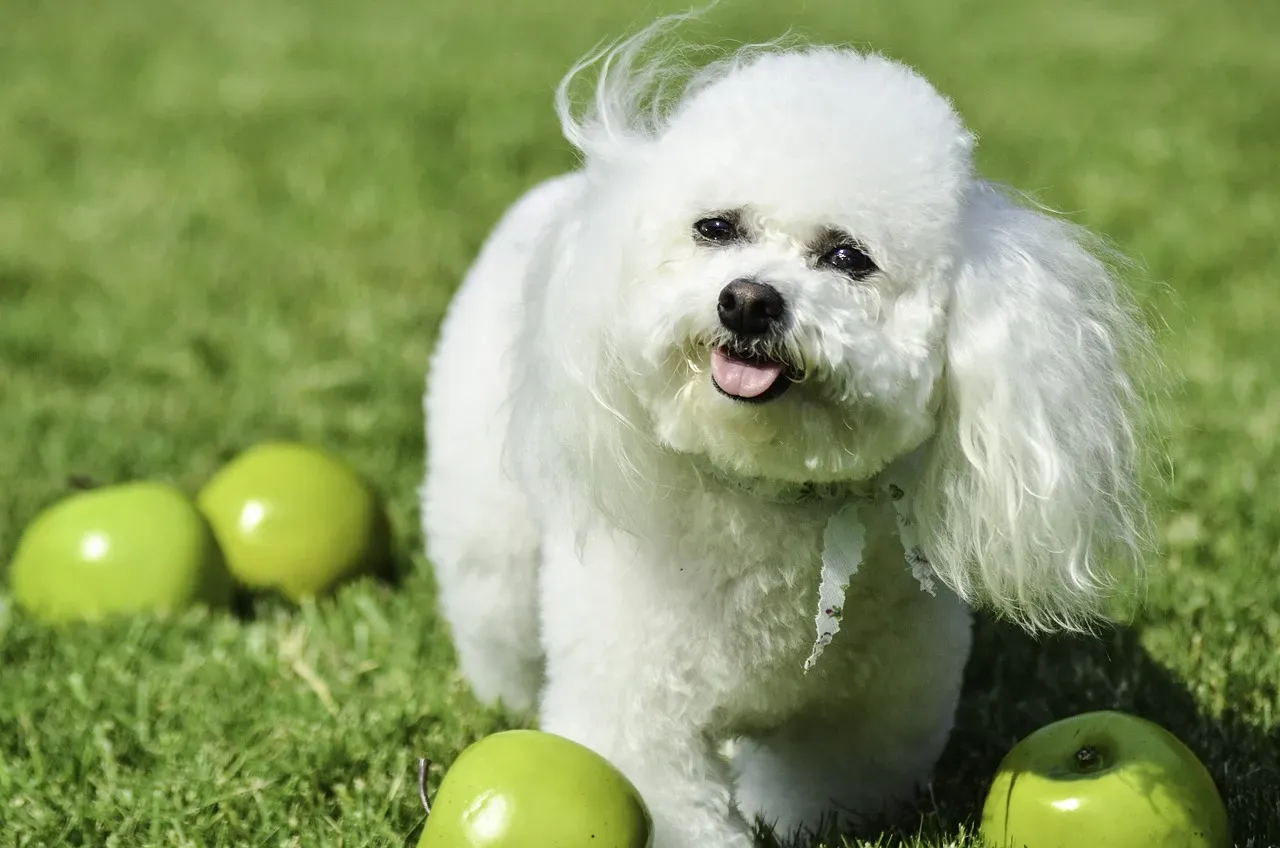
Bichon Frise means “curly lapdog,” and that is exactly what this cuddly breed delivers. Bichons are known for their peppy personalities, gentle natures, and unbridled affection. They are the kind of dog that makes strangers on the street stop and smile without even trying.
People with allergies will be happy to hear that the affectionate Bichon Frise may be less likely to trigger their symptoms than other breeds. They are full of pep and personality, but they also love snuggling in your lap or bed. The Bichon Frise is adorable and charming and is happy to share their affection with family members and new friends. They also get along with other pets and children, making them the perfect companion for the whole family.
13. Pug: The Couch Philosopher
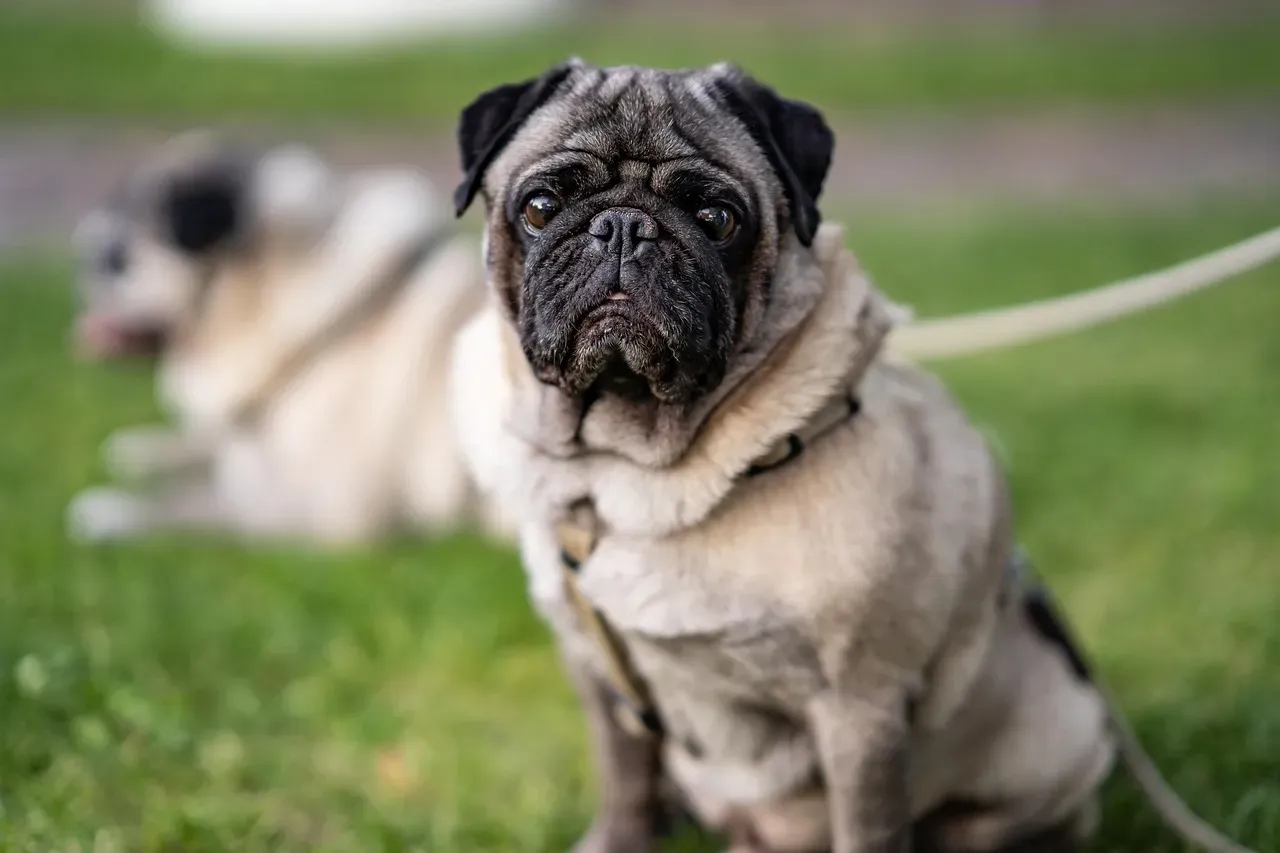
Pugs are outgoing, mischievous dogs with very loving dispositions. They are equally happy to spend an afternoon playing with the kids as they are curling up on the sofa for a snooze. What they lack in athletic ambition, they more than make up for in warmth and comic presence.
Pugs genuinely prefer closeness over chaos. Their moderate energy levels and people-oriented nature mean they’re far more interested in what you’re doing than in what they can chew on. Pugs are renowned for being one of the most amiable dog breeds around. Just keep them cool in warm weather, as their flat faces make breathing in heat more difficult, and watch their weight since they are enthusiastic eaters.
14. Newfoundland: The Gentle Giant Cuddler
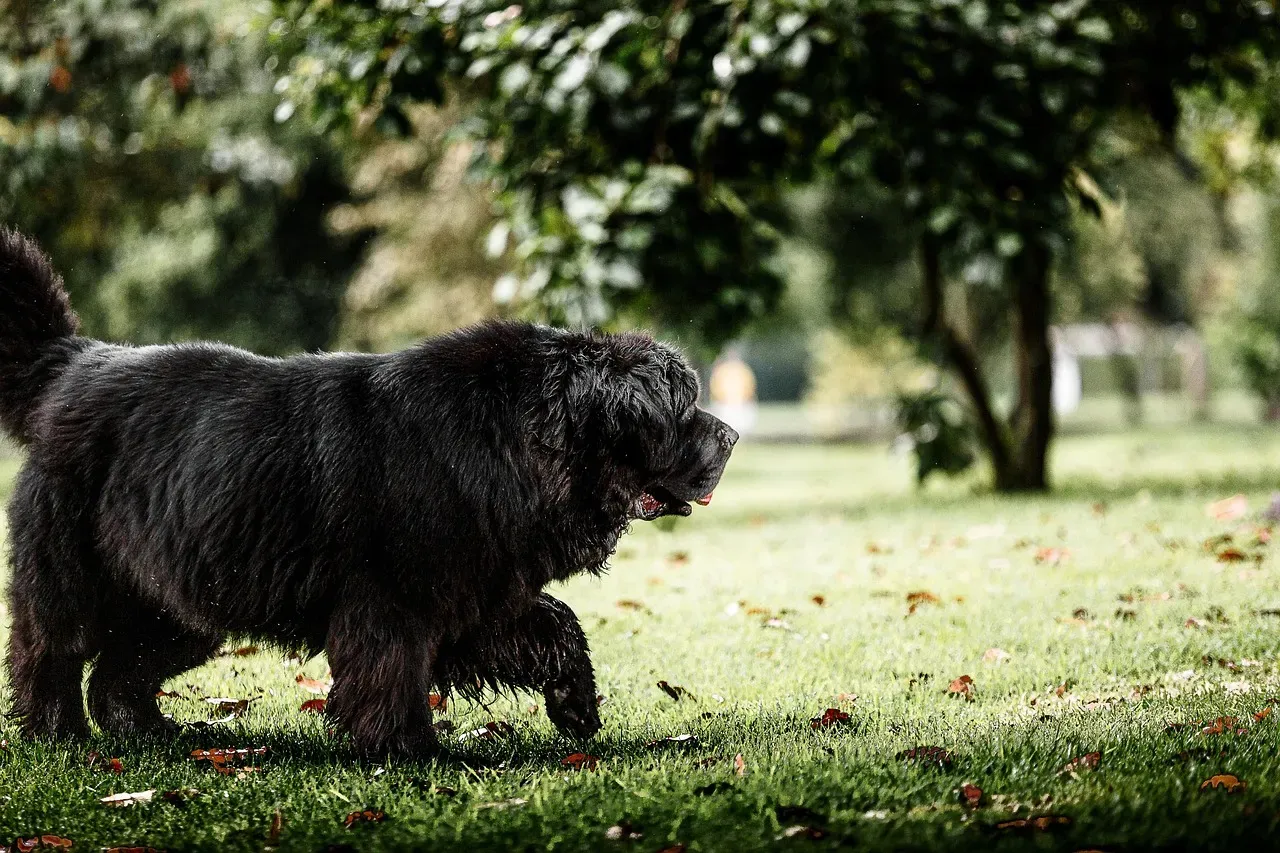
Newfoundlands emerge as gentle giants with a heart as vast as their impressive stature. Despite their size, these dogs are known for their tender, calm, and nurturing nature. They are known for their thick, water-resistant coat, which makes them the perfect bundle of joy to cuddle with after a long day. Newfoundlands excel not only in providing physical warmth but also in offering a soothing presence.
Like most dogs, they become very attached to their owners and show love by leaning and licking their parent’s legs and hands. Newfoundlands are ideal companions for those seeking a canine confidant capable of understanding the subtleties of human emotions. Their sheer size means they need space and regular gentle exercise, but if you have room, few dogs offer as much quiet, grounding companionship.
15. Bernese Mountain Dog: The Loyal Fireside Friend
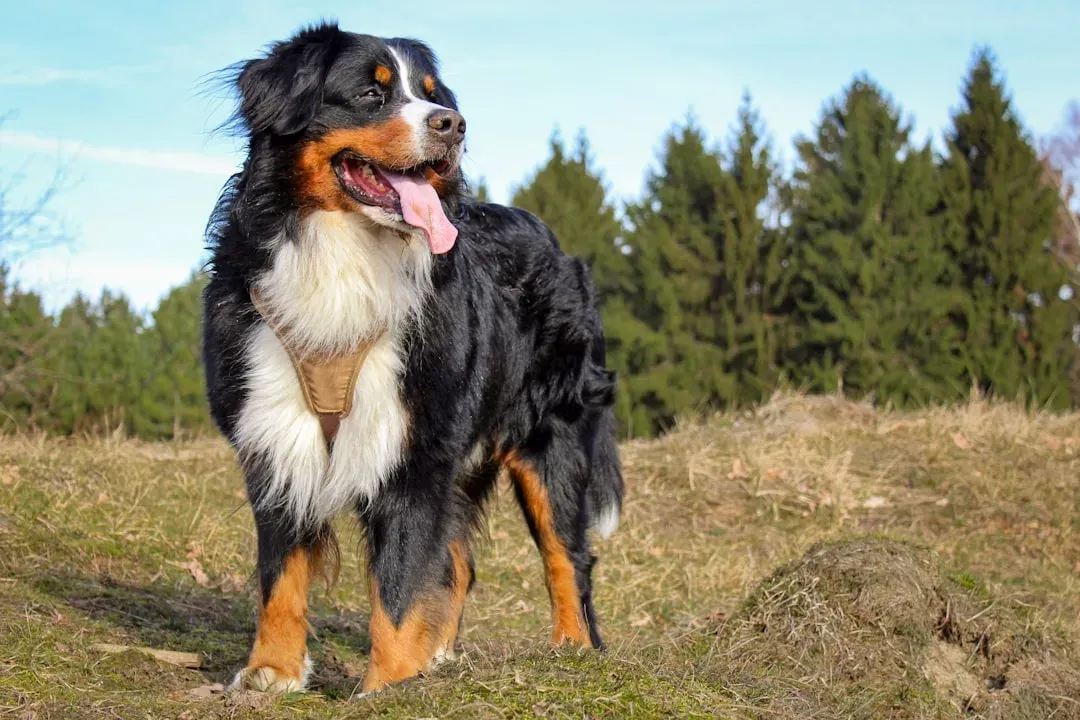
Bernese Mountain Dogs are gentle and intelligent. They are extremely affectionate with their people and incredibly loyal, though they can be a little reserved with strangers. Berners are big, affectionate dogs who genuinely thrive on connection with their families, making them wonderful companions in households where someone is often home.
They’re surprisingly adaptable to many living situations. Wherever you live, your Bernese Mountain Dog will do what they can to make you happy, including all the cuddle time you crave. Their calm, steady temperament sets them well apart from the high-strung chewing breeds. They’re not without needs, daily walks and mental engagement matter, but destructive behavior is rarely part of their story when they feel secure and loved.
What Every Dog Parent Should Know About Chewing
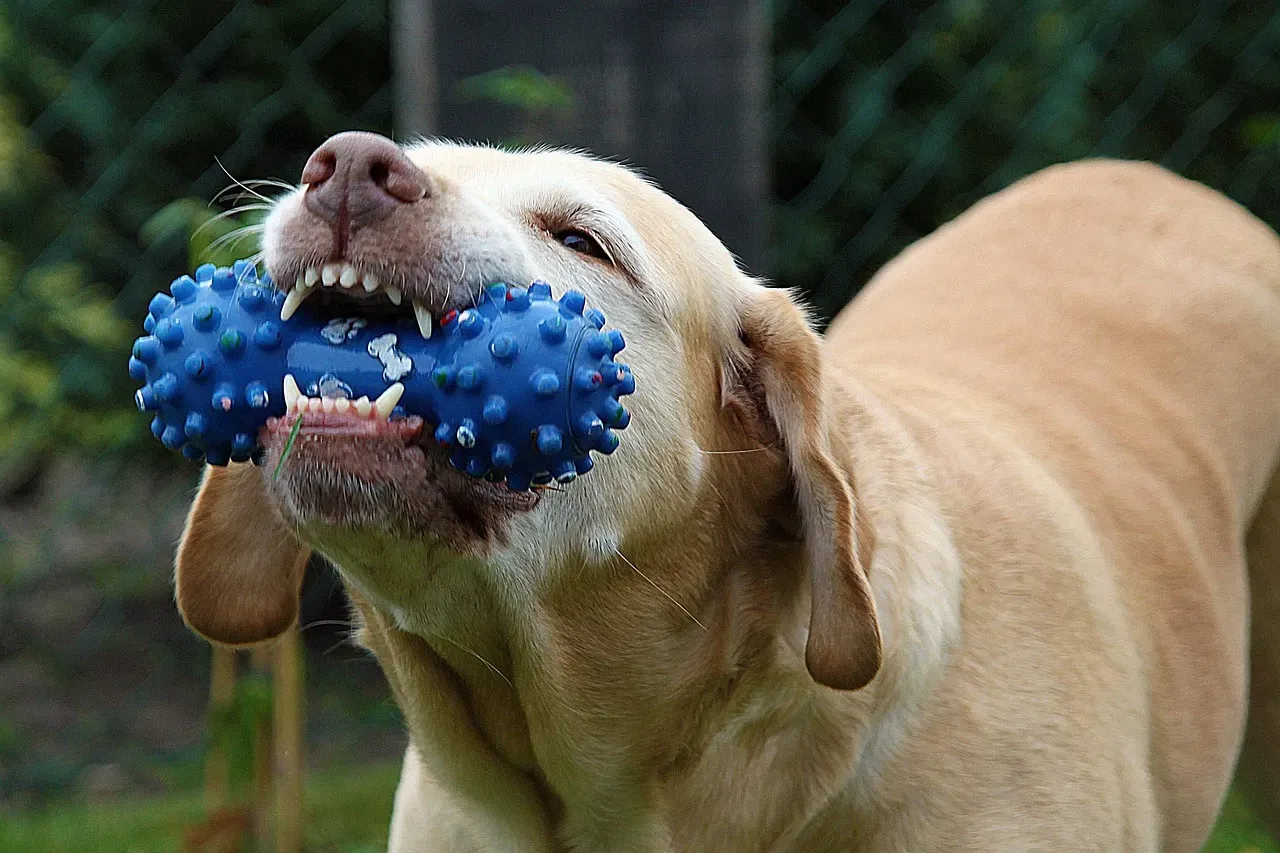
Dogs that are in a state of conflict, arousal, or anxiety, such as separation anxiety, may turn to chewing and other forms of destructiveness as an outlet. This means that before labeling your dog as “bad,” it’s worth asking what they might be trying to communicate. Chewing is rarely defiance. It’s almost always a message.
If your dog’s chewing behaviors are accompanied by bloody gums, whining or whimpering while chewing, abnormal eating habits, or tooth loss, it’s time to call your vet. Physical discomfort can drive chewing just as much as boredom can. If chewing is excessive, starts suddenly, or includes ingestion of non-food materials, it’s time to consult a veterinarian. Catching health-related chewing early matters.
The right chew toy does more than protect your belongings – it can actually satisfy your dog’s urge to chew and retrain their focus toward appropriate outlets. Dogs, like humans, get bored with the same old toys. Keep a rotation of toys and introduce new ones every few days. This simulates novelty and maintains interest without needing to constantly buy new items.
A Final Thought for Dog Lovers

Whether you share your home with a Lab who’s redesigned your furniture or a Cavalier who just wants to be your shadow, one thing holds true across every breed: destructive behavior is almost always a signal, not a character flaw. Destructive chewing is frustrating, but it’s also a natural behavior that can be redirected, not eliminated. By understanding your dog’s motivations, using chew toys effectively, and proofing your home environment, you can curb the chaos and guide your dog toward healthier habits.
The breeds most likely to chew are often the same ones burning with intelligence, loyalty, and energy. They don’t want to ruin your couch; they want a job, your attention, or simply a way through their anxiety. Meeting that need with patience and the right tools changes everything. By addressing the root causes of your dog’s chewing behavior and providing appropriate outlets for their energy and curiosity, you can help them develop healthier habits and strengthen your bond.
Your dog is doing their best with what they have. So are you. That’s where good things start.


