
Every dog owner knows that look. The suspicious quiet. The mid-chew freeze when you walk into the room. The innocent tail wag that somehow says, “I absolutely did not just eat your lunch.” Dogs are glorious, unpredictable creatures, and their behavior has a lot to do with genetics, breeding history, and yes, how bored they happen to be on any given Tuesday.
Some breeds come into your life and settle in like good houseguests. Others arrive like tiny chaos agents with fur and a plan. Neither type is better or worse, they’re just different, and knowing what you’re signing up for makes all the difference in the world. Whether you’re a first-time dog parent or a seasoned pro looking for your next canine companion, understanding a breed’s behavioral tendencies can help you set them up for success.
1. Golden Retriever: The Eternal Good Boy (or Girl)
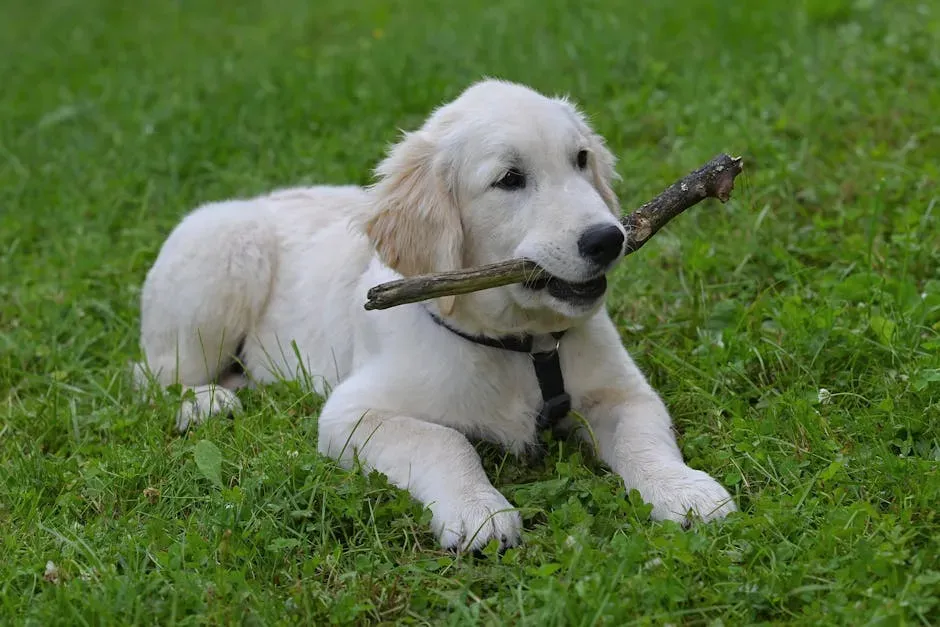
Few breeds have earned their reputation as thoroughly as the Golden Retriever. Goldens love to learn and to retrieve, and because they’re eager to please, they respond well to obedience training, making them one of the best dogs for first-time owners. That desire to make you happy is baked into their personality at a cellular level.
Their temperament often makes them great service and therapy dogs, and while they can be playful and have a lot of energy in their youth, a four-year-old Golden Retriever that’s emotionally and physically satisfied is most likely going to be calmer than a puppy of the same breed. The behavioral cue to watch for is restlessness or excessive chewing, usually a sign they need more exercise or mental stimulation, not a sign of a “bad dog.”
2. Labrador Retriever: Cheerful, Devoted, and Surprisingly Steady

The Labrador Retriever developed alongside fishermen, shaping a dog that stays engaged through movement and task-based interaction. For first-time dog owners, this creates a lifestyle that leans toward shared activity rather than passive companionship. Labs interact easily with people, including strangers, and blend well into homes with other pets and children.
Labrador Retrievers naturally lean into structure and interaction, making them easier to understand and guide. They’re not perfect. Young Labs can be mouthy and excitable, and they’ll absolutely steal food off a low table if given the chance. Still, with consistent training and regular exercise, they settle into wonderfully steady companions.
3. Cavalier King Charles Spaniel: Royally Well-Mannered
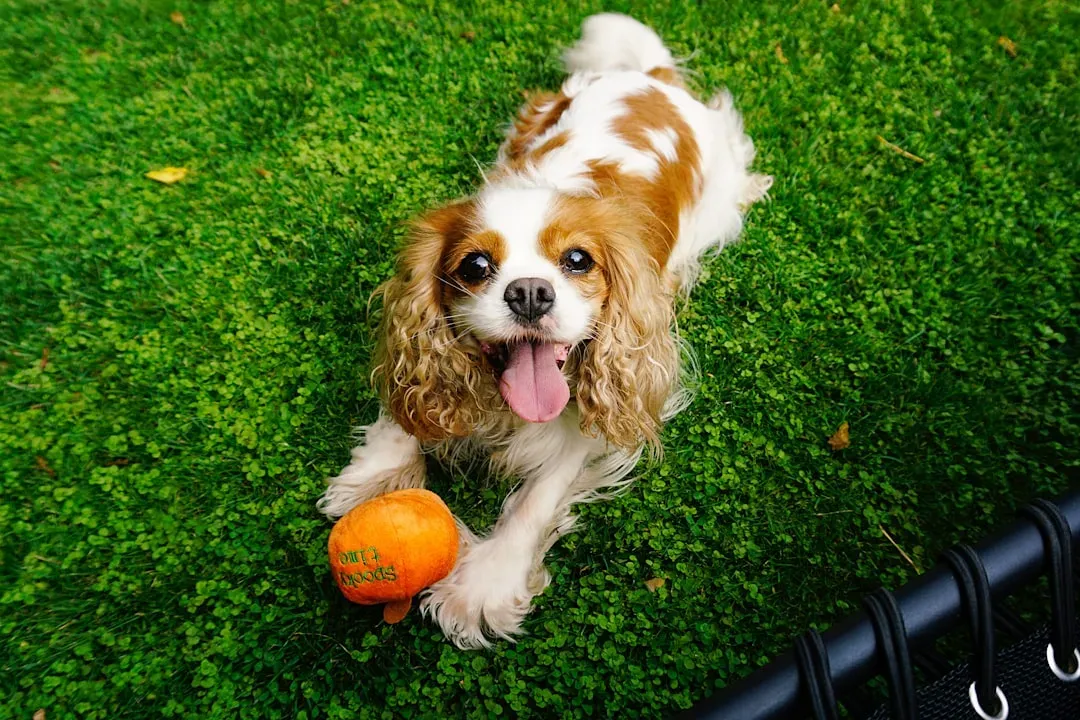
Dating back to Renaissance times, the Cavalier King Charles Spaniel is known for their prestigious nobility and gentle demeanor. Bred through generations of royals like King Charles I and his son Charles II, their sweet expression and round eyes make them hard to resist. That gentle lineage shows up in their day-to-day temperament.
The Cavalier King Charles Spaniel is a small and elegant breed known for its friendly and affectionate nature. Aside from being calm, well-mannered dogs, Cavaliers are characterized by their beautiful, silky coats and expressive, soulful eyes. One practical note: the Cavalier retains its spaniel instincts, especially when it picks up scents or notices movement outside. This can affect recall, especially in open areas where attention shifts quickly. A controlled space or fenced yard helps maintain consistency in its routine.
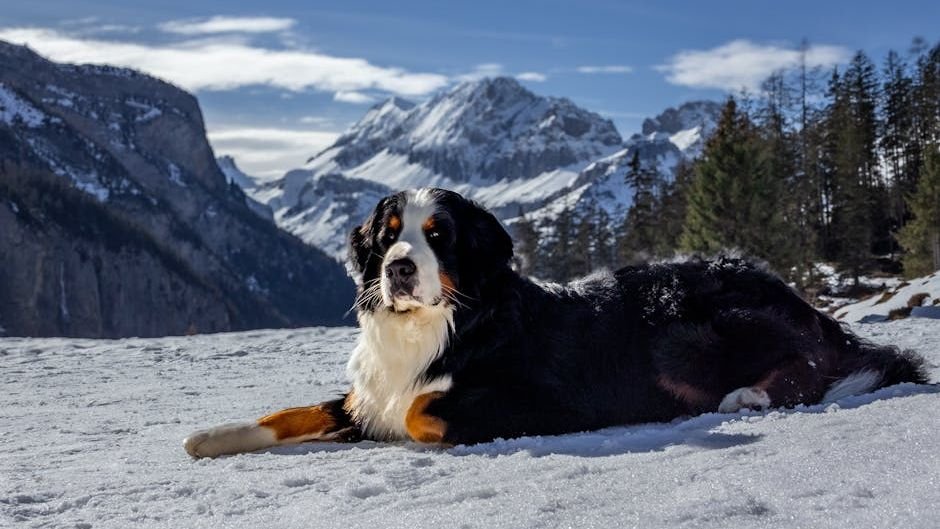
4. Bernese Mountain Dog: Big, Calm, and Genuinely Lovely
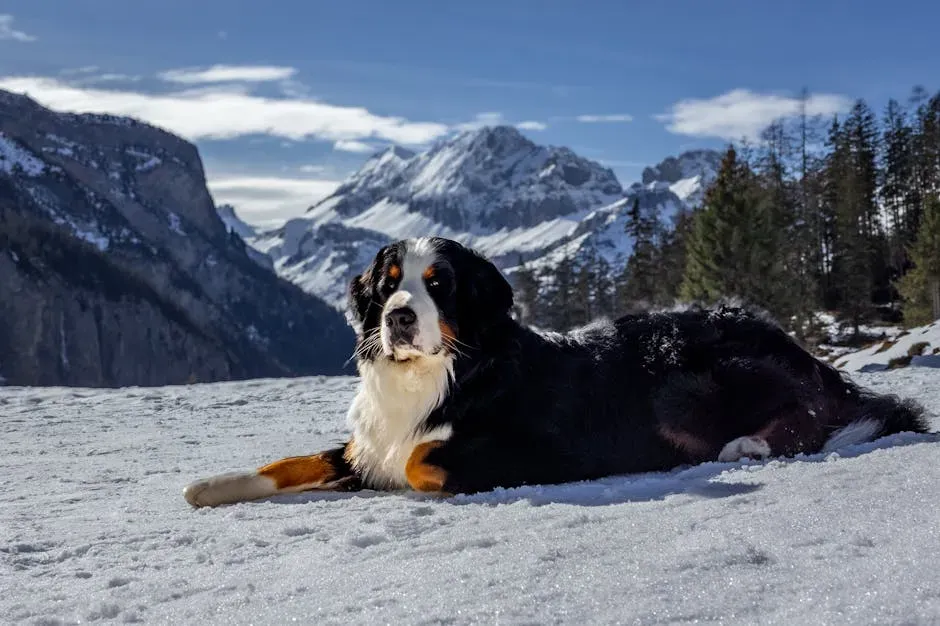
Calmness is one of the Bernese Mountain Dog’s most prominent traits, making them excellent family pets. Rarely displaying hyperactive behavior, these dogs have a calming influence and often get along well with other dogs as well. For families with children or other animals, that steadiness is worth its weight in gold.
Their calmness is one of the Bernese Mountain Dog’s most prominent traits. Rarely displaying hyperactive behavior, they have a calming influence and often get along well with other dogs. Despite their calm demeanor, it’s essential to provide them with regular exercise and mental stimulation to keep these “gentle giants” happy and healthy. They’re big dogs, so good manners start with good training, introduced early and kept consistent.
5. English Bulldog: Stubborn but Surprisingly Peaceful

English Bulldogs are known for their gentle and easygoing nature. Despite their somewhat imposing appearance with their wrinkled faces and muscular build, they are often incredibly gentle and affectionate dogs. They are not very naturally active and tend to enjoy lounging around. The Bulldog’s calm and easygoing nature makes them excellent choices for families, singles, and seniors alike.
While they may appear somewhat stoic, Bulldogs often have a playful and silly side, delighting their loved ones with comical antics. Worth knowing: Bulldogs can be a bit stubborn when it comes to training, often needing many repetitions to learn new commands. Their stubborn streak makes training a challenge, especially for first-time dog owners. Consistent positive reinforcement and early socialization are crucial to keep them engaged, as traditional harsh training methods can backfire with this sensitive breed.
6. Basset Hound: The Unhurried Companion
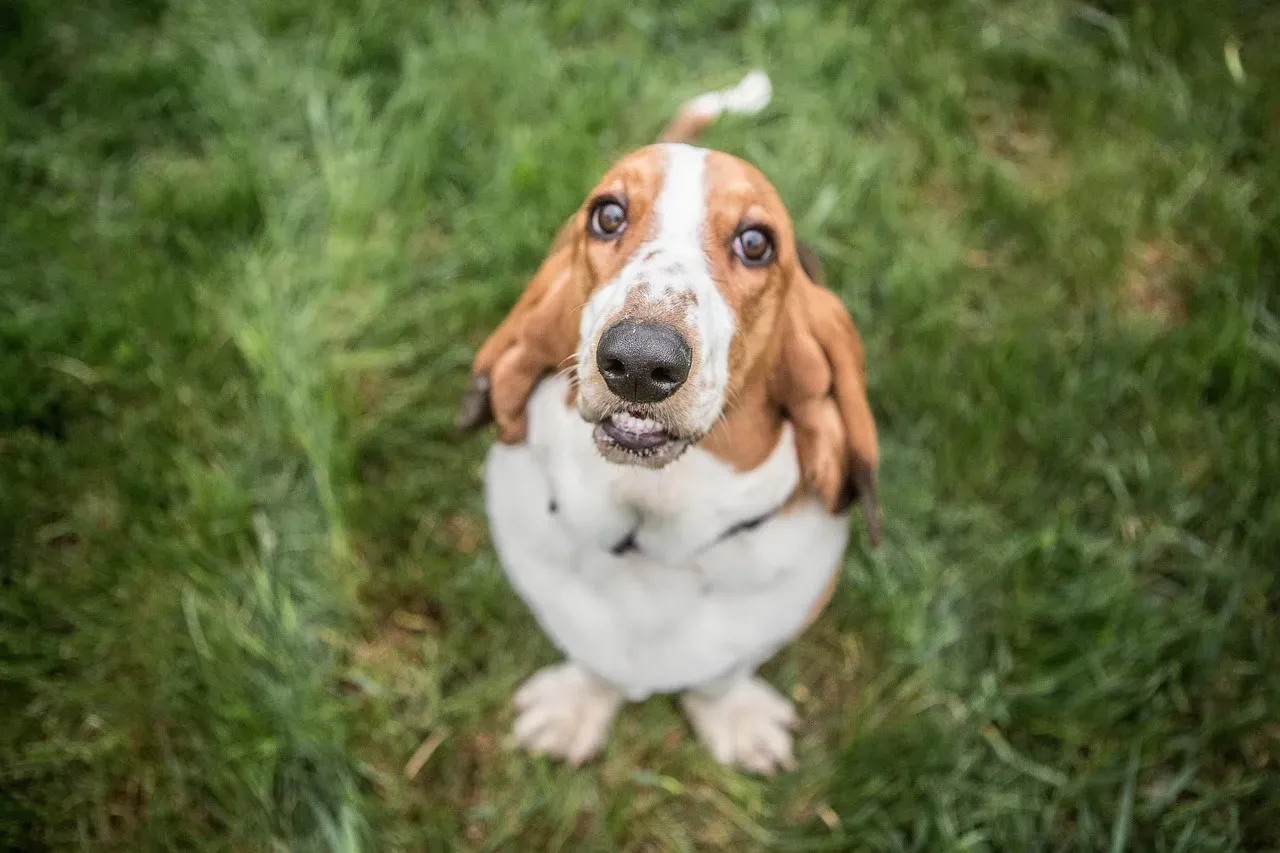
Despite their hunting lineage, Basset Hounds tend to be calm canine companions, preferring leisurely strolls over vigorous exercise. Their love for food and their unique appearance make them endearing and lovable family pets, known for their loyalty and devotion to pet owners. Don’t mistake their slowness for laziness though. Their nose is always working.
With a sniffer second only to the bloodhound, the Basset Hound might occasionally ignore the family if it hits on a scent worth investigating. That’s not disobedience. It’s instinct. Prevention tip: keep them on a leash outdoors and give them sniff-based enrichment games at home to satisfy that powerful nose without letting them wander off on their own adventure.
7. Bichon Frise: Small, Cheerful, and Genuinely Easy to Live With
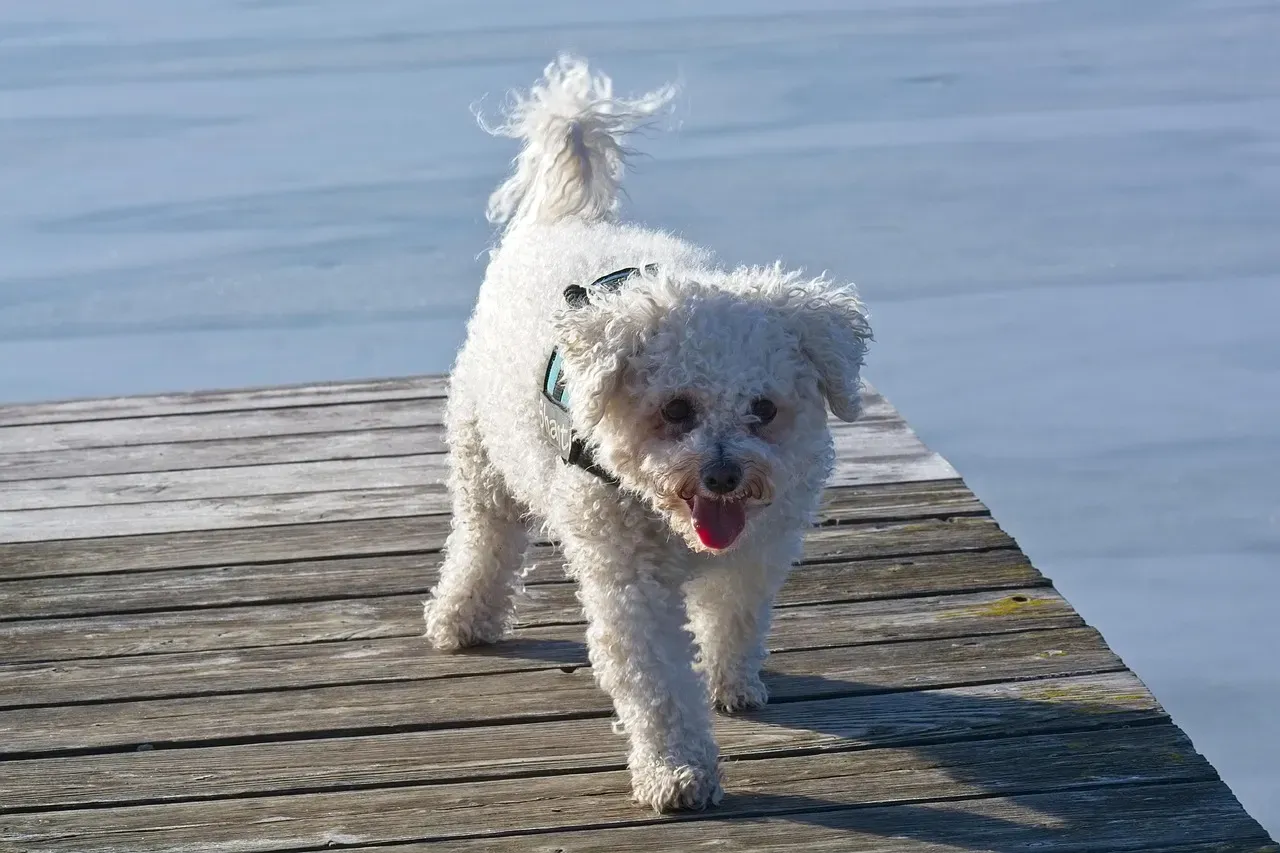
Bichon Frises are small, cheerful dogs that are characterized as sociable, calm, and friendly. They enjoy being around people. Originating in the Mediterranean, these dogs were favored by European nobility and were favored as companion animals. That history as a companion dog shows up clearly in how they relate to their families.
Usually looking like they’re smiling, these charming little dogs make excellent family pets due to their affectionate and playful nature. They are known for their love of human company and making friends wherever they go. They love playing outside and cuddling up with their owner, yet they need a consistent routine for exercise and training to cut any mischievous behaviors. Routine is genuinely their friend.
8. Irish Wolfhound: Gentle Giant with a Surprisingly Calm Core
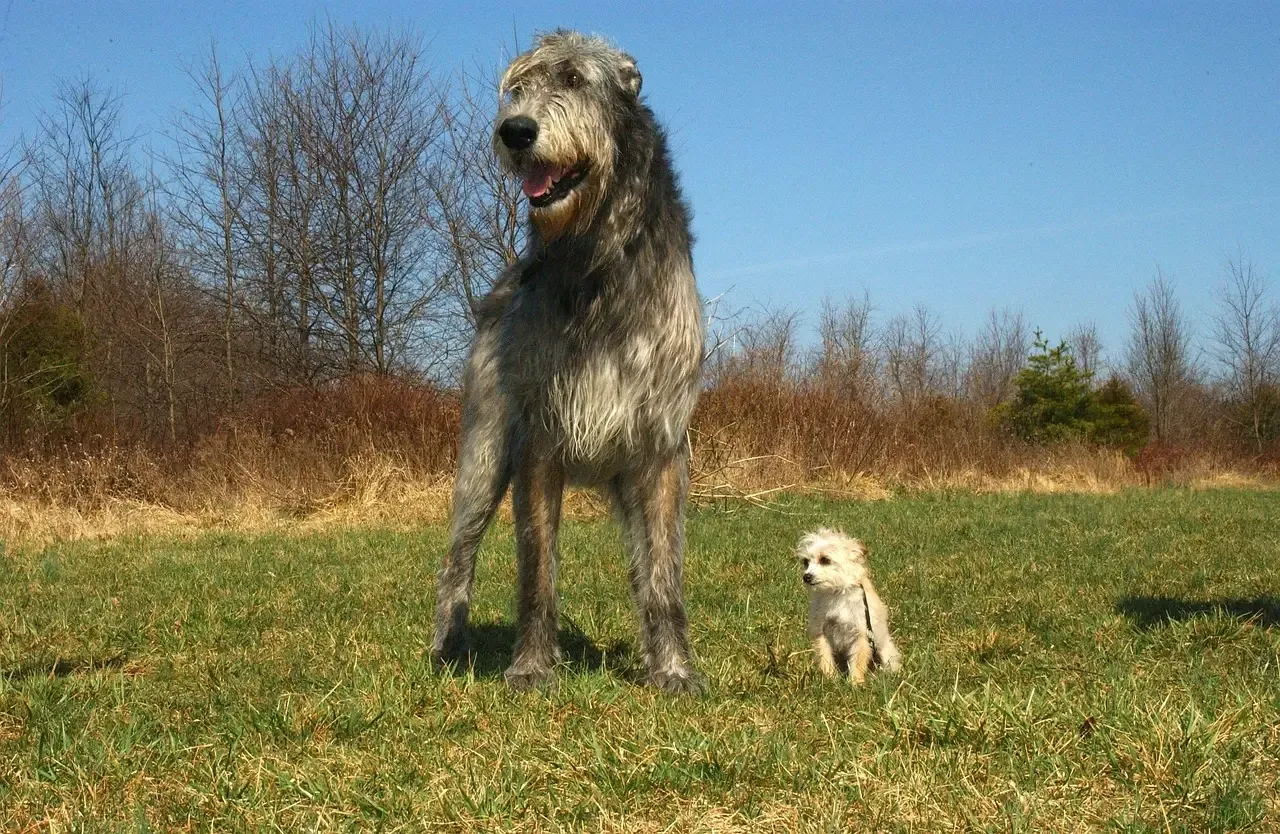
The enormous Irish Wolfhound was the result of breeding between larger dogs of Britain and Middle Eastern hounds. By the 15th century, the Irish countryside was overrun by wolves, and Irish Wolfhounds hunted these predators almost to the point of extinction. That fierce history may surprise you given how serene they are today in a home setting.
Irish Wolfhounds earned the honor of their own legend, a tale of loyalty called “Gelert, the Faithful Hound.” Due to their incredible intelligence, they learn quickly. They are both calm and sensitive to the emotions of humans, making them qualified for a wide range of therapy work. Their size means they need space and regular gentle exercise. They don’t need chaos.
9. Shih Tzu: Regal Roots with a Mellow Personality
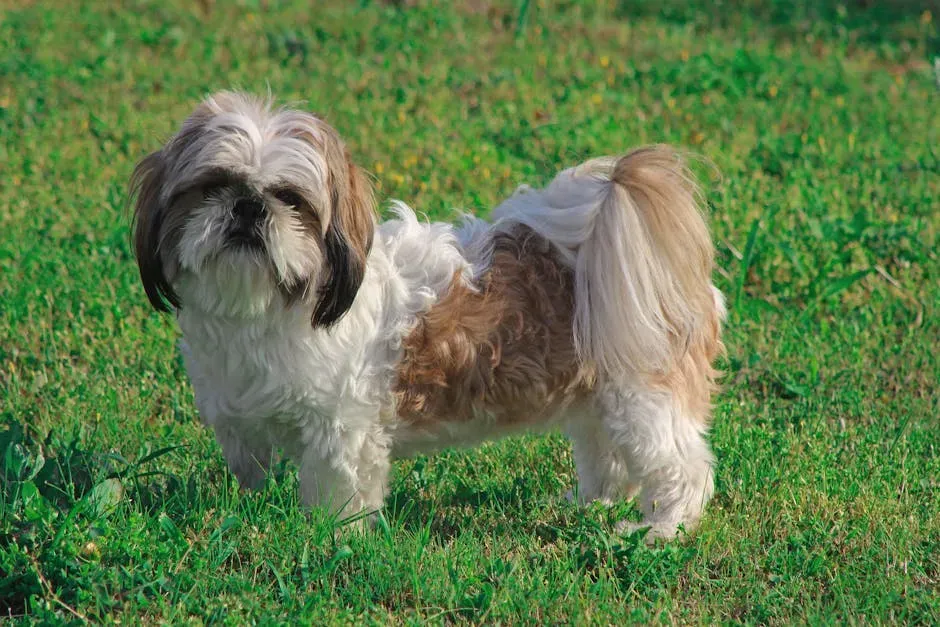
Shih Tzus are small dogs with a naturally calm and friendly personality. They make excellent lap dogs and are great for families. Proper socialization is recommended early in a Shih Tzu’s life to ensure they get along well with other dogs and new people. Originating in Tibet with a history dating back over a thousand years, Shih Tzus were bred as companion dogs to royalty and members of the noble class.
Shih Tzus are known for their affectionate and outgoing nature, yet their independent mindset can sometimes come across as disobedience. They were bred as companion dogs for Chinese royalty, leading to a hint of aristocratic behavior and occasional stubbornness. Training a Shih Tzu effectively demands patience, understanding, and persistent positive encouragement. Their perceived lack of obedience is not defiance, but a trait that, when understood correctly, can be effectively managed with the right training approach.
10. Pug: Low Drama, High Personality
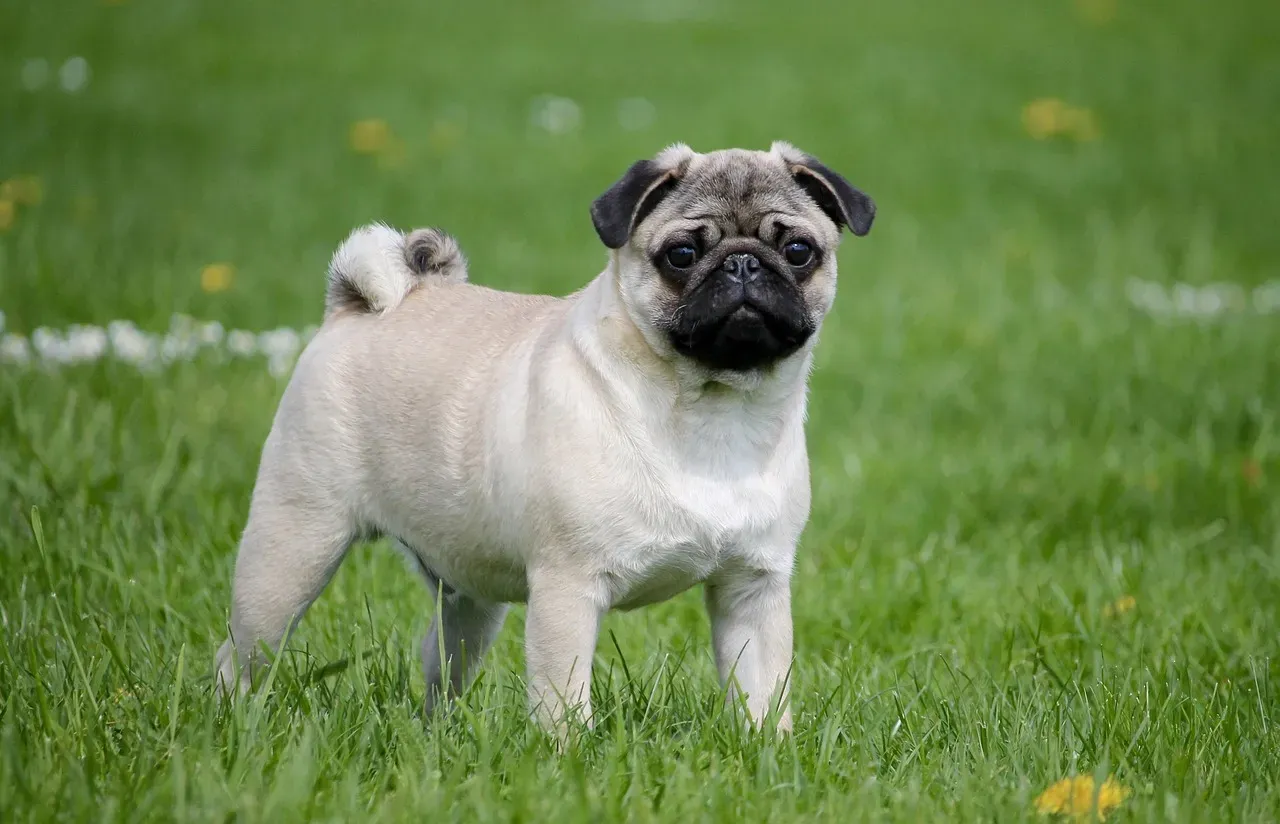
The pug is so easygoing it won’t play favorites, just as long as someone is lavishing attention on it. Yet they’re not just selfishly soaking up long cuddle sessions all day. Calm dog breeds like the pug still like to be the center of attention once in a while and entertain the family with their playful and happy-go-lucky antics.
The pug has a proven track record of being a calm, well adjusted and easygoing family pup. It needs minimal exercise, loves kids, quickly turns strangers into friends, and thrives in a variety of environments, from small apartments to larger properties. One health note every Pug owner should know: their flat face makes them sensitive to heat and overexertion, so keep exercise moderate and avoid outdoor activity during hot weather.
11. Jack Russell Terrier: Small Dog, Maximum Mischief
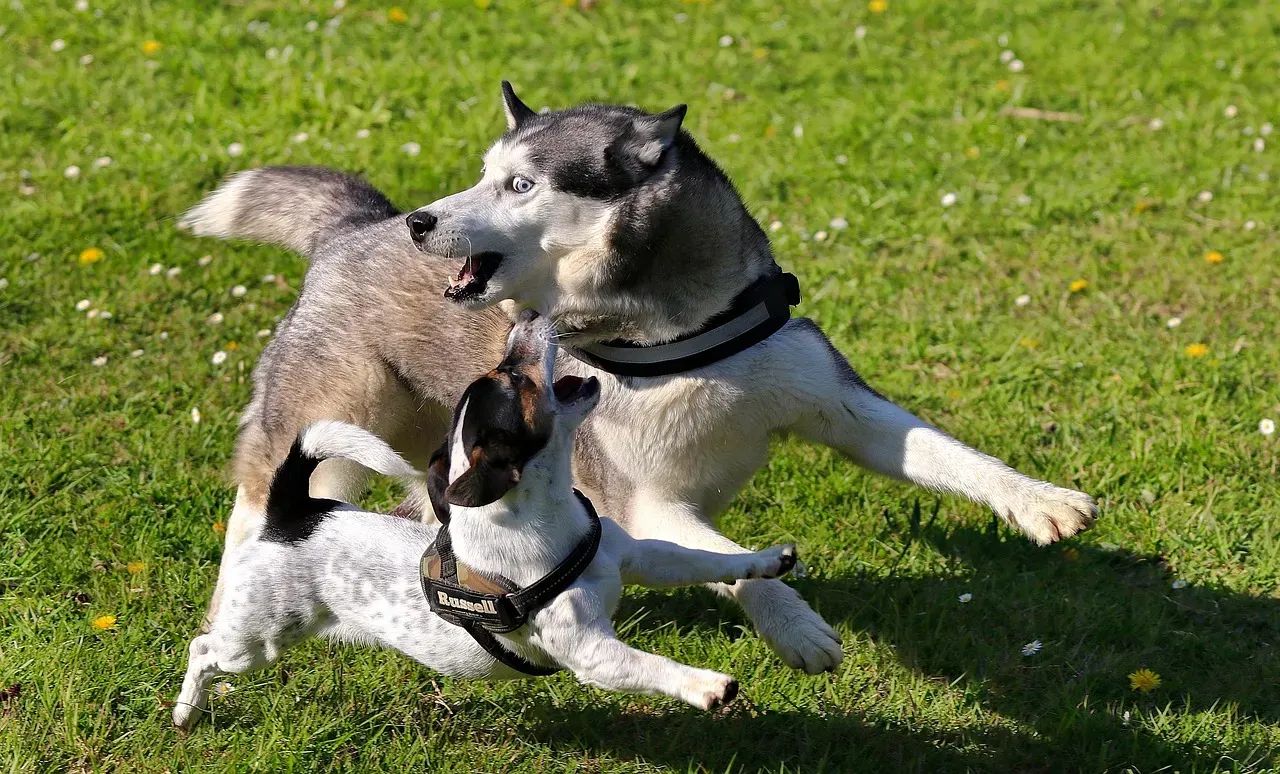
Jack Russells are tiny tornadoes of energy and wit. Don’t let their small size fool you, they’re constantly cooking up chaos. They’ll scale furniture, dig under fences, and open cabinets just because they can. Their brains need as much exercise as their bodies, which means if they’re bored, you’re in trouble.
Small but mighty, the Jack Russell Terrier is notorious for its high energy and curiosity. This breed has a keen sense of adventure and is always on the lookout for something fun to do, whether that’s digging under fences, chasing squirrels, or chewing on furniture. Their intelligence and determination mean they’re not easily deterred, which can lead to plenty of mischief if they get bored. Prevention tip: daily vigorous play sessions and puzzle feeders are non-negotiable with this breed.
12. Dachshund: Stubborn, Bold, and Built for Trouble
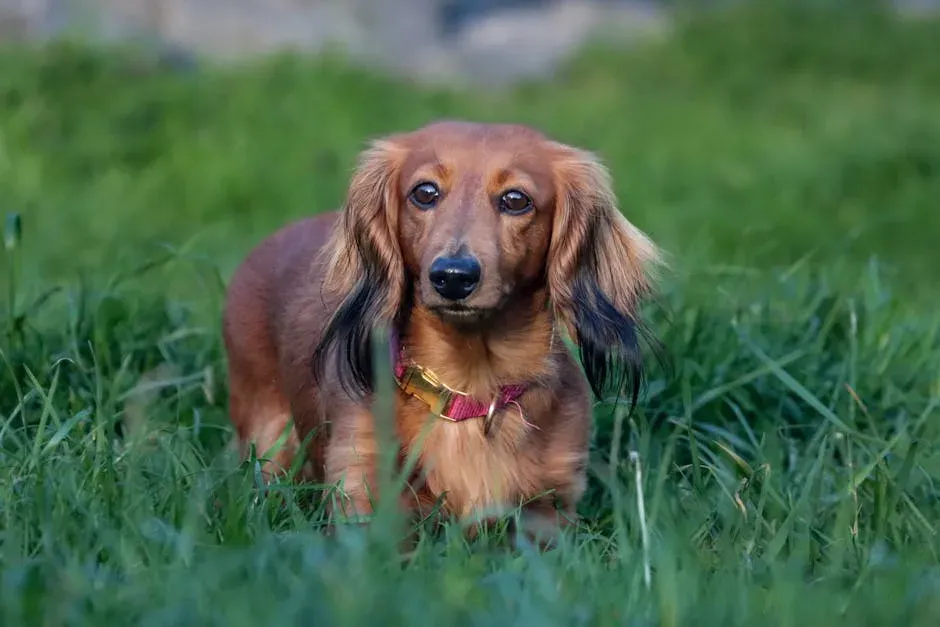
Dachshunds were bred to hunt badgers, rabbits, foxes, and even boar. They are brave, independent, and stubborn. They are notoriously difficult to train and housebreak. They are lively and intelligent and need things to keep their minds and bodies active. Boredom can exacerbate disobedience.
Despite their size, they carry themselves like much bigger dogs, confident, bold, and full of energy. You’ll often find them sneaking off with socks or hiding toys in the oddest places, then looking totally innocent when caught. They’re smart but have a stubborn streak, so training takes patience and fun, reward-based methods. Because they’re prone to back problems and gaining weight, regular walks and mentally stimulating games are a must.
13. Beagle: The Sweetest Little Escape Artist
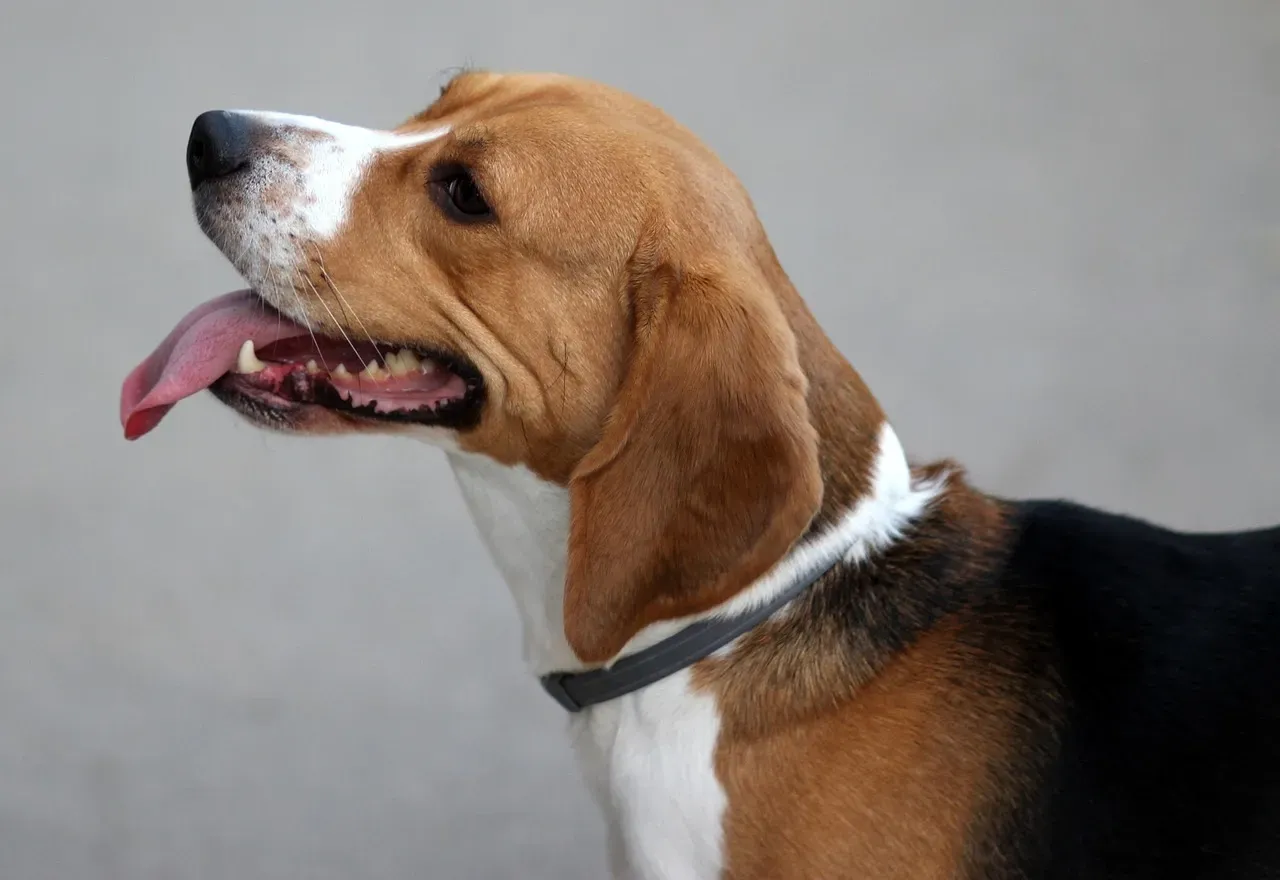
Beagles are expert troublemakers with really the sweetest, most innocent looks: floppy ears and puppy eyes. You look at them and think “Awww,” unless you’ve lived with them, because then you know what’s underneath those cutesy expressions. Originally bred to hunt rabbits, they’ve got sharp noses that never quit sniffing out snacks from backpacks, countertops, and even zipped-up bags.
With a nose that could track a scent across continents, Beagles often follow their curiosity straight into trouble. Their hunting instincts mean they’ll wander off if something smells interesting, making secure fencing absolutely essential. Food becomes their obsession, so expect them to raid trash cans or counter-surf when you’re not watching. Their vocal nature adds to the chaos, as they’ll howl and bay at nearly everything that catches their attention.
14. Siberian Husky: The Beautiful, Willful, Jailbreaking Dog
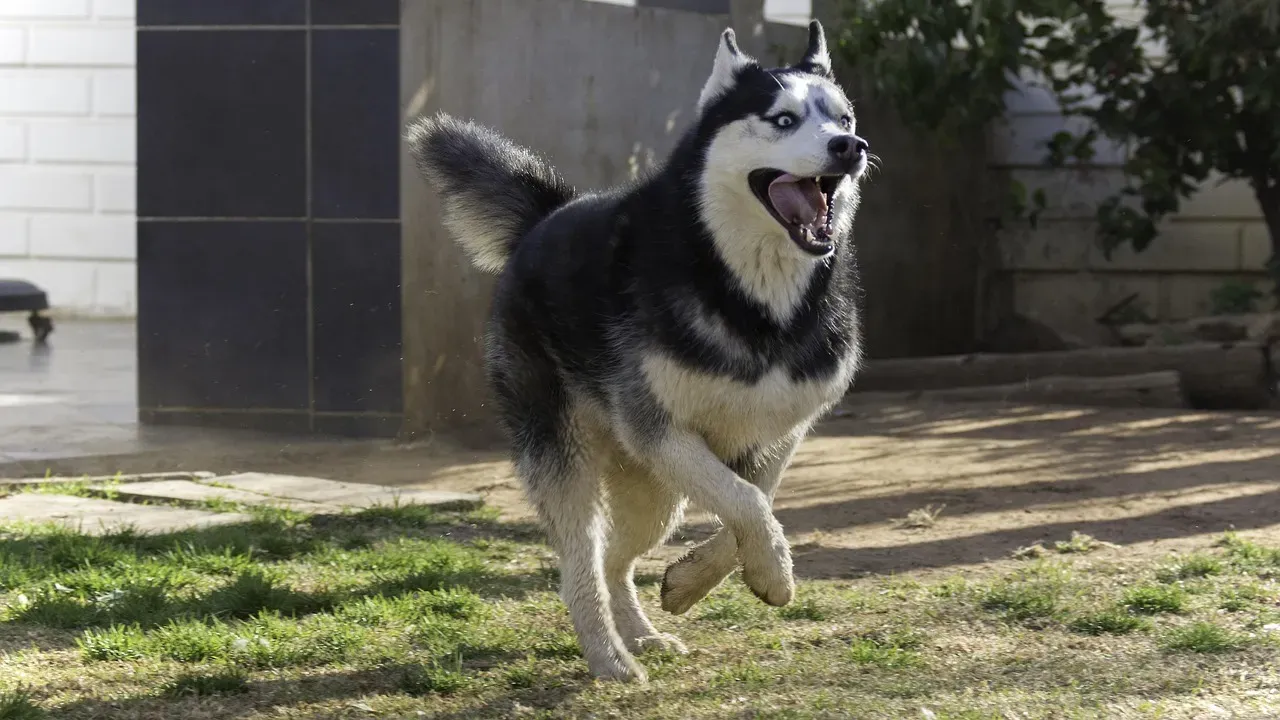
Huskies were originally bred as sled dogs, and their genetic makeup equips them with endurance, intelligence, and a strong pack mentality. Recognizing these inherent traits will help you tailor the training approach to suit your Husky’s specific needs. The challenge is that those sled-dog instincts don’t simply switch off once you bring one home.
Siberian Huskies are notorious escape artists, so now is the time to start getting used to keeping a very stable, secure home. They have a natural inclination to work and an abundance of energy, making regular exercise a must for their physical and mental well-being. Without proper outlets for their energy, they may resort to undesirable behaviors, such as excessive digging or howling. Training works best when started early and built on consistency and positive reward.
15. Border Collie: Criminally Clever and Constantly Scheming
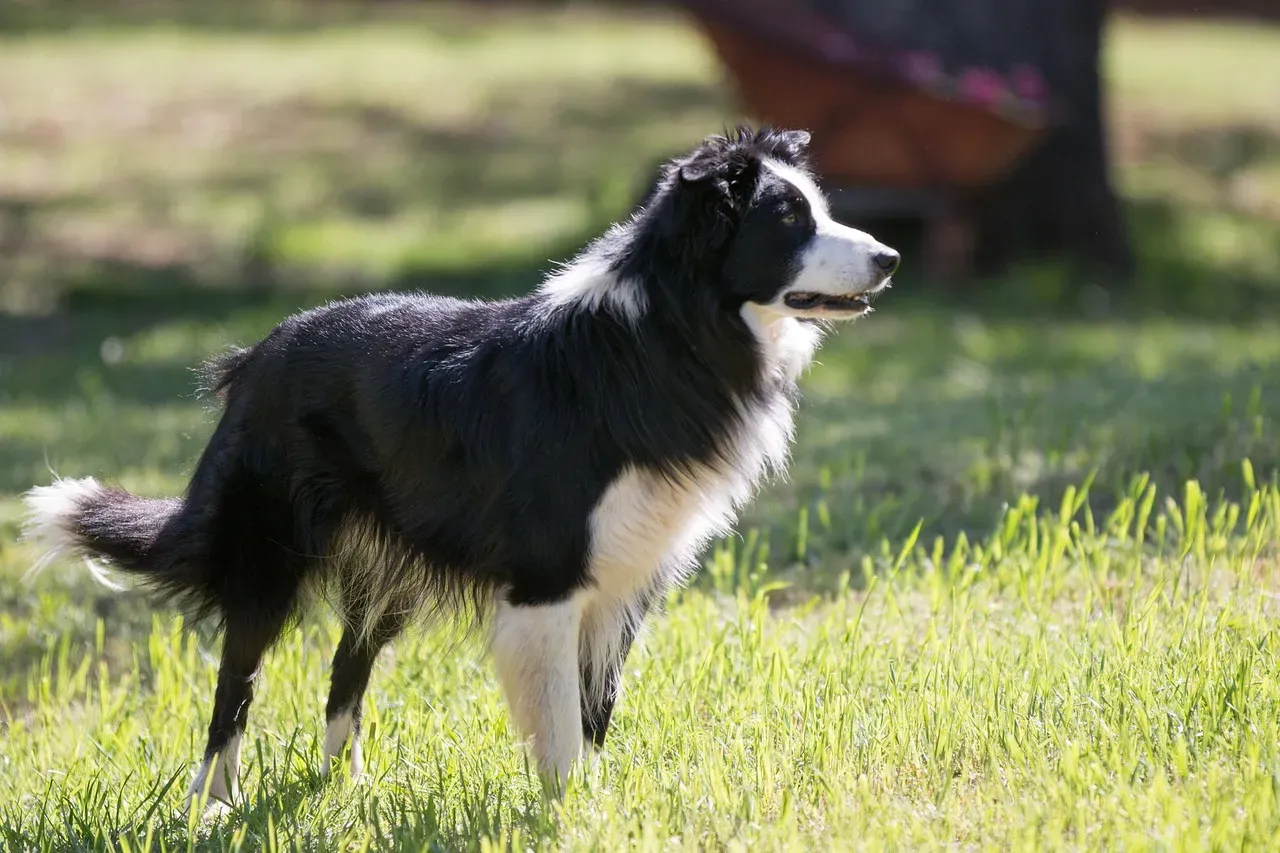
Considered the Einstein of the canine world, Border Collies outsmart owners who can’t keep up with their genius. Without a job to do, they create their own entertainment, which usually involves herding children, pets, or even cars. Their energy levels seem endless, requiring hours of exercise and mental challenges daily.
Border Collies are highly intelligent and energetic dogs, traits that often translate into mischievous behavior. They require a lot of mental and physical stimulation, and without it, they can become bored and find ways to entertain themselves, which often leads to mischief. Border Collies might get into things around the house, herd children or other pets, or find other creative ways to expend their energy. Their intelligence and need for activity mean they thrive in an environment where they have a job to do or are provided with ample stimulation. Agility training, herding sports, and advanced obedience courses are genuinely life-changing for this breed.
What Every Dog Breed Needs, Regardless of Temperament
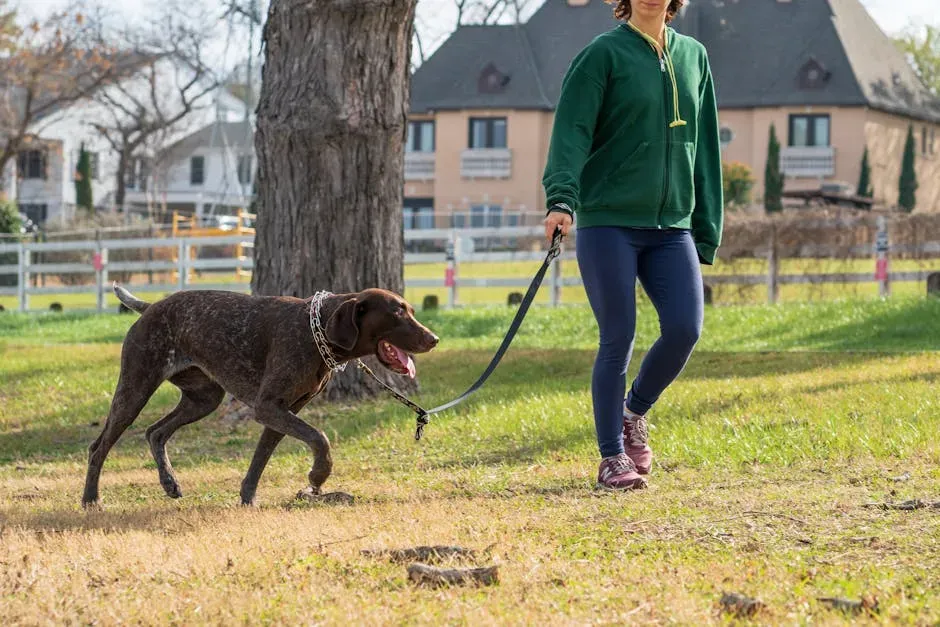
While there is no doubt that certain breeds have a calmer nature than others, it is also true that a dog’s temperament is influenced by its upbringing and experiences. It’s possible for a breed on this calm list to have had negative experiences and to be nervous and edgy as a result. Every dog is ultimately an individual. Genetics set the stage, but environment, training, and love write the story.
Obedience is influenced by more than just effort. Genetics, temperament, and a breed’s original purpose all play huge roles. Breeds developed to work independently were never meant to wait for human approval, which can make them seem stubborn today. Understanding why a dog behaves as it does is far more useful than simply labeling them “difficult.” Exercise and enrichment are the keys to keeping dogs calm. After meeting your dog’s physical needs, provide mental stimulation with boredom-busting toys.
Conclusion: Know Your Breed, Love Your Dog
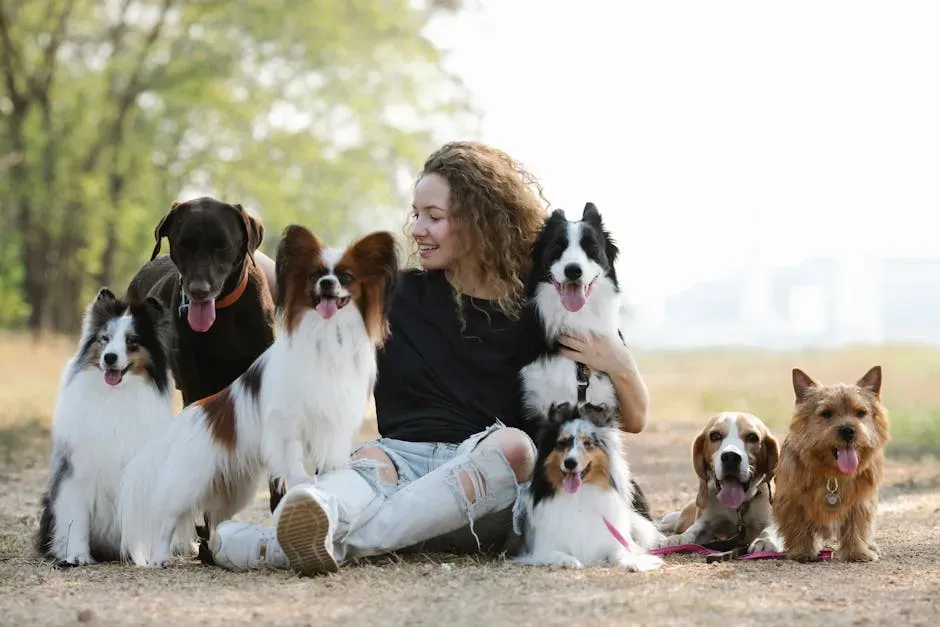
The difference between a dog that stays calm and one that dismantles your couch often comes down to how well their needs are being met, not how inherently “good” or “bad” they are. A calm breed given no stimulation will misbehave. An energetic, independent breed given structure and purpose can surprise you completely.
The real gift of understanding breed tendencies is that it removes the frustration and replaces it with empathy. Your Beagle isn’t defying you. Your Husky isn’t being spiteful. Your Border Collie isn’t plotting against you. They’re simply being exactly who they were bred to be. Some dog breeds require extra patience and training, but their unique quirks make them even more lovable and rewarding companions. Meet them where they are, and you’ll both be better for it.


