
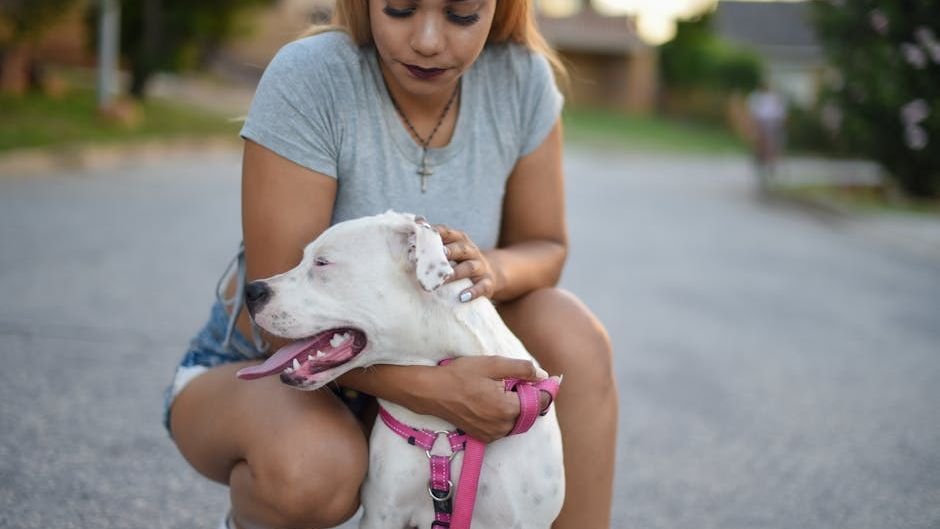
You come home after a long day, and before you even get your key out of the lock, you already know what’s waiting on the other side of that door. There’s a tail, probably a whole body, and an energy that somehow makes every bad hour dissolve. That moment isn’t just endearing. It’s deeply biological, rooted in real science, and it’s only one of dozens of ways your dog spends the entire day quietly telling you how they feel about you.
Most dog owners sense this connection intuitively, yet so much of what our dogs do goes unnoticed or misread. A lean against your leg, a glance over the shoulder on a walk, a toy dropped into your lap – these aren’t random behaviors. They’re a language. Learning to read it won’t just warm your heart. It’ll make you a far better companion to the dog who already thinks you’re the center of the universe.
The Eyes Don’t Lie: What Your Dog’s Gaze Really Means
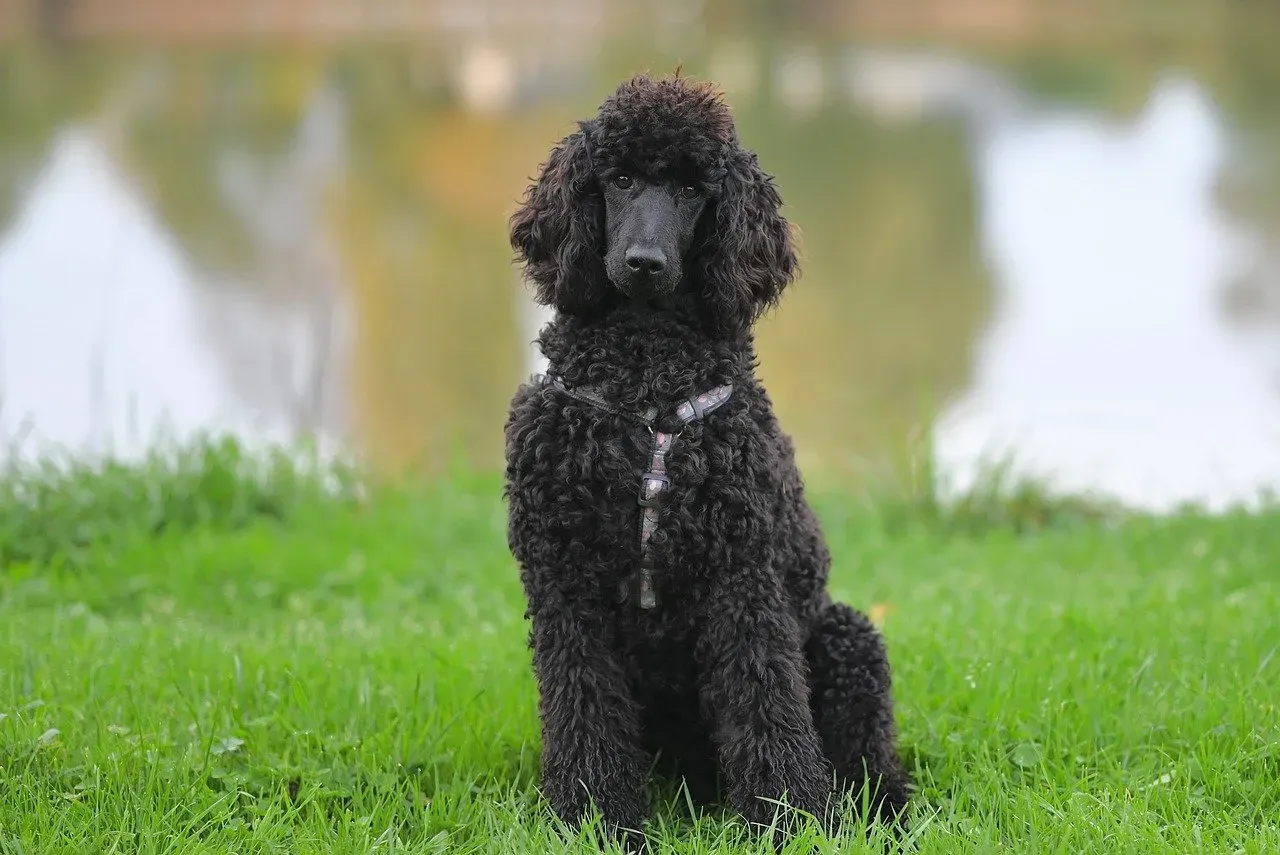
There’s a moment that dog owners know well. You’re sitting quietly, and you look up to find your dog already watching you with soft, relaxed eyes. It feels meaningful – and it is. Research conducted at Azabu University demonstrated that dogs and their owners experience a mutual release of oxytocin when they gaze into each other’s eyes. That’s the same chemical that bonds parents to newborns, and it surges in both of you every time you share that quiet look.
This oxytocin release occurs in bonded pairs but is significantly less in interactions between unfamiliar dogs and humans, suggesting that the bond formed through shared positive experiences and emotional trust results in a physiological response indicative of genuine attachment. In practical terms, your dog isn’t just staring at you because they want a treat. They’re choosing you.
It’s important to note that affectionate eye contact is different from threatening eye contact. Long, sustained eye contact is reserved for people you love, trust, and feel safe with. Forced eye contact can make dogs uncomfortable, fearful, and stressed. So look for soft eyes, a relaxed brow, and a loose, easy posture – those are the signs that the gaze is pure love and not tension.
Not all eye contact is affectionate. Sometimes, prolonged staring can be a sign of dominance or unease. Observe your dog’s body language to understand the context. Relaxed posture and wagging tails often accompany friendly gazes. When you see those signs together, the invitation is clear: hold their gaze gently and let the moment settle. That exchange builds your bond more than almost anything else.
Following You Everywhere: Devotion or Dependency?
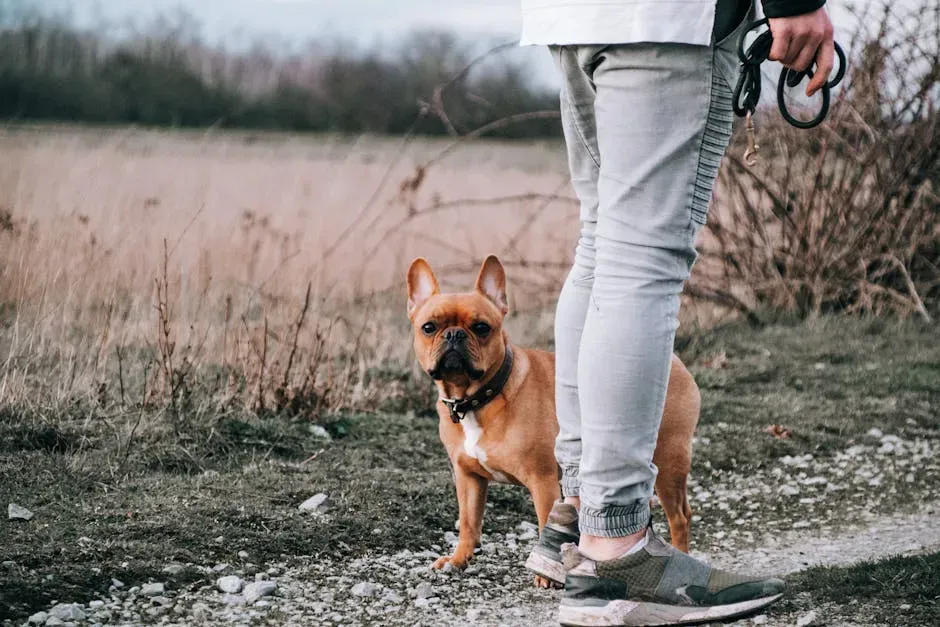
If your dog follows you from the bedroom to the kitchen to the bathroom without hesitation, you’ve probably laughed about it. Maybe you’ve also wondered whether it’s sweet or slightly excessive. When your dog follows you around the house, it’s deeply rooted in their pack mentality. In the wild, dogs stick with their pack to ensure safety and companionship. By sticking close to you, they see you as their leader – and it shows their trust and love for you.
An emotionally attached dog will follow their human around the house from the moment they wake up, making sure they are always within sight. Whether you’re brushing your teeth, washing the dishes, or doing a workout, your four-legged friend wants to be involved. This is less about anxiety and more about the simple joy of proximity. Your presence genuinely makes them feel good.
There’s a meaningful distinction worth knowing, though. A securely bonded dog shows calm enthusiasm rather than frantic dependency. If your dog follows you with a loose, wagging tail and settles easily when you stop moving, that’s healthy attachment. If they’re panting, pacing, or unable to relax even when you’re in the room, that could point toward separation anxiety, which is worth discussing with a vet or certified behaviorist.
Quality time matters more than passive proximity. A focused 15-minute training session builds more connection than hours of distracted coexistence. So the next time your dog trails you into the kitchen, take thirty seconds to engage them – a quick sit, a gentle scratch, a moment of eye contact. That small response tells them you noticed, and it matters more than you might think.
Leaning, Nudging, and the Physical Language of Love
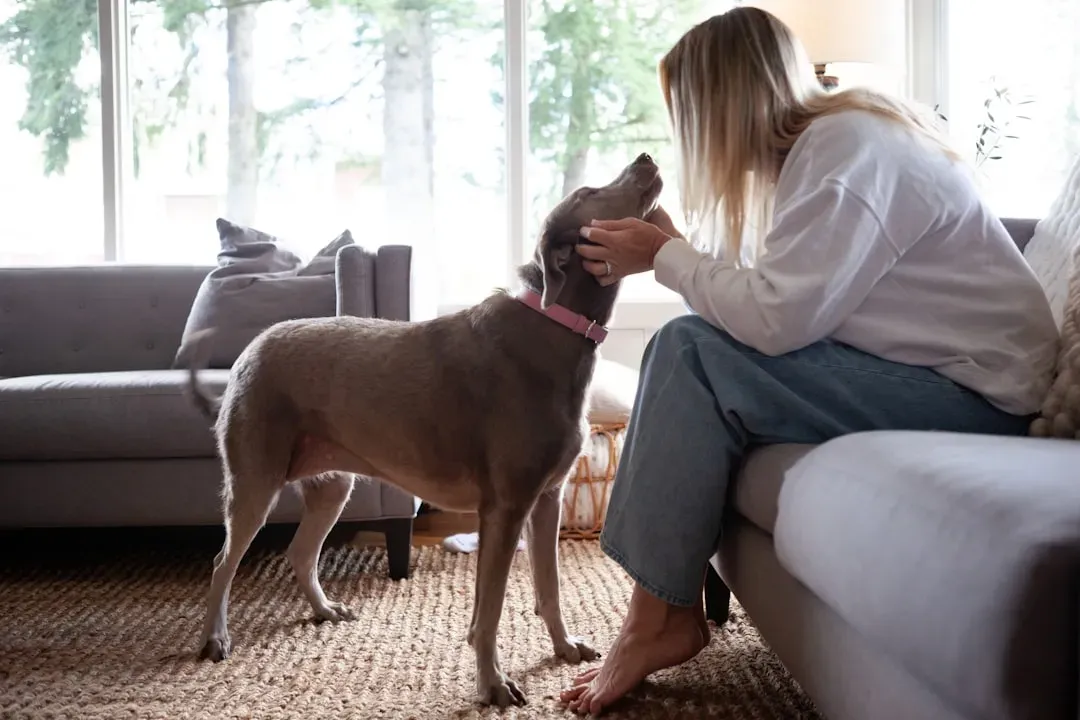
Dogs don’t hug the way humans do, but they’ve developed their own version of it. When your dog leans their whole body into you, it’s not clumsiness – it’s one of the sweetest ways dogs show love and bond with their owners. That steady weight against your leg or hip is a deliberate act, not an accident of coordination. They’re pressing into you the same way you might lean on someone you fully trust.
If your dog leans their body weight against you or rests their head on your lap, it’s a sign of trust and attachment. They only do this with people they feel comfortable and secure around. It’s a quiet request, really – they’re asking for closeness without making any demands. Responding with a calm hand resting on their back reinforces exactly what they’re trying to tell you.
A nose nudge can mean “pet me,” “look at me,” or “I love you.” It’s one of the gentlest ways dogs initiate connection. Similarly, pawing is often a dog’s way of initiating interaction or asking for attention, and when it happens gently in relaxed moments, it can show their comfort and desire to engage with you socially. These small physical gestures are worth paying attention to. They’re your dog opening a conversation.
A dog exposing their belly is showing major vulnerability. If they roll over and invite you in, that signals deep trust and comfort. Belly rubs are both affectionate and bonding. Take these physical offerings seriously. Every one of them is your dog saying, in their own language, that they feel completely safe in your hands.
Gift-Giving and Playtime: How Dogs Say “I Choose You”

There’s something almost ceremonial about a dog who trots over with a toy in their mouth the moment you walk through the door. They’re not always asking you to throw it. Sometimes they just want you to have it. Dogs will often give gifts to the leaders of their pack to show affection, respect, and trust. They can be possessive of their belongings, so trusting you with their favorite toys could be their way of expressing their faith in you to take care of their treasured items.
When a dog brings you a broken toy, it’s not random. They’re handing over something precious because they trust you to help. That’s love and teamwork. Whether the toy is intact or in three pieces, the gesture carries the same meaning. They picked you. Out of everyone, they chose to bring their most prized possession to you.
Whether they drop a toy in your lap or explode into zoomies, initiating play is a major “I like you” move. Dogs don’t play with those they don’t trust. Play is bonding, stress relief, and joy all rolled into one wiggly package. This is worth remembering on days when you’re tired and the zoomies feel like too much. Your dog isn’t being chaotic. They’re extending an invitation to connect.
Playtime is an important bonding behavior that helps build connection. Play strengthens social bonds and builds trust. Even a brief five-minute game of tug or a slow amble around the yard together counts. The energy you put into these moments is something your dog stores, and it quietly adds up to the foundation of a deeply secure relationship over time.
Sleeping Near You and Mirroring Your Moods: The Subtle Signs Most People Miss
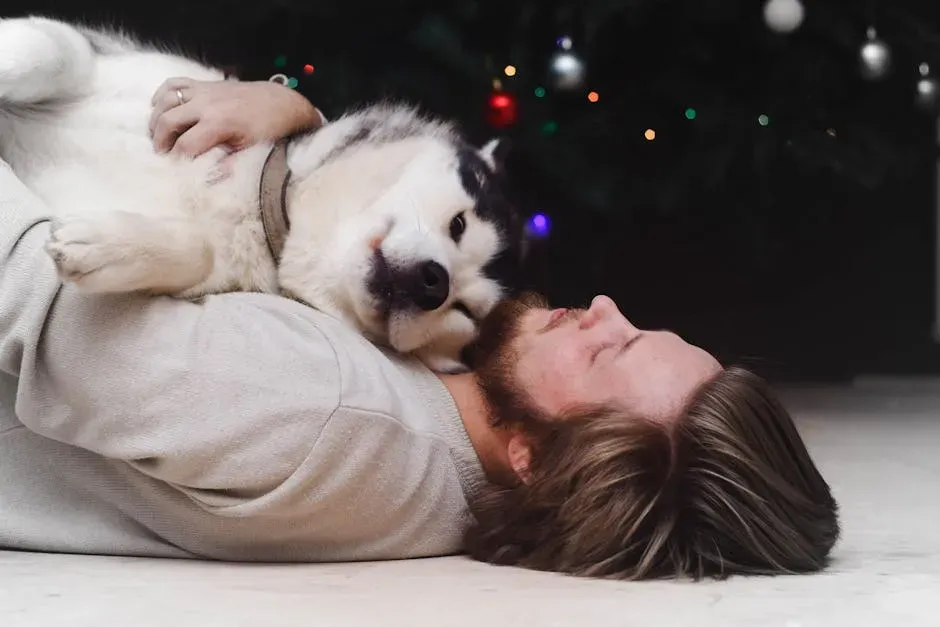
A dog who curls up at the foot of your bed, or presses against your legs on the sofa, isn’t just seeking warmth. Sleeping together with their pack is a natural instinct for dogs, something they did as newborn puppies with their littermates. Your dog wanting to sleep next to you is a sign of affection and closeness. They consider you a member of the pack and want to show their loyalty, trust, and willingness to protect you.
Dogs feel safest and most loved when sleeping near and facing their humans. It’s a secure, trust-filled behavior confirming your status as their favorite companion. There’s something quietly profound about that. While you sleep, your dog is still orienting toward you. You’re their anchor even in rest.
Then there’s a habit that surprises a lot of people: mirroring. Yawning is a behavior dogs can pick up from their owners. When your dog yawns right after you, it’s more than a coincidence. This phenomenon, known as contagious yawning, suggests a strong emotional connection. Scientists believe that dogs who yawn in response to their owners’ yawns are showing empathy.
When your dog starts copying your movements, like sitting when you sit or relaxing when you do, it’s a sweet sign your dog is bonding with you. Dogs naturally sync with people they feel connected to. Dogs are incredibly sensitive to human emotions and will often mirror these feelings. This ability to empathise allows them to offer comfort and companionship. Notice this the next time you settle onto the couch and your dog sighs and flops down too. That’s not coincidence. That’s connection.
Building the Bond: What Your Dog Needs from You in Return
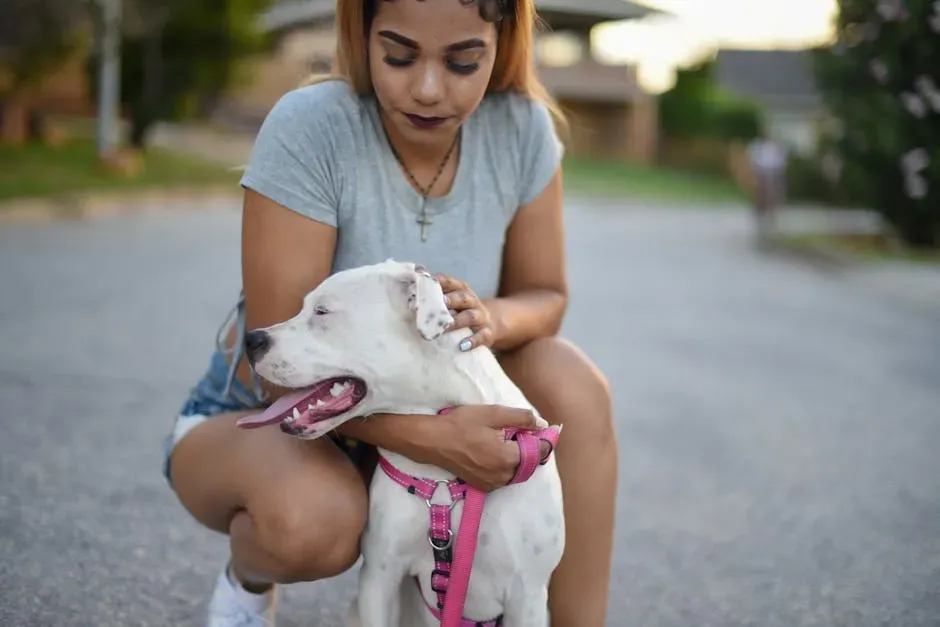
Understanding your dog’s love language is only half of the relationship. The other half is showing up consistently in ways they can actually feel. Predictable daily habits, including consistent routines, contribute more to bonding than occasional grand gestures. Dogs associate people with outcomes. The person who rewards good behavior, initiates play, and reinforces training with clarity creates strong positive neural associations.
Human interventions such as the use of positive reinforcement and affiliative interactions are likely to produce a positive affective state in a dog, leading to more favorable behavioral responses. In plain terms: when you’re patient, clear, and kind in how you interact with your dog, you’re not just training them. You’re building the emotional security that makes all of their affectionate behaviors flourish naturally.
Spending time with a dog has been shown to reduce cortisol, the stress hormone. Studies indicate that even 10 to 15 minutes of petting a calm dog can significantly decrease anxiety levels. The relationship really does flow both ways. While you’re helping your dog feel secure, they’re actively doing the same for you, quietly and without asking for anything in return.
A healthy dog is more emotionally responsive and engaged. Regular checkups help ensure your dog is physically and mentally well. Don’t overlook the basics. Adequate exercise, a consistent feeding schedule, regular vet visits, and mental stimulation all directly affect your dog’s ability to be emotionally present and expressive. A dog whose physical needs are met has far more capacity for the kind of love that fills a room.
Conclusion
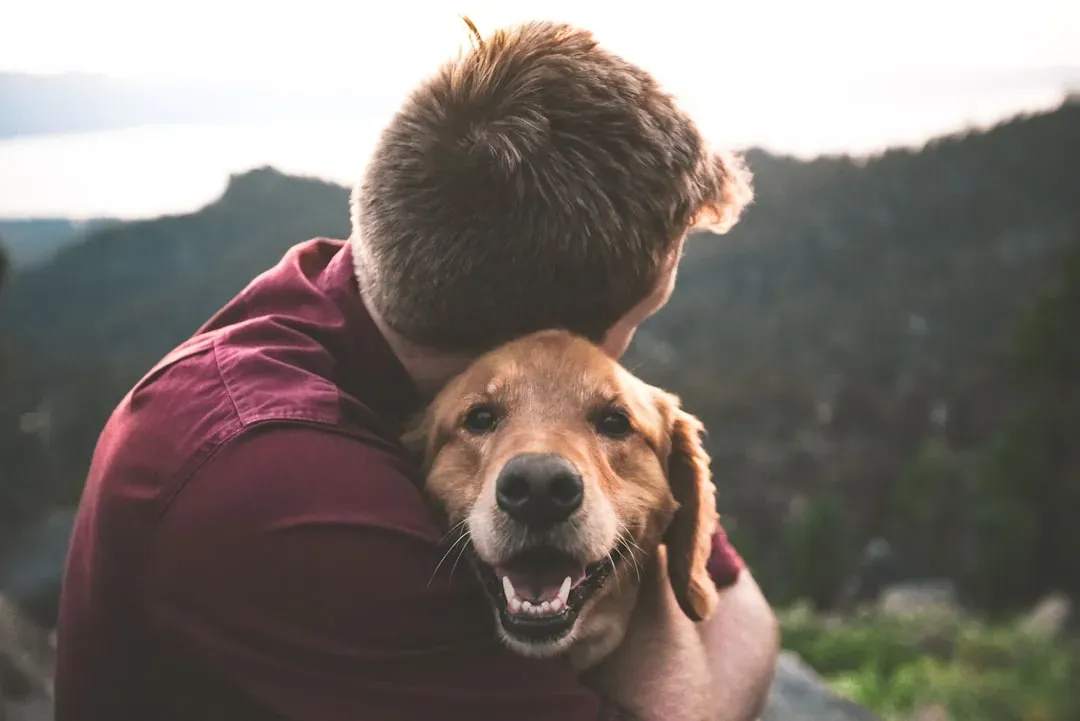
Your dog wakes up every morning already knowing how they feel about you. The lean at your knee, the toy at your feet, the glance back on a walk, the sigh when you finally sit down – these aren’t small things. They’re an entire emotional vocabulary, spoken in a language that predates words by thousands of years.
You don’t need to decode every wag or analyze every nap position. What matters most is simply paying attention. When you notice what your dog is telling you, and you respond with consistency, warmth, and care, something remarkable happens. The bond deepens on both sides. They feel understood, and you begin to realize just how thoroughly and completely you are loved.
Some relationships take years of effort to feel that uncomplicated. With a dog, it starts the moment they decide you’re their person – and if you’re reading this, chances are they already have.


