
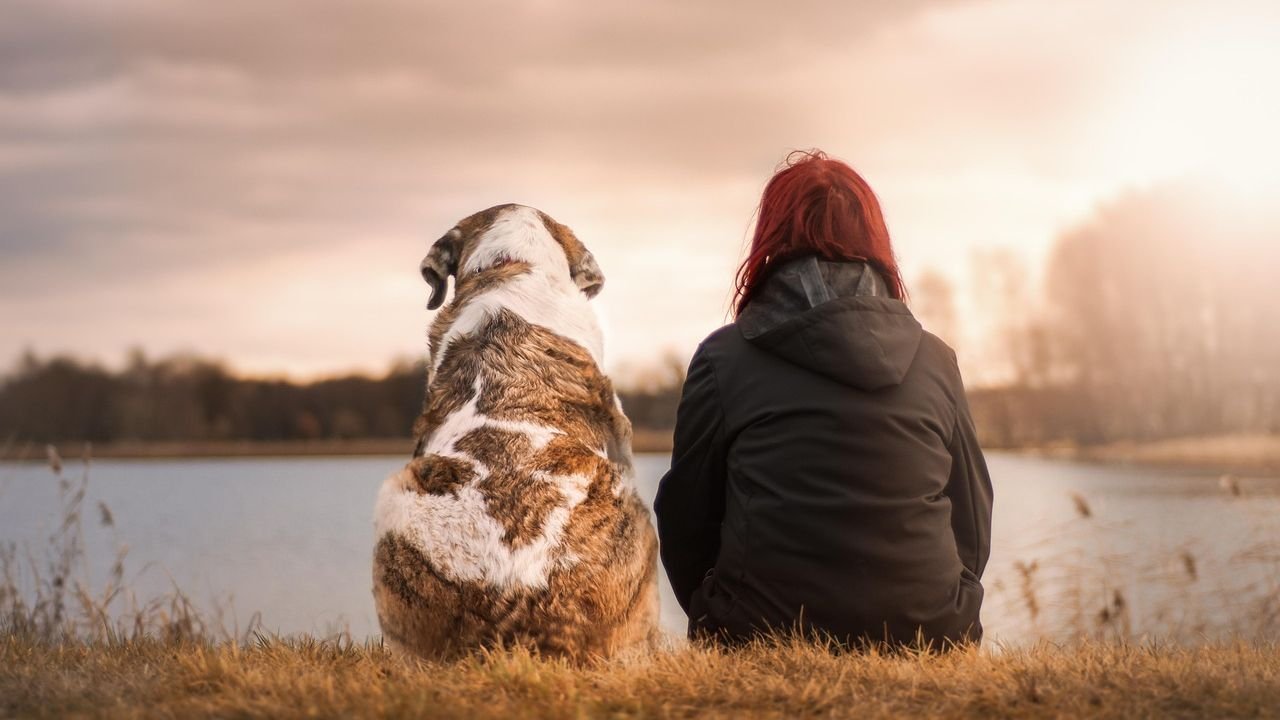
Picture this: you walk through the door after a long day, and instead of frantic barking or destructive chewing, your dog greets you with a soft wag and a contented sigh. That shift from chaos to calm transforms not just your home, but your bond with your furry friend. Many dogs face anxiety from noises, separations, or changes, yet simple, proven steps can help them find their inner peace.
Understanding your dog’s needs starts with observation and patience. These strategies, drawn from veterinary insights, offer practical ways to ease stress and build tranquility. Your efforts can make all the difference in creating that happy, harmonious space.
Spot the Early Signs of Stress
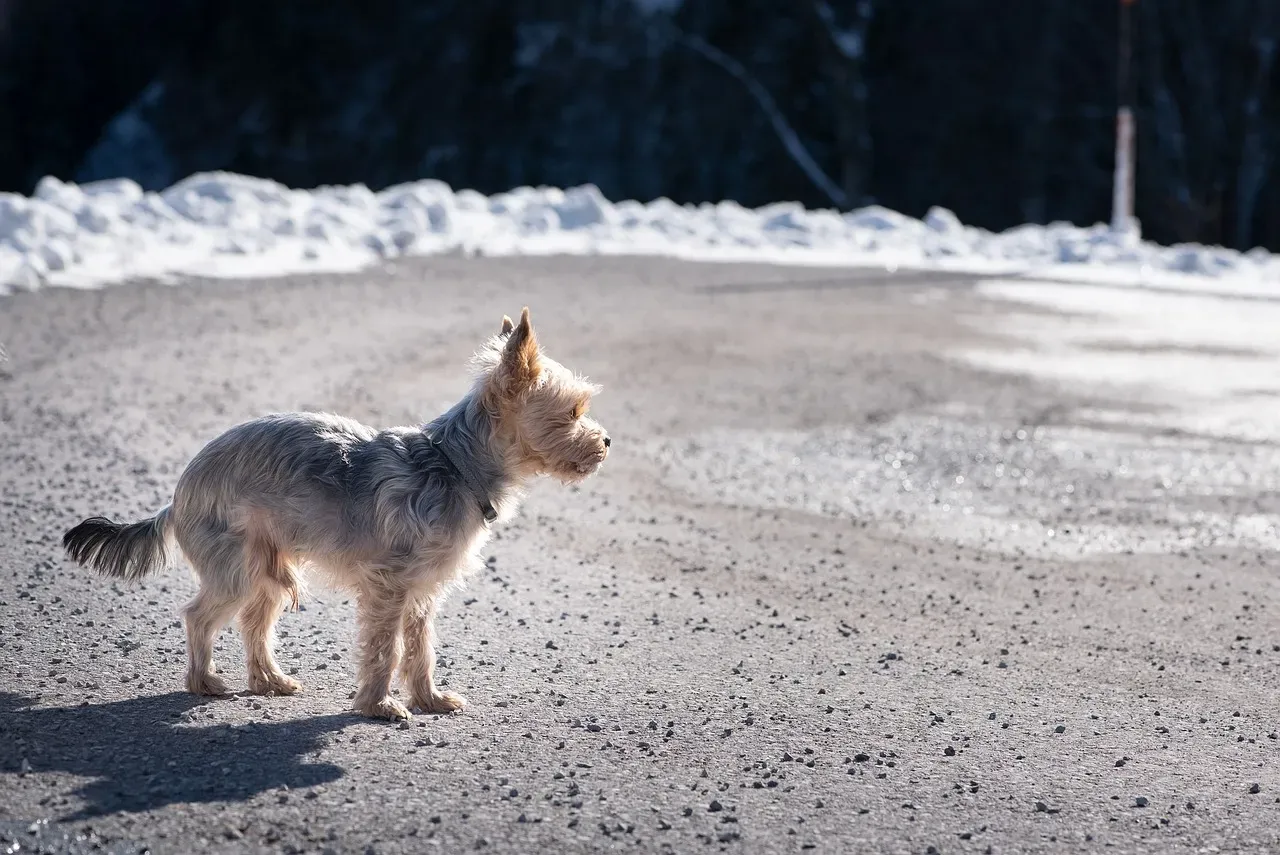
Dogs often signal anxiety through subtle body language that owners might miss at first. Look for pacing, shaking, or excessive yawning and lip licking, which indicate emotional strain.[1][2] A tucked tail, dilated pupils, or whale eye – where the whites show – suggest heightened fear. These cues appear during storms, fireworks, or even routine changes like visitors.
Whining, drooling, or destructive behaviors like chewing furniture often follow if stress builds unchecked.[3][4] Catching these early prevents escalation into health issues like loss of appetite or trembling. I’ve seen pups transform once owners tuned into these signals, turning worry into proactive care. Start a journal to track patterns and triggers for better insight.
Build a Predictable Daily Routine
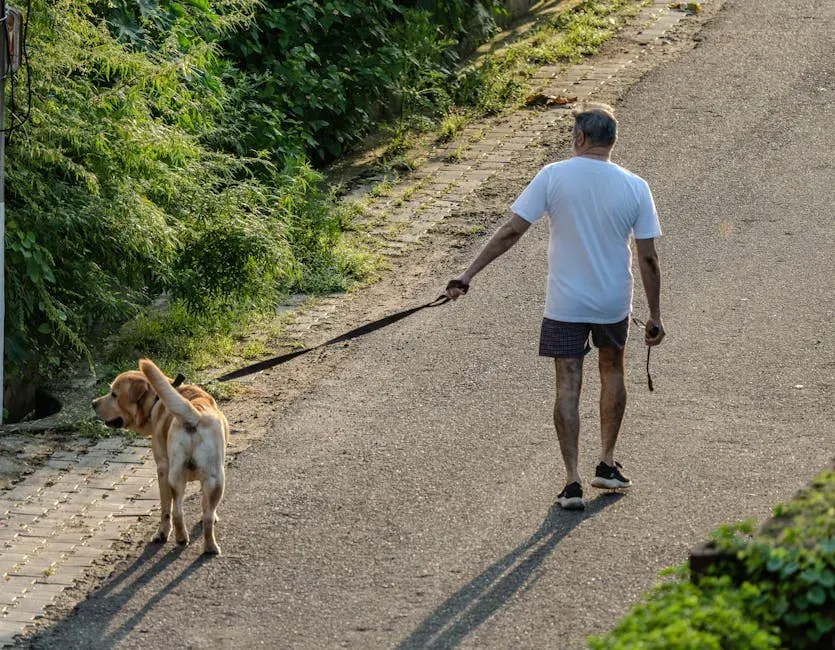
Consistency acts like an anchor for anxious dogs, reducing uncertainty that fuels stress. Set fixed times for meals, walks, and play to create security.[5][4] Short, regular outings tire them mentally and physically without overwhelming. A neighbor’s rescue mix settled dramatically after we synced her schedule – no more midnight pacing.
Include quiet downtime, like a post-walk settle session with a chew toy. This routine mimics pack stability, easing separation worries. Adjust for your dog’s energy, but stick close to the plan. Over time, you’ll notice less panting and more relaxed lounging around the house.
Design a Peaceful Home Environment
Your space can become a sanctuary with a few tweaks. Designate a quiet corner with a comfy bed, perhaps covered for den-like security, as a go-to retreat.[6][7] Soft music or white noise machines drown out scary sounds like thunder. Pheromone diffusers mimic calming scents from mom dogs, promoting relaxation.[5][8]
Avoid direct eye contact or looming approaches during high stress; let them come to you. Crate training, done positively, offers a safe haven without confinement vibes. One client turned their laundry room into a zen zone – complete with lavender diffuser – and their pup now naps there willingly. These changes foster trust and lower baseline anxiety.
Boost Calm with Exercise and Play
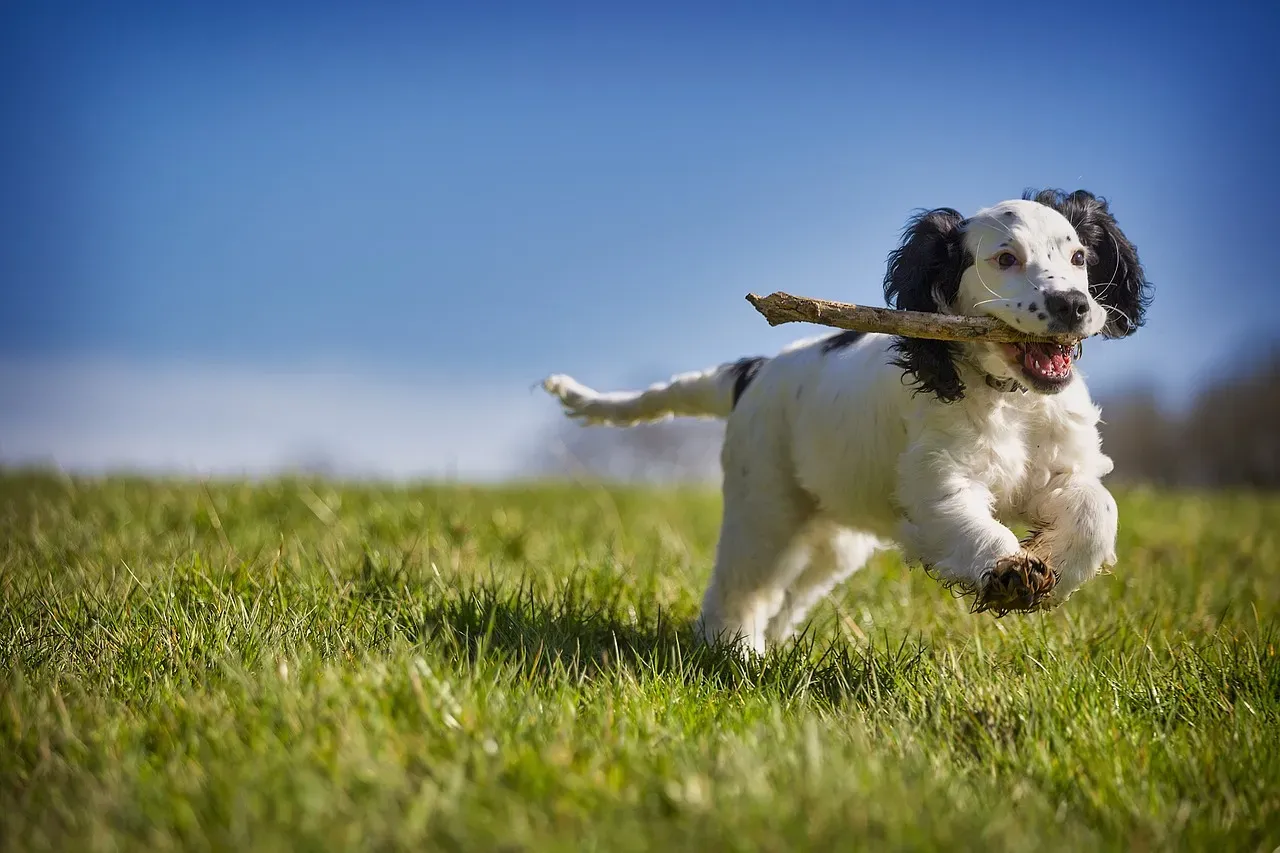
Physical activity burns off pent-up energy that amplifies anxiety. Daily walks, fetch sessions, or scent games provide outlets equal to medication in some cases.[9][10] Aim for variety: a sniff-heavy stroll tires the brain more than speed. Hyper pups often mellow after 30 minutes of purposeful play.
Mental puzzles like treat-dispensing toys extend benefits indoors. These prevent boredom-fueled destruction while teaching patience. Combine with gentle massage during cooldowns for deeper relaxation.[11] You’ll feel the difference in their loose posture and eager eyes. It’s rewarding watching a frantic dog evolve into a chill companion through motion.
Embrace Positive Training and Natural Aids
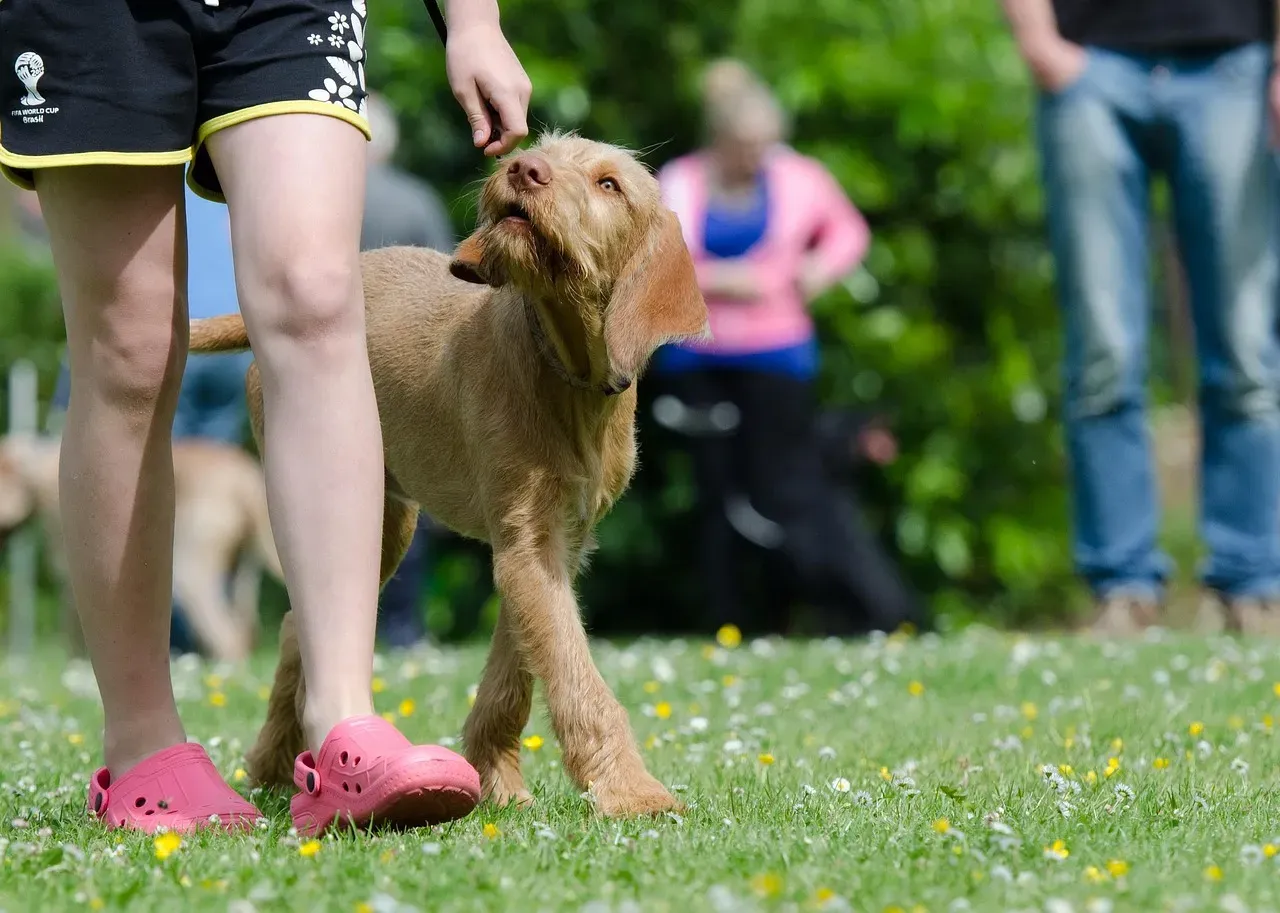
Positive reinforcement builds confidence without adding pressure. Reward calm sitting with treats during triggers, gradually increasing exposure.[12][13] Clicker training marks desired behaviors precisely, turning fear into focus. Short sessions keep it fun – five minutes beats marathon drills.
Natural supplements like L-theanine or chamomile chews support from within, per vet advice.[14][15] Anxiety wraps apply gentle pressure like a hug. Always consult your vet before starting, especially for severe cases needing meds like fluoxetine.[4] These tools, layered with patience, unlock lasting zen.
Your Journey to a Tranquil Pack
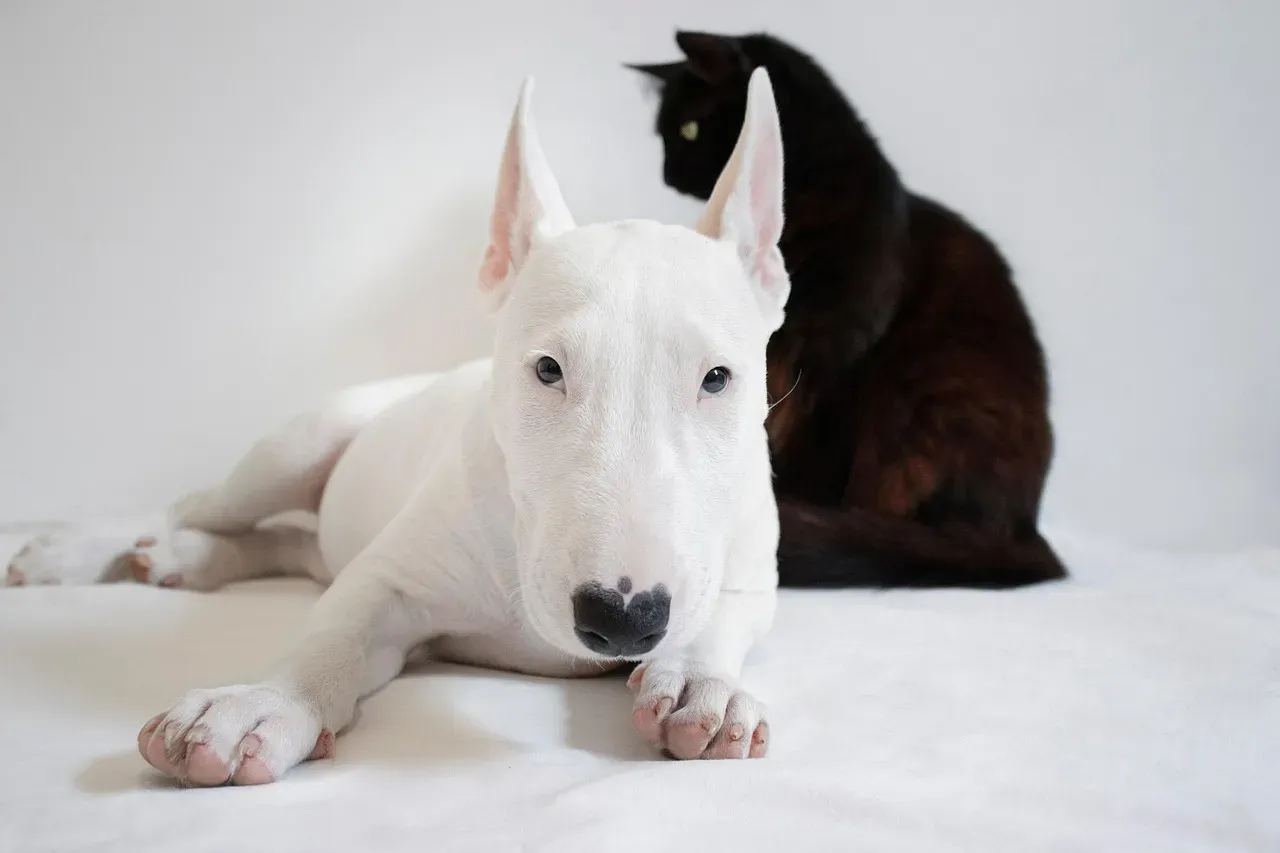
Blending these steps – spotting signs, routines, safe spaces, activity, and gentle aids – creates a ripple of calm. Start small, celebrate progress, and watch your dog thrive. You’ve got this; a little empathy goes far in their world.
That inner zen isn’t just for dogs – it’s the heart of a joyful home. Keep observing, adjusting, and loving fiercely. Your calm pup will thank you with every relaxed tail wag.


