
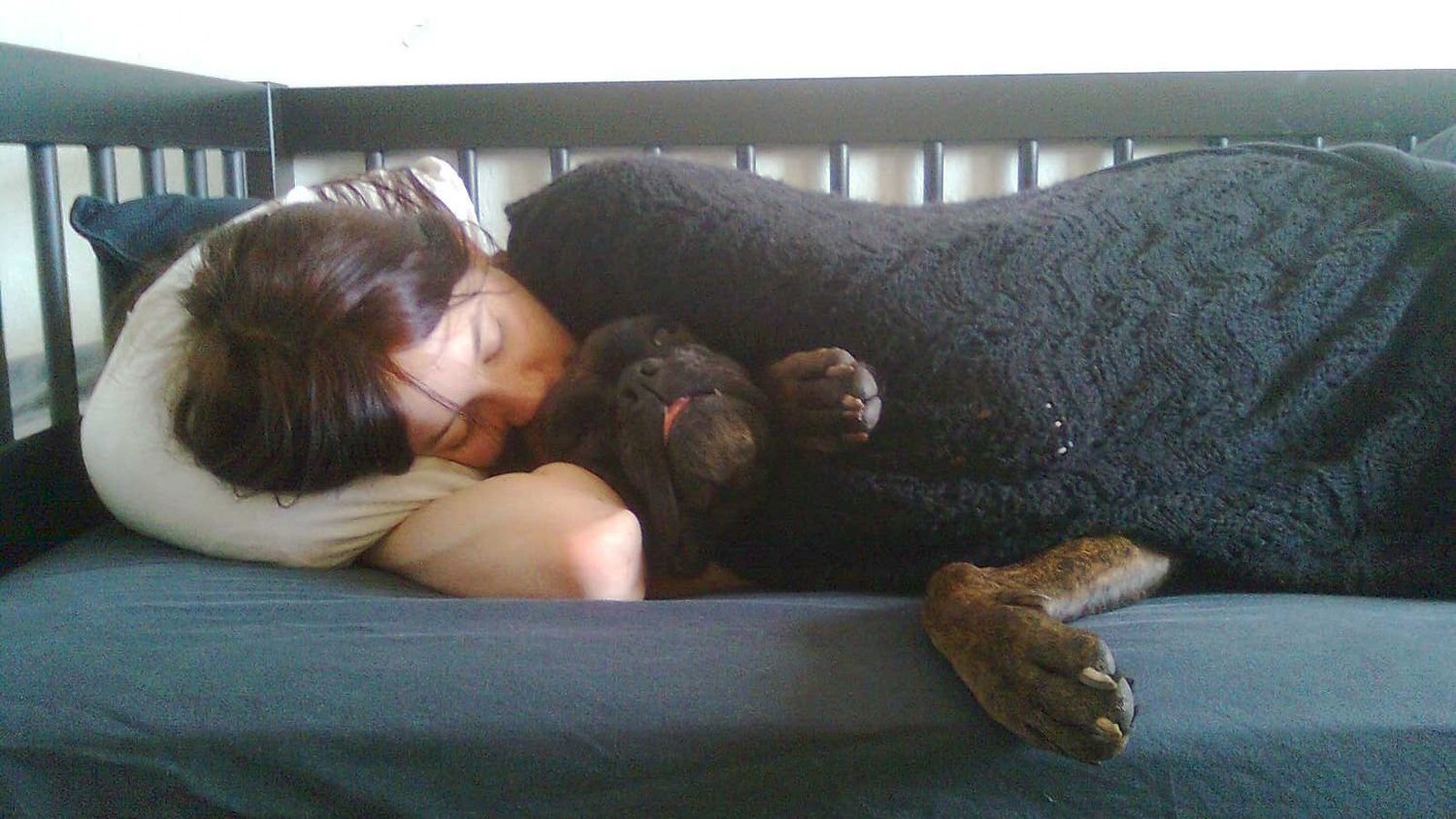
You’ve probably watched your dog curl up for the third nap of the day and wondered if that’s completely normal, or whether there’s something you should be paying closer attention to. The truth is, your dog’s sleep isn’t just downtime. It’s one of the most telling windows into how they’re actually doing.
The quality and character of your pet’s sleep can give vital clues about their health. Most of us learn to read our dogs through tail wags and eye contact, but their napping habits, from how long they sleep to where they curl up and how they wake, tell a quieter story that’s worth knowing how to read.
How Much Sleep Is Actually Normal?
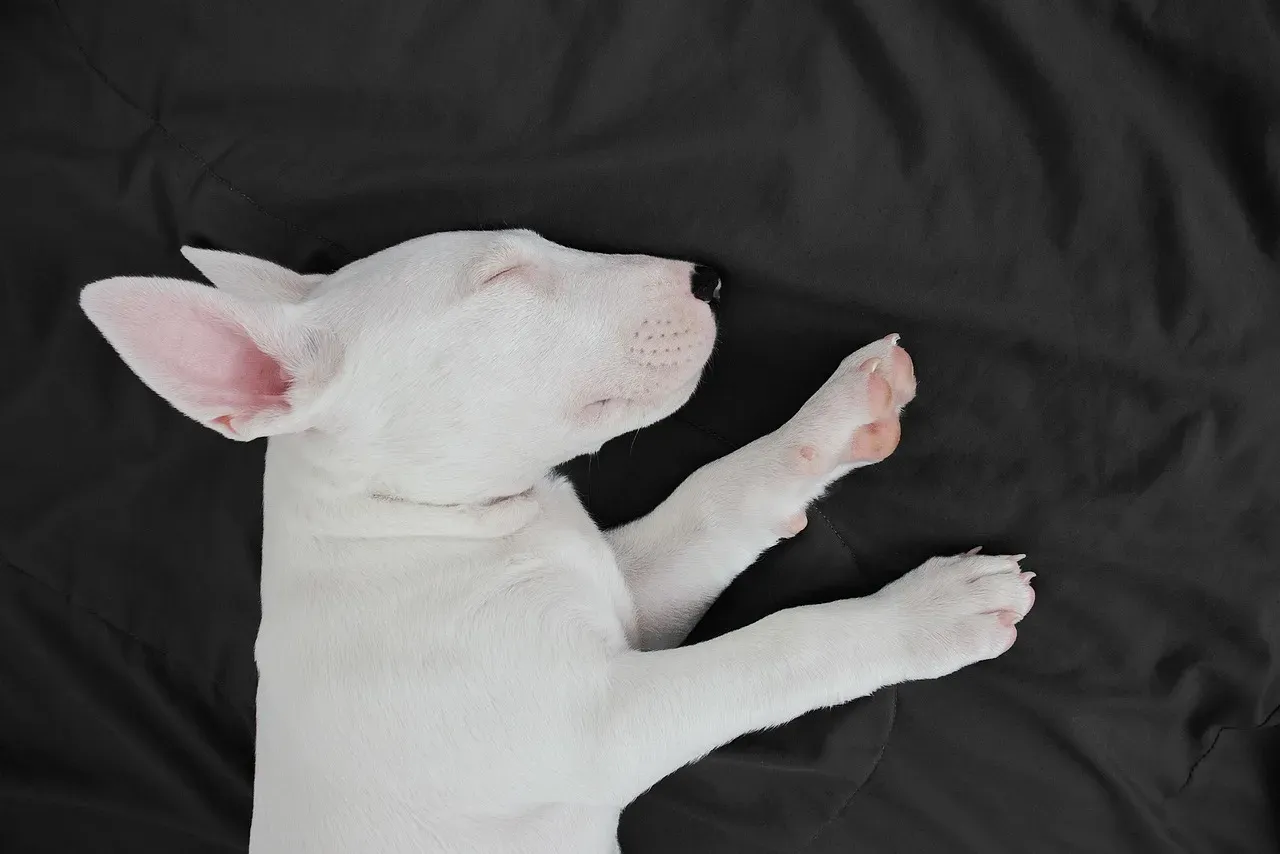
One of the most common concerns dog owners bring up is, “Is my dog sleeping too much?” The reassuring answer, most of the time, is no. Dogs sleep a lot because their bodies and brains require more rest than humans – most dogs sleep between 12 and 16 hours a day, depending on their age, breed, and activity level.
Dogs tend to spend as much as half of their days asleep, roughly 30 percent awake but relaxing, and just 20 percent being active. Think about that for a moment. Your dog’s entire day is mostly a cycle of rest, light lounging, and bursts of energy. That’s not laziness. That’s biology.
The amount of time your dog spends sleeping may also depend on their breed. Large breeds such as Newfoundlands, Mastiffs, Great Pyrenees, and St. Bernards tend to sleep more than smaller breeds. Meanwhile, dogs who were bred to work, like Retrievers, Hounds, and Spaniels, typically live up to the label, which means they’re less likely to need as much rest.
Issues are often noticed when the amount or type of sleep changes. So if your high-energy Border Collie suddenly wants to snooze all afternoon, that shift in pattern is more important than the number of hours itself.
Puppies, Adults, and Seniors: Sleep Needs Change With Age
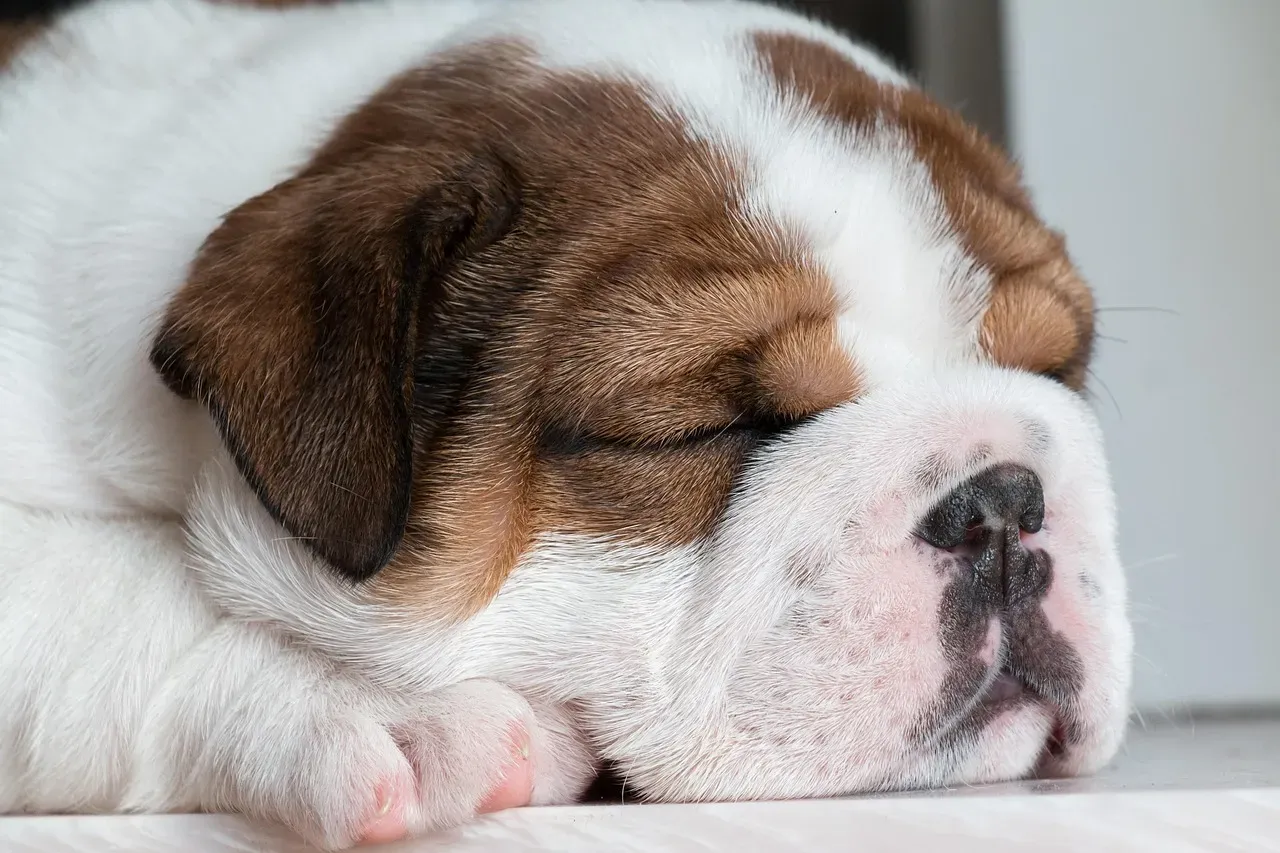
A lot of dog owners are surprised to learn just how much puppies actually need to sleep. Puppies don’t seem to have an “off” switch and want to play at all times, but that drive is balanced by an equal need for napping. A great deal of brain and body development happens while pups are at rest, which means young puppies can sleep up to 20 hours per day during critical growth cycles.
A common practice during the COVID pandemic was to let puppies spend the entire day with their owners, but this prevented puppies from getting the sleep they need. Puppies need structure that includes time for sleeping on their own; this is best for their health and mental well-being. In short, schedule those naps. Your puppy isn’t being antisocial. They’re growing.
As dogs enter their senior years, which is usually around seven years and older, their sleep patterns may change again. You might notice that your senior dog sleeps more than they used to. They may spend up to 18 hours a day sleeping. The changes that occur with aging, from the aches and pains to decreased vision and hearing, can result in older dogs preferring to spend their days resting in a cozy dog bed.
What Your Dog’s Sleeping Position Is Telling You
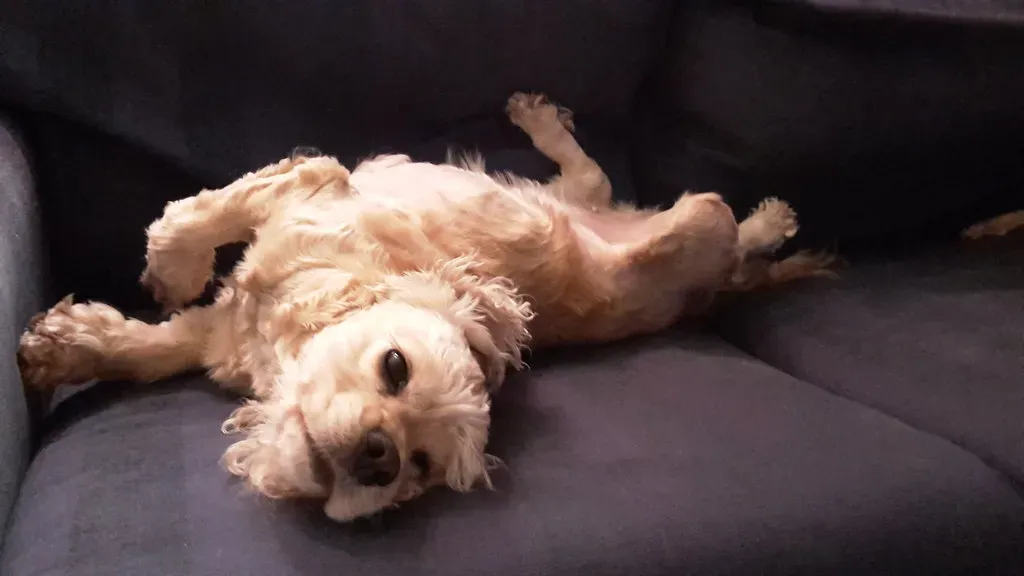
Here’s something that often catches people off guard: the position your dog sleeps in isn’t random. A dog’s sleeping position can indicate comfort, health, or their emotional state. Belly-up and side sleepers usually feel relaxed and secure, while donut and lion poses can signal alertness, anxiety, or a need for warmth.
Dogs also enjoy sleeping on their sides with their limbs extended and their bellies partly exposed. Because bellies are a vulnerable part of the body, this sleeping position generally indicates a pup feels calm and content. They’re likely sleeping deeply, and you might even see dreamy paw twitches. The loose, sprawled-out snooze is essentially a dog’s way of saying, “I feel completely safe here.”
On the flip side, if your dog has always been a side sleeper and has suddenly changed their common sleeping position to a curled-up ball, it could be a sign that something has changed for them. If your dog doesn’t normally sleep curled up but has started to, it might be a sign that they’re experiencing discomfort of some kind. Also worth noting: if your dog likes to sleep in a position where their head and neck are raised, it could mean that they may have issues breathing properly, something that is commonly seen with chronic heart disease and other health problems.
Warning Signs Hidden in Your Dog’s Sleep Habits
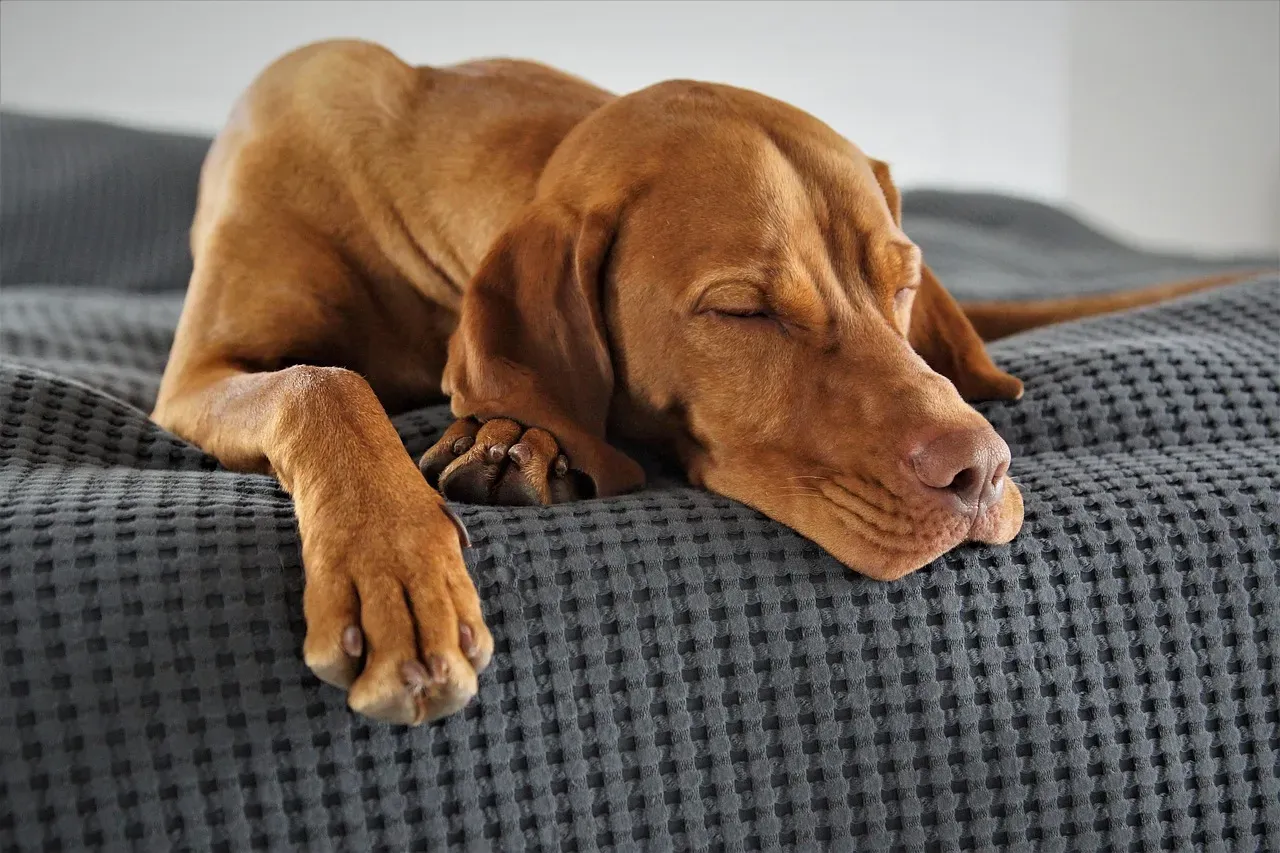
The real power of watching your dog sleep is knowing what doesn’t look right. Sudden changes in napping patterns often signal health shifts weeks before other symptoms appear. This means your dog’s sleep can be an early warning system, if you know what to watch for.
Signs to watch for include excessive lethargy, difficulty waking, or changes in nap patterns that coincide with other symptoms, which may suggest discomfort or health issues needing attention. A dog who sleeps too much might be facing undiagnosed health issues, like parasites, thyroid problems, heart disease, or pain. These aren’t rare conditions. They’re exactly the kind of things a vet can catch early when you flag the sleep change first.
In the dead of night, with the house quiet and the lights out, there’s little distraction from pain, discomfort, or itchiness. Importantly, restlessness can be a sign of nagging discomfort or even pain which disrupts sleep. Arthritic elderly dogs can have real problems getting comfortable enough to sleep or may have to keep getting up and shifting position during the night. Dogs with allergies that are uncontrolled also cannot sleep properly because they are itchy.
A dog that’s getting quality rest typically wakes up alert and ready to engage. If a dog sleeps for long stretches but wakes up groggy, disoriented, or slow to respond, that rest may not be restorative. Keep that distinction in mind. Long sleep and good sleep are not always the same thing.
How to Support Healthy Sleep and When to Call the Vet
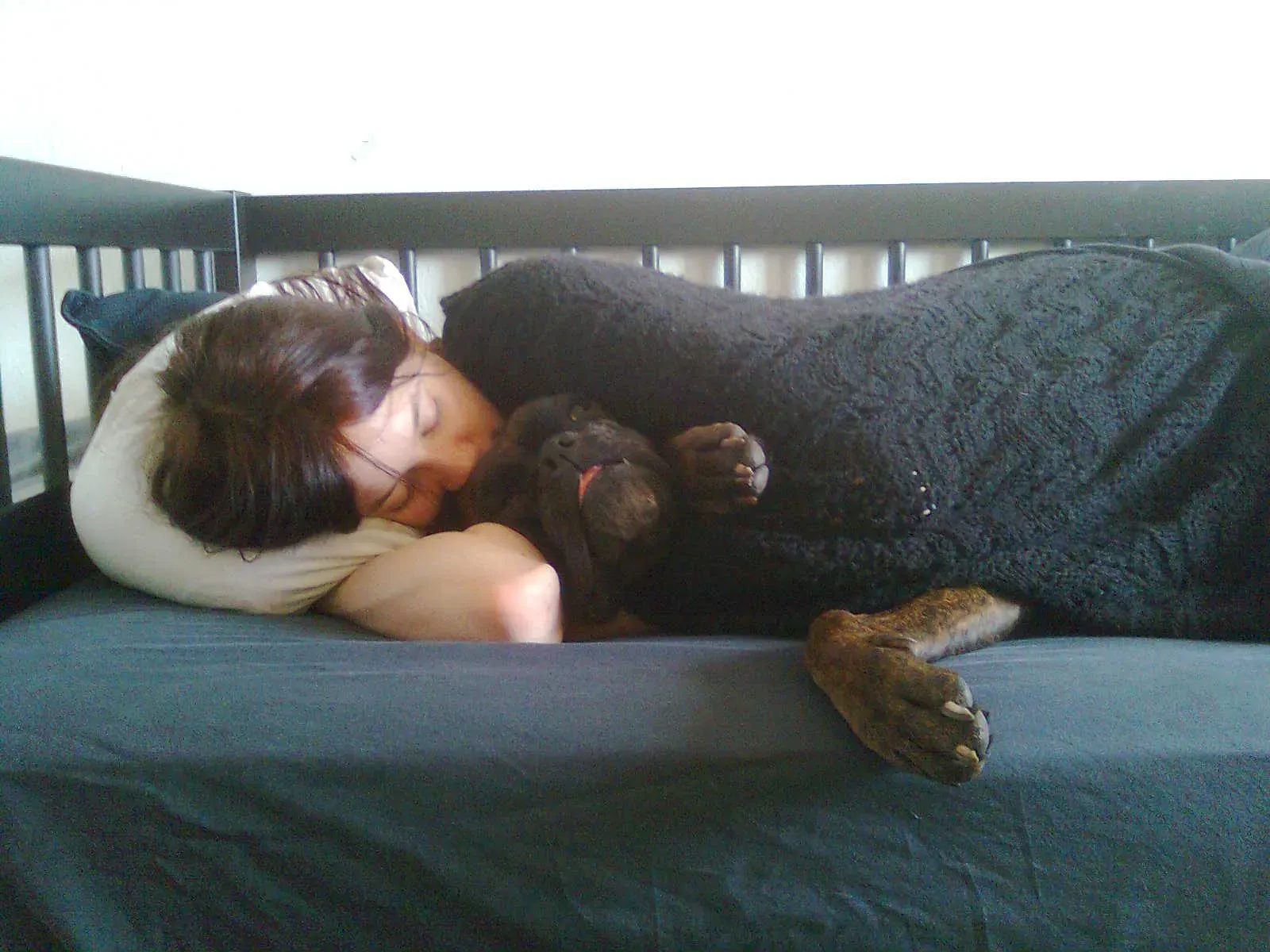
Good sleep doesn’t just happen. It’s something you can actively support, and for most dogs, the basics make a real difference. Dogs thrive with consistent daily routines, regular exercise appropriate for their age and breed, a comfortable and secure sleep environment, and regular veterinary care to catch and address any health issues that might disrupt their rest.
Temperature control and joint support become increasingly vital as dogs age. Senior dogs spending many hours resting need orthopedic bedding and draft-free locations more than younger, resilient pups. Dogs are creatures of habit, and a consistent sleeping area can lead to more restful sleep. Factors such as noise, temperature, and light can disrupt their rest. Setting up a calm, dedicated sleep spot for your dog is one of those small things that genuinely pays off.
Knowing when to involve a vet matters just as much. If you notice a sudden increase in the amount of time your dog sleeps, or the dog does not wake up eager to do favorite things as usual, make an appointment with your veterinarian. There might be medical reasons that should be addressed. If sleep changes last longer than a week or two, it’s time to consult a veterinarian.
Monitor changes proactively rather than reactively. Monthly photos of your dog’s favorite sleeping spots can reveal gradual shifts in comfort needs or mobility changes. Keeping brief notes about sleep duration and quality helps identify patterns that might otherwise go unnoticed until problems become severe. It sounds like a small habit, but it could genuinely matter when you’re sitting in a vet’s office trying to describe what changed and when.
Conclusion
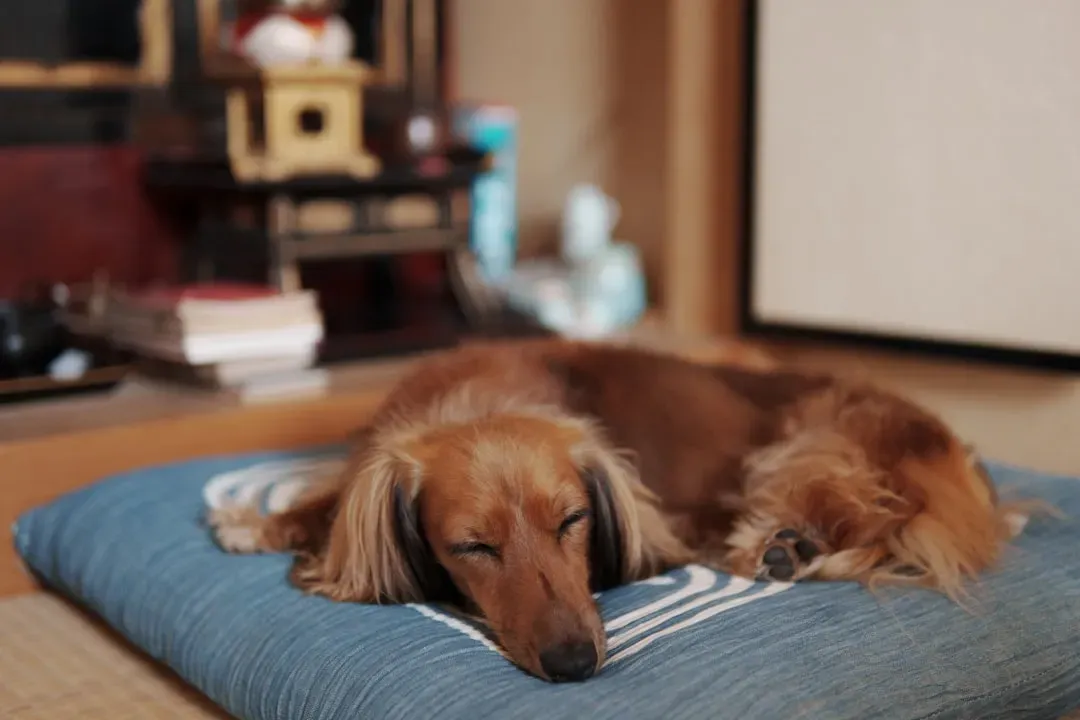
Your dog can’t tell you when something feels off. They can’t describe the ache in their joints or explain why they’ve been waking up three times a night. What they can do is show you through the quiet signals that live in their sleep habits.
Well-rested dogs engage more positively in training, show improved stress resilience, and maintain better overall health throughout their lives. These benefits compound over time, making early attention to sleep quality one of the most valuable investments in your dog’s long-term wellbeing and happiness.
The next time your dog curls up for a nap, take a moment to really notice. Where are they lying? How are they positioned? Do they wake refreshed, or sluggish? These aren’t idle observations. They’re the kind of attentive care that keeps dogs healthy longer, and that’s what being a good dog owner is really about.


