
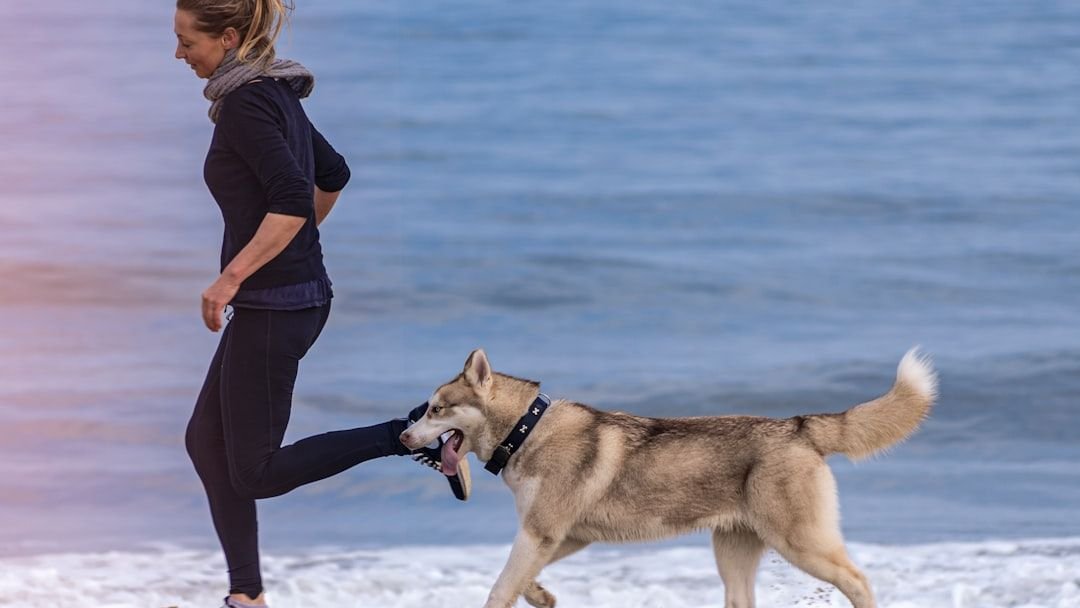
Picture this: your dog has been inside all day, and by evening they’re chewing your shoes, pacing restlessly, or barking at nothing in particular. Many dog owners chalk this up to “bad behavior” or a difficult personality. The truth is, more often than not, it’s a simple and solvable story about unmet physical and mental needs.
Dogs are built to move. Regardless of whether you share your home with a laid-back Basset Hound or a tireless Border Collie, every dog thrives when they get regular, appropriate activity. The science is consistent: exercise doesn’t just keep your dog trim and physically healthy. It shapes their mood, their behavior, their brain function, and ultimately, the quality of their life. Understanding this isn’t just helpful. It’s one of the most important things you can do as a dog owner.
Why Exercise Is So Much More Than a Walk Around the Block
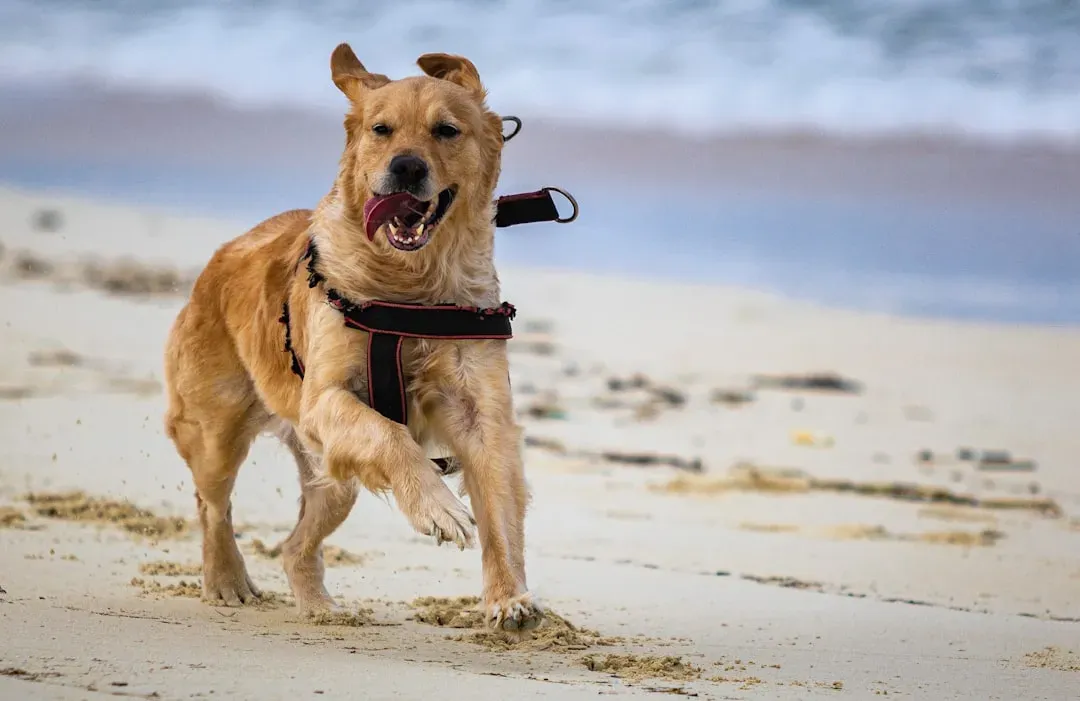
Most people think of exercise as a physical tool – a way to burn calories and keep a dog from gaining weight. That’s true, but it only scratches the surface. Physical activity stimulates the release of endorphins, natural chemicals that create feelings of happiness. This “runner’s high” helps reduce stress and anxiety in dogs, calming restless or hyperactive behavior. That calm you see in a well-exercised dog at the end of the day isn’t just tiredness. It’s biochemistry working in their favor.
Physical exercise triggers the release of a protein called brain-derived neurotrophic factor (BDNF), which is one of the molecules responsible for the growth of new brain cells. Animal research has also shown that exercise increases the blood supply to the brain and promotes the growth of new neurons in the hippocampus, the part of the brain related to learning and memory. In plain terms, a dog that moves regularly is also a dog that learns better and stays sharper longer.
Moving regularly strengthens muscles, improves joint flexibility, and boosts cardiovascular health. Dogs who get consistent exercise tend to have more stamina and better immune function. Exercise also aids in digestion and supports healthy bowel movements. There’s really no single system in a dog’s body that doesn’t benefit from it.
Not All Dogs Need the Same Kind of Exercise – and That’s Okay
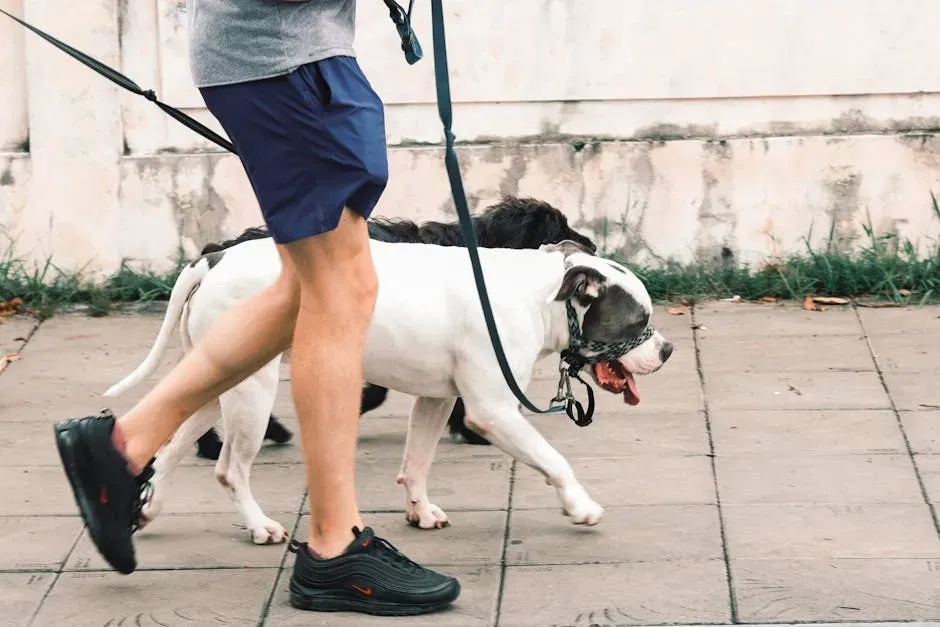
One of the most common mistakes dog owners make is applying a one-size-fits-all approach to exercise. Exercise needs vary by dog, and their breed, age, health, and personality all come into play. Small or low-energy breeds might only need thirty minutes of exercise a day, while other dogs could sometimes require two hours or more. That’s a wide range, and knowing where your dog falls matters enormously.
Breed plays a big part in a dog’s exercise needs. Research shows that gundog and hound breeds thrive on lots of activity, and high-energy dogs like Border Collies, Australian Shepherds, and Vizslas often enjoy thirty to sixty minute power workouts with plenty of mental stimulation. In contrast, flat-faced breeds like Bulldogs, Pugs, and Shih Tzus benefit more from shorter walks and low-key exercise. Pushing a Bulldog to run alongside a cyclist or expecting a Vizsla to be satisfied with a quick backyard stroll are both mismatches that lead to problems.
Size can be deceptive, too. A dog’s size doesn’t necessarily determine how much exercise they need. Bigger dogs don’t always need more, and they often require gentler movement for their large frames. Giant breeds like Great Danes, Newfoundlands, and Saint Bernards are prone to hip and joint issues. Low-impact activities such as short walks, swimming, or treadmill sessions can keep them active without adding strain. Age adds another layer. Very young puppies typically need a lot of stimulation but not necessarily a lot of exercise – frequent short bursts of activity are best. Puppies should avoid high-impact movement, as it can damage their developing bodies. Senior dogs have similar requirements: short sessions and low-impact movement to protect them as they age.
How to Spot the Signs Your Dog Isn’t Getting Enough
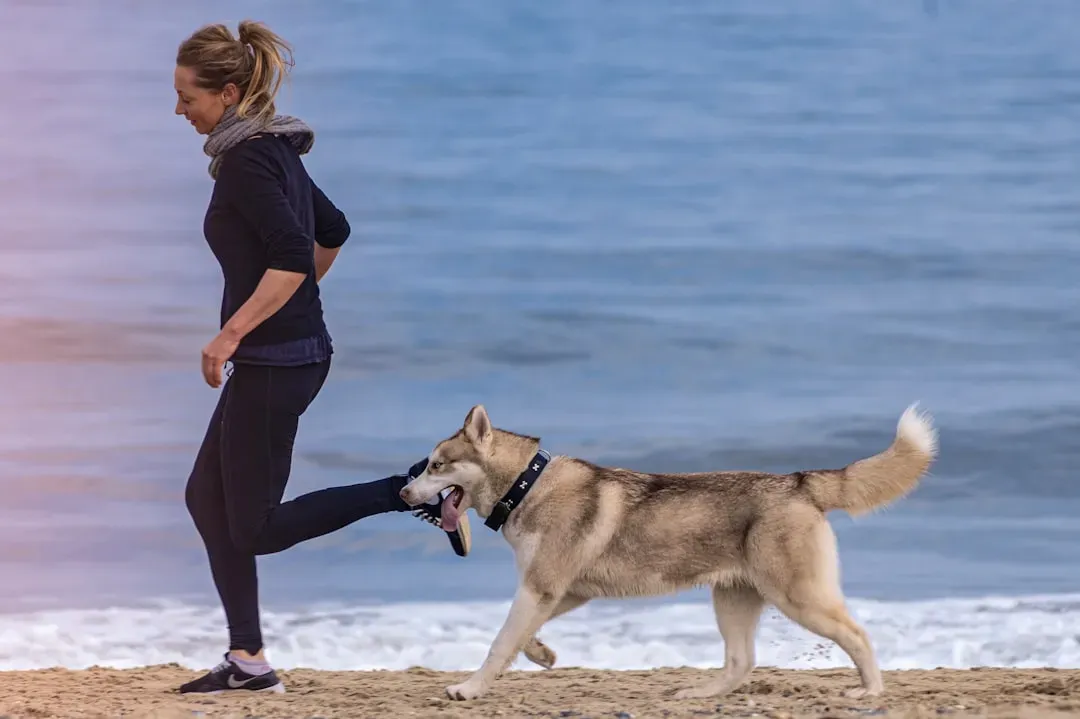
Dogs can’t tell you they’re bored or physically frustrated, but they absolutely communicate it. The message just tends to look like misbehavior. Behavioral problems, and especially destructive behavior, are commonly a result of not getting enough exercise. Many dogs, especially high-energy breeds, become bored and frustrated if they don’t get enough outdoor exercise and mental stimulation. If your dog is starting to chew things around the house, scratch or dig at doors, or raid the kitchen or trash can, the problem might be not enough exercise.
Anxiety is another sign your dog is not getting enough physical attention. Studies show that an under-exercised dog is more likely to feel stressed, especially in unfamiliar or overstimulating environments. Symptoms of anxiety may include trembling, excessive licking, barking, or trying to escape. Over time, anxiety can take a toll on your dog’s overall health and make it harder for them to feel safe and secure.
On the physical side, the signs are just as telling. Dogs who don’t move enough can become stiff or sore. Without regular activity, muscles weaken and joints become tighter, especially in older dogs. This discomfort may make your dog less likely to move, creating a cycle of inactivity that can potentially lead to pain if left unaddressed. Physical activity is known to positively impact sleep-wake cycles. Dogs that do not get enough exercise may have trouble settling, and telltale signs include being up at night, not sleeping during the day, and frequently pacing restlessly.
The Mental Stimulation Piece That Many Owners Miss

Physical exercise alone doesn’t always get the job done. A dog that runs five miles a day but never gets to sniff, explore, or problem-solve can still feel restless and understimulated. Mental stimulation is just as important for dogs as physical exercise. Signs that a dog is bored include tail-chasing, excessive barking, pacing, and digging. These aren’t personality quirks. They’re calls for engagement.
Setting aside specific walks where you allow your dog to take their time, explore wherever they’d like to go, and sniff all the smells is genuinely valuable. Sniffing has been shown to not only decrease a dog’s heart rate but also releases dopamine, the “happy” brain chemical. These walks are less about the distance or time and more about quality. Even a slow, thirty-minute sniff walk can leave a dog more satisfied than a brisk hour-long jog with no time to stop and investigate.
Mental stimulation, also called cognitive enrichment, refers to any activity that allows dogs to channel their natural instincts into a “job” or purpose. It enriches your dog’s life by exercising their brain and adding variety to their daily routine. It can have a significant impact on a dog’s mental well-being over their lifetime. Without adequate mental stimulation, dogs can become bored, and boredom can predispose dogs to serious behavioral issues like reactivity and separation anxiety. Puzzle feeders, scent work, hide-and-seek games, and basic training sessions are all accessible ways to fill this need.
Building an Exercise Routine That Actually Works for You Both
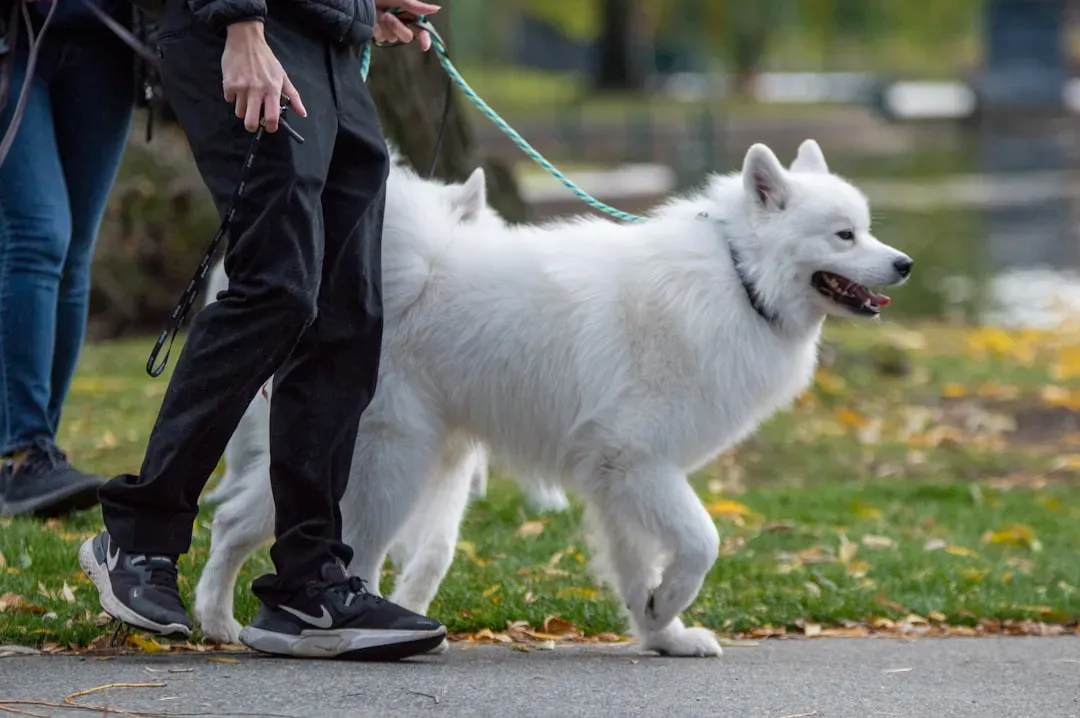
Consistency matters more than intensity for most dogs. Being consistent is key because dogs thrive on routine. When your dog knows that a walk is coming at a predictable time, they’re calmer in the lead-up and more relaxed afterward. The guessing game of when exercise will happen adds its own low-grade stress for many dogs.
Every dog appreciates variety every once in a while, and there are countless opportunities to exercise your dog in your daily life. Dogs love the great outdoors, so taking them along on a hiking adventure or exploring new parks and trails adds genuine richness to their routine. Variety doesn’t have to be complicated. A new route, a different park, or a game of fetch on the beach all count. Swimming is great for dogs with joint problems, as it provides low-impact exercise, and a life jacket can help your dog stay in the water longer for an optimum cardio workout.
Importantly, research suggests that an eight-week exercise intervention, with a target distance of at least two kilometers twice a week, may be sufficient to significantly increase quality of life in dog owners despite no reductions in body measurements. In dogs, a significantly reduced body condition score was registered, despite no considerable changes in feeding. Starting small, staying consistent, and building gradually is the most sustainable approach for you and your dog both.
Conclusion: The Simplest Investment in Your Dog’s Happiness
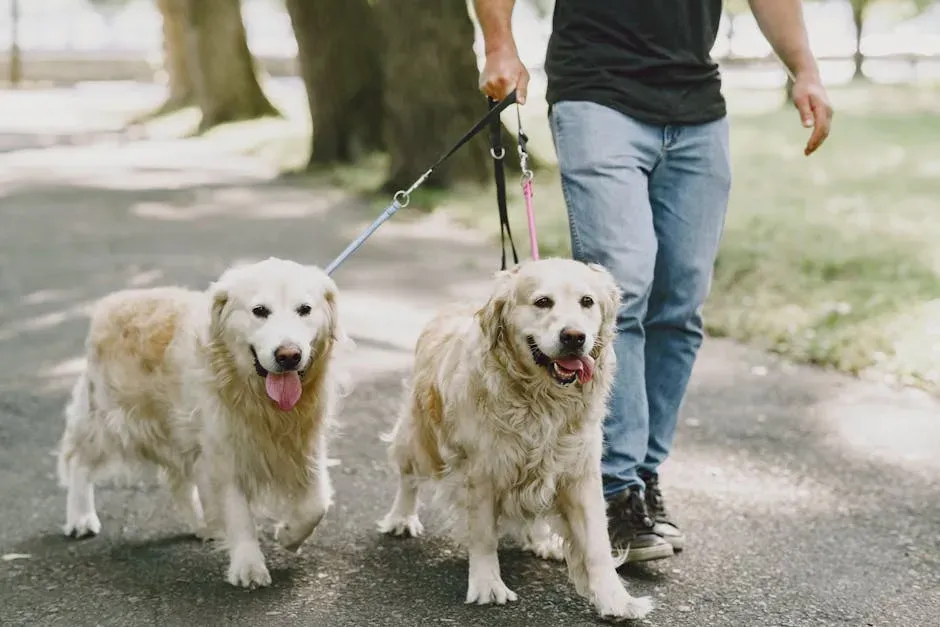
A happy dog doesn’t require elaborate gear, expensive supplements, or complex training programs. In most cases, it requires something far simpler: consistent, appropriate movement paired with genuine engagement. A tired dog isn’t just a healthy dog; they are a happier and more well-behaved one, too.
Whether you have a senior Labrador who loves gentle morning strolls or a young Australian Shepherd who needs to run hard and think harder, the core principle is the same. Move together, engage their senses, respect their limits, and adapt as they age. Exercise is a cornerstone of your dog’s physical and mental health. By committing to regular activity, you help prevent diseases, improve mood, and foster better behavior.
The daily walk you sometimes put off may well be the most meaningful part of your dog’s day. That’s worth remembering the next time the leash is hanging by the door.


