
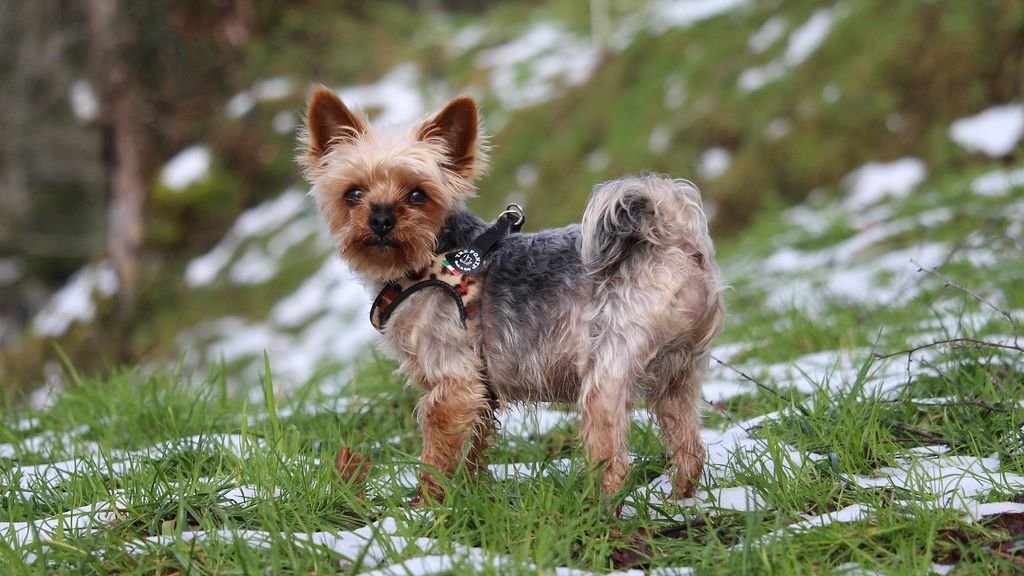
Michigan winters are not subtle. From the Upper Peninsula’s relentless snowfall to the bone-chilling wind chills that sweep across the Lower Peninsula, this state has a way of testing everyone who lives here, humans and dogs alike. Most dog owners know to bundle up their pups when it gets cold, but the truth is that some breeds face something far more serious than a little discomfort when temps plummet into the teens and single digits.
Winter in Michigan can be brutal, and it’s critical for pet owners to understand how cold is truly too cold for their dogs. Being aware of the risks associated with cold weather, such as frostbite and hypothermia, can make all the difference for your dog’s safety and well-being. Whether you’re a longtime Michigan resident or new to the state, knowing your dog’s cold-weather limits is one of the most important things you can do as a pet parent. Here’s what you need to know about the breeds that really struggle, and the ones who secretly wish every day were a snow day.
1. Chihuahua: Michigan’s Most Miserable Winter Dog
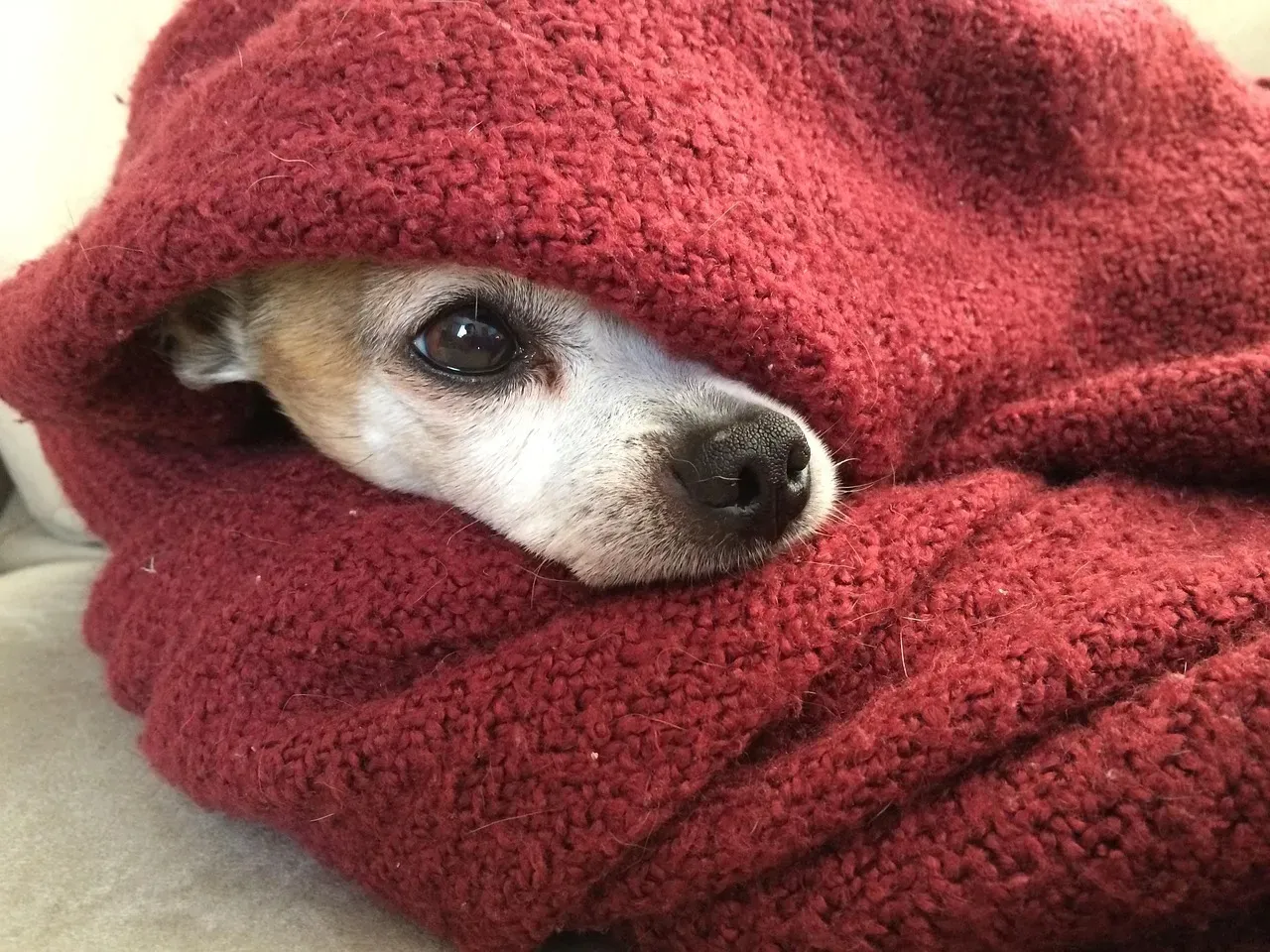
The Chihuahua is one of the smallest dog breeds, typically weighing only around four to six pounds, and it’s no surprise they can’t handle cold weather. They often shiver when cold and might even need a sweater indoors. Michigan winters, with their single-digit wind chills and lake-effect snowfall, are essentially a Chihuahua’s worst nightmare.
Because Chihuahuas have a higher surface-area-to-volume ratio, they tend to lose body heat quickly, making it essential for their owners to provide them with warmth during chilly weather. Watch for intense shivering, reluctance to step outside, tucked tail, and hunched posture as early signs of cold distress. Invest in a well-fitted insulated coat, keep outdoor time to a bare minimum in freezing temps, and always have warm blankets waiting indoors.
2. French Bulldog: Breathing Troubles Make Winter Dangerous
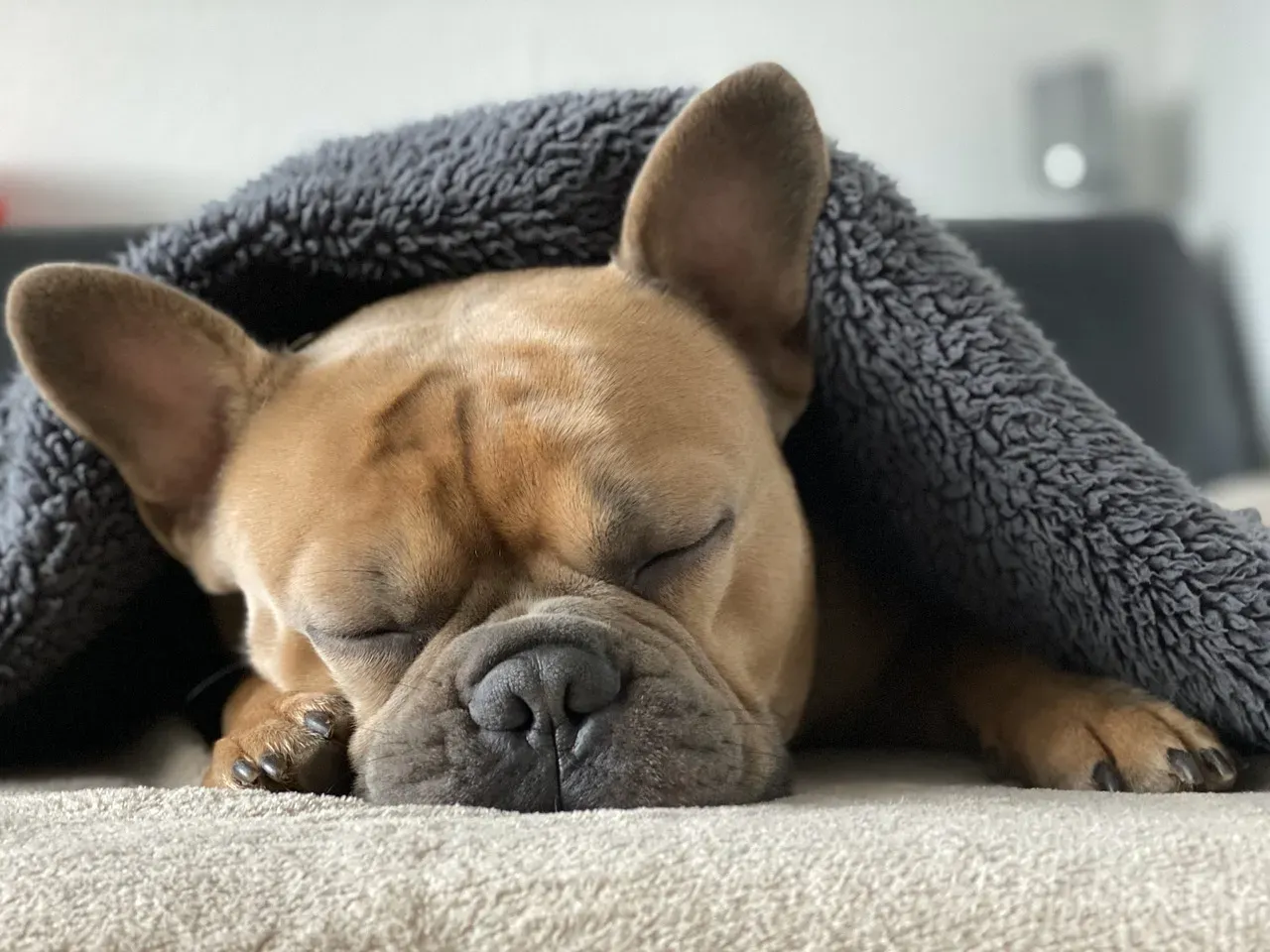
French Bulldogs are known for their compact size and short coat, which provides minimal insulation against the cold. They often have difficulty maintaining their body heat in chilly conditions. For a Michigan winter, that’s already a tough combination, but the real concern runs deeper.
Breeds like the French Bulldog not only have short coats but also possess a brachycephalic structure, which can make breathing more difficult in cold weather. These dogs may experience discomfort and stress when exposed to low temperatures, leading to potential health issues such as hypothermia. If your Frenchie starts coughing, gagging, or breathing harder than usual in the cold, that’s your cue to head inside immediately. Keep walks short, use a snug-fitting jacket, and never leave your Frenchie outside unattended during a Michigan cold snap.
3. Italian Greyhound: All Grace, No Insulation
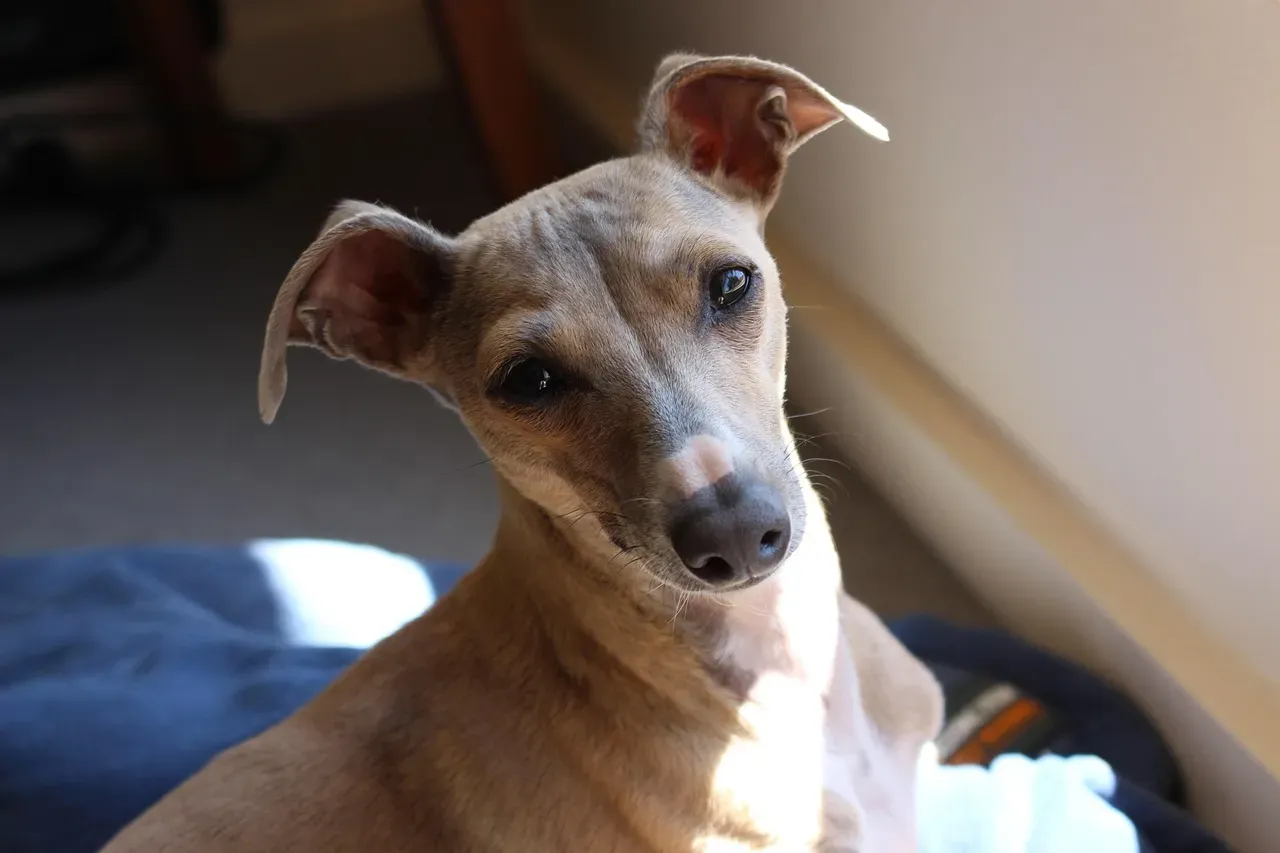
Despite their slender frames, Italian Greyhounds get cold easily due to their short coat and lack of body fat. They start feeling uncomfortable when temperatures drop below about 40 degrees Fahrenheit. In Michigan, that threshold is crossed most mornings from November through March.
The Italian Greyhound has a sleek body and a short coat that does not offer much insulation against the cold. Their lean build can lead to discomfort in lower temperatures, so it is advisable for owners to dress them in sweaters or coats to help maintain their body heat. Hypothermia and frostbite are serious risks, and signs include shivering, lethargy, and pale gums. Layer them up before heading outside, limit potty breaks to just a few minutes, and warm them back up as soon as they’re back inside.
4. Whippet: Thin-Skinned in Every Sense
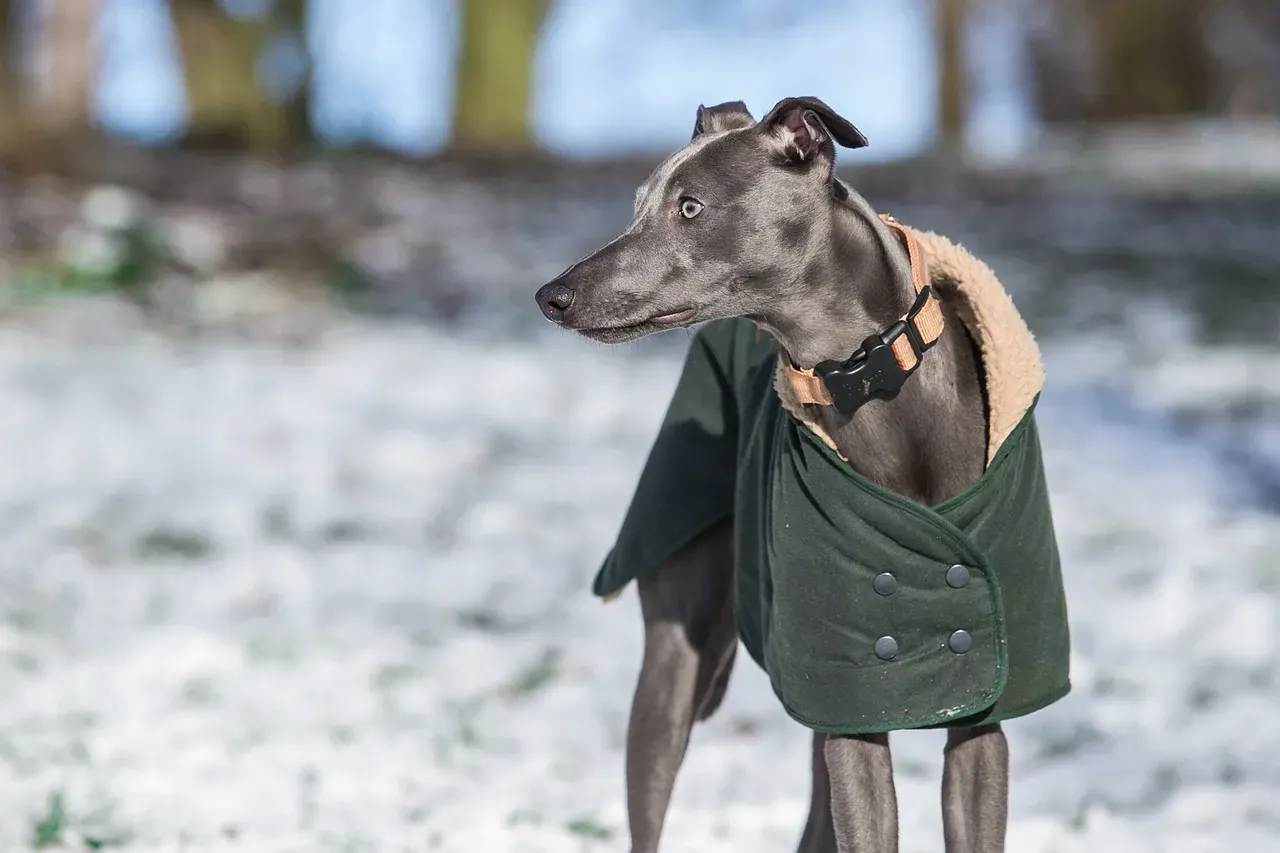
The Whippet shares many similarities with their Greyhound relatives, and these dogs also dislike cold weather. These sleek sight hounds have a very thin coat and little body fat, making it easy for them to lose body heat when temperatures drop. Picture them as the very opposite of a snow dog.
Whippets face many of the same cold-weather challenges as Greyhounds. Their slender bodies and minimal coats allow heat to escape quickly, making winter outings uncomfortable. They enjoy short bursts of activity but need to be brought inside as soon as they show signs of getting chilled. Indoors, they often burrow into blankets to stay warm. If your Whippet heads straight for the couch cushions after a walk, they’re telling you something. Honor that instinct.
5. Pug: Flat Faces and Frozen Air Don’t Mix
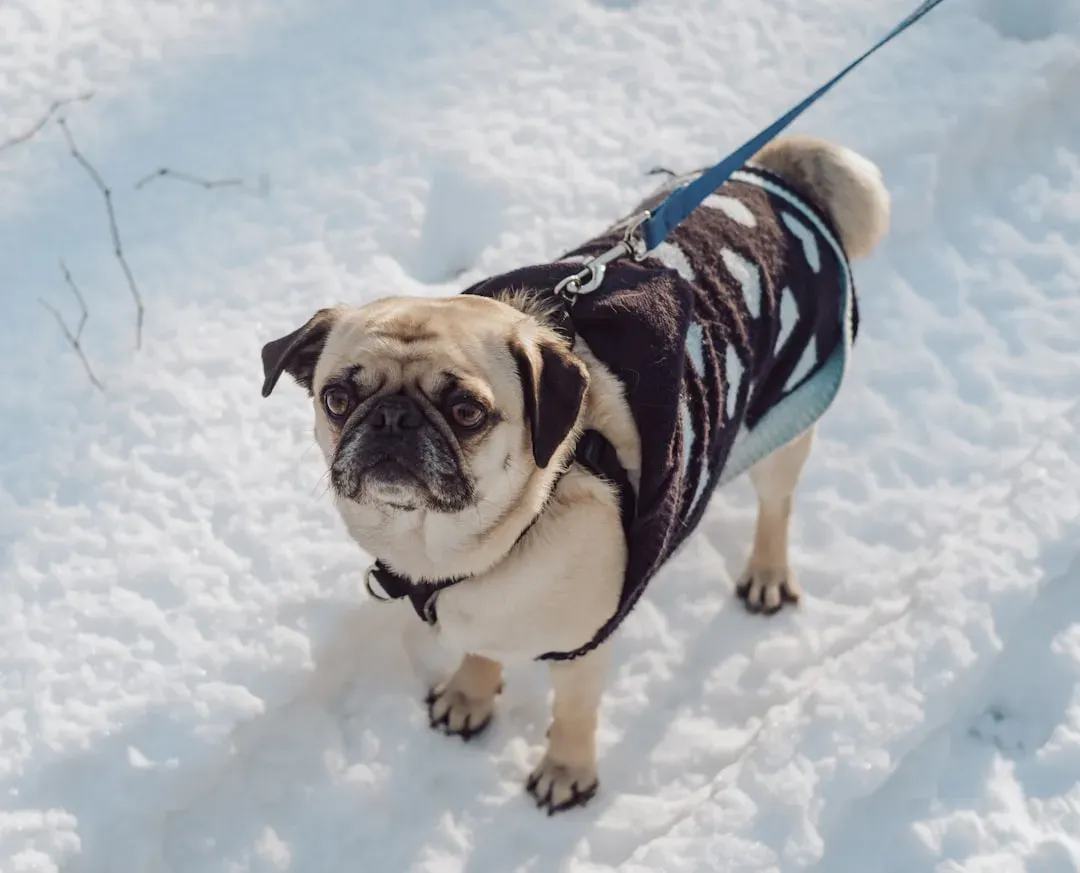
Pugs have short coats and flat faces that make cold air difficult to handle. They lose heat easily and often need extra protection during winter walks. Long periods in freezing temperatures can lead to breathing discomfort and shivering. Michigan’s cold, dry air can be especially irritating to their already restricted airways.
Pugs possess a short, smooth coat and a stocky physique, and due to their brachycephalic structure, they can struggle with breathing in colder air, further complicating their ability to enjoy winter outdoor activities. Watch for open-mouth breathing in the cold, gagging, or unusual snorting. Keep outdoor time brief, layer them up, and use indoor play like puzzle feeders and hide-and-seek to burn their energy on the worst days.
6. Dachshund: Low to the Ground, High Risk in Snow
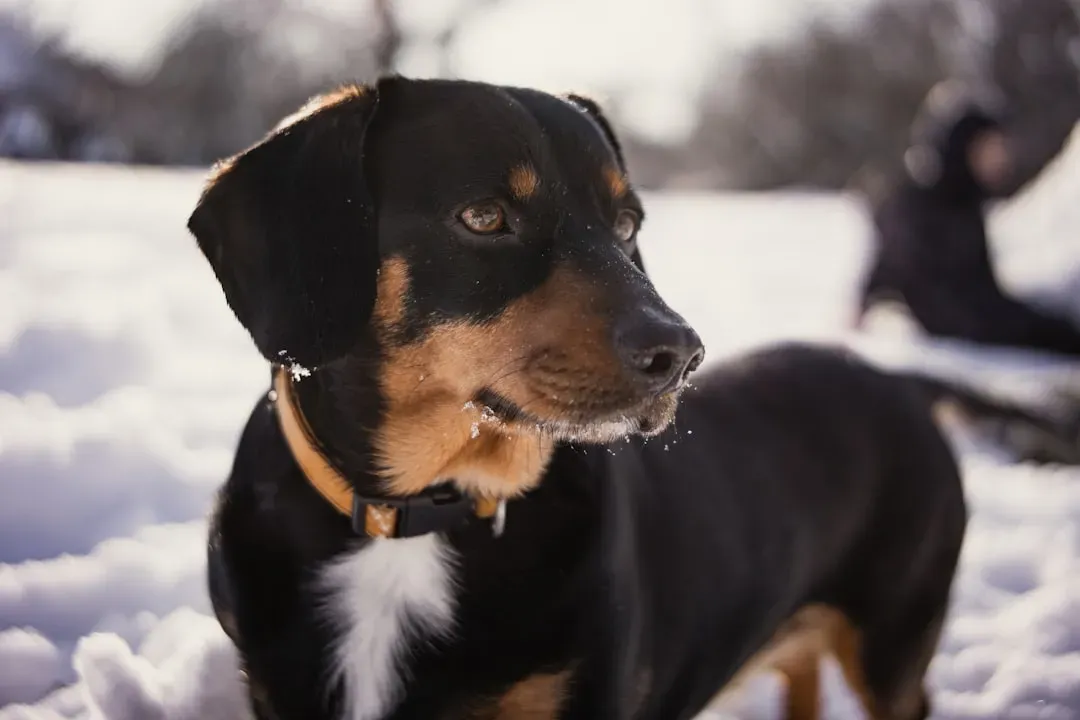
Dachshunds have a bold attitude that can disguise how easily they get cold. Their short legs put them close to the ground where they feel the chill quickly, especially when snow is involved. Their coats do not offer much warmth, so they rely on jackets and brief outdoor time during winter. A Dachshund charging through snowdrifts might look determined, but their belly is practically dragging through the ice.
While Dachshunds are spirited and playful, their short legs and minimal body fat can make them vulnerable to cold weather. Their long bodies, combined with short fur, leave them at greater risk for feeling chilly during winter months. A properly fitted jacket that covers their long torso is non-negotiable in Michigan winters. Check their belly and paws when you come back in, as ice buildup between toes is both painful and a quick path to frostbite.
7. Yorkshire Terrier: Looks Warm, Isn’t
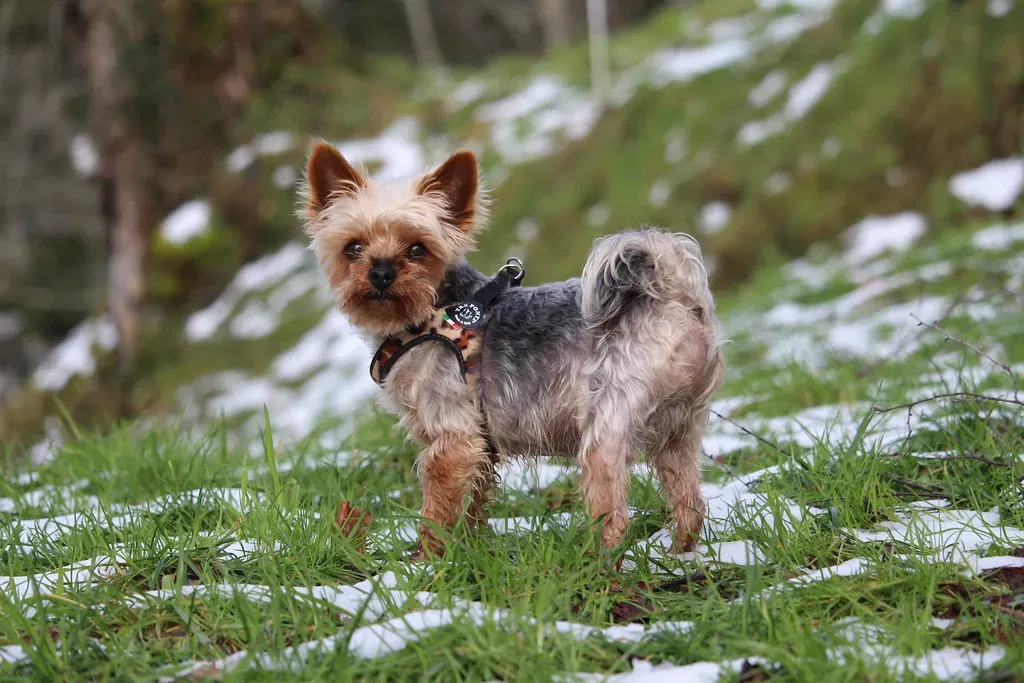
Yorkshire Terriers are small dogs with fine, long hair. While their coat may look fluffy, it does not offer adequate protection from harsh winter weather, making them particularly sensitive to cold temperatures. That silky, human-hair-like coat is beautiful, but it’s not doing much thermal work in a Michigan February.
The Yorkshire Terrier only has a one-layer coat and a small frame, which means they struggle with cold, and winter walks call for some extra protection. A Yorkie who starts lagging behind on a walk, tucking their tail, or refusing to step off the porch is telling you it’s too cold. Warm, windproof coats and booties make a real difference. On especially brutal days, bring the exercise indoors with training sessions or interactive play.
8. Maltese: Pretty Coat, Poor Protection
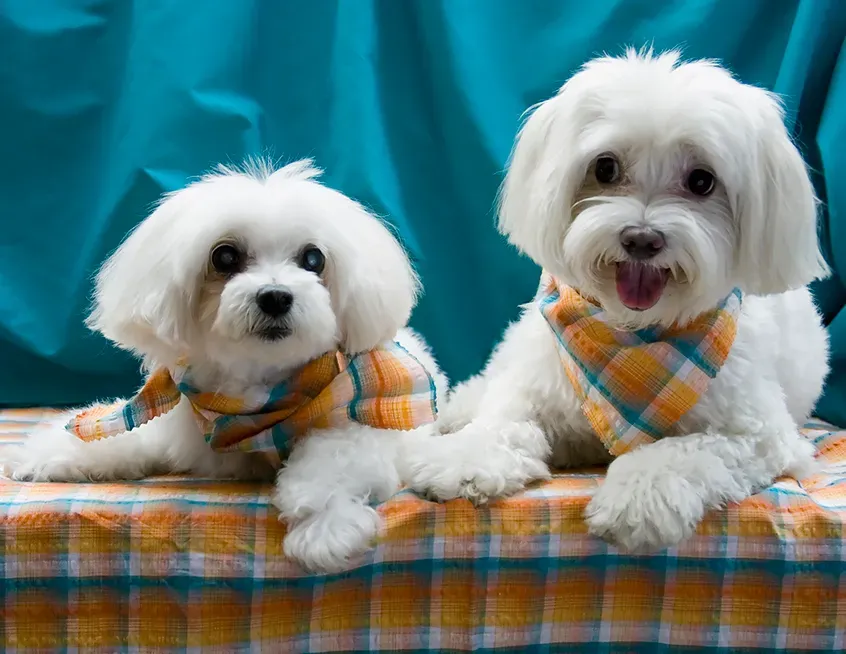
Maltese dogs are small and can be susceptible to cold temperatures. Their thin coat does not provide significant protection against severe cold, making them prone to hypothermia and discomfort in low temperatures. Despite the flowing white coat that looks warm and cozy, the Maltese is not built for a Michigan winter at all.
Maltese dogs can handle mildly cold weather but are not well-suited for frigid temperatures. Due to their thin coat, they can become cold quickly and are at risk of hypothermia in freezing conditions. Providing them with warm clothing and a cozy indoor environment during cold weather is essential. Limit outdoor time to what’s strictly necessary when it dips below freezing. A warm, draft-free bed away from cold floors is a must, and regular grooming helps keep their coat at its protective best.
9. Boxer: Short Coat, Big Heart, No Insulation
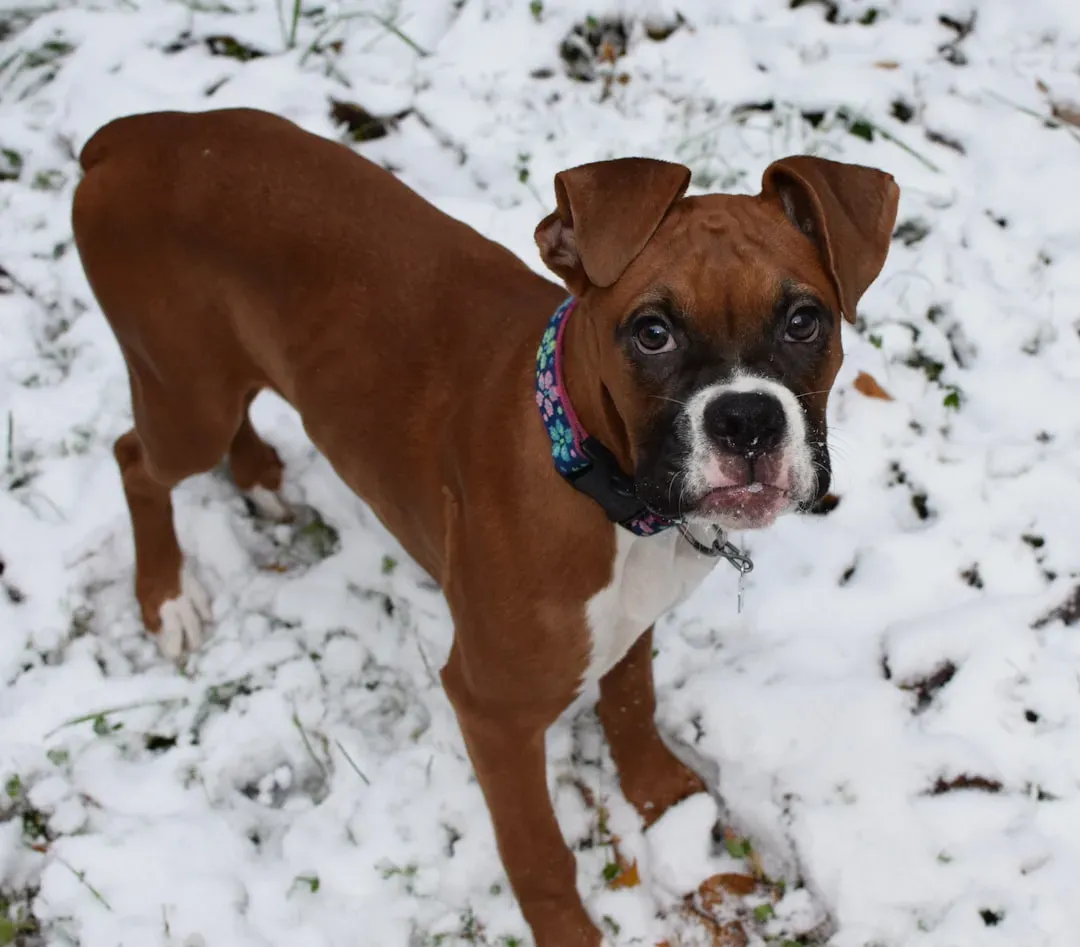
Boxers have short, smooth coats and muscular builds that offer little insulation. They feel the cold quickly and often shiver when temperatures drop. Long winter outings can be tough on them, and they rely on layers and limited outdoor time. This breed is happiest inside during winter where they can stay warm. The irony is that Boxers are high-energy dogs who genuinely want to be outside. Michigan winters just won’t cooperate.
American Pit Bull Terriers and similar short-coated muscular breeds have a short, thin coat that offers little insulation, so they get cold easily. Because a dog like this will still have plenty of energy regardless of the weather report, investing in a good-quality dog coat for daily walks is important. If your Boxer is shivering, repeatedly lifting a paw, or keeps looking back toward home on walks, take the cue seriously. Shorten those walks, add a coat, and channel that energy into indoor enrichment instead.
10. Chinese Crested: Nature’s Most Cold-Sensitive Dog
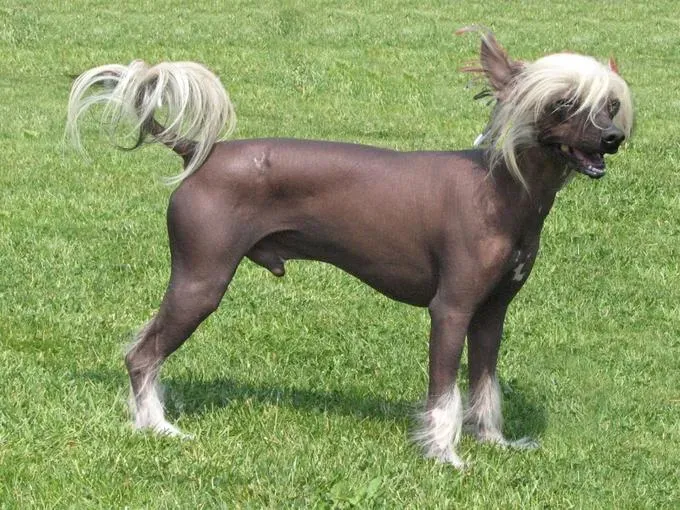
The Chinese Crested is a small, typically hairless dog, and the little fur they do have isn’t enough to keep them warm in winter. Bringing a Chinese Crested to Michigan is essentially asking a dog that is built for warmth to function in one of the most challenging winter climates in the continental United States.
Chinese Cresteds struggle with cold weather more than most dogs. Their small bodies lose heat quickly, making cold weather very difficult for them. They benefit from warm clothing and short outdoor trips during winter. Inside, they enjoy cozy blankets and heated spots, which keep them comfortable until the weather improves. Full-body suits, booties, and post-walk warm-up routines are essential. Shorter-coated dogs need a dog coat to protect them from the snow, wind, and cold temperatures, and for the Chinese Crested, that is a medical necessity rather than a fashion choice.
11. Great Dane: Lean Giants Feel the Chill
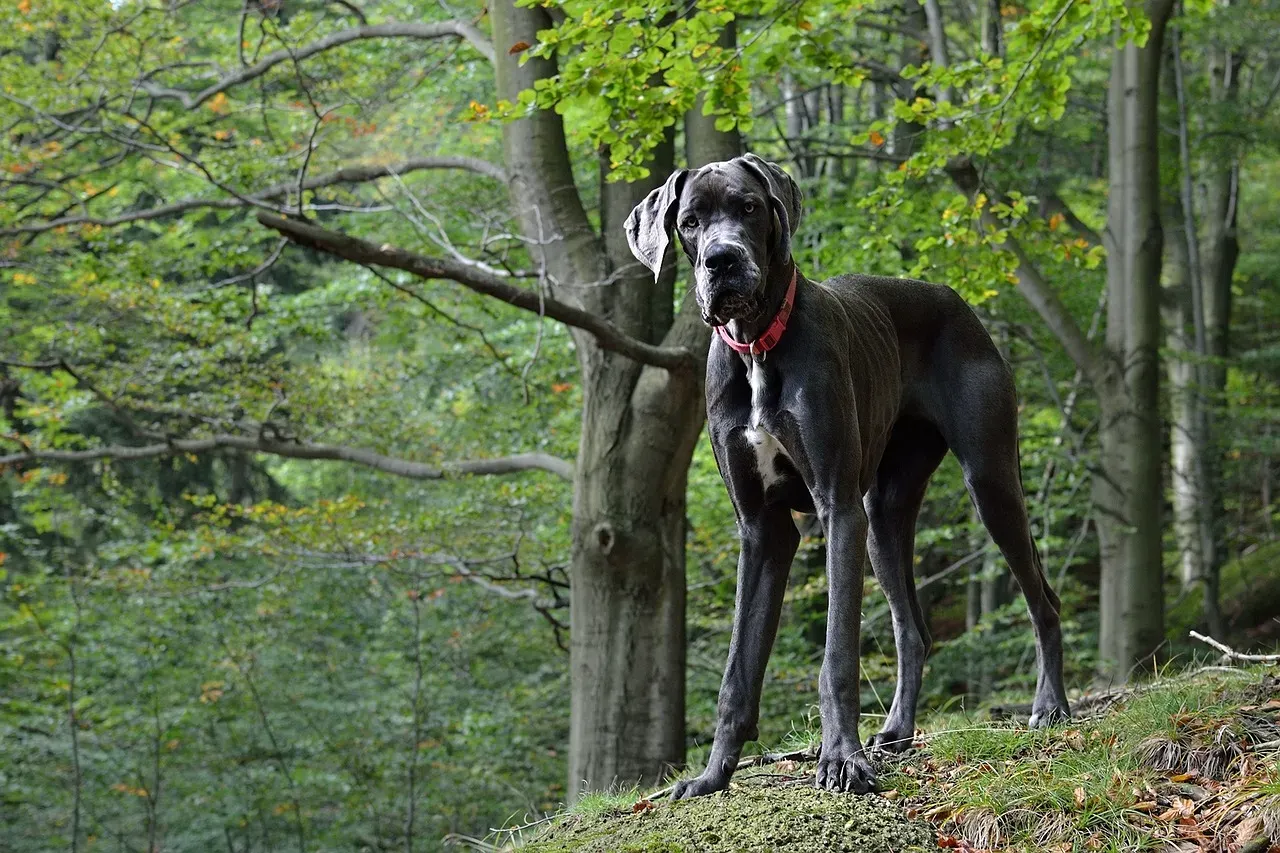
The Great Dane needs a little help being guarded from the cold. Its short coat and lean build don’t help much when temperatures fall. The sheer size of a Great Dane may suggest hardiness, but their short, thin coat provides little thermal protection, and their large surface area actually means more heat can escape from the body.
Beyond coat type, size can also play a role in how easy it is for a dog to stay warm. Small dogs and toy breeds lose body heat more rapidly than larger dogs because of their surface-area-to-body-mass ratio, but for lean large breeds like the Great Dane, the physics still work against them. Invest in an extra-large, well-fitted dog coat, watch for shivering or reluctance to move in the cold, and keep outdoor winter sessions to a sensible length.
Now, the 5 Breeds That Actually Love Michigan Winters
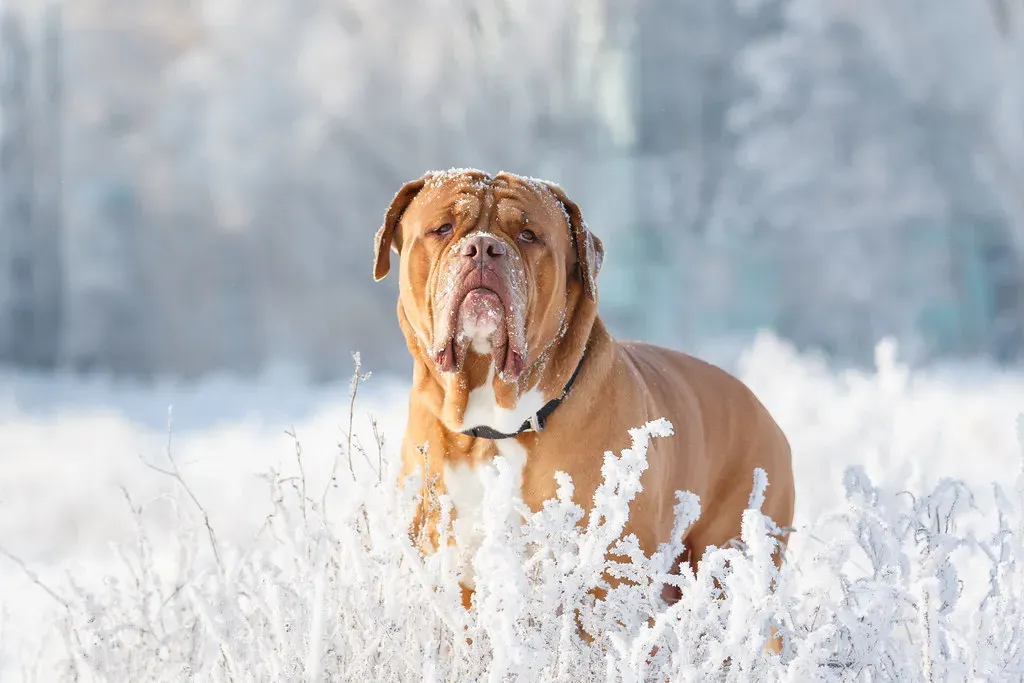
Not every dog dreads the first snowfall. Some breeds practically celebrate it. Dog breeds that originated in cold, snowy, mountainous regions developed traits over the centuries to help them withstand harsh climates. Thick, insulating double coats, strong muscles, and impressive stamina allowed them to work and thrive in frigid conditions.
Look for a breed with a thick double coat if you’re in a cold climate. This means they have an underlayer of dense and soft fur, called the undercoat, as well as the tougher and longer outer layer of guard fur. That undercoat acts a lot like a down jacket, keeping them toasty warm by insulating their body, while the outer layer repels moisture to keep the undercoat dry. These five breeds are built for exactly that.
12. Siberian Husky: Born for This
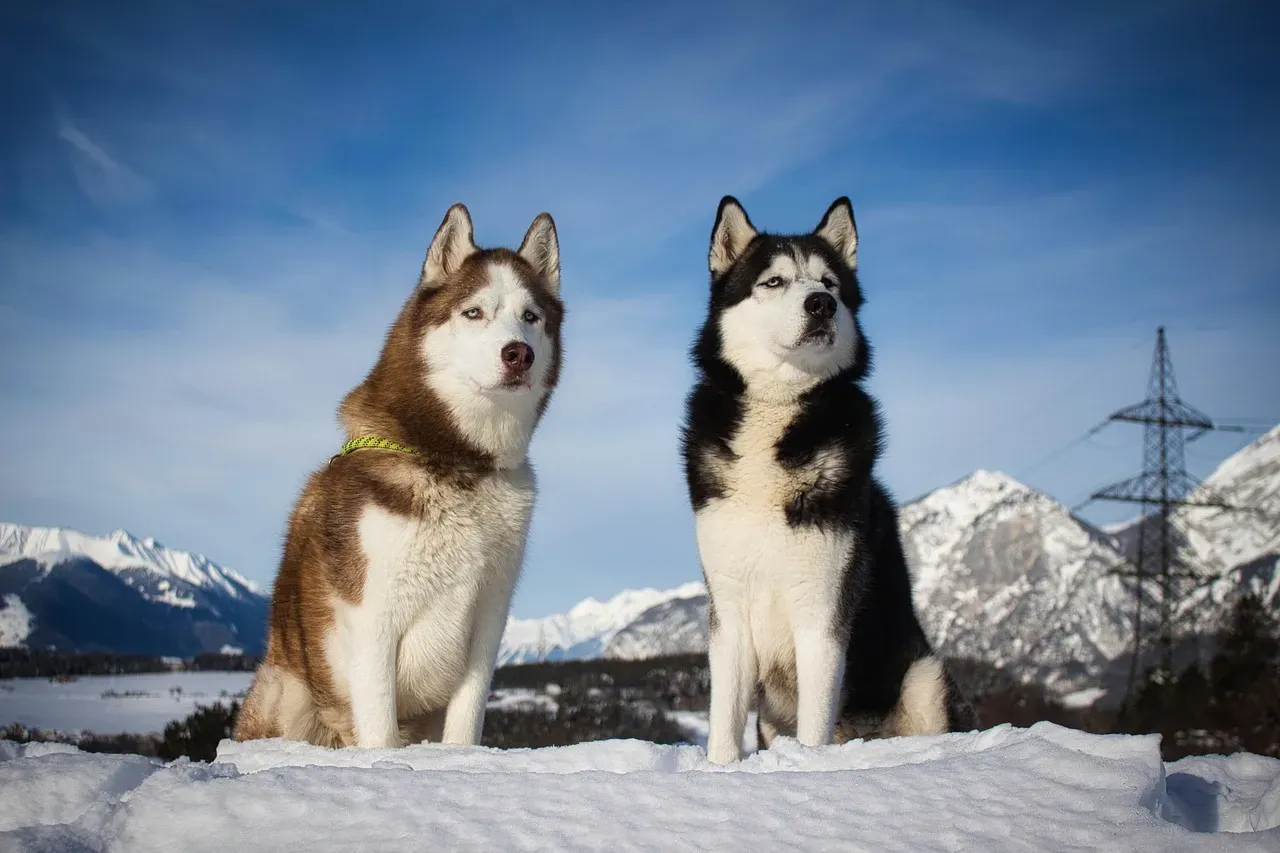
Siberian Huskies are one of the most iconic winter breeds, known for their strength, endurance, and love of cold weather. Originally bred by the Chukchi people of Siberia for sledding, these dogs are built to thrive in snowy conditions. A Michigan blizzard is basically their happy place.
The Husky originated in the cold climate of Northeast Asia and was bred to be a sled dog. They have a thicker coat than most other dog breeds, made up of a dense cashmere-like undercoat and a longer, coarse top coat. Dogs with thick double or triple-layer coats who are bred for the cold, such as huskies and Alaskan malamutes, can tolerate temperatures as low as 0°F for short periods of time. That said, always supervise outdoor time and watch for signs of overexertion even in cold-adapted breeds.
13. Alaskan Malamute: The Ultimate Cold-Weather Powerhouse
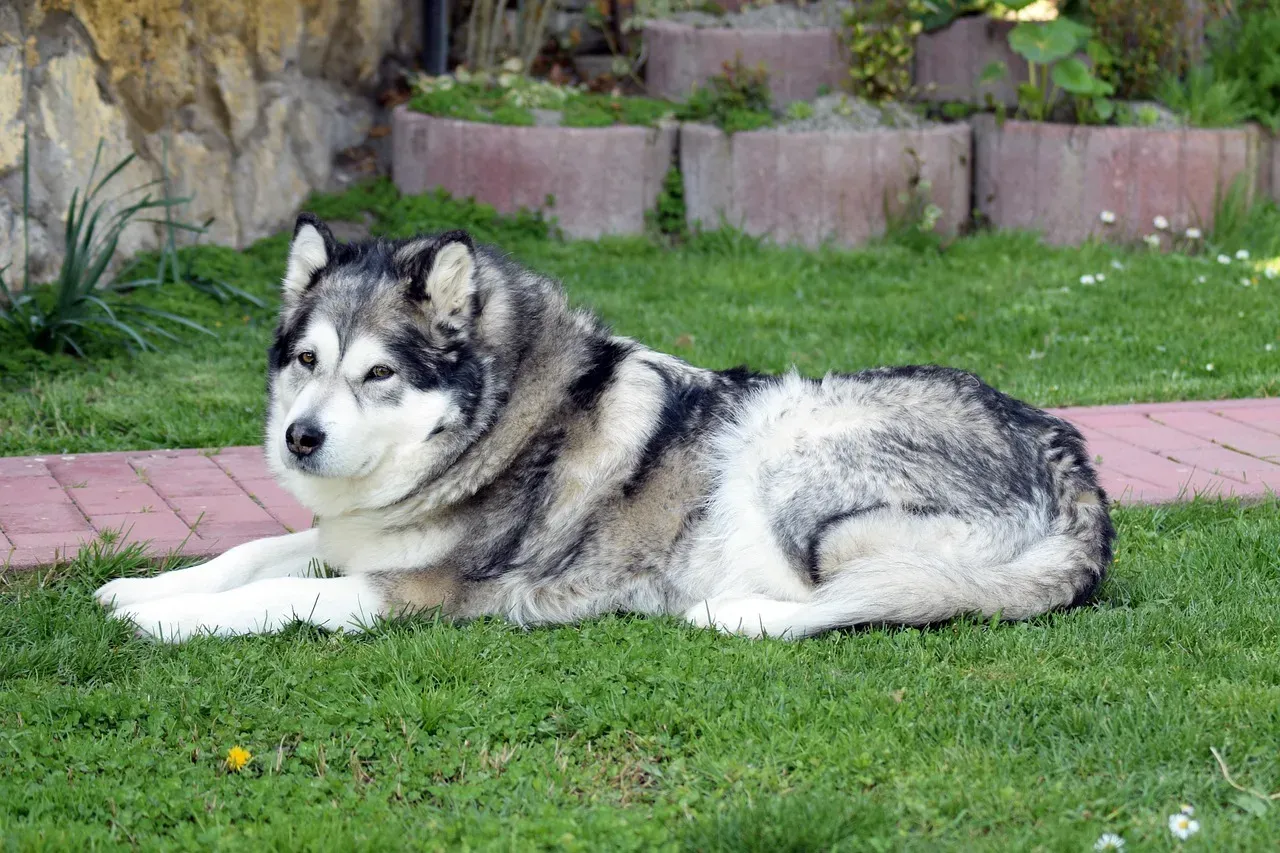
The Alaskan Malamute is the oldest and largest of the Arctic sled dogs, having been used for freighting in the Arctic. They have a thick, coarse coat that keeps them warm. If the Husky is built for speed in the cold, the Malamute is built for raw endurance in it.
The native Mahlemut people relied on Alaskan Malamutes for survival, entrusting them to hunt seals, scare off polar bears, and haul heavy loads on sleds. Though they look a lot like Huskies, Malamutes are taller, around twenty pounds heavier, and have an even thicker coat. For active Michigan families who love winter hikes and outdoor adventures, the Malamute is a remarkable companion. Just be prepared for some serious grooming and an equally serious need for daily exercise.
14. Saint Bernard: Gentle Giant of the Snow
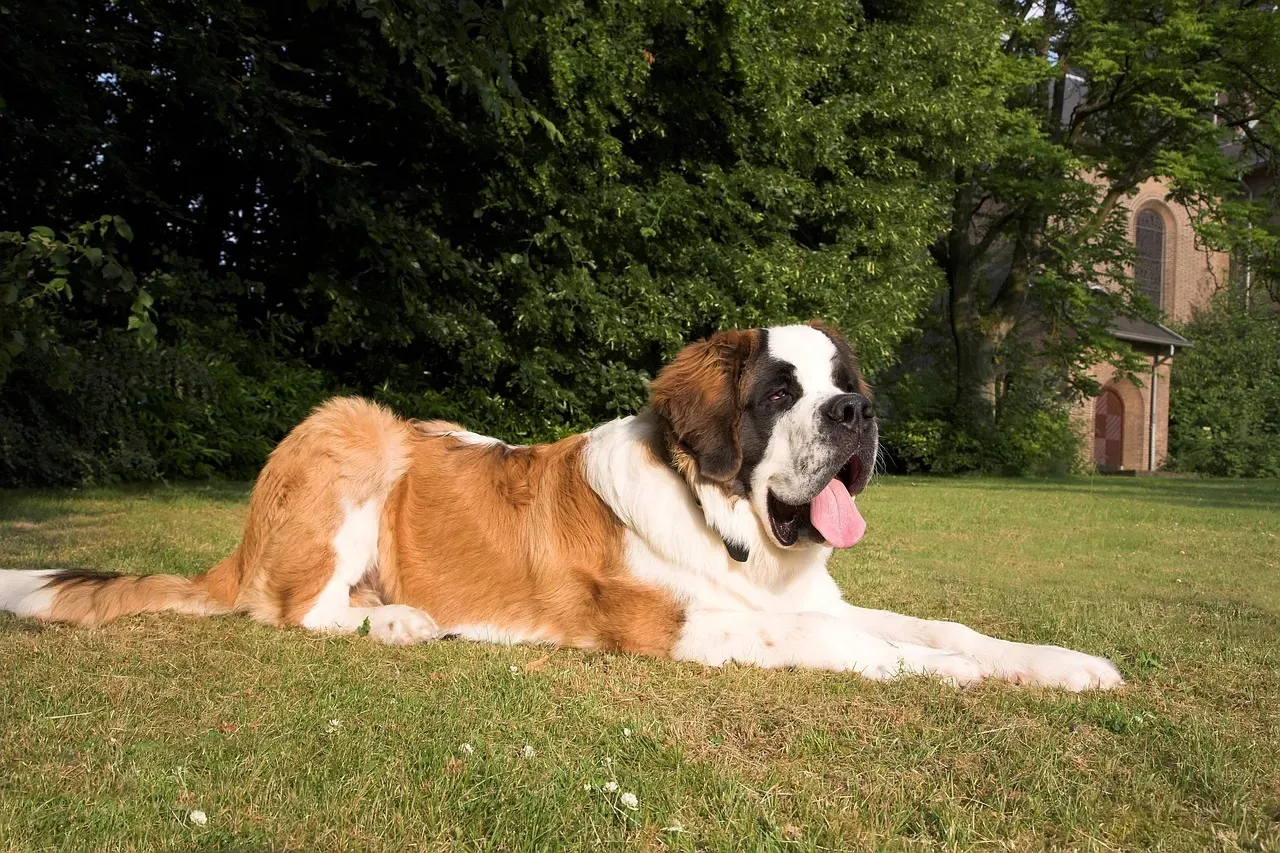
The Saint Bernard originated as a monastery dog in the mountains of Switzerland, serving as a companion and protector to monks. Their keen sense of smell and remarkable strength made them legendary snow search and rescue dogs, saving travelers stranded in the treacherous St. Bernard Pass between Italy and Switzerland. Massive and powerful, often weighing well over one hundred pounds, Saint Bernards are gentle giants who enjoy winter weather.
These strong pups were bred to handle the icy, snowy conditions of mountainous terrain. They have double coats that can be either short or long, are very muscular, and have broad heads with a short muzzle. Saint Bernards make excellent family dogs thanks to their gentle, calm demeanors. One real-world consideration for Michigan owners: due to their long, dense coat, Bernese Mountain Dogs and similar large breeds require regular grooming to prevent matting, and large breeds are prone to hip and joint issues that can be aggravated on icy surfaces. Always check their paws after outings.
15. Bernese Mountain Dog: Cold Weather Was Always the Plan
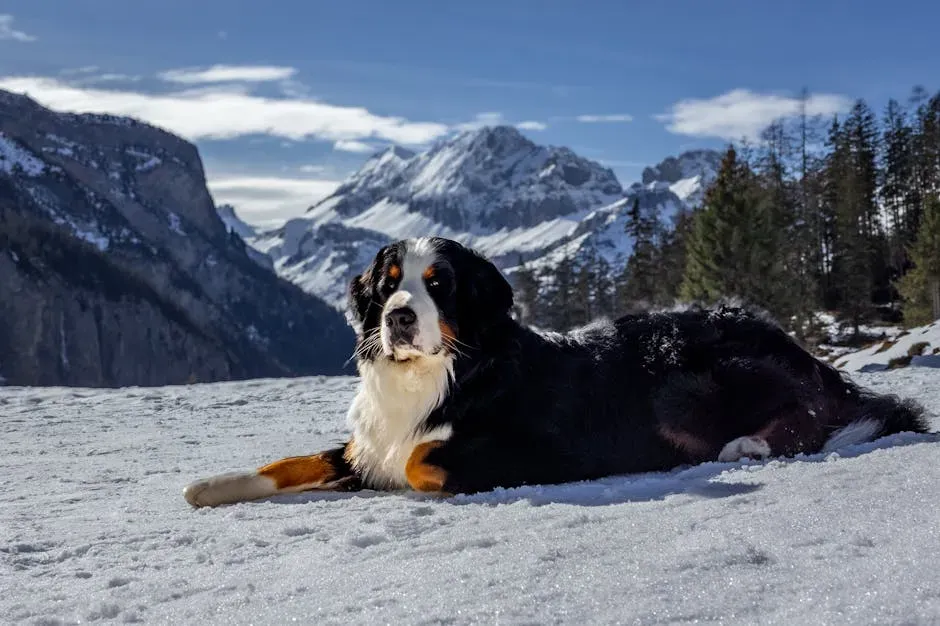
Originating in the Swiss Alps, the Bernese Mountain Dog worked alongside farmers to herd cattle, guard livestock, and haul dairy products through the hills and valleys of Bern. Generations of pulling carts and wagons in rugged, snowy terrain built their strength and resilience. Well-muscled and sturdy, Bernese Mountain Dogs have a thick, tricolor coat that insulates their body from snow and wind.
Bernese Mountain Dogs thrive in cold weather thanks to their brawny stature and silky coat. They love the outdoors and are always down for a hike or camping trip. Berners are friendly, affectionate dogs who are great with children and become deeply attached to their families. A Michigan winter for a Berner is less a hardship and more an invitation. Snowshoeing, hiking through fresh powder, romping in the backyard, they do it all with relaxed enthusiasm.
16. Samoyed: The Smiling Snow Dog
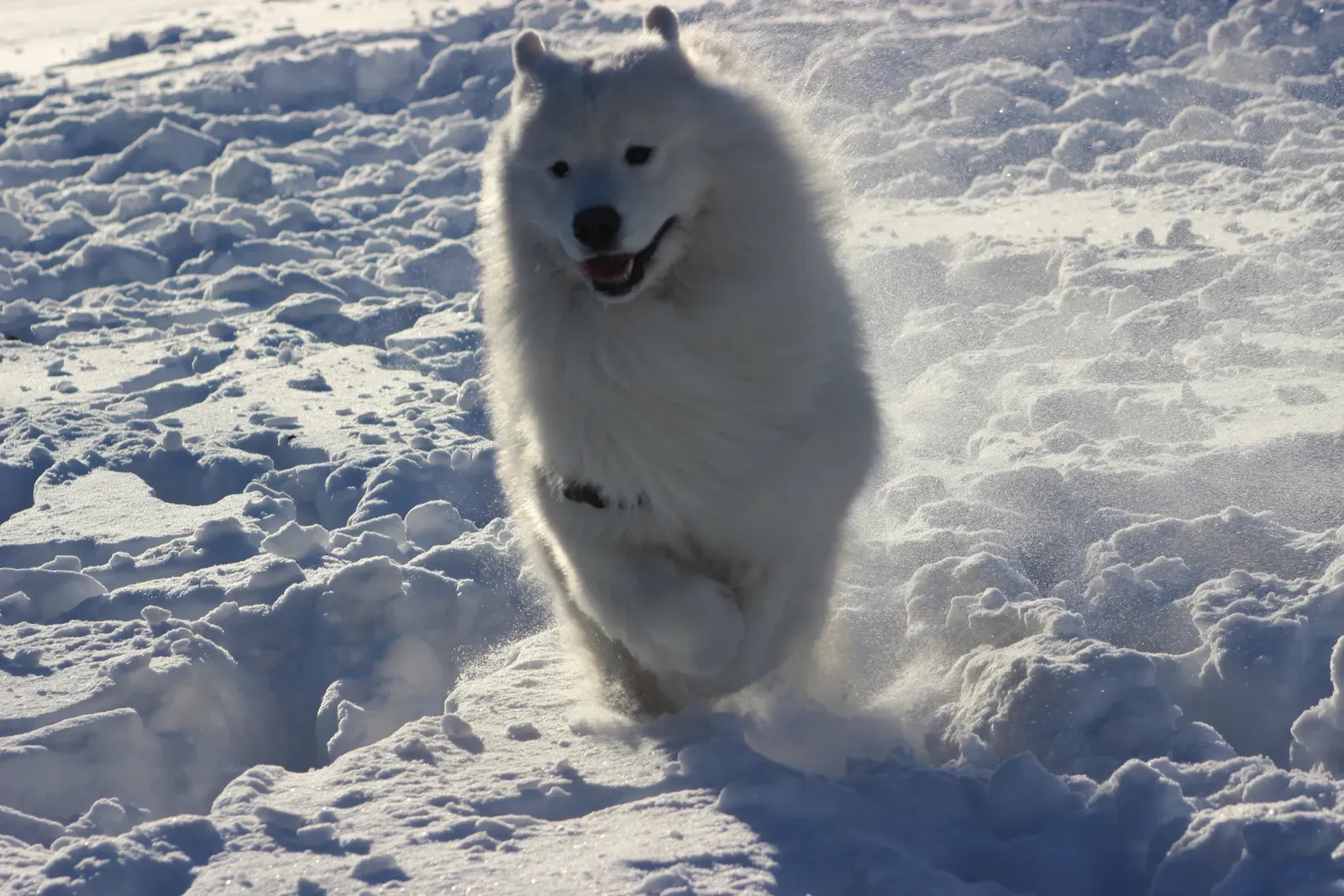
Samoyeds, with their famous “Sammy smile,” are known for their friendly disposition and love for cold climates. Originally from Siberia, these dogs have a thick, fluffy coat that keeps them warm and helps them adapt to snowy environments. Their bright white double coat is not just striking, it’s genuinely functional in harsh winter conditions.
Samoyeds are active, social, and great with families. They have a double-layered coat that requires frequent grooming. Their coats need regular brushing to prevent matting, especially in winter when they’re more likely to get wet or muddy. For Michigan families with active lifestyles, a Samoyed is a winter companion who keeps spirits high even on the coldest days. Their consistent cheerfulness and genuine love of cold-weather activity makes them one of the most rewarding breeds to own in this climate.
Know Your Dog, Know the Weather: A Final Word
Just like people, dogs’ cold tolerance can vary from pet to pet based on their coat, body fat stores, activity level, and health. You’ll likely need to shorten your dog’s walks in very cold weather to protect both of you from weather-associated health risks. Breed is a strong starting guide, but every individual dog has their own limits. Senior dogs, puppies, and those with health conditions deserve extra attention in cold weather regardless of breed.
Signs of frostbite may not be obvious at first and may not show for several days. Signs include a white, waxy or pale appearance to extremities such as toes, nose, ears, and tail, and skin that is cold and numb. Pets can easily get frostbite on their ears, tail, and paws. Pets can become hypothermic after being in cold temperatures for prolonged periods or from being wet in cold conditions. Signs of hypothermia include extreme shivering, slow shallow breathing, pale or blue gums, and an unresponsive pet. If you ever suspect either condition, bring your dog inside immediately and contact your veterinarian without delay.
Michigan winters are beautiful in their own demanding way, and they can absolutely be enjoyed safely with your dog. The key is simply matching your expectations, your preparation, and your dog’s wardrobe to the climate you actually live in, not the one you wish you had. A warm coat, shortened walks, a cozy bed, and a watchful eye will go a long way toward keeping every dog, no matter the breed, happy and healthy through the season.


