
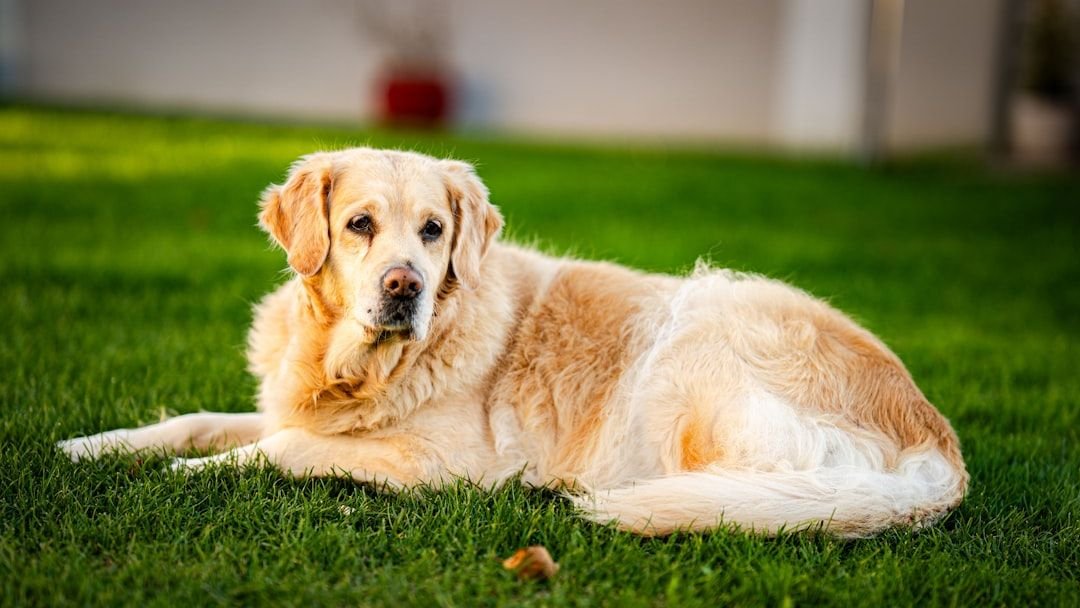
Your dog is watching you right now. Maybe they’re curled up at your feet, or following you with those deep, quiet eyes as you move around the room. They can’t tell you in words how they feel, but they’re communicating constantly, in posture, in breathing, in tiny behavioral cues that most of us never learned to decode.
The bond between a dog and their person is built on something more nuanced than food and belly rubs. It’s built on predictability, gentleness, and emotional safety. When a dog truly feels secure, their entire world expands. They play more freely, sleep more soundly, and face new experiences with curiosity rather than dread. When that security wobbles, the signs can be subtle enough to miss, and meaningful enough to matter.
This guide walks through 11 clear signals your dog is thriving in your care, and 3 honest red flags worth paying attention to. No fluff, just the stuff that helps you show up better for your pup.
Sign 1: They Have a Loose, Wiggly Body When They See You
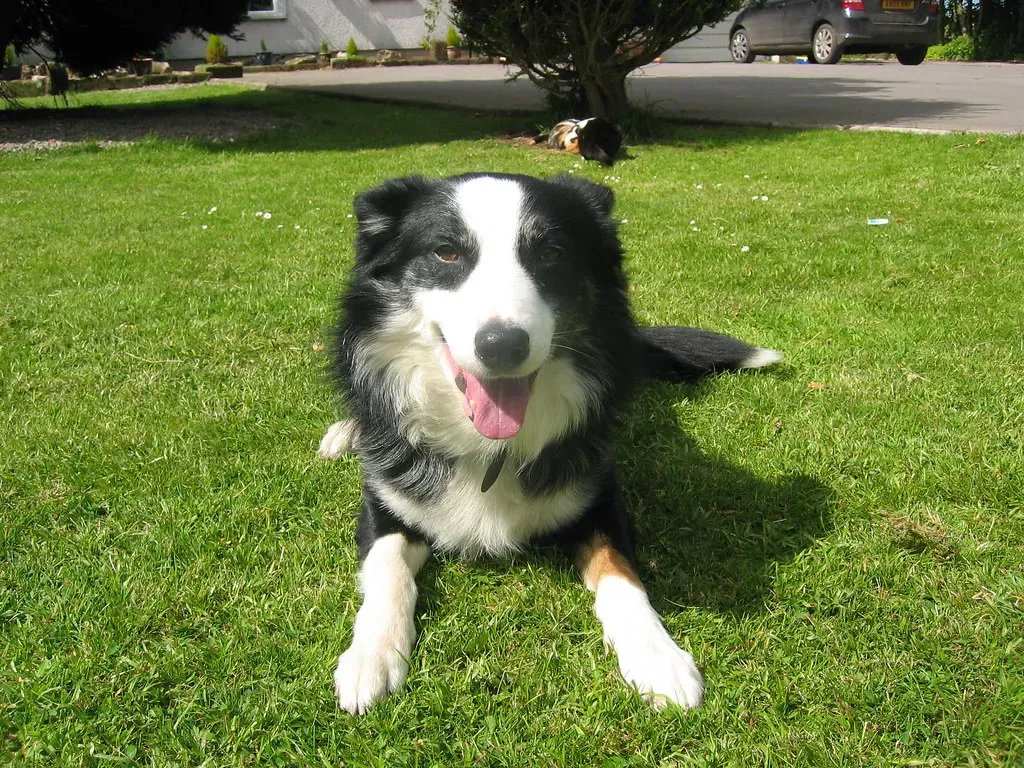
When a dog feels safe and content, their body appears loose and relaxed, with signs such as a wagging tail, a slightly open mouth almost like a smile, or a soft gaze. That full-body looseness is not accidental. It means their nervous system is not in alert mode.
A happy dog likely has a relaxed posture, an open mouth, ears in a natural position and a wagging tail, with a really happy dog having a loose and wiggly body that moves with their tail. If your dog melts into a wiggle the moment you walk through the door, take it as a genuine compliment. That’s a dog who trusts what’s coming next.
Sign 2: Their Tail Says More Than You Think
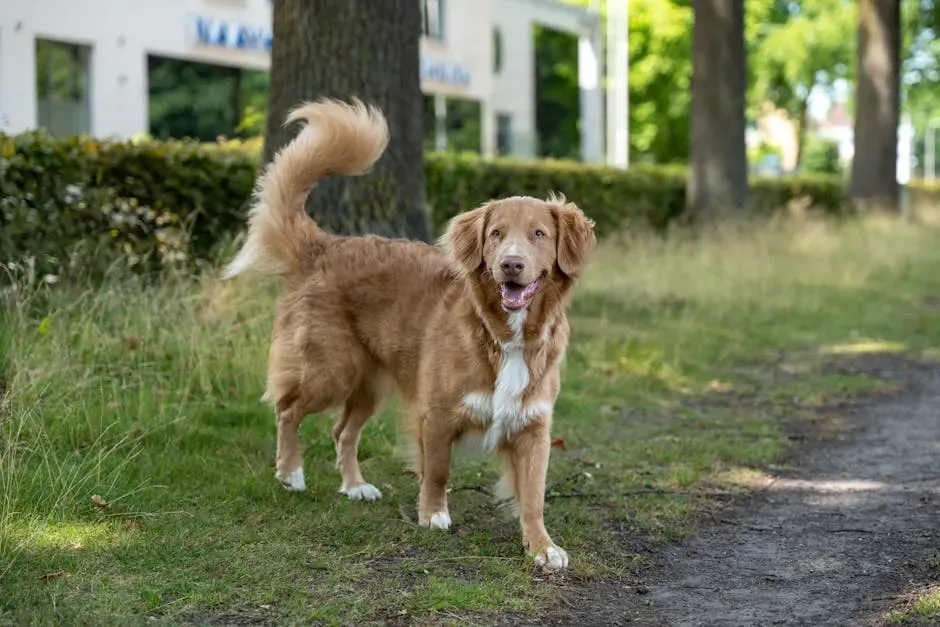
Watch your dog’s tail position and movement. A tail held at a natural height, not tucked or rigidly high, that wags in wide, sweeping motions shows contentment and trust. The specifics matter here. A stiff, high-held tail can signal alertness or tension, not happiness.
Dogs tend to wag their tails more to the right when they’re feeling positive about something, such as interacting with their owner. The famous “helicopter tail” or full-body wiggle when you come home proves your dog is genuinely happy to see you. Speed, direction, and muscle tension all tell different stories. Once you start reading the full tail, you’ll never look at it the same way again.
Sign 3: They Make Soft, Gentle Eye Contact With You
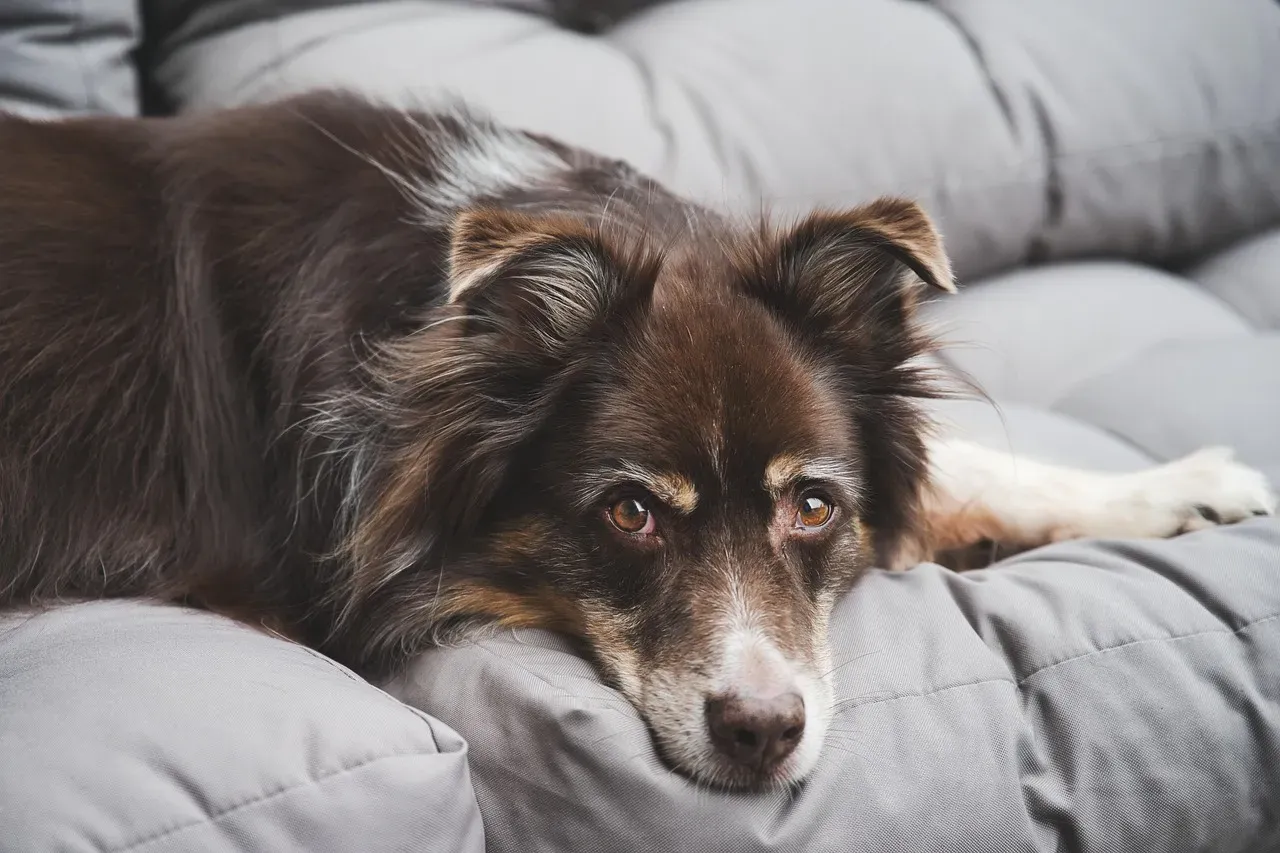
Soft eyes have relaxed lids and can sometimes look like the dog is squinting, and they indicate the dog is calm or happy. Eye contact is extremely important in the world of dogs, as it’s a very strong form of communication. If your pet stares into your eyes for a long time, the bond between you is extremely strong, and the animal trusts you completely.
This is worth sitting with for a moment. In dog language, prolonged eye contact is fundamentally a threatening behavior, which dogs typically avoid in most cases. So when your dog holds your gaze softly and willingly, they’re making an exception just for you. That’s trust in one of its most unfiltered forms.
Sign 4: They Expose Their Belly Without Being Asked
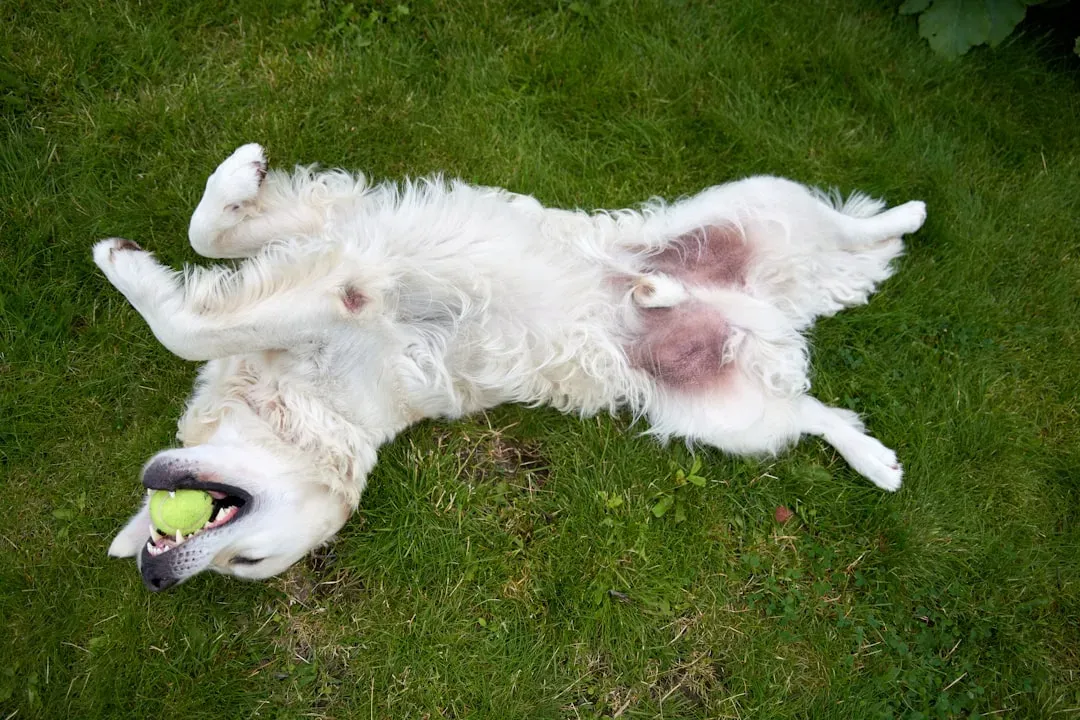
Happy dogs may also flop onto their backs and expose their bellies, a vulnerable position that shows trust. The belly is one of the most vulnerable parts of a dog’s body. When they roll over and show it to you, they’re essentially saying they trust you completely not to hurt them.
When your dog rolls over to show their belly, they’re displaying the most vulnerable part of their body. This isn’t always a request for belly rubs (some dogs don’t enjoy them), but it’s always a sign of trust and submission. If your pup does this casually while you’re watching TV, consider it one of the highest compliments a dog can offer. They’re not guarding anything around you.
Sign 5: They Sleep Deeply and in Relaxed Positions Near You
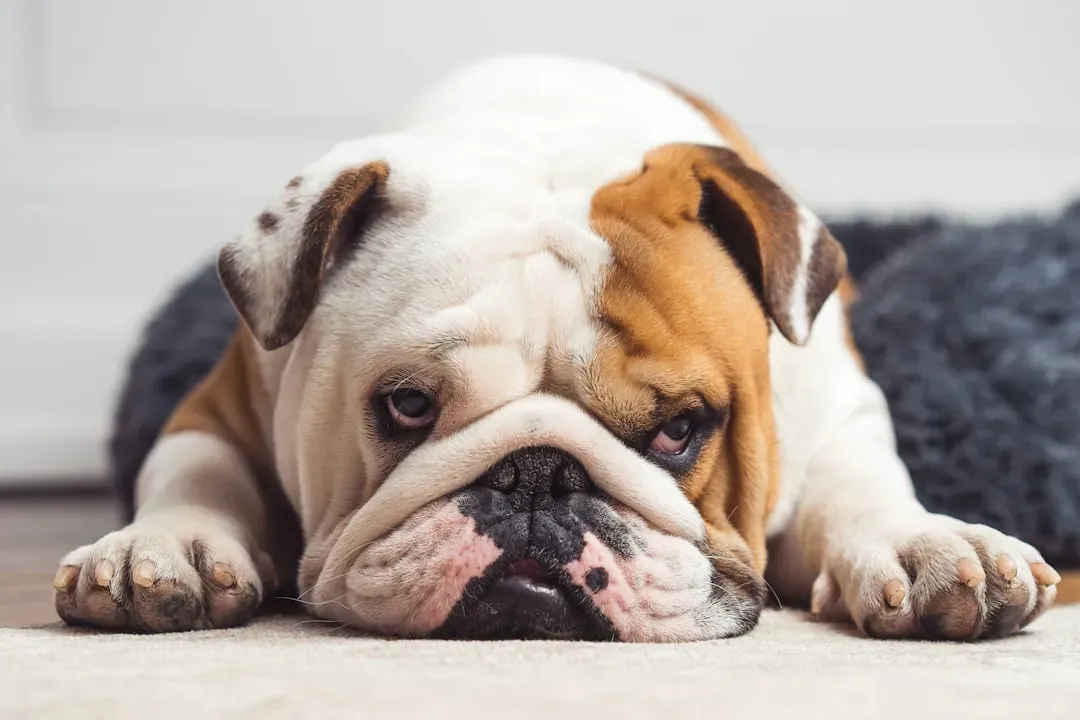
Positions when sleeping show emotional security. Dogs rest on their sides and backs only when feeling safe and loose and not tense. A dog who sleeps in a tight ball may simply be cold, but a dog who stretches out fully or sleeps sprawled on their side is expressing genuine comfort.
Sleeping near you or even touching you while sleeping shows deep trust. Dogs are vulnerable when they sleep, so choosing to rest beside you means they believe you’ll keep them safe. Next time your dog crashes next to you and lets out one of those long, slow sighs before drifting off, know that it means something real.
Sign 6: They Follow You Calmly, Not Frantically
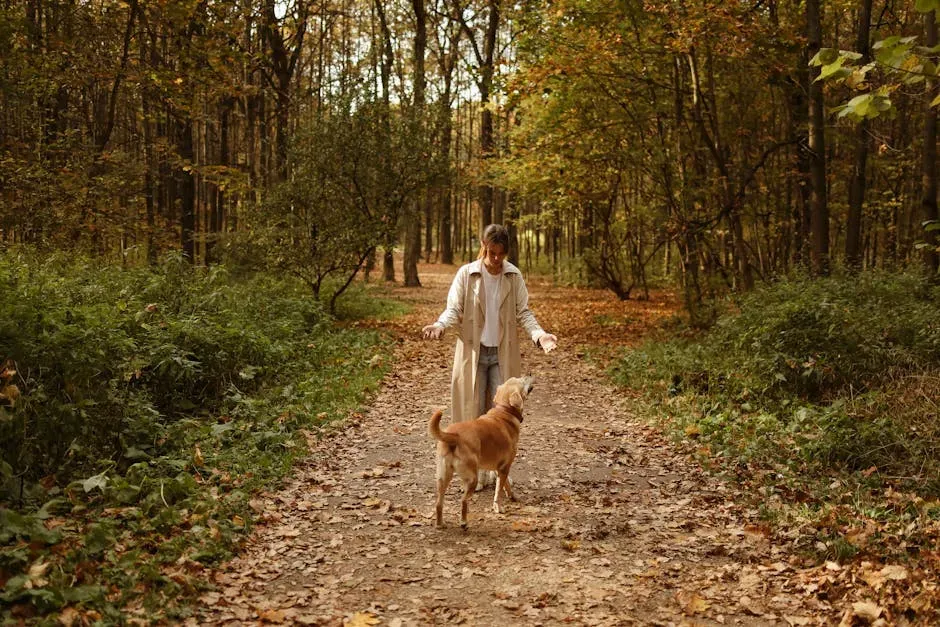
A dog following you without being anxious shows that they trust you, are emotionally confident, and feel that they are in a safe environment. A dog that is not anxious is showing that they are comfortable and it is safe for them to be near you. The “calm” part is key. Relaxed shadowing is different from clingy, panicked following.
You may feel like you have a magnetic pull with your dog, and according to experts, you may be onto something. Dogs will naturally gravitate toward their human when they feel safe and bonded. The distinction between a confident companion and a dog struggling with separation anxiety often comes down to what happens when you leave the room. A secure dog notices but doesn’t unravel.
Sign 7: They Come to You for Comfort When Startled
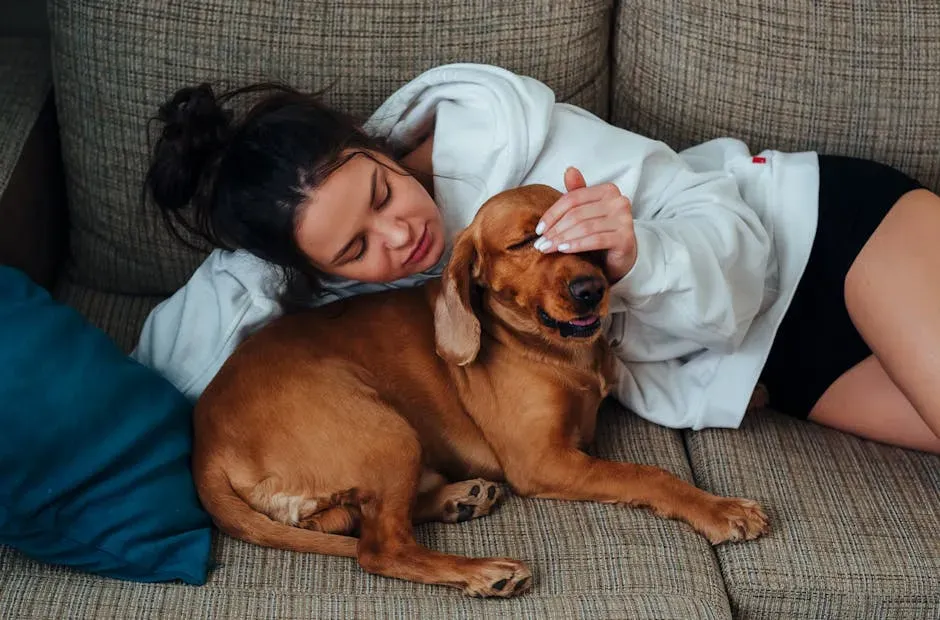
Dogs who feel loved and comforted consider their favorite humans as their secure base, especially when they’re uneasy. When something startles them or feels new, a dog who trusts you will look to you for guidance. Think of it as the canine version of a child reaching for a parent’s hand.
If your dog checks in with you during a walk, looks back at you while exploring, or stays nearby in new situations, it shows they trust your guidance and feel secure. This behavior, sometimes called social referencing, is one of the most reliable indicators of a genuine bond. They’ve decided you’re the one who makes sense of a confusing world.
Sign 8: They Lean Into Your Touch
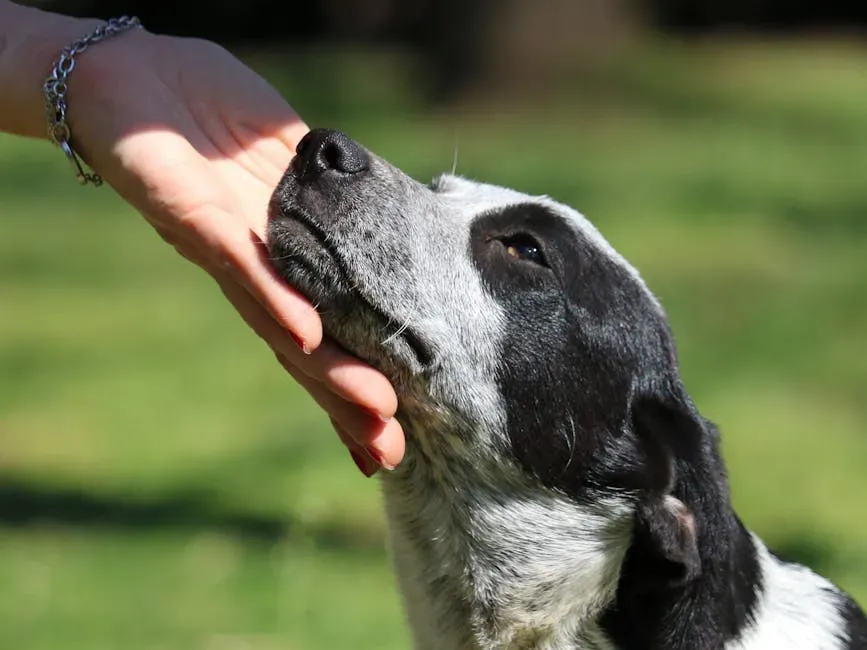
A relaxed dog who enjoys your company is more likely to also enjoy your attention. They may come to you for attention and it’s a good sign if they lean into your hand when you stroke them. A dog who stiffens, turns away, or simply tolerates petting is giving a quieter but equally honest answer.
If your pet seeks your touch, leans on you, rests its head on your thigh, or paws at you, you’ve won. Dogs only willingly engage in physical contact with someone they trust. This is an important tool for building and deepening the bond, which they only use when they don’t feel threatened. Physical closeness chosen freely is entirely different from physical closeness tolerated out of habit.
Sign 9: They Eat, Play, and Explore With Enthusiasm
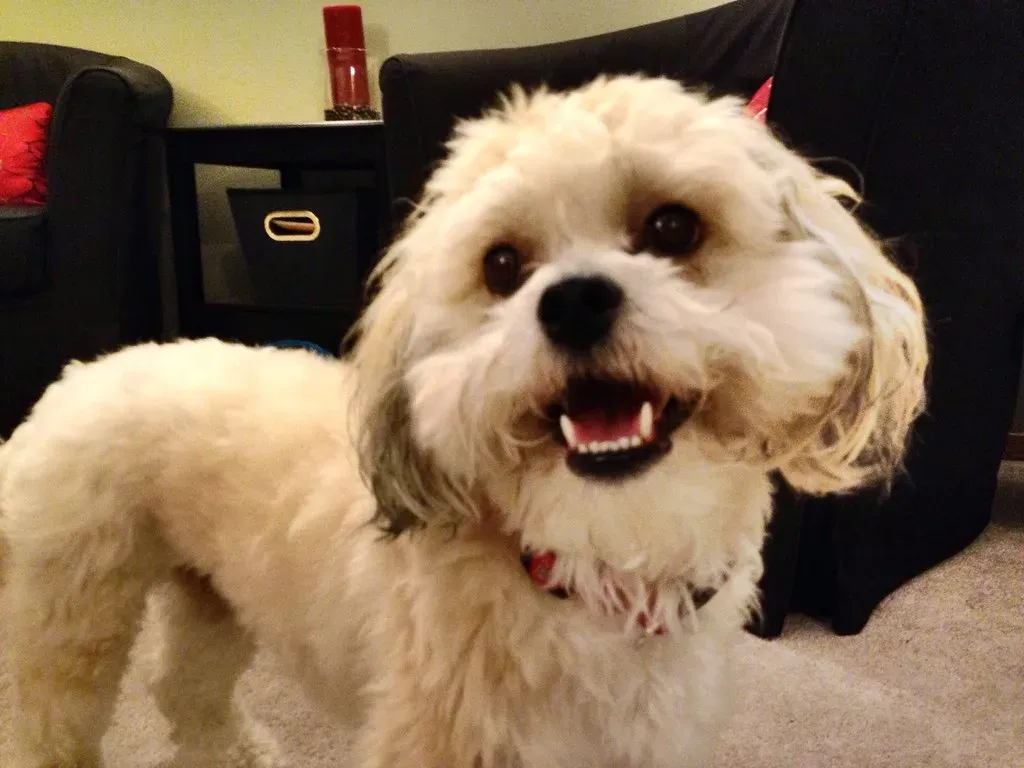
A happy dog is more likely to want to play and leap around. Play “bows” are a great sign your dog is in the mood. A dog who is truly secure in their environment has the mental bandwidth to be curious. They investigate things, engage with toys, and invite you into games.
Dogs that are anxious all the time may become depressed or irritable, sleep more, and may lose interest in food, training, play, and social interaction. So when your dog is the opposite of that, when they’re enthusiastically engaged with life, it’s a meaningful sign. Appetite, playfulness, and curiosity are three of the clearest windows into a dog’s emotional state.
Sign 10: They’re Calm When You Leave
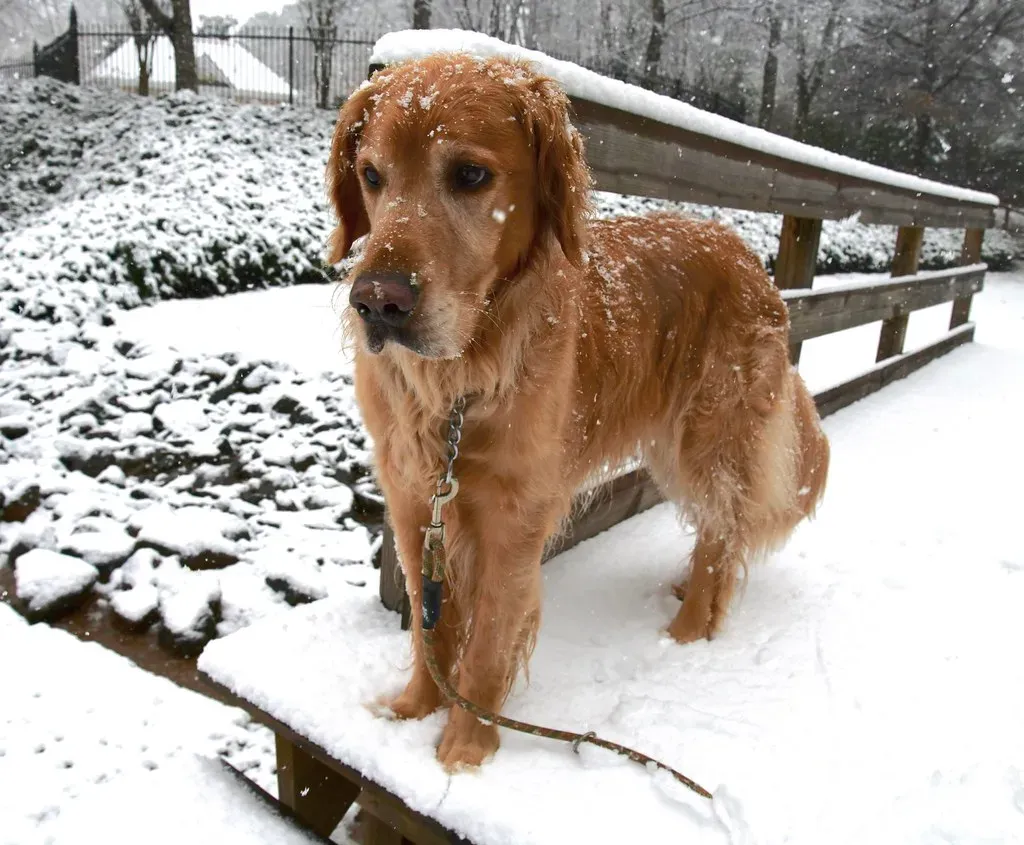
When a dog is relaxed and not stressed about you leaving, it shows that the dog trusts you and is relaxed around you. A dog that is calm and relaxed is often confident in the routines and the return. They may watch you go, maybe even look a little wistful, but they settle. That settledness is security in action.
Removing the anxiety around daily departures not only enhances the emotional stability of the dog, but also builds their confidence through gradual separation and reassurance. A consistent routine plays a significant role here. Dogs who know what to expect, and who have learned through experience that you always come back, are far less likely to spiral when the door closes.
Sign 11: Their Ears and Face Look Relaxed and Neutral
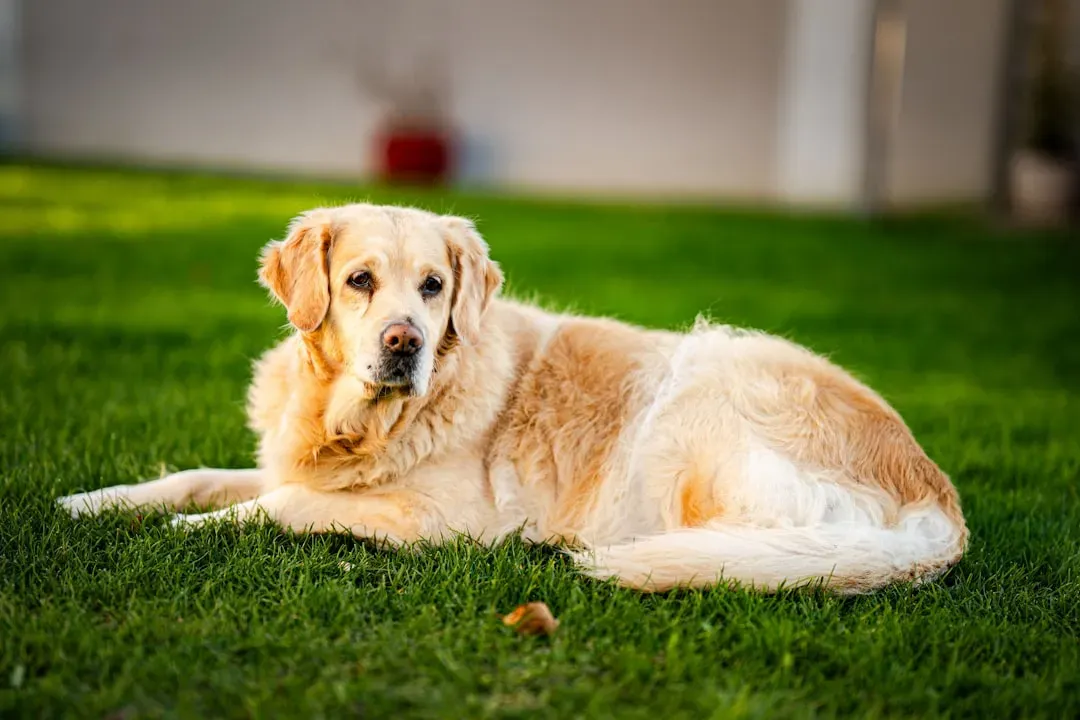
Relaxed ears that are neither pinned back nor overly alert, coupled with soft, squinty eyes, signify a content and secure dog. Ears at neutral, face muscles loose, no tension around the jaw or forehead. Once you learn what relaxed looks like on your specific dog’s face, it becomes easy to spot.
A relaxed dog usually has semi-erect or forward-facing ears, a soft mouth, and round eyes. They will distribute their weight evenly on all four paws. This balanced, grounded posture tells you everything. Their body is not preparing for anything. They’re just being, which is actually the whole goal.
Doubt Sign 1: The Tucked Tail, Pinned Ears, and Cowering Posture
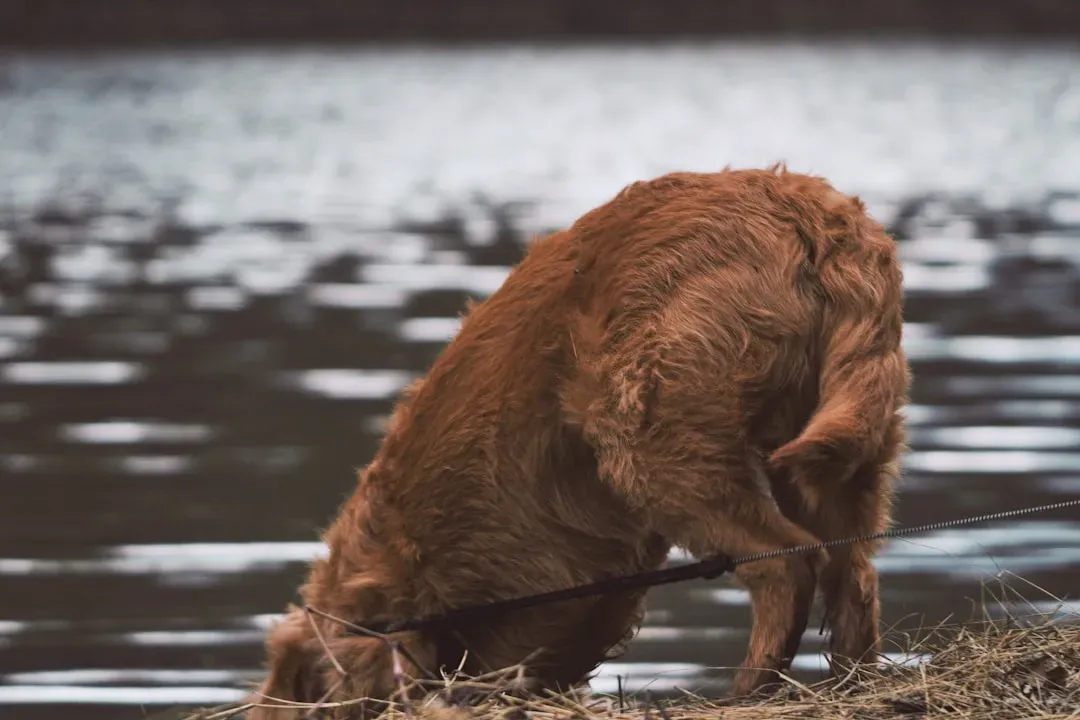
This is some of the most recognisable body language for a dog that is feeling insecure or afraid. Your dog is trying to make itself look smaller and less noticeable. Signs include a low or tucked tail, sometimes held tight against their belly, ears flattened and pinned back against their head, a lowered body posture or slight crouch, and body tension or stiffness.
Tucking the tail is a clear sign they are feeling nervous, scared, or extremely stressed. The tail covers the scent glands, which are often used in confident greetings, and tucking it away is an action of feeling vulnerable. If this posture appears in specific situations, like around certain people or sounds, it’s telling you something important about their experience. Don’t override it. Investigate it.
Doubt Sign 2: Excessive, Compulsive Licking or Displacement Behaviors
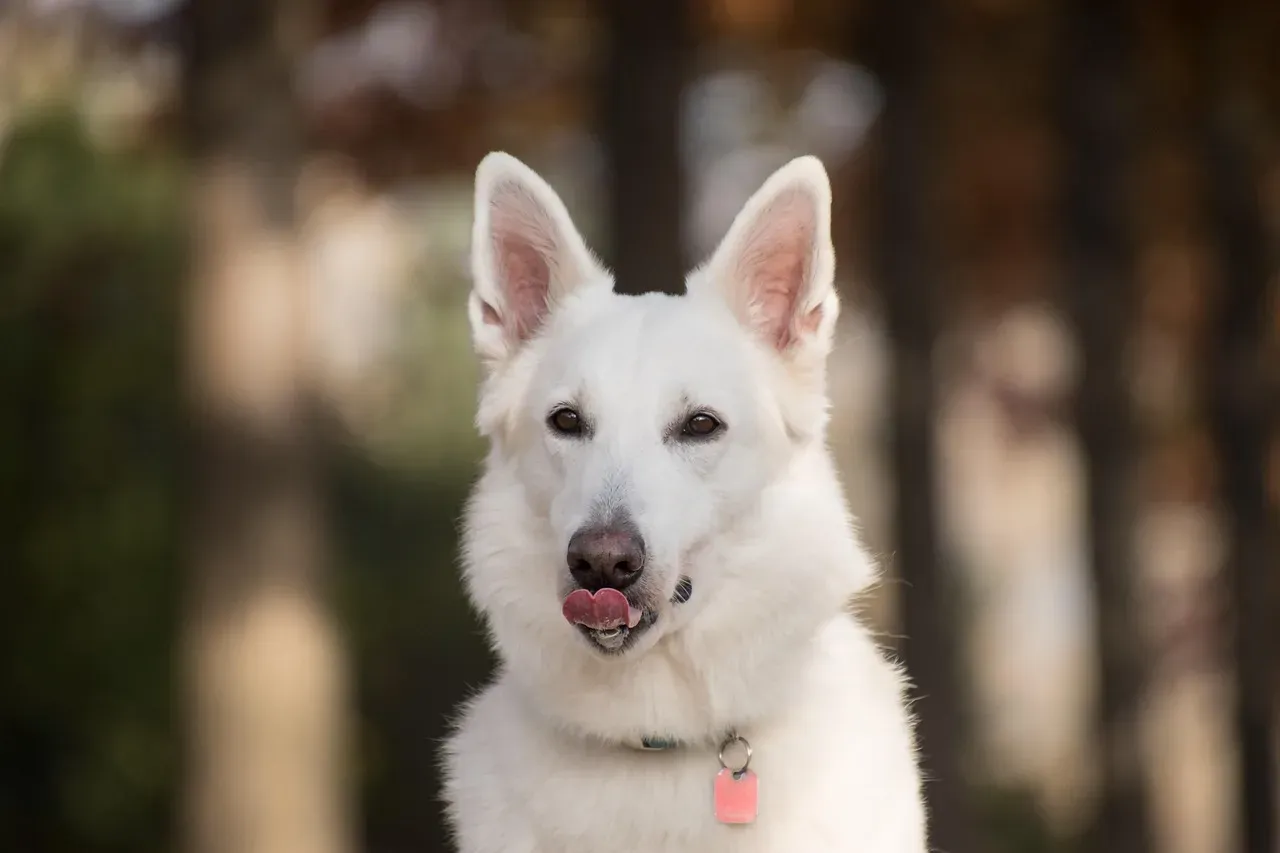
While the occasional lick is normal, constant licking, especially of their paws or your skin, can be a sign of stress or insecurity. Dogs do this to self-soothe, much like a human might fidget or bite their nails. It releases calming endorphins, but it’s also a red flag that they’re not feeling emotionally steady. If your pup suddenly turns into a compulsive licker, it’s worth checking in on what might be making them anxious.
Common displacement behaviors are yawning when not tired, stretching when not stiff, rapid blinking when nothing is in the eye, sneezing when there is nothing bothering the nose, and sniffing the ground or scanning the environment when there is nothing of interest. These out-of-context behaviors are your dog’s version of nervous habits. Noticing the pattern, and the trigger, is the first step toward helping them feel steadier.
Doubt Sign 3: Persistent Hypervigilance or Destructive Behavior When Alone
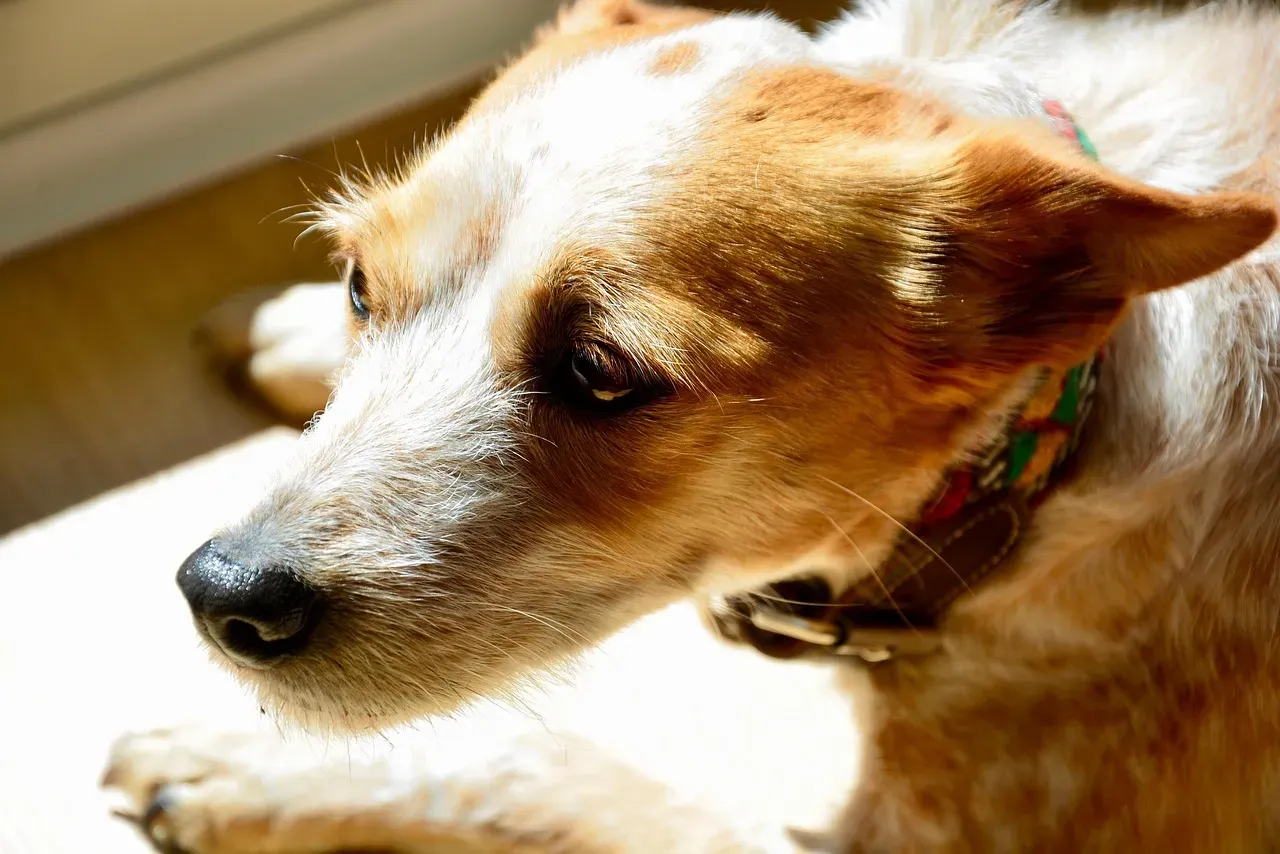
Anxious dogs are worried that something bad is about to happen, so they rarely let their guard down. Some dogs suffer from generalized anxiety and feel like they need to be vigilant almost all the time. A dog who never truly relaxes, who watches every movement and flinches at ordinary sounds, is carrying a real burden.
When anxiety levels are extremely high, especially when left alone, a dog may engage in destructive behaviour. This is the classic sign of Separation Anxiety. Destructive chewing or house destruction is often an attempt to escape or a way to cope with extreme panic at being left alone. They are not doing it to be naughty, it is a symptom of distress. Almost all anxious dogs benefit from positive reinforcement training and increased predictability and consistency in their routine and in interactions. If the problem runs deeper, a veterinary behaviorist can make a real difference.
What to Do When You Spot the Signs of Doubt
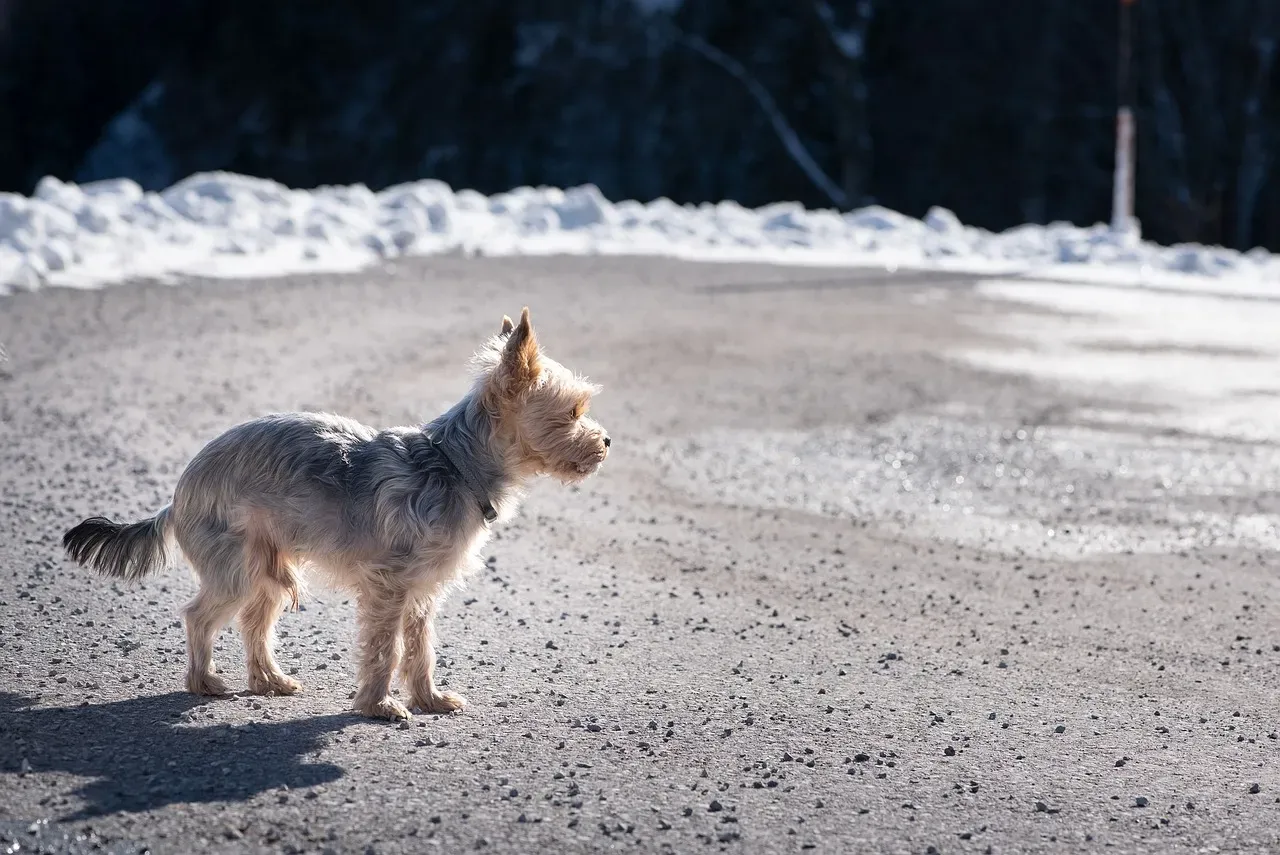
The best way to help an anxious dog is to first schedule a vet visit to check for medical causes, such as pain, inflammation, or disease. If your vet diagnoses a medical issue, they will begin appropriate treatment. You can help an anxious dog relax with positive reinforcement, training, and calming pheromones and supplements that promote calm, balanced behavior.
Just like a predictable routine is comforting to people, knowing what to expect every day helps your dog feel calmer and more open to learning. Consistency is one of the most underrated tools in a dog owner’s kit. Regular feeding times, familiar routes on walks, stable household energy. These small, repeatable things build the sense of safety that lets a dog finally exhale.
Trust between you and your dog doesn’t happen overnight. It develops through consistent interactions, clear communication, and reliable care that shows your dog they’re safe with you. There’s no shortcut to that, and honestly, there doesn’t need to be. The slow accumulation of safe moments is what makes the bond real.
Conclusion: Security Is Something You Build Every Day
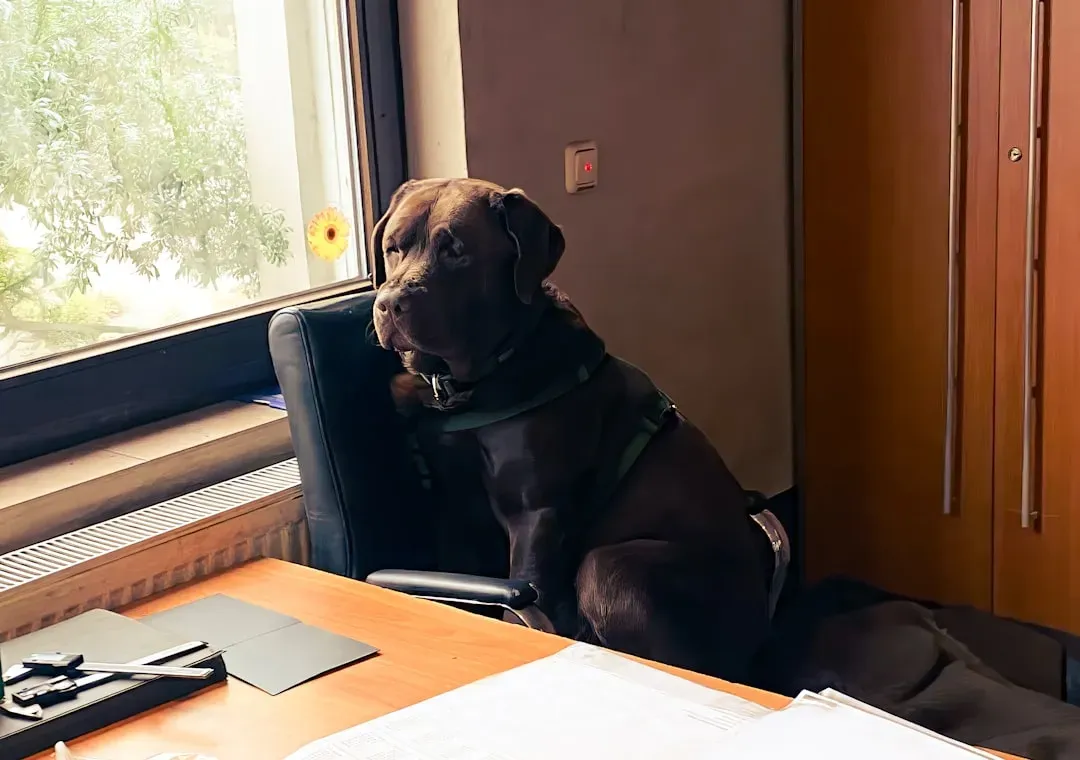
Your dog doesn’t need a perfect home. They need a predictable one. A home where the rules are clear, the touch is gentle, and the person on the other side of the room is someone they can count on. That’s the foundation of everything described in this article.
Most of the signs of security aren’t dramatic. They’re quiet. A soft sigh at bedtime. A tail that wags without tension. A dog who chooses to settle near you not out of anxiety, but out of genuine preference. These moments can slip by unnoticed if you’re not paying attention.
So pay attention. Learn your dog’s baseline. Watch for the signals, both the reassuring ones and the honest red flags. The more fluently you read them, the better you can respond, and the deeper your relationship will grow. A dog who truly feels secure is one of the most rewarding things in the world to share your life with. It turns out, getting there is mostly about showing up the same way, day after day, until they stop waiting for things to go wrong.


