
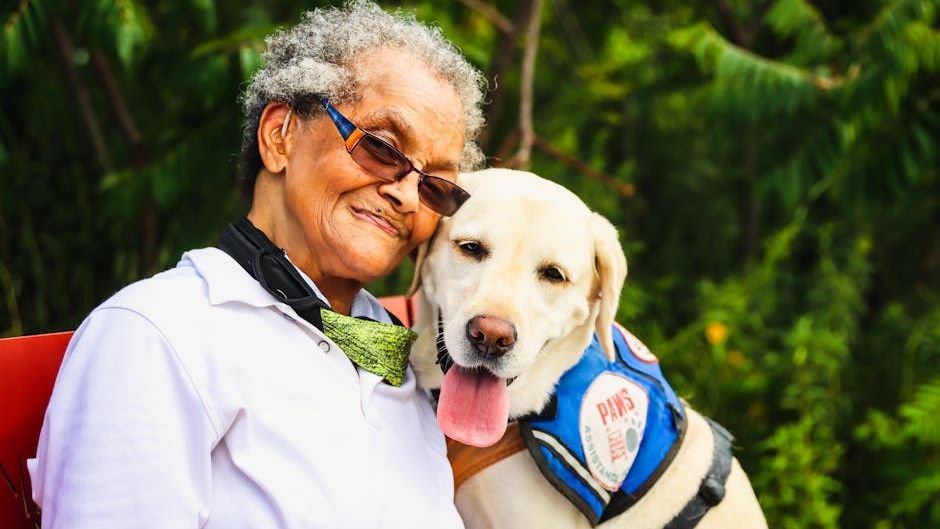
Walk into almost any animal shelter and you’ll notice them right away. Graying muzzles. Calm, patient eyes. A gentleness that younger dogs haven’t quite grown into yet. They wait quietly in their kennels while puppies and kittens bounce around stealing the spotlight. It’s an easy choice to overlook them, but it might also be the wrong one.
According to statistics from the ASPCA Adoption Center, only about one in four senior dogs in shelters gets adopted, compared to roughly six in ten younger canines. The gap is striking. Yet for the people who do open their homes to older dogs, the experience tends to be something they’d never trade. The reasons why are more varied and more personal than most people expect.
They Skip the Exhausting Puppy Phase Entirely

There’s a reason so many first-time dog owners are caught off guard by puppies. The chewing, the accidents, the relentless energy, and the months of training required before you see consistent results can genuinely wear a person down. Senior dogs skip the exhausting puppy training phase entirely. They’re already housebroken and understand basic household rules.
Senior dogs often come with life experience, predictable temperaments, and established manners. Many have lived in homes before and already understand basic commands and household rules. The adjustment is smoother, and the relationship tends to feel more mutual from the start.
Their Personalities Are Fully Formed

Their personalities are fully developed. You know what you’re getting. No surprises about their size, energy, or temperament. That kind of certainty matters more than people often admit when choosing a companion for everyday life.
With a senior dog, there are fewer surprises. Their size and breed characteristics are already established, making it easier for you to pick a dog that fits your lifestyle. If you live in a small apartment, you won’t have to worry about a senior dog outgrowing the space. Their personalities are fully developed, so you can easily find a dog that matches your own temperament.
They Bring a Calmer, More Grounded Energy to Your Home

Senior dogs are generally calmer and more relaxed due to their older age. Families used to living a more relaxed lifestyle, but who still want to add a canine companion, can benefit from choosing a senior dog. That gentler pace is something many households genuinely need.
Senior pets often possess a naturally calmer temperament, with maturity and life experience contributing to a more stable disposition that’s perfect for households with young children or babies. This stability is honestly underrated. Young kids can be overwhelming for hyperactive puppies or kittens, but older pets tend to handle the chaos of family life with admirable patience.
They Can Still Learn New Things
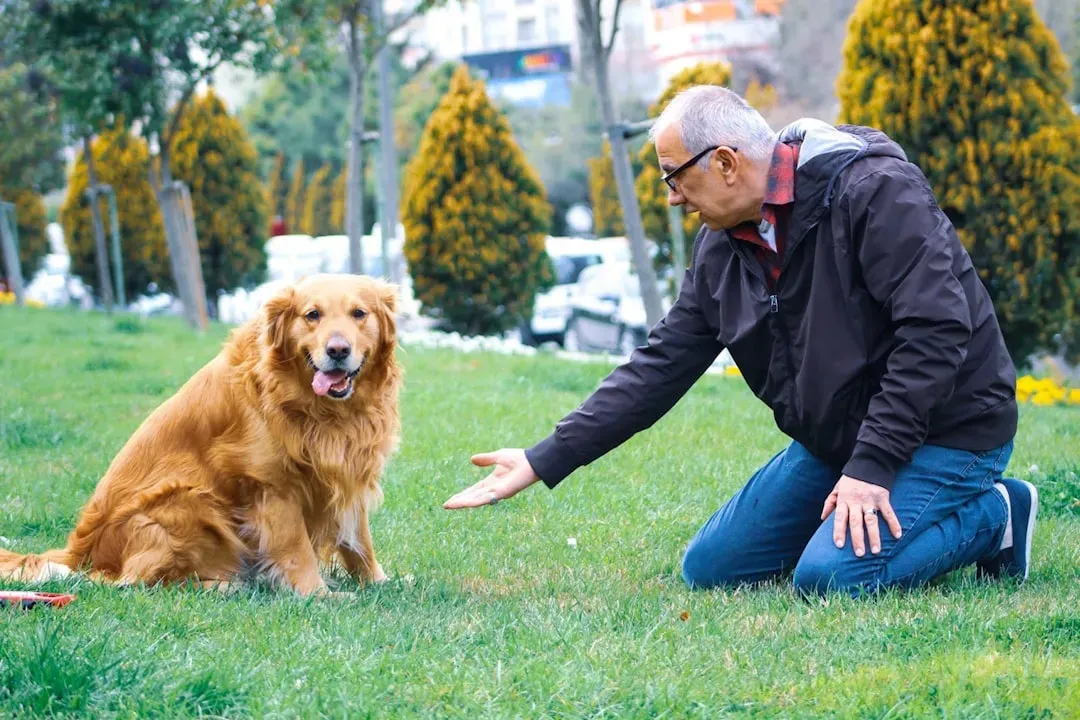
One of the most persistent myths about older dogs is that they’re beyond training. The reality is more encouraging. Counter to popular belief, dogs can be trained at any age. In fact, they can be easier to train because they are calmer and have a greater attention span than a puppy.
Prior training often includes proper socialization, which helps prevent behavioral issues. A senior dog who already grasps the basics is genuinely easier to work with, not harder. Their focus tends to be steadier and their responses more deliberate.
They’re Deeply Grateful and Bond Quickly
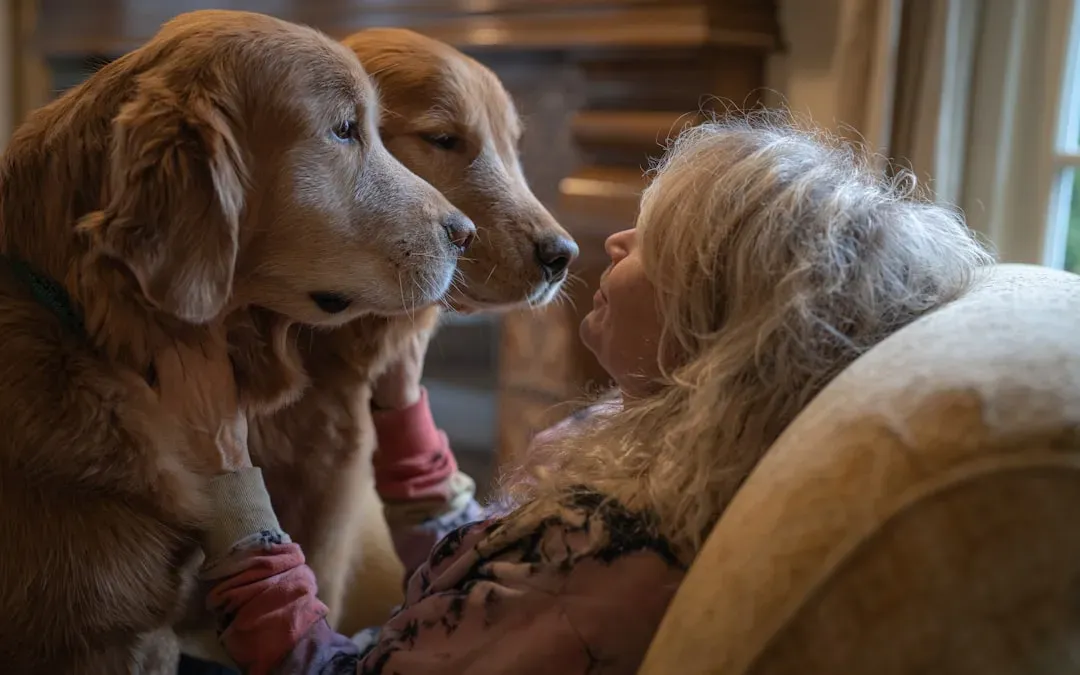
They’re eager to bond with you. Many seem grateful for their new home and show it through steady affection and loyalty. This isn’t romanticizing animals; it’s a quality that many senior dog adopters describe in strikingly similar terms.
Senior dogs often form deep connections with their new families, as if they instinctively know they’ve been given another shot at love and happiness. This is especially true for dogs that have been in shelters for an extended period or those that have gone through traumatic experiences. The emotional intelligence of senior dogs often allows them to sense the mood and needs of their human companions.
They’re Good for Your Heart, Literally

Research has shown that the bond between people and their pets can enhance fitness, reduce stress, and bring happiness to their owners. Health benefits include decreased blood pressure, lower cholesterol and triglyceride levels, and reduced feelings of loneliness, as well as increased opportunities for socialization.
Just the presence of animals significantly improves blood pressure. Pet owners typically have a lower resting blood pressure than people who don’t own pets. A quieter, steady companion beside you on the couch may be doing more for your cardiovascular health than you’d ever guess.
They Ease Loneliness and Support Mental Health
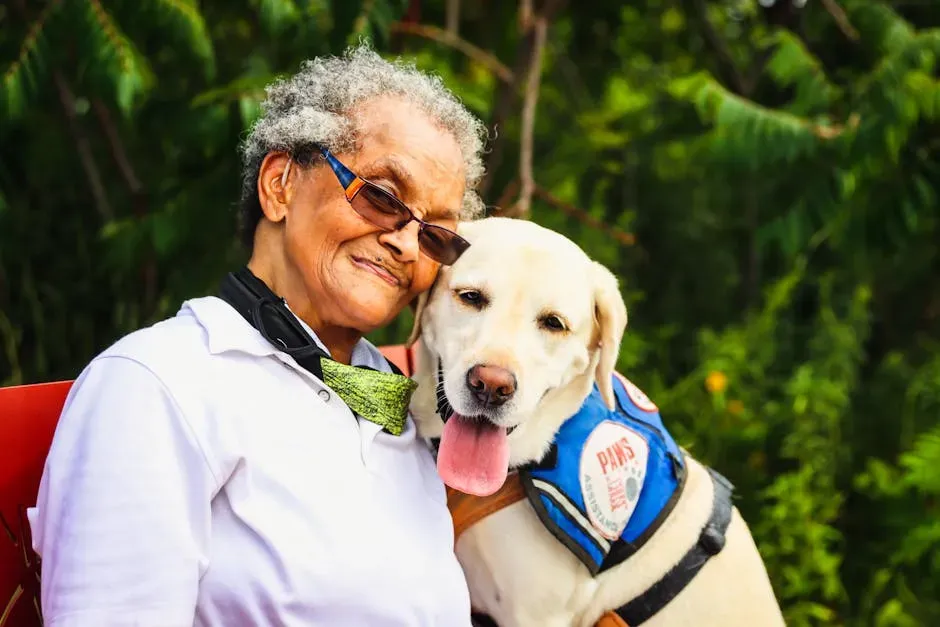
Research findings suggest that the role of pet ownership may benefit community-dwelling older adults by providing companionship, giving a sense of purpose and meaning, reducing loneliness and increasing socialisation. These aren’t trivial effects.
Studies show that interacting with dogs lowers cortisol levels, the stress hormone, and increases oxytocin, the “love hormone.” Simply stroking a dog’s fur can trigger feelings of calmness and relaxation. The particular stillness of a senior dog makes this especially easy to access on a quiet evening at home.
They Help Create Routine and a Sense of Purpose
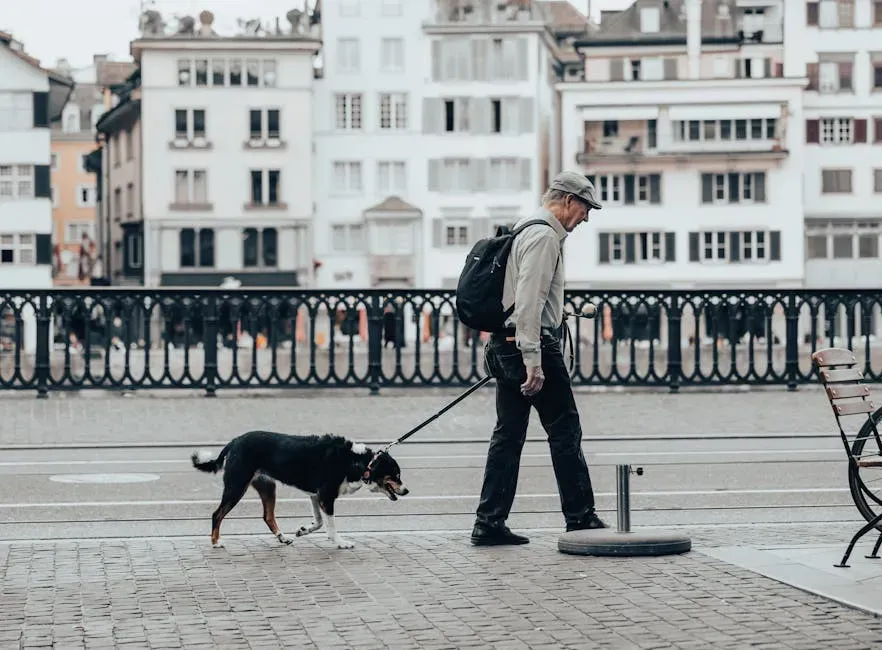
Feeding, exercising and caring for a pet can help you keep to a daily routine, which can help you feel more grounded and focused. It can give your day purpose and a sense of achievement. This effect is often underestimated until you’ve actually experienced it.
Pet ownership can provide essential social and emotional support for older adults. Older adults who own pets report a reduction in stress and loneliness. They also experience an increase in activity and overall quality of life. A senior dog’s lower-key needs fit well with people who want that sense of daily structure without the demands of a high-energy animal.
They’re a Practical Match for Many Lifestyles
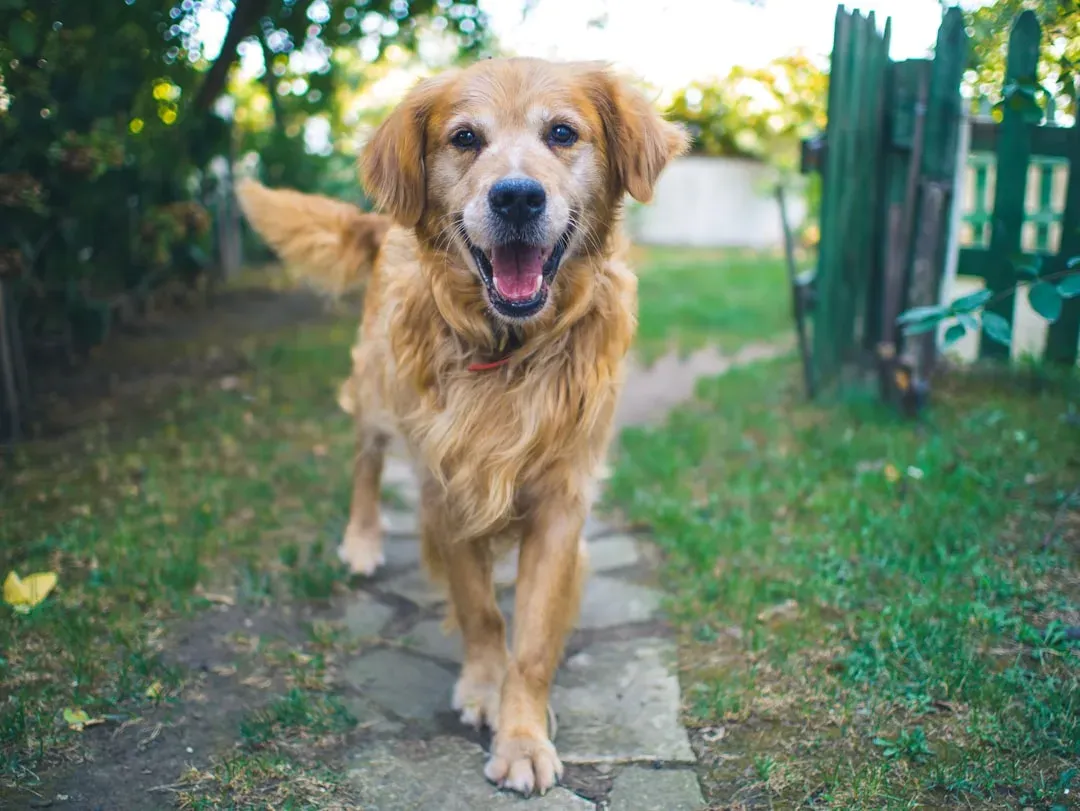
While younger dogs may need multiple long walks and vigorous play sessions daily, senior pets are often content with gentle strolls and relaxed indoor activities. This makes them perfect companions for busy professionals, elderly individuals, or families with limited time for extensive pet exercise.
Many senior dogs sleep more and require lower-impact activity, ideal for quieter households or people who prefer gentler routines. If your life looks more like steady days and quiet evenings than constant outdoor adventure, a senior dog will fit in without friction.
They Often Come Already Vaccinated and Spayed or Neutered
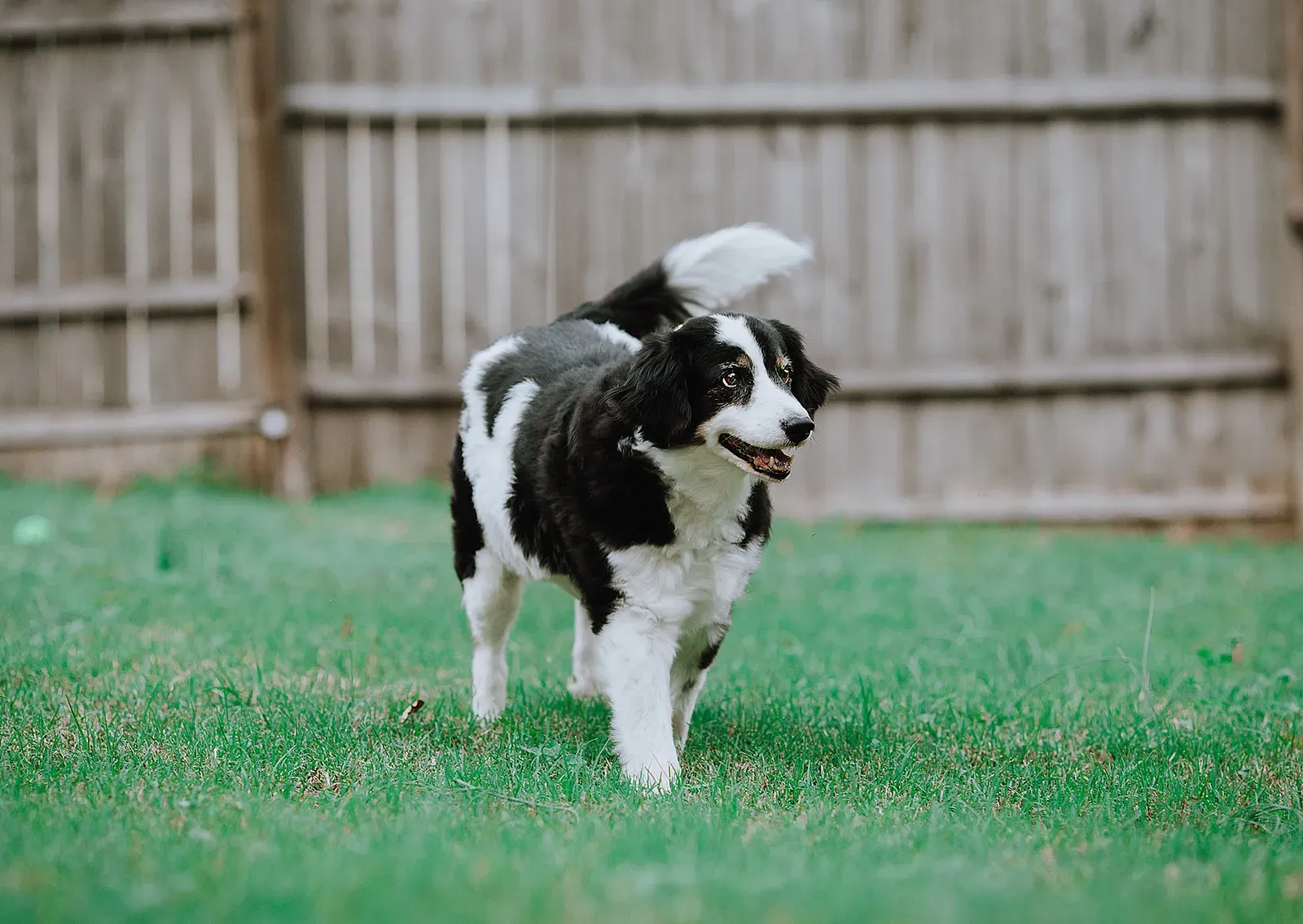
Adoption fees for seniors are often lower. Many have already been spayed or neutered and vaccinated through the rescue. Since their size is stable, you won’t outgrow collars or beds. Those practical savings add up, especially in the first year of ownership.
The adoption process for senior dogs mirrors that of younger pets but often moves more quickly since shelters are eager to find homes for older animals. The process is often less complicated, and the transition into your home tends to be smoother for everyone involved.
They Encourage Social Connection

Dogs encourage us to be more active and outgoing. Daily walks, dog park visits, and training sessions provide opportunities for socialization and connection with other dog owners. This combats loneliness and isolation, fostering a sense of belonging and community.
Dog owners often stop and chat with each other on walks. A senior dog’s calm, approachable presence often makes these moments even easier. People are naturally drawn to older dogs in a way that tends to open up conversation and warmth between strangers.
You Genuinely Save a Life
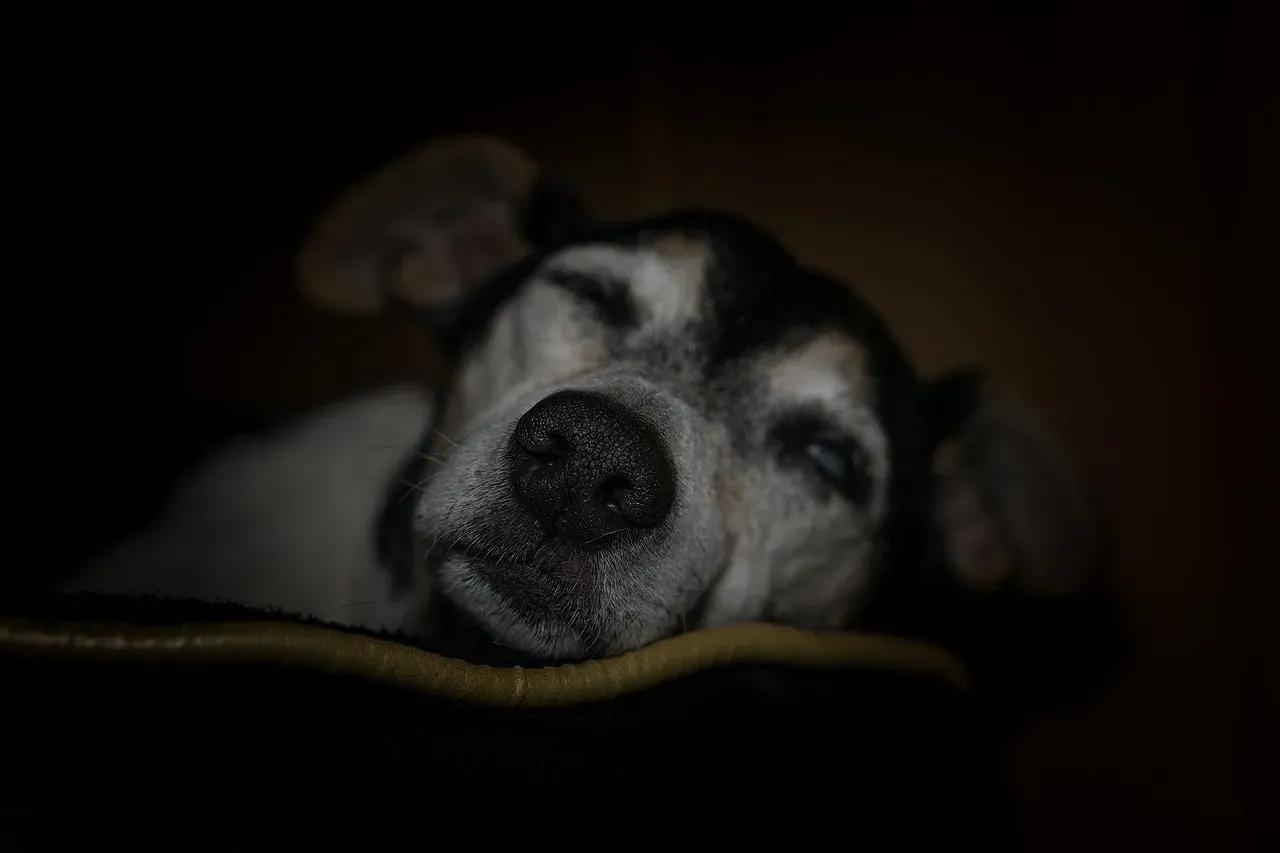
The sad reality is that senior dogs are one of the most at-risk groups in shelters, as they are usually the last to be adopted, spending up to four times longer in a shelter than a younger dog. When unadopted senior dogs remain in overcrowded shelters, the consequences are serious.
When senior dogs remain unadopted, they face the risk of being euthanized at overcrowded kill shelters. A senior dog often radiates appreciation for a second chance. Watching them grow calm and confident in your care can be deeply fulfilling. The act of adoption, in this case, genuinely changes the outcome of another life.
Conclusion
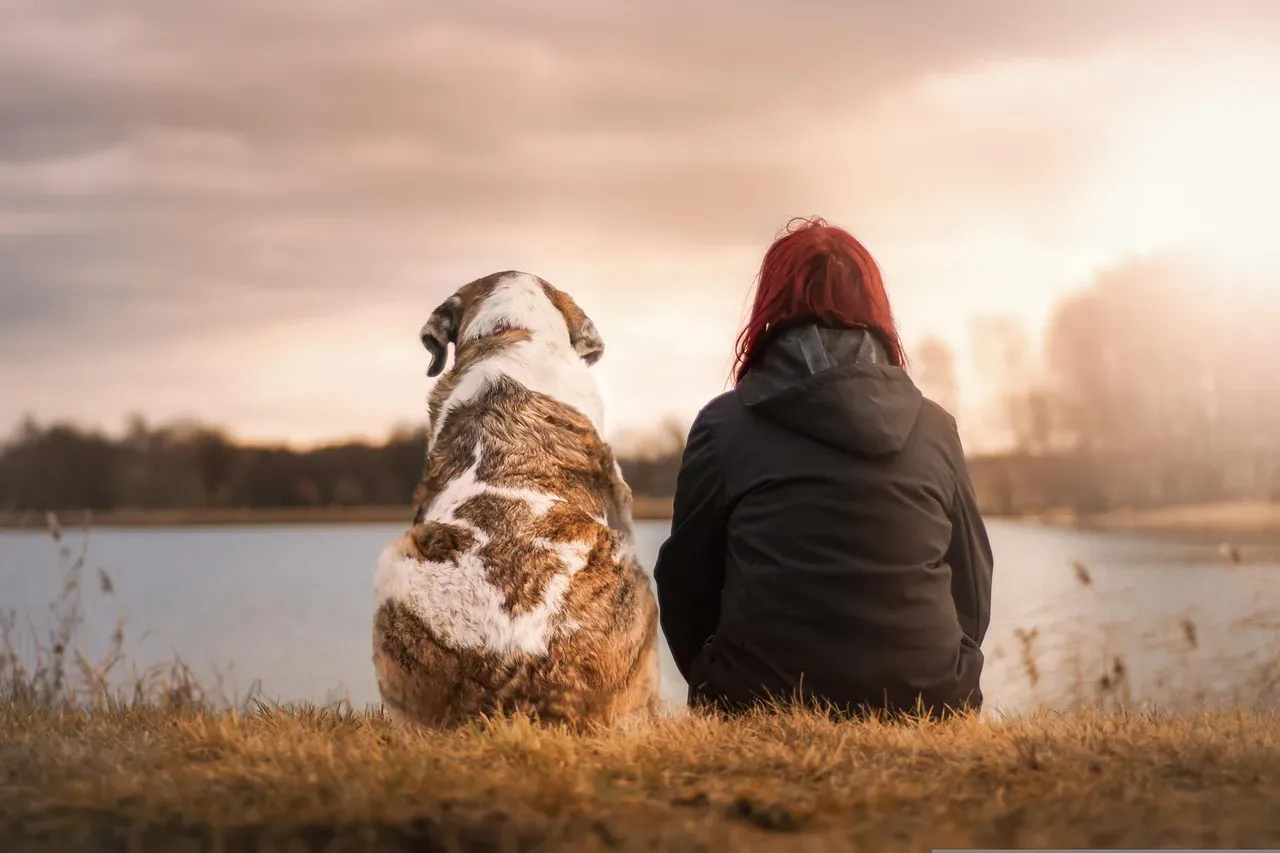
The case for adopting a senior dog isn’t built on sentiment alone, though sentiment is a perfectly valid reason. It’s built on something more grounded: the real, documented effects these animals have on the people who welcome them home. Reduced stress, a more structured day, deeper companionship, and the quiet satisfaction of having offered something meaningful to a creature that needed it.
Most of the barriers people cite, unpredictability, high energy, the effort of training, simply don’t apply to older dogs in the way they do to puppies. Their established personalities, refined temperaments, and deep appreciation for a second chance at happiness offer adopters something truly special: a bond built on mutual respect and understanding.
If you’re on the fence, consider this: a gray muzzle doesn’t mean a diminished capacity for love. If anything, it often means the opposite. These dogs have lived enough life to know exactly what matters, and what matters to them is you.


