
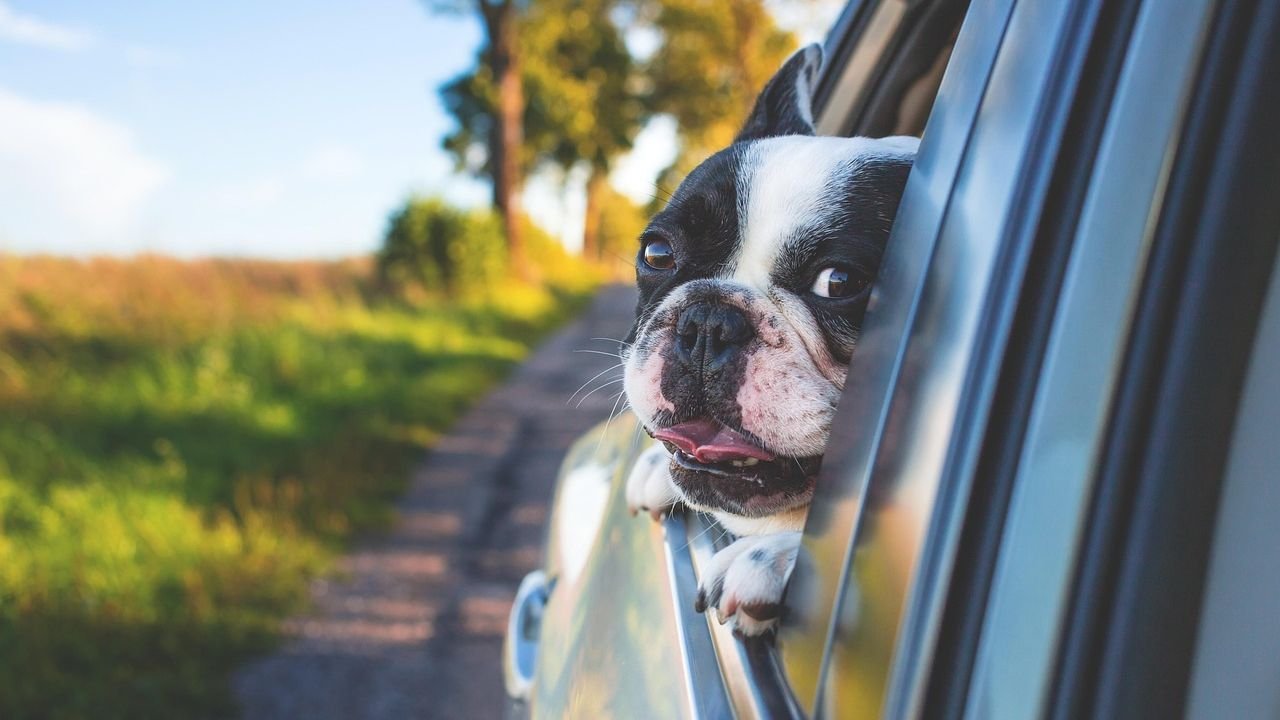
Picture this: it’s 9 a.m. in Orlando, already pushing 88°F, and your golden retriever is lying flat on the cool tile, refusing to budge. You’re not imagining things. Your dog is already feeling the weight of a Florida summer, and the real heat hasn’t even arrived yet.
Florida summers are genuinely different from summer in most other parts of the country. It’s not just the temperature. Florida summers are known for their blazing sun and high humidity, and that combination creates a heat environment that overwhelms dogs far faster than dry heat alone. Unlike humans who can sweat from head to toe, canine companions can only release heat through their paw pads and by panting, and when Florida’s infamous humidity combines with temperatures in the 90s, these natural cooling mechanisms simply can’t cope.
The good news? You can do a lot. This guide covers ten practical, vet-informed ways to help your dog stay safe, comfortable, and genuinely happy through even the most sweltering Florida months.
1. Understand How Your Dog Actually Feels Heat

Before you can help your dog, it helps to understand what’s happening inside their body on a hot day. Unlike humans, dogs cannot cool themselves down very effectively through sweating. Instead, they rely on panting and the limited sweat glands in their paw pads to stay cool. When you’re sweating buckets on a July afternoon in Tampa, your dog is fighting the heat with a comparatively inefficient system.
In Florida’s humid environment, panting becomes less efficient, making heat stress more likely. Think of it this way: panting works by evaporating moisture from the airways, but when the air is already saturated with moisture, that evaporation slows dramatically. When humidity exceeds 60%, panting becomes less effective. An 85°F day with 90% humidity poses more danger than a 95°F day with 20% humidity. That’s a fact worth carrying with you every time you step outside with your pup.
2. Rethink Your Walk Schedule Entirely
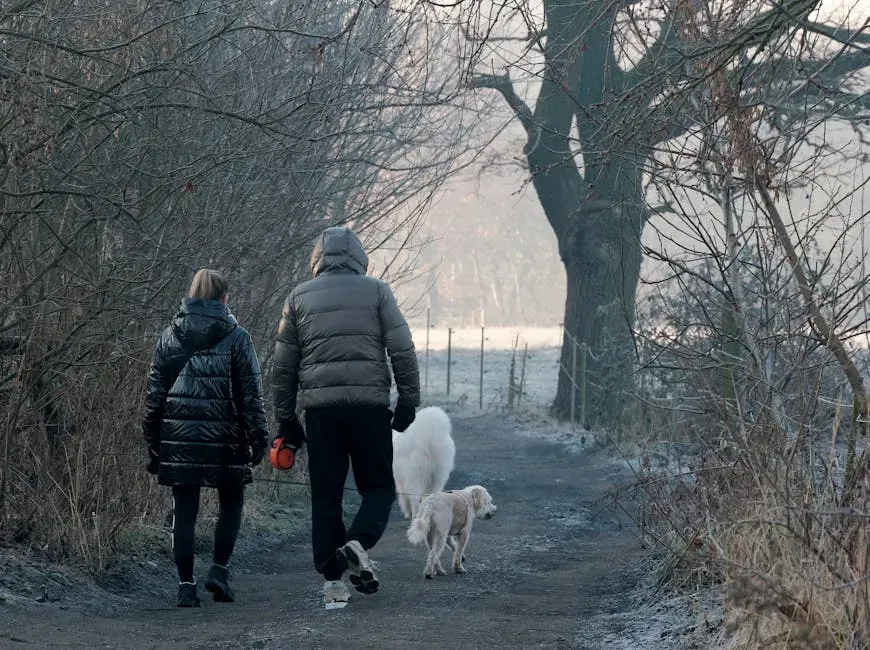
Daily exercise is important, but walks in Florida summers need extra precautions. Avoid walking your pup on asphalt or sand, which can burn paw pads. As much as possible, walk early in the morning or after sunset when temperatures are cooler. This isn’t a minor tweak, it’s a full reset of your daily routine.
Avoid prolonged outdoor activities during peak heat hours, typically between 10 AM and 4 PM. Instead, opt for walks and playtime in the early morning or late evening when temperatures are cooler. A six o’clock morning walk in Florida is genuinely pleasant. A noon walk in August is a health risk, plain and simple. Shift your schedule once, and your dog will thank you with every tail wag.
3. Protect Those Paws from Hot Pavement
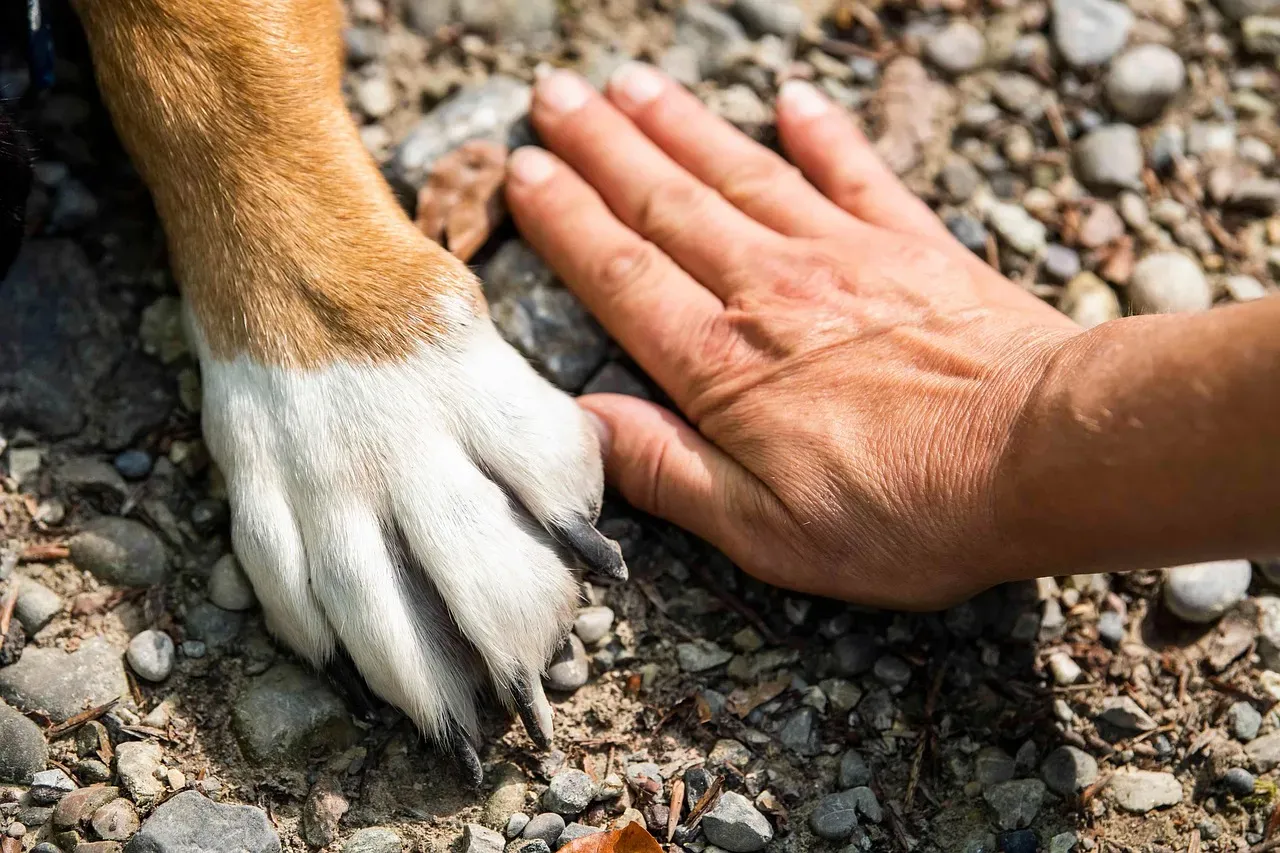
Professional dog sitter Marcia Breithaupt wrote about how deceptively warm weather can turn pavement and asphalt dangerous. On a 95° afternoon in South Florida, she measured the sidewalk at 115°F, and even the nearby grass topped 105°F in direct sunlight. That’s not warm, that’s scalding. Your dog’s paws are making contact with that surface on every step.
There’s a simple field test you should always use. Press the back of your hand to the pavement. If you can’t keep it there for 7 seconds without discomfort, it’s too hot for your dog’s paw pads. Find cooler, shaded routes and grassy paths. If burning pavement is unavoidable, pet parents can invest in dog booties, dog shoes, or paw pad balms, which are all good options, especially during summer when the heat is intense.
4. Keep Hydration Front and Center
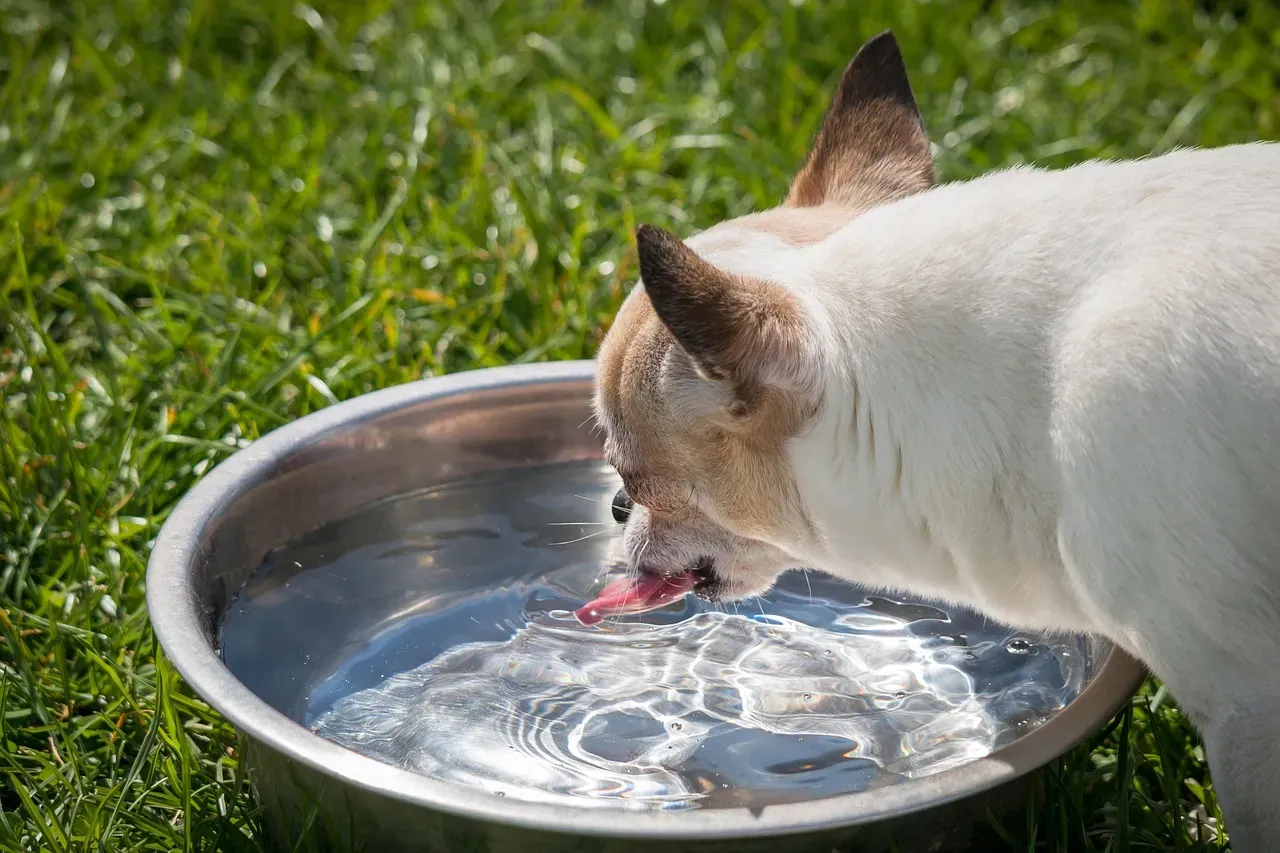
Just like humans, dogs can become dehydrated quickly in the heat. Always provide your pup with access to fresh and clean water, both indoors and outdoors. Consider placing multiple water bowls around your home and carry a portable water container when venturing outdoors. Hydration isn’t just a nice-to-have in a Florida summer; it’s the foundation of every other safety measure you take.
Dogs need approximately 1 ounce of water per pound of body weight daily. In hot weather, this increases to 1.5 to 2 ounces per pound. You can make hydration more appealing too. Consider adding ice cubes to their water bowl to keep it cool throughout the day. Some dogs drink more when their water is cold or moving, so a pet water fountain can be worth trying if your dog seems disinterested in still water.
5. Know the Warning Signs of Heatstroke
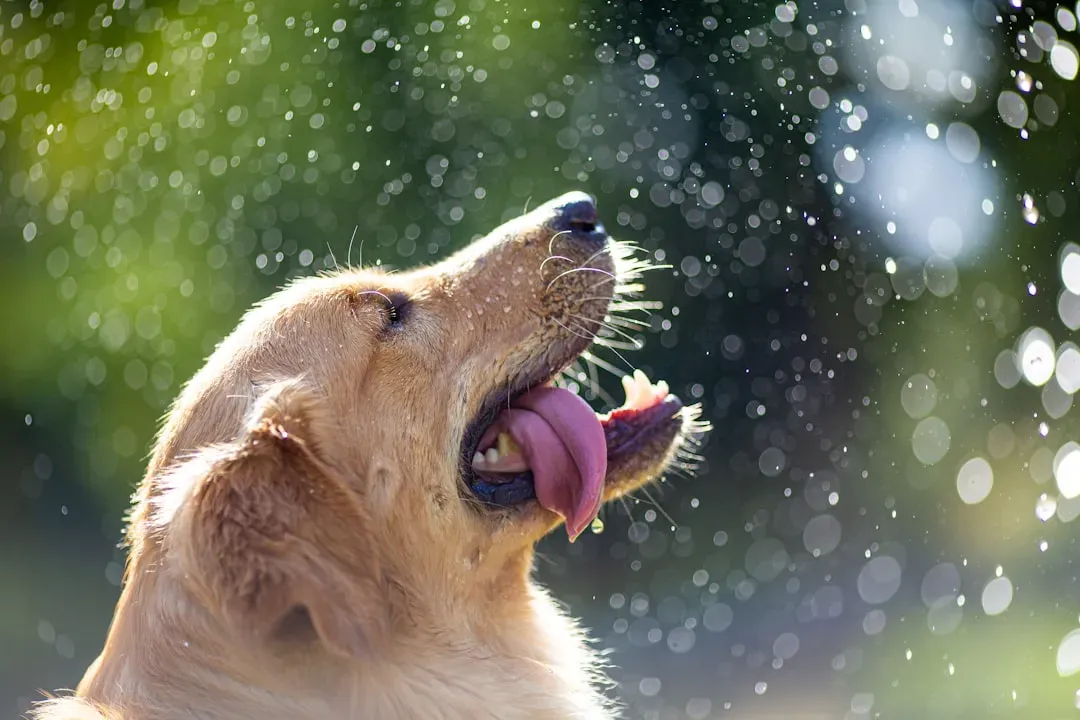
One of the most important things a Florida dog owner can do is learn to read the early warning signs before things turn serious. Heat stress is the first stage, marked by panting, increased thirst, and lethargy. If cooling measures are not instituted and activity ceased, a dog’s temperature will continue to rise and symptoms will progressively get worse. Dogs rarely go from fine to collapsed without some kind of warning first.
Be vigilant for signs of heat exhaustion or heatstroke in your pets, such as excessive panting, drooling, lethargy, weakness, vomiting, or difficulty breathing. If you spot these signs, act immediately: move your dog to a cool space, offer small sips of cool water, and wet their belly and paw pads with room temperature water. Cooling your pet prior to arrival at the hospital has been shown to increase their chances of survival from 50% to 80%. Do not use ice or ice-cold water, as it can restrict blood flow and cause more harm.
6. Never Leave Your Dog in a Parked Car
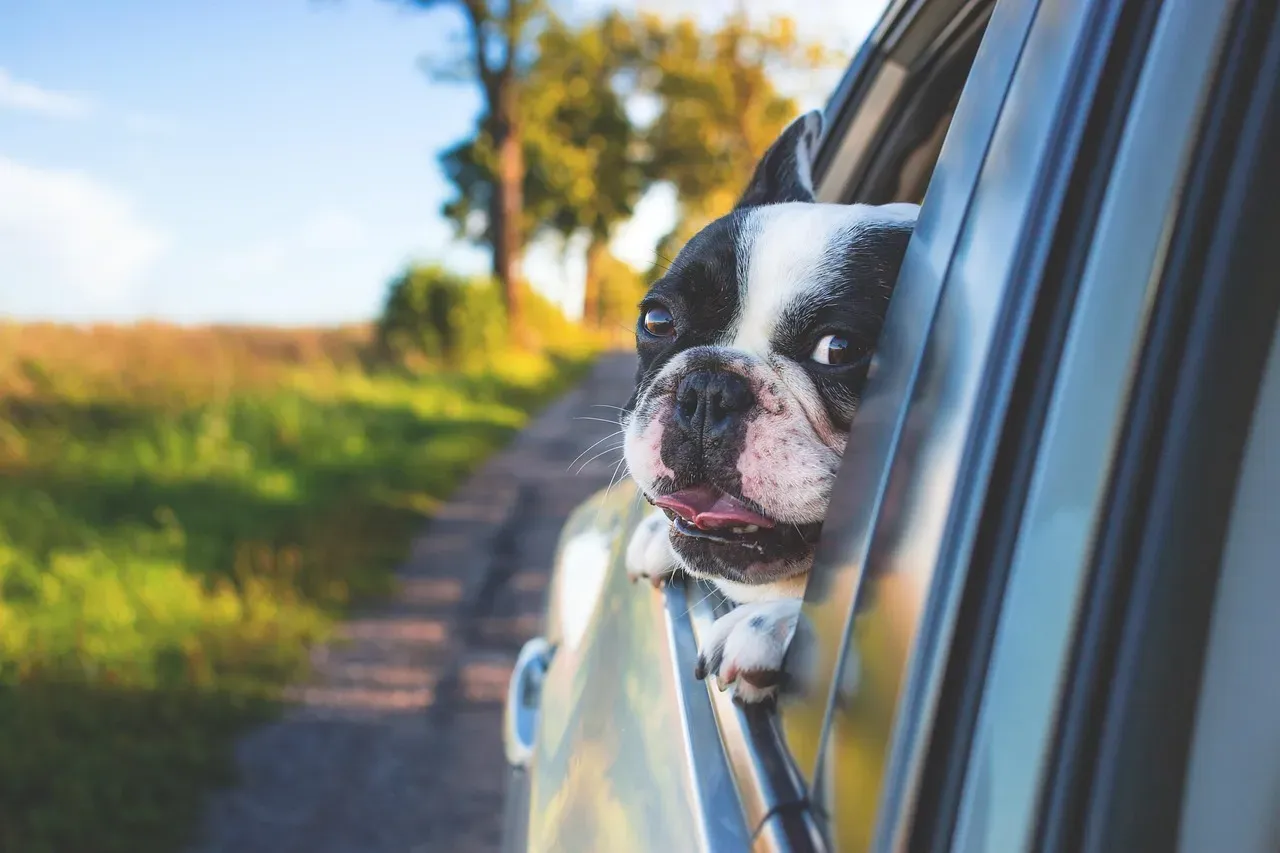
This one bears repeating every single summer. On an 80-degree day, the temperature inside a parked car can reach 100 degrees in 10 minutes. On a 90-degree day, it can reach 110 degrees in 10 minutes and 130 degrees in 30 minutes. This can be fatal. In Florida’s climate, “just a few minutes” with the windows cracked is not a safe option, full stop.
The interior of a parked car can quickly reach dangerous temperatures, even with the windows cracked open. Never leave your pets unattended in a parked vehicle, even for a short period. Heatstroke can occur within minutes and can be fatal. It’s also worth knowing that Florida specifically protects good Samaritans from civil liability when rescuing animals from vehicles, so if you witness another dog trapped in a hot car, you have legal backing to take action.
7. Create a Cool Indoor Sanctuary
Provide your dog with a cool and comfortable place to rest indoors. Ensure proper ventilation and air conditioning to help regulate the temperature. If your dog spends time outdoors, consider setting up a shaded area with plenty of fresh water and a comfortable bed. Your home should function as a proper retreat during the hottest parts of the day, not just a mild improvement over outside.
Consider using cooling mats designed for pets to provide additional relief. These mats absorb and dissipate heat and can be especially effective in keeping pets cool. Some dogs gravitate naturally toward tile or hardwood floors during summer, which is their way of self-regulating. Let them. Many people turn off the AC when they leave the house to save money, but just like a parked car, your house’s interior temperature can rise rapidly on a hot day. If you have to leave your dog at home, keep the AC on, even at a conservative 75 degrees, or set up multiple fans to keep certain areas cool.
8. Groom Smart, Not Drastic
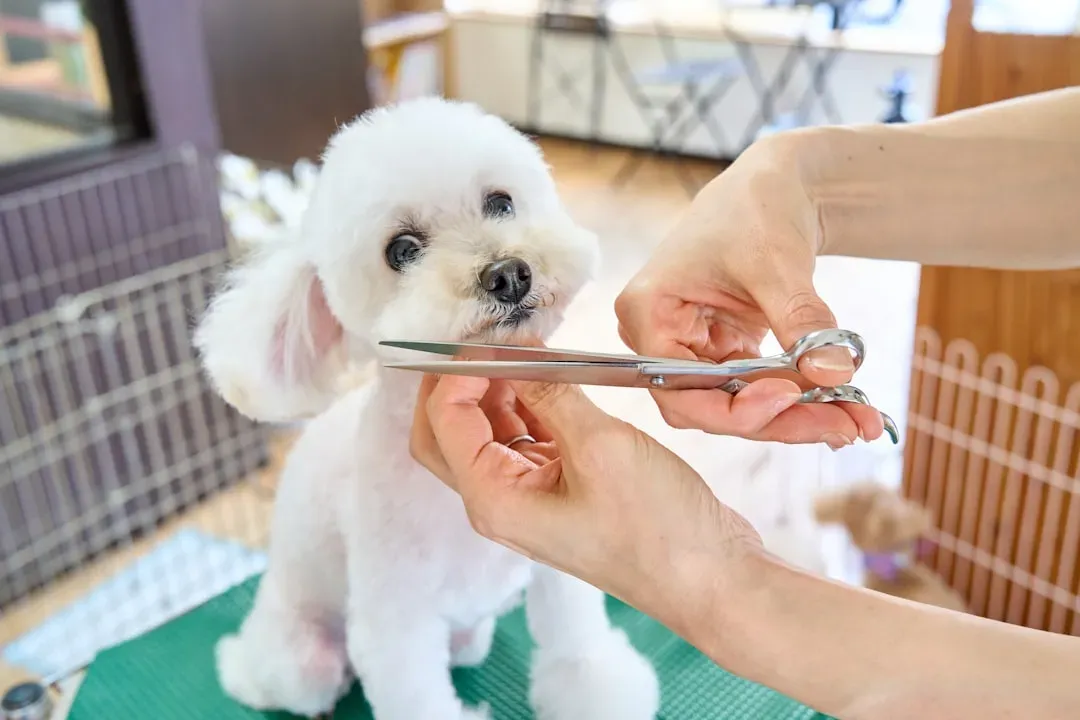
Florida dog owners often assume that shaving their dog will provide relief from the heat. The reality is more nuanced. Regular grooming helps remove excess fur and keeps your dog’s coat clean and breathable. But don’t shave double-coated breeds as it can actually make them less able to regulate temperature. Breeds like Huskies, Golden Retrievers, and German Shepherds carry a double coat that acts as insulation against both heat and cold.
Regular brushing is crucial for dogs, especially in hot weather. Brushing helps remove loose fur, preventing matting and facilitating better air circulation through the coat. For single-coated breeds or dogs with continuously growing hair like Poodles or Shih Tzus, a summer trim to a manageable length is reasonable. Just like humans, dogs can experience sunburn and UV damage. Certain breeds and dogs with lighter-colored coats are more prone to sunburn. Provide shade and shelter for your dog when outdoors and use pet-safe sunscreen to protect exposed areas like the nose, ears, and belly.
9. Try Cooling Gear and Frozen Treats

Consider investing in a cooling vest, bandanna, or collar for the outdoors. These work by evaporative cooling, similar to the way sweat works for humans. One thing to keep in mind for Florida specifically: high humidity levels can reduce the rate at which the water in a cooling vest evaporates, meaning cooling vests likely aren’t as effective for those living in the southeastern U.S. They still offer benefit, just understand they work best when you’re in a breezier environment.
Frozen treats are another layer of comfort your dog will love. You can blend ripe bananas with xylitol-free peanut butter and freeze them in ice cube trays, freeze low-sodium chicken or beef broth into small portions for a savory cooling treat, or offer frozen blueberries or seedless watermelon chunks in moderation. These homemade options are easy to prepare and serve a genuine cooling purpose. Always confirm that any ingredient is safe for your specific dog, particularly peanut butter, which must be xylitol-free.
10. Shift Exercise Indoors and Prioritize Mental Enrichment
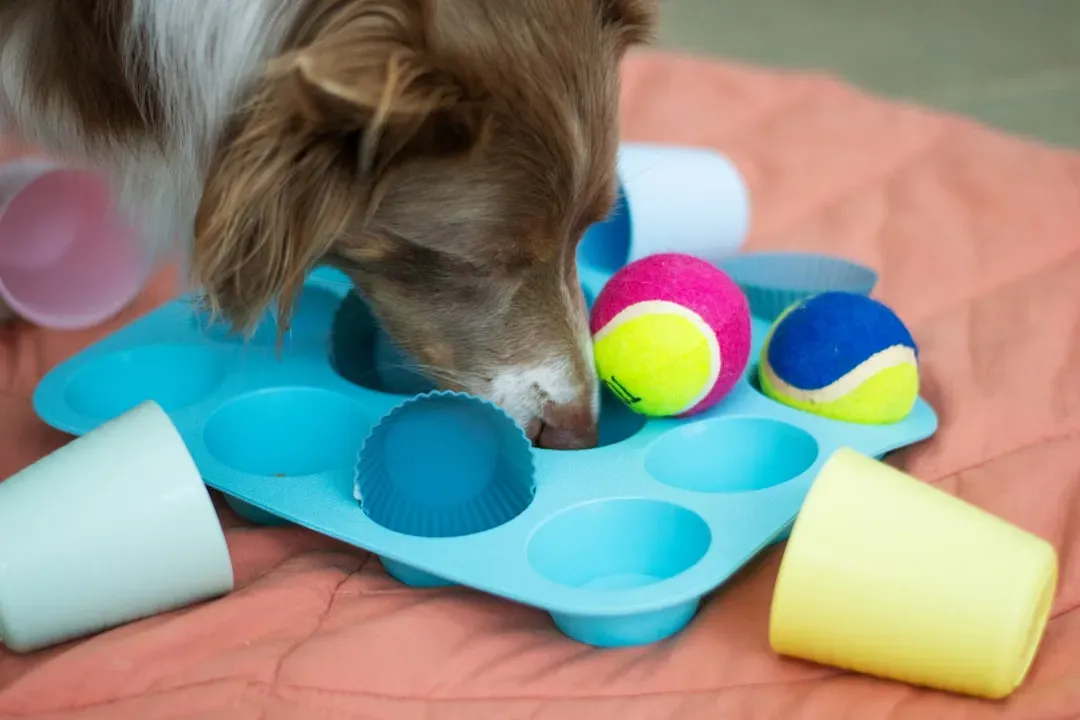
When it’s simply too hot to exercise outside, the answer isn’t to skip stimulation entirely. Physical exercise isn’t the only way to tire out your pup. Mental stimulation games like scent tracking, puzzle feeders, and obedience exercises keep your dog’s mind sharp without overheating. Hide treats, teach new tricks, or reinforce basic commands. A mentally worked dog is just as tired as a physically worked one, sometimes more so.
Puzzle toys are designed to provide mental stimulation, reduce boredom, and help prevent destructive behaviors. They engage a dog’s instincts to sniff, chew, lick, and problem-solve. You can also bring outdoor energy inside with tug-of-war, hide-and-seek games, or scent trails through the house. If indoor enrichment inside your house isn’t quite cutting it, taking your dog out for an indoor walk can be a great way for them to experience new sights and sounds. You can take your dog to the pet store or other businesses that allow dogs inside. A change of scenery in the AC is its own kind of enrichment.
Conclusion: Summer in Florida Is Manageable, Together
Florida summers are long and they’re fierce. But they’re also predictable, and that’s actually good news for dog owners. You know the heat is coming, which means you have every opportunity to prepare for it. Adjust the walk schedule. Stock the freezer with dog-safe treats. Check the pavement with your hand before every outing. Know the signs of heatstroke cold.
Your dog doesn’t understand why the world feels so much harder in July than it did in December. They’re just living in the moment, trusting you to read the situation. Florida is a great place to live with a dog, but it requires a different heat-safety mindset. If something feels “off” on a warm, humid day, trust that instinct. Start cooling, call for help, and let your veterinarian decide what care is needed next.
That instinct, combined with a little preparation, is what keeps your dog safe all summer long. The tail wags at the end of a well-managed hot day are worth every bit of the effort.


