
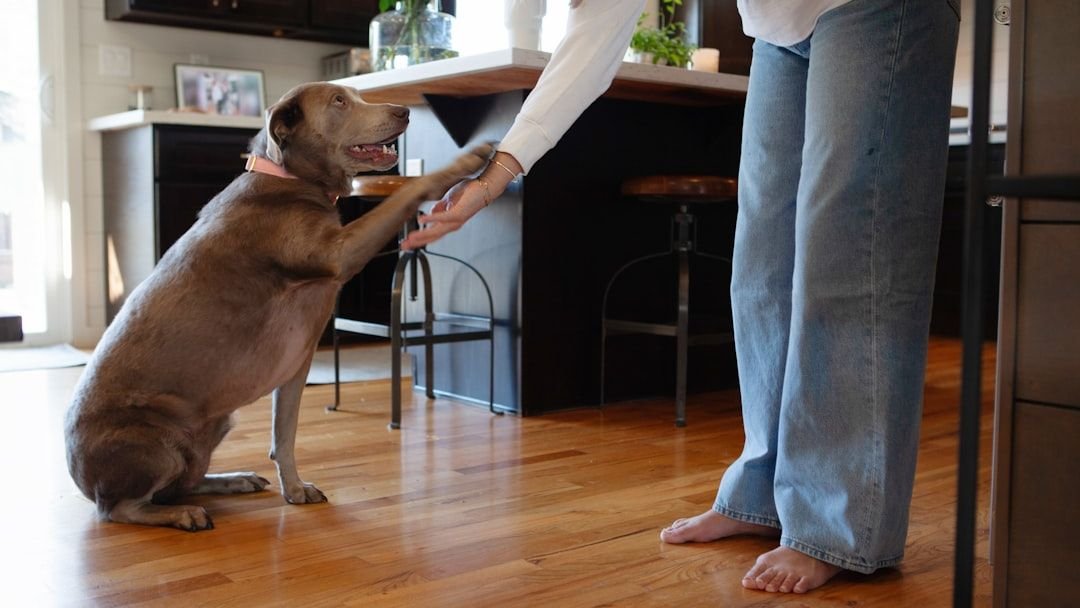
Picture this: you call your dog’s name, and he strolls over on his own schedule, glances at you sideways, then flops onto your lap – completely unbothered by the fact that you’ve been asking him to sit for the past five minutes. Sound familiar? You’re not alone. Millions of dog owners live in households where the dog has quietly taken the wheel, not out of malice, but simply because no one else stepped up to drive.
Regardless of breed, every dog is looking for a leader. Even a lap dog wants to know whom she has to listen to, and dogs genuinely need their humans to guide them, channel their energy, and protect them. The good news? Establishing yourself as the pack leader applies regardless of your dog’s age, breed, or history – and doing so will not only build a stronger connection for you, but will actually lead to a happier, healthier, and less stressful life for your dog as well.
These ten expert-approved tips will help you earn that trust and respect – not through fear, force, or frustration, but through clarity, calm, and consistency.
1. Understand What Being Alpha Actually Means
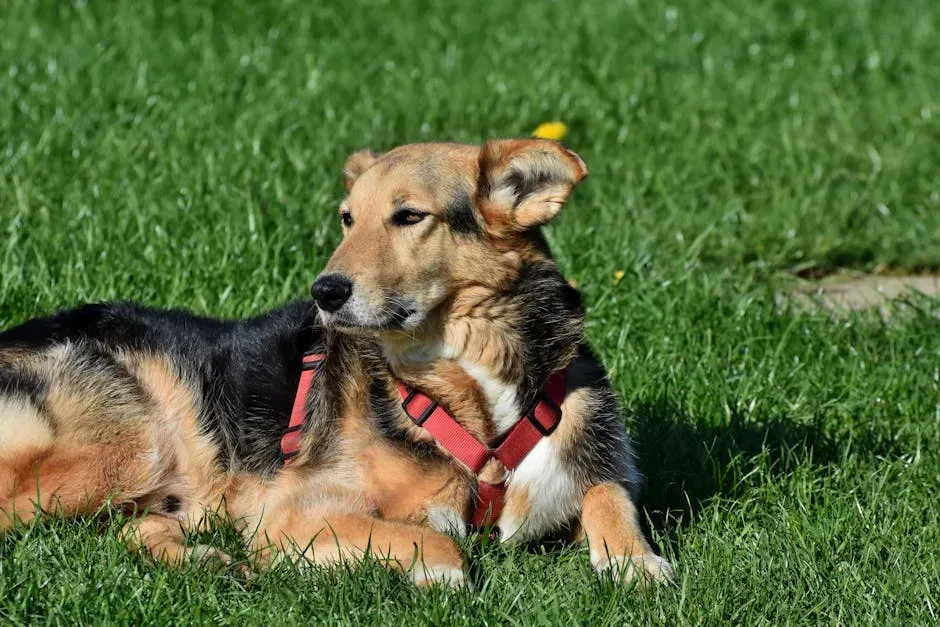
Before you can become an effective leader, it helps to know what the word “alpha” actually means in 2026. The old image of a dominant human physically asserting control over a cowering dog is not only outdated – it’s counterproductive. The idea of a “pack leader” is often misunderstood. Being a pack leader doesn’t mean using dominance or intimidation – it means being a calm, confident presence your dog can rely on. When dogs sense stable leadership, they’re more likely to listen, follow directions, and feel safe.
Being the pack leader does not mean being a bully. Leadership is most often carried out in silent confidence, resource control, and having the ability to give direction and follow through. Think of it less like a drill sergeant and more like a trusted parent. A pack leader is concerned for the pack, not for himself. The pack leader’s natural instincts are protection and direction for the entire pack – it’s an unselfish role, just like human parenting.
2. Project Calm, Confident Energy
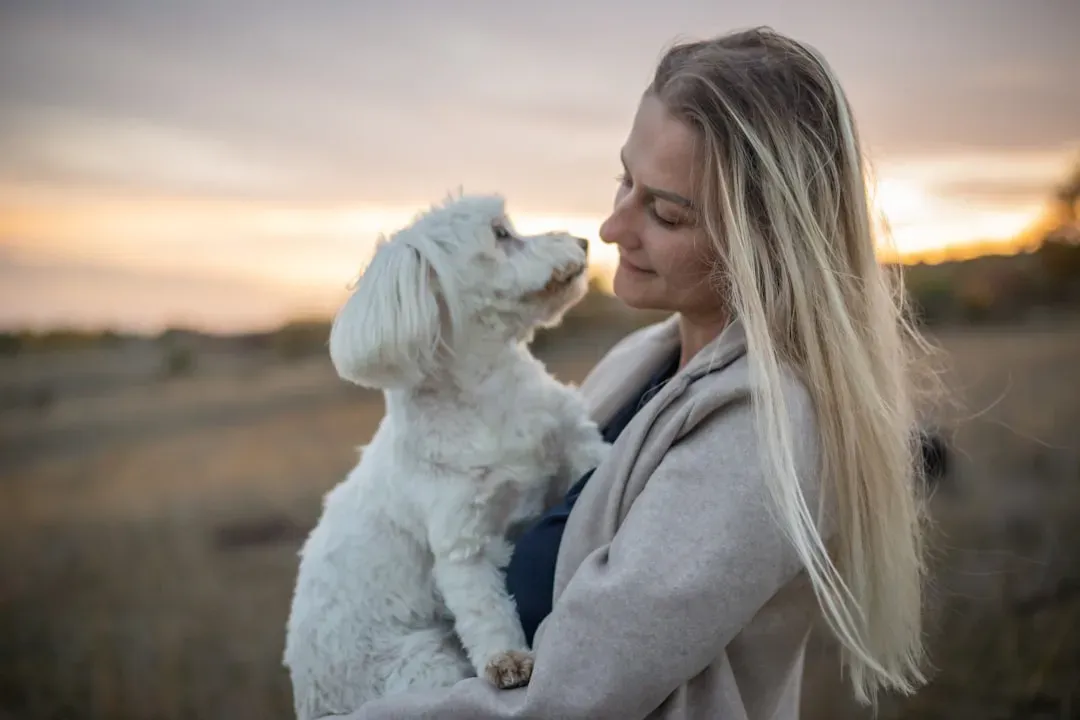
Dogs are remarkably skilled emotional readers. They pick up on tension, anxiety, and hesitation faster than you might expect, and they respond to it. Being an effective pack leader starts with your own energy – dogs respond more to how you act than what you say. If you walk into a room flustered and raising your voice, your dog won’t feel secure. They’ll feel uncertain, which often leads to acting out.
When your dog challenges or disobeys you, control your emotions and actions because dogs rely on body language. If your dog sees you unstable or unbalanced, it becomes a window for them to take over. It’s essential to remain calm and assertive at all times. A slow, deliberate approach, a firm but relaxed tone, and steady posture communicate far more authority than any shouted command ever will.
3. Establish a Consistent Daily Routine

Structure is not a luxury for dogs – it’s a necessity. When learning how to be the alpha, routine is key. Animals thrive when they have a fixed schedule. It helps to soothe anxiousness because they know what to expect from day to day. Try to establish a routine for daily walks, meals, and even bedtime.
Sticking to routine means following a schedule and being repetitive. A leader should not be functioning in a haphazard way – the alpha gets to decide the routine and stick to it. Have fixed times for meals, potty breaks, walks, training sessions, play, and nap time. When your dog knows that dinner comes at 6 p.m. and walks happen at 8 a.m., that predictability itself is a form of leadership. Having a routine gives the dog a feeling of security, and they will look to you as the alpha for providing the protection and care they need.
4. Control the Resources Your Dog Values Most
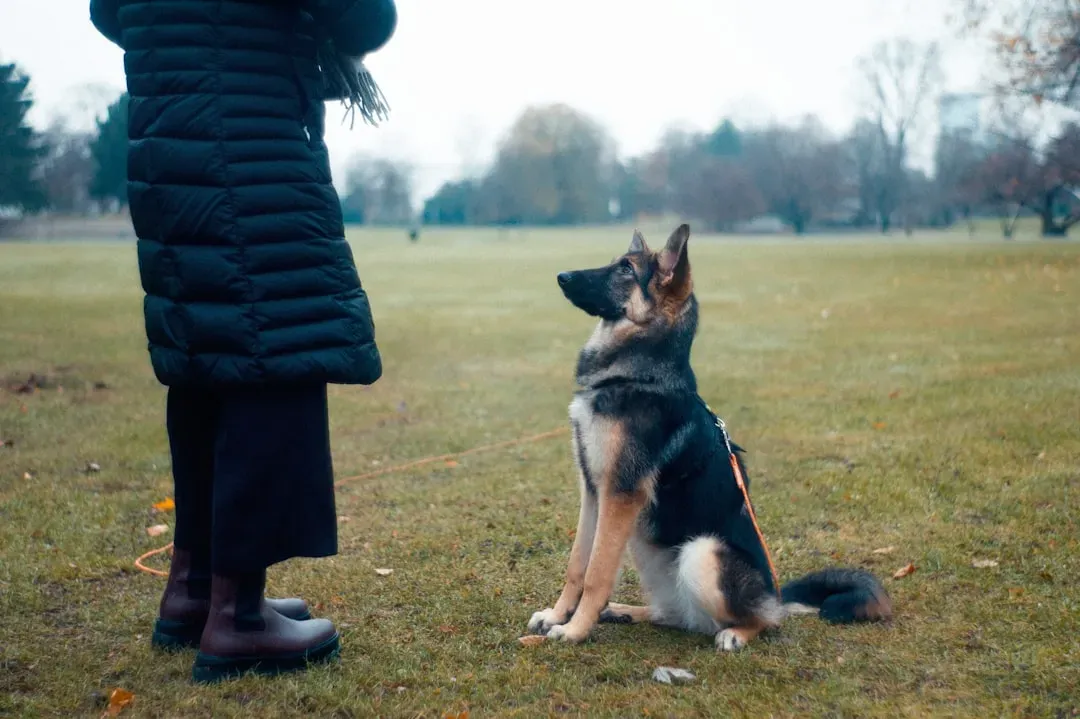
One of the clearest ways to establish leadership is through what trainers call “resource control.” In modern dog psychology, true leadership is about resource control. The most effective way to establish your status is by controlling the things your dog wants – food, affection, and freedom. Professional trainers often refer to this as the “Nothing in Life is Free” (NILIF) method.
Keeping control of certain resources in the home can help your dog with manners, such as waiting quietly for their food. You should also minimize the amount of human food they have access to and avoid feeding them at the table – it’s bad for their health and encourages begging. In practice, this means your dog sits calmly before the food bowl goes down, waits at the door before heading outside, and receives affection on your terms. Small rituals, consistent every day, add up to a very clear message.
5. Master the Daily Walk
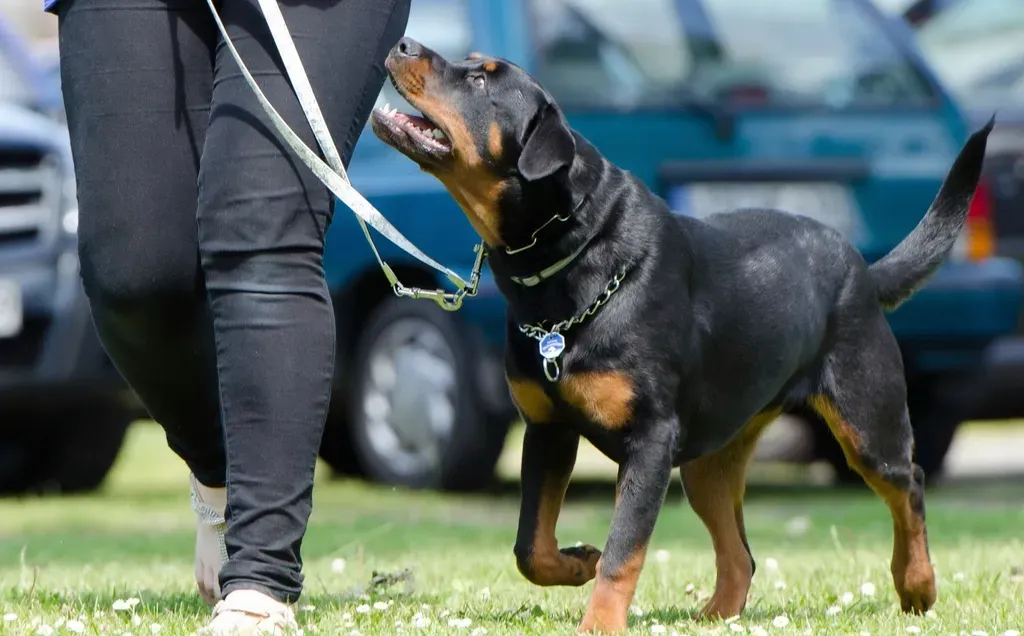
There may be no single daily activity more loaded with leadership signals than the walk. The walk is one of the most powerful ways to practice leadership. It’s more than just exercise – it’s a structured routine that sets the tone for your relationship. When your dog is dragging you down the street, nose first and leash taut, the dynamic is crystal clear – and it’s not working in your favor.
If your dog leads you on a walk, he will want to take the lead in all other aspects of life. Be the leader – teach him to walk beside or behind you. Also, frequently stop him on walks and give him obedience commands. A practical technique: set up a practice walk toward a treat or toy at short to medium distance. Start walking, and as soon as your dog pulls, turn around and go back to the starting point. Repeat until your dog understands the leash must remain loose – it can take patience, as this isn’t a natural way for dogs to walk.
6. Set Clear Boundaries and Stick to Them
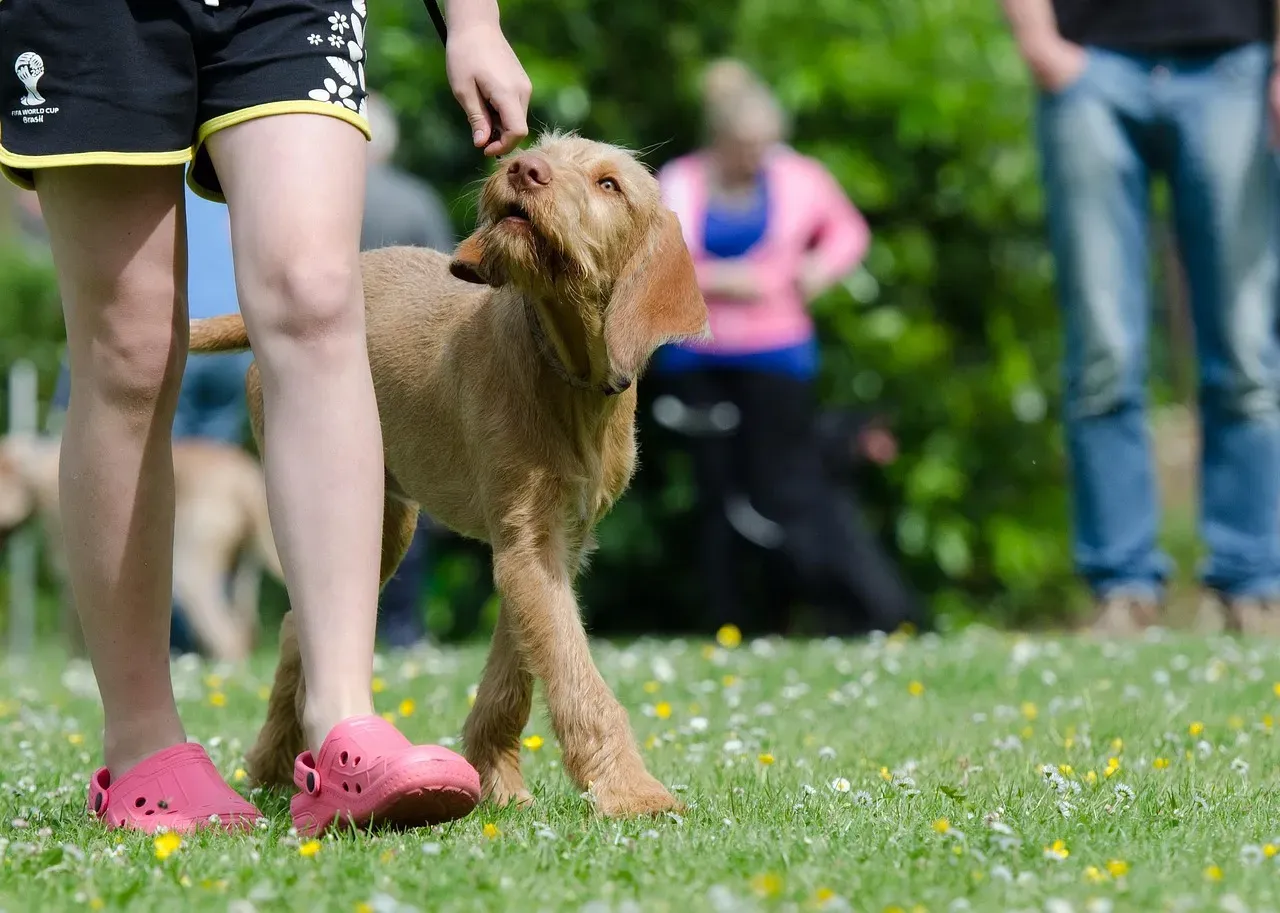
Inconsistency is one of the fastest ways to lose your dog’s respect. Allowing behaviors like jumping on guests one day and scolding for the same behavior the next confuses your dog and weakens your leadership position. Dogs don’t generalize rules on their own – they learn what works and what doesn’t based on your consistent responses. Every time you let something slide, you’re inadvertently teaching that it’s acceptable.
Everyone in your household must be on the same page so as not to confuse your dog about your expectations. Having a family meeting to discuss training is worthwhile – once your boundaries are set, everyone must follow them. If one person lets the dog jump on the couch while another scolds it for doing so, your dog has no clear map to follow. When dogs know what to expect, they feel secure – that’s why consistent routines, training cues, and clear rules are essential to building a balanced, happy dog.
7. Use Positive Reinforcement, Not Fear
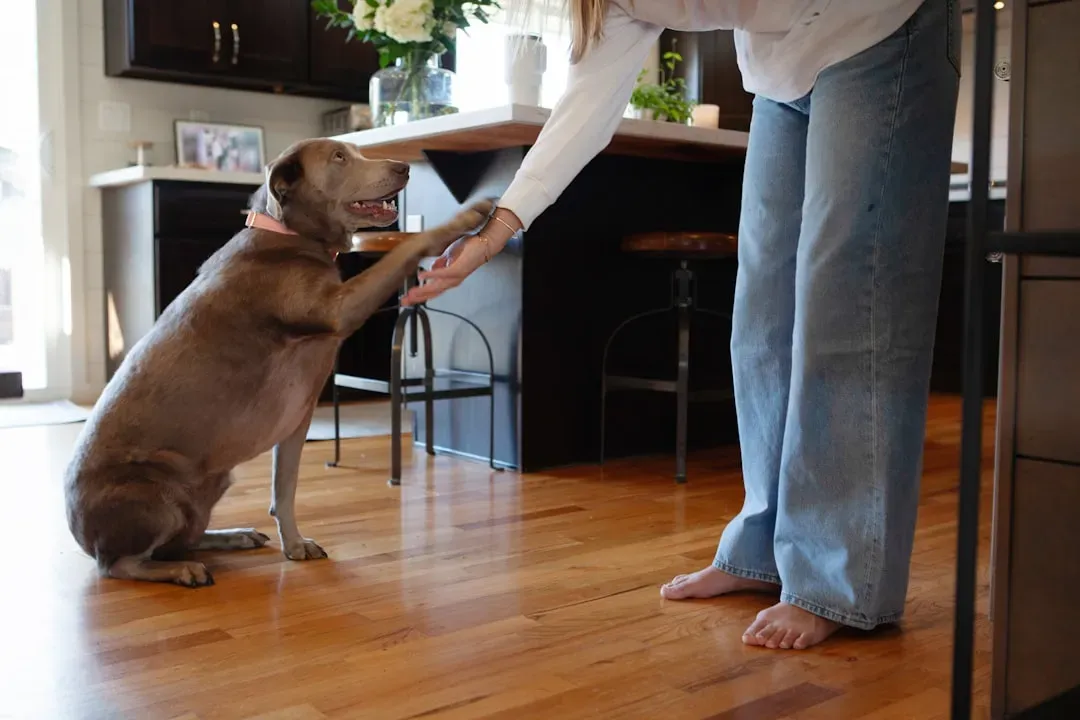
Forget the old school idea that a firm hand means a heavy hand. It is more appropriate for dog owners to use a collaborative yet assertive approach to establishing themselves as pack leader, rather than the stereotypical drill sergeant methodology. Using positive reinforcement versus instilling fear or the threat of punishment will yield far more successful results.
Studies have shown that rewards-based training is more effective and doesn’t increase the likelihood of aggressive behaviors. Dogs show fewer stress signals, show a better bond with their owner, and tend to respond more quickly to cues or commands. When your dog gets it right, reward them immediately with a treat, enthusiastic verbal praise, or a quick game. When they show any signs of good behavior, rewarding them with treats, verbal praise, and friendly playtime enhances your bond and shows that they can trust you as a leader.
8. Discourage Pushy or Dominant Behavior Early
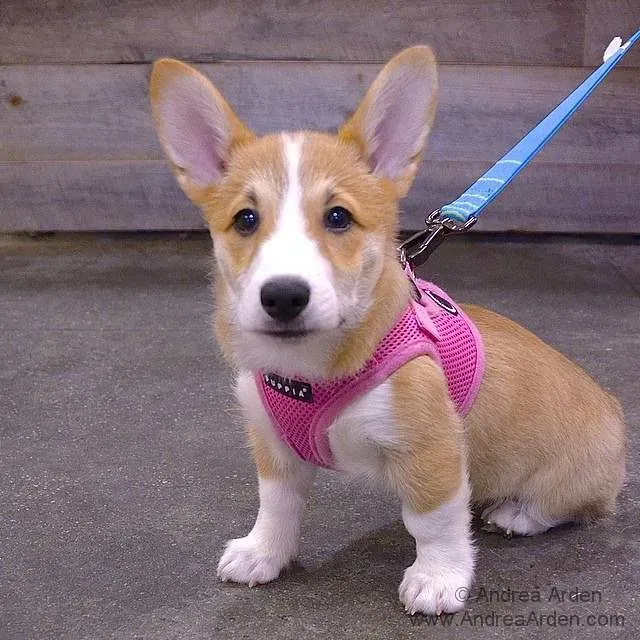
A cute puppy crawling all over you and nipping at your fingers can seem adorable in the moment. The problem? These can become bad habits in an adult dog. Learning how to be the alpha includes discouraging these behaviors early. The behaviors that seem harmless at eight weeks – jumping, mouthing, demanding attention – can become real problems at eight months or eight years.
If your dog nudges your hand or jumps on you demanding affection, and you comply, they have effectively “trained” you. To establish leadership, ignore the demand – wait until they settle, ask for a command, and then offer affection. Watch for early signs of pushiness: subtle cues like eye contact and posture to more overt signals like growling or barking are methods dogs use to establish boundaries and assert dominance. Address these gently but firmly, every single time.
9. Keep Training Going – It Never Truly Stops
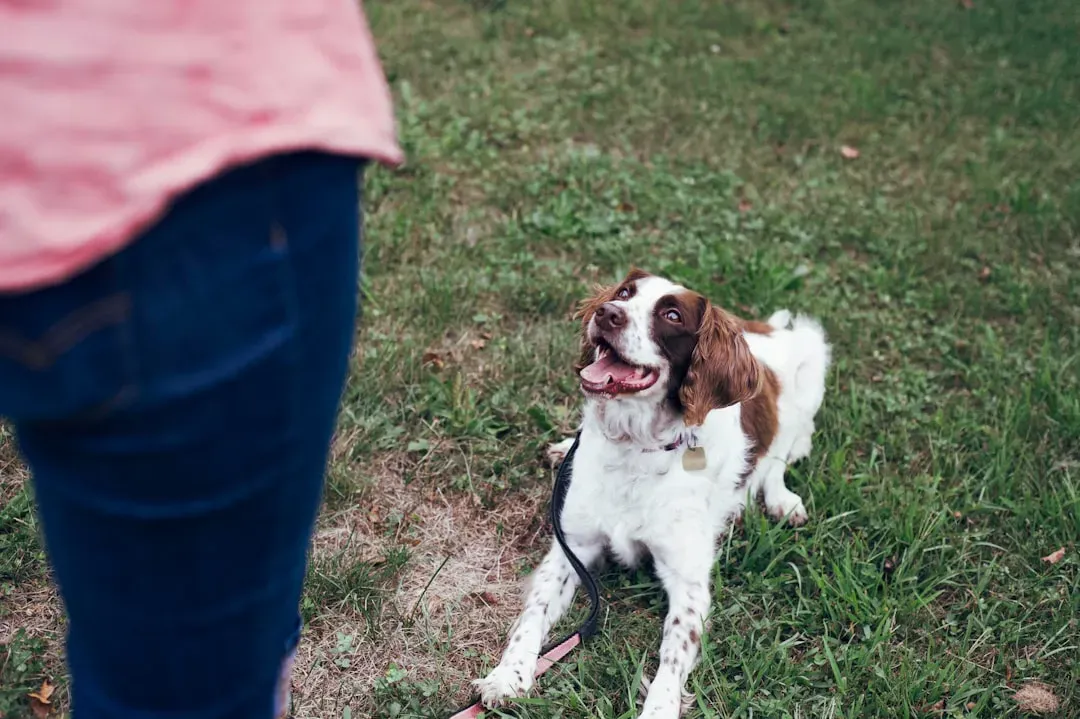
One six-week puppy class is a wonderful start, but it’s really just a foundation. Becoming the alpha leader in your dog’s life is a choice you make every day – it needs to become an innate part of your daily routine and lifestyle. Think of training less as a course you complete and more as a language you speak together, every single day.
It’s beneficial to keep up with all your dog’s training and make it a habit for yourself, too. At least once a week, pick an area you want to focus on and set aside time for a short training session with your dog’s favorite treats. As your dog masters the basics, raise the bar. As your dog masters the basics, teach new advanced commands to stimulate their mind. A mentally engaged dog is a calmer, more cooperative dog – and a sharper student of your leadership.
10. Read Your Dog’s Body Language and Respond Wisely
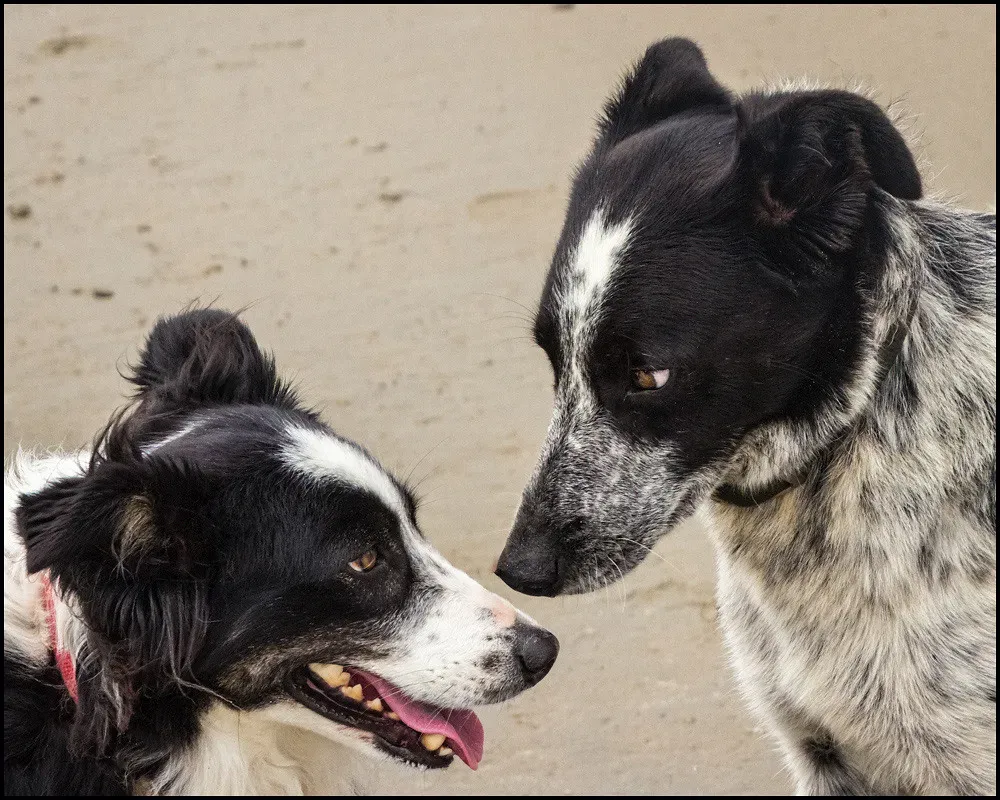
Effective leadership isn’t a one-way broadcast. It’s a conversation, and your dog is always talking – you just have to know what to listen for. A relaxed dog will have a loose, open posture, while a tense dog will be stiff and defensive. A happy dog will bark or whine in a high-pitched tone, while a stressed dog will growl or snarl in a low, rumbling tone. A confident dog will maintain eye contact, while a submissive dog will avoid it.
If you notice behaviors such as cowering, tail tucking, frequent lip licking, or visible whites of the eyes during training, your methods may be too harsh. Additional signs include submissive urination or excessive rolling onto the back. Healthy leadership produces a confident, engaged dog – not one that avoids interaction out of fear. When you learn to read these signals correctly, you stop guessing and start communicating. Paying close attention to your dog’s body language and vocalizations, especially in social settings, will help you intervene in potential conflicts before they escalate or understand when your dog is anxious, excited, or feeling threatened.
Conclusion: Leadership Is Love in Action
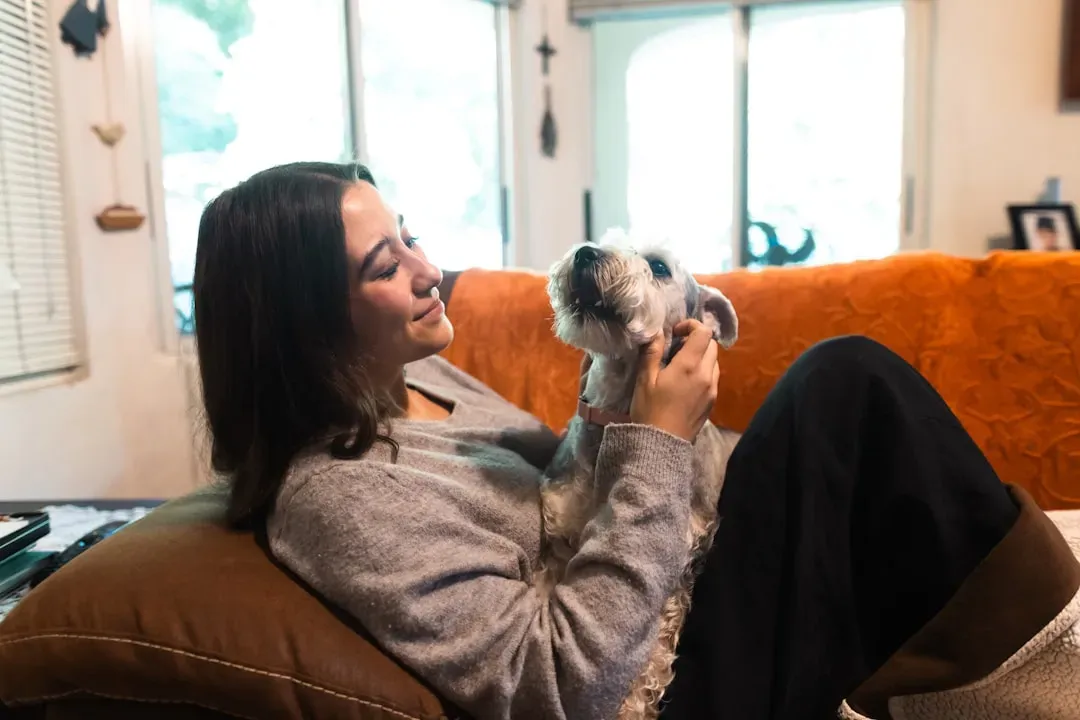
Becoming the alpha isn’t about dominating your dog. It’s about showing up for them, every single day, with clarity, calm, and care. Learning how to be a pack leader for your dog isn’t something you accomplish once – it’s something you build every day. From morning routines to daily walks, each interaction is a chance to reinforce your role as a calm, trusted guide.
You need to earn your dog’s trust, loyalty, love, and respect before they will look to you as their leader – and you do this by giving them clear boundaries, rules, limitations, and by conditioning good behavior. That’s not a burden. It’s one of the most rewarding relationships you’ll ever build.
The dogs who thrive aren’t the ones with the most obedient owners or the most elaborate training setups. They’re the ones who simply know, with confidence, that their human has got it handled. Be that human.


