
Picture this: it’s a January morning in Duluth, Minnesota. The temperature reads minus twelve, the wind chill brings it down further, and there’s a Chihuahua at the door, trembling before she’s even stepped outside. For millions of dog owners across the northern United States, this scene is less comedy and more genuine concern. Cold-weather states like Maine, Minnesota, and Michigan regularly push temperatures well below freezing for months at a time, and not every dog was built for that kind of punishment.
The hard truth is that breed matters enormously when it comes to winter survival. While some dog breeds were bred to thrive in the snow, others aren’t built for cold weather. Dogs who can’t handle the cold often have a short, thin coat, a flat face, or low body fat. Understanding which breeds are most vulnerable isn’t about discouraging anyone from owning their favorite dog. It’s about giving those dogs the best possible life, even when nature doesn’t cooperate.
Why Some Dogs Simply Aren’t Wired for Winter
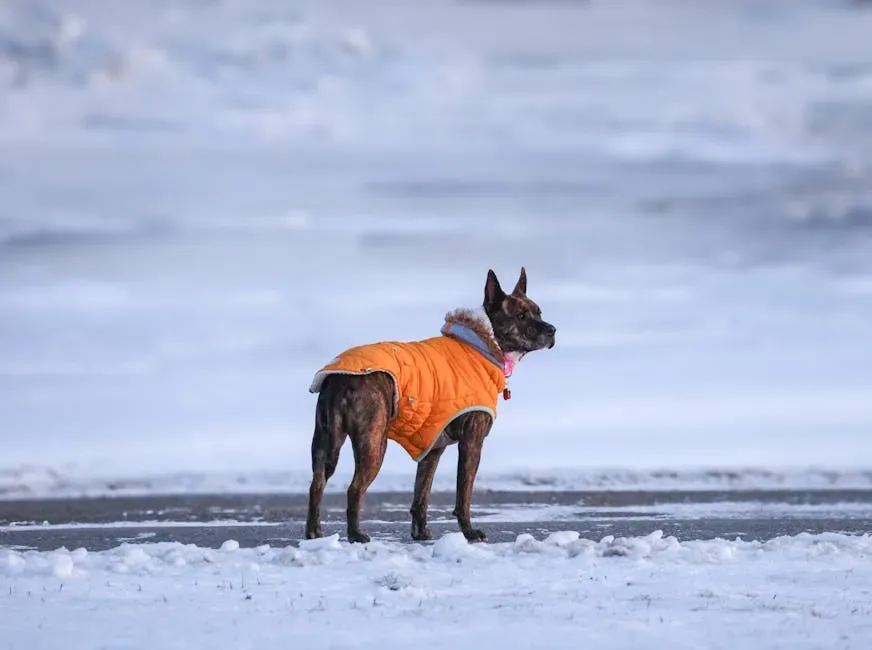
Before we name the most vulnerable breeds, it helps to understand the “why” behind cold intolerance. Dogs with short and thin coats have a harder time regulating their body temperature and staying warm during cold weather. Dogs suited to cold climates typically have a thick double coat, meaning a dense and soft underlayer called the undercoat, as well as a tougher and longer outer layer of guard fur. That undercoat acts like a down jacket, keeping them toasty warm through insulation, while the outer layer repels moisture to keep the undercoat dry.
Size plays its own role in the equation. Smaller dogs lose body heat faster than larger dogs thanks to the ratio of their larger surface area to their volume. Small dog breeds are also closer to the ground, exposing their bellies and bodies to the cold surface or snow much more than longer-legged dogs. Add in thin skin, minimal fat reserves, or a compromised respiratory system, and you have a recipe for a dog that truly suffers during a northern winter.
When temperatures fall below 32 degrees Fahrenheit, pet owners should be vigilant and limit exposure time, especially for vulnerable dogs. Below 20 degrees Fahrenheit, even healthy dogs can be at risk for frostbite and hypothermia with prolonged exposure. Wet conditions, high wind, and lack of shelter dramatically lower the effective temperature your dog experiences. In states like Maine and Minnesota, these conditions aren’t occasional. They’re the norm for a large chunk of the year.
The Chihuahua and Italian Greyhound: Small Bodies, Big Risks
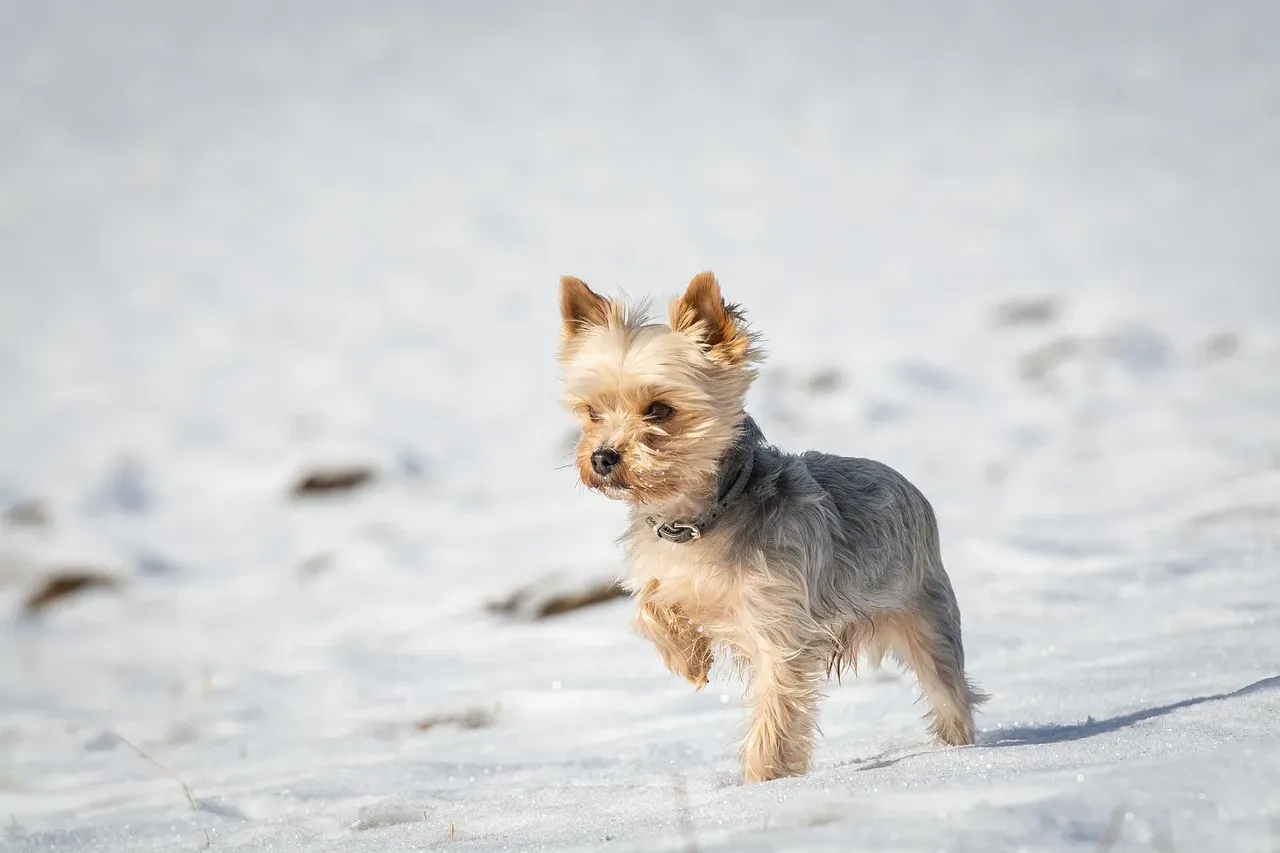
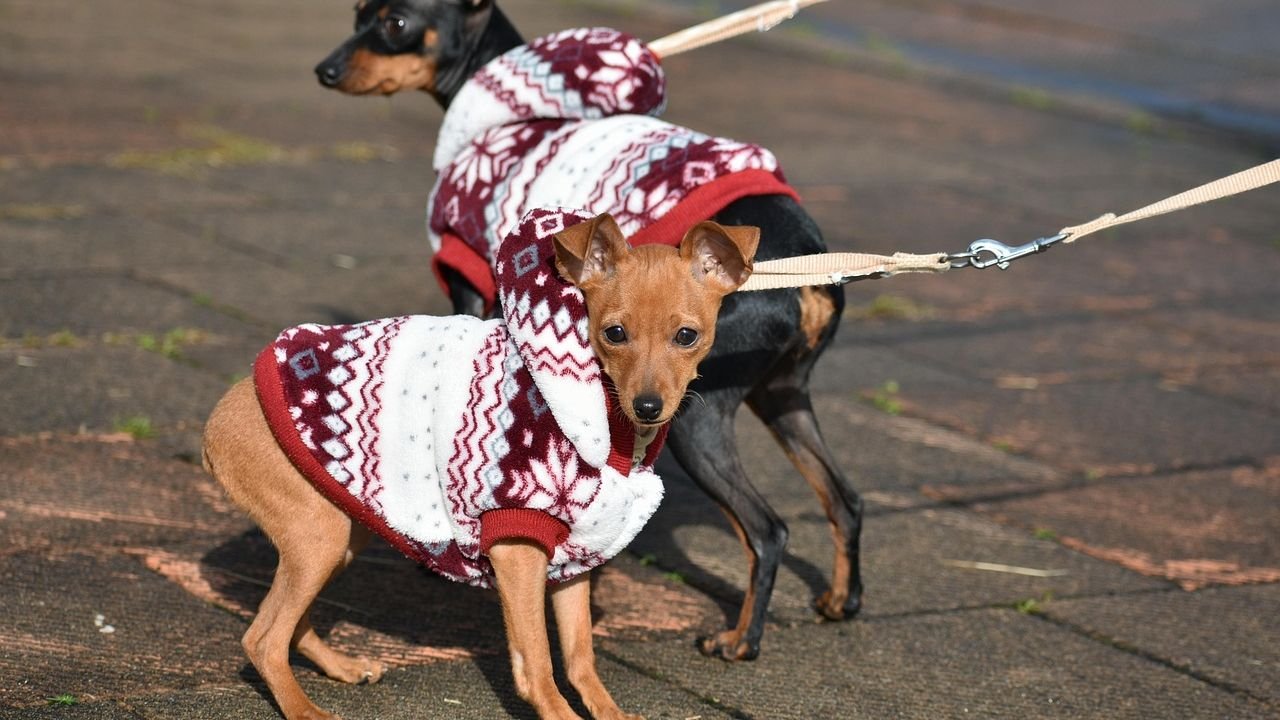
Few dogs are as visibly miserable in the cold as a Chihuahua or an Italian Greyhound. The Chihuahua is known for its small size and short coat, which can make it particularly vulnerable to colder temperatures. Because Chihuahuas have a higher surface area-to-volume ratio, they tend to lose body heat quickly, making it essential for their owners to provide them with warmth during chilly weather. The moment the thermometer drops in a Minnesota suburb, these little dogs start shaking before they’re even out the door.
The Italian Greyhound has a sleek body and a short coat that does not offer much insulation against the cold. Their lean build can lead to discomfort in lower temperatures, so it is advisable for owners to dress them in sweaters or coats to help maintain their body heat. Both breeds need more than just a quick coat toss before heading outside. Breeds like Chihuahuas and Yorkshire Terriers need extra attention when temperatures drop below 35°F. At this point, keeping walks brief and monitoring your pet’s behavior becomes crucial. Even bathroom breaks on a frigid January night should be treated as a timed event, not a leisurely stroll around the yard.
French Bulldogs and Pugs: The Double Jeopardy of Flat Faces and Cold Air

French Bulldogs and Pugs are among the most popular companion breeds in the country, but their signature flat faces create a serious cold-weather problem that goes beyond a thin coat. Brachycephalic breeds like Bulldogs, Pugs, and Shih Tzus have short, flat muzzles and may have narrow nostrils, which constricts their airways. Breathing in cold air further constricts those airways, and that can lead to respiratory problems.
This breathing disorder is called brachycephalic obstructive airway syndrome, or BOAS, and is a progressive, lifelong disorder that can impair a dog’s ability to exercise, play, eat, and sleep. On a cold Maine morning with temperatures in the single digits, even a short walk can cause visible breathing distress in these dogs. Breeds like the French Bulldog and Pug not only have short coats but also possess a brachycephalic structure, which can make breathing more difficult in cold weather. These dogs may experience discomfort and stress when exposed to low temperatures, leading to potential health issues.
The practical takeaway for owners of flat-faced breeds in northern states is to keep outdoor time genuinely short on cold days, use a properly fitted jacket that doesn’t restrict breathing, and watch closely for any signs of labored breathing or unusual distress. To keep brachycephalic dogs comfortable in cold weather, limit outings to brief periods, especially on very cold days. These breeds can benefit from wearing an extra layer, but look for clothing that doesn’t restrict movement or breathing. Monitor for any signs of breathing difficulty, like excessive panting or wheezing, which may worsen in cold air.
The Dachshund and Whippet: Low-Slung and Low-Insulated
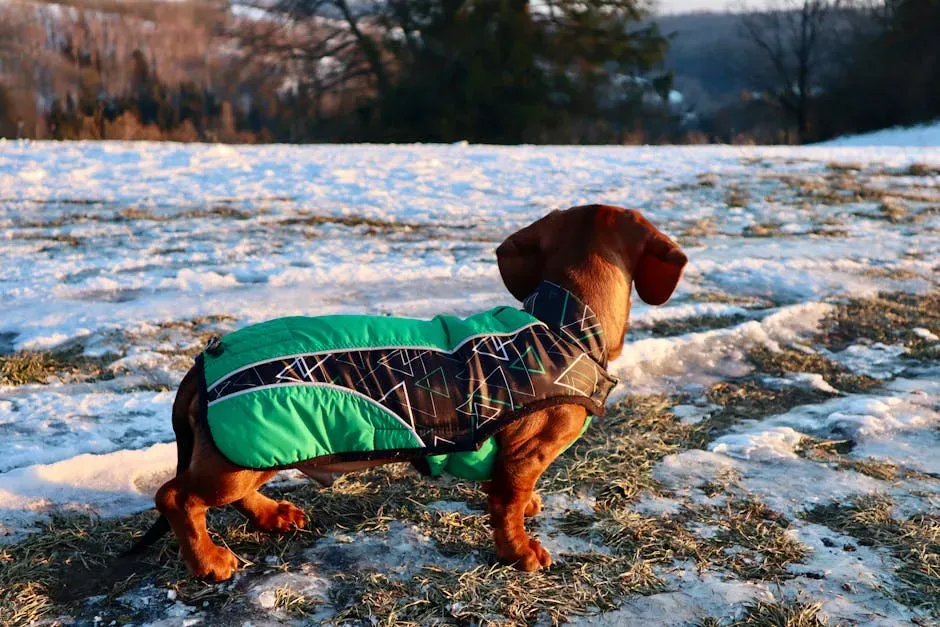
Dachshunds are spirited, bold little dogs that often act as though they’re much bigger than they are. That confidence, however, doesn’t translate into cold-weather resilience. Dachshunds are more susceptible to cold due to their short legs, long bodies, and limited fur. To keep them comfortable as temperature drops, it’s essential for owners to take precautions like using warm clothing, limiting outdoor time, and creating cozy indoor spaces. Their bellies sit remarkably close to the ground, meaning they make near-constant contact with frozen snow or icy pavement on a typical winter walk.
What also sets Dachshunds apart is their limited fat insulation. Compared to other breeds, their slender frame lacks the padding to shield them from harsh temperatures and cold conditions. On top of that, they lack an undercoat, which many dogs rely on as an extra layer that acts as a barrier to cold. This makes them more vulnerable and in need of extra protection whenever the temperature drops. The Whippet faces a very similar challenge. The lanky Whippet is built for speed and is closely related to the Greyhound. The breed has a short coat, thin skin, and very little body fat, so there’s not much to insulate against cold weather. When the weather takes a turn, Whippets need protection from the elements, including warm clothing and perhaps even dog boots to protect their paw pads from ice.
Recognizing Cold Stress and Hypothermia: What Every Owner Must Know
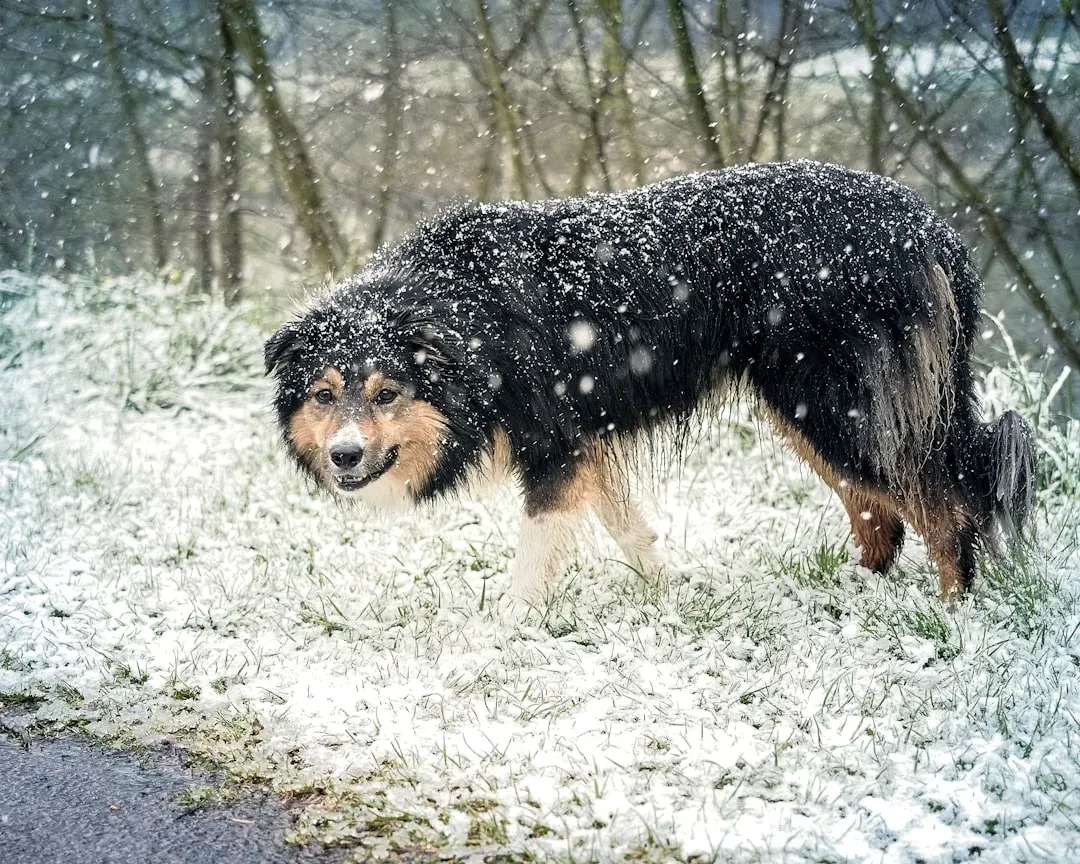
Owning a cold-sensitive breed in a northern state means learning to read your dog’s distress signals clearly and quickly. If your pet is whining, shivering, seems anxious, slows down or stops moving, seems weak, or starts looking for warm places to burrow, get them back inside quickly because they are showing signs of hypothermia. These aren’t subtle signals to overthink. They’re clear, actionable messages from your dog that the situation has become dangerous.
Hypothermia in dogs occurs when body temperature drops below 98 to 99 degrees Fahrenheit and can quickly become life-threatening without prompt treatment. Signs range from shivering and lethargy to collapse and slowed heart rate. As the condition progresses, the signs become more alarming. Key symptoms include shivering that may be mild at first but can progress to intense, uncontrollable shaking. As body temperature continues to fall, pets may seem unusually lethargic, weak, or disoriented. Other signs to watch for are pale or bluish gums, trouble walking, slowed heart rate, shallow breathing, and unresponsiveness.
If you suspect your dog is hypothermic, act immediately. Get your dog into a warm building or vehicle. Wrap them in blankets, towels, or coats. If you can, warm up some blankets on a radiator, in a clothes dryer, or using a hair dryer. Place bottles of warm water next to your dog, but always keep a couple layers of fabric between the bottle and your pet’s skin. Get to the nearest veterinary office immediately. One critical thing to remember: if your dog is lethargic, disoriented, or showing any signs of moderate to severe hypothermia, contact a veterinarian immediately. Attempting to warm them too quickly or using extreme heat sources like heating pads can be dangerous.
Practical Winter Care for Cold-Sensitive Breeds in Northern States
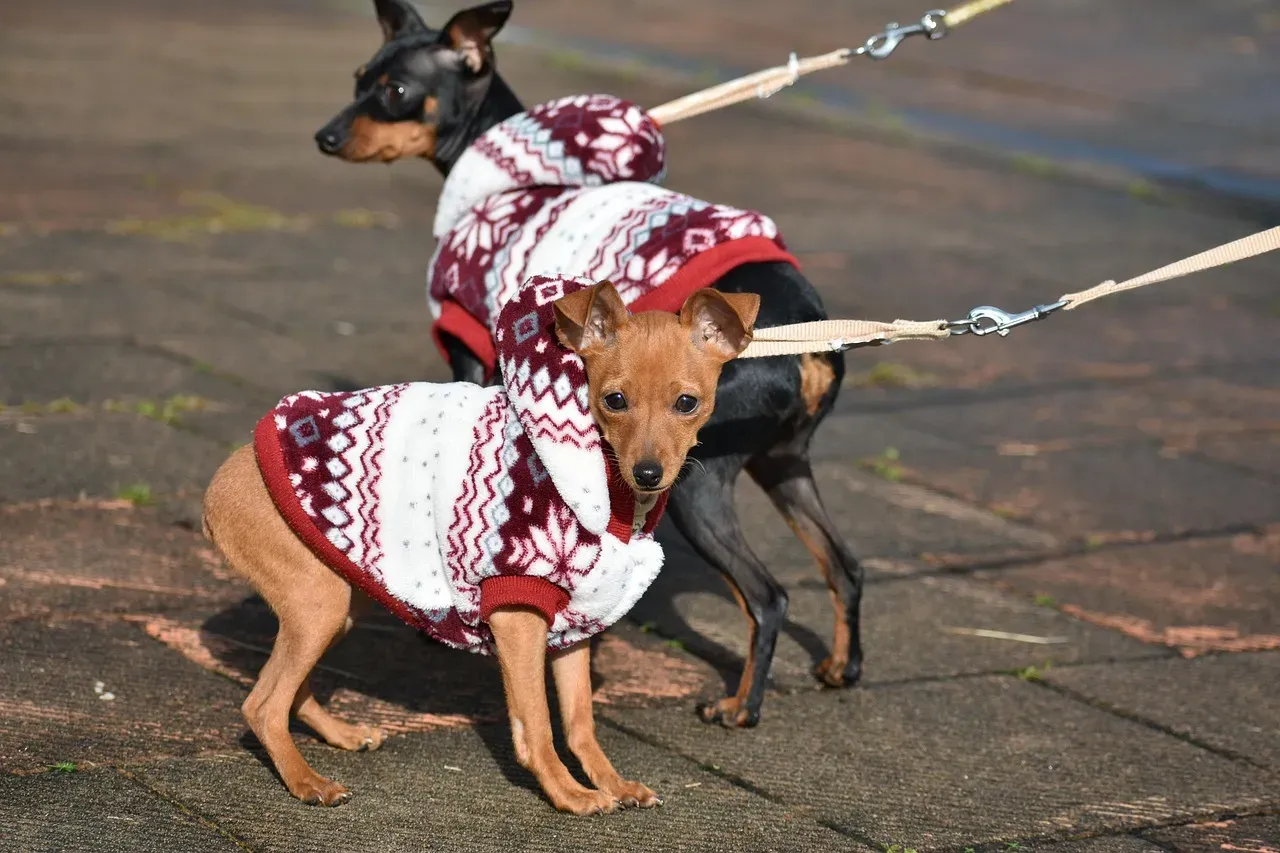
Living in Maine or Minnesota with a cold-sensitive breed doesn’t mean you’re setting your dog up for misery. It means you have to be more intentional and better prepared than the average dog owner. Dog clothing, blankets, warm bedding, and booties can all help keep dogs warm in winter. Layering up your dog before heading outside isn’t just adorable. In truly frigid conditions, it’s a necessity. A well-fitted waterproof jacket paired with booties makes a meaningful difference for small, short-coated dogs.
Paw care deserves its own focus. During walks, your dog’s feet, legs, and belly may pick up de-icing products, antifreeze, or other chemicals that could be toxic. When you get back inside, wipe down or wash your pet’s feet, legs, and belly to remove these chemicals and reduce the risk that your dog will be poisoned after they lick them off. Road salt is everywhere in northern states during winter, and it can cause cracked paw pads and significant irritation. Dogs may burn more calories in colder weather to stay warm. Providing a balanced diet and ensuring they have access to fresh water can support their energy levels. Dehydration can make dogs more vulnerable to the cold, so check their water bowl frequently to ensure it isn’t frozen.
When outdoor time isn’t practical, keep your dog mentally and physically engaged indoors. To ensure your pet still gets enough exercise, focus on indoor activities and enrichment games. Putting their food and treats in a puzzle feeder can also keep them physically and mentally engaged. Regular indoor play, training sessions, and interactive toys can be just as satisfying for a small cold-sensitive dog as a walk in mild weather. The goal isn’t to hibernate until spring. It’s to adapt smartly and keep your dog thriving all year round.
Conclusion: Knowing Your Dog Is the Whole Game
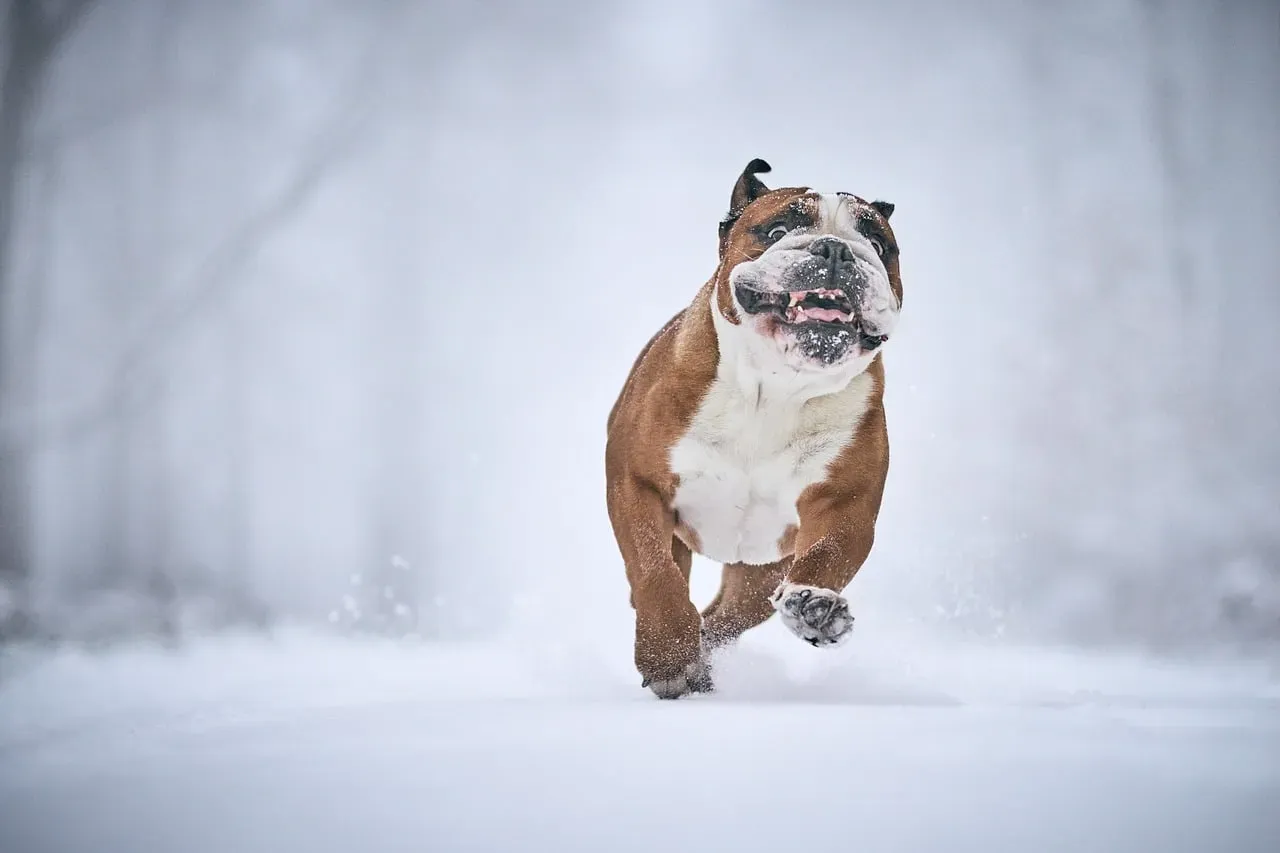
Not every dog is meant for snowdrifts and sub-zero mornings, and that’s completely fine. A common question dog owners ask during winter is how cold is too cold for dogs to be outside, and the answer depends on the individual dog. The breeds covered here, including Chihuahuas, Italian Greyhounds, French Bulldogs, Pugs, Dachshunds, and Whippets, all need extra advocacy from their owners when northern winters arrive. They didn’t get to choose their coats.
Even if your dog’s breed is one initially developed to work in cold temperatures, your dog’s individual experience will also influence their ability to tolerate cold temperatures. If your dog isn’t used to being outside in cold weather, cold weather exposure should be limited, supervised, and introduced gradually. The most important tool you have isn’t a high-end dog jacket or heated bed. It’s simply paying close attention to what your dog is telling you.
Dogs communicate discomfort clearly to those willing to listen. A dog who shakes at the door, lifts her paws off the sidewalk, or presses herself urgently back toward the warm house is not being dramatic. She’s being honest. Meet that honesty with preparation, warmth, and a little extra love this winter.


