
Picture this: It’s a sweltering August afternoon in Tampa or San Antonio. The pavement radiates heat, the humidity wraps around you like a wet towel, and your dog is panting beside you on the porch. You love your pup fiercely, so the last thing you want is to pick a breed that secretly suffers in the climate you call home all year long.
Living in the Deep South isn’t a seasonal thing. For people that live in places like Florida or parts of the Carolinas, 70-degree weather is the coldest it gets. That means breed selection isn’t just about personality or size. It’s about survival, comfort, and your dog’s long-term wellbeing. The good news? Several breeds were practically born for this kind of heat, and knowing which ones can make all the difference.
What Makes a Dog Actually Built for Heat?
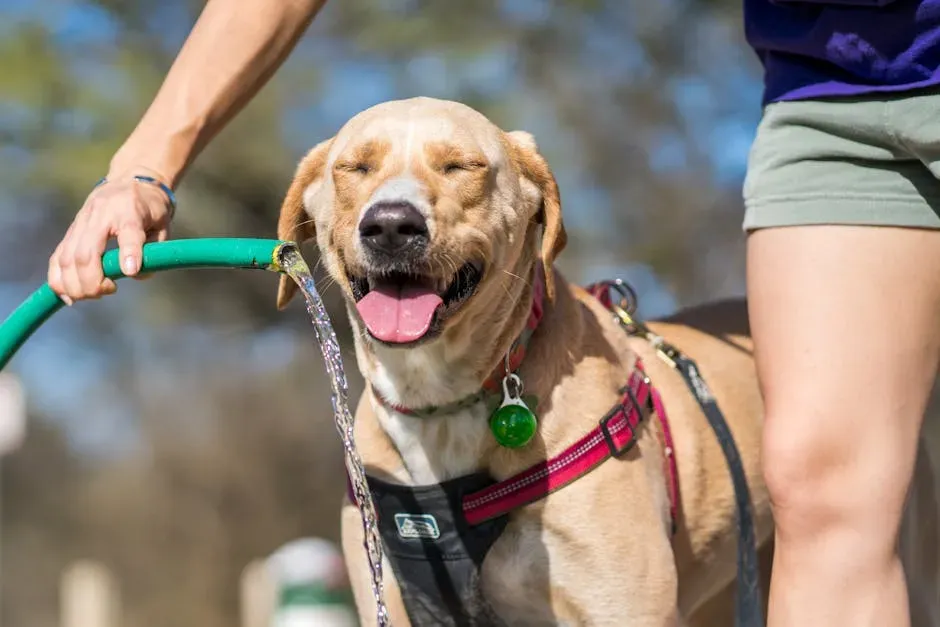
Not all dogs handle warmth the same way, and the difference comes down to biology. A few differences set warm and cold-weather tolerant dogs apart: their coat type and color, ear shape, and muzzle length. The best dogs in hot weather have short, single, or hairless coats. This no-frills fur allows air to circulate throughout the body and doesn’t retain heat. White, tan, or gray-colored coats reflect, rather than retain, heat, and erect ears keep dogs cooler than floppy ears that trap and restrict circulation.
The way dogs cool themselves is also worth understanding before you bring a new pup home. Canines regulate heat differently than humans. While we can sweat to stay cool, dogs pant to release heat. As the moisture on dog tongues and noses evaporates, air circulates through their lungs so their bodies slowly cool down. This means breeds with longer snouts and open airways are naturally better equipped for Southern summers than flat-faced dogs.
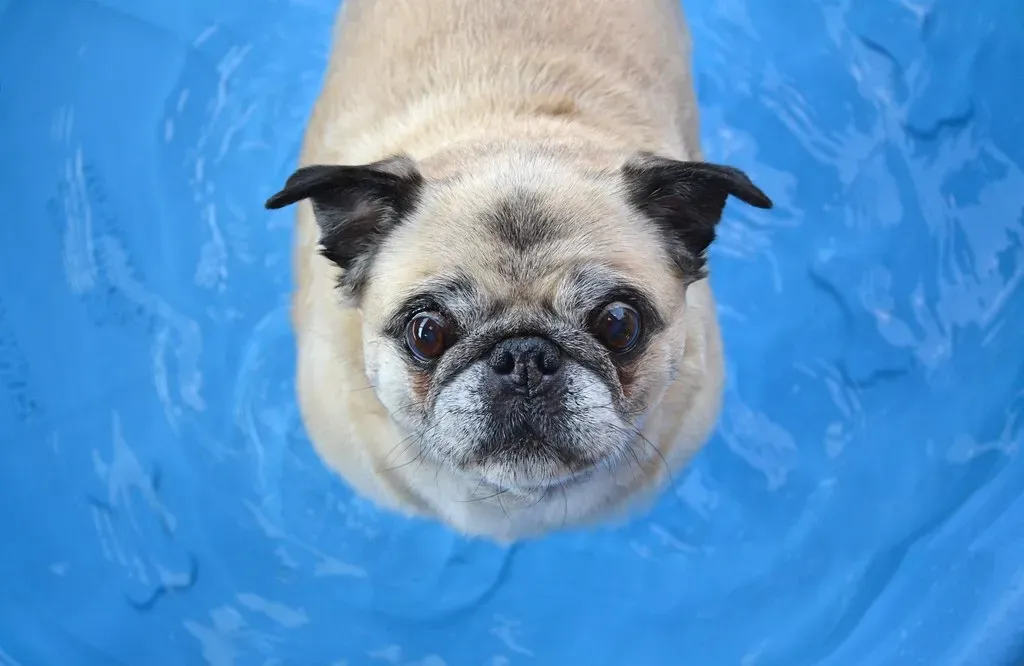
Brachycephalic breeds with squishy, short noses, like Frenchies, generally have a harder time dealing with heat, as they just can’t pant as effectively to cool down. If you already have one of these lovable flat-faced dogs, that’s okay, but it does mean you’ll need to be extra vigilant when temperatures spike.
The Basenji: Africa’s Ancient Heat-Lover
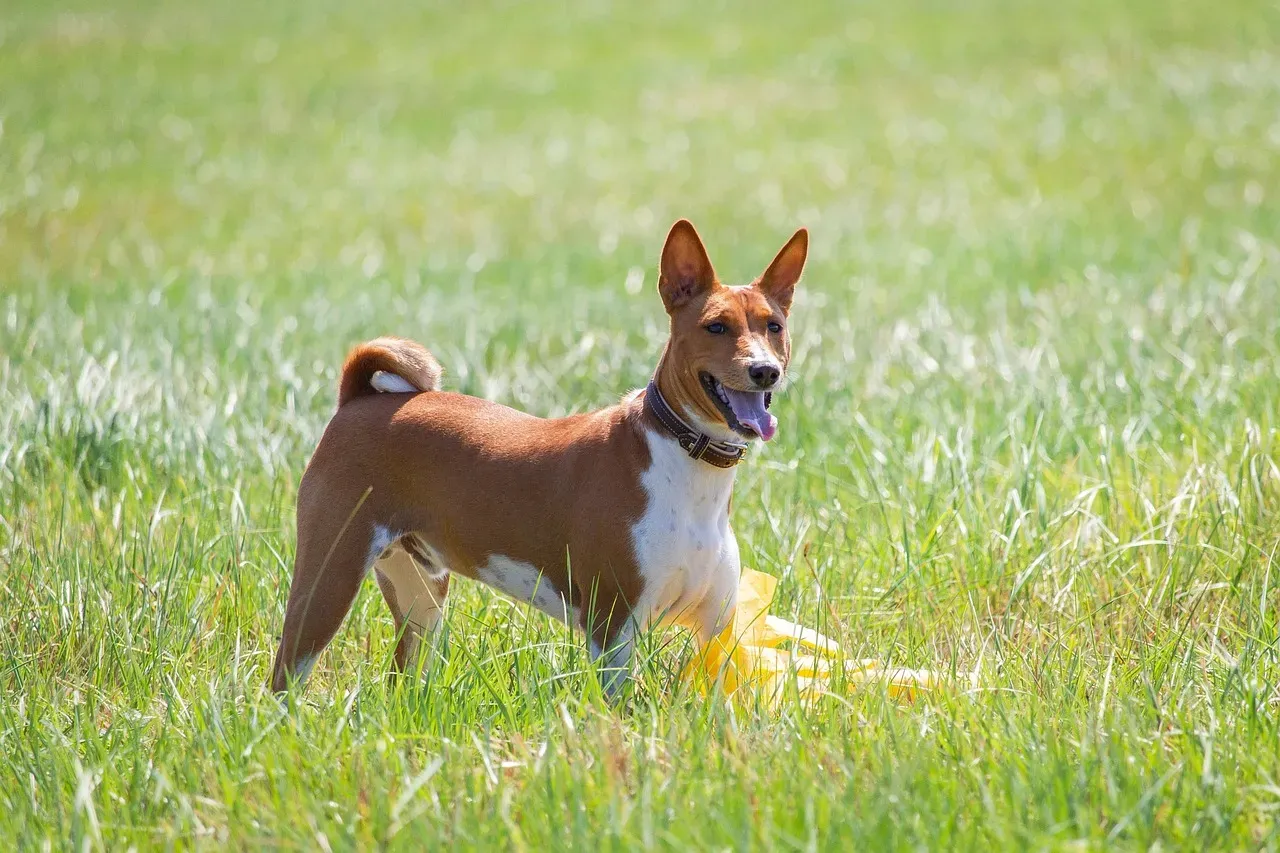
The Basenji is an ancient breed known for its unique appearance and heat tolerance. Originating from Central Africa, where temperatures can soar, the Basenji has a short, fine coat that helps it stay cool. Its small to medium size and slender build also aid in heat dissipation. Think of it as a dog that was designed by the environment itself to handle brutal heat.
Originating from Central Africa, Basenjis are known as the “barkless” dogs due to their unique larynx. Their short coat and lean body make them well-suited for hot climates. Basenjis are small hunting dogs first brought from interior Africa and given to the pharaohs of Ancient Egypt. The breed’s short, fine coat is chestnut red, black, tricolor, or brindle with white legs and feet. Small erect ears help keep the dog cool in hot weather. Those perky ears aren’t just adorable. They’re functional cooling devices.
Basenjis are active, intelligent, and known for their cat-like grooming habits, which keep their coat in good condition. For Florida or Texas dog owners who want a low-maintenance, heat-tolerant companion that still carries an air of quiet dignity, the Basenji is a seriously underrated choice.
The Vizsla: The Golden Athlete of the South
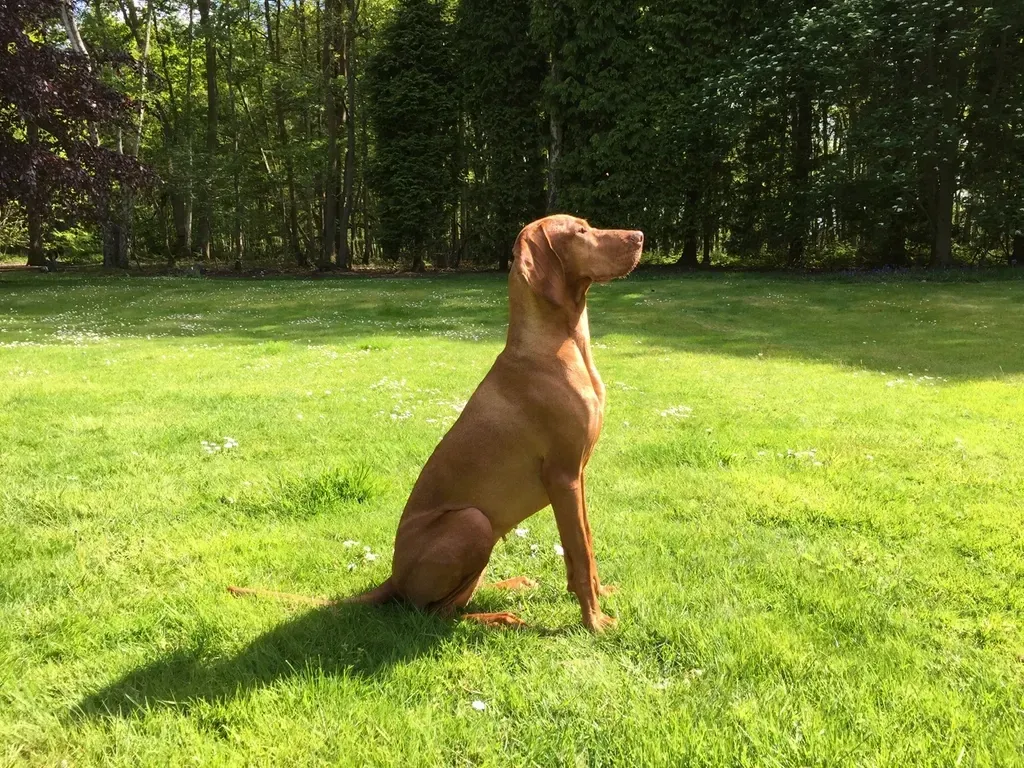
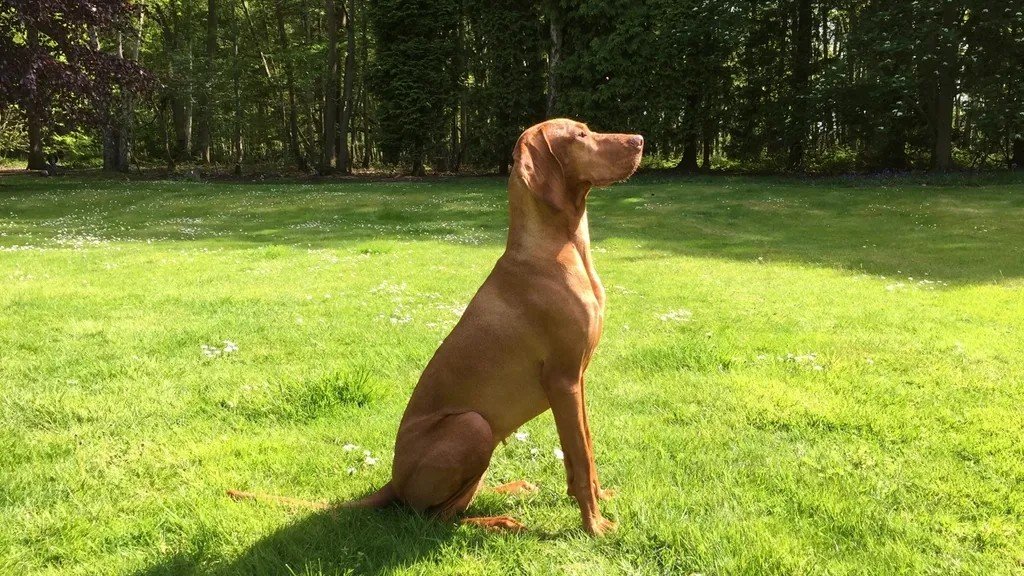
The Vizsla is a Hungarian breed known for its sleek, short coat that is ideal for hot weather. With their high energy levels and athletic build, Vizslas need plenty of exercise, which they handle well in warmer temperatures as long as they have adequate hydration. Their short coat is easy to maintain, and they are known for their affectionate nature and agility. If you’re the type who jogs or bikes in the early morning hours before the heat gets serious, a Vizsla will match your pace without complaint.
This breed thrives on activity and human connection in equal measure. These active, affectionate dogs were bred for hunting in warm climates and do well with outdoor activity when it’s not too hot. Early morning walks, backyard games, and shaded afternoon rest sessions suit them perfectly. They’re often described as Velcro dogs because they genuinely want to be near their people at all times, which makes them wonderful family companions in any Southern home.
The Chihuahua: Small Dog, Big Heat Tolerance

Originating in the Mexican desert, the Chihuahua is a national symbol of Mexico with a lineage dating back to the ancient kingdoms of pre-Columbian times. This 2-to-5-pound dog with large erect ears and a thin coat seeks warmth and needs a sweater and a warm lap when the temperature drops. Basically, the Chihuahua is the opposite of a cold-weather dog. Florida summers? Perfect. A January cold snap? That’s when you’ll see them shivering dramatically on the couch.
The breed’s large, erect ears are more than just adorable. The shape also allows airflow over expanded blood vessels in the thin skin to cool both sides. Chihuahuas are small and lightweight, making them well-suited for hot weather. Their compact size allows them to stay cool and comfortable even on the hottest days. Originating in Mexico, they’re well-suited for hot weather due to their small size, short coat, adaptation to warm climates, and behavior of seeking shade. They’re ideal for apartment dwellers in Houston or Miami who want a loyal, heat-hardy companion without needing a large yard.
The Rhodesian Ridgeback: Africa’s Endurance Champion
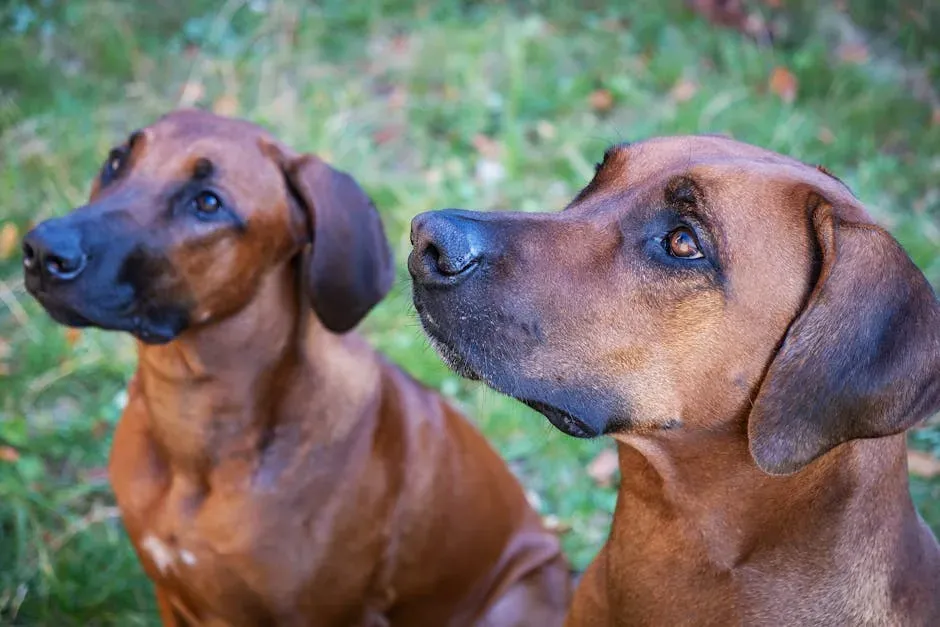
Rhodesian Ridgebacks, originally bred in Africa, are well-adapted to hot climates. Their short, sleek coat and strong, muscular build make them well-suited for warmer temperatures. They are known for their endurance and protective nature, making them excellent family dogs. Families in Texas who want a loyal guardian and a heat-tolerant exercise partner will find this breed checks a lot of boxes at once.
The Ridgeback’s history as a lion-hunting companion in South Africa isn’t just a fun party fact. It speaks to the breed’s ability to work long hours in intense heat without breaking down. Despite their heat tolerance, they should have access to plenty of water and avoid prolonged exposure to the sun. Keep morning walks cool and shaded afternoon spots available, and this breed will reward you with fierce loyalty and steady companionship for years.
The Dalmatian: The Spotted Pavement-Pounder
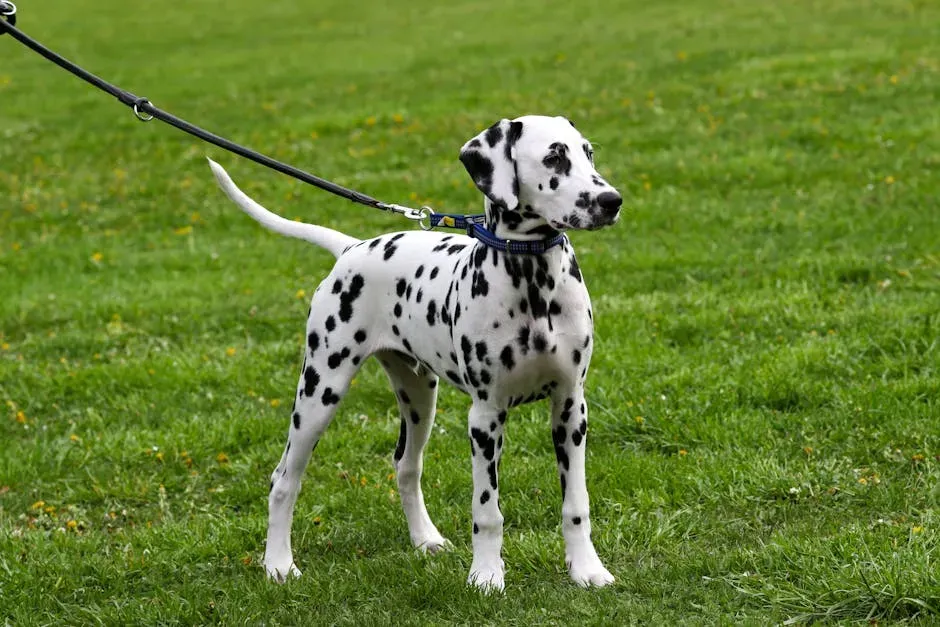
Dalmatians are renowned for their striking appearance, with their distinct black or liver spots. They were originally bred as carriage dogs and have a short, dense coat that doesn’t trap heat. This energetic breed enjoys physical activities, making it well-suited for an active lifestyle in a hot climate. Regular exercise and access to shade and water are essential to keeping them comfortable.
Dalmatians have lean, muscular physiques with very little body fat, which means they don’t have the “insulation” to keep warm for very long in cold weather. This is perfect for hot weather, however, and so is their short, white hair. Their white hair reflects the sunshine, and all those black little spots aren’t enough to cause them to overheat. It’s a genuinely clever design from nature. The coat color does real thermal work. Just keep in mind that Dalmatians are high-energy dogs that need consistent outlets, so lazy afternoons are fine only after a proper morning run or play session.
The Australian Cattle Dog: The Outdoor Workaholic
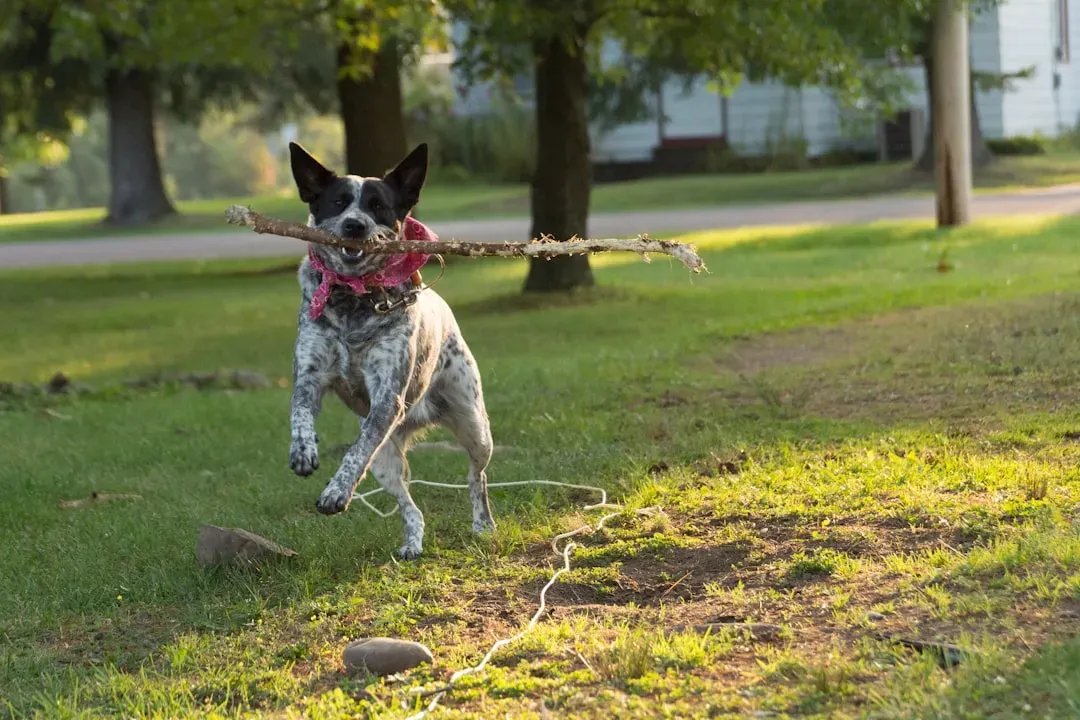
Hailing from hot weather Australia, the Australian Cattle Dog is related to the Dingo in the outback and is accustomed to working in hot weather. Australian Cattle Dogs have a short, weather-resistant coat that can handle a variety of climates, including hot ones. These dogs are highly energetic and thrive in active environments. They are intelligent and robust, making them well-suited for working or active families. Their double coat helps protect them from the sun and keeps them comfortable in warmer temperatures.
Bred for endurance in hot, arid environments, Australian cattle dogs are perfect for active owners. Though they do require a lot of physical activity, their coats help dissipate heat, making them well-suited for warm climates. Ranch owners in central Texas or active outdoor families in northern Florida will find this dog practically thrives in their environment. Like any working breed, cattle dogs need extensive exercise and mental stimulation to stay happy and healthy. Boredom is their real enemy, not the heat.
Essential Care Tips for Dogs in Southern Heat
Even the most heat-tolerant breeds need thoughtful management when Southern summers hit their peak. Hot weather can be dangerous for all dogs, and can lead to heat exhaustion, heat stroke, or even death. Dogs are most susceptible to heat stroke when they are left in hot cars, left outside in hot and humid weather without shade, or access to cool fresh water, or exercising in hot conditions. No breed is fully immune to these risks, and overconfidence can be dangerous.
On brutally hot days, walk in the early morning before sunrise and evening after sunset. Try walking your dog on grass or dirt. If you’re in an area surrounded by asphalt, use paw balm or booties to protect your dog’s paws. Pavement in Florida or Texas can reach temperatures that cause serious burns within seconds of contact, and many dogs won’t show pain until real damage is already done.
The American Veterinary Association recommends never leaving your dog alone in a car, because temperature fluctuations are very dramatic. For instance, the temperature inside your car can increase by 20°F in only 10 minutes. Even leaving a window cracked will not cool your dog. That errand that takes “just five minutes” is never worth the risk. Keep fresh water available at all times, invest in a shaded outdoor space, and consider a cooling mat or vest for extended outdoor time.
Conclusion: Choosing the Right Companion for the Southern Life
One of the best ways to narrow down potential breeds is to investigate what breeds were developed in similar climates. That’s really the core principle here. Dogs that evolved or were selectively bred in warm, arid, or tropical environments simply carry the biological tools to handle what Florida and Texas throw at them year-round.
Choosing a heat-tolerant breed isn’t about limiting yourself. It’s about setting your dog up for a genuinely happy life, one where walks don’t feel like a survival challenge and backyard time is something they actually look forward to. The breeds covered here, from the ancient Basenji to the tireless Australian Cattle Dog, each bring something distinct to Southern living.
The best dog for you is one that fits your lifestyle, your activity level, and yes, your climate. When those three things align, what you get isn’t just a well-adjusted pet. You get a dog that genuinely thrives alongside you, right there in the heat.


