
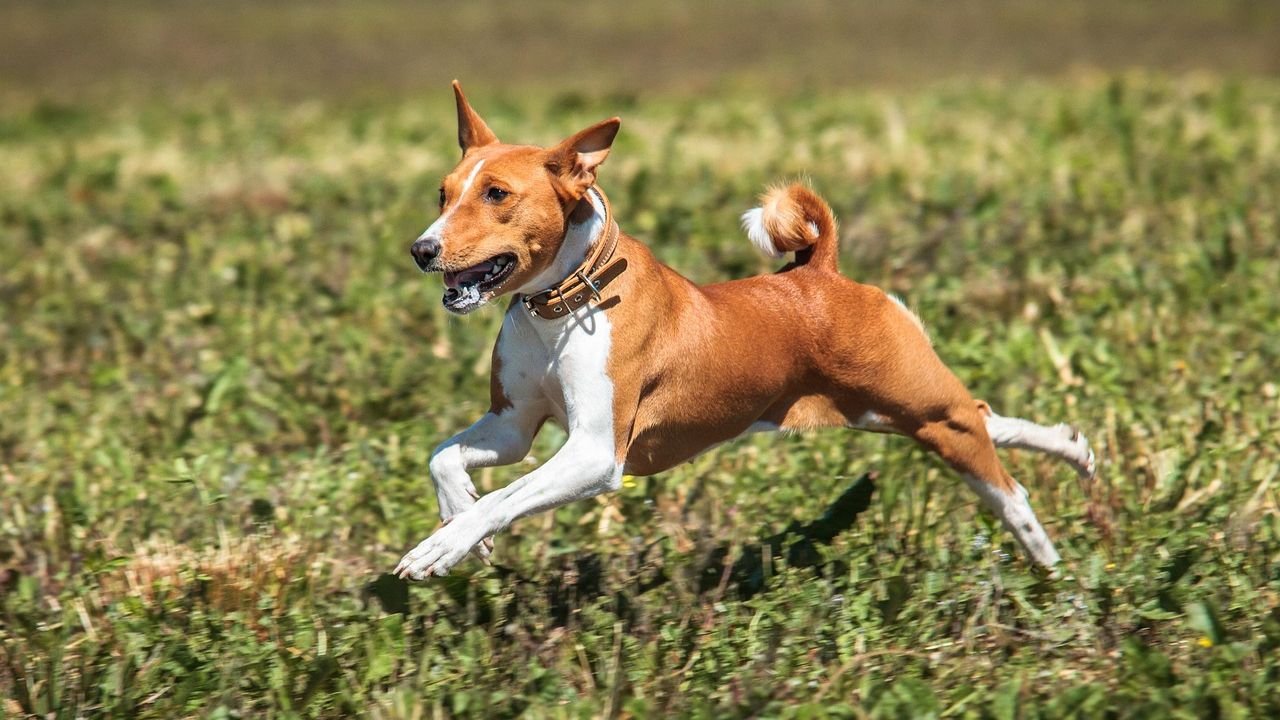
Picture this: it’s a July afternoon in Tampa or San Antonio, the pavement is hot enough to fry an egg, and your dog is still tail-wagging, ready to head outside. For some breeds, that’s not a fantasy. It’s just Tuesday.
Living in the deep South means accepting heat as a permanent roommate. And while that’s perfectly fine for us humans with iced coffee and air conditioning, it raises a genuinely important question for dog owners: is your pup actually built for this? When living in a hot climate, choosing the right dog breed can significantly impact your pet’s well-being and comfort. Some dog breeds are naturally better suited for hot weather due to their physical characteristics, coat types, and adaptability. The right match makes life easier and safer for everyone.
This guide breaks down the breeds that genuinely flourish in southern heat, along with care tips, behavioral signs to watch, and what to look for when the thermometer starts climbing.
Why Some Dogs Handle Heat Better Than Others
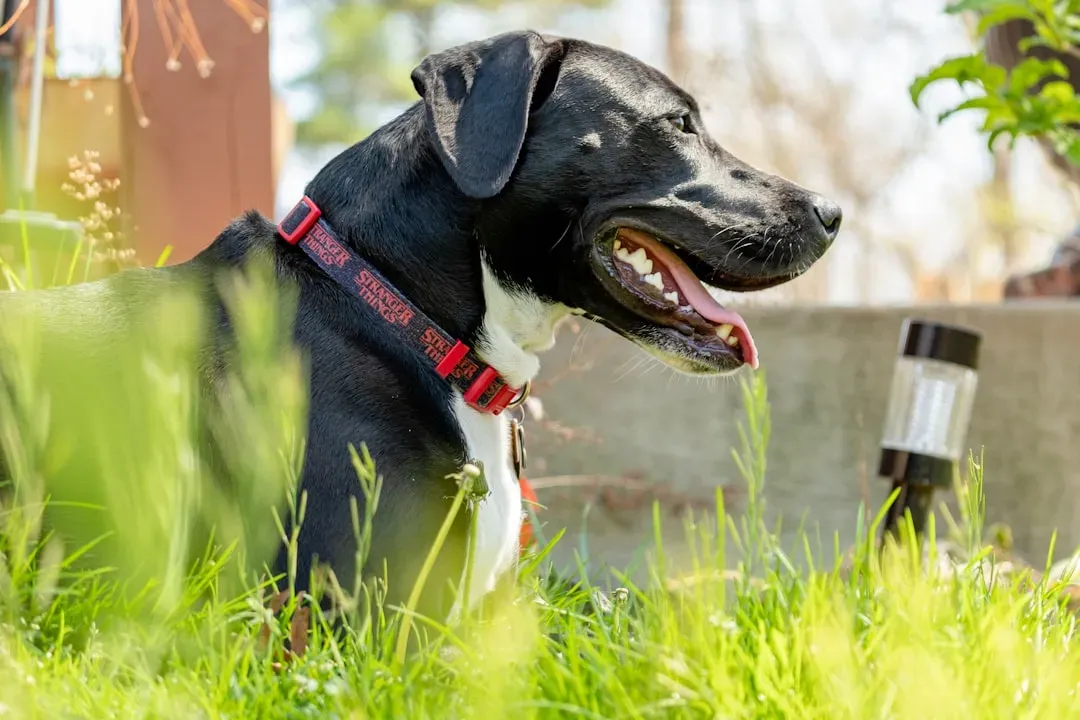
Not all dogs are created equal when it comes to staying cool. The science behind heat tolerance is actually pretty fascinating. Canines regulate heat differently than humans. While we can sweat to stay cool, dogs pant to release heat. As the moisture on dog tongues and noses evaporates, air circulates through their lungs so their bodies slowly cool down.
A few differences set warm and cold-weather tolerant dogs apart: their coat type and color, ear shape, and muzzle length. The best dogs in hot weather have short, single, or hairless coats. That’s really the foundation of it all. Beyond the coat, body shape matters too.
Erect ears cool faster than droopy ones. Long muzzles help dogs process heat more easily, so the air they breathe is cooler. A lean, athletic build also helps. Lean and athletic breeds fare better in hot weather because they expend less energy just moving around. Put all those traits together and you’ve got a dog practically engineered for Florida summers.
The Basenji: Africa’s Ancient Heat Survivor
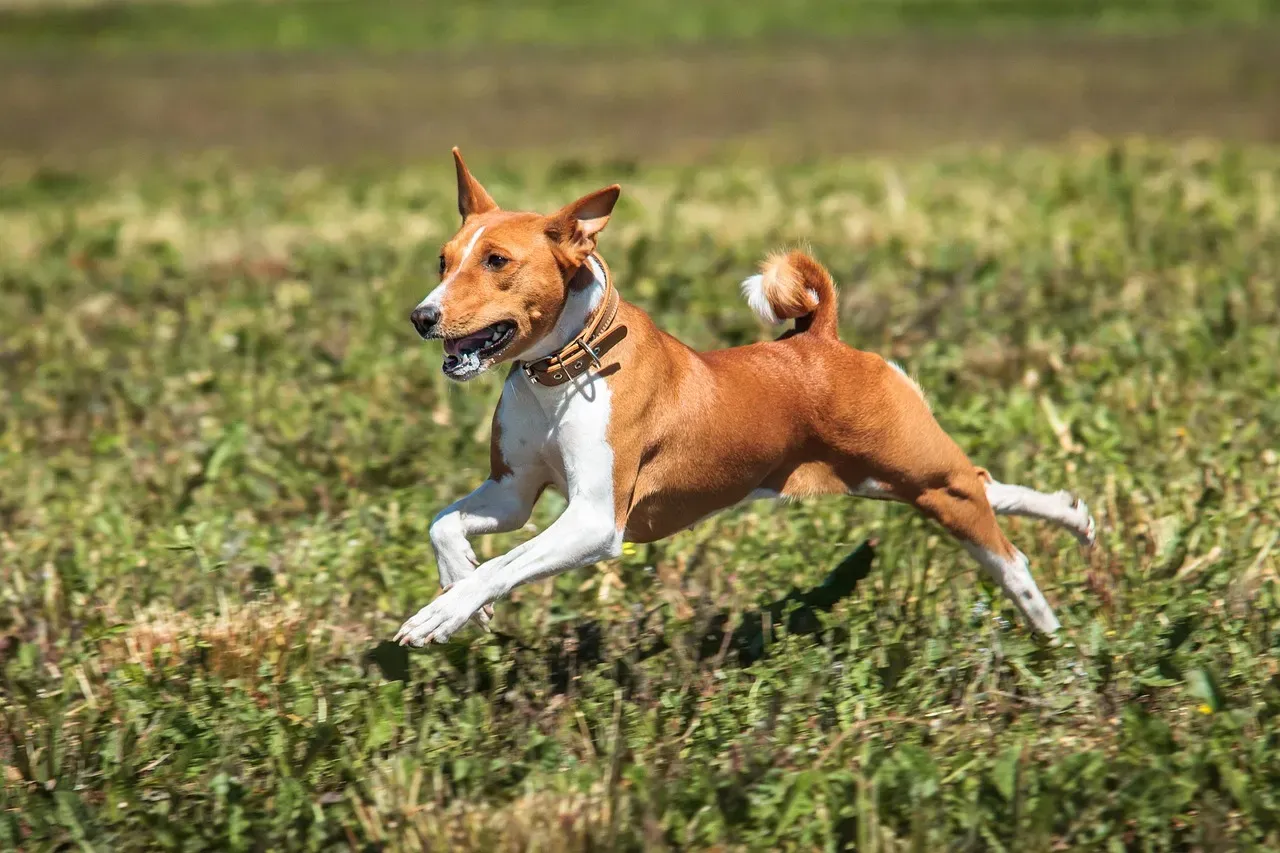
Originating from Central Africa, Basenjis have a rich history of living in hot climates. They are often called “barkless dogs” and are well-known for their cat-like grooming habits. Their short, fine coat provides natural insulation and allows for efficient heat dissipation, making them well-suited for warmer weather. Basenjis are highly adaptable and tend to be more tolerant of heat compared to other breeds.
Their small to medium size and slender build also aid in heat dissipation. That combination of compact body, ultra-short coat, and erect ears makes the Basenji a surprisingly practical choice for hot Southern living. Small erect ears help keep the dog cool in hot weather. They’re independent by nature, so they won’t demand an exhausting midday run when it’s 95 degrees out. Still, always ensure they have shade and fresh water. They still need access to shade and fresh water during hot days.
The Vizsla and German Shorthaired Pointer: Sporting Dogs Built for the Sun
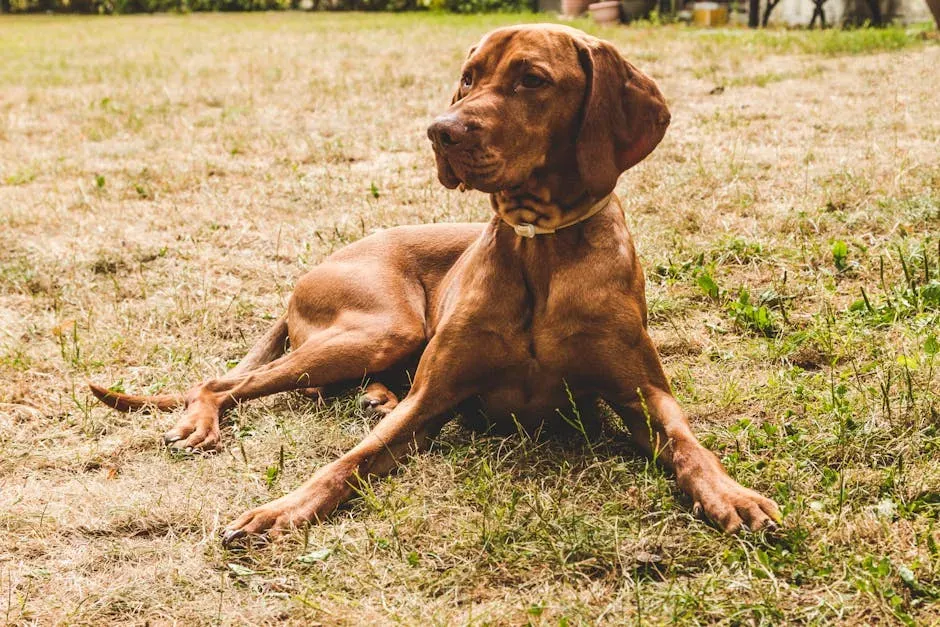
The Vizsla is a Hungarian breed known for its sleek, short coat that is ideal for hot weather. With their high energy levels and athletic build, Vizslas need plenty of exercise, which they handle well in warmer temperatures as long as they have adequate hydration. Their short coat is easy to maintain, and they are known for their affectionate nature and agility.
The German Shorthaired Pointer is a natural companion for active families in coastal Southern states. The German Shorthaired Pointer’s coat is slightly water-resistant and short, making them ideal for warmer climates, especially along the coast. Bred to hunt, these dogs naturally love the outdoors and hiking, making them fine companions for outdoor fun. With a high activity level, the GSP is a natural swimmer and knows when to cool off when it feels the heat. If you’re someone who enjoys early morning trail runs before the heat peaks, either of these breeds will happily keep pace.
The Chihuahua: Small Dog, Serious Heat Tolerance
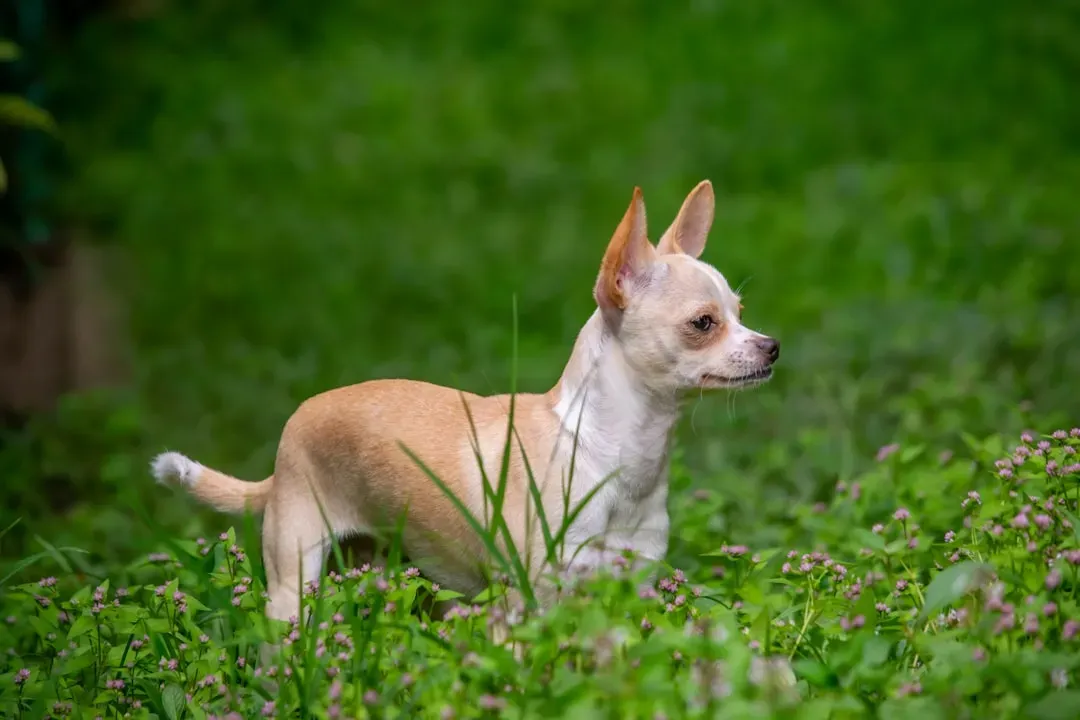
Don’t let the tiny frame fool you. Originating in the Mexican desert, the Chihuahua is a national symbol of Mexico with a lineage dating back to the ancient kingdoms of pre-Columbian times. This 2-to-5-pound dog with large erect ears and a thin coat seeks warmth and needs a sweater and a warm lap when the temperature drops. In other words, heat is their natural habitat.
The breed’s large, erect ears are more than just adorable. The shape also allows airflow over expanded blood vessels in the thin skin to cool both sides. Practical and clever design. Chihuahuas thrive in hot weather thanks to their short coats and minimal grooming needs. They’re perfect for city dwellers in apartments or homes without yards, as well as owners who want a small, lively companion. Their bold personality means they can be quite vocal and protective, so early socialization and training are key. For Florida condo owners or Texas apartment dwellers, a Chihuahua might honestly be the most sensible match on this whole list.
The Rhodesian Ridgeback and Doberman Pinscher: Power Meets Heat Resilience
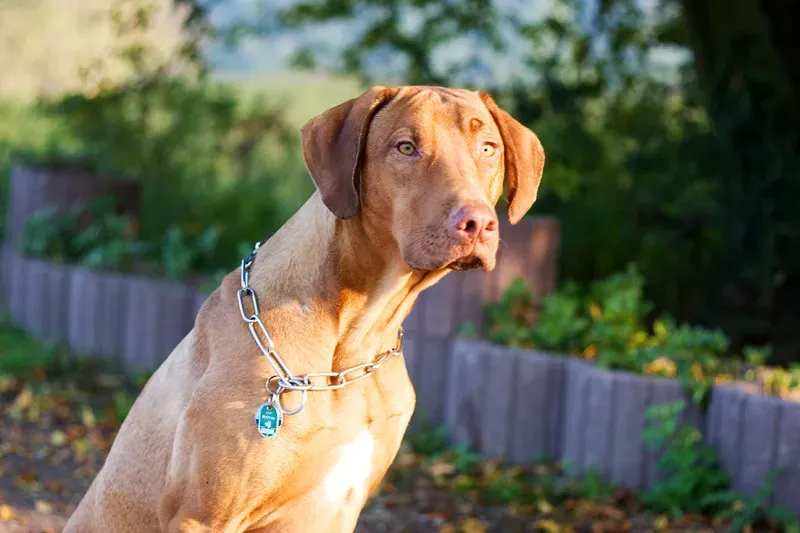
For families wanting a larger breed that won’t wilt in the Texas sun, the Rhodesian Ridgeback is a serious contender. Rhodesian Ridgebacks, originally bred in Africa, are well-adapted to hot climates. Their short, sleek coat and strong, muscular build make them well-suited for warmer temperatures. They are known for their endurance and protective nature, making them excellent family dogs. They’re calm in the home but confident outdoors, which works beautifully in the Southern lifestyle.
The Doberman Pinscher is another powerhouse that handles heat with ease. Dobermans have short coats and muscular builds that handle heat well, making them great for active owners in warm climates. Doberman Pinschers are large dogs with playful spirits, ready to partake in games of fetch and long walks. Their short fur does well in warmer weather. Dobermans are gentle giants, making them ideal for families with hearts set on soaking up the sun together. Both breeds still need shade, water, and exercise timed to cooler parts of the day. Despite their heat tolerance, they should have access to plenty of water and avoid prolonged exposure to the sun.
The Whippet: The Quiet Champion of Hot Weather Living
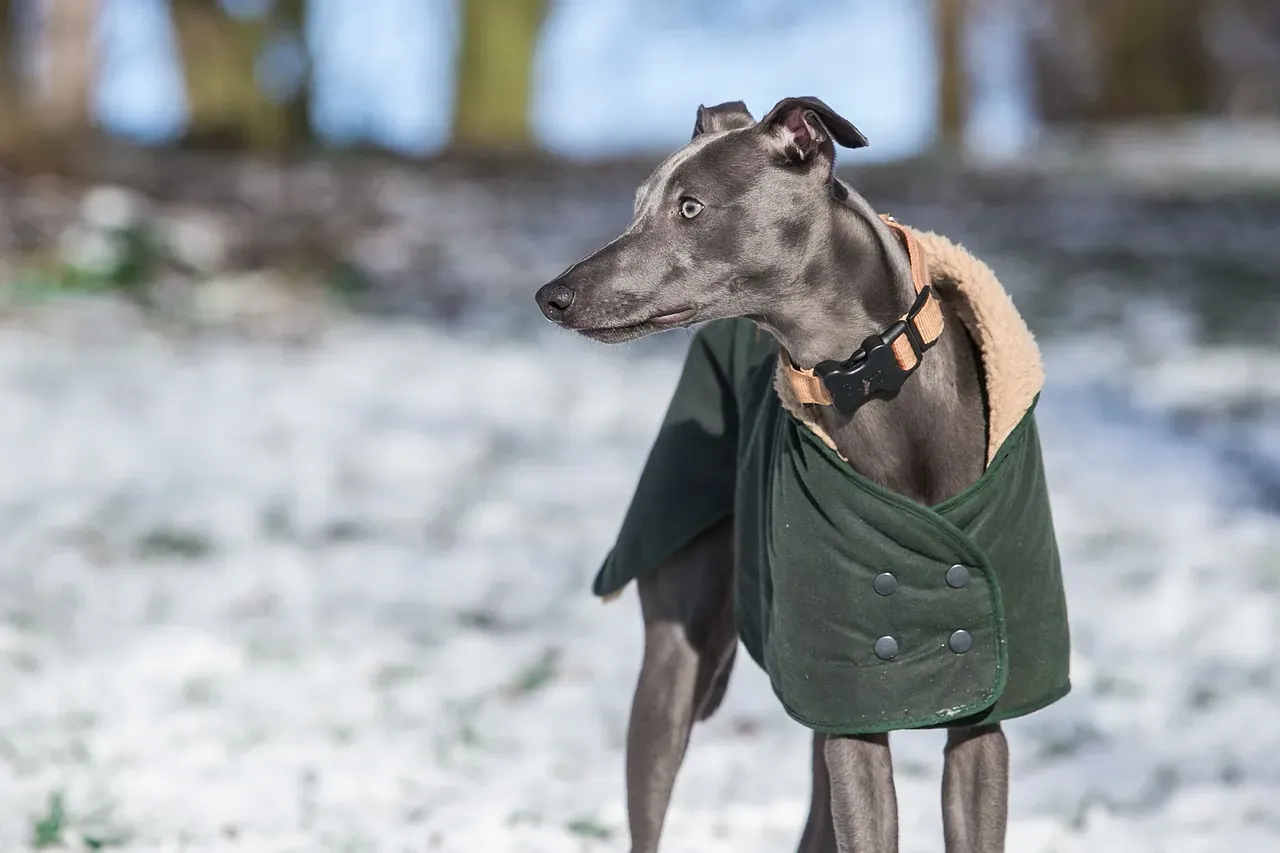
If you’ve never considered a Whippet, it might be time to reconsider. Whippets are another breed with a short, thin coat that adapts well to hot climates. They are slender, medium-sized dogs that are incredibly fast and agile. Their low body fat and minimal undercoat help them stay cool in the heat. Whippets are gentle and affectionate, making them great companions in warm weather.
Whippets’ short-haired, lean physique helps them handle heat well, and they are relatively low-energy indoors. They’re ideal for those who appreciate a calm indoor companion and can provide moderate exercise. That indoor calm is genuinely underrated in a hot climate. When the afternoon heat peaks, a Whippet is perfectly happy curled up on a cool tile floor. They have short hair which prevents insulation and allows cooler air to circulate, a long nose to take in air, and large open ears to disperse heat. It’s almost as if they were built with the Southern summer specifically in mind.
Heat Safety Tips Every Southern Dog Owner Should Know
Even the most heat-tolerant breed can get into trouble without proper care. Hot weather can be dangerous for all dogs, and can lead to heat exhaustion, heat stroke, or even death. Dogs are most susceptible to heat stroke when they are left in hot cars, left outside in hot and humid weather without shade or access to cool fresh water, or exercising in hot conditions. Knowing the warning signs is just as important as choosing the right breed.
Some dogs are at higher risk than others, including dogs with thick fur coats, very old or young dogs, and dogs with heart or upper respiratory problems. Watch for heavy panting, excessive drooling, glazed eyes, or sluggishness, as these can all signal overheating. If you notice warning signs, cool your dog down by wetting him with cool (never cold) water, encouraging him to drink cool water, and getting into the air conditioning. Regular grooming to remove excess hair and using dog-safe sunscreen on exposed skin can also be beneficial. A few proactive habits go a long way when summer stretches across eight months of the year.
Conclusion: The Right Breed Changes Everything
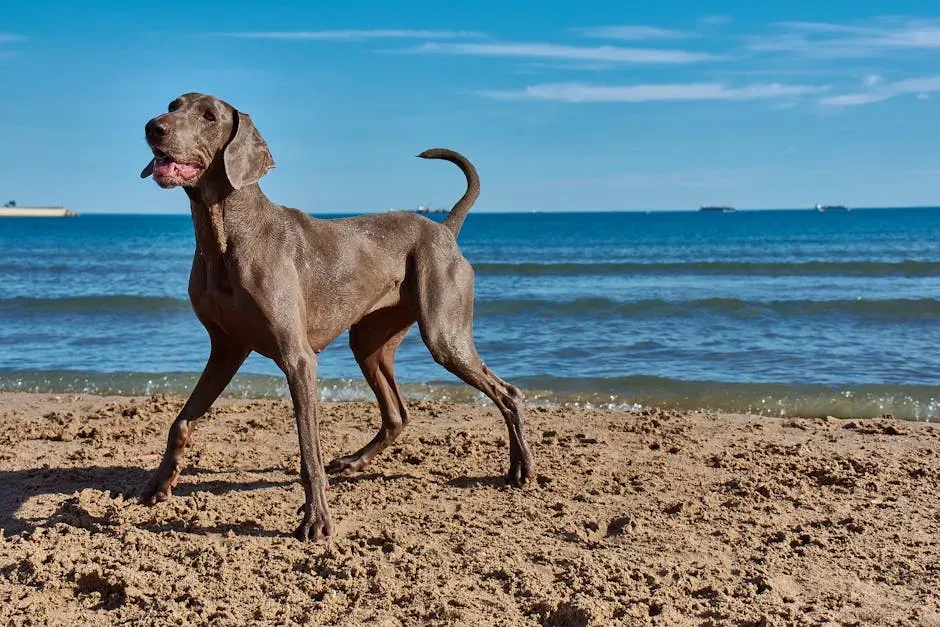
Choosing a dog in a hot Southern state isn’t just about personality or looks, though both certainly matter. It’s about setting your dog up for a genuinely comfortable, healthy life. One of the best ways to narrow down potential breeds is to investigate what breeds were developed in similar climates. Do keep in mind that any breed can quickly run into health problems if they get too hot.
Whether you’re drawn to the regal athleticism of a Rhodesian Ridgeback, the compact charm of a Chihuahua, or the quiet grace of a Whippet, there’s a heat-adapted breed out there that fits your home and lifestyle. By choosing a breed suited for hot weather and taking the necessary precautions, you can help ensure your dog remains happy, healthy, and comfortable despite the heat.
The South is beautiful, bold, and relentlessly warm. Your dog can feel the same way about it, with just a little thoughtful planning on your part. A well-matched breed and a caring owner are the best team the summer heat has ever faced.


