

Your dog never just sniffs something. They read it. They file it away. They react to it with their whole body, tail included. That’s because the canine nose is one of the most remarkable sensory instruments in the animal kingdom, wired directly to the emotional center of the brain and capable of decoding layers of information that we can barely imagine.
A dog’s sense of smell is estimated to be tens of thousands of times more sensitive than a human’s, with dogs having up to 300 million olfactory receptors compared to about six million in humans. So when you spritz your favorite air freshener, light a candle, or chop an onion in the kitchen, your dog is experiencing something far more intense than you are. Some scents will stop them in their tracks with pure delight. Others will send them quietly retreating to another room.
Knowing the difference isn’t just interesting trivia. It can genuinely shape how relaxed, happy, and safe your dog feels in your home. Here are ten household scents that have a real effect on your dog, for better or worse.
1. Lavender: The Calming Classic That Actually Works
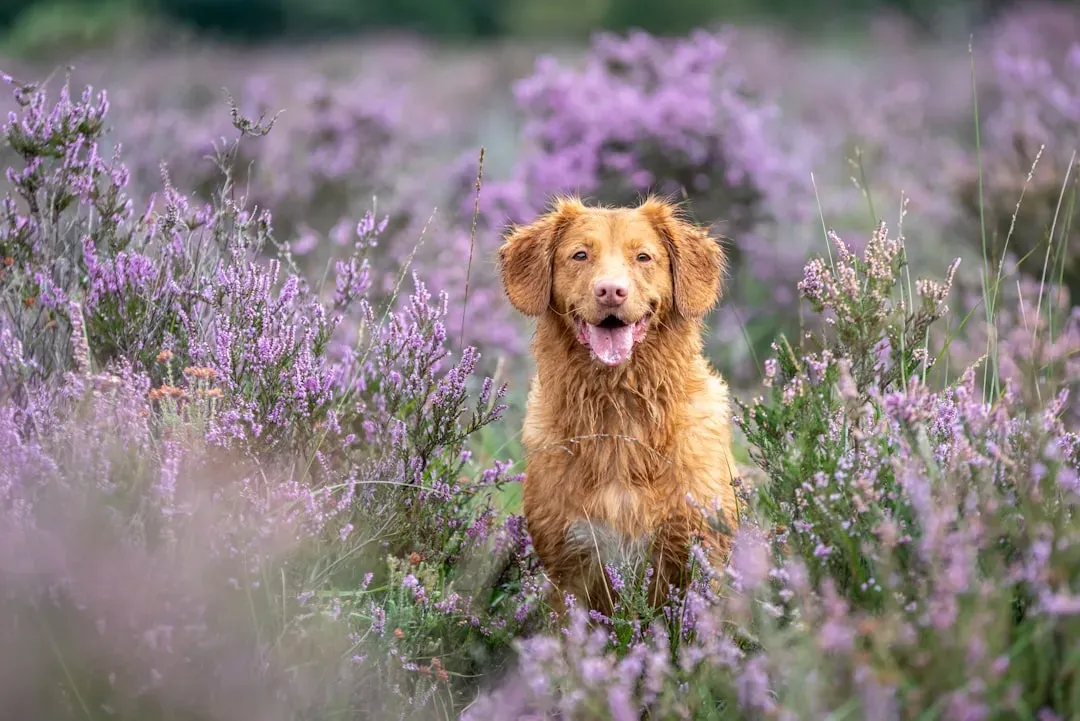
Lavender may be the single most studied scent when it comes to canine wellbeing, and the research is genuinely compelling. Certain odors, in particular lavender and to a slightly lesser degree chamomile, resulted in dogs behaving in a manner suggestive of increased relaxation, with dogs spending more time resting and less time moving and vocalizing upon exposure to lavender.
Traditional treatments for travel-induced excitement in dogs may be time-consuming, expensive, or associated with adverse effects, and aromatherapy in the form of diffused lavender odor may offer a practical alternative treatment for travel-induced excitement. If your dog trembles during car rides or goes into overdrive at the vet, a gentle diffusion of lavender in the car or waiting area is worth considering.
Lavender’s relaxing effects come from two main compounds, linalool and linalyl acetate, which in small, diluted quantities can promote calmness and even help reduce anxiety in dogs. The keyword there is diluted. Dogs experience smells much more intensely than humans, so a scent that feels subtle to you might overwhelm your dog’s senses, and while lavender is not inherently toxic, the concentrated form, especially essential oils, can be harmful if overused or ingested. Keep it light, keep it safe, and watch your dog melt into their bed.
2. Your Scent: The Most Beloved Smell in Their World
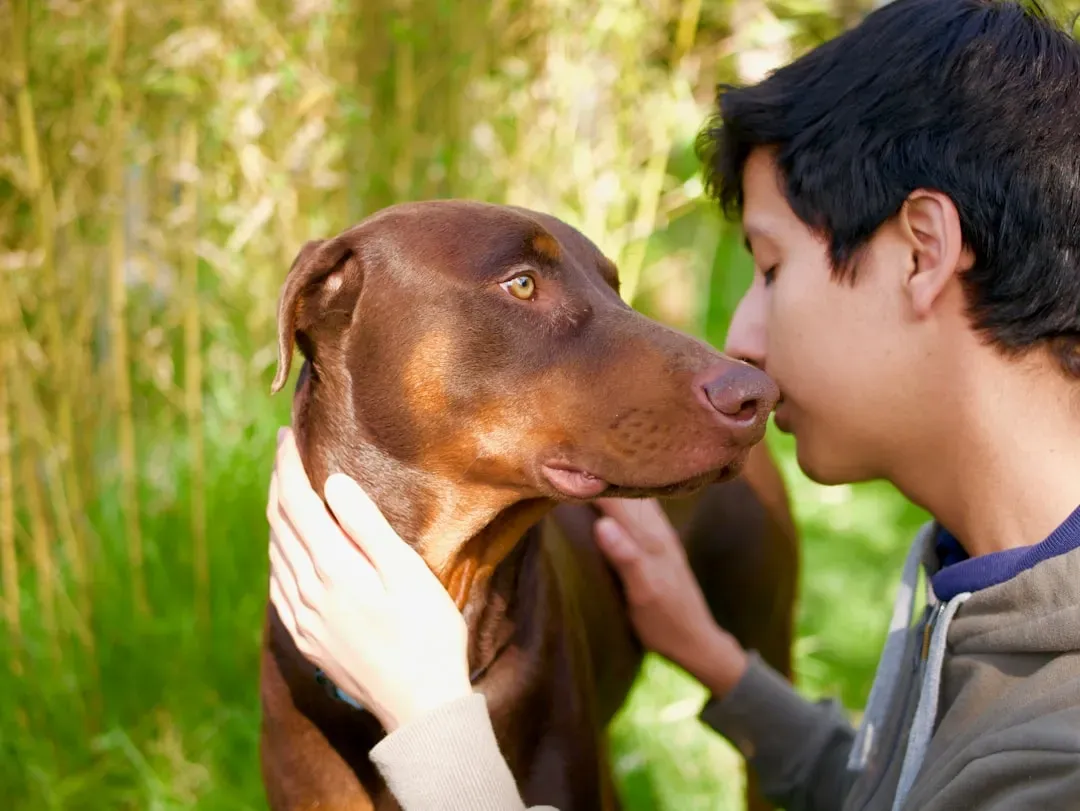
Here’s something that might make your day. An owner’s scent activates the parts of a dog’s brain associated with pleasure, according to brain-imaging research. This wasn’t just a behavioral observation; it was confirmed through functional MRI technology, which measured actual brain activity.
While the olfactory bulb was activated to a similar degree by all scents, the caudate nucleus, associated with positive expectations, was activated maximally by the familiar human, and importantly the scent of the familiar human was not the handler, meaning the caudate response differentiated the scent even in the absence of the person being present.
This is why your dog raids the laundry basket or sleeps on your worn sweater when you’re out. Dogs like the scent of their owners, which is why you might see your dog sniffing through your laundry or stealing your favorite blanket, and some dogs can also feel less anxious if you leave an article of clothing that you’ve worn recently inside your dog’s crate while you’re out of the house. If your dog struggles with separation anxiety, this is one of the most practical and free comfort tools available to you.
3. The Smell of Food Cooking: Pure Biological Excitement
There’s a reason your dog materializes in the kitchen the moment a pan hits the stove. Dogs love the smell of meat, cheese, and other protein-rich snacks, as these scents trigger natural food instincts inherited from wild ancestors and can be a handy tool for training exercises. This is deeply wired, not just learned behavior.
Where you might smell chocolate chip cookies, your dog can smell the chocolate chips, flour, eggs, and other ingredients separately. They’re not smelling dinner; they’re experiencing a full sensory report. Food scents top the list of canine attractants, and whether it’s the sizzling aroma of cooked meat, the sweetness of fruits, or the earthy scent of vegetables, dogs are naturally drawn to food odors.
Worth noting: this also makes food-based scents powerful training tools. A treat tucked in your palm during a training session isn’t just a reward waiting to happen. For your dog, that scent signal starts working the moment they catch a whiff, building focus and motivation before you’ve even asked for anything.
4. Chamomile: A Gentle Soothing Scent Many Dogs Respond To

A study explored the influence of five types of olfactory stimulation, including lavender, chamomile, rosemary, and peppermint, on the behavior of 55 dogs housed in a rescue shelter. The results were clear. Certain odors, in particular lavender and to a slightly lesser degree chamomile, resulted in dogs behaving in a manner suggestive of increased relaxation, with both odors encouraging dogs to spend less time moving and more time resting than under other conditions.
Chamomile offers gentle calming properties and is often used alongside lavender for stress reduction. Chamomile oil, similar to its use in humans, is known for its soothing effect and can help calm a stressed or upset dog. You might already have chamomile tea in your pantry. The dried herb form around the home can contribute to a softer, calmer atmosphere for a dog prone to restlessness.
Behavior cues to watch for: if your dog seems to settle more quickly, lowers their tail from an alert position, yawns, and finds a comfortable spot after exposure to chamomile, it’s working. These are classic signals of a dog transitioning into a calm state.
5. Blueberries, Blackberries, and Roses: The Fruity Favorites

This one surprises most dog owners. A 2022 study published in the journal Animals found that most dogs favor a few specific scents. Researchers presented 32 odor samples to 14 different dogs, cameras recorded the dogs and tracked their interest in the different scents throughout multiple trials, and when dogs sniffed for longer than two seconds this was considered a positive interaction. They found that dogs loved lavender, blueberry, blackberry, peppermint, and rose.
The blueberries and blackberries sitting in your fridge or on your counter? Your dog likely finds those genuinely appealing to smell. One reason dogs might be attracted to plant-based smells, as researchers suggest, is the fact that they can protect against parasites and help with self-curing. There may be an instinctive, health-related reason behind some of these scent preferences that goes back much further than domestication.
The practical takeaway here: if you’re choosing scented toys, bedding sprays, or enrichment items for your dog, fruity options aren’t just marketing. There’s real behavioral science behind them. A blueberry-scented toy may genuinely be more engaging than you’d expect.
6. Ginger: Warmth That Also Calms

Ginger has calming effects on humans, it can settle down a queasy stomach, and it can have similar health benefits for canines, with this aromatic root able to ease stress and help your pet relax in stressful situations. It’s a scent that works quietly rather than dramatically.
Ginger may help with motion sickness and has demonstrated relaxation properties in studies. Ginger essential oil is also safe for dogs, and it can settle upset stomachs and ease minor breathing issues. If your dog is prone to car sickness or gets wound up during seasonal thunderstorms, ginger-scented items used carefully around the home could be worth exploring alongside veterinary advice.
As always with any scent-based approach, watch your individual dog’s reaction first. Some dogs lean in and relax; others might not show much response at all. Just like humans, dogs have individual scent preferences influenced by their experiences, breed, and personality, and observing your dog’s reactions can provide insights into their unique likes and dislikes.
7. Citrus: The Scent Dogs Genuinely Despise

Now we shift to the scents that can genuinely stress or irritate your dog, and citrus tops the list almost universally. While you may love a good citrus candle or air freshener, this is a smell that dogs hate, as citrus smells are irritating to a dog’s nose and ingesting something citrusy is also harmful for them.
When thinking of the smells dogs most try to avoid, anything citrus is generally what experts have top of mind, with classic examples being lemons, limes, oranges, and grapefruits. Because dogs experience scents with such overwhelming intensity, a pleasant lemon-fresh cleaning spray that you barely notice might feel like an assault to your dog. You may notice them leaving the room, sneezing, rubbing their nose on the carpet, or shaking their head.
Interestingly, this aversion can actually be used constructively. Citrus scents are excellent for deterring your dog from areas you don’t want them to get into, and coupling this deterrent with additional positive reinforcement training for the best results is recommended, such as teaching your dog to “leave it” when you see them messing with plants in your home or garden. Just remember that natural deterrence is very different from deliberate exposure, which should always be avoided.
8. Vinegar: The Sharp No-Go Zone

Vinegar is another strong scent that dogs dislike. The sharp, pungent smell is overwhelming to a dog’s nose, and while it’s a natural and safe household cleaner, vinegar’s acidity can be off-putting to most dogs. Many pet owners use diluted white vinegar as an everyday cleaner, which is fine in terms of safety, but do be mindful of how lingering the smell can be once applied to floors or surfaces your dog frequently uses.
The sharp, acidic smell of vinegar is a great way to send dogs elsewhere. Much like citrus, some owners use vinegar spray to discourage dogs from marking or revisiting certain spots indoors. It tends to work, though it’s not a substitute for proper training.
If you clean your dog’s bowls or kennel with vinegar, make sure to rinse thoroughly and allow the scent to fully dissipate before your dog returns to the area. A dog that won’t approach their own food bowl after cleaning is probably telling you the vinegar smell is still very much present, even if you can no longer detect it yourself.
9. Ammonia, Bleach, and Harsh Cleaners: A Real Health Concern

Ammonia, bleach, and other harsh chemicals can irritate dogs’ noses and could even cause respiratory issues. This goes well beyond mere dislike. These are compounds that can genuinely harm your dog when used in poorly ventilated spaces or on surfaces dogs sniff and lick regularly.
These cleaning tools often use chlorine and ammonia, which create a harsh bleach-like smell that dogs hate, and they’re equally dangerous for both dogs and humans. Since your pet’s nose is extremely sensitive, make sure you’re not using strong air fresheners, scented candles, or cleaning agents when your dog is in the room, and if you are, do it when your dog goes for a walk and let the effect neutralize before they return.
Signs your dog is being affected by chemical smells include excessive sneezing, watery eyes, pawing at the face, lethargy, or reluctance to enter a freshly cleaned room. If you’re wondering which scents to avoid for your dog’s sake, switching to pet-friendly cleaners is advisable, as these products are safe for pets and allow you to clean your home without stressing your dog. This is one area where the switch genuinely matters for your pet’s long-term health.
10. Peppermint and Rosemary: Stimulating, Not Soothing
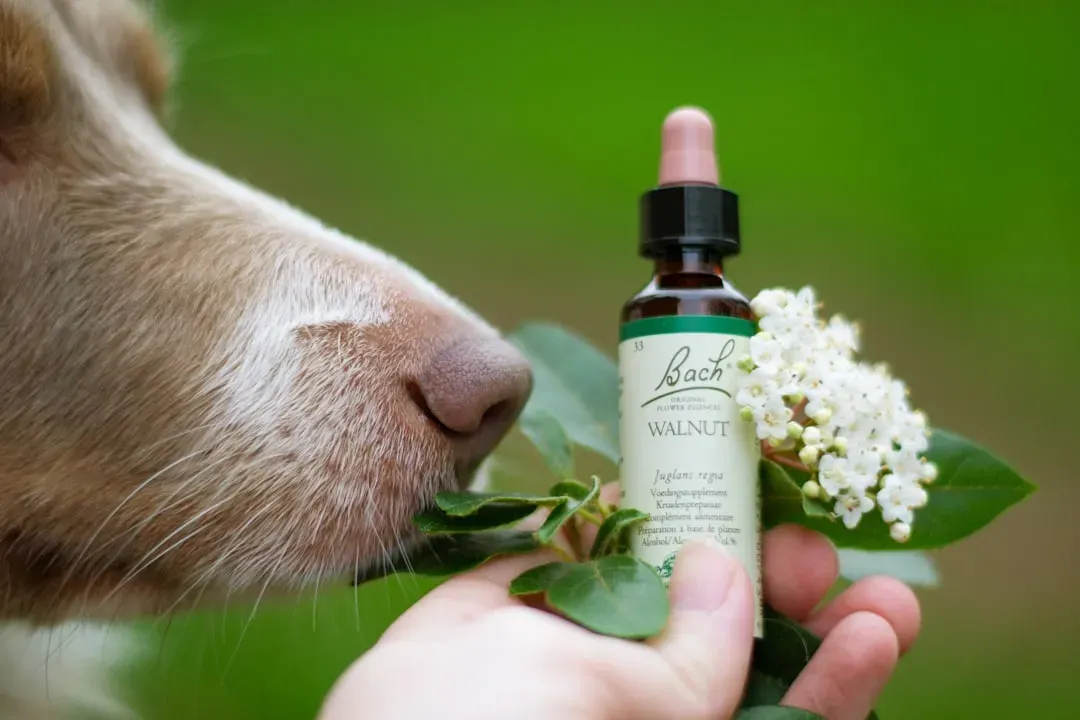
Peppermint occupies an interesting middle ground. The diffusion of rosemary and peppermint into dogs’ environments encouraged significantly more standing, moving, and vocalizing than other types of odor. That’s not inherently bad if you want a more alert, active dog, but it’s worth knowing if you’ve been using peppermint oil hoping to calm an anxious pup. You may be doing the opposite.
Stimulating scents like rosemary and peppermint had the effect of encouraging more movement and vocalization, and more recent research in veterinary clinic settings has reinforced these findings. On the harmful side, concentrated peppermint oil is a separate issue entirely. Inhaling the strong aroma of peppermint oil can be overwhelming and lead to discomfort or respiratory issues in dogs.
Dogs hate the smell of many herbs and spices, and rosemary, mint, basil, and garlic are all considered enemies of the canine nose. If you’re cooking a heavily herbed dish and your dog suddenly disappears from the kitchen, this is likely why. It’s not personal, and it’s not worrying. It’s simply your dog doing what their nose tells them to do: finding a more comfortable spot.
Conclusion: Your Home Smells Like a Whole World to Your Dog

Most of us decorate our homes for our own senses, without giving much thought to the olfactory landscape our dogs are living in twenty-four hours a day. Dogs are curious creatures and they love sniffing anything and everything, but because of their heightened sense of smell they are vulnerable to some scents that can irritate their noses and potentially harm their respiratory system. That’s not a reason to stress, but it is a reason to be thoughtful.
The good news is that creating a dog-friendly scent environment doesn’t require much effort. Swap harsh chemical cleaners for pet-safe alternatives. Diffuse lavender or chamomile sparingly in well-ventilated rooms. Leave a worn shirt with your dog when you go out. Notice when your dog retreats from a smell or leans eagerly into one. Each dog has different preferences, and recognizing your dog’s likes and dislikes can save your dog and you a lot of trouble, as just like us, dogs also have their likes, dislikes, and quirks.
Your dog navigates their entire emotional world through scent. The more you understand what their nose is telling them, the better you can care for the whole dog, not just the tail-wagging surface. That’s not a small thing. That’s the foundation of a genuinely good life together.


