
10 Reasons Your Dog May Be Acting Out Emotionally

You know your dog. You know their quirks, their favorite spot on the couch, the way their tail does that particular wiggle when you grab the leash. So when they start chewing through the furniture, snapping at strangers, or curling into themselves for no obvious reason, it’s unsettling. It can even feel personal.
Dogs don’t act out simply to be difficult or spiteful. Their behavioral changes often stem from underlying issues that require careful attention and understanding. The truth is, most emotional acting out is a form of communication. Your dog is trying to tell you something, and learning to read that message is one of the most powerful things you can do as a pet parent.
1. Separation Anxiety Is Quietly Tearing Them Apart

Separation anxiety is one of the most widespread emotional challenges dogs face. It can manifest as destructive behavior or inappropriate elimination when left alone. Think of the dog who tears apart pillows every time their owner heads out the door. That’s not bad behavior. That’s distress.
Dogs can experience various forms of anxiety, including separation anxiety, fear of noises, social anxiety, or generalized anxiety, and these psychological states may lead to a range of mood changes, from excessive barking to withdrawal. If your dog starts pacing, panting, or howling shortly after you leave, separation anxiety is a likely culprit. Gradual desensitization, where you practice short departures and slowly extend them, is one of the most recommended approaches for helping them adjust.
2. Chronic Pain or Hidden Illness

Dogs often display behavioral changes when experiencing health problems or physical pain. Just like humans, they can’t verbally communicate their discomfort, so they may express it through changes in behavior. A dog who suddenly snaps when you reach for their back, or who growls at being touched on their hips, may not be aggressive by nature.
Conditions like arthritis or hip dysplasia can make dogs irritable or aggressive, especially when touched in sensitive areas, and these dogs may snap or growl when approached due to fear of pain. Health issues that can change your dog’s behavior include arthritis, hip dysplasia, sore teeth, thyroid problems, epilepsy, ear infections, digestive issues, skin or environmental allergies, hearing loss, eyesight loss, and cancer. When behavior changes appear suddenly and without an obvious environmental trigger, a vet visit should always come first.
3. A Disrupted Routine Has Thrown Off Their Sense of Security

Just like us, dogs need a sense of security. Drastic changes in environment or routine can really throw them off, causing anxiety that is commonly expressed as problem behavior. Dogs are wired to expect consistency. When that consistency disappears, they can unravel in ways that genuinely surprise their owners.
A change in work schedule can confuse your dog, and a new pet or child joining the family can also be very stressful. Changes in work schedules or daily routines can lead to separation anxiety or acting out behaviors, and dogs may develop destructive habits or excessive vocalization when their routine is disrupted. The fix is often simpler than people expect: restore predictability wherever you can, and give your dog time to adapt with patience and calm reassurance.
4. They’re Bored Beyond Belief

When a dog lacks mental stimulation, they experience boredom as humans do. Boredom in dogs is often synonymous with destructive behaviors such as tearing up furniture, compulsively licking or chewing their paws, or restlessness. It sounds almost too simple, but a bored dog is often an emotionally frustrated dog.
Often-forgotten mental stimulation is essential for a well-balanced dog. Mental exercise can be just as tiring as physical; someone who works at a desk job can be as tired at the end of the day as a landscaper. Food-based enrichment activities are an excellent place to start, as dogs love to forage or work for treats. Puzzle toys with hidden treats or spreading food in your yard are sure ways to get your dog’s brain stimulated. Even ten minutes of nose work or a new training trick can shift a dog’s entire mood.
5. Past Trauma Still Casts a Long Shadow

Dogs with histories of abuse or neglect may develop fear-based aggression or extreme anxiety, and these cases often require long-term work with a pet behaviorist to rebuild trust and confidence. Trauma doesn’t always look like cowering. Sometimes it looks like explosive reactivity, resource guarding, or an inability to settle in new environments.
A traumatic event is determined by the dog, not us. When dogs experience trauma, whether they’re naturally active or passive, they can develop strong emotions that result in visible behavior changes. Trauma can result from several sequential events, such as compounded stress from time spent at a shelter, or single events like an attack by another dog, and in dogs, trauma has been linked with increased fearfulness and aggression. Working at the dog’s pace, never forcing interactions, and building trust slowly are the cornerstones of recovery.
6. Poor or Insufficient Socialization Early in Life

A lack of proper socialization as a puppy can lead to fear and aggression as an adult. Conversely, sudden avoidance of previously enjoyed activities or people might also indicate a problem. The window for early socialization is narrow, and what happens during those first few months has a long reach into a dog’s adult personality.
Quality matters just as much as socialization itself. Controlled, positive experiences build confidence, while chaotic or negative encounters lead to long-term behavioral issues. Forcing dogs into unwanted interactions can increase reactivity. A shy puppy that avoids approaching strangers, yet is repeatedly being petted by strangers, may grow into a teenager that lunges or snaps to keep people away. It’s a sobering reminder that good intentions with poor timing can do real damage.
7. Inconsistent Training Is Creating Emotional Confusion
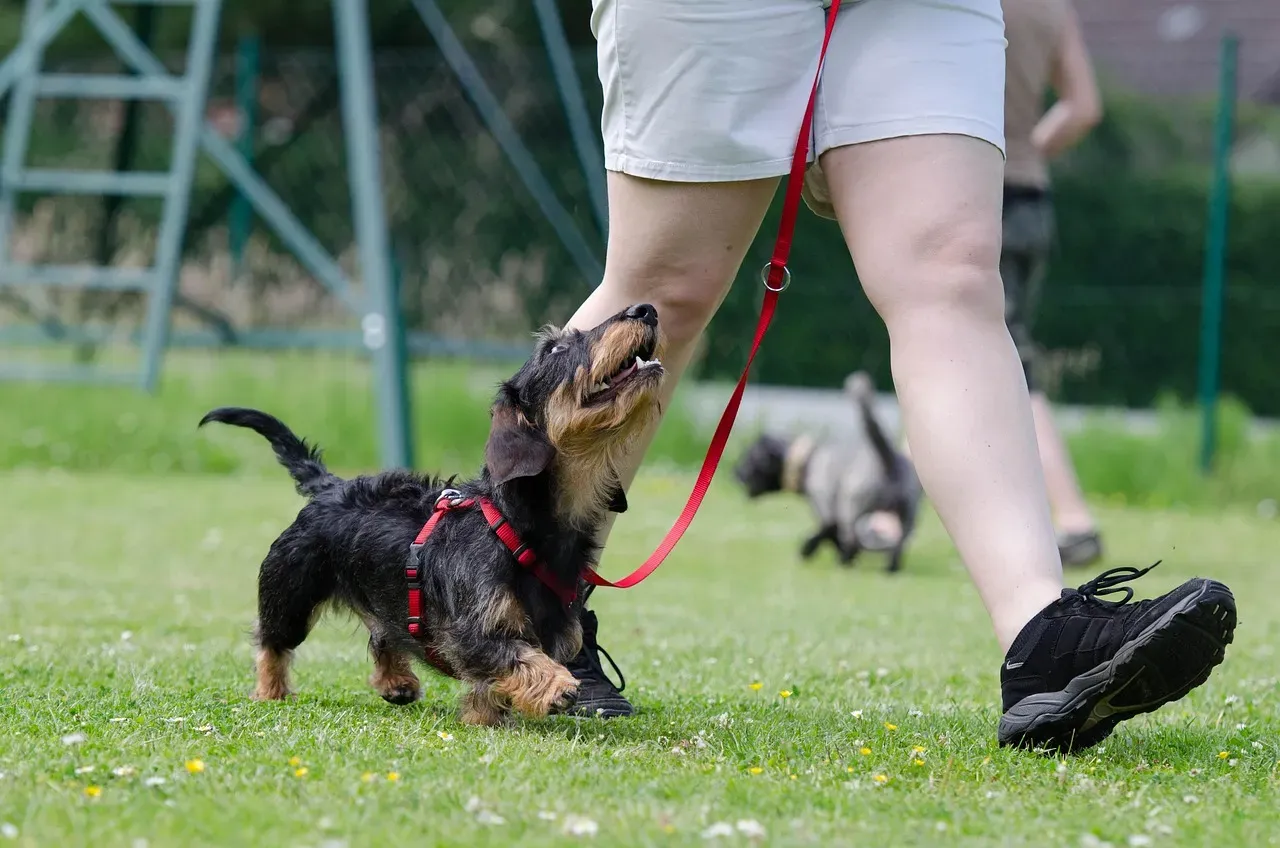
Many behavioral issues stem from inadequate or inconsistent training approaches. Without clear boundaries and consistent expectations, dogs may become confused and test limits. Imagine being told the rules change depending on who’s in the room. That’s the daily experience for dogs in households where rules shift between family members.
When rules and expectations vary between family members, dogs may become confused and test limits, often resulting in selective listening or manipulative behaviors. Punishment-based techniques can lead to fear, anxiety, and even aggression. Consistency, clear communication, and reward-based guidance give dogs the emotional footing they need to actually relax and cooperate.
8. Grief and Loss They Can’t Put Into Words

Our canine companions can experience depression in the form of the blues, sadness, and grief. Distressing events or major life changes can sometimes cause a dog’s nerves to go haywire, or trigger feelings of sadness or anxiousness, and triggering incidents may include the loss of a dog’s owner or companion animal. Dogs grieve deeply, even if their grief looks different from ours.
Signs and symptoms of dog depression are similar to those people experience. You may notice a loss of interest in the things they typically enjoyed, a change in eating and sleeping habits, and low energy or activity levels. Depression can also present as signs of aggression, including howling or whining. When your household loses a person or another pet, watch your dog closely. Extra quality time, gentle routines, and patience can carry them through a grief period that’s very real, even if invisible to most people around them.
9. Hormonal Imbalances and Neurological Changes
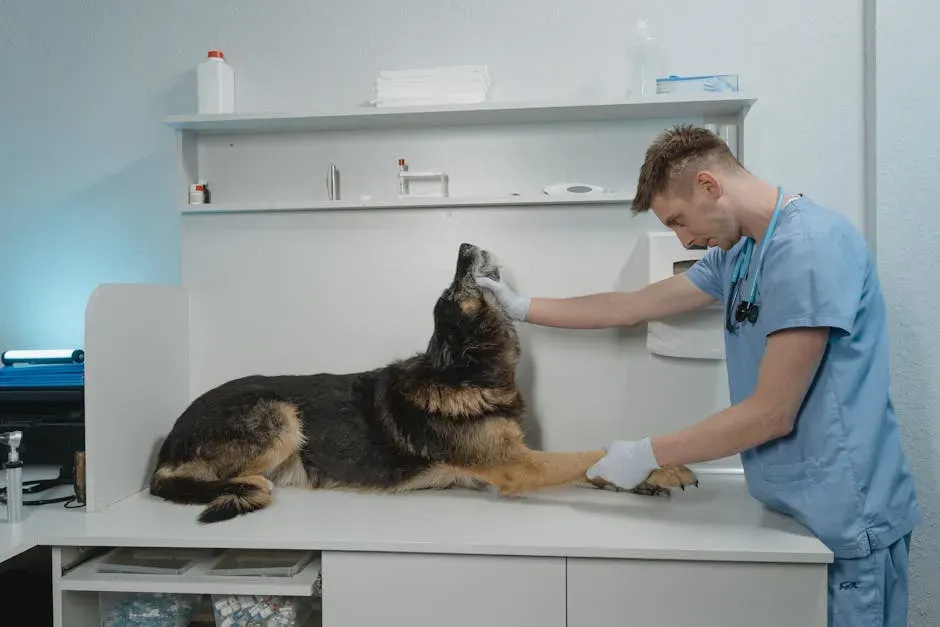
Thyroid problems or other endocrine disorders can dramatically affect a dog’s temperament and energy levels. A dog who seems suddenly moody, lethargic, or uncharacteristically aggressive might not have a behavioral problem at all. The root cause could be entirely physiological.
It’s essential to recognize that changes in behavior can sometimes be indicative of underlying medical issues. Pain, discomfort, hormonal imbalances, and neurological conditions can all manifest as behavior problems in dogs. Just like humans, as dogs age, they might experience cognitive dysfunction, vision or hearing loss, incontinence, or physical pain, and these age-related issues can cause changes in mood and behavior. Never assume it’s purely emotional without checking in with your veterinarian first.
10. They’re Mirroring Your Stress

Pets mirror human emotions. Speaking calmly, avoiding sudden movements, and rewarding relaxed behavior through positive reinforcement encourages emotional balance and trust. Dogs are exquisitely tuned to the emotional frequency of their people. If you’ve been running on anxiety, tension, or emotional exhaustion, don’t be surprised if your dog is too.
Chronic stress can lead to medical problems such as UTIs, gastrointestinal, and dermatological issues, as well as behavioral problems such as OCD-like behaviors, aggression, and anxiety. When a dog’s environment is emotionally chaotic, even without direct harm to the animal, the impact compounds over time. Depressed or anxious dogs often benefit from predictable environments, well-regulated social interaction, and a consistent routine with lots of physical activity. Sometimes, caring better for your dog starts with managing your own stress first.
What To Do When You Notice the Signs
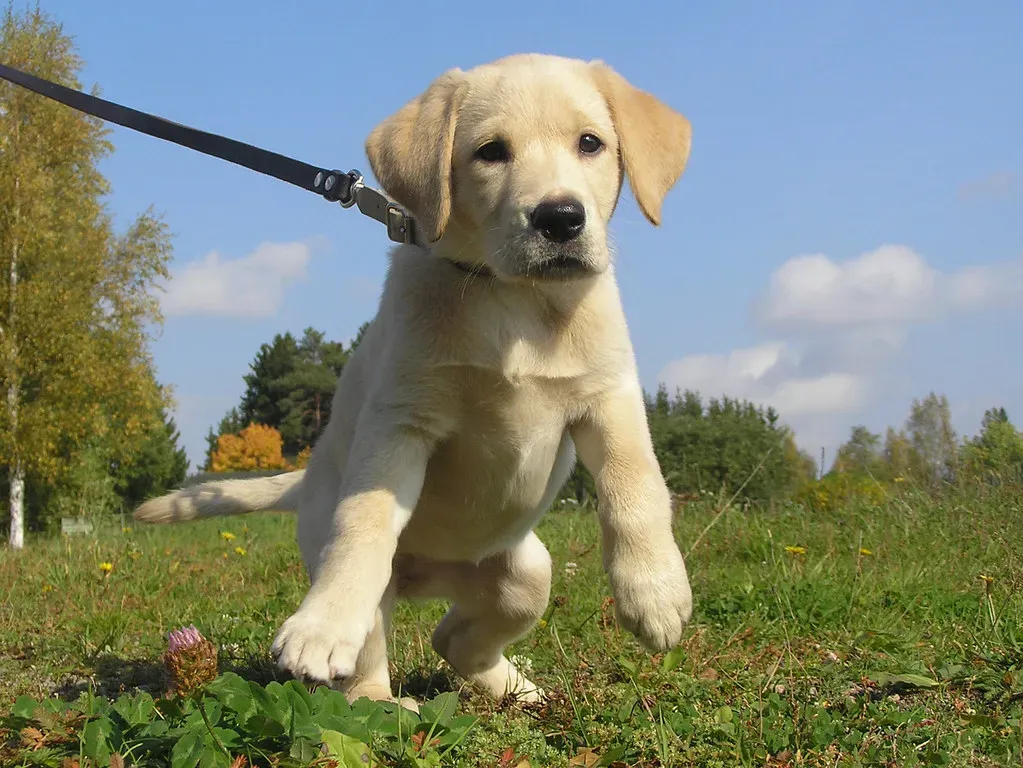
Sudden changes in pet behavior can often be addressed with patience and the right strategies. A crucial first step is a veterinary check-up to rule out underlying medical problems. Never skip that step. Physical causes and emotional causes often look identical from the outside, and a vet can help you tell them apart.
Effective tools for addressing pet behavior issues include positive enrichment, reward-based training, establishing consistency and routine, desensitization techniques, and seeking guidance from professional pet behaviorists or certified trainers. The good news is that most dogs respond beautifully to the right combination of structure, compassion, and time. Your pet’s behavior is communication, not disobedience. Approaching these challenges with patience and empathy will ultimately strengthen your bond and help find effective solutions.
Conclusion

Your dog acting out isn’t a failure on your part, and it isn’t defiance on theirs. It’s a signal. Dogs live in a world they can’t fully explain, and every chewed cushion, every anxious bark, every moment of withdrawal is their best attempt to say something they have no other way to say.
The ten reasons above don’t cover every possible scenario, but they cover the most common ground. Understanding them changes how you see your dog’s behavior, not as a problem to fix, but as a conversation to have. When you show up for that conversation with curiosity and kindness instead of frustration, something shifts. In them, and honestly, in you too.