
10 Dog Breeds That Are Surprisingly Calm Even in Busy Homes
Walk into almost any busy household and you’ll find the same scene: kids bouncing off the walls, work calls happening in the kitchen, the TV on, someone unloading groceries, a dog weaving between all of it. For many families, a calm dog isn’t a luxury. It’s the difference between a harmonious home and a daily circus.
Calm dog breeds are expected to maintain composure in certain situations. They’re able to react to stimuli in a measured way, often without growling, lunging, or showing signs of stress. What surprises most people is just how many breeds genuinely thrive in noise and motion, not just tolerate it. Whether you live in a small apartment or a house full of children, these ten dogs have a natural gift for turning down the volume, both literally and emotionally.
1. Cavalier King Charles Spaniel: The Gentle Heart of the Home
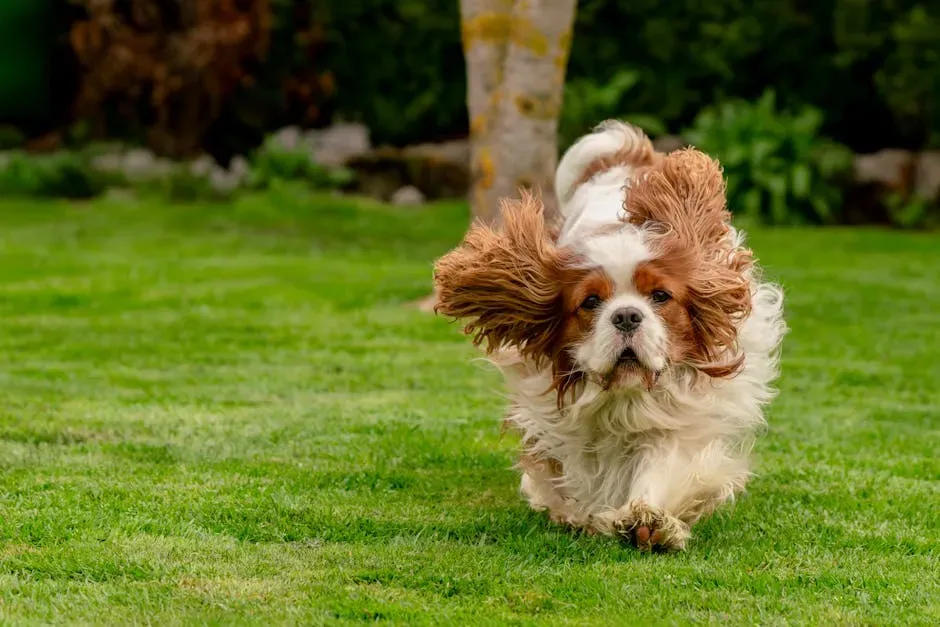
The Cavalier King Charles Spaniel has been a favorite lap dog of British royalty for generations, and the breed’s affinity for laps remains true today. Their sweet, gentle temperament makes these calm, small dogs great for families with kids and other pets, and they are easy to train. That combination of ease and warmth is rarer than you’d think.
The Cavalier King Charles Spaniel fits naturally into a lively household, settling calmly even when kids are in constant motion. Eager to please and smart, the Cavalier King Charles Spaniel is one of the best dog breeds for novice pet owners. Their moderate exercise requirements can be met via mental stimulation and spending time with their beloved humans. If your home is full of noise and love, this breed treats both as a warm welcome.
2. Golden Retriever: Calm When It Counts

It’s no wonder the Golden Retriever is continually in the top 10 of most popular dog breeds. They are easy-going, affectionate and playful, but gentle with children, making them an ideal family dog. A well-matched Golden brings both joy and steadiness into a home, which is a rare combination.
Well-trained and exercised Goldens are calm and mannerly at home, and enthusiastic when invited to play. The key word there is “trained.” Golden Retrievers are emotionally sensitive dogs who read human moods well and respond accordingly. They often excel as therapy dogs due to their natural empathy and gentle responses to human emotions. This sensitivity means they don’t respond well to harsh training methods and can become stressed or shut down when treated roughly. Keep training positive, exercise consistent, and this breed will reward you with a reliably grounded presence.
3. Basset Hound: Laid-Back by Design
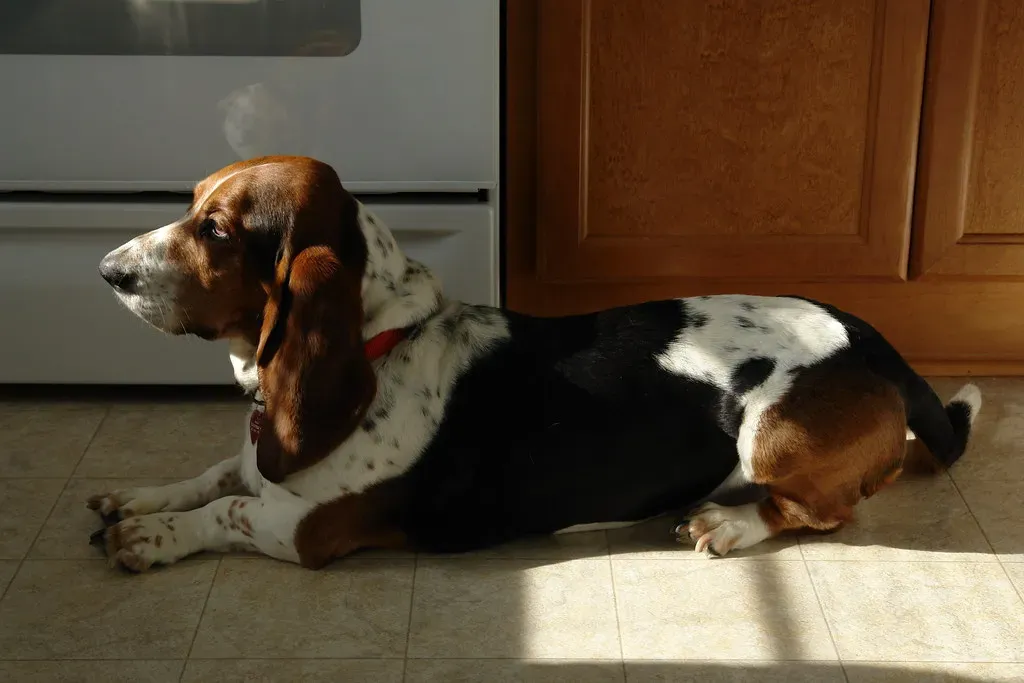
The Basset Hound is a calm, gentle dog breed that’s adaptable to new surroundings and content with moderate exercise. These low-energy dogs aren’t very athletic, so don’t expect them to excel at sports. Their best asset, besides being an amazing companion, is their nose, which can sniff out just about anything. That curiosity for scent keeps them mentally occupied without demanding constant activity.
The Basset Hound fits naturally into loud, busy homes with its calm and good-natured personality. Known as the “clown” of the canine world, this breed enjoys company and relaxed moments on the sofa. Their gentle temperament makes them comfortable around children, other dogs, and household pets. One thing to watch: they require regular walks to prevent weight gain, even with a slower pace indoors. A short daily walk isn’t just good for the dog. It’s honestly good for you too.
4. Great Dane: The Gentle Giant Who Just Wants to Nap
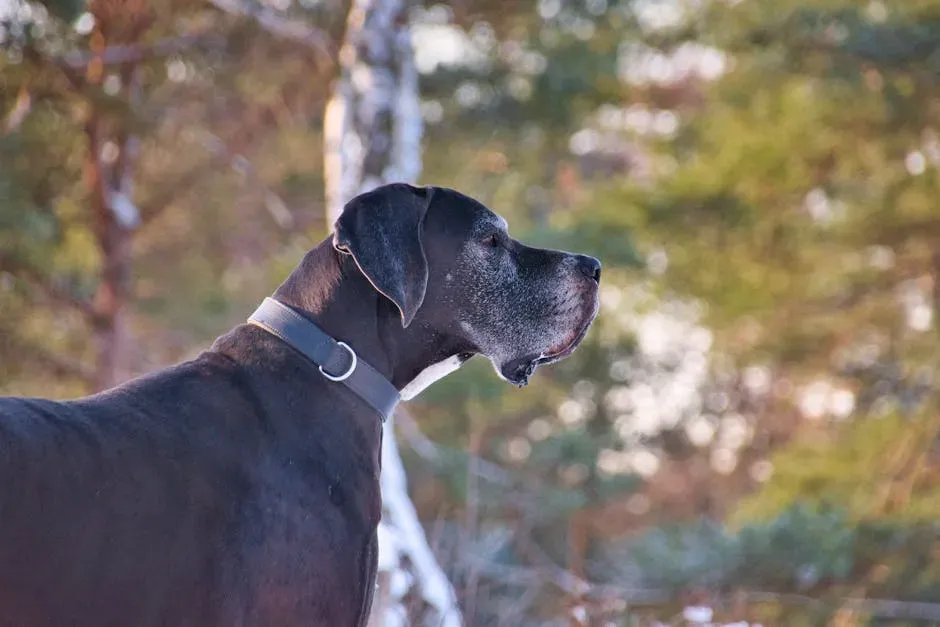
Great Danes are often described as gentle souls. They are generally calm and well-behaved, seldom getting worked up over loud or vigorous stimuli. They are also typically affectionate and enjoy being around their human family members. Great Danes are known to be good with children and other pets when properly socialized from a young age. For all their imposing size, they carry themselves with a kind of unhurried confidence that children tend to respond to well.
The giant Great Dane is one of the calmest dog breeds. Their gentle, quiet nature makes them good family dogs, but they do need plenty of space to live and play. Great Danes also need long walks regularly, and their calm demeanor helps make that a generally hassle-free process when encountering other dogs and new people. One practical tip: make sure your Great Dane has a dedicated quiet space inside the home. A safe space with their bed or a chill-out area away from noisy kids and bustling home activity helps even the most adaptable dog decompress at the end of a busy day.
5. Greyhound: The Surprising Couch Companion
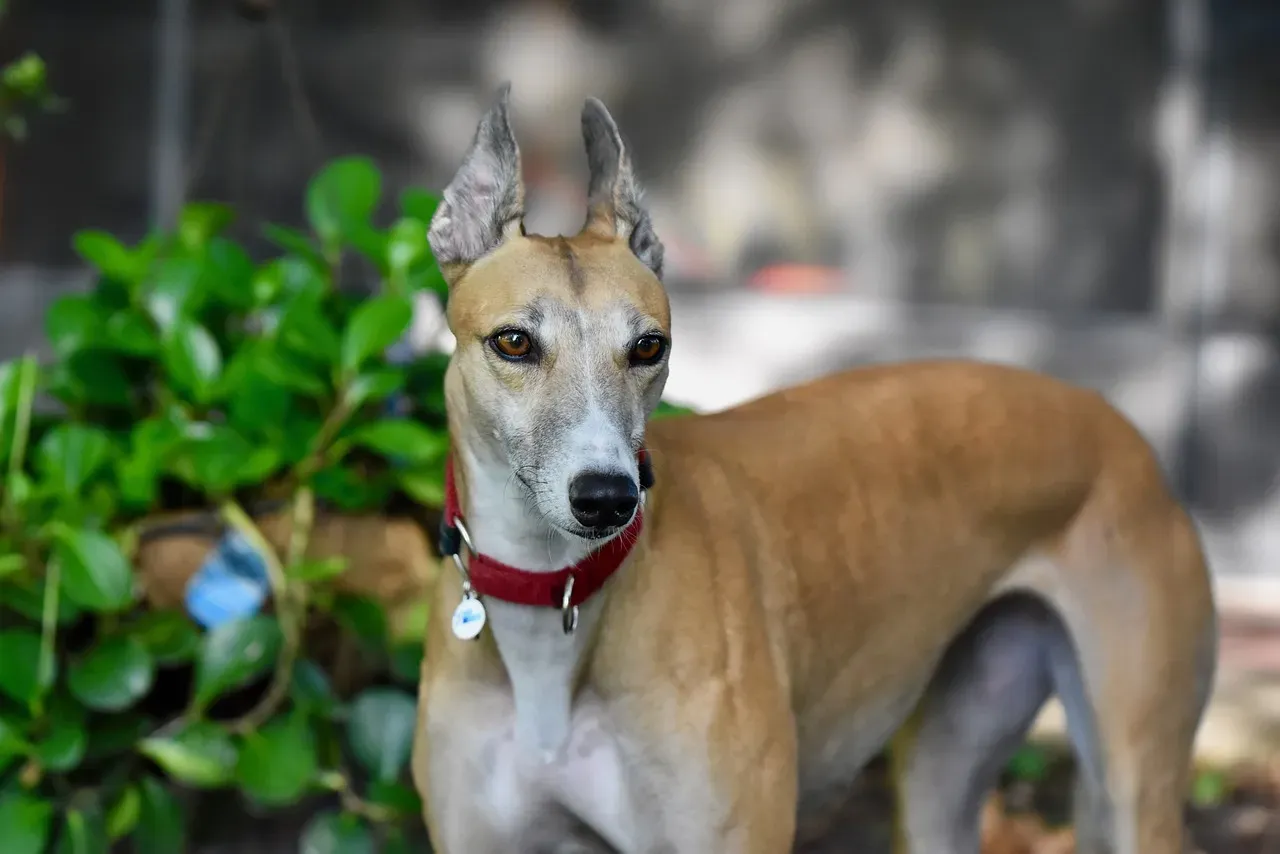
Despite their reputation as racing dogs, Greyhounds are surprisingly quiet and low-energy indoors, making them excellent apartment dogs, even among large dogs. They enjoy indoor life and short bursts of exercise. Many first-time Greyhound owners are genuinely taken aback by just how much these dogs love to simply lie still.
While capable of remarkable speed outdoors, inside the home, they settle quickly and quietly. Their calm presence fits naturally into busy households. These racing dogs expend energy in short sprints, then happily claim the softest corner of the couch. That rhythm makes daily life easier for families juggling school and activities. They are gentle, friendly, and often get along with other dogs and pets, making them ideal for multi-pet households. A securely fenced yard is a must for outdoor time, but inside the home, they’re reliably peaceful.
6. French Bulldog: Small Dog, Enormous Calm

French Bulldogs are excellent apartment dogs, thanks to their calm and adaptable nature. They thrive in indoor life and require only moderate exercise, making them perfect for apartment dwellers who want a friendly, low-energy companion. These small breeds are affectionate and faithful, often forming strong bonds with their owners. Few breeds pack this much personality into such a compact, low-maintenance package.
The Frenchie is a happy, gregarious breed who makes friends easily. A quiet dog, she requires minimal exercise and is ideal for apartment life. One health note worth mentioning: French Bulldogs have flat faces, which means they can struggle in heat. Be careful not to overexert these sensitive pups or expose them to high temperatures. Their brachycephalic snout makes it harder to breathe and makes them susceptible to overheating. Keep them cool in summer, and they’ll reward you with unwavering companionship.
7. Newfoundland: Born Patient, Naturally Gentle
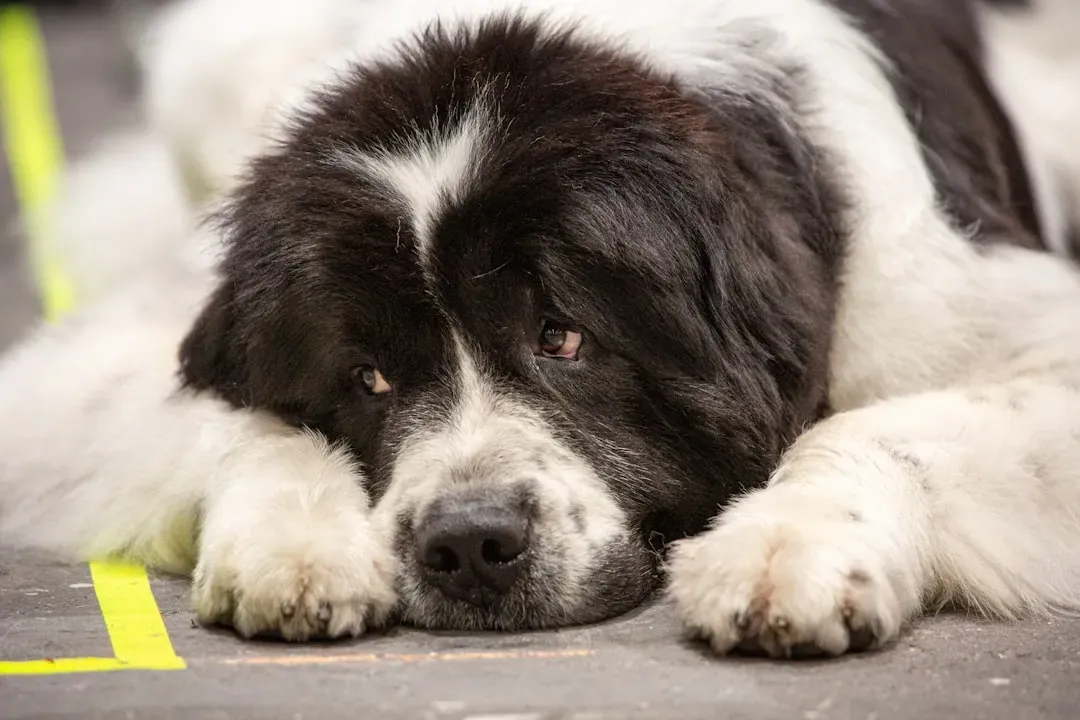
Commonly referred to as “Newfies,” Newfoundlands are a giant and gentle breed known for their incredible strength, sweet temperament, and excellent swimming abilities. As their name suggests, these dogs originated in Newfoundland, Canada, where they were initially bred to work alongside fishermen, helping haul nets and rescuing people from the water. The calm, stoic demeanor necessary for such work has carried through to their modern descendants. That history matters because it explains why this breed is so unflappable under pressure.
The Newfoundland’s most defining characteristic, besides their large physical size, is their gentle and affectionate temperament. These calm, easygoing, and patient pups are known for their friendly demeanor, making them wonderful companions for everyone they meet. Their loyalty extends to their family, where they act as caring protectors. Regular grooming is a real commitment with this breed, and the drool is undeniably part of the deal. Still, for families who want a dog that radiates warmth and steadiness, a Newfie is hard to beat.
8. Shih Tzu: Tiny Dog, Surprisingly Unshakeable
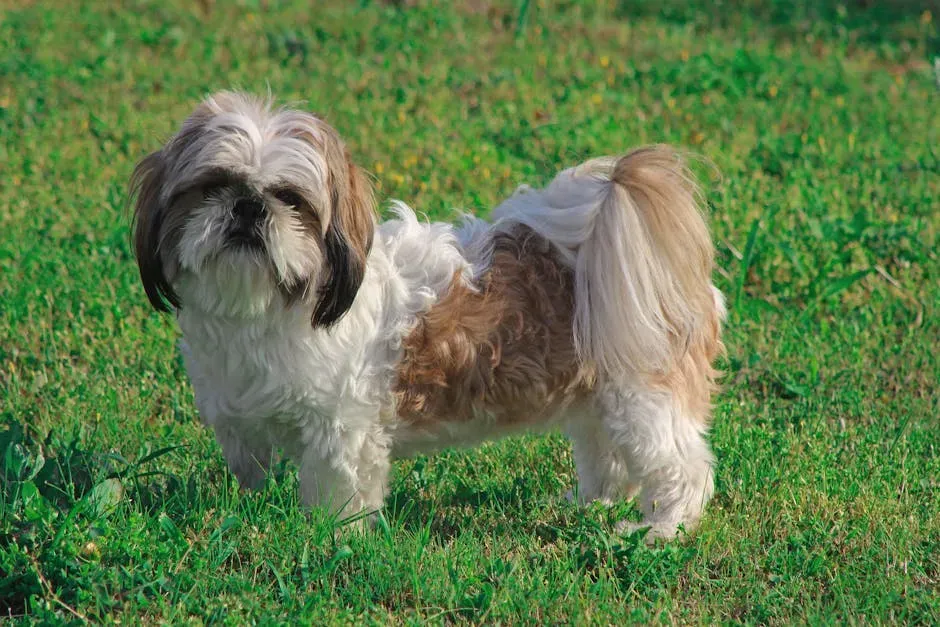
The Shih Tzu is a lively yet deeply affectionate lap dog that prefers people over independence. In a busy household, this breed often chooses the couch, bed, or a soft pillow as its command center. The energy of children rarely unsettles it, as long as interactions stay respectful. That last point is worth emphasizing to kids: gentle handling earns a Shih Tzu’s trust and keeps the peace.
Shih Tzus are the quintessential lap dogs bred to be close companions and excel in apartment living. These small, calm dogs are generally quiet and only bark when necessary. Shih Tzus are affectionate and enjoy spending time with their humans, whether lounging at home or taking a casual stroll. Their luxurious coats require grooming, but their laid-back temperament makes up for the extra care. Daily coat brushing is a genuine requirement, so build that into your routine early. Think of it as bonding time.
9. English Bulldog: Calm, Stubborn, and Completely Worth It
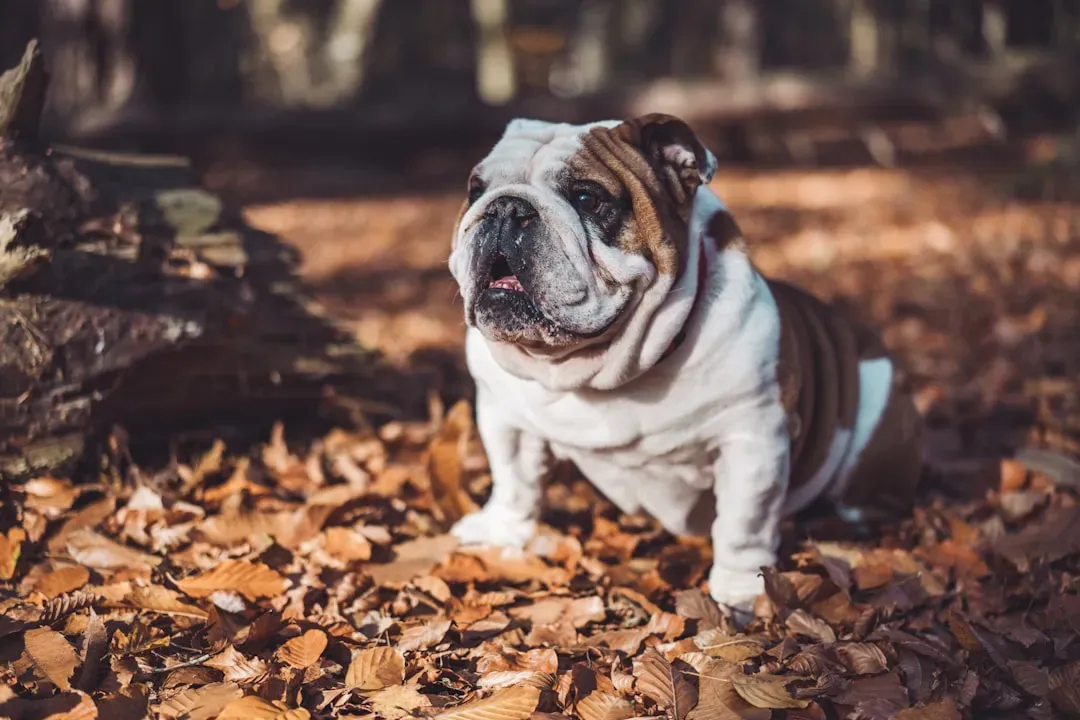
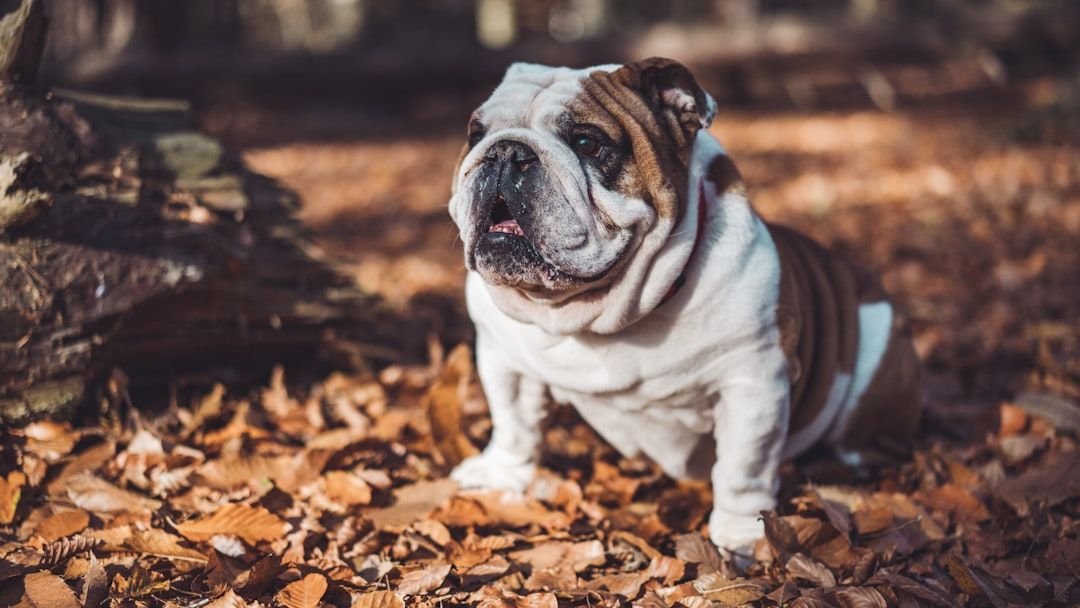
A well-socialized English Bulldog is generally a calm, low-energy dog. While napping is one of the English Bulldog’s favorite activities, they also need to get outside for a walk and some playtime each day to stay happy and healthy. A Bulldog in a busy home is often the stillest thing in the room, which is both endearing and practically useful.
The Bulldog settles comfortably into a busy household and handles noise and commotion without agitation. Its calm temperament pairs well with energetic children. The Bulldog enjoys brisk walks yet is equally content claiming a corner of the sofa. Training can take patience, as this breed sometimes plants itself firmly when it loses interest. Short, reward-based sessions work far better than repetition with a Bulldog. Respect their pace and they’ll surprise you with their loyalty.
10. Whippet: Quiet Elegance in a Lively Home

Whippets are sleek, athletic, quiet, and gentle dogs, making them an excellent choice for apartment living. Known as “miniature Greyhounds,” Whippets have a similar calm demeanor and low barking tendencies. These dogs are happy to relax indoors after a good run or walk, often curling up in their favorite spot for a nap. Whippets are affectionate and bond closely with their families, offering companionship without creating excessive noise.
The Whippet is a study in contrasts, built for breathtaking speed, yet devoted to a life of quiet stillness. In a sprint, it can reach remarkable speeds, its long limbs unfolding like poetry in motion. Once the moment of action passes, they return to softness, often settling beside their people as if nothing in the world could be more important than shared calm. They do have a thin coat and low body fat, which means they feel the cold more than most breeds. A soft dog bed in a warm corner of the house isn’t a luxury for them. It’s a genuine need.
What All These Breeds Have in Common
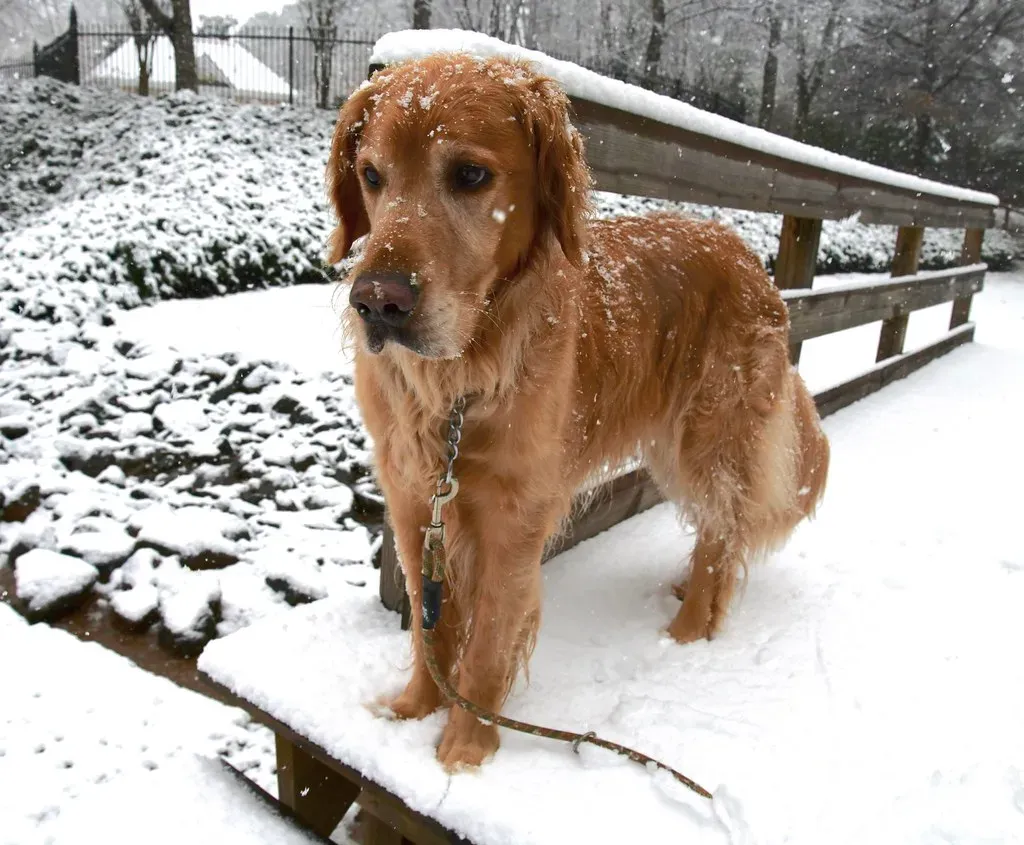
The calmest dog breeds have an adaptable, gentle temperament and don’t get riled up easily. These pups love to lounge and aren’t known to be big barkers unless they’re alerting you to danger. Remember that, just like people, every pet is unique with their own personality, so proper socialization and positive reinforcement training are key to helping your pup live their best life and be calm in new situations.
Calmer dogs are typically easier to train. Their relaxed temperament allows them to focus better during training sessions, and they are less prone to stubborn, distracted, or disruptive behaviors. Another factor often overlooked is recovery time. Apartment-friendly and calm dogs tend to settle down quickly after excitement. Dogs that stay “switched on” for long periods are more likely to pace, vocalize, or seek constant attention indoors. That ability to self-regulate is arguably the most underrated trait a family dog can have.
How to Support a Calm Dog in a Busy Home
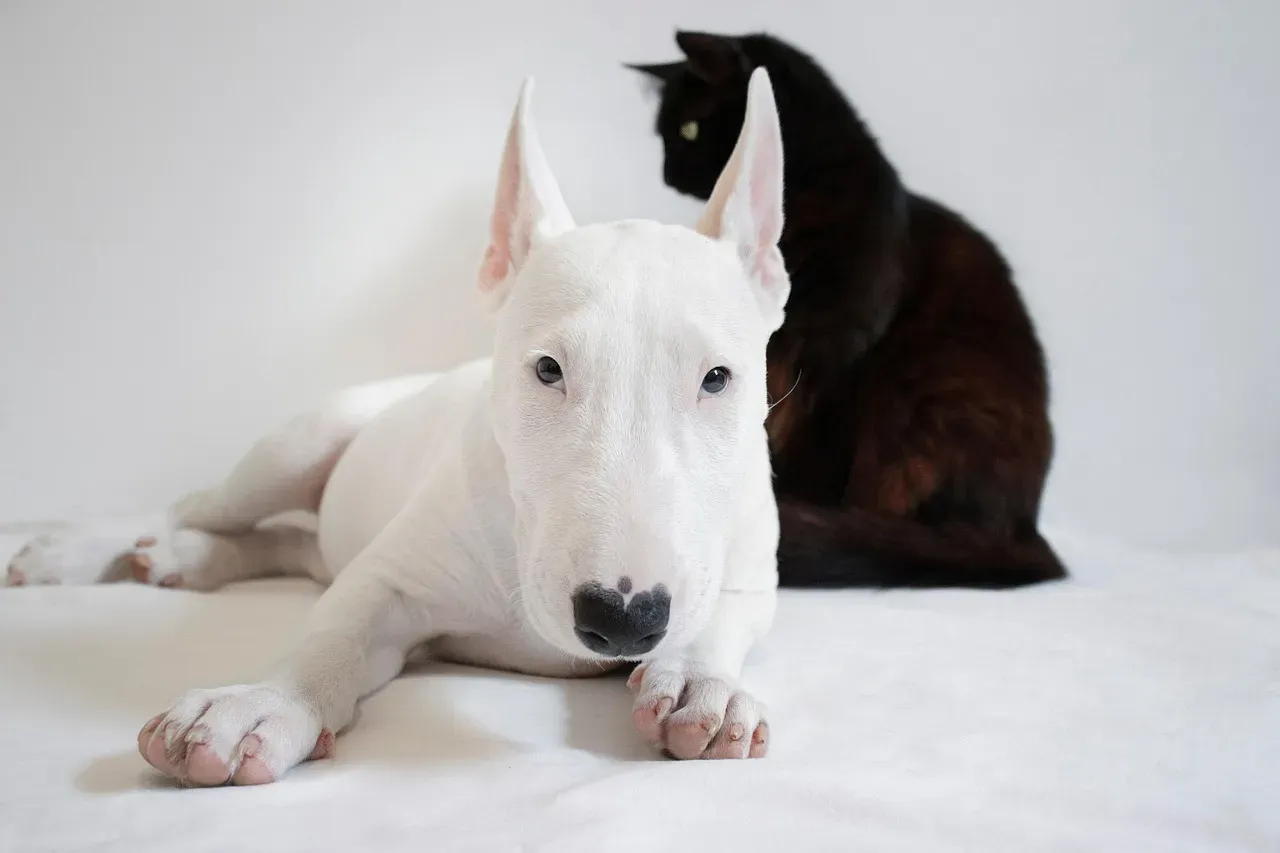
Calmness in dogs can vary from individual to individual. That said, some breeds are particularly well-known for their calm and laid-back temperament. Even within these breeds, every dog is an individual. What you choose matters, but what you do afterward matters just as much. Dogs thrive on routine. Feeding, walking, and bedtime schedules help them feel secure, which can lead to less anxiety and less barking.
Give your dog a designated rest spot away from the busiest traffic areas of the house. Offer mental enrichment through puzzle toys, basic training games, or even simple scent activities. Excessive restlessness usually comes from boredom, anxiety, or outside triggers. Increasing exercise, mental stimulation through toys or training routines, and reducing stimuli like hallway traffic or street noises can all make a meaningful difference. A calm dog in a busy home isn’t just about breed choice. It’s about meeting that dog’s needs consistently and kindly.
Conclusion: Finding the Right Quiet in the Right Dog
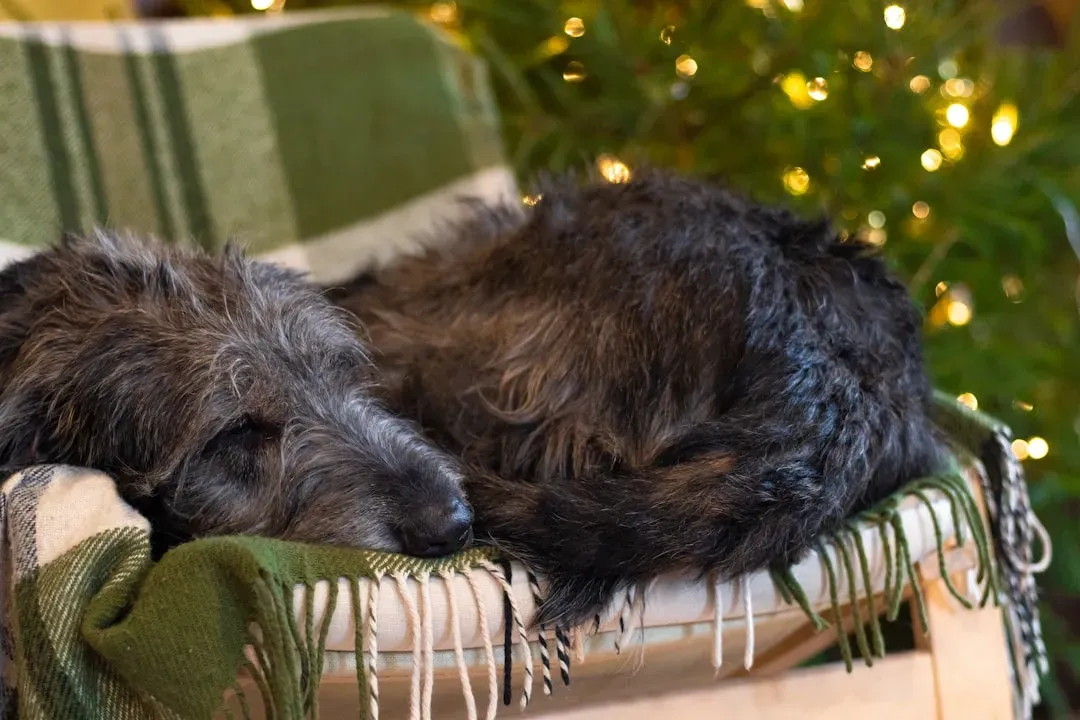
Choosing a calm dog for a busy home is one of the most thoughtful decisions a dog lover can make, for your family and for the dog. Calm dog breeds are especially suited for families with busy kids because they do not compete for attention through constant motion. Instead, they offer patience, steady affection, and an ability to settle quickly after moments of play.
Every breed on this list brings something distinct to the table, from the Cavalier’s silky warmth to the Greyhound’s elegant stillness. None of them are perfectly zero-maintenance, and all of them will need your time, your patience, and your presence. But the return on that investment, a dog who grounds your home rather than disrupts it, is something no busy family should have to go without.