
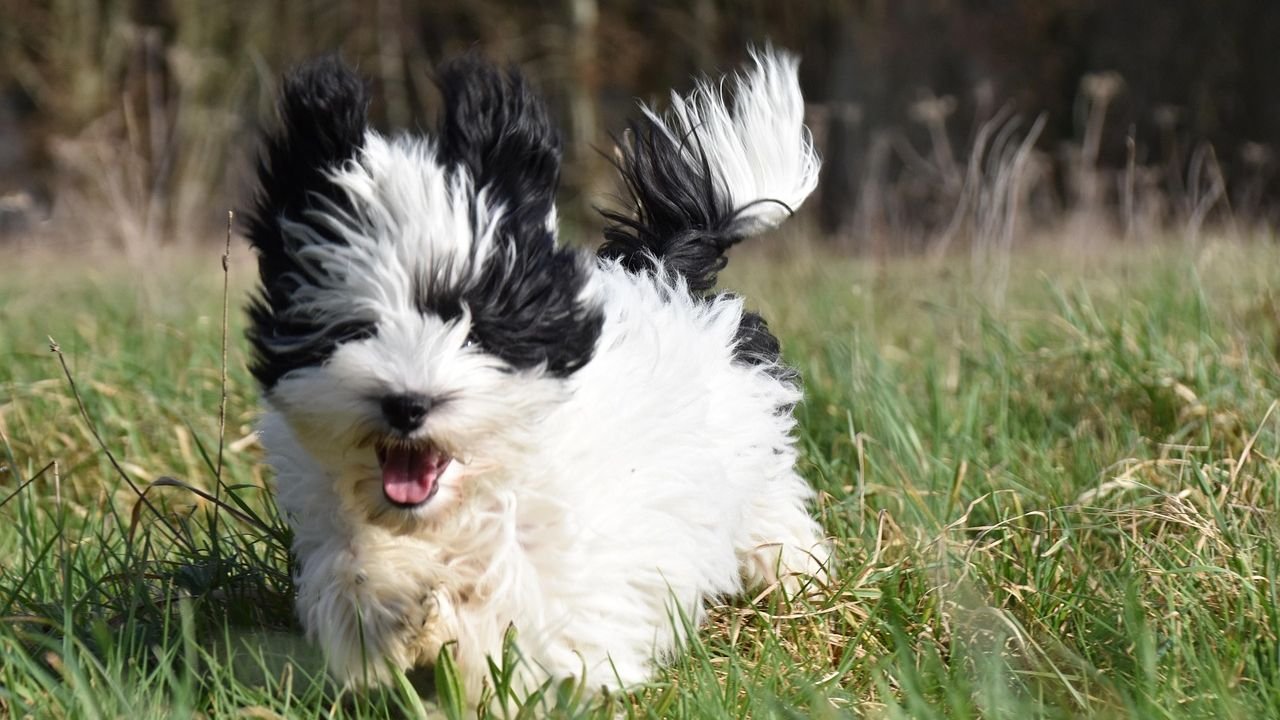
Picture this: it’s a quiet Tuesday morning. You’ve got nowhere urgent to be, a cup of coffee on the table, and a small, silky dog nestled beside you on the couch, watching you with the kind of undivided attention most people only dream of. For millions of retirees, this isn’t a fantasy. It’s just another morning with a Havanese.
Retirement reshapes daily life in profound ways. The routines of work fall away, the house gets quieter, and for many people, the days can start to feel a little too still. A dog fills that space in a way that’s hard to quantify but easy to feel. Research suggests that pet ownership benefits older adults by providing companionship, giving a sense of purpose and meaning, reducing loneliness, and increasing socialization. The Havanese, in particular, seems almost purpose-built for this chapter of life. Small but sturdy, warm but not overwhelming, playful without being exhausting, this breed has a remarkable way of fitting itself around the rhythms of whoever loves it.
A Temperament Tailor-Made for Retired Life
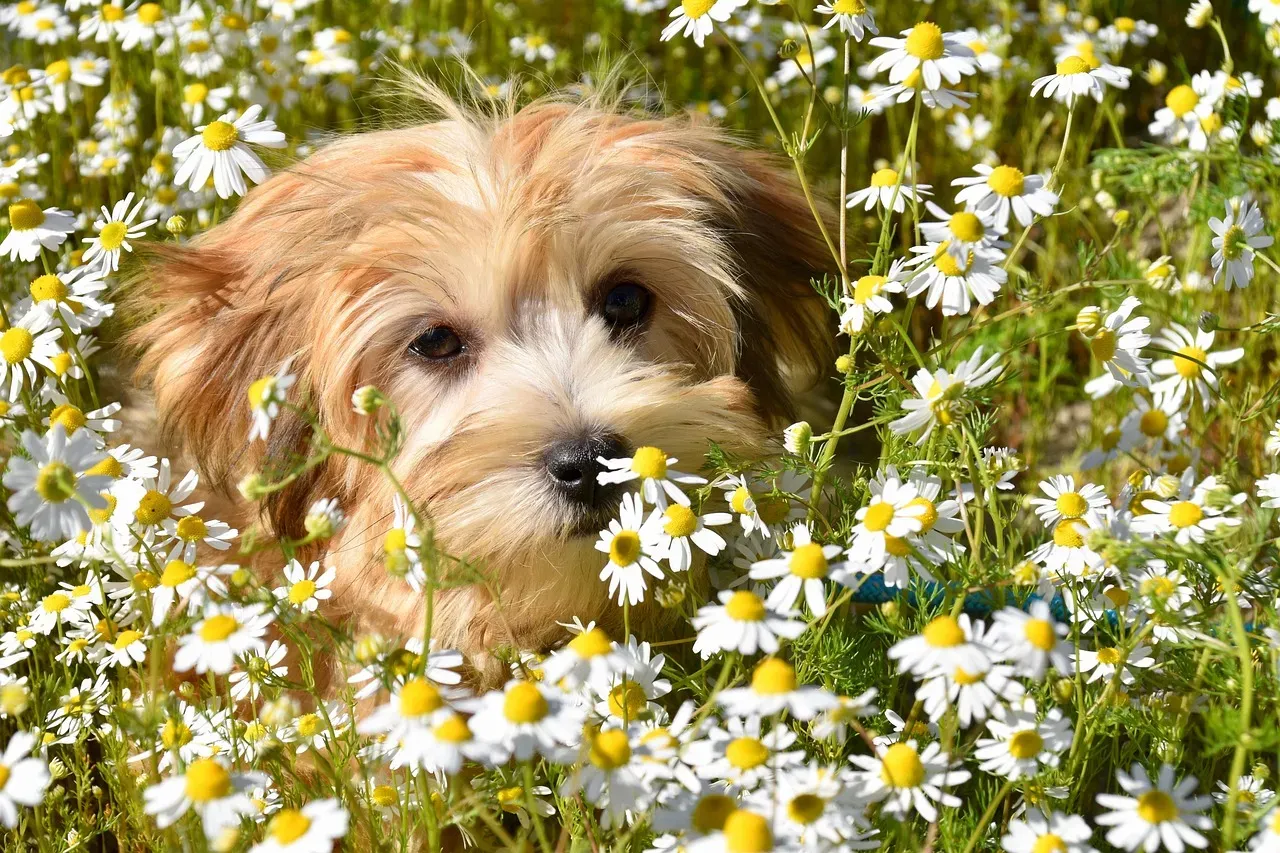
The Havanese isn’t just friendly. It’s extraordinarily attuned to the people around it. These dogs are friendly, gentle, and emotionally aware, and they can sense moods and often try to comfort their owners. For a retiree dealing with the emotional adjustments that come with this life stage, whether that’s grief, transition, or plain old quiet, that sensitivity is genuinely meaningful.
The Havanese is often referred to as the “Velcro dog” of the canine world, known for its strong attachment to family and an almost tangible desire to be involved in all aspects of the household. Unlike some breeds that keep to themselves or demand strenuous activity, the Havanese is content simply being near you. It wants to be part of your day, not redirect it entirely.
Seniors and retirees looking for a relatively low-maintenance canine companion will find the Havanese a suitable match, as their calm disposition and moderate energy levels mean they’re content with leisurely strolls and indoor play, making them less demanding than high-energy breeds. That balance is rare, and for retirees, it’s gold.
The Right Size, the Right Energy, the Right Fit
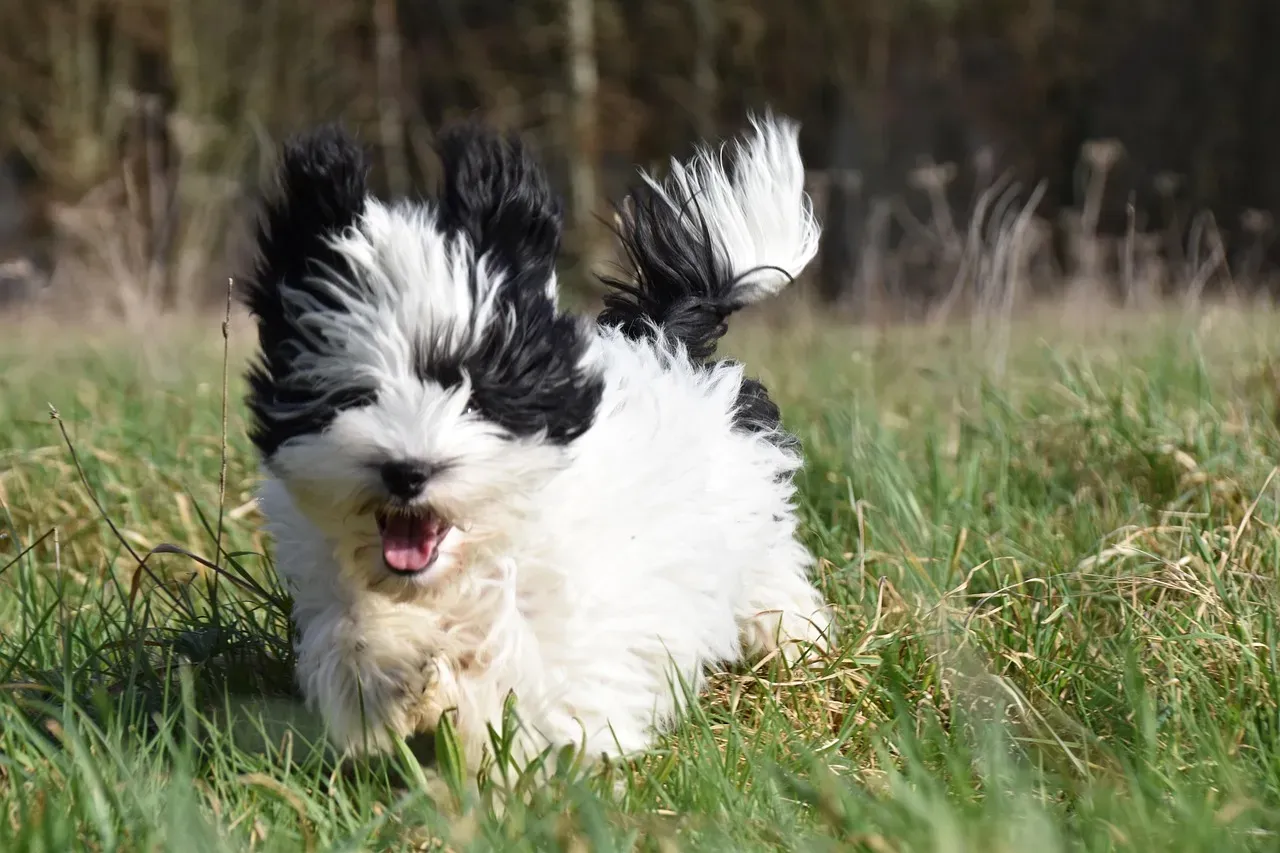
Havanese are very popular city dogs due to their smaller size and friendly, outgoing nature, and will generally grow no larger than about 15 pounds, rendering them ideal pets for apartment, condo, and townhouse dwellers. Whether you’ve downsized to a condo after the kids left or you’re still in the family home, a Havanese slots right in without needing much reconfiguring of your space or your schedule.
Like all dogs, the Havanese breed does best with daily walks and a moderate amount of playtime, with a goal of around 30 minutes of total daily exercise, which can be broken out into shorter walks or play sessions. That’s genuinely manageable. A short walk in the morning and a bit of indoor play in the afternoon is usually all it takes to keep this dog happy and healthy.
Whether you live in a sprawling country house or a compact city apartment, the Havanese can adapt, with their moderate energy levels meaning they’re content with short walks and indoor play. This adaptability is one of the breed’s quiet superpowers, and it aligns perfectly with the kind of flexible, unscheduled life that retirement often looks like.
Emotional Wellbeing: More Than Just a Lap Dog
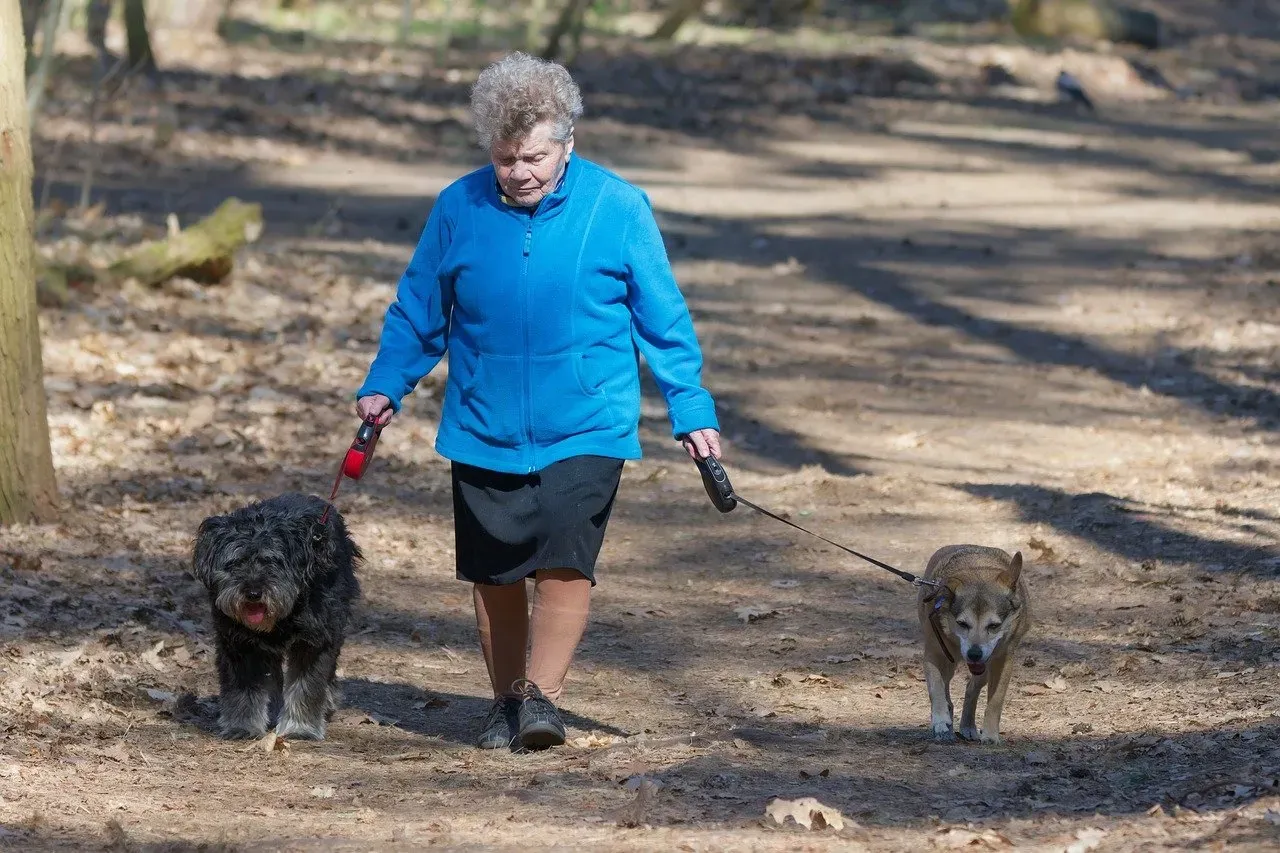
The connection between pet ownership and emotional health in older adults is well established. Having a dog can significantly improve the physical and mental health of seniors, with regular walks and playtime providing physical exercise crucial for maintaining mobility and cardiovascular health, while dogs offer companionship that can reduce feelings of loneliness and depression. The Havanese, specifically, amplifies these benefits through its unusual emotional intelligence.
Havanese dogs thrive on human interaction and strive to be an integral part of their owner’s life, and their constant presence and need for companionship can alleviate feelings of isolation, fostering a sense of purpose and belonging. There’s something genuinely powerful about being needed, even by a dog. Retirees who experience a loss of structure or identity after leaving the workforce often find that caring for a Havanese provides exactly the kind of daily purpose that fills that gap.
Havanese have an amicable nature and sweet disposition, being devoted companions and lap dogs, and their social and outgoing nature makes them very well suited as therapy dogs, popular visitors to elderly residents of nursing homes. Some owners even explore formal therapy dog certification with their Havanese, adding a layer of community connection to their retirement years.
Managing the Velcro Dog: Understanding and Preventing Separation Anxiety

Here’s the honest part. The same trait that makes a Havanese so comforting can also become a challenge if not managed thoughtfully. Havanese are extremely sociable and form very strong attachments to their families, and while this trait is endearing, this strong attachment and high need for companionship may come hand in hand with separation anxiety. Knowing this upfront lets you handle it before it becomes a real problem.
The good news is that most Havanese can learn to handle alone time gracefully with the right approach from the start. These cheerful companion dogs are famous for forming close bonds with their people, which is part of their charm, but the good news is that clingy behavior does not have to turn into full-blown separation anxiety when you approach it early, consistently, and with plenty of patience and a routine your pup can trust. For retirees who are home most of the day anyway, this is rarely a serious issue.
The key to preventing separation anxiety is teaching your dog that leaving him alone actually means good things, and one of the most important things is to not make your departures a big deal. Starting with very short absences and gradually extending them, while rewarding calm behavior upon return, builds a dog that feels safe rather than stressed. While Havanese can be prone to separation anxiety and don’t like to be left alone, this often works out well for seniors who spend most of their time at home.
Grooming, Health, and Practical Care Tips
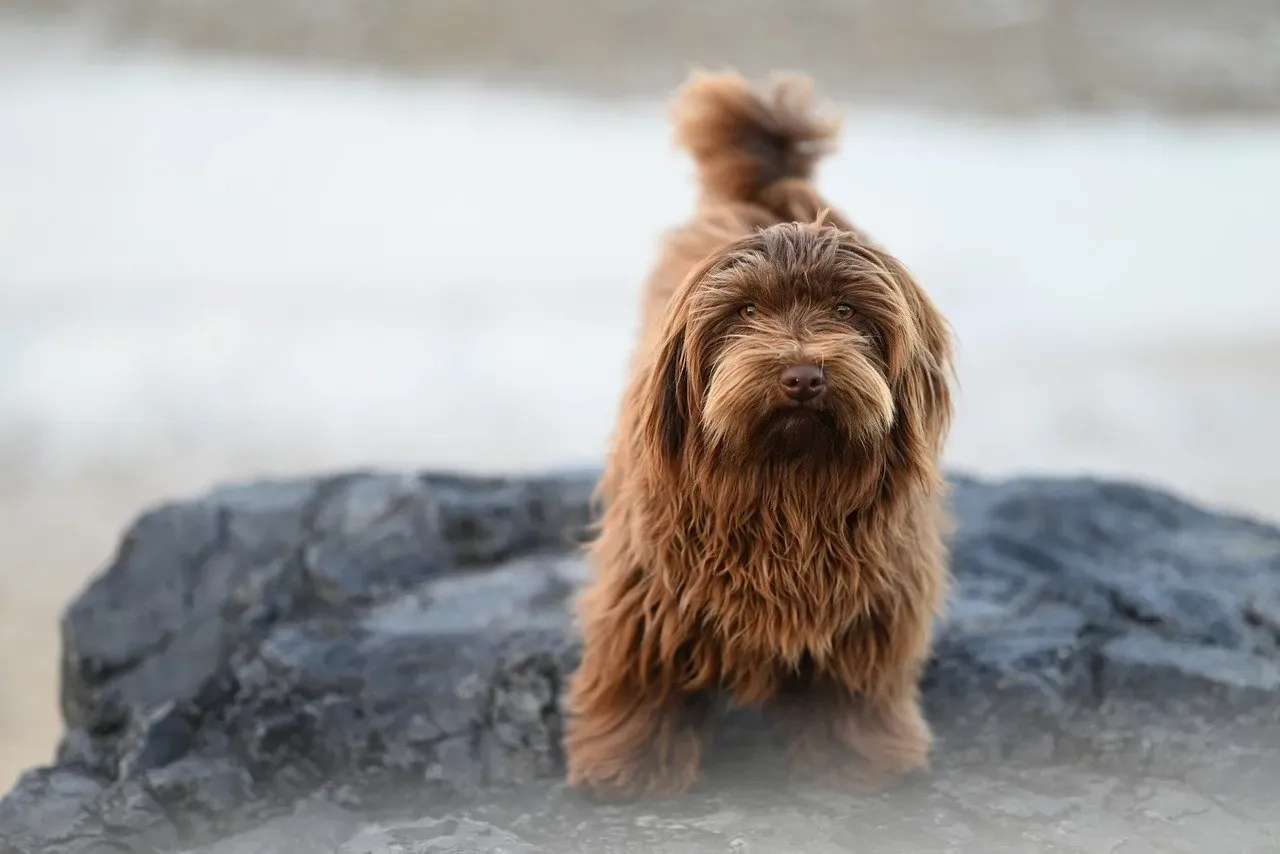
The Havanese coat is beautiful, there’s no getting around that, but it does require consistent care. The Havanese’s long, silky coat must be brushed at least four days a week to prevent tangles and mats, though daily brushing is best. Many retirees actually find this grooming routine enjoyable. It becomes a quiet bonding ritual, something calm and predictable to look forward to each day.
For those who prefer lower-maintenance styling, there’s a simple solution. Many Havanese owners opt for a puppy cut for easier maintenance. A shorter trim managed by a professional groomer every six to eight weeks dramatically reduces the daily brushing burden while keeping the dog comfortable and tidy. On the health front, this breed tends to be resilient. The average Havanese lifespan is 14 to 16 years, and they’re typically a healthy dog breed. That long lifespan is meaningful for a retiree who wants a companion for the long haul, not just a few years.
There are a few health conditions worth knowing. Havanese are prone to heart murmurs, with a heart murmur being the earliest sign of mitral valve disease, which results in the heart muscle becoming enlarged and pumping blood inefficiently. Regular veterinary checkups, ideally once a year, help catch any developing issues early. It’s also important not to overfeed your Havanese, especially because excess weight puts extra strain on joints like the knee. Keeping your dog at a healthy weight is one of the most impactful things you can do for their long-term comfort.
A Companion That Grows With Your Retirement

What makes the Havanese stand out isn’t one singular quality. It’s how all the pieces fit together. The size, the temperament, the emotional attunement, the manageable exercise needs, and the sheer warmth of the breed combine to create something that works exceptionally well for the pace and priorities of retirement. The Havanese is a social charmer with a soft, low-shedding coat and a naturally upbeat outlook, with adaptable energy that is happy to stroll or lounge as needed, and they bond closely, making everyday moments feel welcoming and warm.
As we get older, maintaining a routine becomes increasingly important, and pets thrive on routine requiring regular feeding, exercise, and care. Having a pet encourages seniors to establish and adhere to a daily schedule, and this structured routine provides a sense of purpose while helping seniors maintain cognitive abilities and mental alertness. A Havanese supports all of this naturally, simply by being itself.
Retirement is, at its core, an invitation to invest in what genuinely matters. Relationships. Presence. Small daily joys. A Havanese doesn’t just fit that vision. In many ways, it embodies it. The research supports the benefits, experienced owners confirm it, and anyone who has spent a quiet afternoon with one of these dogs understands it instinctively. Some companions are just right for a particular season of life. For retirees, the Havanese might be exactly that.


