
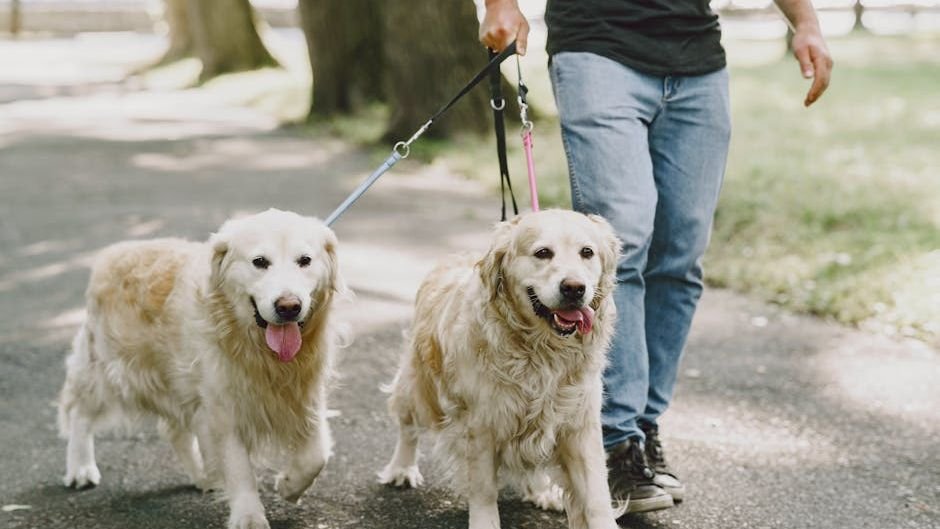
There’s a particular kind of love that doesn’t announce itself loudly. It builds in the quiet moments – on slow morning walks, in the warmth of a dog pressed against your leg on the couch, in the way your dog’s eyes find yours across a room without any reason other than just to check you’re still there. If you’ve ever shared years of your life with a dog, you already know this feeling.
What makes the human-dog bond so remarkable isn’t just the affection. It’s the fact that you both change together. You grow older. So does your dog. Your mornings get quieter; your pace slows; your needs shift. And through all of it, your dog remains – steady, present, and deeply attuned. There’s real science behind why this relationship feels so irreplaceable, and real wisdom in learning how to honor it well as both of you age.
Why the Bond Between You and Your Dog Goes Deeper Than You Think
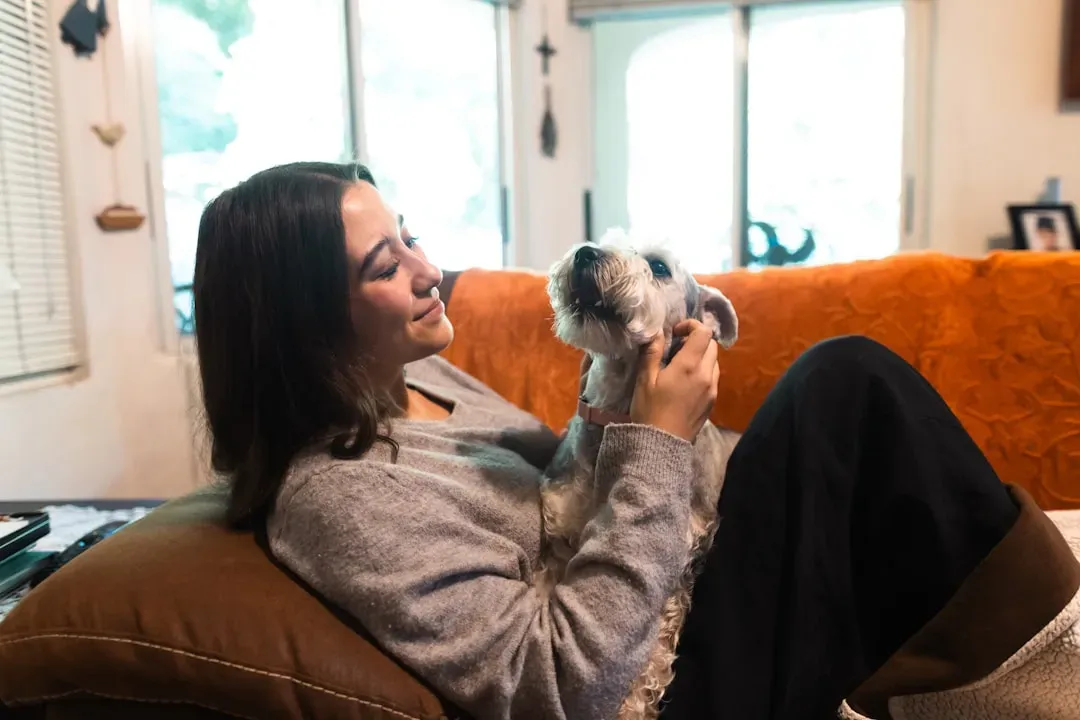
Most dog owners have a quiet intuition that their relationship with their dog is something genuinely different from any other companionship in their lives. Turns out, biology agrees. Research has shown that when a dog and owner look into each other’s eyes, both release oxytocin, often called the “love hormone,” strengthening the bond between dogs and humans in a way similar to the connection between parents and children. That’s not sentiment – that’s neuroscience.
Psychologists believe that the relationship between human and canine is a bidirectional attachment bond, which resembles that of the typical human caretaker and infant relationship, and shows all of the usual hallmarks of a typical bond. Your dog isn’t just fond of you in a simple way. They’ve genuinely attached to you as a source of safety, comfort, and trust.
Dogs have evolved alongside humans, developing social skills that allow them to read our emotions, respond to our cues, and even mirror our behavior. This isn’t something they’ve learned from you specifically – it’s been thousands of years in the making. The changes in brain chemistry that make us feel calm and happy when we pet a dog also lower blood pressure and heart rate, much like often-recommended strategies such as meditation and deep breathing for cardiovascular health. The calm you feel when your dog curls up beside you? That’s completely real.
How Aging Alongside a Dog Quietly Shapes Your Health
It can be easy to think of your dog primarily as an emotional companion, but the physical benefits of that relationship are substantial and well-documented. The American Heart Association conducted a review of the existing evidence, carefully weighing all the results, and issued a statement that pet ownership, particularly dog ownership, probably plays a causal role in reducing the risk of cardiovascular disease. That’s not a small claim.
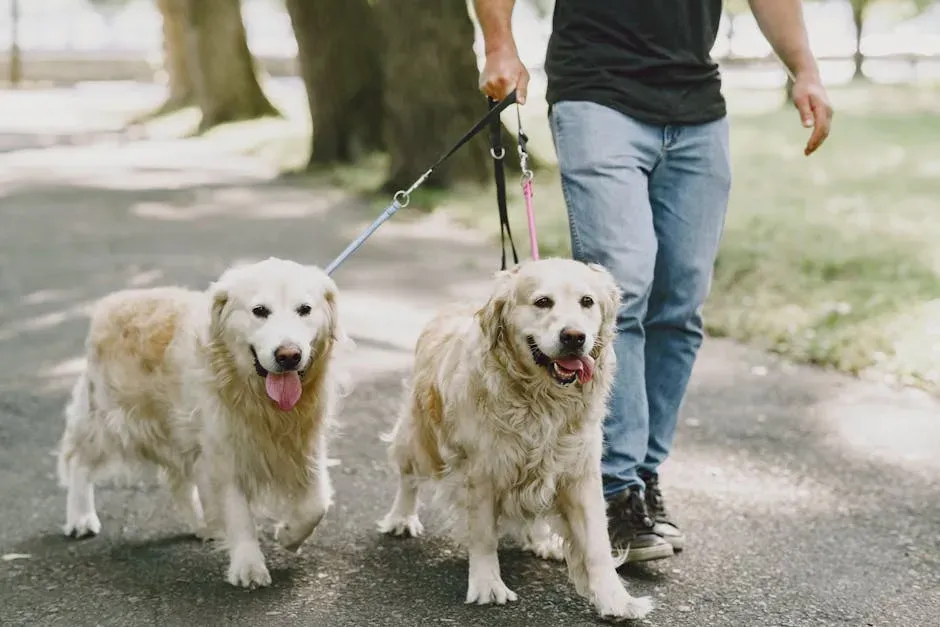
Compared to their non-dog-owning matched counterparts, community-dwelling older adult dog owners spent more time walking every day (on average 22 minutes), took 2,760 more steps per day, undertook their walking at a cadence necessary to achieve recommended levels of activity, and experienced fewer prolonged sedentary events each day. Those numbers matter enormously over a decade or two of shared life together.
Researchers found that people with dogs showed a slower decline in memory, including both immediate and delayed recall, compared with participants who didn’t own pets. A large study tracking over 16,000 adults across 18 years published in Scientific Reports confirmed this. Physical function and leisure time physical activity declined with aging across all outcomes, but the decline was slower among pet owners in overall physical performance, gait speed, cardiorespiratory fitness, and physical well-being. Sharing your life with a dog isn’t just meaningful – it appears to be genuinely protective.
Reading the Signs: What Your Aging Dog Is Trying to Tell You
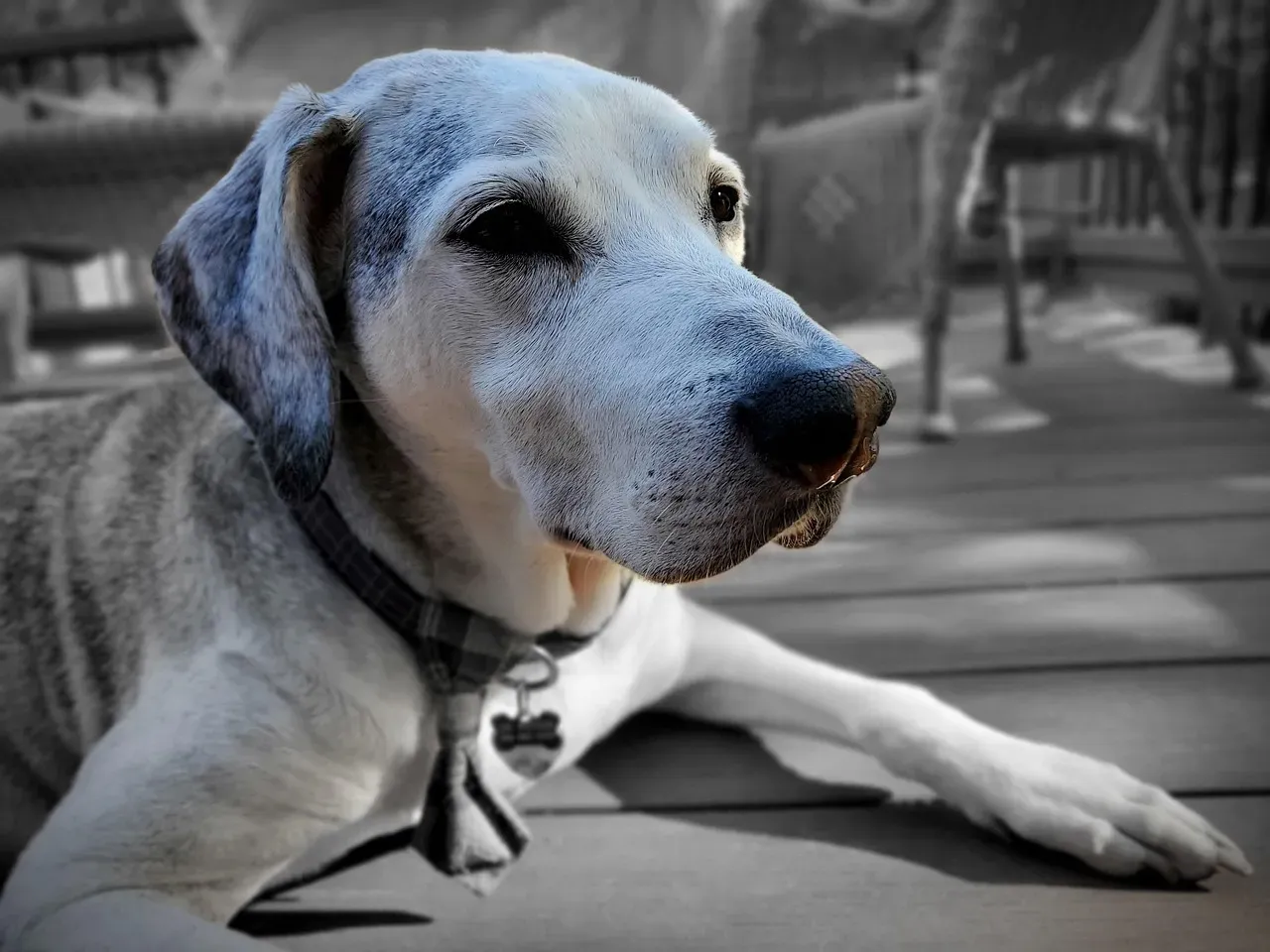
One of the most important things you can do as a dog owner is learn to listen to a dog who can’t use words. Senior dog behavior changes are often caused by aging-related physical, metabolic, cognitive, or sensory decline – not “just old age.” Canine Cognitive Dysfunction can cause confusion, sleep disruption, anxiety, and house-soiling in older dogs. None of these signs should be dismissed or waited out.
The most frequent behavior changes pet parents report include anxiety or restlessness such as pacing, whining, or separation anxiety; changes in sleep patterns including restless sleep or a reversed day and night schedule; house soiling; and changes in activity such as withdrawal from family members or repetitive actions. If your dog is acting differently, that shift is worth a conversation with your vet. Don’t assume that your dog is “just getting old” and nothing can be done to help. Many changes in behavior can be signs of treatable medical disorders, and there are a variety of therapies that can comfort your dog and manage symptoms, including any pain they might be experiencing.
Different breeds and sizes of dogs age at different rates. A large breed like a Great Dane is considered senior at around 6 years old, while a small dog like a Chihuahua may not be considered old until 7 to 10 years old. Knowing where your dog falls on that spectrum helps you stay one step ahead rather than reacting to problems that could have been caught earlier. Aim for twice-yearly vet visits to catch issues early and keep your dog as comfortable as possible.
Caring for a Senior Dog: Practical Steps That Make a Real Difference
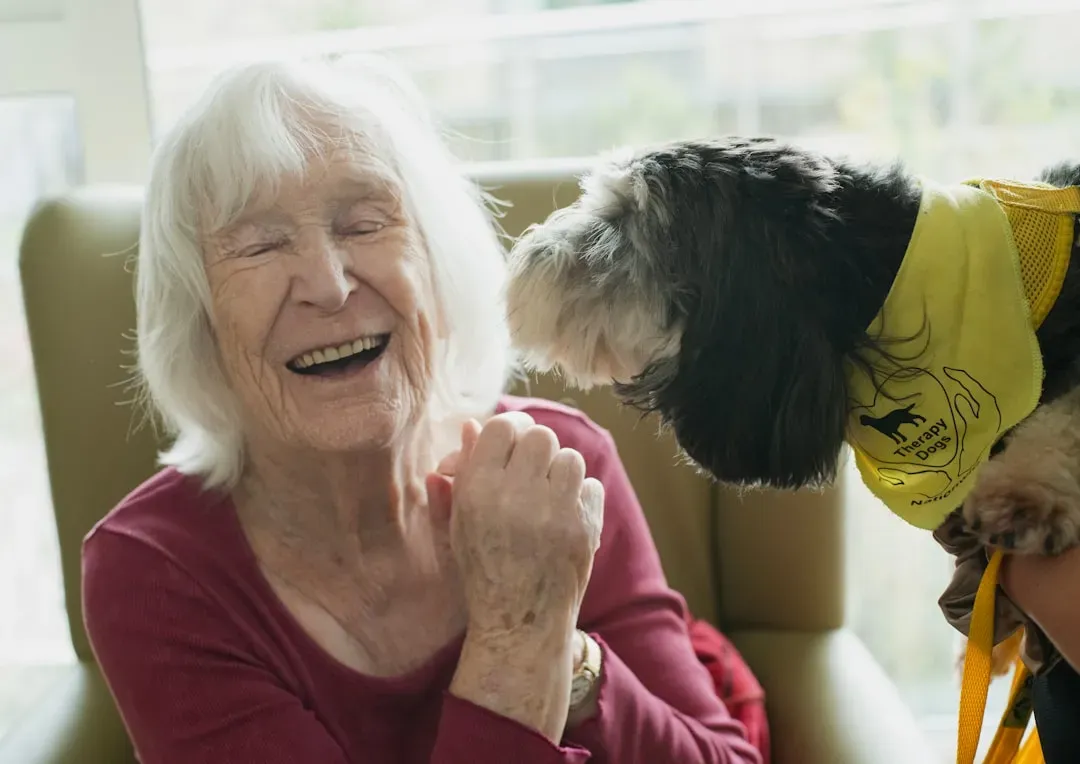
Once you recognize that your dog is entering their senior years, it’s time to shift from routine care to something more attentive. Medical care, environmental adjustments, and consistent routines can greatly improve a senior dog’s comfort and quality of life. Small changes around the house – like non-slip mats, a lower-sided food bowl, or an orthopedic bed – can reduce daily pain significantly for a dog with arthritis.
You may need to reduce the length of walks and adapt to less strenuous activities. It’s also normal for older dogs to experience some stiffness. However, if your dog starts to avoid exercise and playtime, struggles with climbing stairs or jumping, or is stiff particularly after periods of rest, they may be suffering from a joint condition. Watching for these changes closely is how you advocate for your dog when they can’t speak for themselves.
You can try mental enrichment activities such as scent games, snuffle mats, or puzzle feeders to help keep older dogs mentally engaged. This matters more than many owners realize. There are many ways to keep your older dog’s life interesting and stimulating that don’t require vigorous physical effort. Just as with humans, dogs need to use their brains and bodies to maintain their mental and physical fitness. Keeping your senior dog engaged is one of the kindest things you can do for them.
When the Bond Is Tested: Navigating Loss, Grief, and What Comes After
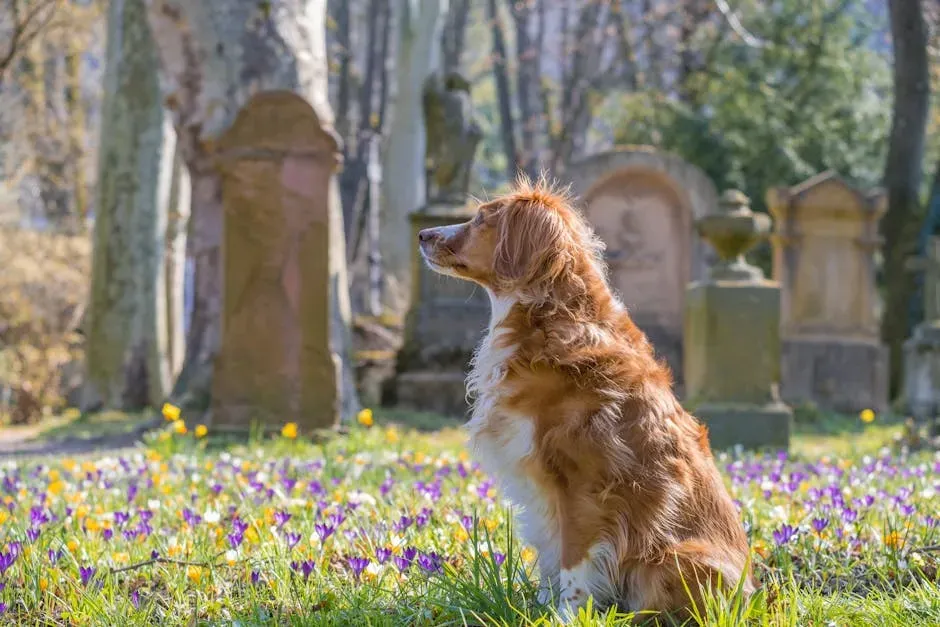
Dogs act as companions who provide us with emotional and physical support. Their shorter lifespans compel us to learn about the challenges and gifts of caring for older individuals. This is perhaps the most profound and painful dimension of loving a dog – you almost always outlive them. The grief that follows is real, and it deserves to be treated as such.
The bond people share with their pets has strengthened over the last several decades, and we commonly view pets as family. Yet grief after losing a pet is still often less socially accepted than grief after losing a person, which can leave pet parents feeling isolated or even embarrassed if others don’t understand or dismiss their sadness. If you’ve felt this, you’re not alone, and your grief isn’t an overreaction. For some individuals, the grief response experienced following animal companion loss may be akin to that experienced following human bereavement. The bereaved owner may have lost a form of unconditional love and support, and therefore grief will hold unique meaning and may persist longer.
Experiencing your emotions following the death of a pet is difficult, but important. A healthier grief journey may come from taking your time to work through your feelings rather than trying to push them away or ignoring them. Practical rituals can help. Embracing memories, both happy and sad, can be a very slow and at times painful process that occurs in small steps. Taking time to look at past photos, writing a tribute, or writing your pet a letter recalling your time together are all meaningful ways to continue that relationship. The love doesn’t have to end just because they’re gone.
Conclusion: The Years You Share Are Always Worth It
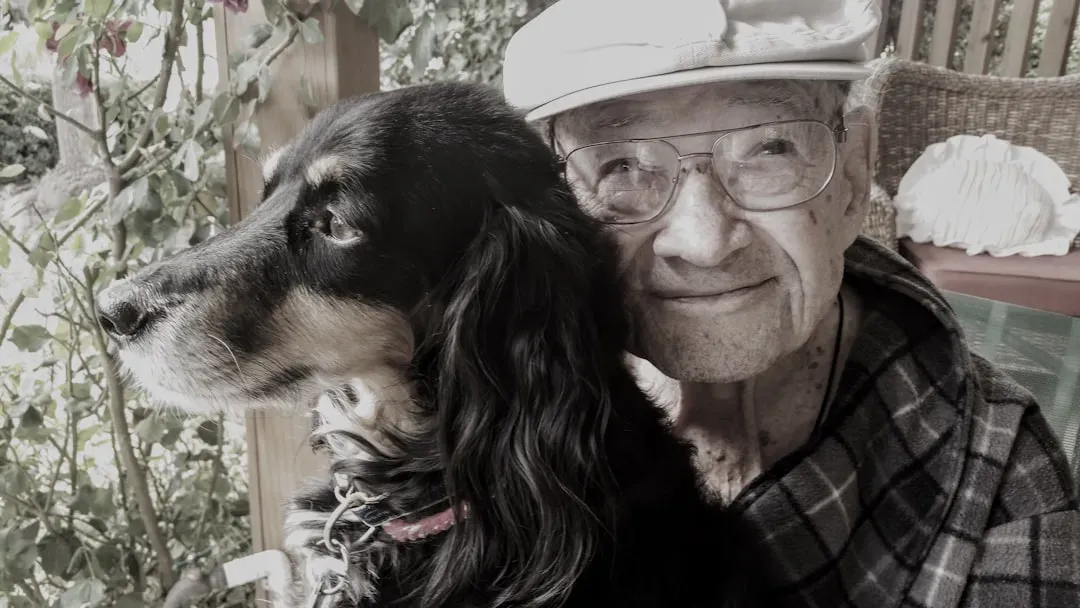
Aging alongside your dog is one of the most intimate experiences a person can have with another living being. Research from the University of Michigan found that pet owners aged 50 to 80 were more likely to agree that having a pet gives them a sense of purpose. That sense of purpose isn’t trivial – it’s a thread that runs through everything: through the daily walks, the routine of feeding, the quiet evenings, and even the difficult goodbyes.
Maintaining roles may provide a sense of continuity by linking the past to the future, which may facilitate adaptation to transitions and buffer hardships. The continuity theory states that pursuing habits and a lifestyle may be one of the strategies that help people adapt to the aging process. Your dog is not just a pet in those years – they’re a living part of your daily rhythm and identity.
What you give your dog in terms of attention, care, and understanding comes back to you in ways that researchers are still trying to fully measure. The gray muzzle, the slower gait, the deeper naps – these aren’t signs that the bond is fading. They’re signs that it has ripened into something quiet and sure. That’s the kind of love worth caring for, all the way through.


