
Picture a seven-year-old girl in a hospital bed, her face buried in the golden fur of a dog who arrived just for her. No clinical explanation. No medical procedure. Just a tail wagging, a warm body pressing close, and a child suddenly, quietly, smiling. That moment happens in hospitals, schools, nursing homes, and rehabilitation centers every single day, and the dogs making it possible have something genuinely special going on inside them.
Therapy dogs provide more than companionship. They bring comfort, emotional support, and healing to those in need, whether people are navigating anxiety, PTSD, autism, or depression. The most important characteristic of a therapy dog is its temperament. A certified therapy dog must be friendly, patient, confident, gentle, and at ease in all situations. Some breeds are simply wired for this kind of connection. Here are twelve that rise to the top.
1. Golden Retriever: The Gold Standard of Comfort

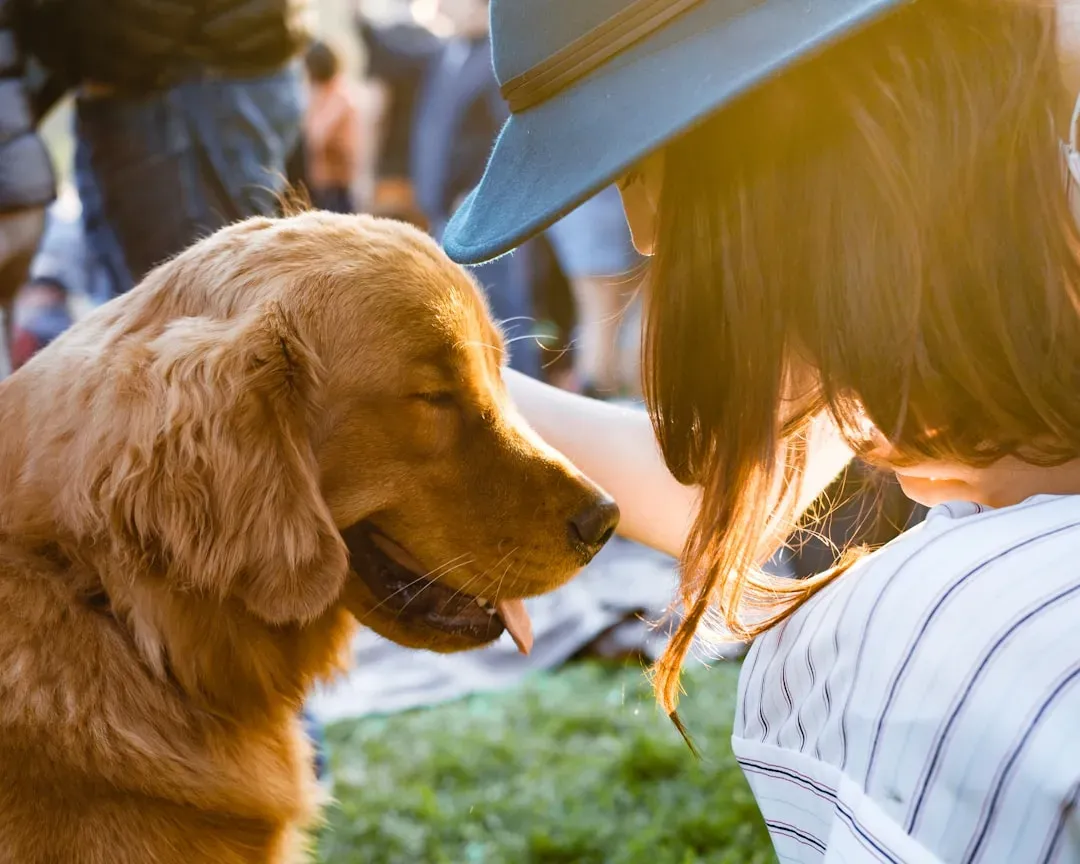
Golden Retrievers are widely recognized as one of the best breeds for therapy work. Their affectionate nature and innate empathy make them exceptional companions. They excel in therapy due to their intelligence, patience, and gentle demeanor. Walk a Golden Retriever into a pediatric ward and you’ll see what “instant connection” actually looks like. Children who haven’t spoken in hours will reach out a hand.
Their patient and loving nature allows them to bond easily with people, providing emotional support and comfort. Goldens are particularly adept at sensing human emotions and often respond with gentle nudges or cuddles, which can be incredibly soothing for those in distress. They excel in therapy environments due to their calm demeanor and eagerness to interact with individuals. If you’re considering this breed for therapy work, prioritize early socialization and consistent, positive obedience training from puppyhood.
2. Labrador Retriever: Friendly, Reliable, and Endlessly Adaptable

Labrador Retrievers are renowned for their gentle and friendly nature, making them one of the top choices for therapy work. They are known for being friendly, companionable, and trustworthy. They’re often bred as service dogs due to their reliably stable temperament. They generally love the activity and human attention of therapy visits. That reliability is a genuine asset in high-stress environments where dogs need to stay grounded no matter what they encounter.
Labs are famously friendly and outgoing. They’re intelligent and willing to please, making them easily trainable. They’re sociable dogs that love being with people. In practice, this means a Labrador working in a rehabilitation center can move from room to room, greet patients with different levels of ability, and maintain the same composed, tail-wagging warmth every single time. Keep an eye on their weight, though. Labs have a strong appetite and are prone to obesity if their diet and exercise aren’t carefully managed.
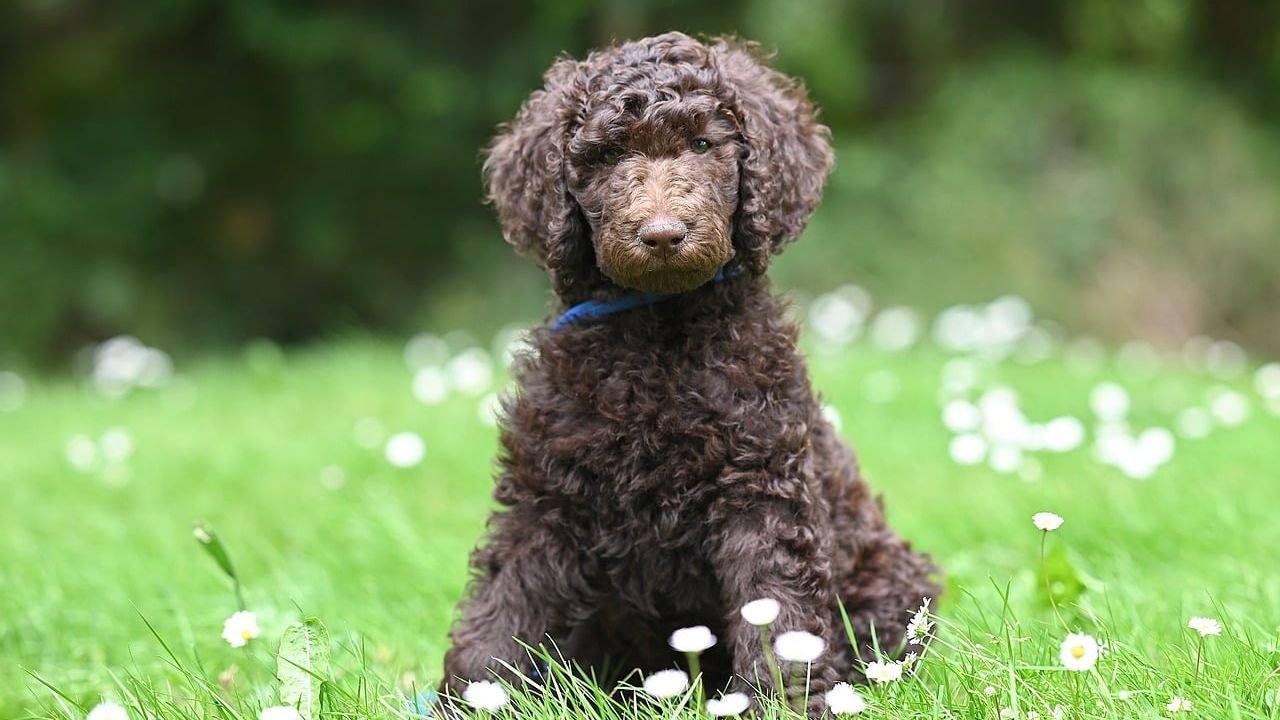
3. Poodle: Sharp Mind, Gentle Heart, Hypoallergenic Coat
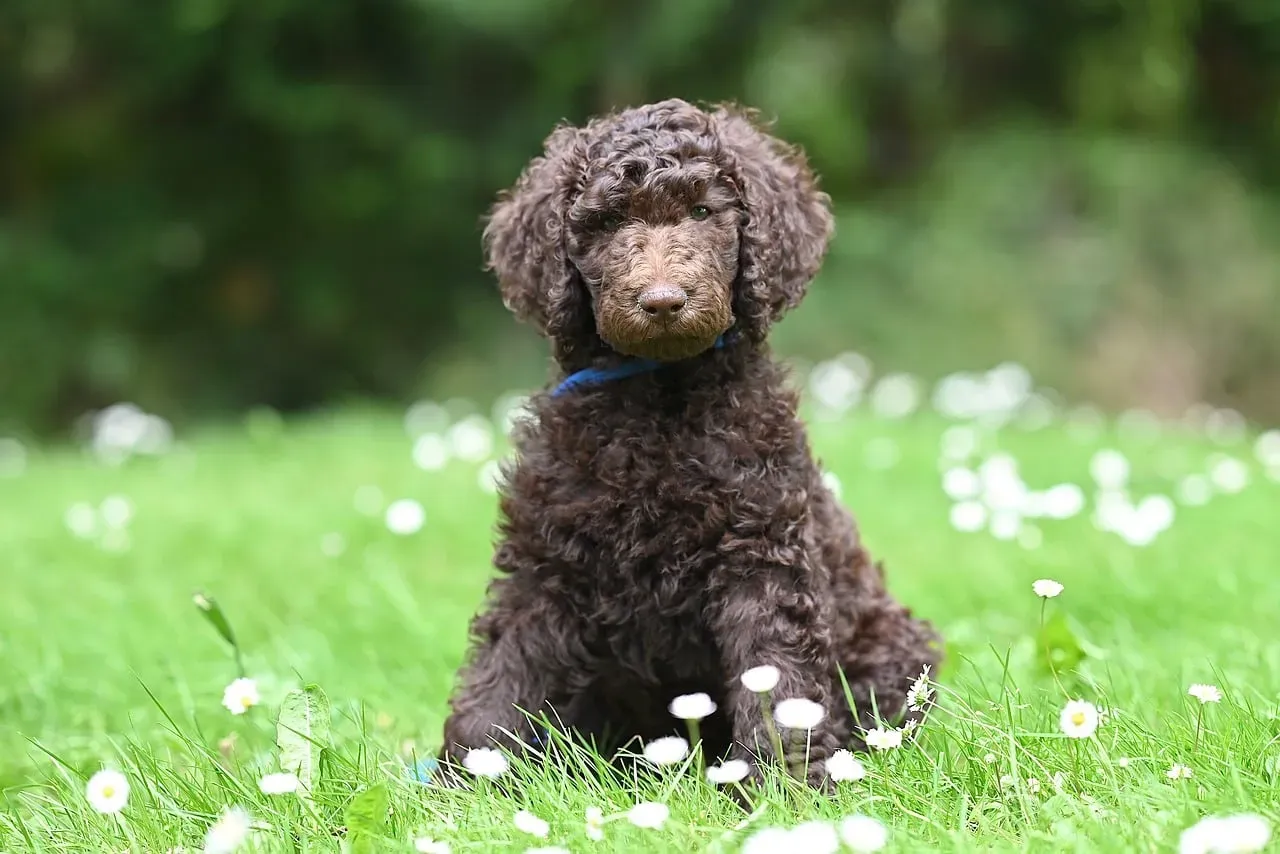
Poodles are practically made for therapy work. They are extremely smart, eager-to-please, and highly trainable. They like to work closely with their owners. This is a breed that doesn’t just tolerate human company. It actively seeks it out. Standard, miniature, and toy sizes all bring distinct advantages depending on the setting, from large hospital wards to intimate one-on-one visits.
Poodles, both standard and toy, are more hypoallergenic than other breeds, which is a definite plus when visiting medically vulnerable people. Their keen sense of awareness allows them to read human emotions effectively, and their friendly nature fosters immediate connections. One practical note: Poodles need regular professional grooming to keep their coats healthy and hygienic, which is especially important before therapy visits.
4. Cavalier King Charles Spaniel: Born to Be a Companion
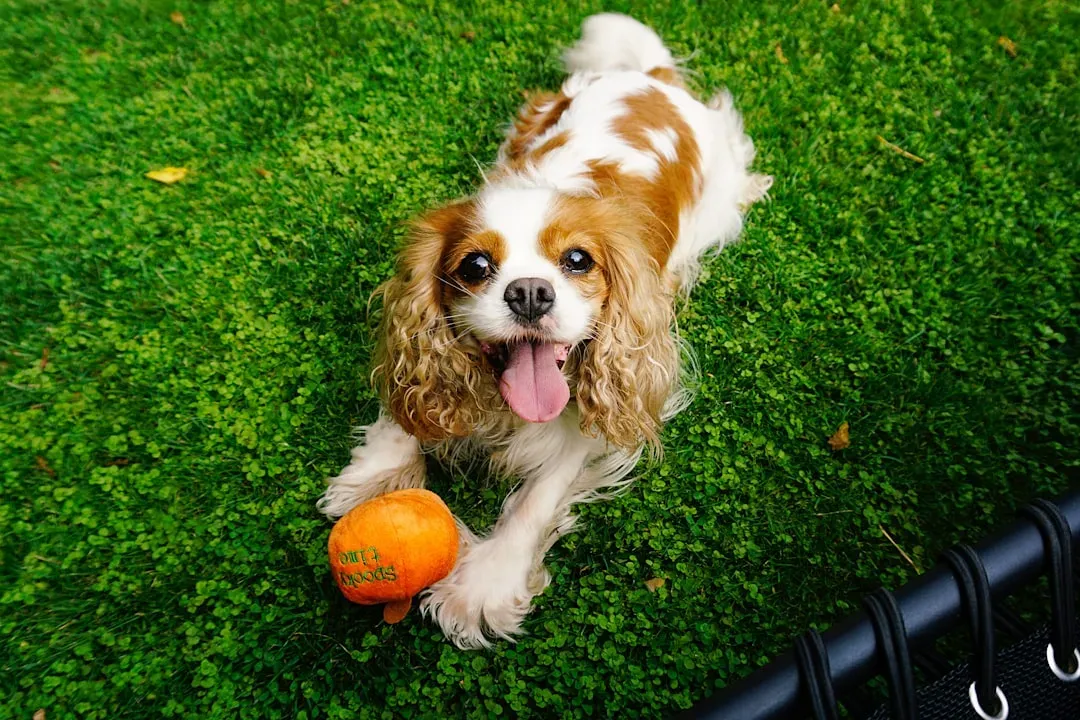
Breeds like the Cavalier King Charles Spaniel are often chosen for their gentle temperament, which aligns with the standards set by organizations like the American Kennel Club for effective dog training. Cavaliers make wonderful therapy dogs due to their sweet, gentle nature. They are friendly, easily trainable companions. Their size is another advantage. Small enough to curl up on a lap without strain, yet substantial enough to feel genuinely comforting.
Although these dogs retain the sporty nature of their spaniel ancestors, the Cavalier King Charles is born to be a companion. They are described as sweet, quiet, and affectionate, good with children, good around other dogs, and happy to meet strangers when well-socialized. One health area to watch carefully with this breed is their heart. Cavaliers are genetically predisposed to mitral valve disease, so regular cardiac checkups with a veterinarian are essential, especially for dogs in active therapy programs.
5. German Shepherd: Intelligent, Focused, and Deeply Loyal
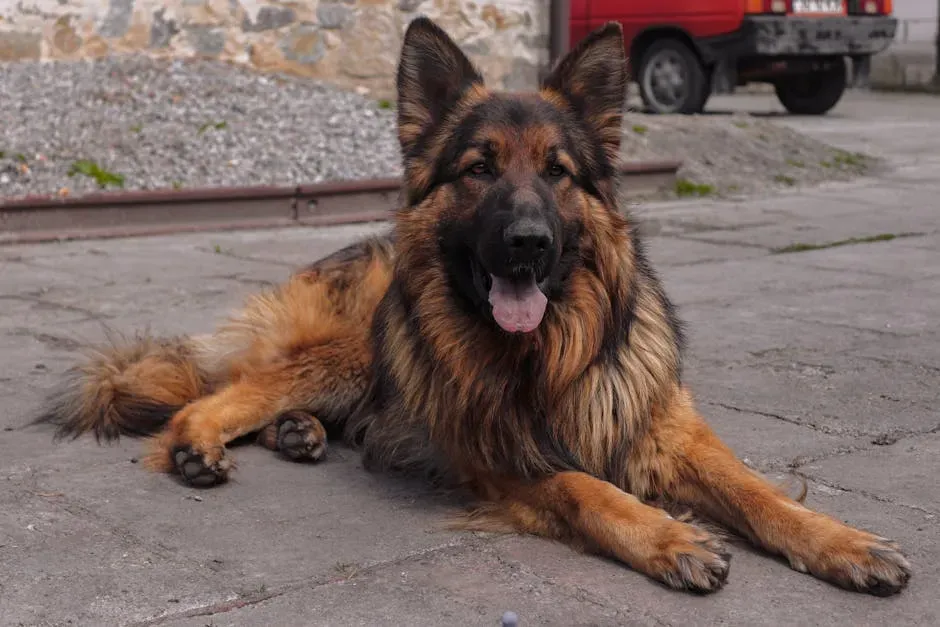
German Shepherds are intelligent, dedicated, and protective, making them wonderful therapy dogs in the right setting and with an experienced handler. They’re not the first breed people picture when they think “therapy dog,” but in psychiatric settings, veteran support programs, and trauma-informed care environments, they quietly shine. Their focused, attentive energy reads as calm and grounding to people who need structure.
German Shepherds are considered extremely intelligent and easy to train, which is why they often work effectively alongside the police. That same trainability transfers powerfully to therapy work. Their behavior cues are worth monitoring regularly. A well-socialized German Shepherd should be relaxed around unfamiliar sounds, equipment, and strangers. Signs of anxiety, stiffness, or excessive scanning in therapy environments warrant a reassessment with a professional trainer before continuing visits.
6. Bernese Mountain Dog: Gentle Giant with a Warm Presence
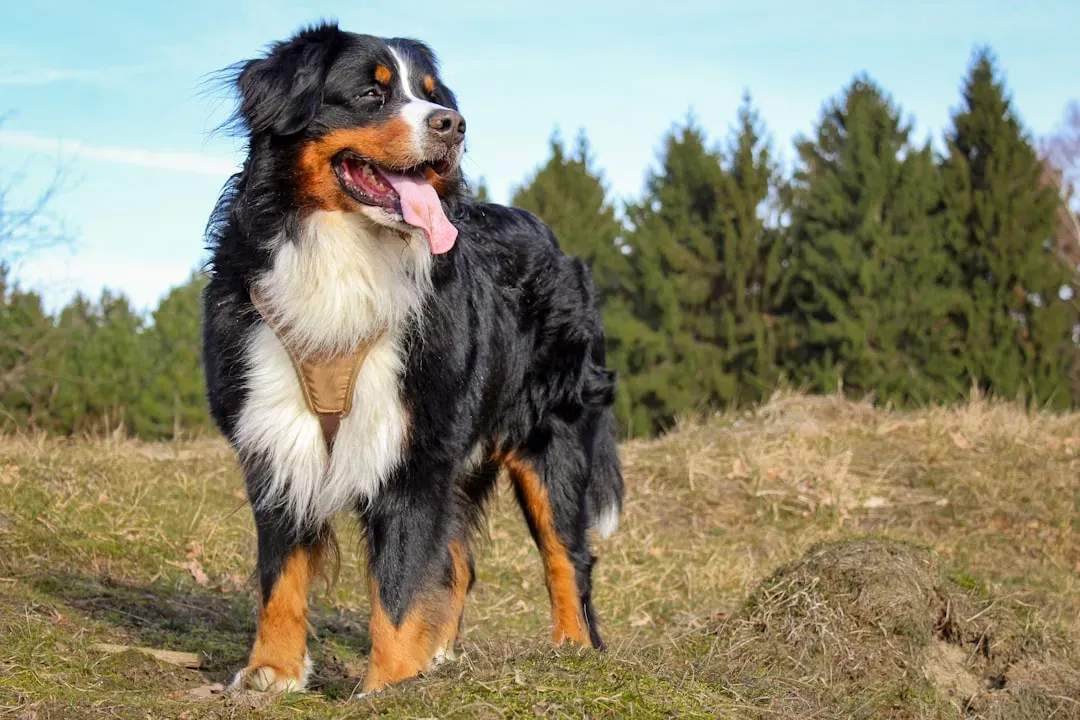
Bernese Mountain Dogs are like gentle giants. Their large size and calm demeanor make them incredibly comforting to those in need of physical and emotional support. Bernese are known for their patience and ability to form deep bonds with the people they help, making them ideal for therapy work in settings where a strong, comforting presence is needed. There’s something about a large, quietly confident dog that signals safety to people who are frightened or grieving.
These gentle giants are known for their sweet temperament and loyalty. In nursing homes, their solid, warm bodies are particularly well-suited for what’s sometimes called “grounding” comfort, where the physical weight and warmth of a dog provides a calming, tangible anchor. Prospective handlers should be aware that Berners have a relatively shorter lifespan compared to smaller breeds and are prone to certain orthopedic issues, so keeping up with joint health checks is important for a dog in regular therapy service.
7. Bichon Frise: Small in Size, Enormous in Joy
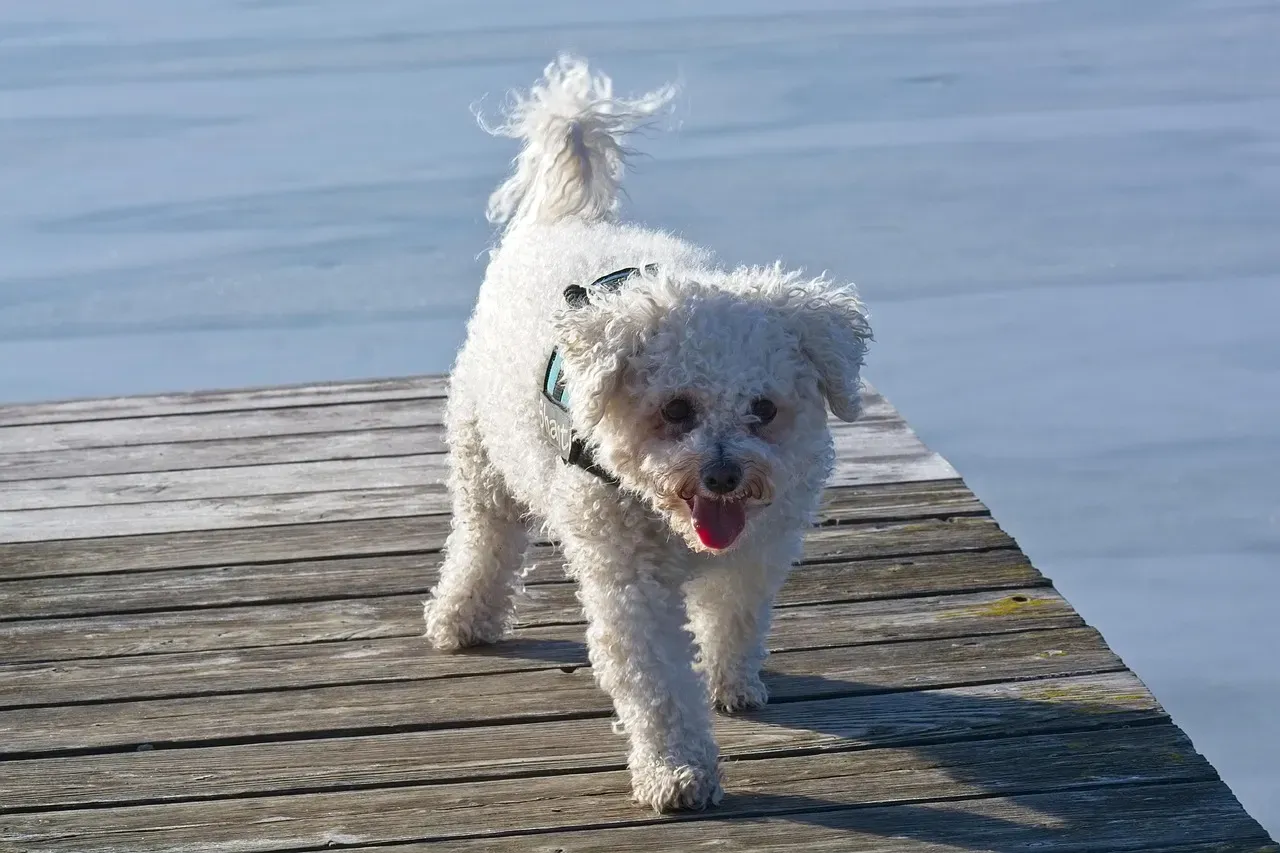
Bichon Frises are cheerful, affectionate little dogs that excel in therapy work. Their friendly disposition and playful nature allow them to connect quickly with people, providing joy and companionship. Bichons are hypoallergenic, which makes them suitable for therapy settings where allergies might be a concern. Their cloud-like white coat is also incredibly appealing to stroke, which matters more than people realize in a therapeutic context.
Bichon Frises enjoy reward-based training and are eager to please, making them relatively easy to train. Like Poodles, they shed very little, so their coats will be far less irritating to those with allergies. They are surprisingly intelligent and quite cheerful, and they can easily brighten up anyone’s day or act as a constant source of comfort. One thing to keep in mind: Bichons are very people-oriented and don’t tolerate extended alone time well. For a therapy dog making regular visits, this strong social drive is actually an asset.
8. Pembroke Welsh Corgi: Cheerful, Smart, and Surprisingly Empathetic
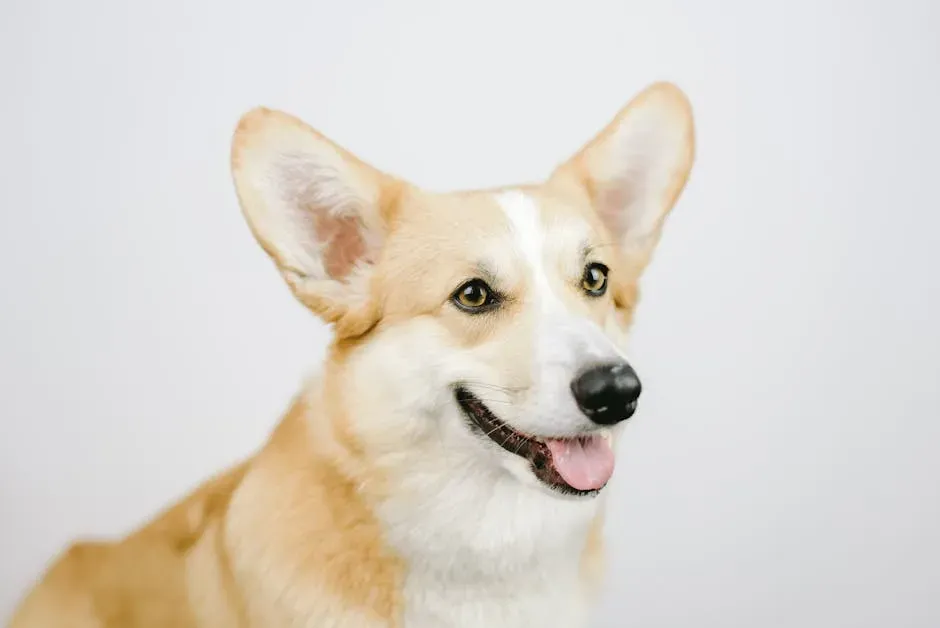
Pembroke Welsh Corgis are small but mighty dogs that make excellent therapy animals. Known for their cheerful and friendly nature, Corgis bring joy and positivity to any environment. Their expressive faces and happy-go-lucky attitude can instantly lift the spirits of those they interact with. Corgis are highly intelligent and trainable, making them well-suited for the structured demands of therapy work.
They are very empathetic and attuned to human emotions, often sensing when someone needs extra support. Their manageable size and affectionate demeanor make them great for providing comfort in hospitals, schools, and senior living facilities. Even though some Corgis have a stubborn streak, this breed is friendly, sociable, and loving. Corgis love to be the center of attention, and they will have no problem being touched or petted on a regular basis as people seek comfort from their happy demeanor.
9. Yorkshire Terrier: A Big Personality in a Tiny Package
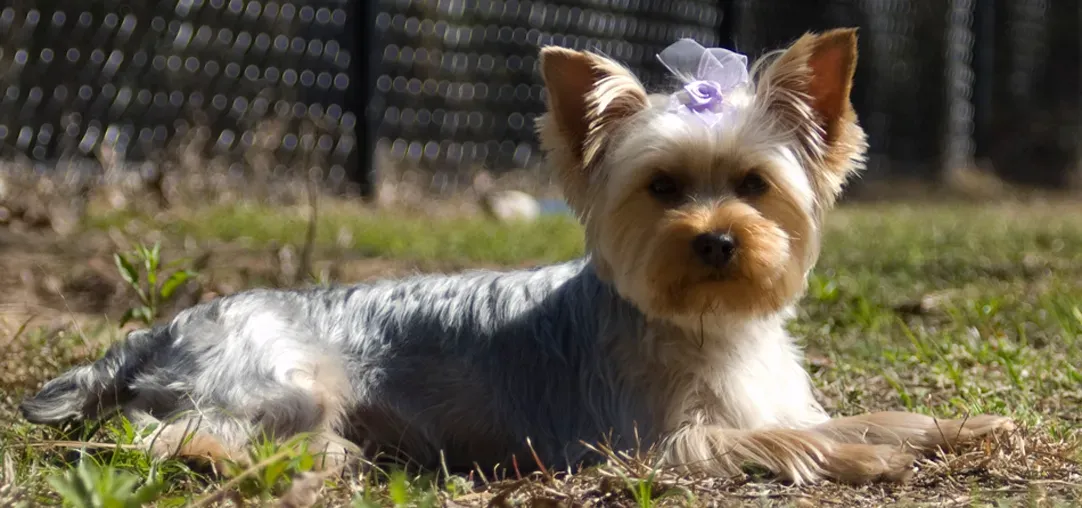
Yorkshire Terriers can be great therapy dogs because they see everyone as a friend. They’re great with young kids and are easy to train. They can be quite playful and are considered a high-energy breed. Don’t let their size fool you. Yorkies have a magnetic presence and a confident personality that draws people in almost immediately, which is exactly what therapy visits need.
Yorkshire Terriers are ideal for therapy work because they demand to be the center of attention, virtually making it impossible to think of anything else but the pup on your lap who is begging for cuddles. Yorkies are wonderful for relieving anxiety and excel at making stressed people smile. The silky texture of their long hair is somewhat similar to our own human hair, and this, paired with their minimal shedding, makes them less irritating to people with pet allergies. Keeping their coat trimmed and clean is essential before every therapy visit.
10. Greyhound: The Quiet Surprise of the Therapy World

Greyhounds are known for their gentle and laid-back personalities, making them surprisingly effective therapy dogs. These elegant dogs are incredibly calm and often called “couch potatoes” because of their love for lounging. Greyhounds are excellent at providing quiet, calming support, which is particularly valuable in therapy settings. Their affectionate and patient nature allows them to connect deeply with people, offering comfort and companionship.
Despite their athletic background, they are content with minimal exercise and are happy to spend time relaxing alongside someone who needs emotional support. Their graceful presence and gentle disposition make them ideal for various therapeutic environments. The AKC considers Greyhounds to be calm, serene, and friendly, and good around children and other animals. Many retired racing Greyhounds are adopted directly into therapy roles, their quiet dignity a perfect fit for hospital corridors and care homes.
11. French Bulldog: Low-Key, Lovable, and Surprisingly Intuitive

The French Bulldog is a suitable choice for animal-assisted therapy. They are tiny and easy to manage. What makes Frenchies stand out is how friendly they are among new faces as well as other pets. They are also known for being a little mischievous and playful. French Bulldogs yearn for people’s attention and companionship. That craving for connection is something patients in care settings respond to deeply.
The French Bulldog has enjoyed a long history as a companion dog whose sole focus is on being a fabulous family friend. The AKC writes these miniature Bulldogs are affectionate, good with other dogs, good with children, happy to meet strangers, funny and playful, adaptable, and have an even disposition. Health-wise, because French Bulldogs are a brachycephalic breed with shortened airways, therapy handlers need to monitor them carefully in warm environments and avoid overexertion during visits.
12. Cocker Spaniel: Gentle, Perceptive, and Quietly Comforting

Cocker Spaniels are gentle, affectionate dogs that are well-suited for therapy work due to their friendly and sociable nature. These dogs are eager to please and enjoy spending time with people, making them ideal companions for therapy sessions. Cocker Spaniels are particularly good at sensing when someone feels down, often offering gentle nudges or snuggles to provide comfort. That perceptive quality sets them apart.
Their soft, silky ears are practically made for human hands to stroke, and the calming effect of that simple tactile experience should never be underestimated. Cocker Spaniels respond beautifully to positive reinforcement training and genuinely thrive in the kind of structured, people-centered routine that therapy work provides. Watch for signs of ear infections, which are common in drop-eared breeds. Keeping ears clean and dry is part of responsible care for any Cocker Spaniel in an active therapy role.
What All Great Therapy Dogs Share
The most successful therapy dogs are not just friendly. They’re engaged, attentive, and eager to work in partnership with their handler. Temperament matters more than breed when selecting a therapy dog. If you plan to adopt and hope to train your pup as a therapy dog, look for candidates who are comfortable with new people and environments, unbothered by noise or unpredictability, sociable with a wide range of people, and able to settle quietly after a period of excitement. These qualities matter far more than a pedigree.
Many programs require that therapy dogs initially pass the American Kennel Club’s Canine Good Citizen (CGC) test to verify basic training and good manners. Specialized programs then cover skills for therapy scenarios, which may include navigating distracting environments, responding calmly to medical equipment, and being comfortable with touch from various people. Starting early with socialization, building a strong handler-dog bond, and respecting your dog’s limits are the cornerstones of sustainable therapy work.
Conclusion: The Joy Goes Both Ways
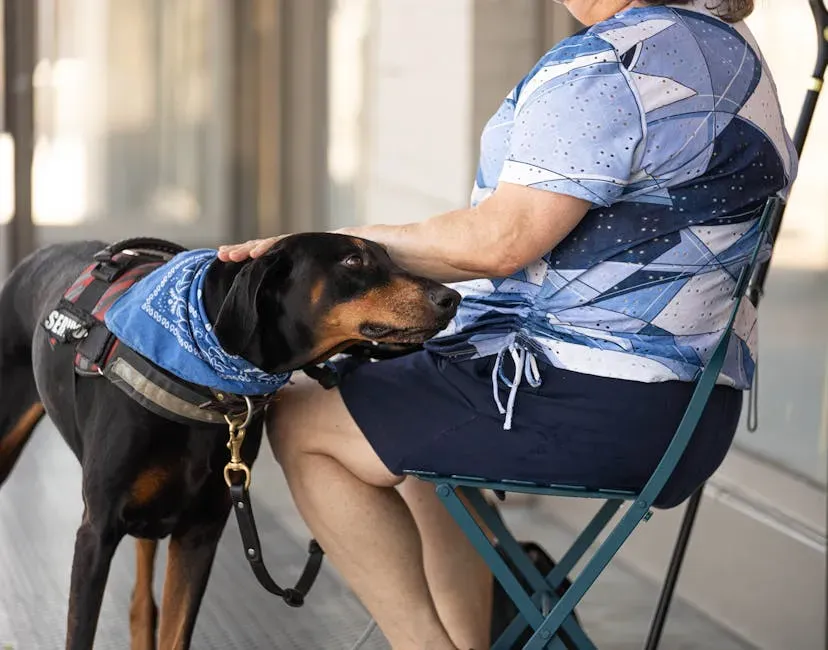
Studies have shown that interacting with therapy dogs as part of an animal-assisted intervention approach yields both physical and psychological benefits to humans and the dogs. Studies have shown that interacting with therapy dogs can reduce symptoms of anxiety, depression, and PTSD. These dogs provide a non-judgmental, comforting presence that encourages people to open up and feel more at ease. Their ability to sense and respond to human emotions makes them invaluable in therapeutic settings.
The twelve breeds on this list aren’t just well-behaved dogs doing a job. They’re animals who seem to genuinely want to be present with people who are struggling. Whether you’re a dog lover thinking about getting involved in therapy volunteering, or simply curious about what makes these dogs so remarkable, the answer is worth reflecting on. The best therapy dog isn’t just the one with the right breed profile. It’s the one that looks at a stranger in pain and moves toward them without hesitation. That instinct, nurtured with the right training and care, is one of the most quietly powerful things in the world.


