
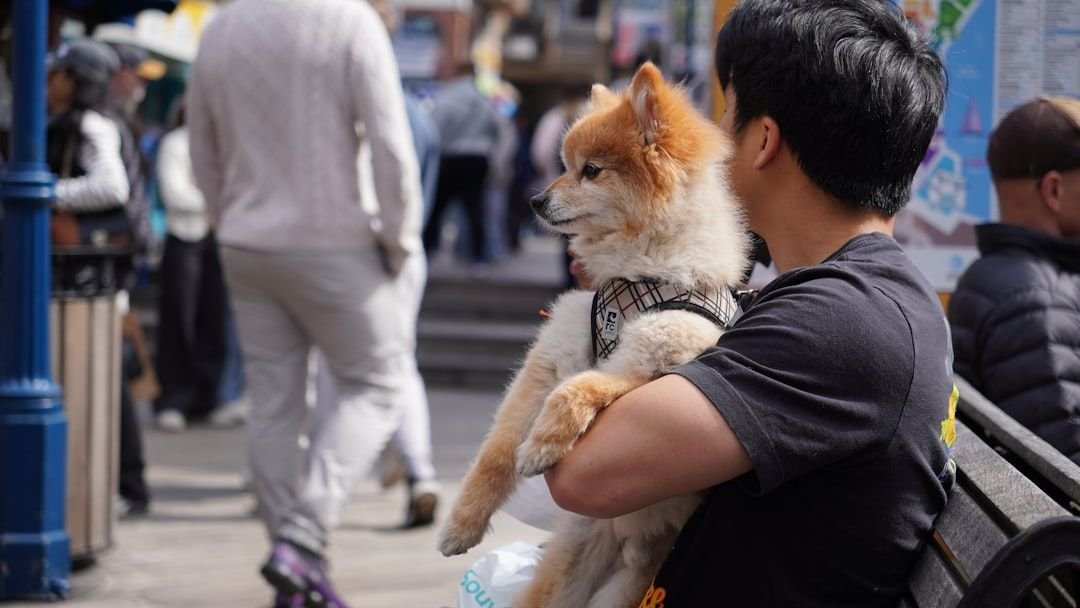
You walk into a room, and before you’ve even settled, your dog is already there. Not because they want something, not because it’s dinnertime. Just because you’re there. That quiet presence speaks volumes about what’s happening beneath the surface of your dog’s daily behavior.
Psychologists describe the relationship between humans and dogs as a bidirectional attachment bond, one that closely resembles the human caregiver-infant relationship and shows all the hallmarks of a genuine emotional connection. That’s not a poetic overstatement. It’s backed by decades of research in animal behavior, neuroscience, and cognitive psychology.
The tricky part is that dogs don’t write love letters or send voice memos. They communicate through posture, eye contact, routine, and touch. Once you start reading those signals clearly, you’ll realize your dog has been telling you something important all along. Here are ten behaviors that reveal your dog has grown deeply, genuinely emotionally attached to you.
They Follow You Everywhere, and We Mean Everywhere
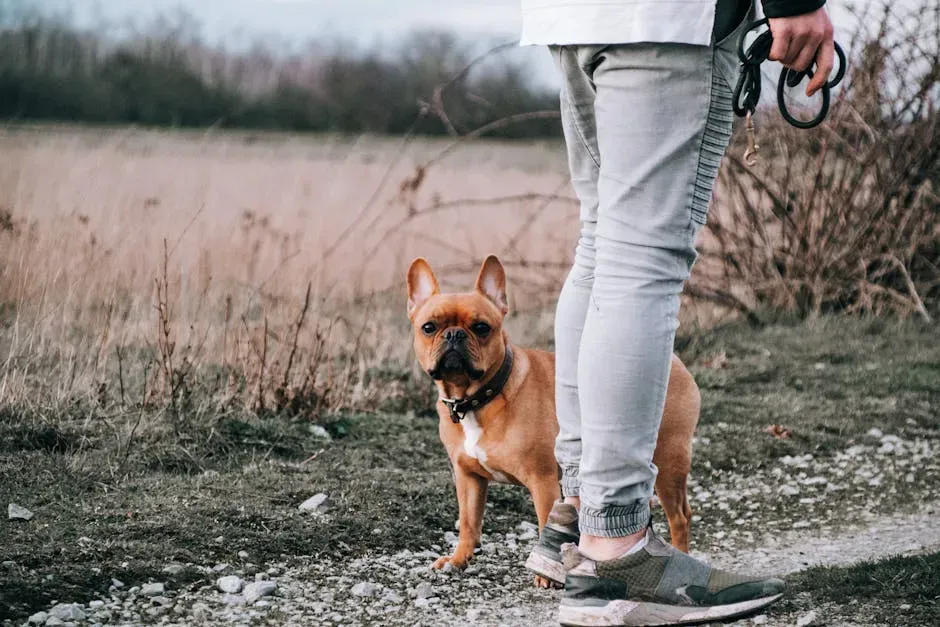
One of the most common and obvious signs of emotional attachment is shadowing behavior. If your dog follows you from room to room, waits outside the bathroom, or refuses to relax unless they’re near you, it often indicates more than simple curiosity. This is a dog that has decided you are their safe place, their center of gravity.
Emotionally attached dogs feel secure in your presence. Being close to you reduces their stress and increases their sense of safety. Think of it less like clinginess and more like emotional regulation. Your dog follows you because proximity to you genuinely calms their nervous system.
Canine companions that follow their humans everywhere are often affectionately referred to as “Velcro dogs” because of their desire to be attached to your side. If your dog fits that description, take it as a compliment. It means you’ve built a foundation of trust they don’t want to stray far from.
They Make Direct, Soft Eye Contact With You
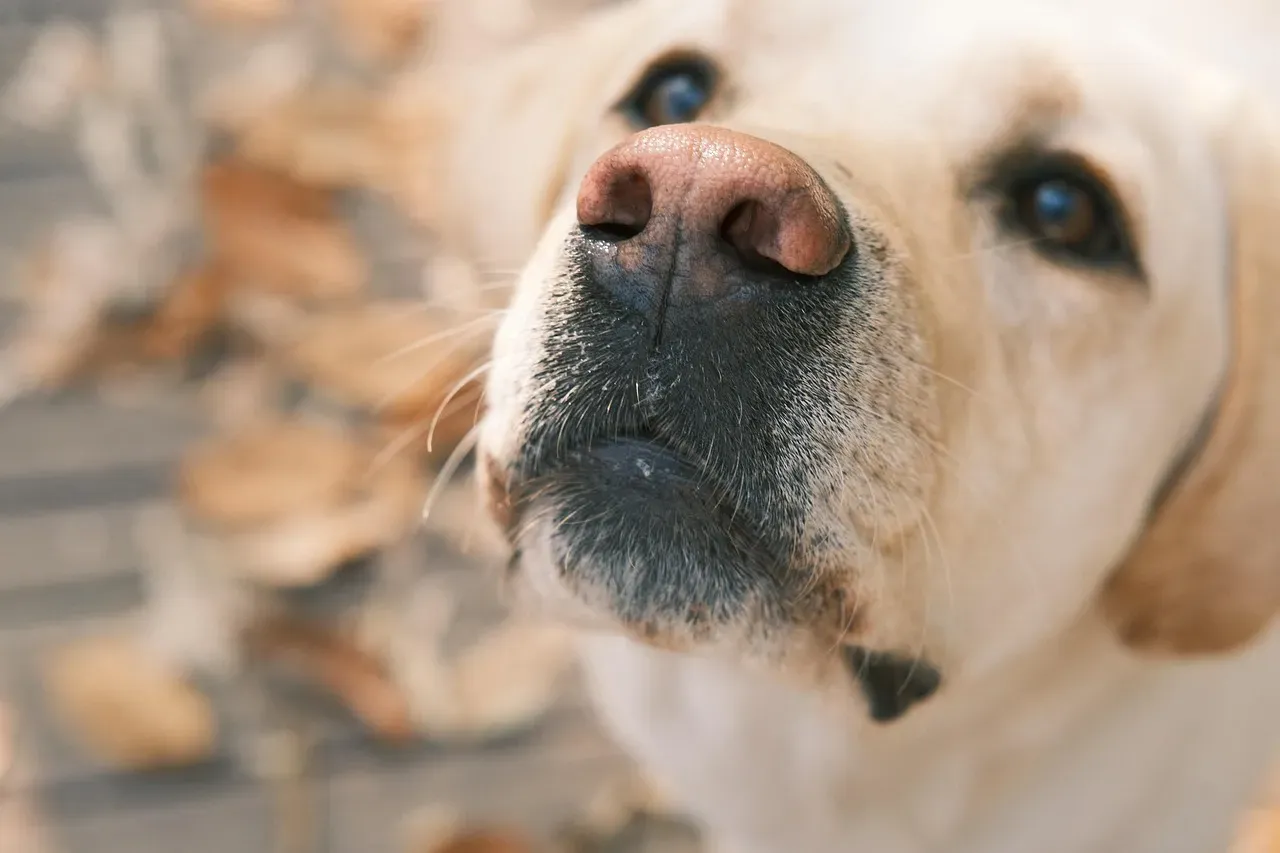
Dogs use eye contact differently than humans do. In the animal world, prolonged staring can actually signal a challenge or threat. With humans, however, soft prolonged eye contact often signals trust and bonding. Research suggests that loving eye contact between dogs and owners can trigger oxytocin, the same hormone associated with emotional bonding in humans.
When dogs stare into our eyes, they activate the same hormonal response that bonds us to human infants. When a mother stares into her baby’s eyes, the baby’s oxytocin levels rise, which causes the infant to stare back, causing the mother to release more oxytocin. This positive feedback loop creates a strong emotional bond. Remarkably, dogs have co-opted this same system.
When a dog maintains eye contact with you, it can signify that they are emotionally bonded with you. Soft, relaxed eyes are a sign of trust, while stiff or intense eye contact can signal discomfort or anxiety. The difference is easy to spot once you know what to look for. A bonded dog gazes at you with warmth, not tension.
They Bring You Their Favorite Things

Some dogs express their attachment by bringing you toys or other items as gifts throughout the day. This behavior is similar to how a mother dog might bring food to her puppies, showing that they want to provide for you. It’s one of the most instinctively tender things a dog can do.
Coming to you with their prized possessions is a sign of trust. Your dog sees you as a leader or cherished figure, willing to share what they most treasure. It can also be an invitation to play, showing they enjoy and value your companionship. Either way, the message is the same: you are worth sharing the best things with.
If your dog regularly delivers toys, socks, or random treasures to your lap, it’s a display of affection rooted in deep emotional attachment. This behavior reveals who the dog views as their primary caregiver and emotional center. That squeaky toy deposited at your feet at 7 a.m. is, in its own way, a love language.
They Lean Against You or Rest Their Head on You
If your dog leans their body weight against you or rests their head on your lap, it’s a clear sign of trust and attachment. They only do this with people they feel comfortable and secure around. This body-to-body contact is one of the most direct forms of emotional communication a dog has available.
Dogs communicate a great deal through body language. When a dog leans into you or presses their body against yours, it’s a sign they trust and love you. Unlike more excitable behaviors, leaning tends to be calm and deliberate. It’s your dog choosing stillness with you over activity alone.
A bonded dog may even use your scent, breathing, and heartbeat to feel calm and regulate their nervous system. That gentle pressure against your leg isn’t passive. It’s your dog actively seeking co-regulation, using your presence the way a child might use a parent’s hand during something uncertain.
They Sleep Close to You or Choose Your Space to Rest
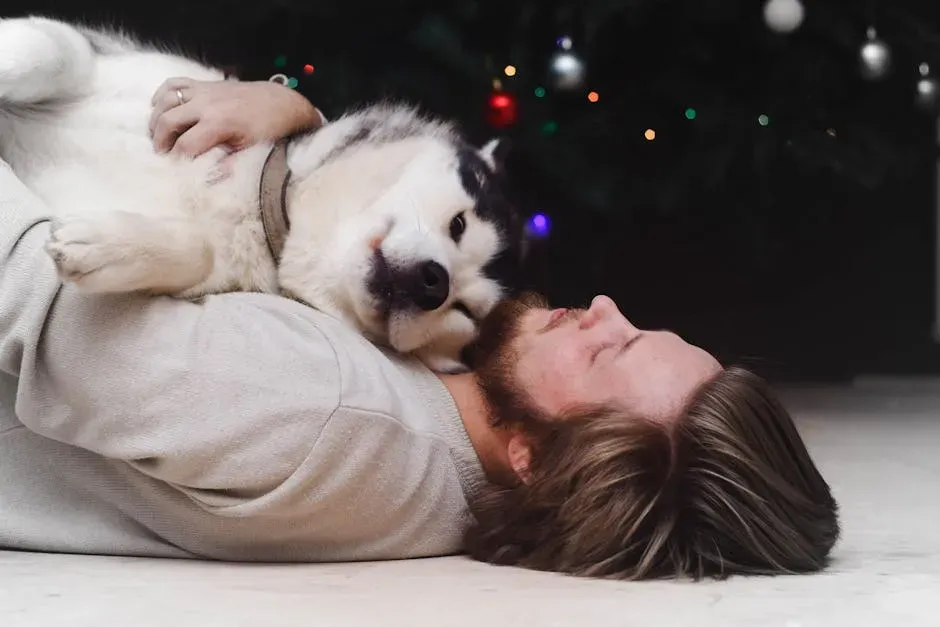
In the wild, canines are at their most vulnerable when they sleep. To maximize safety, members of a pack sleep with their backs facing each other and their noses facing outward, creating a protective circle. When your dog chooses to sleep near you, they’re extending that same ancient trust your way.
Sleep is a vulnerable state for dogs. Choosing to sleep close to you is a powerful sign of trust and emotional attachment. This holds whether your dog sleeps in your bed, at your feet, or simply at the same end of the couch. The choice of proximity matters.
Dogs that choose to co-sleep with their owners aren’t just seeking warmth. They’re expressing love, making this a classic behavior that signals a strong human-dog connection. If your dog gravitates to your bedroom every night regardless of where their own bed is, they’re voting with their paws on who they feel safest beside.
They React Strongly When You Come Home
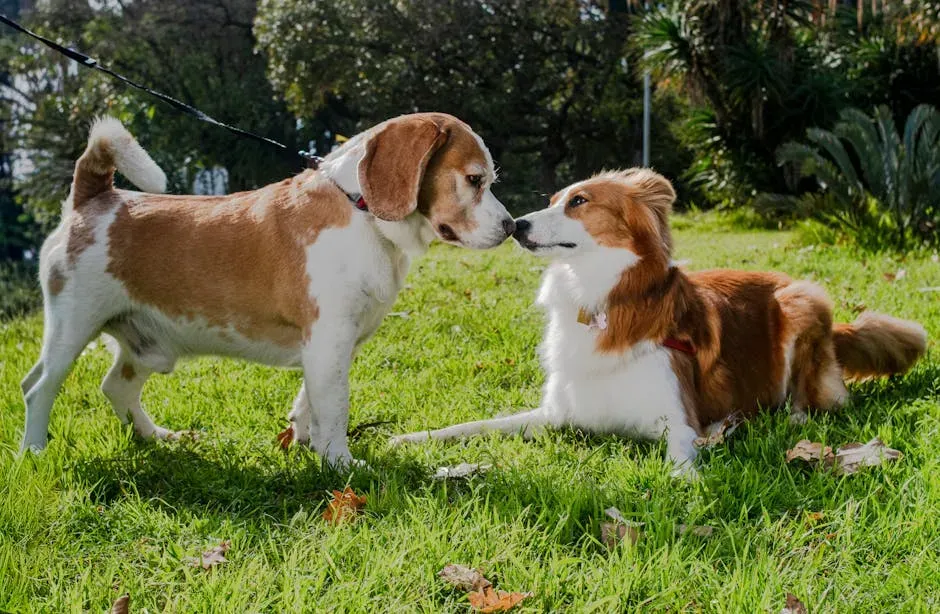
A dog’s excitement when you return home is a heartwarming indicator of emotional attachment. Whether it’s wagging tails, joyful barking, or happy dances, these reactions highlight their happiness at your return. This behavior is an expression of their loyalty and the strong bond they feel.
Emotionally attached dogs often display intense greeting behaviors. The key difference is emotional intensity. Your presence triggers joy, relief, and comfort all at once. That reaction is not just habit or Pavlovian conditioning. It reflects genuine emotional experience. Your dog missed you, and their whole body is saying so.
It’s worth noting the contrast here. A dog that greets one person with full-body excitement while offering only a mild tail wag to others is showing clear emotional preference. Pay attention to who triggers those full-on celebrations. That dog is telling you exactly who holds their heart.
They Sense and Respond to Your Emotions
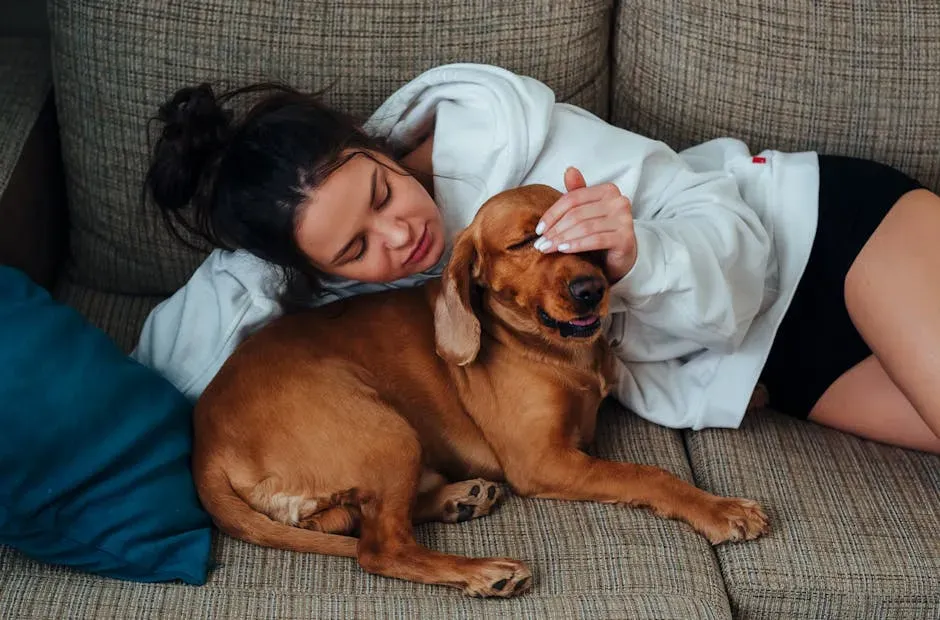
Emotionally attached dogs are highly intuitive and can often sense when you’re feeling joyous, stressed, or upset. They may respond by staying closer to you or trying to comfort you. This ability to empathize with your emotions demonstrates a deep bond and understanding.
Dogs are highly attuned to human behavior. They can detect subtle changes in mood and environment. For example, many dogs respond to sadness by staying physically close or resting their head on their owner’s lap. This sensitivity strengthens the human-animal bond and deepens mutual trust.
Canines are capable of assessing humans’ emotional states, as well as discriminating humans by levels of familiarity. A dog who curls up next to you after a hard day, or paws at you gently when you’re crying, isn’t acting randomly. They’ve been watching you carefully enough to know when you need company, and they’re choosing to show up for you.
They Check In on You Throughout the Day
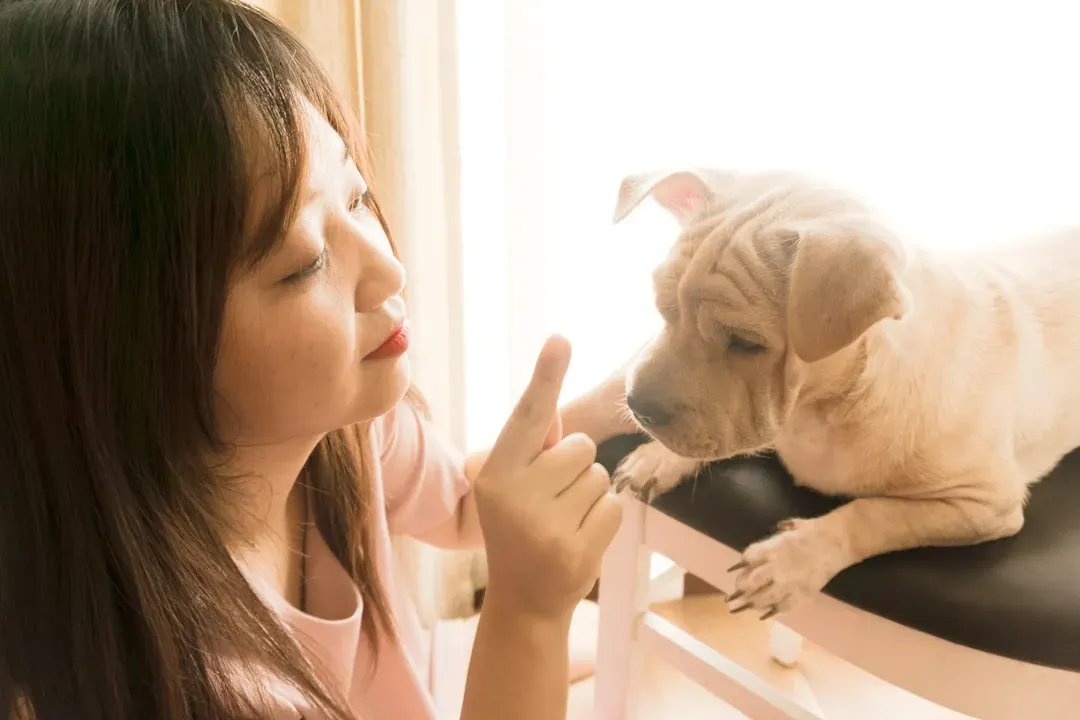
Dogs who check on you throughout the day are expressing their attachment and concern. Whether you’re in a different room or absorbed in a task, your dog may occasionally come to find you to ensure everything is alright. This behavior demonstrates their protective instincts and genuine affection.
Even when not physically glued to you, emotionally bonded dogs often monitor you from a distance. This behavior signals emotional awareness. Your dog is keeping track of their most important person. It’s not clinginess. It’s connection. There’s a meaningful difference between the two, and it’s worth recognizing.
Think of those moments when your dog ambles into the room, glances at you, and then ambles back out. That little visit wasn’t about food or boredom. It was a check-in, a brief confirmation that you’re still there and everything is fine. Emotionally attached dogs keep a quiet, steady watch over the people they love.
They Mirror Your Behavior and Routines
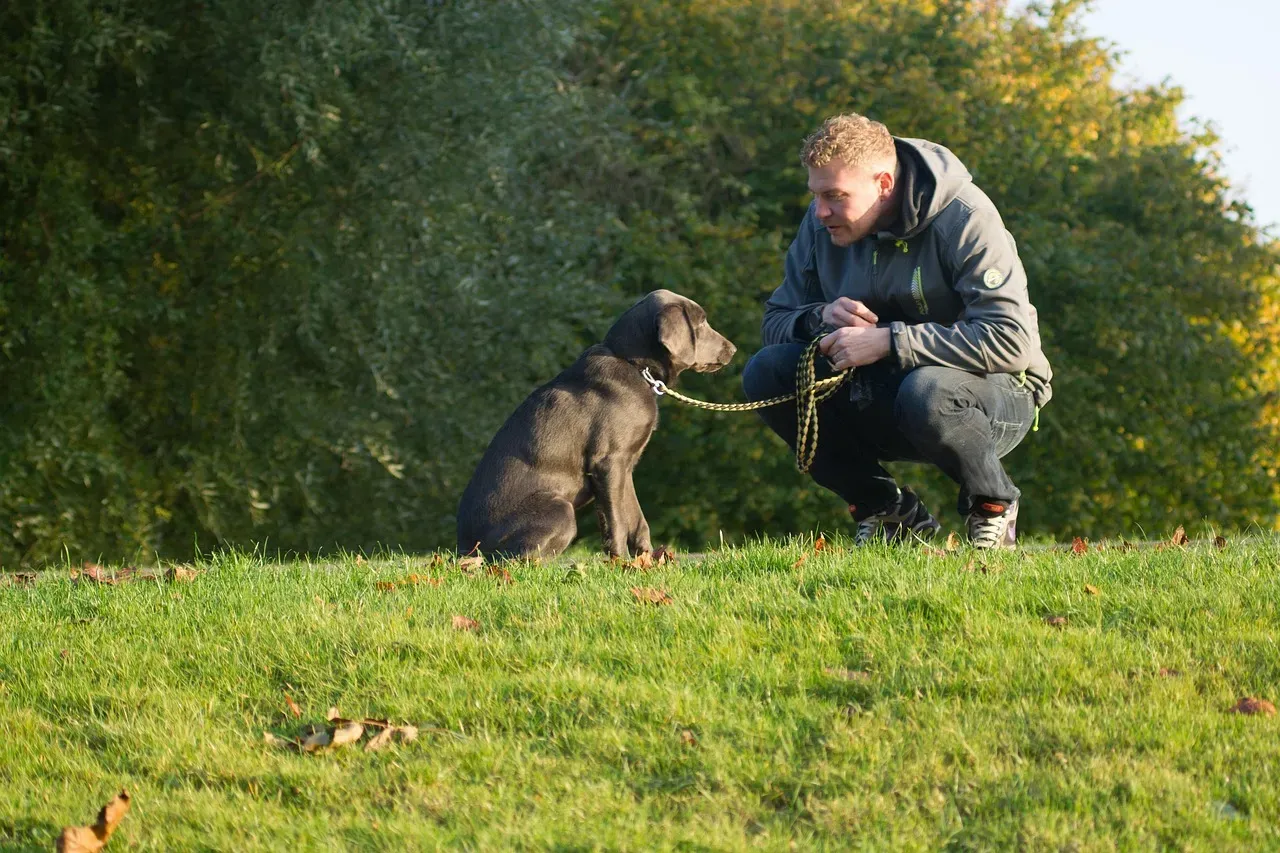
Some dogs pick up and mimic the routines and movements of their owners, a phenomenon known as social referencing. This behavior suggests that your dog looks up to you and feels attached enough to want to sync with your actions. It’s their way of attuning to your habits and showing they’re connected to your life.
If your dog yawns right after you do, it’s not because they’re sleepy or bored. It’s a type of canine communication and a sign your dog is bonded to you. Contagious yawning in dogs is considered a sign of empathy and strong social bonding, showing they’re emotionally connected and can mirror human behavior, especially with familiar people.
Dogs have evolved alongside humans for thousands of years, developing social skills that allow them to read our emotions, respond to our cues, and even mirror our behavior. This mirroring isn’t accidental. It’s the product of a deep relationship where your dog has learned to track you closely enough to fall into sync with you naturally.
They Turn to You When Scared or Uncertain
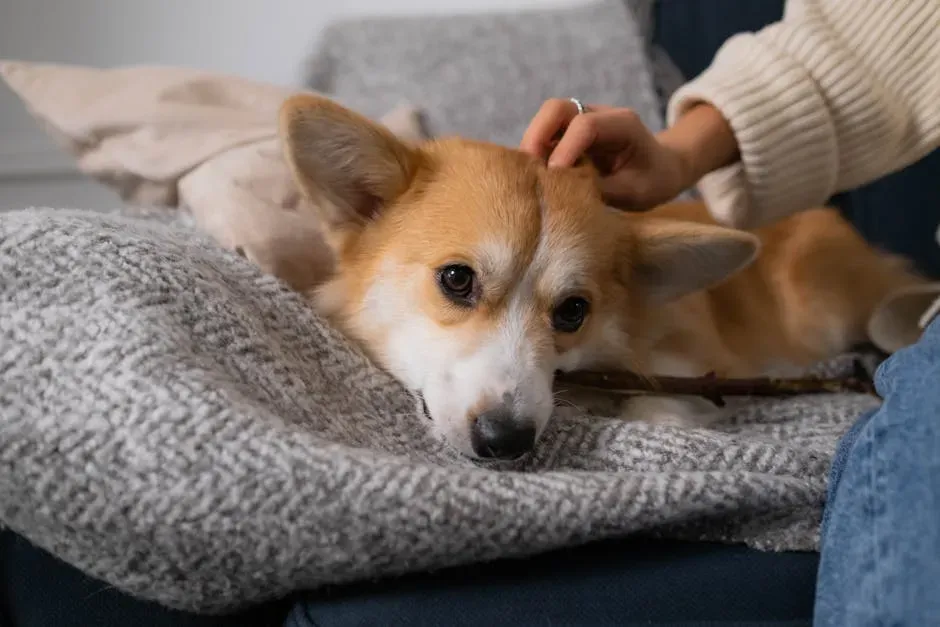
When frightened, anxious, or uncomfortable, emotionally attached dogs instinctively turn to their human for reassurance. Dogs seek safety where they feel most secure, and for an attached dog, that safe place is you. This seeking behavior is one of the most emotionally significant things a dog can do.
One of the behaviors that led scientists to classify the human-dog bond as a true attachment relationship is proximity seeking, where the dog will seek out their caregiver as a means to cope with stress. Another such behavior is the safe haven effect, which describes when the dog more freely explores novel environments and objects when in the caregiver’s presence.
During veterinary visits, which are usually distressing situations for dogs, a strong emotional owner-dog bond seems to ease hesitation. Dogs are more willing to play and take treats when that trusted person is present. That says everything. A scared dog who looks to find your face in a crowd isn’t just seeking comfort. They’re telling you that you are their emotional anchor.
Conclusion: Your Dog Is Telling You Something Every Day
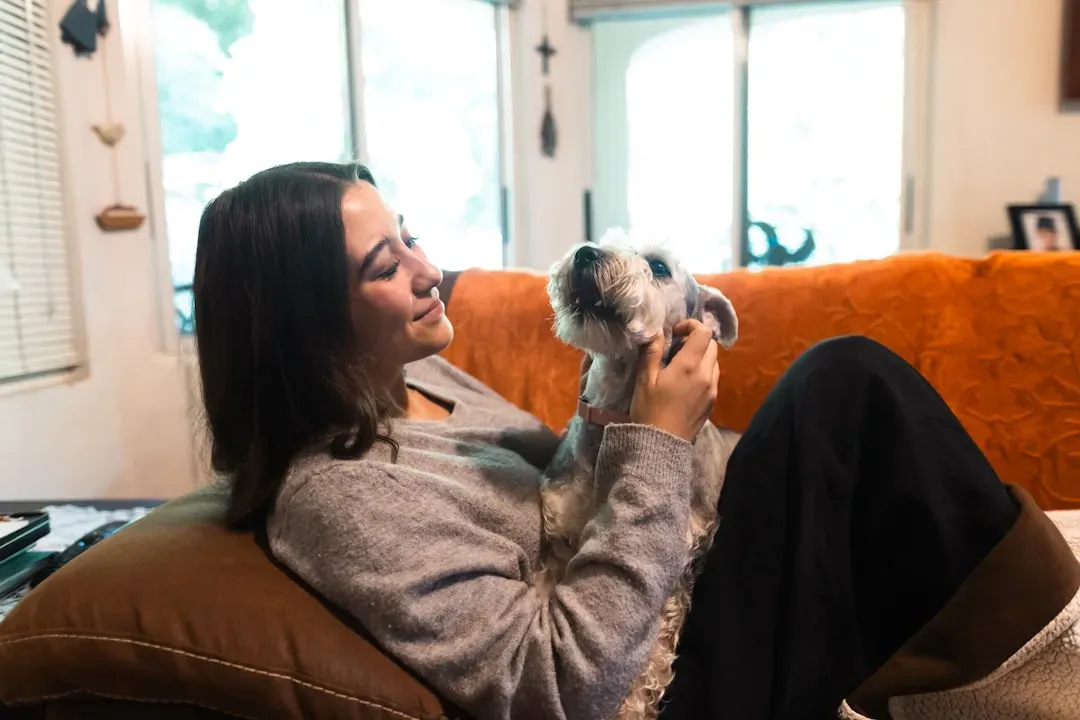
Most of these behaviors don’t announce themselves loudly. They show up in quiet moments: a soft gaze across the room, a warm weight leaning into your side, a little check-in during a busy afternoon. The fact that they happen consistently, day after day, is the real signal.
An attachment bond is a close emotional relationship between two individuals. The dog-owner relationship shows genuine similarities to the human caregiver-infant relationship. Dogs show behaviors of attachment such as approaching, following, clinging, and vocalizing toward their owners. Understanding this changes how you see every small moment.
Dogs may not express emotions the way humans do, but their attachment is incredibly genuine. When your dog follows you, seeks comfort from you, watches you closely, and relaxes deeply in your presence, these are not random behaviors. They are signs of trust, safety, and emotional bonding.
The best thing you can take away from this is a sharper eye and a softer heart. Your dog has already chosen you. The question is only whether you’re paying close enough attention to notice.


