
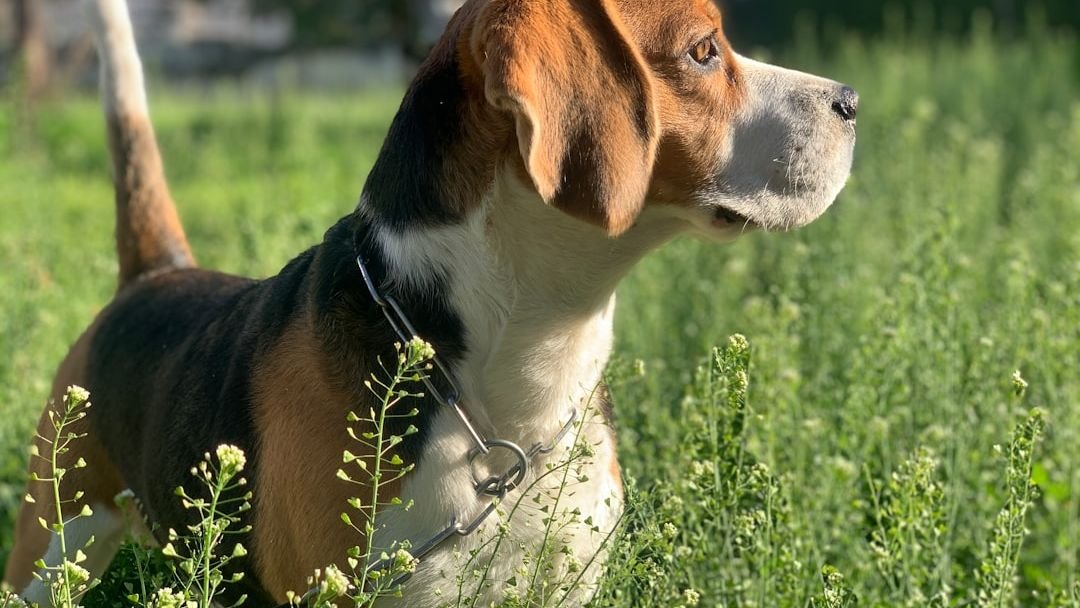
Picture a future where some of the most fascinating dog breeds you’ve never heard of simply cease to exist. Not because of a disease, not because of war, but because not enough people chose them. Right now, across the United States, a quiet canine crisis is unfolding in the background of every trendy doodle adoption and viral French Bulldog video.
Despite record-high pet ownership levels, with roughly 94 million U.S. households having pets, traditional breeds are losing popularity to designer breeds and mixed-breed dogs. Some American breeds register fewer than 300 new puppies annually, making them critically at risk due to low population numbers and shrinking gene pools. These aren’t obscure creatures from a distant land. Many of them helped build this country, hunted its fields, and slept by its firesides. Here are ten dog breeds that deserve far more than a footnote in canine history.
1. Norwegian Lundehund: The Six-Toed Survivor on the Brink
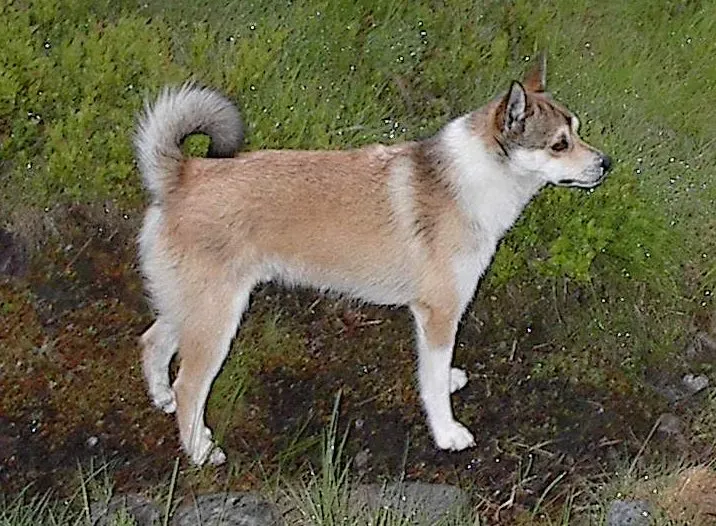
The rarest dog breed in the United States right now is the Norwegian Lundehund, recognized by the AKC in 2011. This extraordinary little dog has six fully functional toes, a neck that bends back to touch its spine, ears that fold shut to keep water out, and ultra-flexible shoulders that allow its forelegs to extend perpendicular to the body. Every one of those physical advantages existed for a reason: the dogs used them to scale cliffs, squeeze through rocky crevices, and retrieve live puffins from their nests.
There are currently fewer than 2,000 Lundehunds worldwide and fewer than 400 in the United States, and every single one alive today traces back to an extremely small founding population, which creates its own set of ongoing health challenges for the breed. Puffin hunting is now illegal in Norway, and the Lundehund nearly disappeared during the 1960s before concerted breeding efforts brought them back from the brink of extinction. If you’re considering one of these dogs, connect with a breeder who actively monitors genetic diversity, as this is the single most critical factor in the breed’s survival.
2. Otterhound: A Clown-Hearted Giant Disappearing in Plain Sight
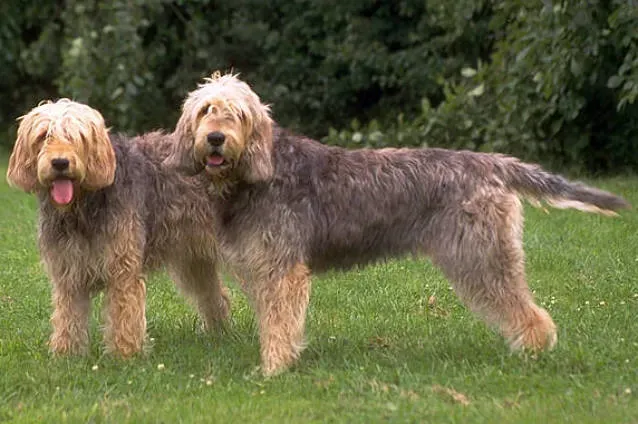
The Otterhound is teetering on the brink of extinction, with its numbers dwindling alarmingly over the past few decades. Originally bred to hunt otters, a practice banned in Britain four decades ago, these “clown-like” dogs are now even rarer than the giant panda. The breed requires ample space, a lot of exercise, and an owner willing to handle their independent streak, which makes them less popular among modern dog enthusiasts. Fewer than 1,000 Otterhounds remain worldwide, placing this playful breed on the brink of extinction.
Otterhounds can weigh up to 115 pounds and were impacted significantly by the banning of otter hunting in 1978 in the UK. These pups were bred after the ban, but only by enthusiasts who loved the breed. They have water-resistant coats, webbed feet, and incredible scenting powers. For dog lovers with space and patience, an Otterhound is a deeply affectionate companion. Their survival depends almost entirely on a small, dedicated community of breeders who refuse to let this remarkable scent hound vanish.
3. American Foxhound: Virginia’s State Dog Is Nearly Forgotten
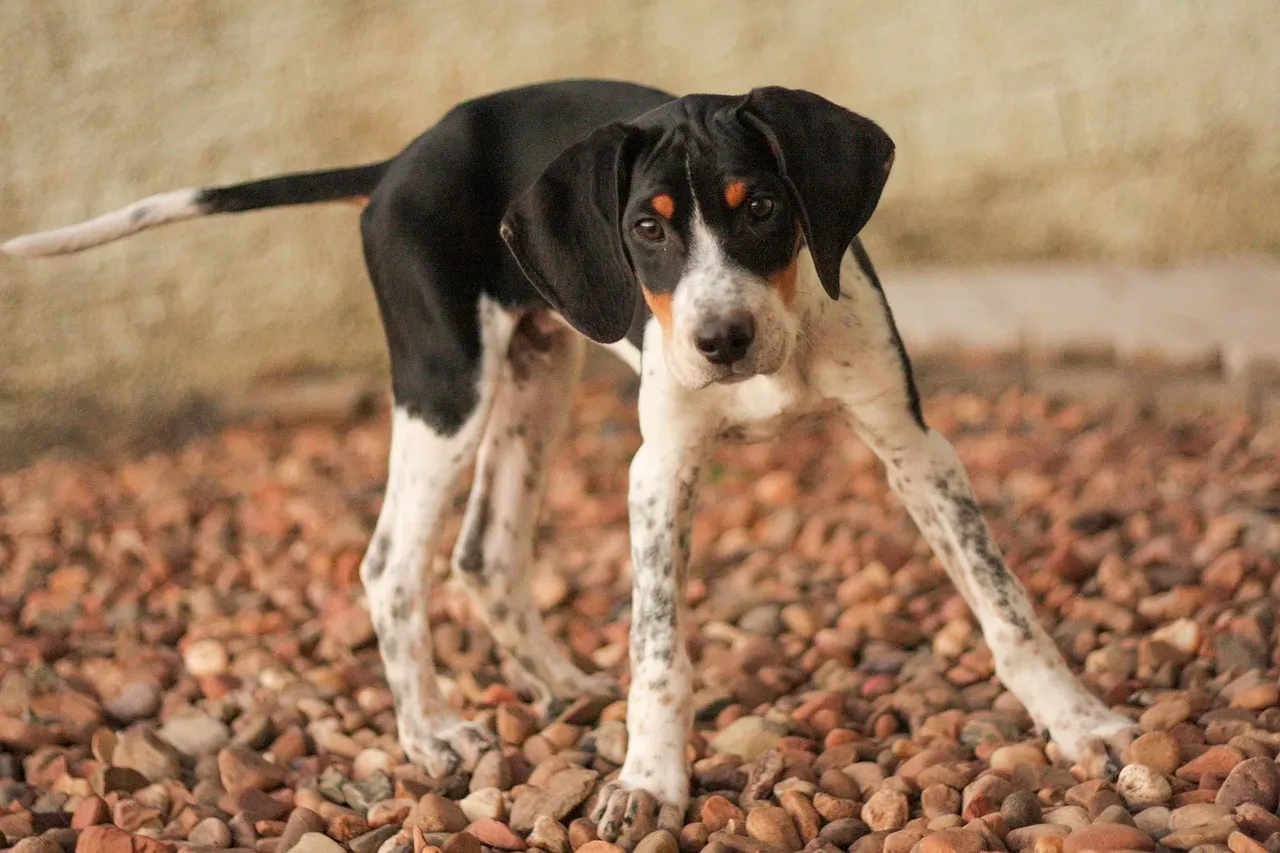
Recognized by the AKC as far back as 1886, the American Foxhound is the state dog of Virginia. One of America’s native and most rare breeds, the American Foxhound was originally used for fox hunting. With the declining popularity of the sport, the breed has become more and more rare. Because of their energy, they make great pets for families that live in rural areas or on farms, and they are mild-tempered and easy-going. Their coat comes in a variety of colors and requires minimal grooming and maintenance.
American Foxhounds are scenting pack hounds, bred to run effortlessly for many hours during their chase. Although easygoing, the breed is stubborn and independent and requires a significant amount of exercise in order to be kept happy and healthy. If you live on a property with room to roam and you’re looking for a loyal, athletic companion, the American Foxhound might be exactly the right fit. Choosing one of these dogs isn’t just an adoption, it’s an act of preservation for a piece of American heritage.
4. English Foxhound: A Pack Dog Without a Pack

The English Foxhound is an old breed, recognized by the AKC in 1909, used most notably for hunting in large packs for foxes. In appearance, the breed is much stouter than its American counterpart, but should not be heavy. English Foxhounds are active, loyal, and gentle companions. Fox hunting for sport has fallen out of favor in the United States and Northern Ireland, and it has since been banned entirely in England, Scotland, and Wales.
These two foxhound breeds aren’t always suitable as a house or family pet. Both the English and American Foxhounds often lived in packs in kennels managed by hunt clubs. That lifestyle has largely faded from American culture, leaving these dogs without their traditional role or their traditional community of supporters. The English Foxhound made major strides as a U.S. breed in 2025, moving from the rarest spot to the 16th rarest breed. It’s a modest gain, but a hopeful one.
5. Chinook: New Hampshire’s Own Sled Dog Is on the Edge
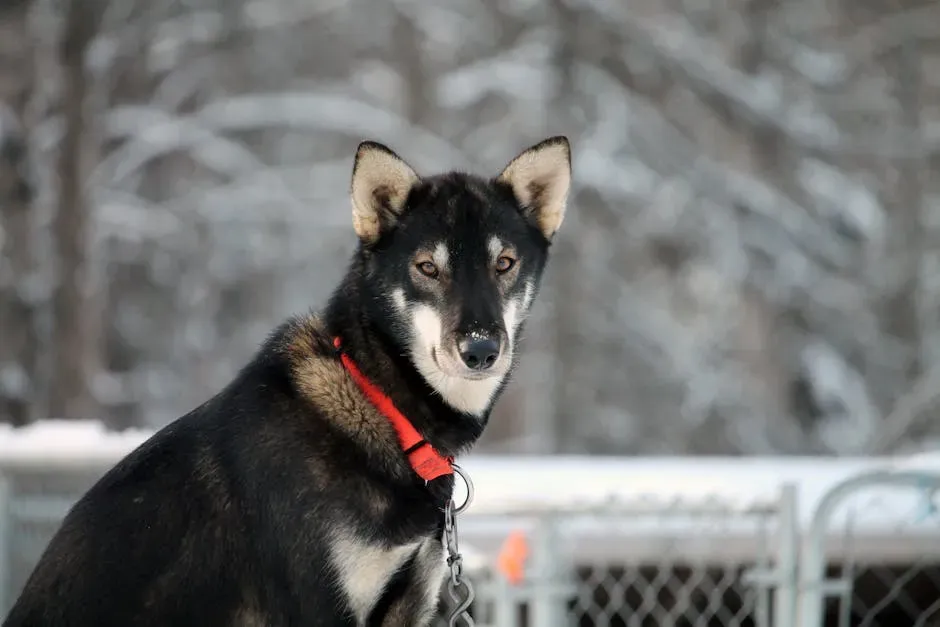
The Chinook is an all-American sled dog, once celebrated for its strength, endurance, and gentle temperament. Developed in New Hampshire, this breed is now among the rarest in the world. Their decline stems from the reduced popularity of sled dog sports and their relatively large size, which isn’t ideal for many modern households. The Chinook is the official state dog of New Hampshire, following a campaign by elementary school students about a decade ago.
These dogs have a life expectancy between 12 and 15 years. They are devoted, intelligent, and patient, weighing up to 90 pounds if male and 65 pounds if female. They’re affectionate and do well with other dogs. These are working pups that are eager to please their owners. While their defenders have managed to stabilize the world’s Chinook population, they still rank in the bottom 10 breeds according to AKC. If you’re active outdoors and want a loyal working partner, the Chinook is worth a serious look.
6. Sussex Spaniel: A WWII Survivor Still Fighting for Relevance
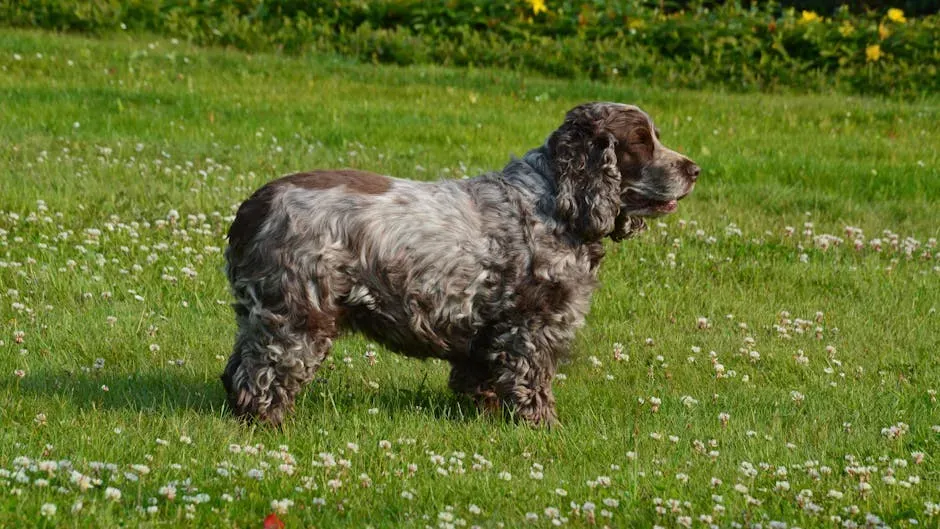
World War II almost saw an end to this rare breed, with the Sussex Spaniel’s population dwindling down to only five pups. The Sussex Spaniel, with its distinctive golden liver coat, is one of the oldest spaniel breeds. Originating from England, these dogs were used for hunting and retrieving game. Despite their gentle temperament and loyalty, Sussex Spaniels face dwindling numbers due to their limited breeding population and competition from other spaniel breeds.
When most people first meet a Sussex Spaniel, the dog can seem like a slow-paced couch potato. That’s why it’s so surprising that they need about 2 hours of exercise every day. Bred as bird dogs, a job that gave them plenty of chances to run, Sussex Spaniel registrations have declined along with the popularity of hunting. The breed was identified by the Kennel Club in 2004 as a vulnerable British breed, and despite a brief resurgence in 2013 due to dedicated breeders, the Sussex Spaniel continues to face the threat of extinction if proactive measures are not sustained. Their story is a reminder that surviving one crisis doesn’t guarantee surviving the next.
7. Skye Terrier: A Royal Favorite Now Ranking Among the Rarest

Now considered one of the most endangered dog breeds, these powerfully built little terriers were once the darlings of Victorian society. Kept by farmers in the Skye Islands to hunt and kill badgers, foxes, and otters, these dogs caught the attention of English royalty. Bred in the kennels of Queen Victoria, this breed reached its peak of popularity in the late 1800s and now ranks 178th in popularity. It has been stated that there are more Giant Pandas in the world than Skye Terriers.
Skye Terriers, while generally robust, have a few health concerns to be mindful of. They are prone to Intervertebral Disc Disease due to their elongated spines, which makes them susceptible to back injuries, particularly when climbing stairs or jumping. Eye problems such as cataracts may also arise. Additionally, Skye Terriers are at risk of developing cancer, autoimmune diseases, skin allergies, and hip dysplasia. If you own a Skye Terrier, regular vet check-ups and careful management of physical activity are especially important. Skye Terriers need moderate exercise but can tire easily due to their short legs and elongated spines. Short daily walks, combined with play sessions, provide adequate activity, and long walks or vigorous exercise should be avoided, as these can lead to overexertion or back injuries.
8. Field Spaniel: Overshadowed and Overlooked
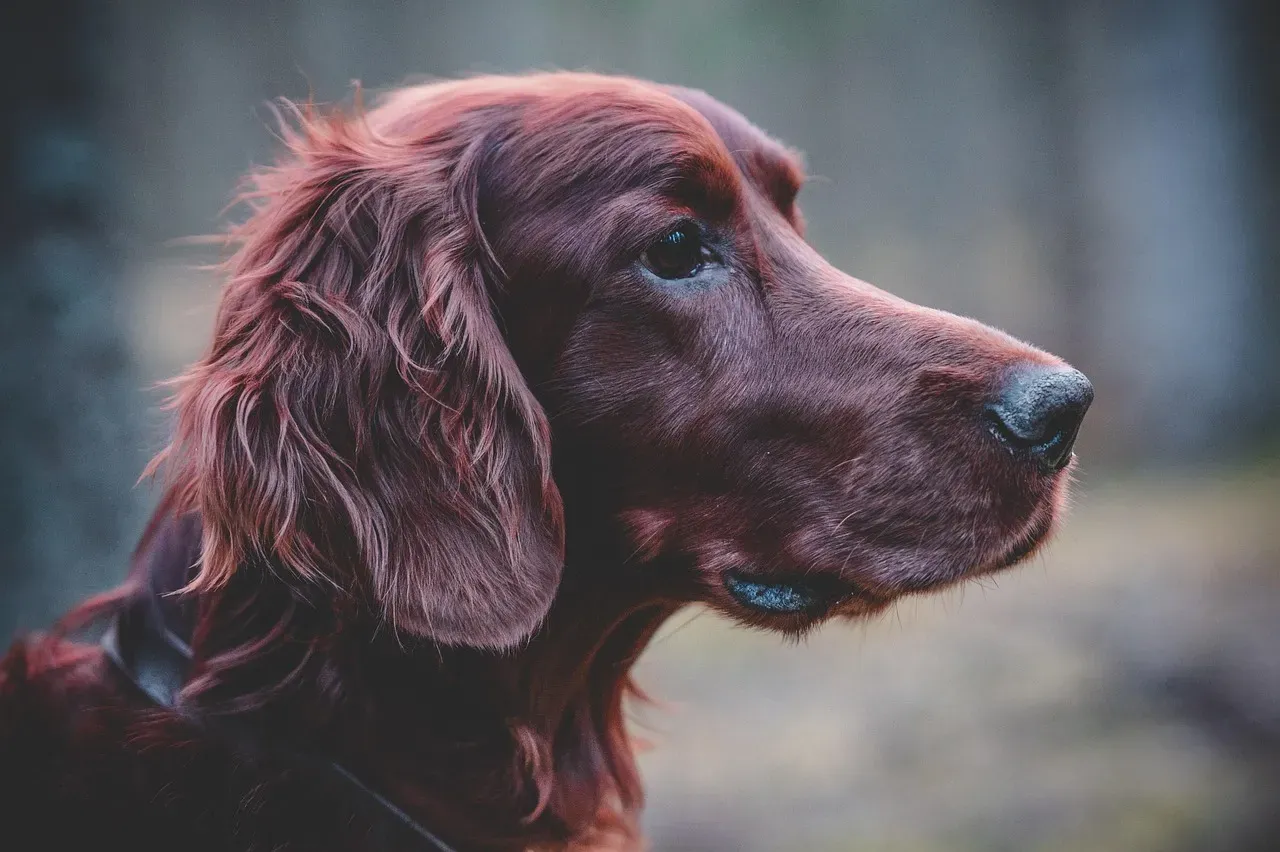
The Field Spaniel, developed in England for hunting and retrieving game, is a versatile and intelligent breed. Despite its excellent working abilities and gentle temperament, the Field Spaniel faces a decline in numbers due to its overshadowing by more popular spaniel breeds. Efforts to promote the breed and encourage responsible breeding are necessary to ensure its survival. In the United States, the breed consistently appears near the bottom of AKC registration rankings, having simply fallen in popularity for reasons that are not entirely clear.
What makes the Field Spaniel’s situation particularly poignant is that nothing is really wrong with the dog itself. It’s calm, eager to learn, and genuinely good with families. The challenge is purely one of visibility. One of the biggest hurdles for rare breeds is a general lack of awareness among dog lovers, which hinders demand and preservation. Additionally, limited genetic diversity creates challenges for responsible breeders aiming to sustain healthy populations. Spreading the word about breeds like the Field Spaniel is one of the simplest and most effective forms of conservation available to everyday dog lovers.
9. Sealyham Terrier: A Brief Comeback That Still Needs Support
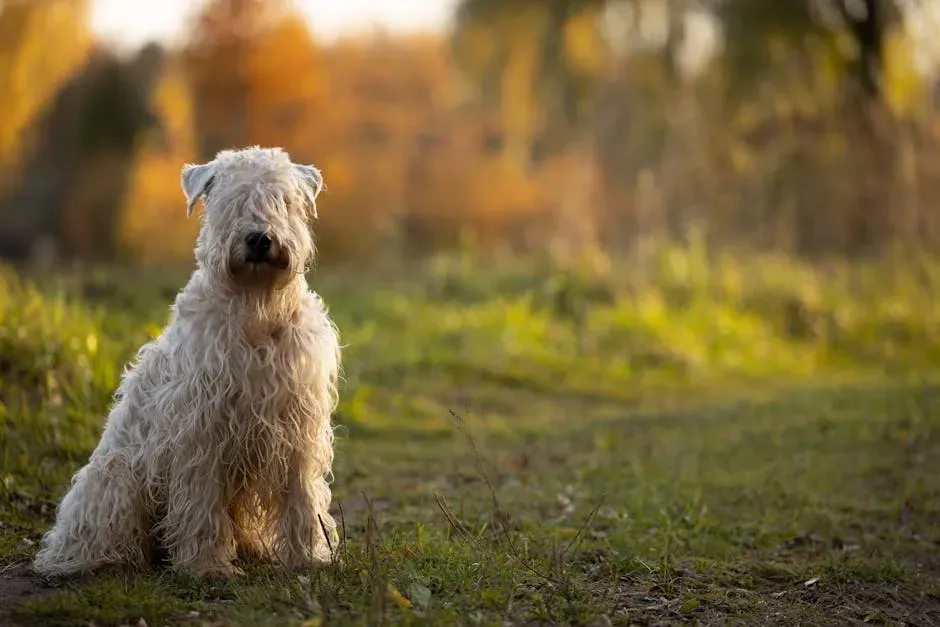
In 2008, the SOS: Save Our Sealyham campaign was launched after the U.S. saw a mere 43 official kennel registrations. Since then, registrations for this breed have tripled and continue to grow. The Sealyham Terrier is one of those older breeds that has simply fallen in popularity for reasons that are not entirely clear. These pups are affectionate and friendly, but they can have a stubborn streak. They value their independence and need a consistent, firm, and patient trainer.
The Sealyham’s recovery is genuinely encouraging, but the numbers are still fragile. A breed that triples from 43 registrations is still very much in endangered territory. Several breed clubs and preservation organizations in the US have launched campaigns to raise public awareness and support sustainable breeding practices that secure these breeds’ futures. If you’re looking for a spirited small dog with a big personality and a fascinating Welsh history, the Sealyham Terrier deserves a place on your radar. Every registration matters more than it might seem.
10. Irish Water Spaniel: One of AKC’s Founding Breeds, Now Fading

Three of the nine founding breeds of the AKC, including the Irish Water Spaniel, now have registration numbers so low that they may be in danger of ultimately becoming extinct. That’s a remarkable and sobering fact. A dog that was important enough to be present at the very formation of organized American dog breeding is now teetering on the edge of irrelevance. The Irish Water Spaniel is athletic, intelligent, and deeply loyal, known for its distinctive curly topknot and rat-like tapered tail.
In the world of dog breeds, some have gained immense popularity and continue to thrive, while others face the grim reality of dwindling numbers. Various factors contribute to the decline of certain breeds, including changes in lifestyle, lack of awareness, and the rise of more fashionable breeds. Preserving these breeds is crucial, as each represents a unique part of canine history and biodiversity. The Irish Water Spaniel is an active, water-loving dog that thrives with a job to do and an owner who appreciates its clownish personality. Choosing one isn’t just adding a pet. It’s keeping a living piece of American canine heritage alive.
Why This Matters More Than You Think
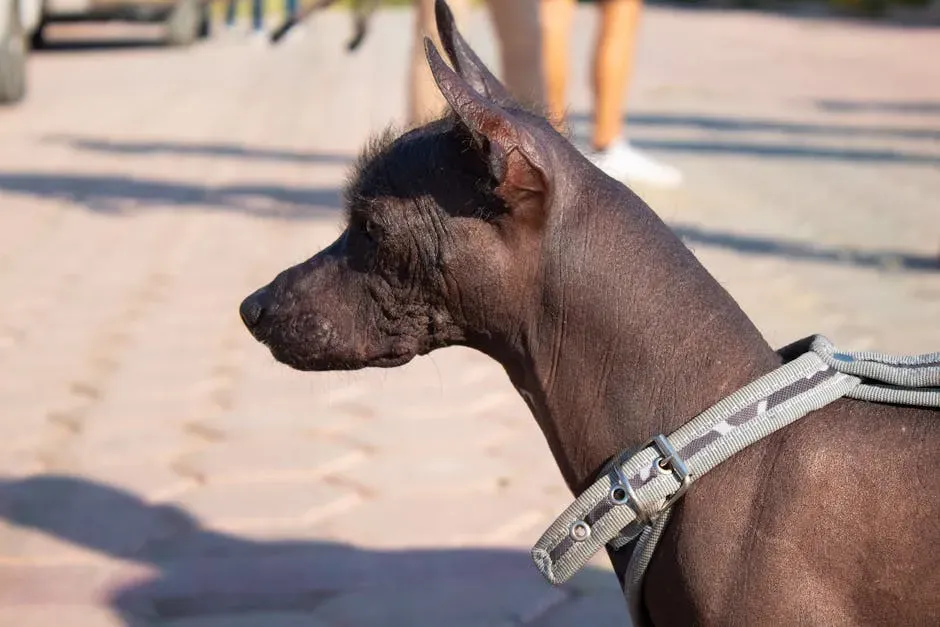
While domestic dogs as a species are thriving, certain breeds face significant extinction risks. Projections suggest that by 2050, several rare breeds could disappear entirely, with some facing very high chances of extinction. Generation Z, while leading the charge in pet ownership growth, often gravitates toward trendy crossbreeds rather than heritage breeds. The market follows attention, and right now, very little attention is being paid to the dogs on this list.
When seeking a new puppy, consider selecting a vulnerable native breed. Supporting ethical breeders helps preserve their bloodlines and encourages sustainable populations. Opting for breeders who prioritize genetic health, use careful breeding strategies, and adhere to breed club recommendations makes a real difference. You don’t have to adopt a rare breed to help. Sharing their stories, donating to breed-specific clubs, and simply talking about these dogs at the park are all acts that move the needle.
Conclusion: The Choice to Remember

Every one of these ten breeds has a story worth telling. They worked fields, guarded homesteads, hunted alongside royalty, and built deep bonds with people across centuries. Their decline isn’t a reflection of their worth. It’s a reflection of shifting trends and quiet neglect.
Without concerted preservation efforts like responsible breeding and adoption campaigns, we could lose dozens of beloved dog types that have been man’s best friend for centuries. By committing to responsible ownership and spreading knowledge about these breeds, American dog owners can ensure they remain part of our canine heritage for many years to come. The next time you’re thinking about bringing a dog into your life, consider going off the beaten path. The rarest ones often have the richest stories, and they need someone to carry those stories forward.


