
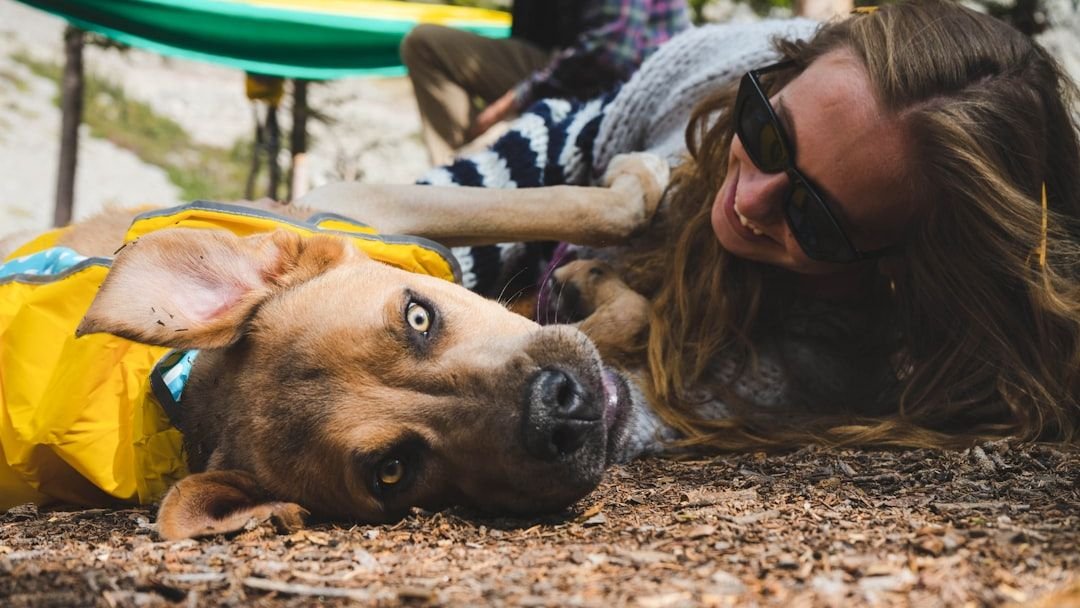
Picture this: it’s 6:15 PM, an hour past your usual arrival time. Across town, your dog has done the math, or at least something close to it. They’ve worn a small groove in the hallway carpet from pacing. The spot by the front door? Warm from how long they’ve been sitting there. You had no idea the evening traffic detour would mean this much to someone at home.
Dogs don’t wear watches. They can’t read clocks or check notifications. Yet somehow, when you’re late, they know. That quiet, urgent knowledge is rooted in biology, emotion, memory, and scent in ways that are only beginning to be fully understood. What happens inside your dog on those longer-than-expected days is worth knowing, because it changes how you think about the bond you share and the small things you can do to protect it.
Your Dog Isn’t Guessing, They’re Tracking
Dogs do not perceive time the way humans do. Rather than understanding minutes and hours, they rely on routines, scent changes, and emotional associations to interpret time. It sounds almost poetic, but it’s grounded in real science.
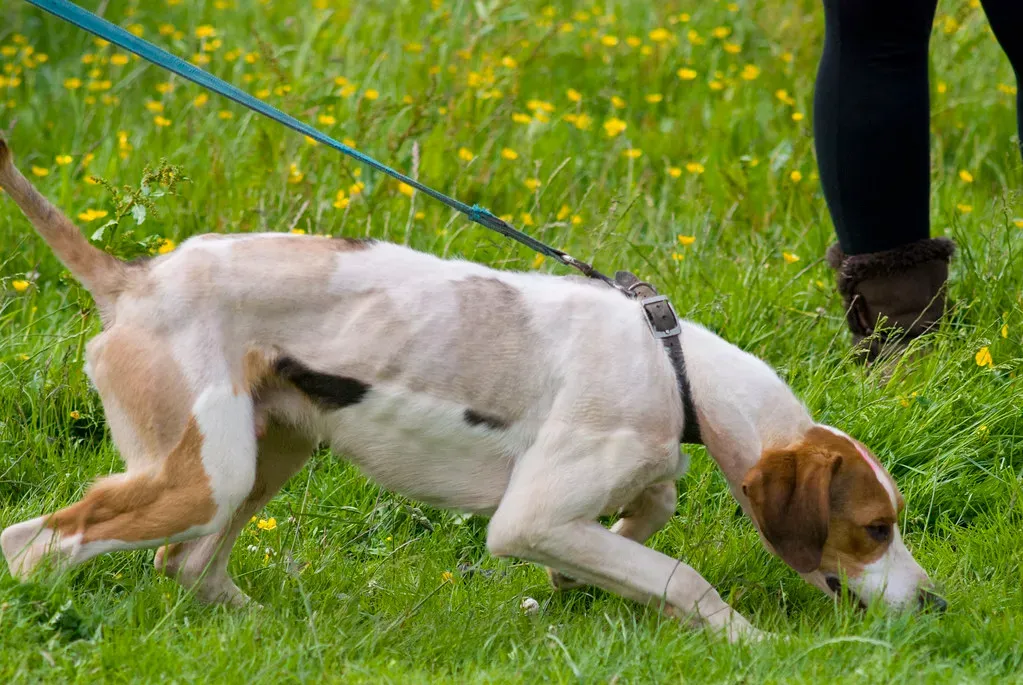
In her book “Being A Dog,” Alexandra Horowitz discusses a dog’s ability to smell the passage of time by the intensity of scent. When you are home, your scent is strongest. After you leave, your scent begins to weaken over the course of the day. At a certain point, you arrive home, and your dog can use the level of your scent to predict that return.
Studies suggest that dogs perceive time through changes in their bodies, environment, and routines. They may anticipate mealtimes based on feelings of hunger or predict your return home by monitoring changes in scent intensity.
Studies show that dogs can distinguish between different lengths of time, especially when it involves their owners. In one experiment, dogs showed stronger reactions when their owners were gone for two hours compared to 30 minutes. The longer the absence, the more enthusiastic the greeting. So yes, your dog notices the difference between a quick errand and a full workday. They’re tracking you even when you think they’ve simply settled in for a nap.
The Moment Routine Breaks and Anxiety Begins
Separation anxiety is triggered in dogs when their owners leave them alone. Symptoms often begin as soon as nervous dogs realize their owners are preparing to exit, and may escalate once they find themselves alone. That window between expectation and reality is where much of the real distress lives.
The peak intensity of separation-related behaviors occurs shortly after the owner’s departure. Dogs with separation-related problems also tend to engage in excessive excitement when the owner returns. It’s not just the long wait that affects them. It’s that sharp, concentrated period right after the door closes.
The onset of problems often coincides with changes in the amount of time that the owner spends with the pet. A new social relationship, working late, or returning to work after an extended stay at home are all examples of changes in the owner’s life that can be upsetting. This is worth pausing on. Life changes that feel minor to you can be genuinely destabilizing for a dog who built their entire daily expectation around your schedule.
Reading the Signs Your Dog Leaves Behind

As the owner prepares to leave, the pet usually shows salient signs of anxiety including increased activity such as restlessness, pacing, and whining, depression through withdrawal or a downcast look, or physiological changes like panting, elevated heart rate, and hypersalivation. These are the pre-departure signals that often go unrecognized as distress.
In addition to excessive destructive behaviors, vocalizations, and inappropriate elimination, dogs with separation anxiety may also show signs of hypersalivation, vomiting, diarrhea, self-mutilation, withdrawal, loss of appetite, depression, and lethargy. Some of these signs are easy to mistake for bad behavior or stubbornness, but they are more accurately read as a kind of emotional flooding.
You can often tell if your dog tried to escape, even if they didn’t succeed, by examining them for broken teeth, scraped paws, and damaged nails. Windows and doors will likely have scratches and chew marks as well. Coming home to a scratched-up door frame isn’t misbehavior. It’s a record of how hard your dog worked to find you.
Perhaps the best way to determine if the behaviors are due to anxiety associated with the owner’s departure is to make an audiotape or video clip of the behavior when the dog is alone. Setting up a simple home camera before you leave is one of the most honest and useful things you can do for your dog’s wellbeing.
Why Some Dogs Feel It More Than Others
The incidence of separation-related behavior problems has been estimated at roughly one in five dogs in the general population. That’s a significant number, and many cases go unidentified because the behaviors only occur when no one is watching.
Separation anxiety can be a genetic or environmental behavior. Some dogs, due to breeding or other genetic factors, are simply predisposed to isolation distress. Researchers have found that factors increasing the risk include lack of socialization and desensitization with experiences outside the house between five and ten months of age.
The typical home situation in which separation anxiety develops is one in which the relationship between the pet and the owner is extremely close. When the owner is home, the pet may continuously keep the owner within eyesight or constantly stay at the owner’s side. A prime candidate for this type of problem is a dog with a slightly anxious temperament that successfully solicits attention from the owner whenever it wants and is very sensitive to environmental changes.
Possible reasons include never previously being left alone and traumatic separation, such as would be seen in some abandoned shelter dogs. Even a single traumatic event in the owner’s absence, like a home break-in, can lead to separation anxiety. History matters deeply for dogs. What happened before you arrived in their life still shapes how they feel when you walk out the door.
What You Can Actually Do to Help
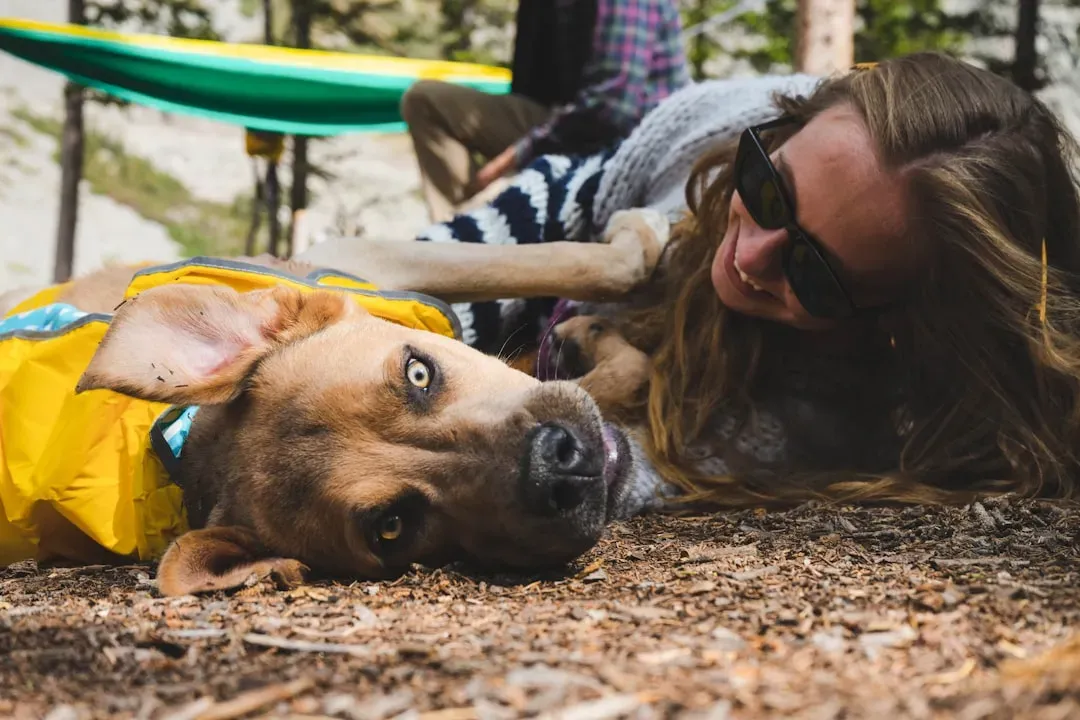
You can perform departure cues, such as jiggling your keys, without actually leaving, to show your dog the anxiety-triggering behavior is not always associated with you leaving. This kind of gradual desensitization is one of the more accessible tools any dog owner can start using right away.
An effective way to use a dog toy to treat canine anxiety is to stuff a hollow rubber chew toy with something tasty like cream cheese, peanut butter, banana, or canned dog food. A snuffle mat with dry treats hidden inside also works well. The goal is to give your dog something that will keep them busy for 20 to 30 minutes.
It’s a good idea to teach your dog how to be alone early on in your relationship. When you’re at home together, switch between giving attention and leaving them alone, so they don’t expect constant close attention. Have them stay in another room from time to time while you’re home together, such as while you cook or take a shower. Small, low-stakes separations inside the home are genuinely powerful over time.
Try to take your dog for a walk before you go out so they have the opportunity to go to the toilet and exercise. Return half an hour before you plan to leave and make sure they’re not hungry. You can feed them a small meal before you leave or leave a food toy, as your dog will be much more inclined to relax if they’re fed. A tired, fed dog is a far calmer dog. The math really is that simple.
Conclusion: They’re Not Being Dramatic, They’re Being Dogs
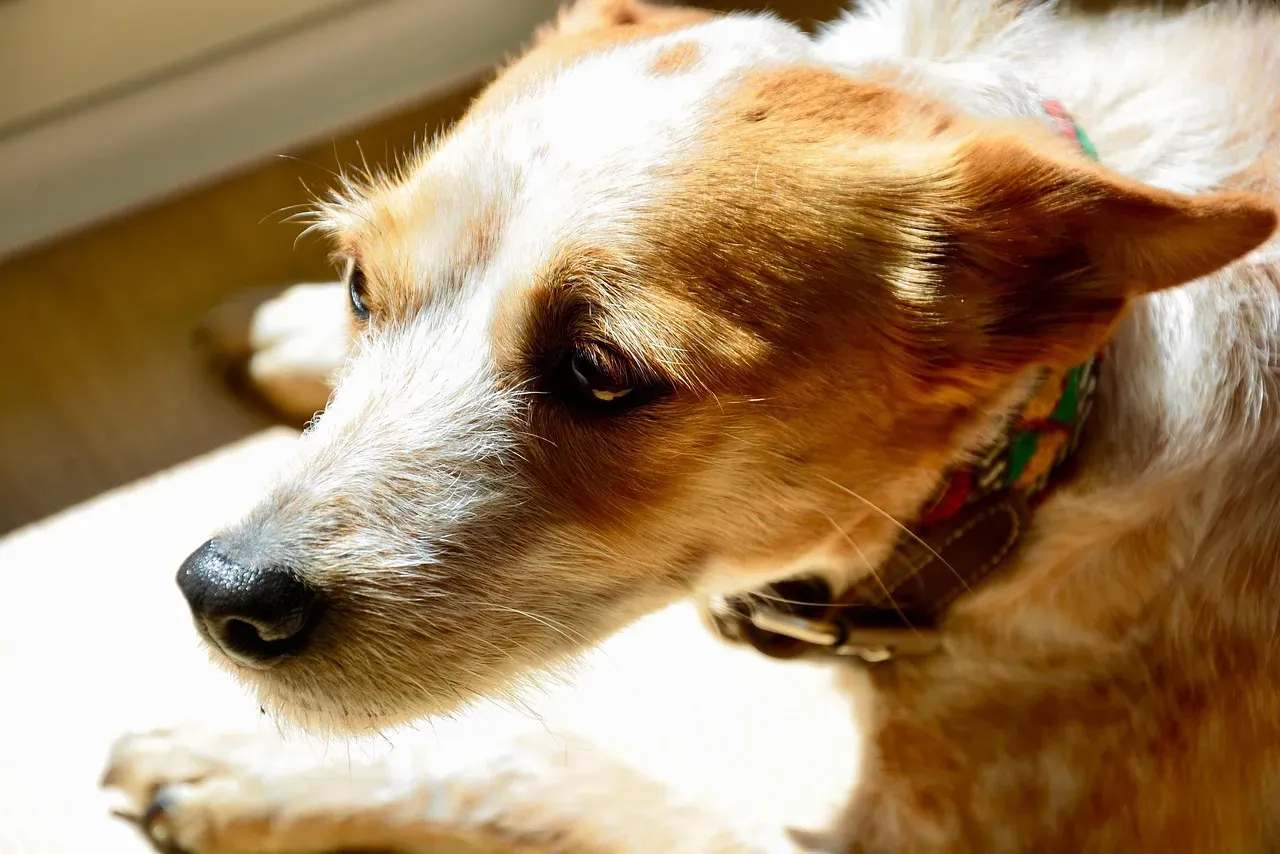
Everything your dog does when you’re late home, the pacing, the scratching, the breathless greeting at the door, is the output of a deeply social animal whose whole world is organized around your presence. Highly social species like dogs exhibit attachment behaviors that serve to maintain social contact and bonds between adult individuals. In situations where an individual loses contact with the group, the resulting anxiety can trigger behaviors that will attract other members through vocalizations, or help remove barriers through digging and chewing.
None of this means you need to feel guilty every time you run late. It means you have the information to make thoughtful choices, consistent routines, pre-departure enrichment, gradual alone-time training, and when needed, real professional support. As serious as separation anxiety may be, it has a high rate of treatment success. With patience and a positive attitude, you may be able to reduce your dog’s suffering and put separation anxiety stress behind you.
Your dog won’t remember the exact afternoon you were an hour late. What they hold onto is something deeper: whether the world felt safe while you were gone. That’s the thing worth building toward, one small routine at a time.


