
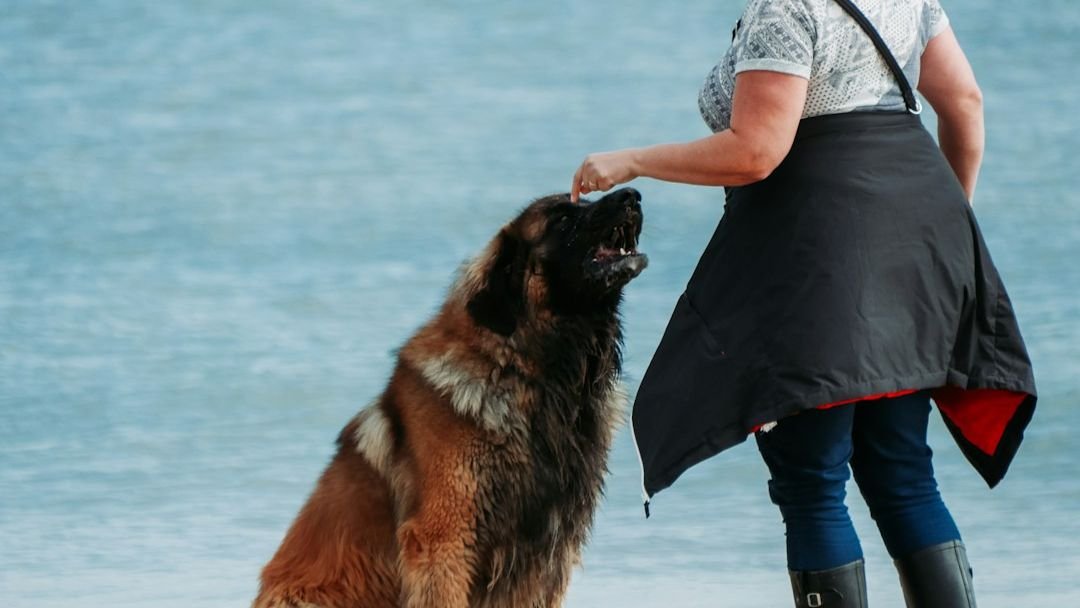
- There’s something quietly powerful about the relationship between an older adult and their dog. It doesn’t announce itself loudly. It shows up in small, unhurried moments: the dog that settles at your feet before you’ve even sat down, the tail wagging at the sound of a pill bottle rattling at 8 a.m., the warm weight of a furry head on a knee during a long afternoon.
Research shows that older adults can experience physical, emotional, and social benefits from owning or interacting with pets. Over half of adults over 50 have at least one pet, and research has shown that pet ownership can provide important forms of social and emotional support for older adults that can reduce distress, loneliness, and improve overall quality of life. What’s less talked about, though, is how it’s often the smallest, most ordinary moments of the day that do the deepest bonding work. These 15 daily rituals are where the real magic lives.
1. The Morning Feed: Starting the Day With Purpose
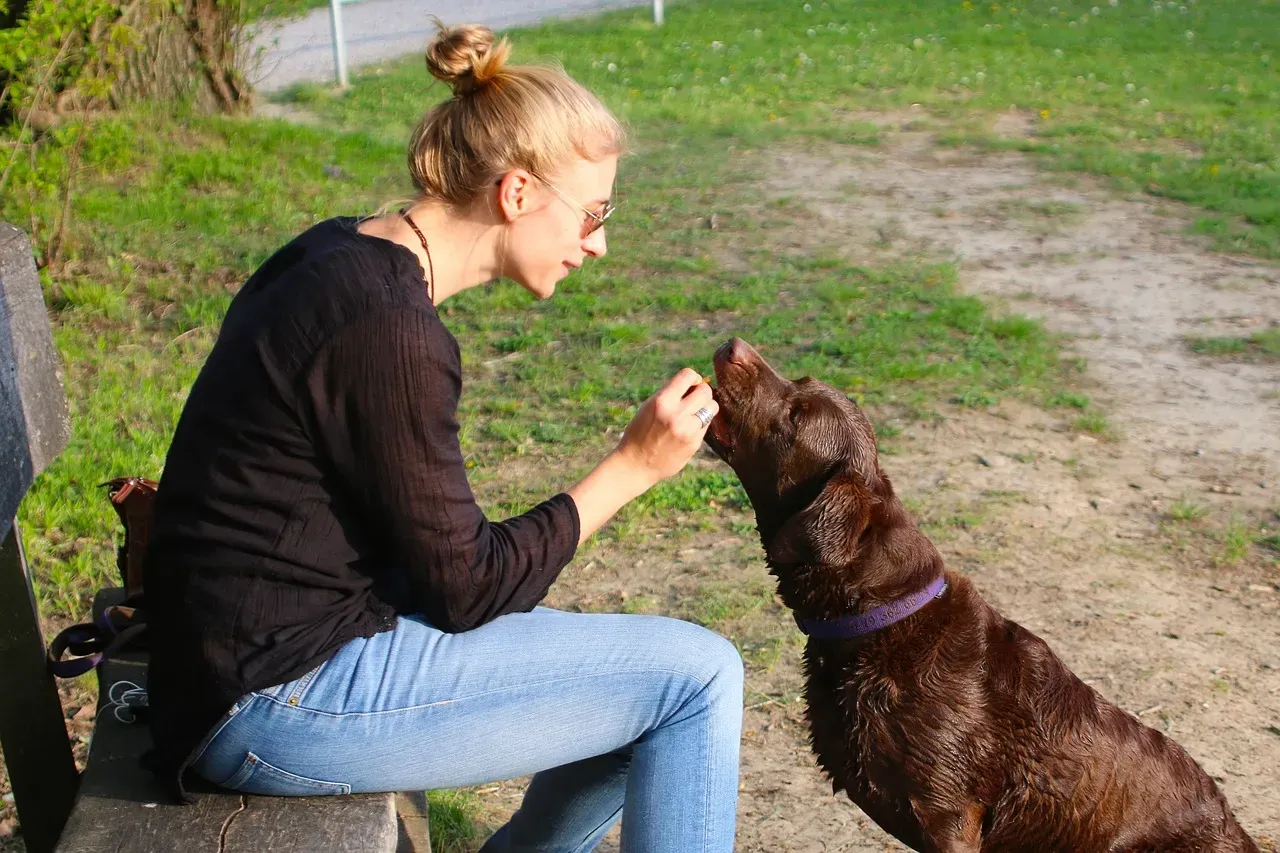
There’s something grounding about being needed first thing in the morning. For many older adults living alone, the act of preparing a dog’s breakfast creates an immediate sense of direction and responsibility the moment they wake up.
As we get older, maintaining a routine becomes increasingly important, and pets thrive on routine and require regular feeding, exercise, and care. Having a pet encourages seniors to establish and adhere to a daily schedule, and this structured routine provides a sense of purpose and helps seniors maintain cognitive abilities and mental alertness.
Watch your dog during feeding time. A healthy appetite is one of the clearest signs your dog is feeling well. If your dog suddenly loses interest in food, drinks far less water than usual, or eats much more slowly than normal, those are worth noting and mentioning to your vet. The morning feed is not just nourishment for your dog. It’s a daily check-in for both of you.
2. The Morning Walk: Movement That Benefits Two Bodies
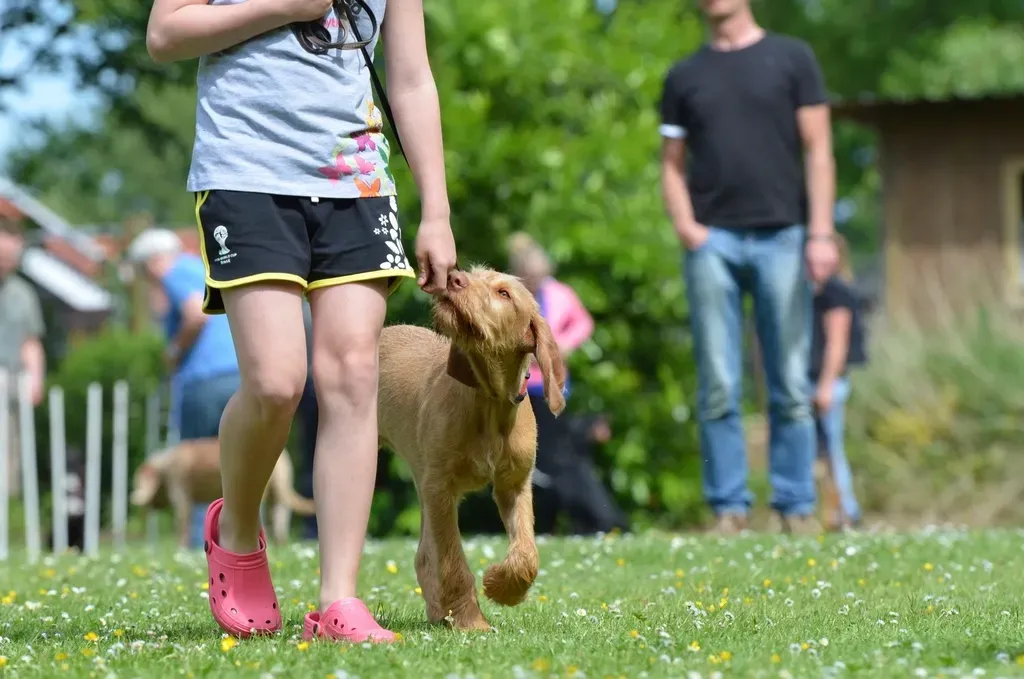
Few daily rituals carry as many benefits as the morning walk. It gets you both outside, moving, and engaged with the world before the day gets complicated. The pace doesn’t matter. What matters is the consistency.
Dog walking is associated with lower body mass index, fewer activities of daily living limitations, fewer doctor visits, and more frequent moderate and vigorous exercise. These activities can help maintain muscle tone, support heart health, and improve balance and coordination, all of which are crucial for independence later in life.
For older adults with mobility concerns, shorter and more frequent walks work better than one long outing. Opt for shorter, more frequent walks instead of long runs. A ten-minute walk around the block twice a day is more sustainable than pushing for a longer distance that leaves either of you exhausted. Let your dog set the sniffing pace. Those pauses matter to them.
3. Quiet Morning Sitting: The Power of Simply Being Together
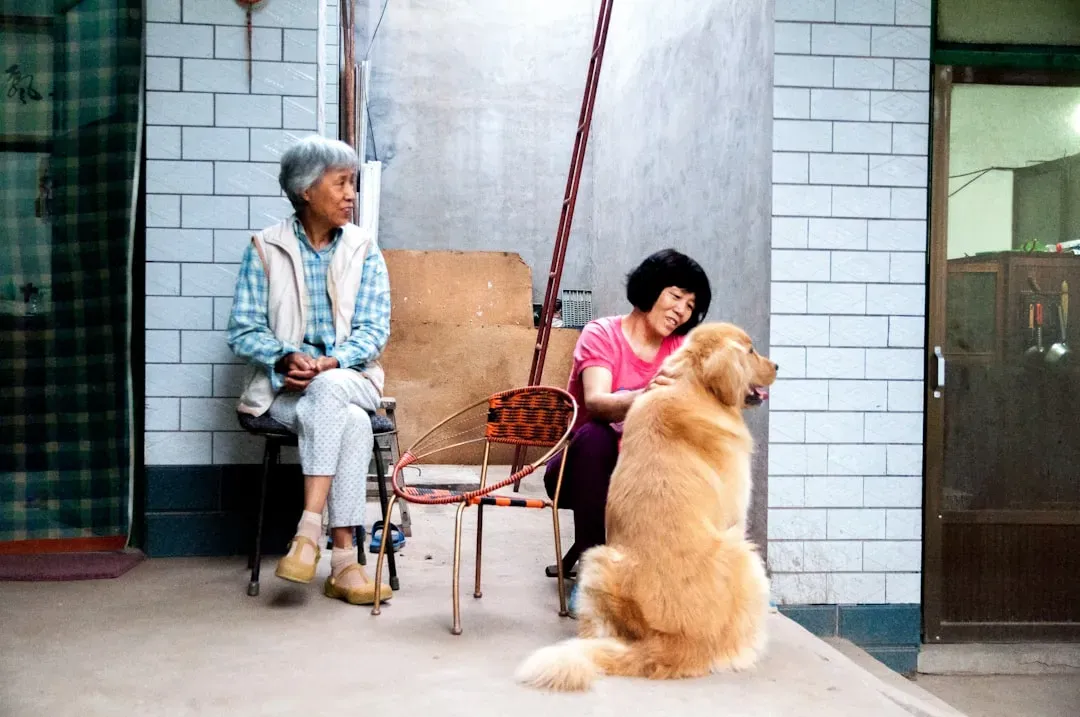
Not every bonding moment needs activity attached to it. For many senior dog owners, the most cherished part of the morning is just sitting with their dog while drinking coffee or tea. No phone, no television. Just presence.
Interactions with pets stimulate the release of oxytocin, a hormone often associated with stress reduction and emotional bonding, thus reducing feelings of isolation and promoting a sense of connection. This happens even in stillness. A dog leaning against you or resting their head in your lap triggers that same biochemical warmth.
Aging can make dogs more dependent on their owners. Offering extra affection, patience, and reassurance, speaking softly, moving gently, and maintaining familiar routines, and spending quality time together, whether cuddling, grooming, or enjoying quiet walks, helps them feel secure and valued. That calm morning sit? It reassures your dog just as much as it comforts you.
4. Grooming Sessions: Touch as a Language
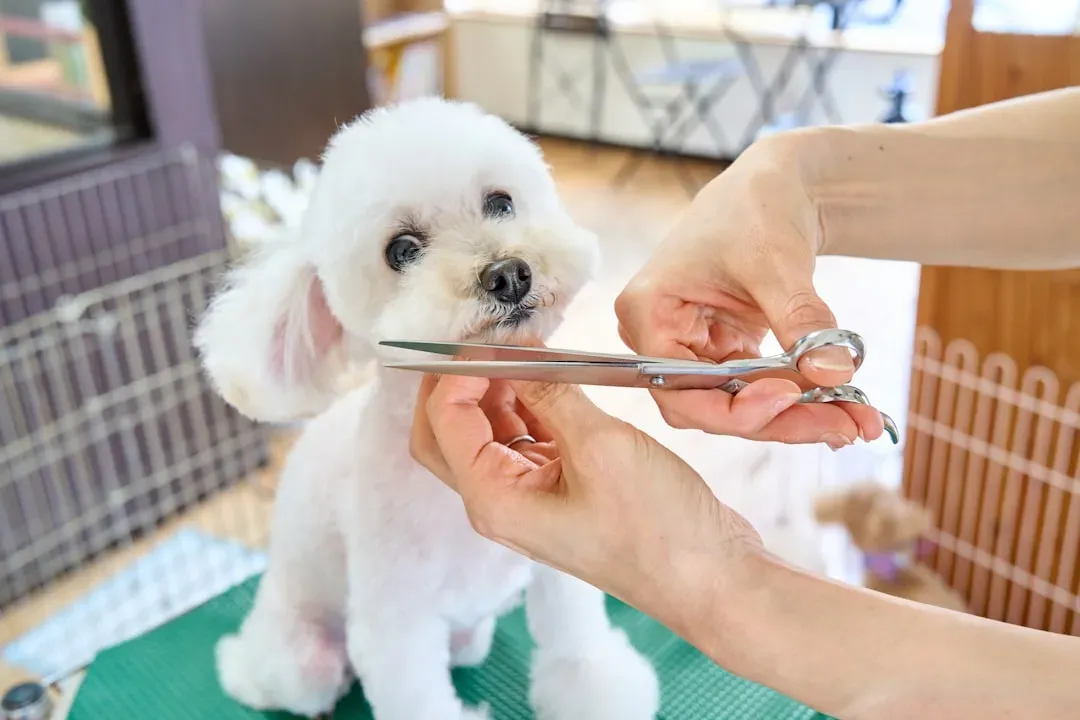
Brushing your dog’s coat isn’t just maintenance. It’s communication. Dogs experience touch as connection, and a gentle, consistent grooming routine builds trust over time in a way that few other activities can replicate.
Brushing their teeth and caring for their oral health will not only help you bond, but will also reduce their risk of dental disease. Regular brushing sessions also let you check for new lumps, skin changes, coat thinning, or tender spots your dog flinches from. These are early warning signs that deserve veterinary attention.
Regular grooming can add structure to a senior’s routine and enhance bonding. Keep the sessions short if your dog is older or arthritic. Five minutes of gentle brushing done daily is far more bonding than a lengthy session your dog finds uncomfortable.
5. Mealtime Training and Treat Moments: Engagement Through Reward
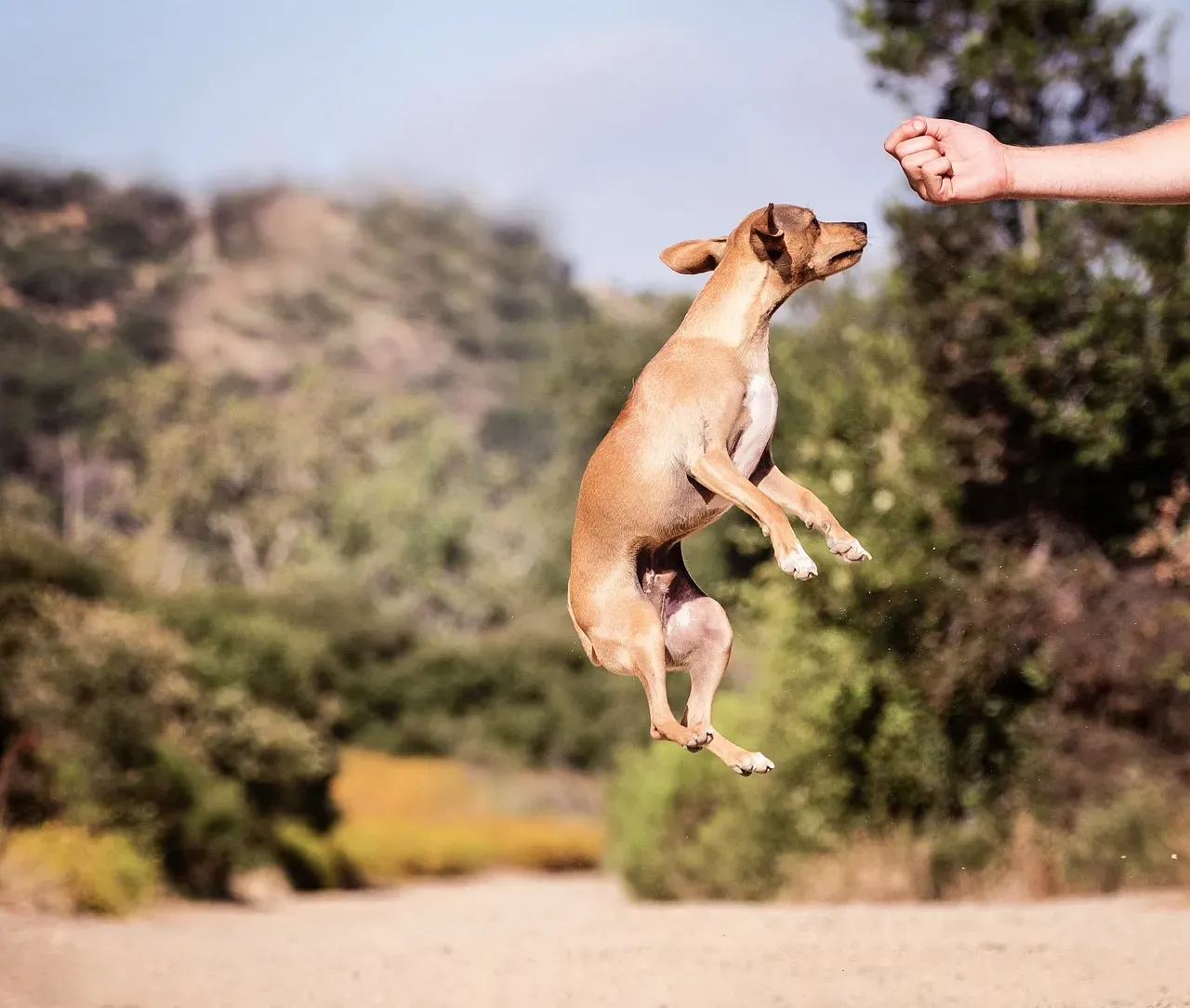
You don’t need an agility course to keep your dog mentally sharp. A simple treat moment during or after meals, where you ask for a known behavior like “sit” or “paw,” keeps your dog’s brain engaged and reinforces your role as a calm, reliable leader.
It is important to continue to positively reinforce and praise your senior dog, even if they’ve already mastered their tricks and routines. Dogs thrive on pleasing their owners, and by continuing to positively reinforce desired behaviors, your bond will be even stronger.
Interacting with pets can provide valuable cognitive stimulation for older adults. Engaging in activities like training and teaching pets new tricks or routines can challenge the mind and enhance problem-solving skills. It works both ways. Keep treats small and dog-appropriate. Treats should be limited to no more than 10% of your pet’s recommended total daily caloric intake, a useful rule of thumb regardless of your dog’s age.
6. Midday Check-Ins: Noticing What’s Normal
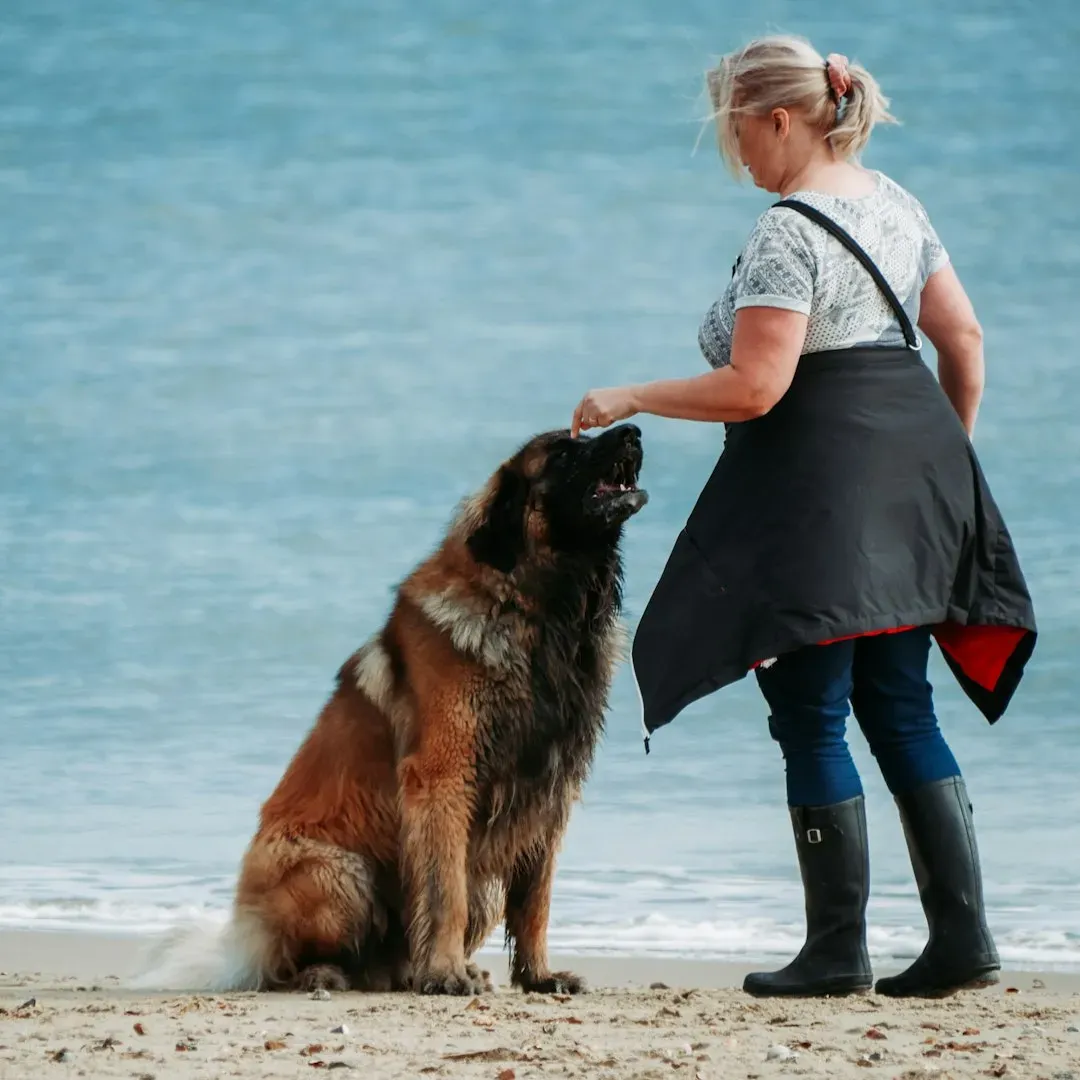
Older dog owners often develop a quiet, almost instinctive radar for their dog’s behavior. Midday is a natural time to check in. Is your dog sleeping more than usual today? Did they skip their water bowl? Are they walking differently?
Senior dogs have different physical, mental, and nutritional needs than younger dogs. Age itself is not a disease, but as your dog ages, their body will change and they have an increased risk of developing certain medical issues. A few age-related problems senior dogs may encounter are renal issues, diabetes, arthritis, and cancer.
These midday check-ins aren’t about worry, they’re about attentiveness. The bond between an older adult and their dog deepens when the owner learns to read their dog’s moods and energy with real accuracy. That knowledge comes only from paying close, consistent daily attention. It’s one of the most loving things you can do.
7. Afternoon Playtime: Gentle Games That Keep Joy Alive
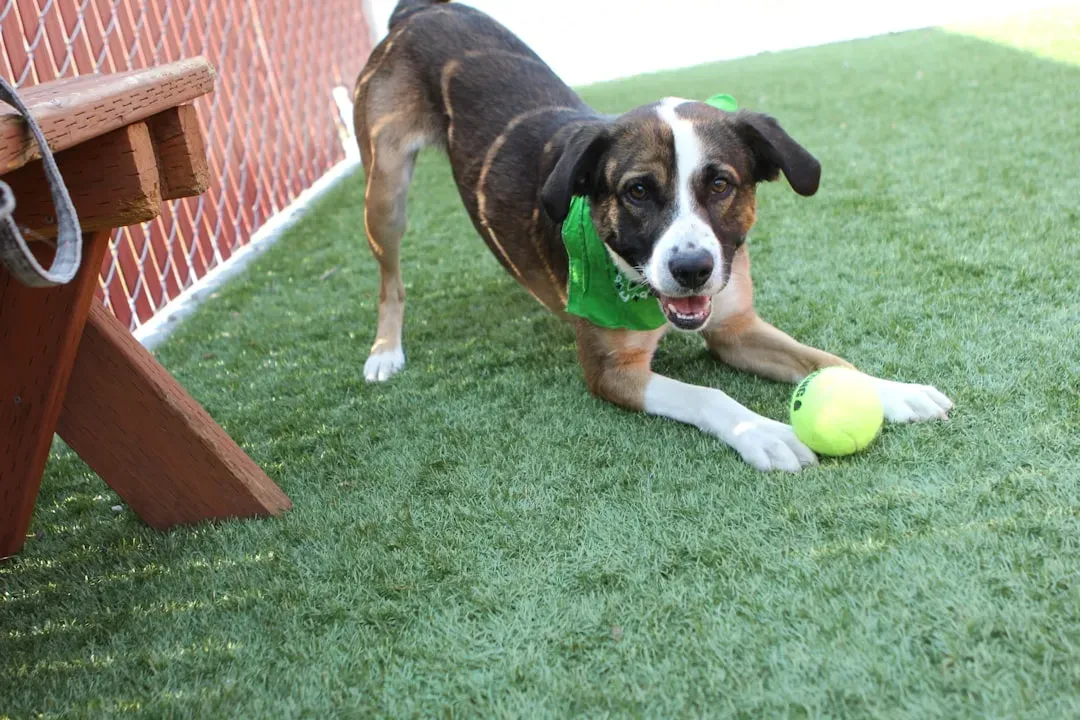
Play doesn’t stop being important just because a dog has slowed down. Even a five-minute tug with a soft rope toy or a slow-motion game of “find the treat” hidden under a cup keeps your dog alert and engaged.
Interactive play strengthens your bond and encourages curiosity. Even a daily change of scenery, like a new walking route, can offer fresh mental stimulation. Mental activity helps delay cognitive decline and enriches your senior dog’s golden years.
For older adults with limited mobility, low-effort games work just as well. Rolling a ball slowly across the floor, hiding a favorite toy under a blanket, or simply engaging in eye contact and verbal praise during a quiet play session all count. The point is engagement, not exertion. Your dog reads your enthusiasm far more than your energy level.
8. Neighborhood Walks: The Social Connector You Didn’t Expect
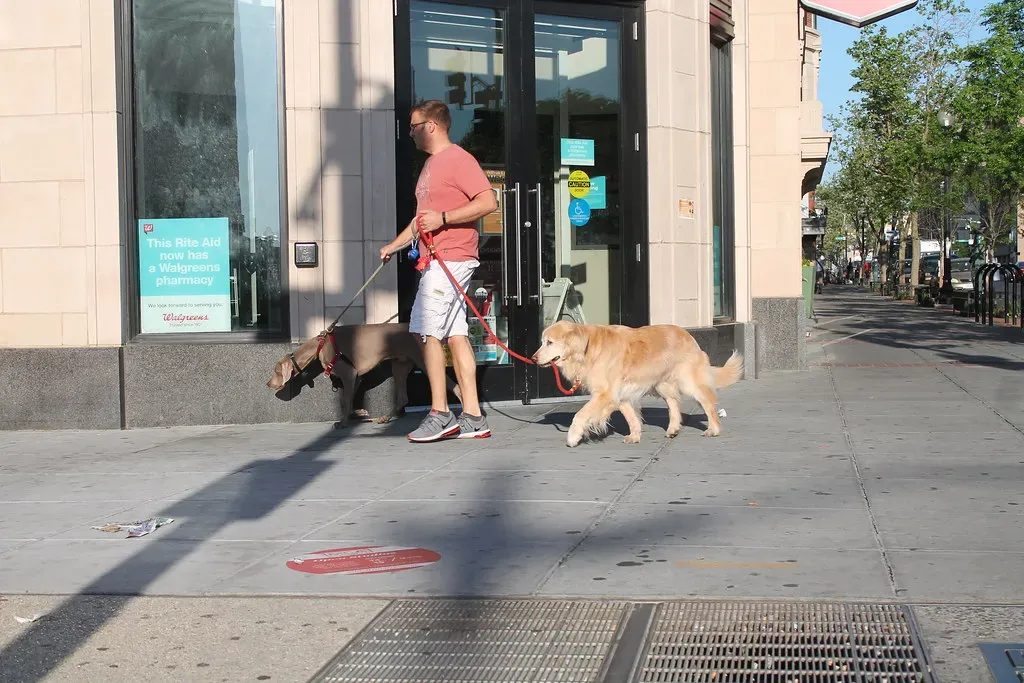
Dogs are remarkably effective at breaking down social walls. A leashed dog on a neighborhood walk is practically an open invitation to conversation. For older adults who may feel increasingly isolated, this matters more than it might seem on the surface.
Walking a dog in the neighborhood often leads to casual conversations with other pet owners, providing a sense of belonging and community. Seniors with pets may join local pet-related activities, attend training classes, or participate in pet therapy programs that increase a senior loved one’s social circle and provide an opportunity to make new friends.
Pets are great social connectors. A friendly dog on a walk often sparks conversations with neighbours and other pet owners. Pet-friendly community events, classes, and vet visits also provide opportunities to interact with others. This helps combat social isolation and strengthens feelings of belonging and community, key aspects of healthy ageing. Sometimes a dog is the only reason two people who’ve lived on the same street for years finally learn each other’s names.
9. Afternoon Rest Time: Sleeping Together and the Comfort of Warmth
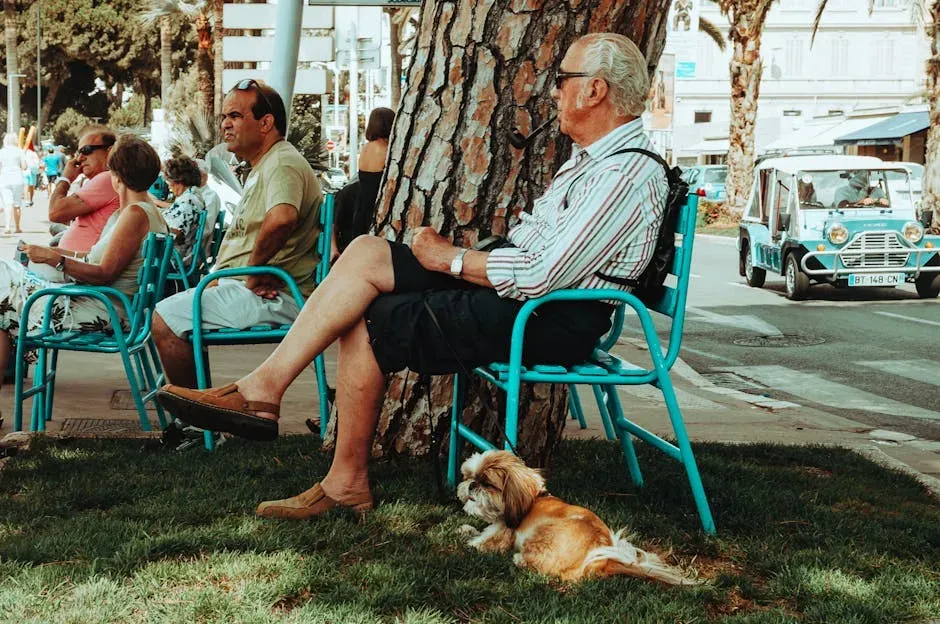
Many older adults and their dogs share a natural afternoon rhythm. Both may enjoy a rest after midday activity, and there’s genuine comfort in that shared downtime. A dog curled up on a nearby bed or at your feet during an afternoon nap is not a small thing.
Older dogs need extra rest, so providing a quiet, cozy space where they can relax without disturbances is important. Orthopedic or memory foam beds help cushion joints and regulate body temperature. Keeping their sleeping area clean, warm, and easily accessible is essential, especially if they struggle with stairs. A restful environment contributes greatly to recovery and emotional well-being.
Make sure your dog’s rest space is close enough to yours that they feel your presence without being underfoot. Dogs are deeply attuned to proximity. Knowing you’re nearby, even during sleep, is its own form of reassurance.
10. Evening Dinner Preparation: Routine as Emotional Anchor

Watch what happens to your dog when you move toward the kitchen around dinnertime. The perk of the ears. The slow tail wag building into an excited spin. That anticipation is a signal that your dog has learned your rhythms completely, and that’s a sign of deep, secure attachment.
Routine supports physical and mental health at every age, but it becomes especially important in older adulthood. Pets thrive on consistency, helping their owners maintain structure throughout each day. For many seniors, the simple act of feeding a pet each morning or enjoying quiet companionship in the evening brings grounding comfort.
If your dog seems confused about feeding times, forgets where their bowl is, or seems disoriented in familiar spaces, these can be early signs of canine cognitive dysfunction, a condition worth discussing with your veterinarian. Older dogs often function better with an established daily routine. Predictability is protective for both of you.
11. Evening Television Time: Passive Companionship That Still Counts
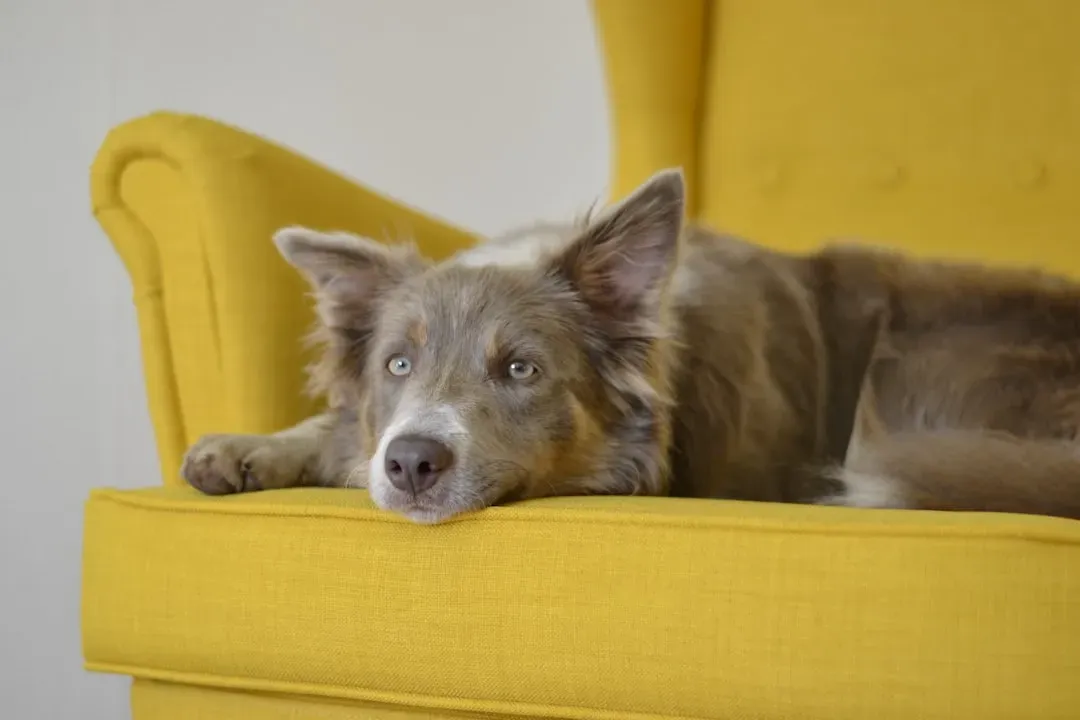
Not every bonding moment needs to be deliberate. Sitting together on the couch during the evening news, a dog with their head on your lap while you watch television, is real companionship, and research backs that up.
The presence of a pet dog or cat resulted in lower heart rate and blood pressure responses relative to the presence of a friend or spouse, in people exposed to the psychological stressor of mental arithmetic and the physical stressor of a cold pressor test. That’s a remarkable finding. Your dog’s calm presence genuinely changes your body’s stress response.
Research has found that by serving as a soothing presence and a source of motivation for activity and routine, pets can facilitate behaviors and thoughts in older adults that enhance coping with pain and reduce depression. Some evenings, a dog beside you on the sofa does more good than any wellness app.
12. Talking to Your Dog: More Meaningful Than It Sounds

Most dog owners talk to their dogs. Not everyone admits it. Those one-sided conversations during dinner prep or on a walk are not a quirk to be embarrassed about. They’re a consistent form of verbal engagement that benefits the speaker and keeps the dog stimulated.
The emotional bond between a senior and their furry friend can be healing, offering a sense of purpose and fulfillment. Furthermore, having a pet around can boost spirits and serve as a conversational icebreaker when meeting new people.
Dogs respond to tone, cadence, and familiar words even if they can’t parse full sentences. Speaking to your dog in a warm, consistent voice builds trust and reduces anxiety in your pet. For older adults who live alone, the act of narrating part of your day out loud has its own quiet value. It keeps the mind active and the home from feeling silent.
13. Bedtime Ritual: Ending the Day With Intentional Care

The last moments of the day set the emotional tone for sleep. For many older adults and their dogs, bedtime is a ritual that both look forward to. Settling your dog in their space, offering a final gentle pat, checking that their water is full, and saying goodnight are small acts of care that accumulate into something profound over years.
Bonding is more than just spending time with your dog. It is learning exactly what their body needs and providing the opportunity for them to age gracefully and feel their best. That nightly check, water topped up, bed comfortable, no signs of restlessness or labored breathing, is also a quiet health monitoring moment.
Your love is the greatest comfort a senior dog can receive. Emotional well-being directly influences physical health, so never underestimate the power of kindness and consistency. That applies in both directions.
14. Regular Vet Visits: The Bond That Goes Beyond the Home
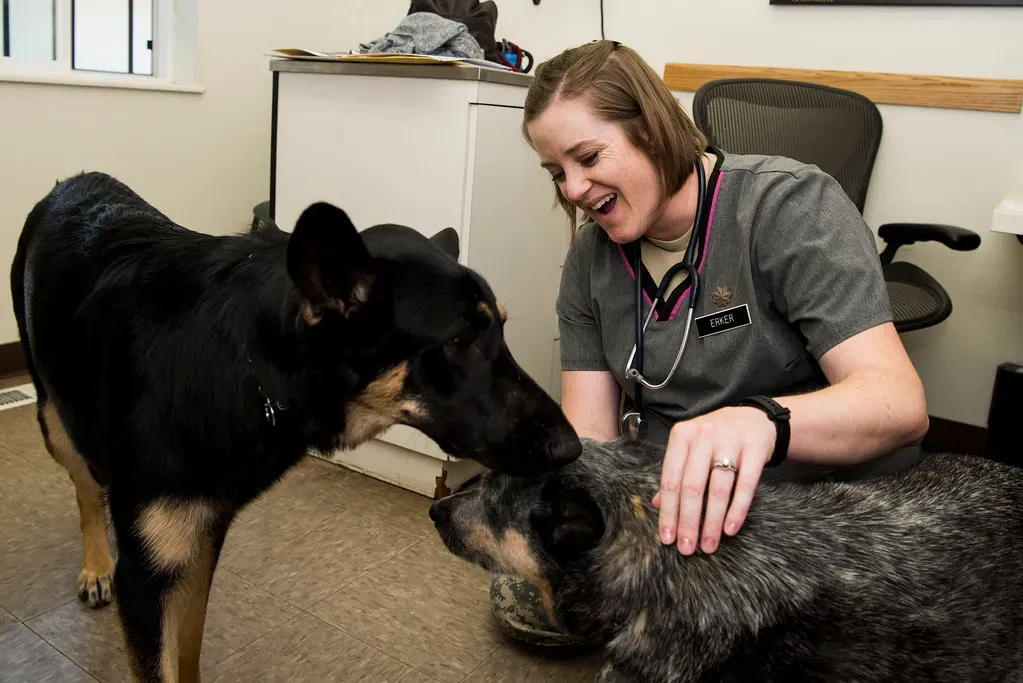
Vet visits might not feel like a bonding moment in the traditional sense, but taking your dog for regular checkups is one of the most concrete expressions of love and responsibility. For older adults, it also offers structure and a form of shared health advocacy.
The American Animal Hospital Association currently recommends that senior dogs have routine check-ups every six months. Senior dogs are more prone to age-related conditions such as arthritis, diabetes, heart disease, and dental problems. Frequent wellness exams allow your veterinarian to detect changes early, update vaccinations, and recommend lifestyle adjustments. Preventive care leads to longer, more comfortable lives.
If your dog becomes anxious at the vet, practicing calm car rides, familiar handling at home, and bringing a favorite toy can reduce that stress. A dog who is physically comfortable is a dog who can be fully present with you. Their health is directly tied to the quality of the bond you share.
15. Reflecting on the Day: The Gratitude Moment Neither of You Knows You’re Sharing
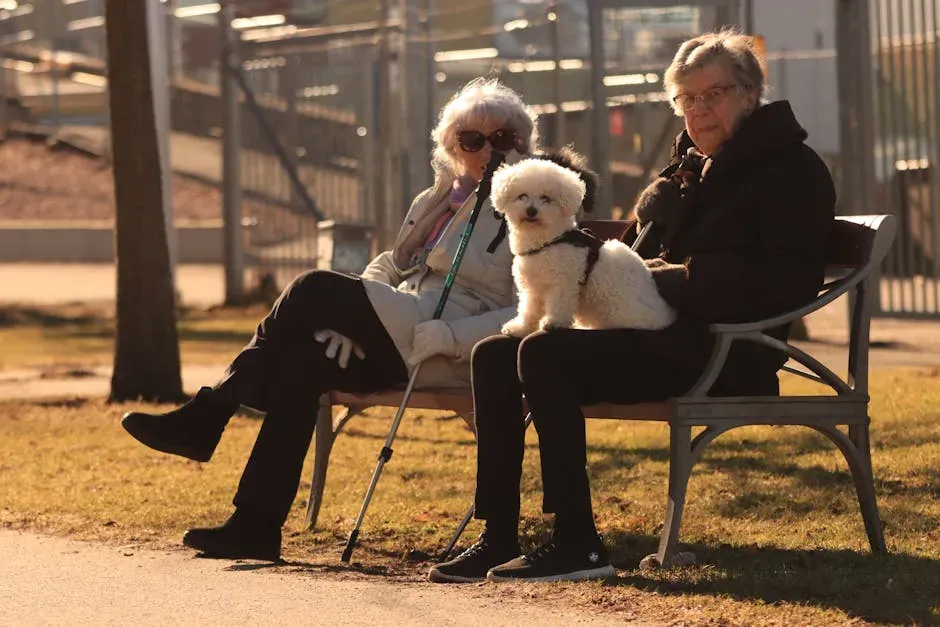
There’s a particular quality to the late-evening quiet with a dog nearby. The day is winding down, and there’s often a moment, subtle and unscripted, where an older adult looks at their dog and feels simply grateful. That dog looked after them today just as much as they looked after it.
Pet ownership among older adults is associated with improved cognitive status compared to those who do not keep pets. One study on the cognitive benefits of pets concluded that owning a pet can reduce one’s brain age by as much as 15 years. That finding is worth sitting with for a moment.
Pets encourage us to be more active, make us laugh, provide comfort and affection, help us feel safer, and can even help us connect with our neighbors and make new friends. This companionship may be especially important for older adults as their social networks shrink. Every single day, in ways both measurable and invisible, your dog is working quietly on your behalf.
Conclusion: The Ordinary Is the Bond
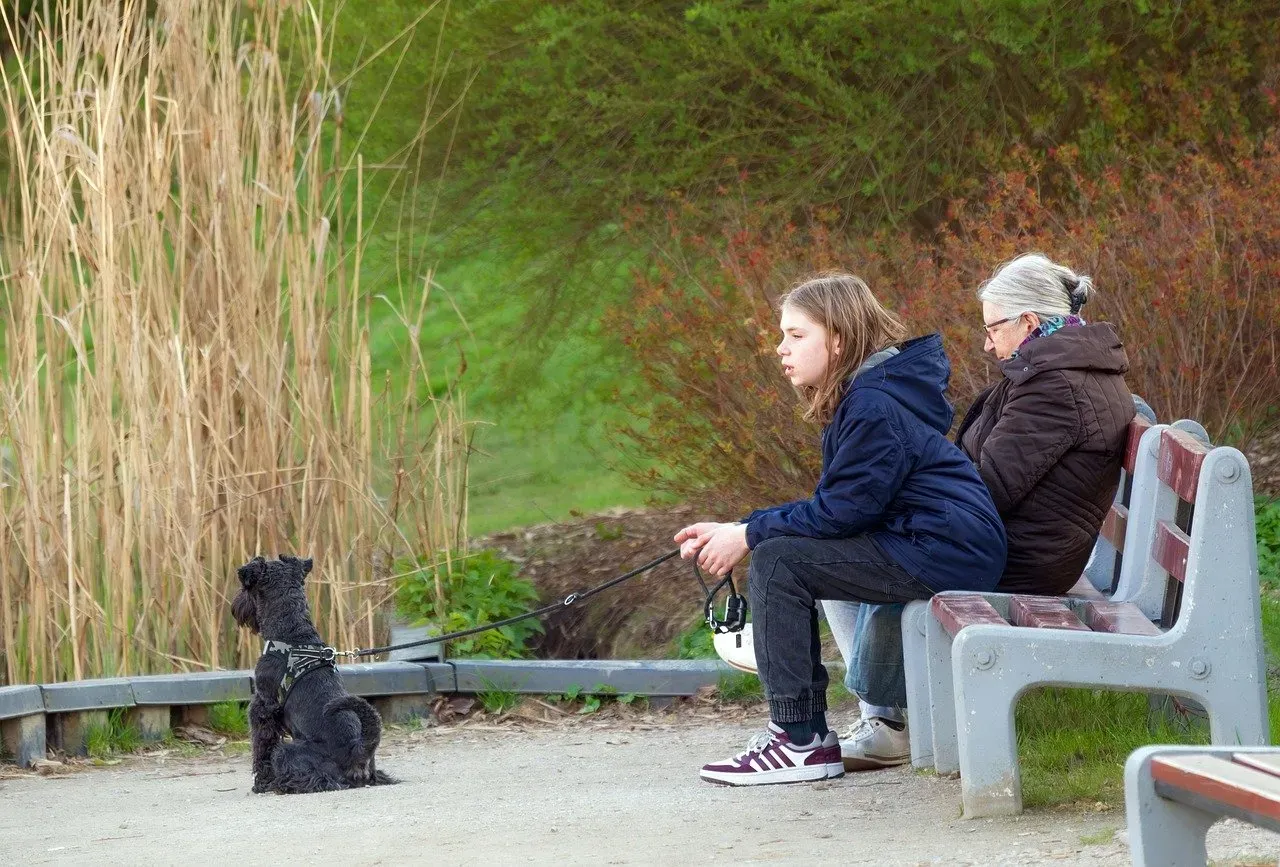
No grand gestures are required. isn’t built in exceptional moments. It’s built in the repetition of small, consistent acts of care, attention, and presence. The morning feed. The slow walk. The quiet evening on the couch.
The human-animal bond is a powerful, mutually beneficial relationship. As we age, our pets can help us stay active, connected, and emotionally balanced. In return, we provide them with love, safety, and purpose. That exchange is reciprocal in ways that science is only beginning to fully document.
If you’re an older adult with a dog, know this: the care you give your dog every single day is also care you’re giving yourself. And if you’re supporting an older loved one who has a dog, understand that the animal in that home isn’t just a pet. It might be one of the most important health supports they have. Treat that bond with the respect it deserves.


