
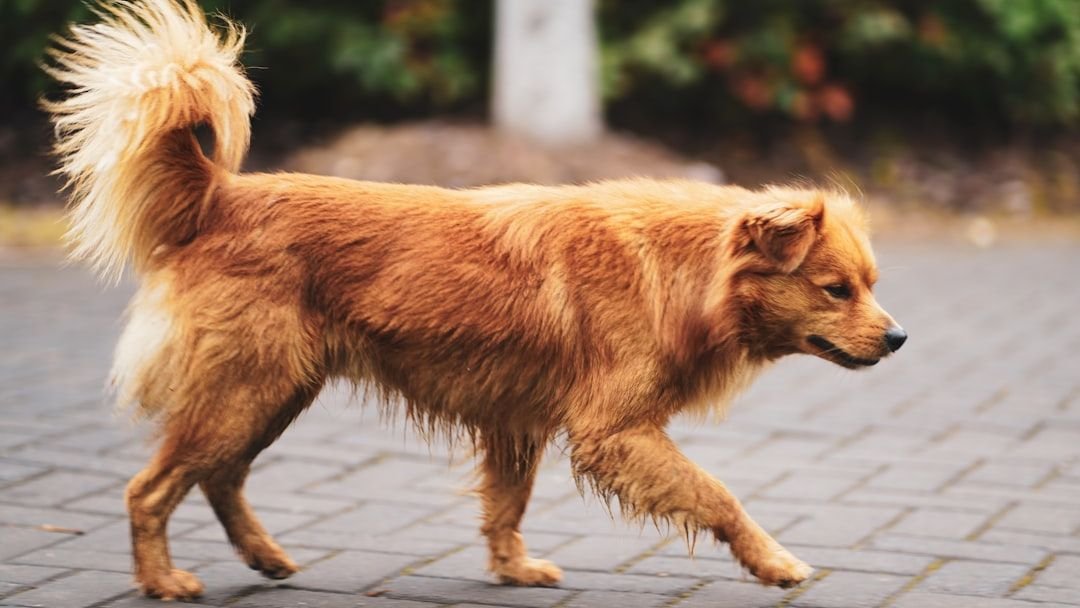
Your dog has been trying to talk to you all along. Not with words, obviously, but with a quiet vocabulary of gestures, postures, and habits that most of us walk right past without a second thought. The signs of anxiety in dogs are often subtle and can easily be misinterpreted unless the full context is understood. That means well-meaning dog parents are sometimes missing the memo entirely.
While most pet parents can recognize obvious signs of a happy dog like a wagging tail and playful bow, or an aggressive one showing teeth or growling, the subtle signals of stress and anxiety often go unnoticed. The 12 behaviors below shine a light on what your dog is actually communicating when they feel pushed beyond their comfort zone.
1. Frequent Lip Licking When There’s No Food in Sight
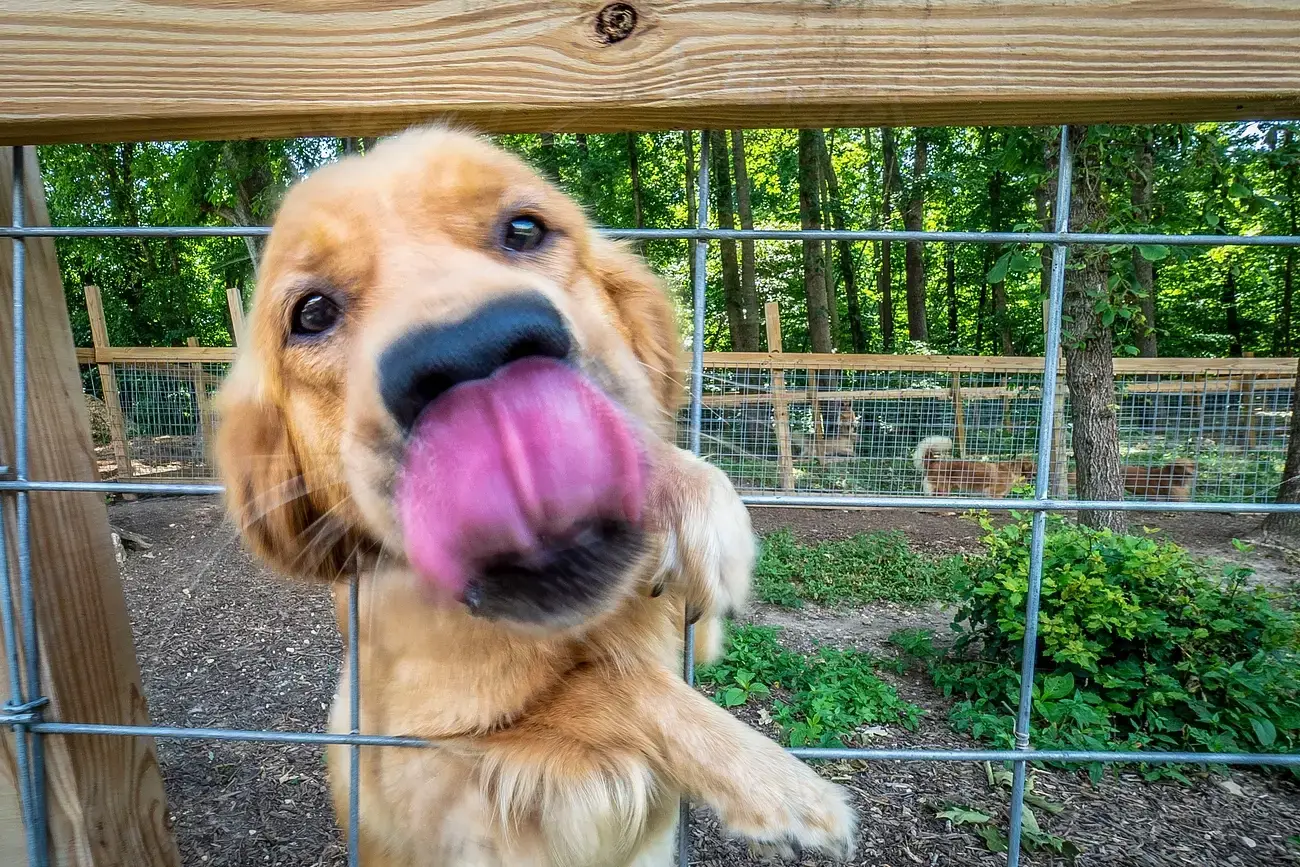
You set your dog’s bowl down, and they lick their lips. Totally normal. What’s not so normal is when they do it repeatedly in the middle of a busy park, during a training session, or when a stranger crouches down to pet them. Lip licking is one of the most frequent stress signals dogs display, and it’s often misinterpreted as the dog simply being hungry. It looks like a quick tongue flick that licks the nose or lips, often so fast you might miss it if you’re not paying attention. This is different from the slower, more deliberate licking after eating or drinking.
This behavior is a calming signal that dogs use to self-soothe when feeling anxious or to communicate peaceful intentions to others. You’ll see it during vet visits, when being hugged or restrained, when meeting unfamiliar dogs, or when you’re speaking to them in a stern voice. If you notice frequent lip licking during training, it’s worth slowing down the session, lowering your voice, or giving your dog a short break in a quieter space.
2. Stress Yawning in Uncomfortable Situations
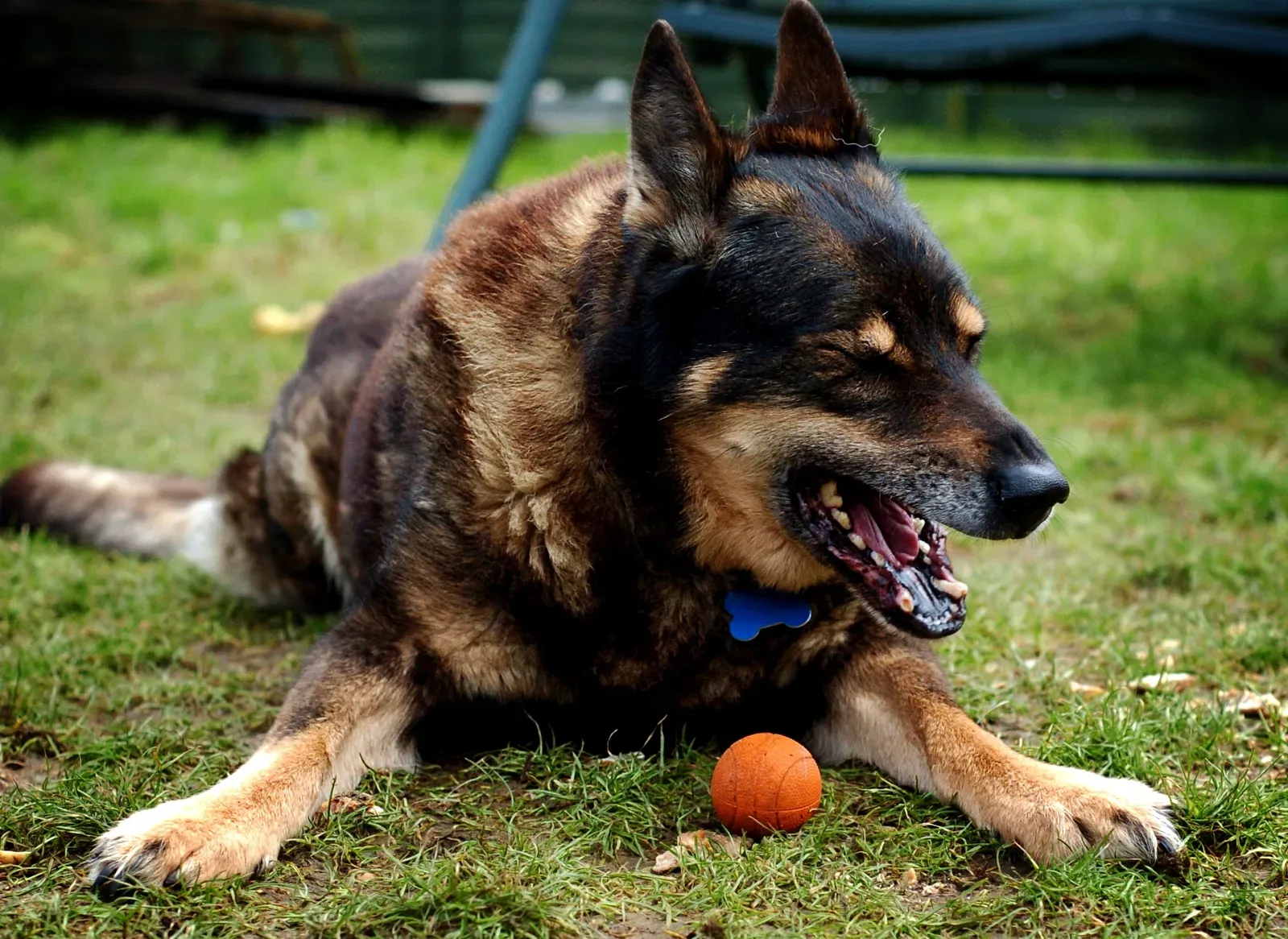
A yawn on the couch after a long walk makes perfect sense. A yawn in the middle of a crowded waiting room, or when a child races toward your dog for a hug, is a different story altogether. If your dog yawns repeatedly in a noisy waiting room, during a training session, or while being hugged by a stranger, it’s less about sleepiness and more about unease. The key is context.
Frequent yawning, not just after waking up, can indicate stress and a desire for an unpleasant situation to stop. This behavior is often accompanied by other stress indicators like avoiding direct eye contact or attempting to create distance. When you spot your dog yawning in social or stimulating environments, treat it as their polite way of asking for breathing room. Step away from the crowd, find a calm corner, and let them reset.
3. “Whale Eye”: Showing the Whites of Their Eyes
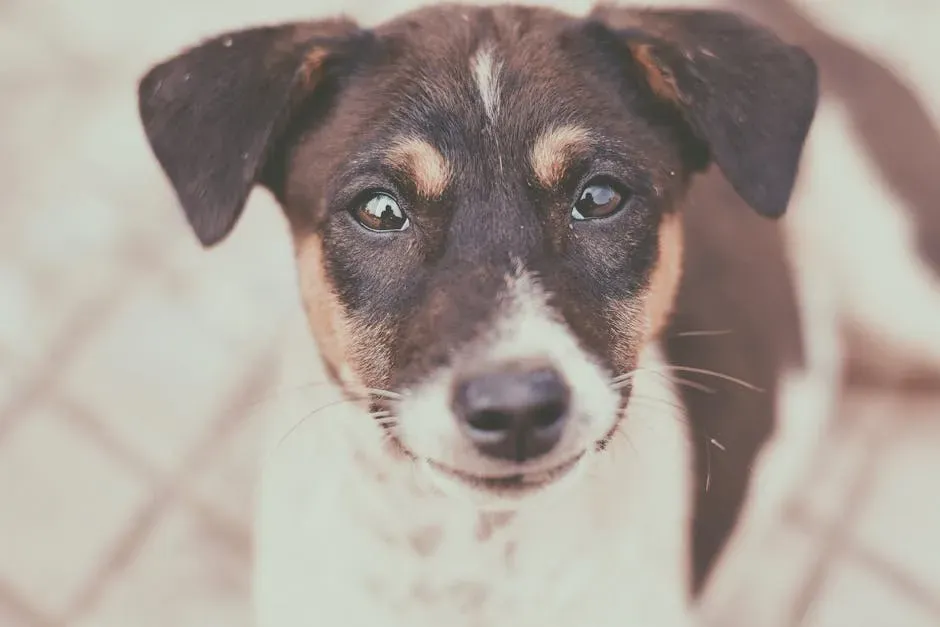
Whale eye refers to a stress sign in dogs where the whites of their eyes become visible, resembling the eye of a whale. This typically occurs when a dog turns its head away but keeps its eyes fixed on a person or object. It signals discomfort or anxiety, indicating that the dog is feeling uneasy or stressed in the given situation.
Think of it as your dog trying to watch something worrying without turning to fully face it. This body language is a dog’s way of trying to remove herself from the situation while also trying to keep an eye out for any potential signs of danger. Her nose will stay pointed forward, but her eyes will move sideways so she can monitor the situation. If you catch that crescent of white in your dog’s eyes, don’t push them further into whatever is causing the discomfort. Give them space and a way out.
4. Pinned-Back or Flattened Ears
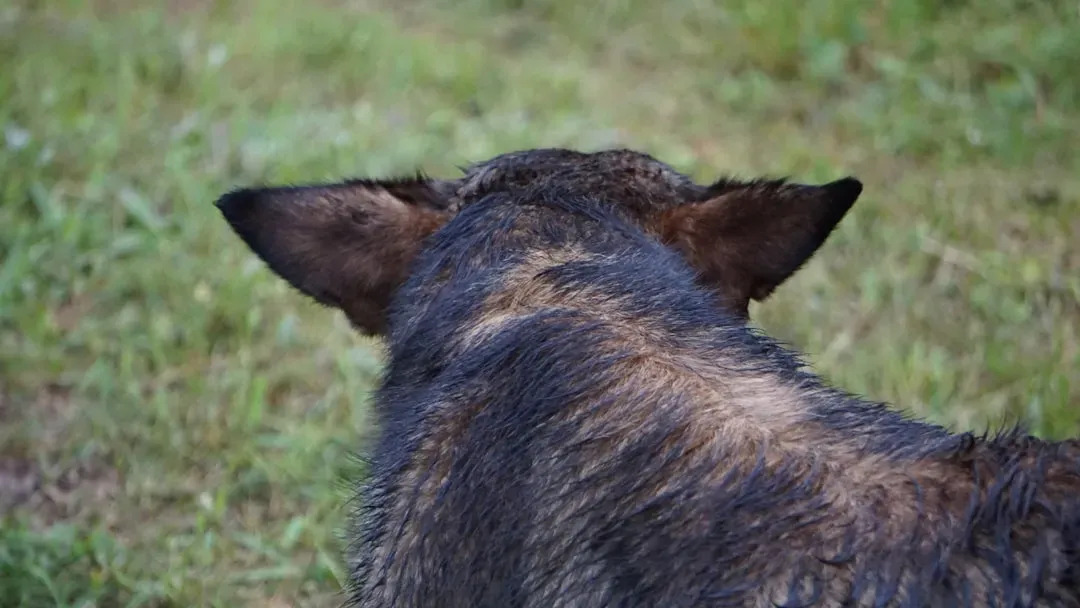
Ears are remarkably expressive. If your dog has flattened ears that are leaning tight against their head, it may be a sign of stress or fear. This is one of those signals that’s worth learning to read on your specific dog, because every breed carries their ears differently at baseline.
Ears turning backwards or flattening against the head are an indication that your dog is nervous. These signs are easier to read in dogs with ears that stand up, but they are readable in any dog as long as you’re in tune with your partner’s body language. Spend time observing your dog when they’re fully relaxed at home, so you have a clear picture of what “normal ears” look like for them. That baseline makes the subtle shifts much easier to catch.
5. A Tucked or Low, Stiff Tail
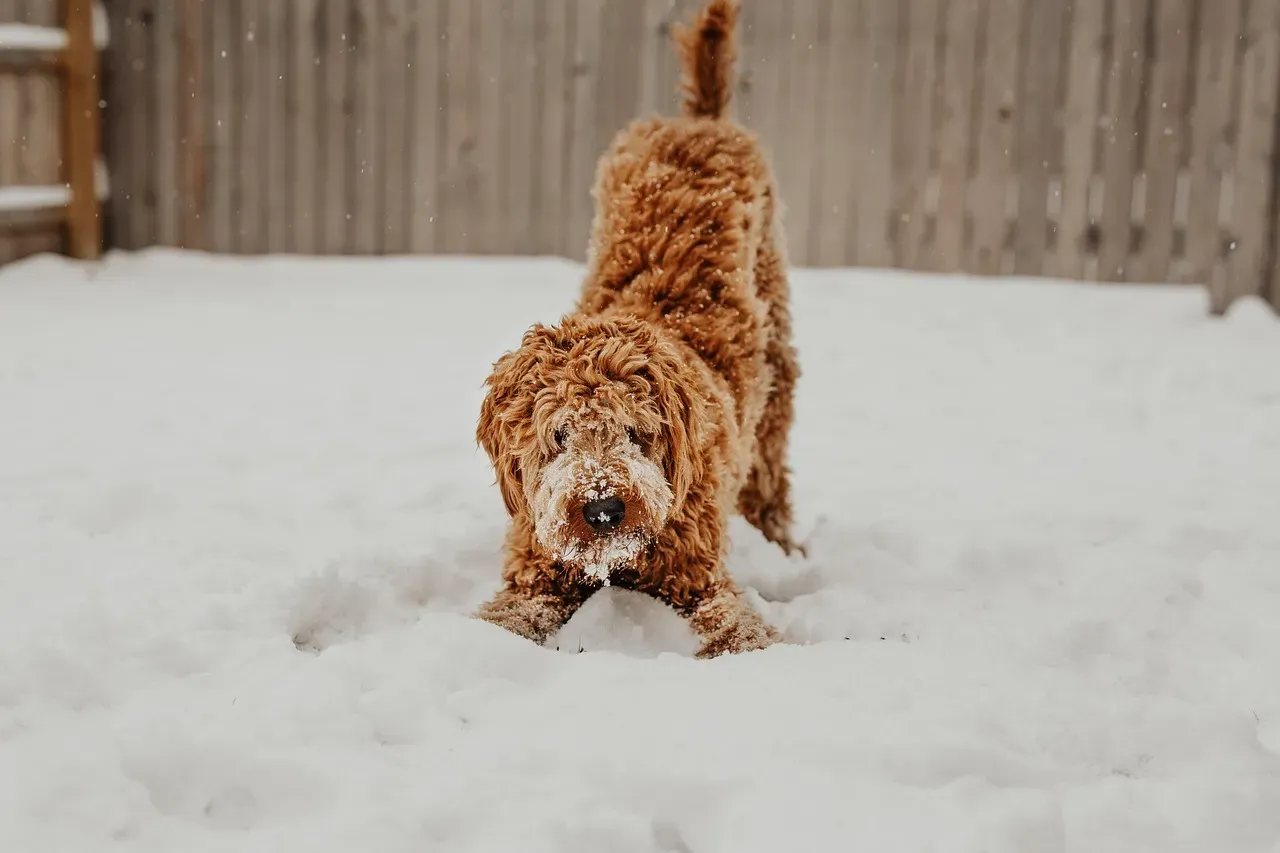
Most people know a tucked tail signals fear or submission. What’s less understood is the tail that sits low with a fast, tight wag. It can look like excitement, but the body language around it tells a different story. A tail tucked tightly between the legs is a classic stress signal. A low tail with a stiff, quick wag can also mean worry, not joy. A relaxed wag tends to be looser, higher, and paired with a relaxed body posture.
Tail wags are often misconceived as a happy sign. If your dog’s tail is low and has a slight, stiff wag, this doesn’t mean that he is enjoying himself. In fact, it’s a sign that your pup is worried. Before you let someone approach your dog on the assumption that they’re happy, take a full-body read. A rigid posture, flattened ears, and a low stiff wag together paint a very clear picture of a dog who needs relief, not more interaction.
6. Sudden, Unexplained Shedding
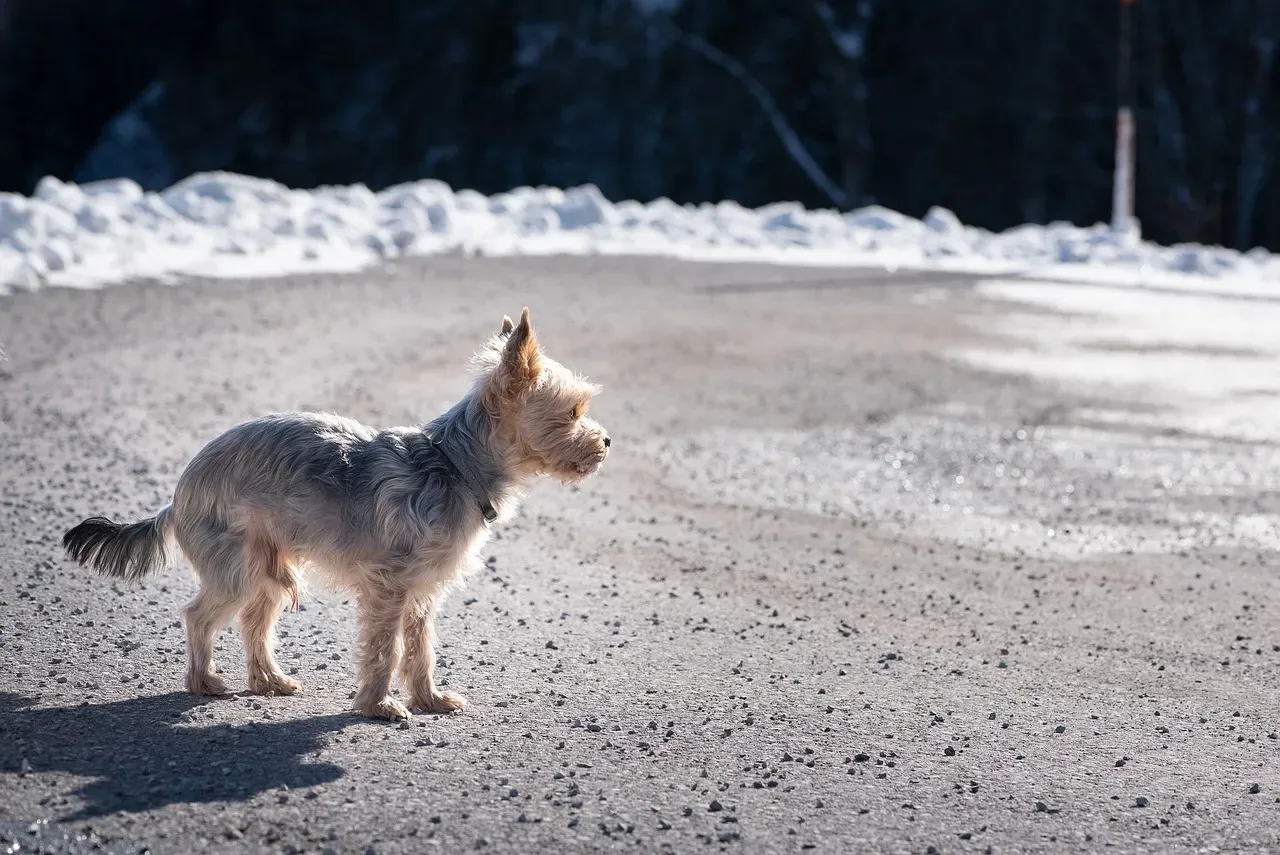
You’ve probably noticed your dog leaving behind a small mountain of fur at the vet’s office. That’s not a coincidence. Show dogs that become nervous in the show ring often “blow their coat.” Dogs also shed a lot when in the veterinary clinic. Although less noticeable in outside settings, such as visiting a new dog park, shedding increases when a dog is anxious.
Physical signs of stress in dogs can include increased panting, yawning, and trembling. It’s also common for stressed dogs to shed more than usual or have dilated pupils. These signs indicate that a dog may be overwhelmed or anxious. If you’re noticing clumps of hair on your floor that seem out of proportion to the season, it’s worth considering whether your dog has been exposed to consistent stressors, and what you might be able to reduce or modify in their environment.
7. Panting Without Heat or Exercise
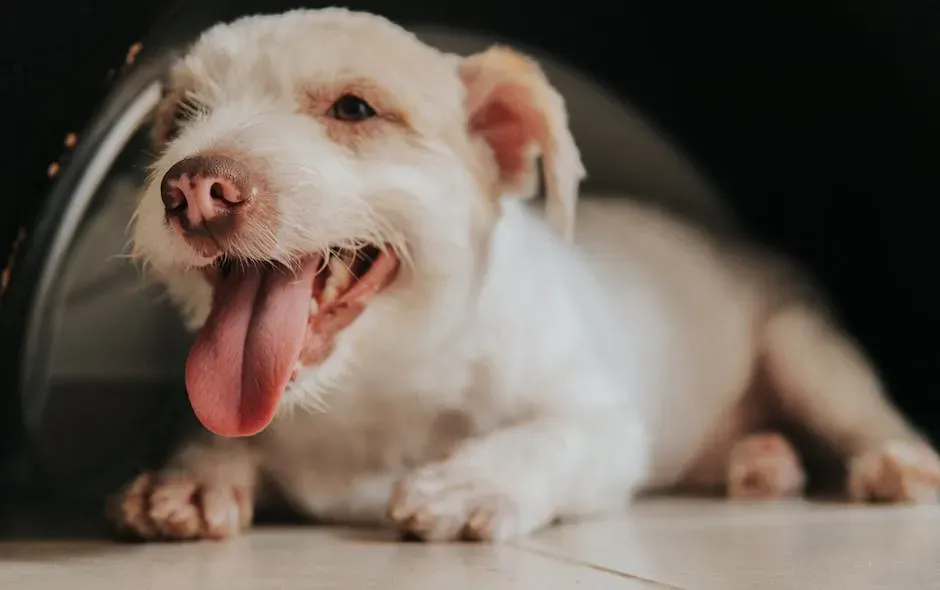
Dogs pant to cool down, and that’s completely natural after a run or a sunny afternoon outside. The version that gets overlooked is what happens when your dog pants in a cool room, during a car ride, or while the family is having a loud argument. Dogs pant when hot, excited, or stressed. If your dog is panting even though they have not exercised, they may be experiencing stress.
Panting is a normal way for dogs to cool down, especially after playing or in hot weather. But when panting happens indoors, in cool temperatures, or during quiet activity, it can point to stress. Context really is everything here. A quick mental check of your surroundings can help you pinpoint whether something in the environment is the trigger, whether it’s a raised human voice, a new visitor, or even tension the dog can sense between people in the house.
8. Pacing and the Inability to Settle
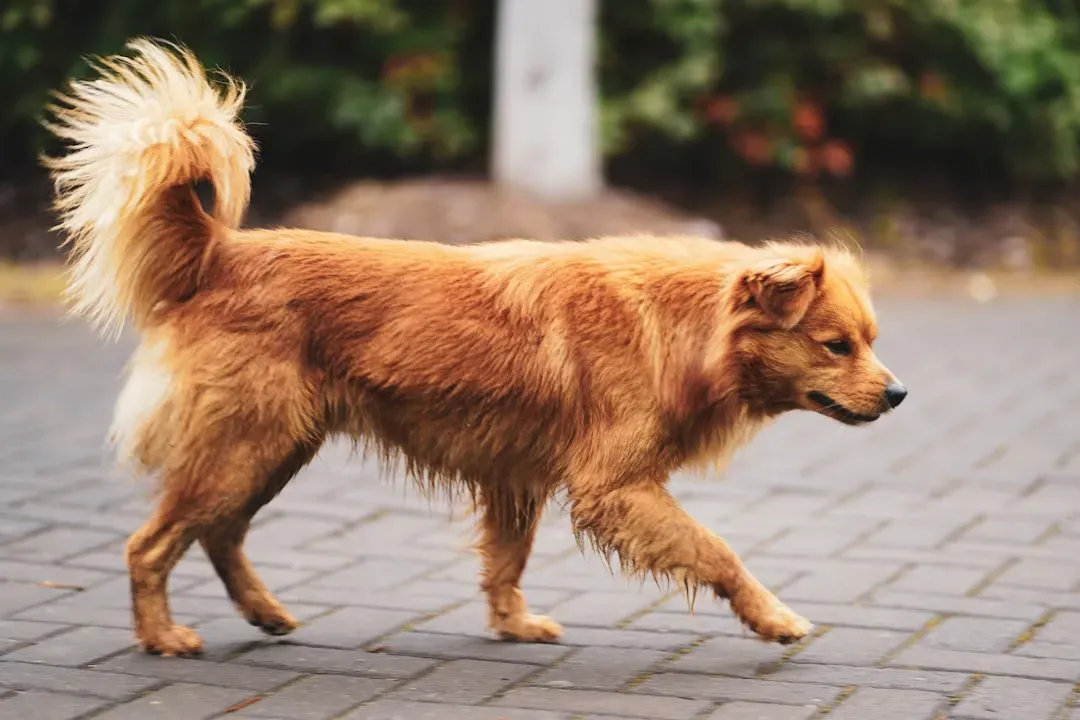
Some dogs become visibly restless when they’re overwhelmed, moving from room to room or circling without purpose. When dogs are pacing back and forth, it’s a sign they can’t settle down because something is stressing them. If this happens during mealtimes or for short periods, it might not be a big deal. Noticing when your dog engages in this behavior can give you clues as to what’s triggering their anxiety.
Your dog might start to pace or be unable to stay still or settle down. They might also be very easily startled and jumpy. It’s worth noting that in older dogs, persistent pacing can sometimes point to canine cognitive dysfunction, so if your senior dog is suddenly restless and disoriented, a vet conversation is the right first step. For younger dogs, pacing often resolves once the triggering stressor is removed.
9. Body Freezing or Going Completely Rigid
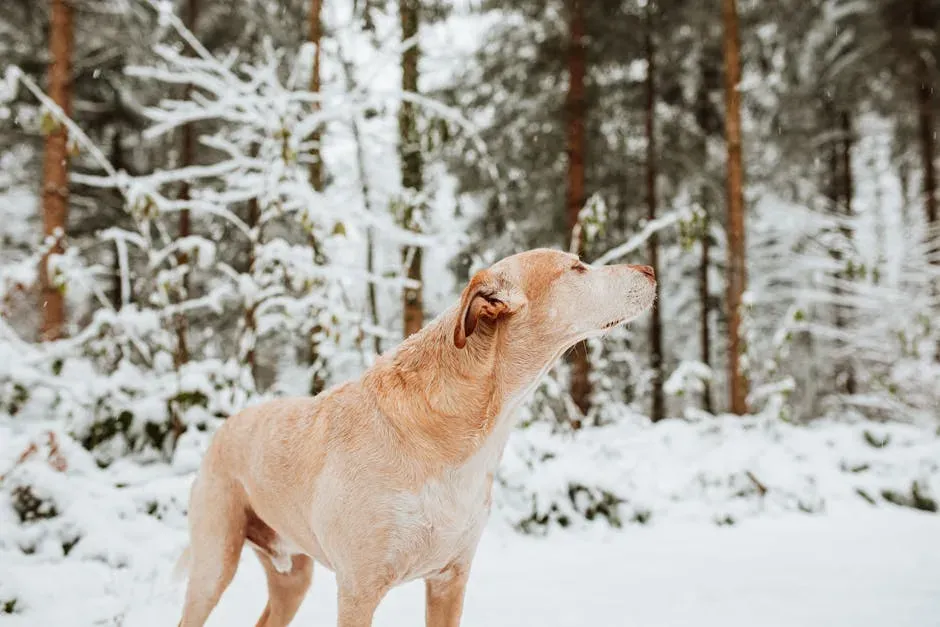
A dog that freezes mid-motion can look like they’re simply “pausing.” In reality, this is one of the most urgent signals your dog can send. When your dog freezes or gets stiff, they’re often stressed about something they see. In a training context, this can sometimes be seen as submission, but modern dog training practices tell us that the dog is actually shutting down. This can be very dangerous for both you and your dog. It’s a warning sign that the dog is so stressed that they can’t handle the situation.
Ignoring or discouraging these kinds of signs from your dog could teach them that there’s no point in showing subtle signs of fear because it doesn’t work. So next time they might feel that they have no other option than to lunge or bite straight away. A freeze is your dog’s final polite warning before they feel they have no other option. Respect it immediately by calmly removing them from the situation.
10. Avoidance and Displacement Behaviors
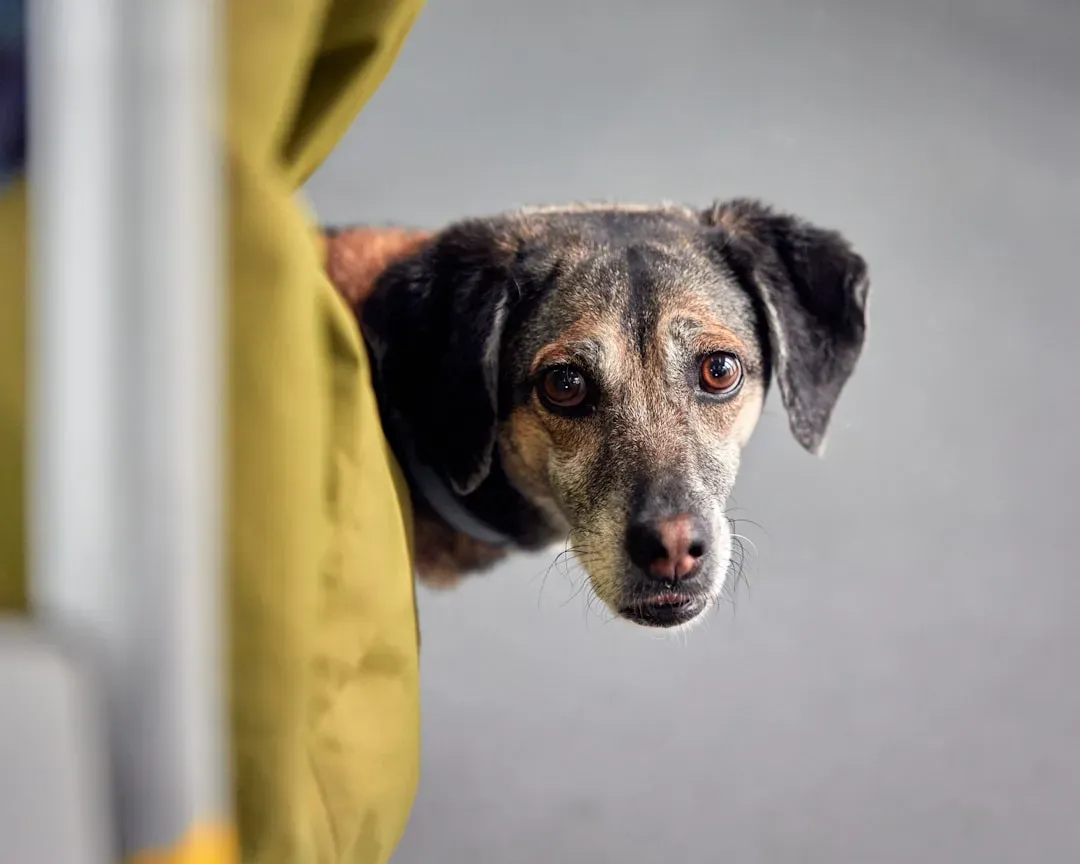
Have you ever asked your dog to greet a stranger and they suddenly became extremely interested in a patch of grass? That’s not rudeness. It’s a sophisticated stress response. When faced with an unwelcome situation, dogs may “escape” by focusing on something else. They may sniff or dig the ground, lick their genitals, or simply turn away.
If your dog avoids interaction with other dogs or people, do not force the issue. Respect their choice. Forcing an overwhelmed dog to “push through” social moments they find genuinely distressing doesn’t build confidence; it erodes trust. Instead, create positive associations gradually over time. Let your dog sniff, move away, and re-engage on their own terms whenever possible.
11. Hiding, Cowering, or Seeking Small Spaces

When a dog slinks behind the couch or tries to squeeze themselves into a corner, the instinct is often to coax them out and offer comfort. Sometimes, though, the most supportive thing you can do is let them stay there. Hiding or escape behavior is an extension of avoidance. Some tense dogs move behind a trusted person or behind a nearby object. They may even nudge or jump on their person to prompt them to move along.
A lowered posture, crouching, or trying to make themselves appear small can also be a sign of fear or uncertainty. It is important to provide your dog with a safe place in the home where they can escape stimuli that trigger a stress response. Everybody enjoys a calm place to retreat. If your dog self-selects a quiet hideout during fireworks, family gatherings, or thunderstorms, consider making that spot deliberately cozy with a familiar blanket or item of your clothing.
12. Changes in Appetite and Digestive Upset
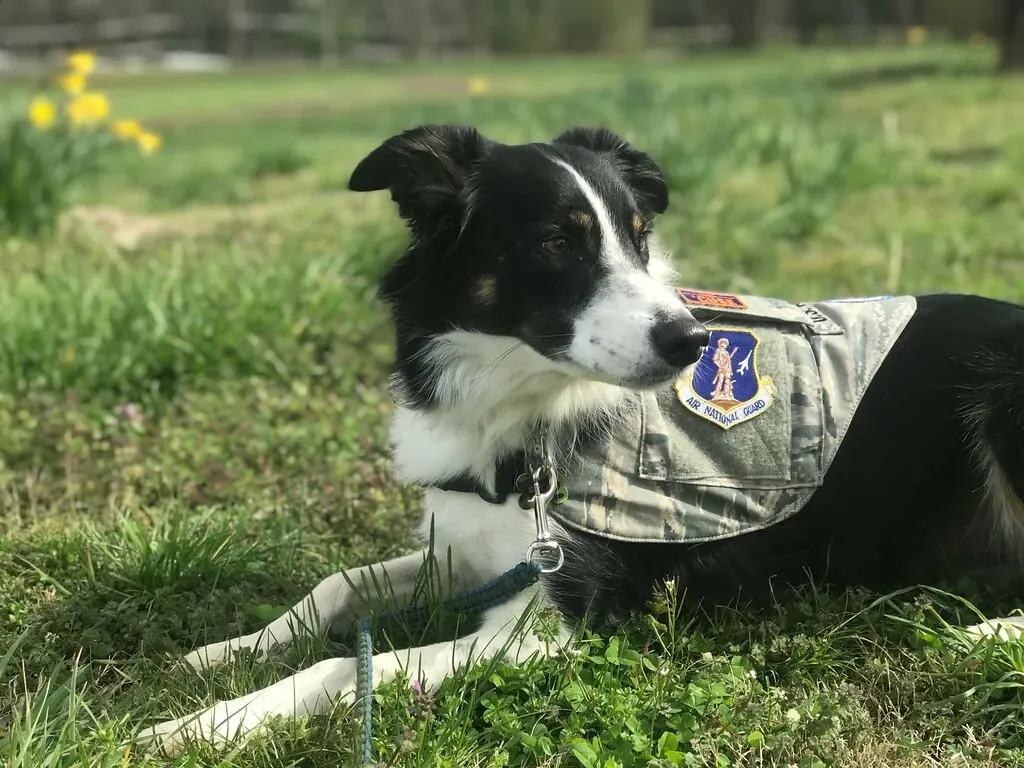
Stress doesn’t just affect your dog’s behavior; it shows up physically too. Like people, nervous dogs may experience an increased urgency to urinate or defecate. Dogs may experience gastrointestinal upset that can include vomiting, diarrhea, and refusing food. A dog who normally devours their breakfast and suddenly walks away from the bowl mid-meal is telling you something.
Stress can cause changes in a dog’s appetite. They may lose interest in their food or, conversely, start to overeat. If digestive issues and appetite changes appear alongside other stress behaviors on this list, connect the dots rather than treating each symptom in isolation. If your dog becomes stressed often or in response to many triggers, see your veterinarian. After ensuring that your dog’s behavior does not have a physical basis, your veterinarian may refer you to a trainer or veterinary behaviorist for further assessment. A treatment plan may include behavior modification, a change in the daily routine, and medications to reduce the emotional response to triggers.
What to Do When You Spot These Signs
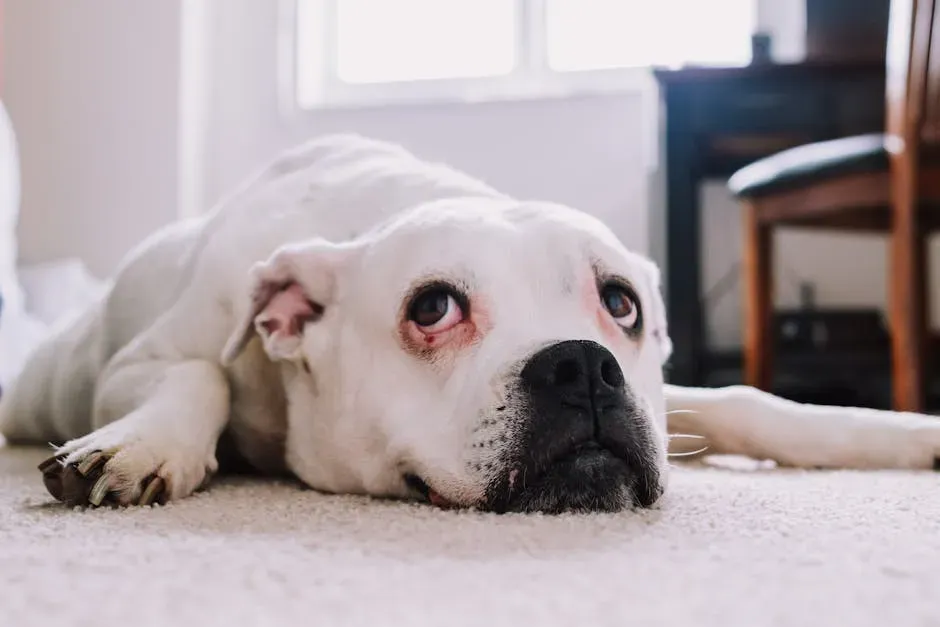
Recognizing these signals is only half the equation. Knowing how to respond is what actually makes a difference. If you notice signs that your dog is stressed, first remove them from the stressor. Find a quiet place to regroup. Stay calm as you do it, because dogs notice your emotional state acutely.
Chronic stress puts your dog’s nervous system in constant fight or flight, changing their behavior and ability to cope. That means early intervention genuinely matters. Dogs can skip lower-level stress indicators, such as panting or whale eyes, and jump to critical stress signs, like showing teeth, if they feel ignored. The quieter signals on this list are actually your greatest opportunity to step in before things escalate.
Exercise can be a great stress reducer. For healthy dogs, physical activities such as walking or playing fetch may help both you and your dog release tension. Pair regular exercise with a consistent daily routine, and your dog will have a much more stable emotional foundation to draw from when challenging situations arise.
A Final Thought
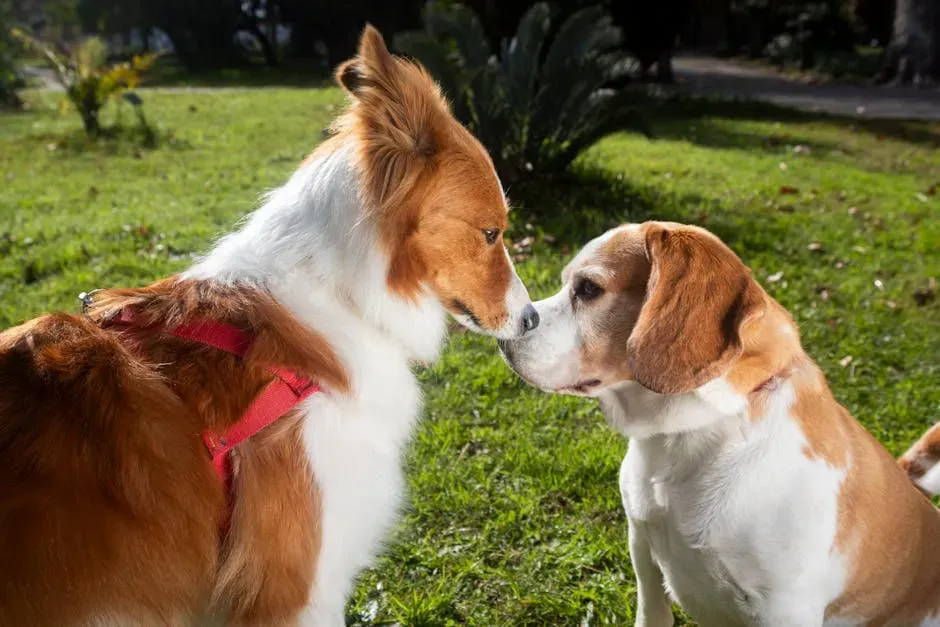
Your dog isn’t being dramatic. They aren’t misbehaving. Every single behavior on this list is their honest, earnest attempt to communicate something important to you. The subtle stress signals dogs display are not signs of misbehavior or disobedience. They’re polite, peaceful communications. By learning to recognize and respect these signals, you become a better advocate for your dog’s emotional wellbeing, and you can intervene before stress escalates, building trust through understanding.
The dogs that feel truly heard by their owners don’t need to escalate. They lip-lick, they yawn, they turn away, and their person notices. That simple act of noticing changes everything. The more fluent you become in this quiet language, the deeper and safer the bond between you two becomes, and that might just be the most rewarding thing about sharing your life with a dog.


