
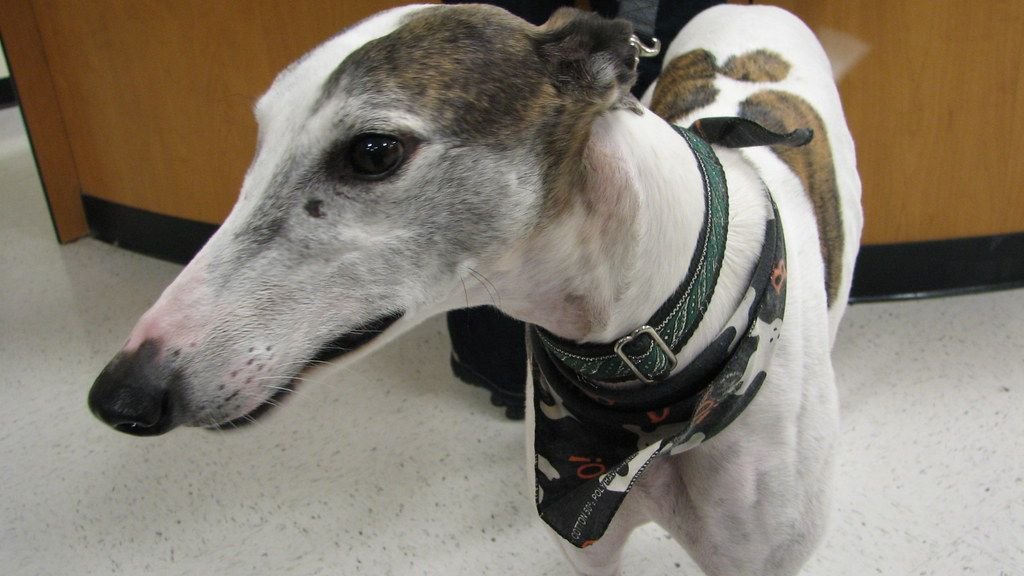
Florida is a lot of things: gorgeous sunsets, ocean breezes, year-round outdoor living. It’s also relentlessly hot and sticky for most of the year. If you’re a large-dog lover in the Sunshine State, you already know that not every breed is built for this kind of climate. The wrong match can mean a dog that’s miserable, overheated, and at genuine health risk.
Since dogs cannot efficiently regulate their internal body temperature, brachycephalic breeds, those with dark or thick double coats, and overweight pets are more susceptible to heat stroke and dehydration. That narrows the field considerably. A few key differences set warm-weather and cold-weather-tolerant dogs apart: coat type and color, ear shape, and muzzle length. The best dogs in hot weather have short, single, or hairless coats, which allow air to circulate throughout the body. White, tan, or gray-colored coats reflect rather than retain heat, and erect ears keep dogs cooler than floppy ones that trap heat.
The good news is that there are genuinely great large-breed options for Florida families. These ten breeds have the physical traits and temperament to handle the heat with the right care from you.
1. Great Dane
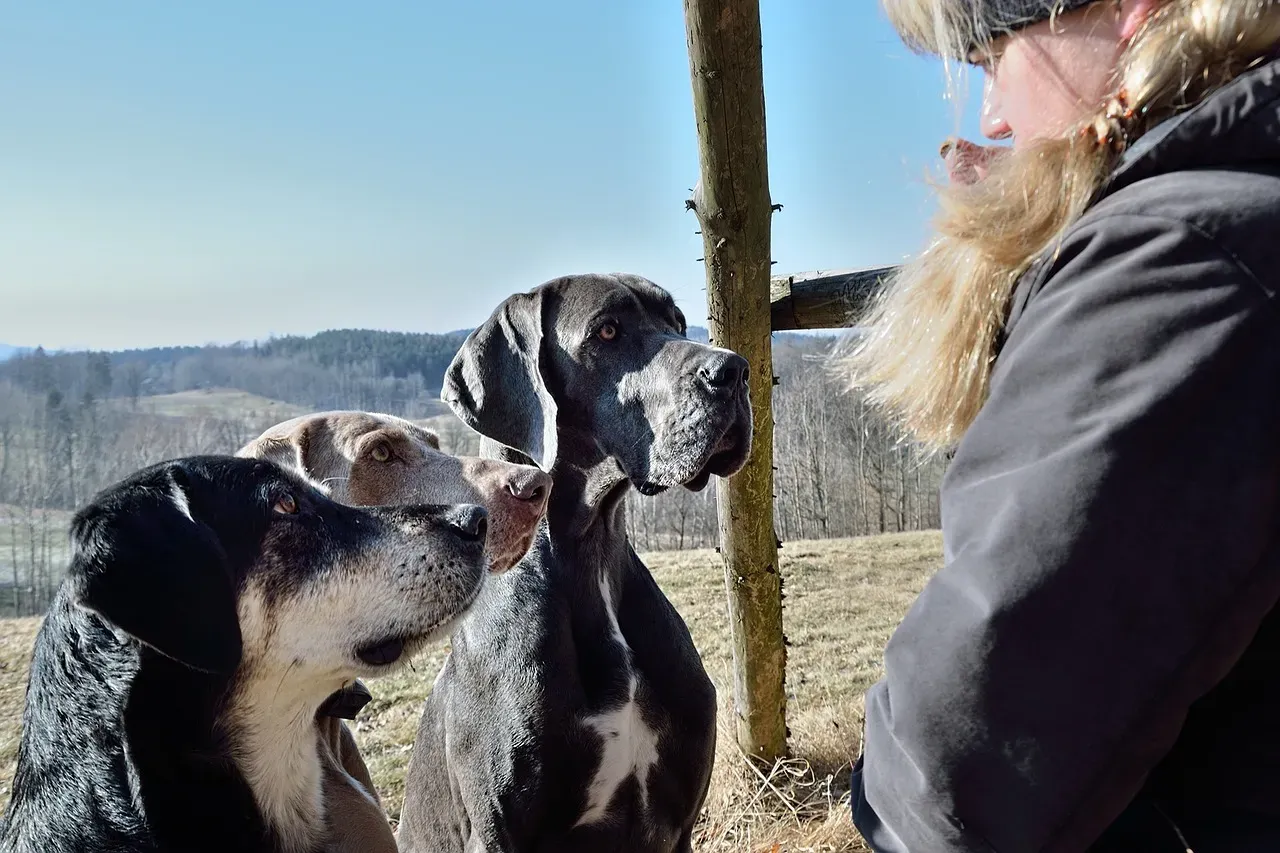
If you want a gentle giant who won’t melt in the Florida sun, the Great Dane might be your best match. The Great Dane is a large dog with numerous characteristics ideal for withstanding the heat: short hair, a long muzzle, and a lean build. Great Danes are also known for their ability to conserve energy. That low-energy personality isn’t laziness – it’s actually an asset in a warm climate.
The Great Dane is not only one of the tallest breeds, it’s also one that doesn’t mind hot weather. Though Great Danes are huge, they like to lounge around, which helps them conserve energy and avoid overheating. One important caveat: if you have a black or darkly colored Great Dane, you’ll need to watch for overheating, as black absorbs the heat of the sun rather than reflecting it like white does. Schedule walks for early morning or evening, keep fresh water available at all times, and your Great Dane will be a perfectly content Florida companion.
2. Vizsla
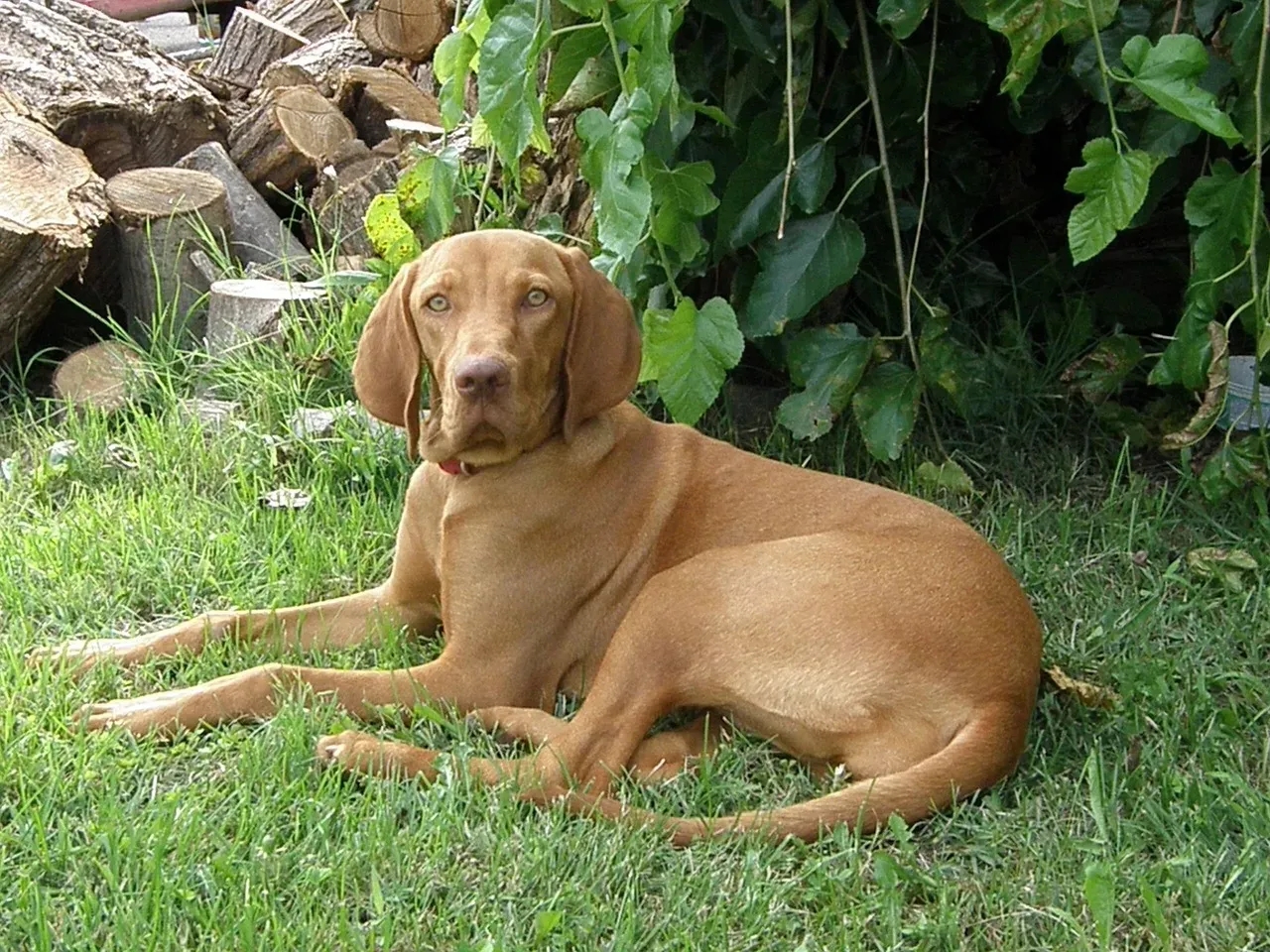
Vizslas are among the best heat-tolerant athletic breeds. Their short, single-layer rust-gold coat provides minimal insulation, their long muzzle enables efficient panting, and their lean athletic frame limits heat-generating metabolic mass. Developed in the Hungarian plains, they tolerate warm weather significantly better than double-coated northern breeds. They’re wired for activity and absolutely thrive with an active Florida lifestyle.
Originating from Hungary, Vizslas are no stranger to warm climates. Their short, rust-colored coats reflect sunlight, and their lean build helps them manage body temperature effectively. They’re ideal for active owners who can provide lots of outdoor exercise. That said, no dog is immune to heat stroke, and even Vizslas should exercise before 8 AM or after 7 PM during summer. Watch for excessive panting, drooling, or disorientation as heat stroke warning signs.
3. German Shorthaired Pointer
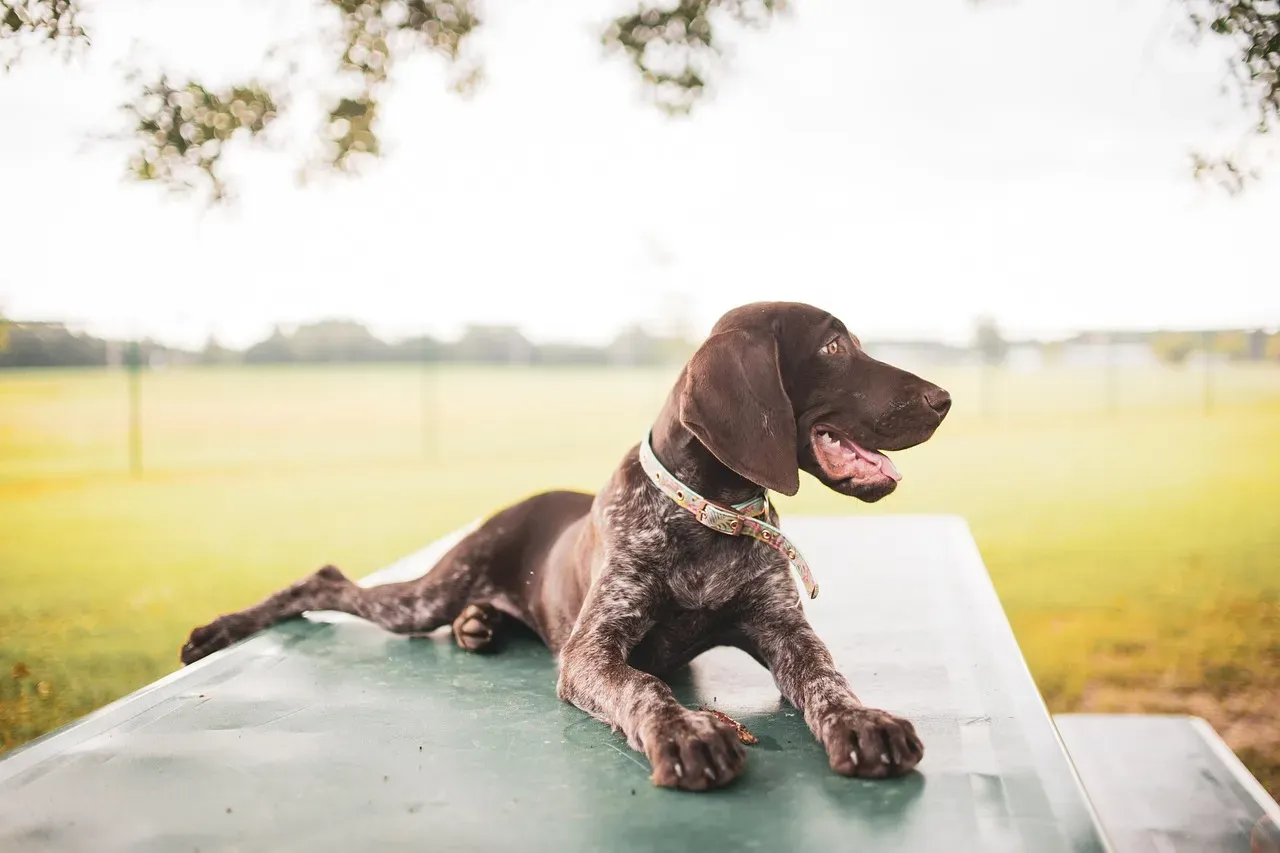
The German Shorthaired Pointer is a breed that screams “outdoor adventure companion,” with boundless stamina and an athletic build in addition to its short coat that enables it to fully thrive in hot weather. The German Shorthaired Pointer is a loving dog breed and makes a good addition if you have an active family or demanding toddlers looking for an active day outside. They genuinely love being busy, and Florida’s beaches, trails, and waterways give them plenty of opportunity to do just that.
One of the reasons German Shorthaired Pointers can handle hot weather is their short, dense coat. Their coat helps protect them from the sun’s harmful rays and allows them to stay cool in warm climates. Additionally, their coat is water-repelling, making them excellent swimmers and allowing them to cool off in lakes or pools. A quick dip in a Florida spring or backyard pool after a morning run is genuinely one of the best things you can give this breed.
4. Dalmatian
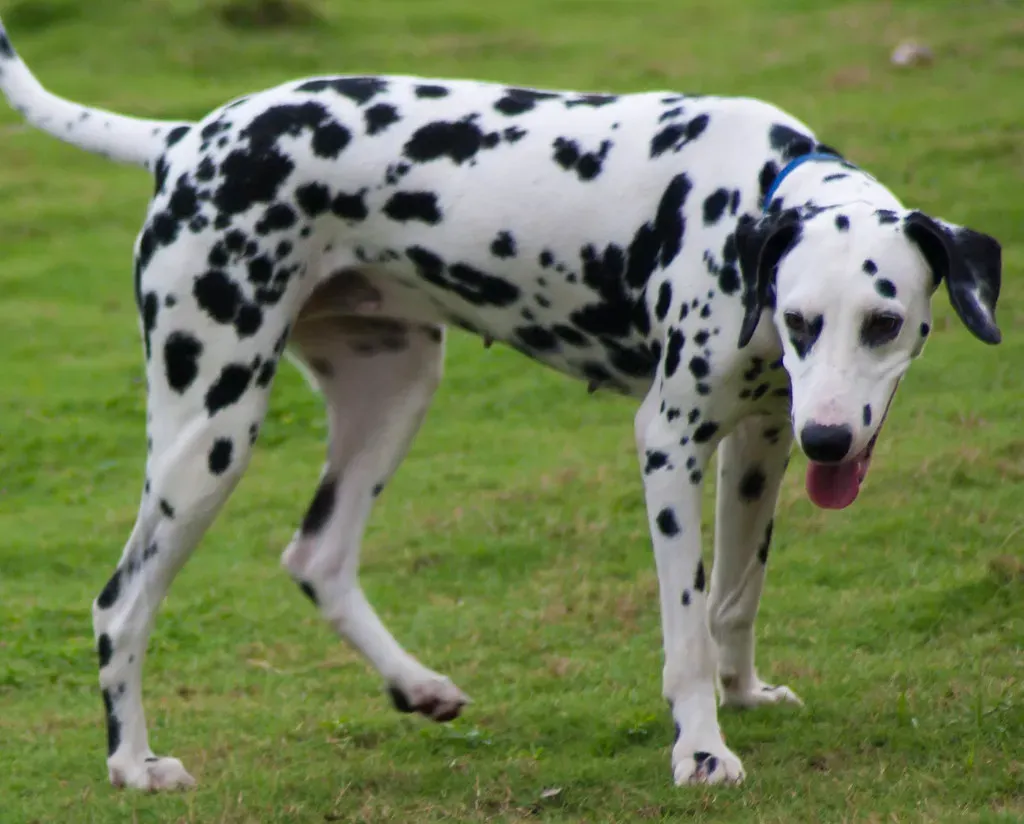
Originating as carriage dogs that would run alongside horses, Dalmatians have spent a lot of time throughout their more than 200-year existence building endurance and a tolerance for heat. Their short, sleek coats, mostly white with dark spots, reflect sunlight, keeping them cooler than most dark-colored breeds. That history of working outdoors in warm conditions is built right into their biology.
With short coats and a love of activity, Dalmatians are great for warm climates. They boast impressive stamina and enjoy being active. Active owners or families who can provide lots of exercise are the ideal match. Dalmatians can be headstrong and require consistent training, and they need plenty of exercise to prevent behavioral issues. One thing worth noting: because their coats are so light, it’s important to protect this sun-loving breed with canine sunscreen during long beach outings.
5. Greyhound
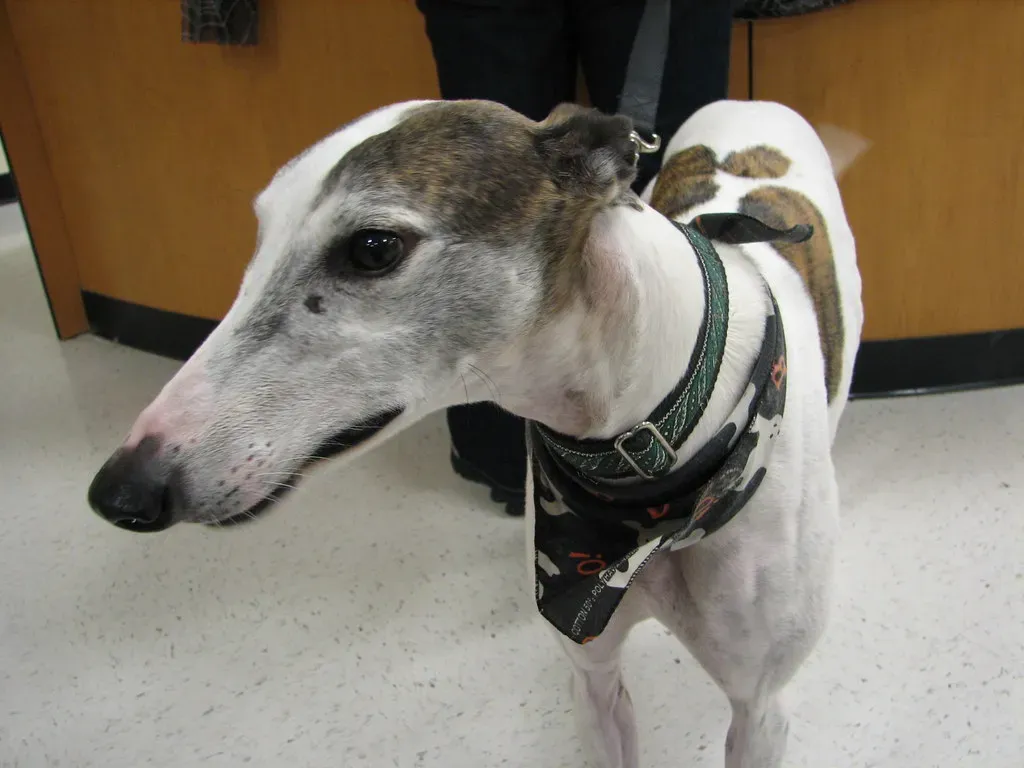
Known for their incredible speed, Greyhounds are also well-suited to heat due to their slim physique and short coat. With origins dating back to ancient Egypt and the Middle East, Greyhounds have a history of living in hot climates. Their thin, short coat helps regulate body temperature, and their lean build promotes better heat dissipation. Few large breeds come with a more naturally designed cooling system.
Thankfully, their lean bodies, short coats, and minimal body fat help them to regulate heat, and their thin skin and efficient cardiovascular system help them maintain their endurance even when temperatures rise. Greyhounds are famously calm indoors too, which is perfect for the peak-heat midday hours in Florida. While they’re game for warm weather, Greyhounds can be sensitive to truly extreme temperatures, so keep a close eye on your pup when it’s especially hot out.
6. Doberman Pinscher
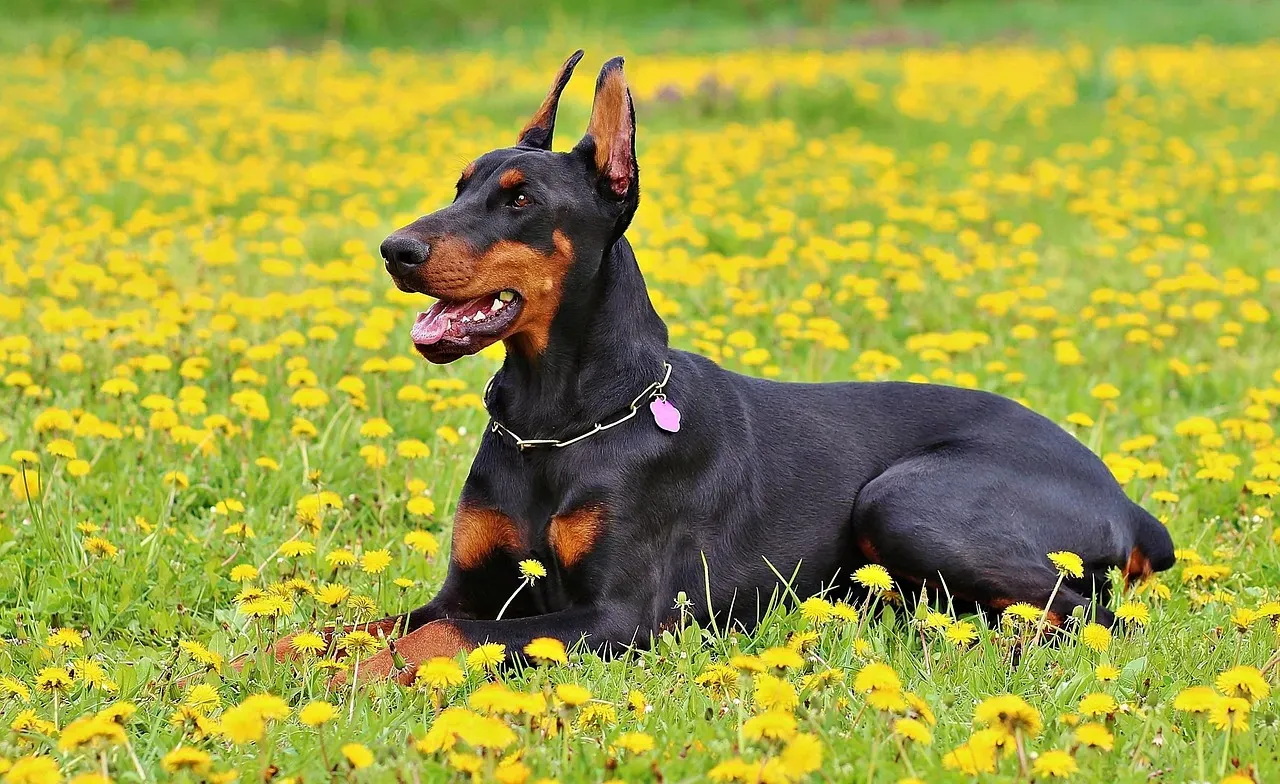
Dobermans have short coats and muscular builds that handle heat well, making them great for active owners in warm climates. They’re ideal for active and experienced dog owners who can provide structured training and plenty of physical activities. Consistent training and socialization are important to manage their protective nature. In Florida, this also means being thoughtful about the time of day for physical exertion.
Doberman Pinschers are not as well-suited for hot weather as some other breeds, but they can tolerate it with some care. They have a short, smooth coat that does not trap heat, and they are relatively active dogs, which helps them stay cool. However, they are also large dogs with a lot of muscle mass, which means they can generate a lot of heat. This can make them susceptible to heat stroke if they are not properly cooled down. Keep sessions short, bring water everywhere, and stick to the cooler parts of the day.
7. Afghan Hound
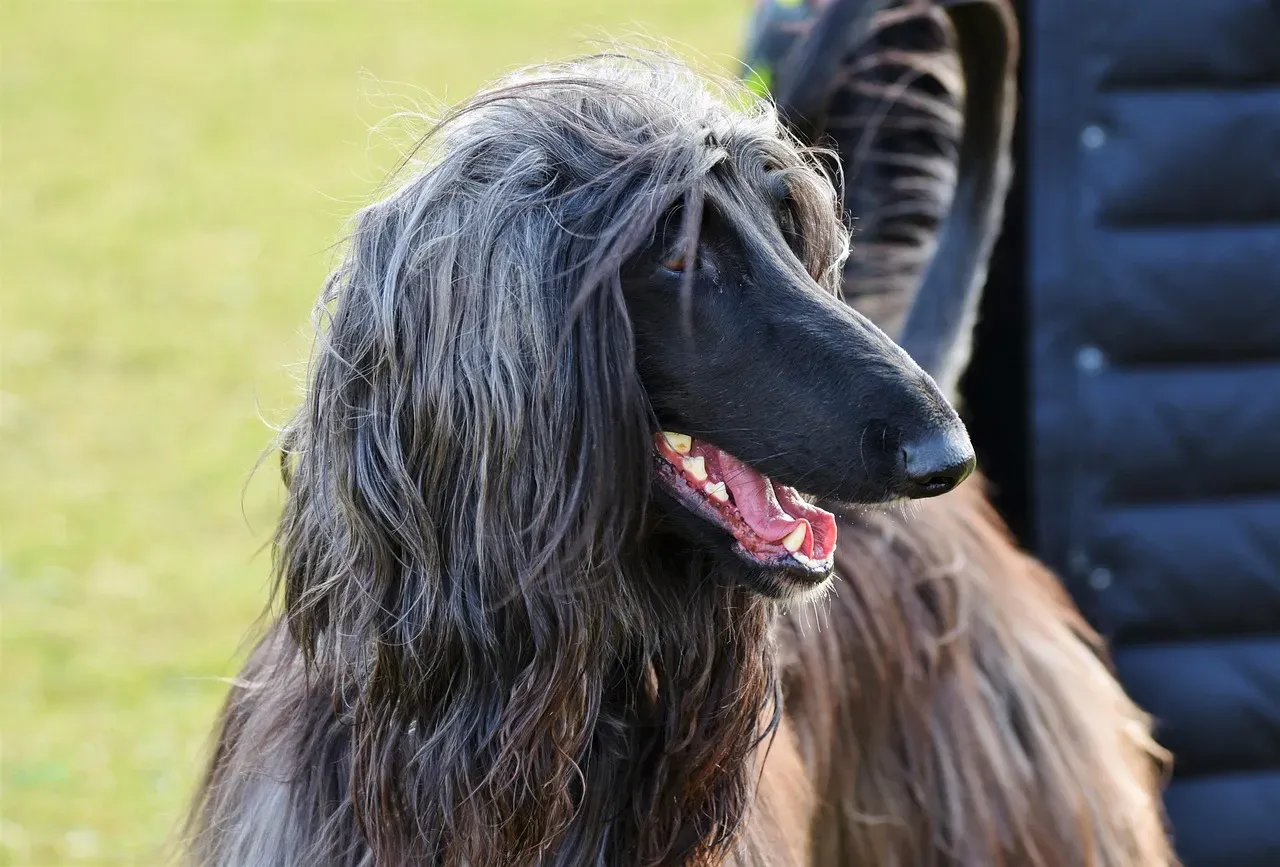
For those who prefer larger dogs, the Afghan Hound is a good option for the Sunshine State. Their homeland is Afghanistan, which is known for its hot weather during the day and cold weather at night, so they can adapt to the extremes fairly well. That built-in thermal flexibility is genuinely useful in a state where morning walks can feel completely different from afternoon ones.
The Afghan Hound comes from the region in and around Afghanistan. Completely comfortable in the heat, the breed features a single coat of long hair, which helps keep them cool and protected from the sun. Regular grooming is non-negotiable for this breed, and a well-maintained coat actually helps rather than hurts in Florida’s climate. This breed can also get sunburns, so carry sunblock for beach or dog park trips.
8. Labrador Retriever
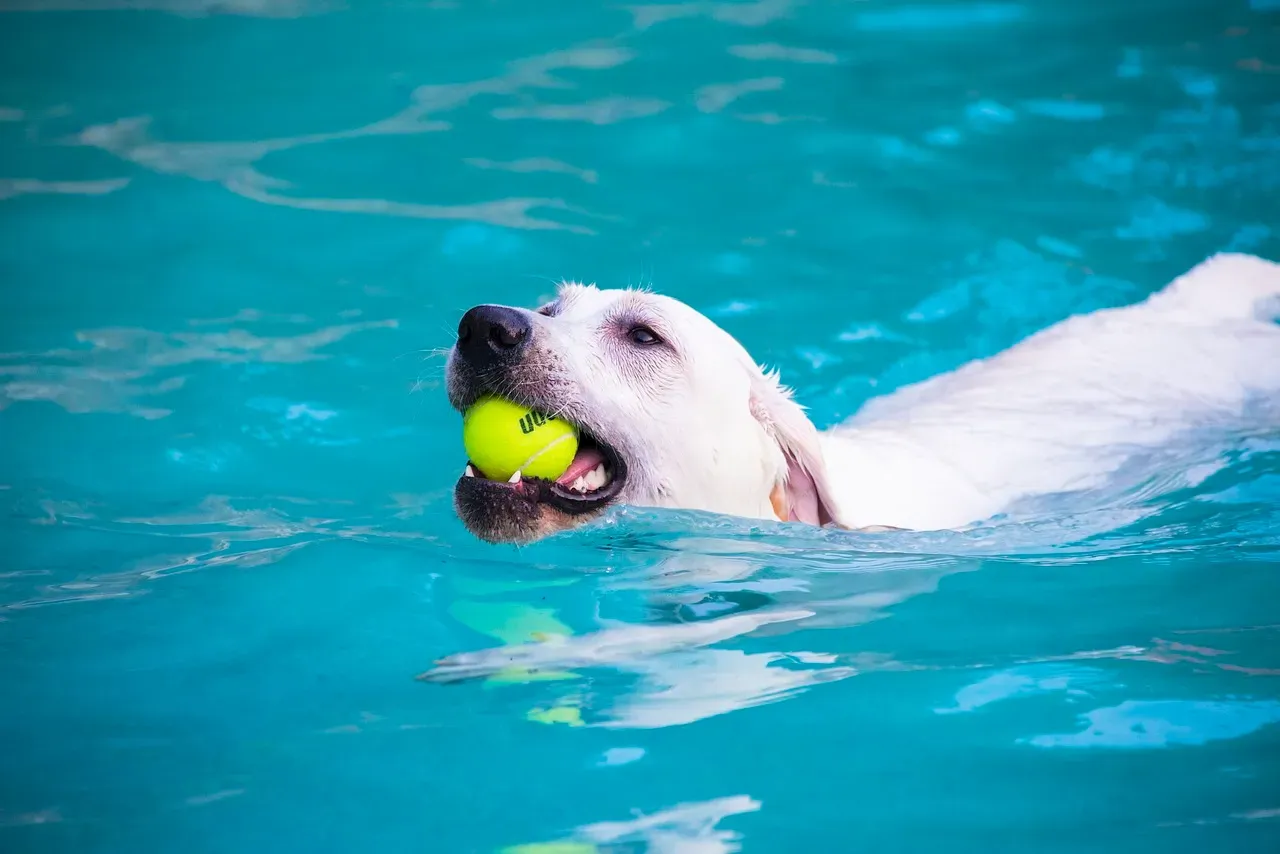
Labrador Retrievers are renowned for their affinity for water, a trait deeply rooted in their genetics. Originally bred in Newfoundland for retrieving fishing nets and game from icy waters, their thick, waterproof double coat allows them to work efficiently in cold water. This same coat also plays a crucial role in summer, as it helps regulate their body temperature. The Labrador’s short, dense fur offers some insulation without causing overheating.
Their enthusiastic nature makes them ideal companions for summer activities, whether it’s swimming, hiking, or playing fetch. Their strong, athletic build and boundless energy mean they can handle a lot of activity without getting overly tired or overheated. That said, Florida owners should keep a close watch on their Lab’s limits. Temperatures exceeding about 85°F can begin to pose challenges, and when coupled with high humidity, this range can lead to heat stress and potential health risks. Labs are most comfortable when they have regular access to water for swimming.
9. Catahoula Leopard Dog
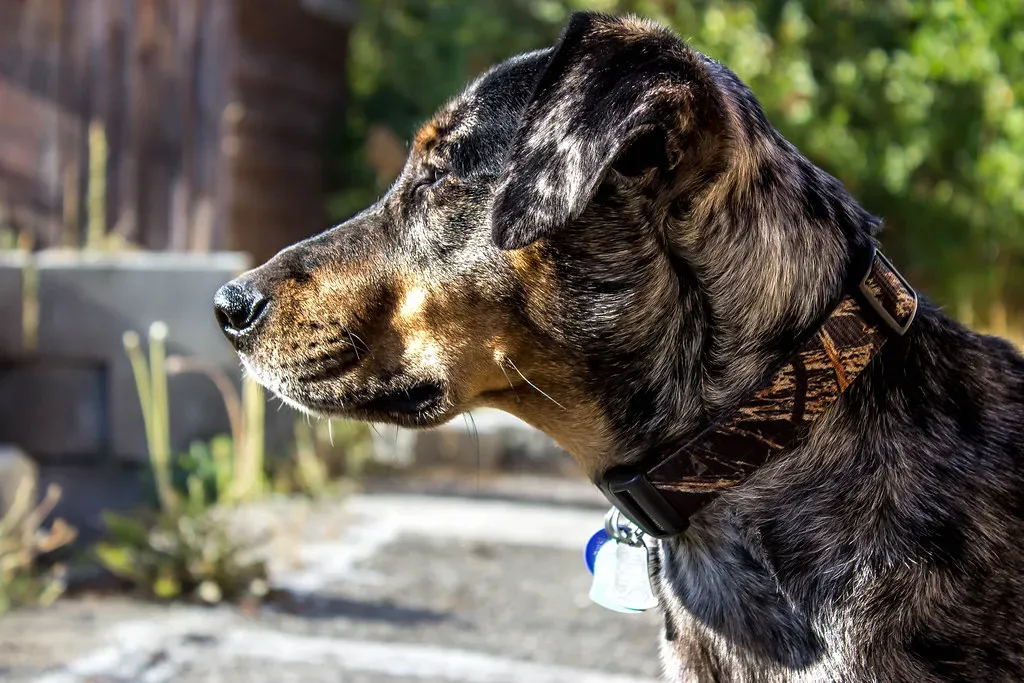
The Catahoula Leopard Dog is a multi-purpose working dog that is well-muscled and powerful, but with a sense of agility and endurance. They are serious while working and playful at home. The Catahoula’s short to medium-length single coat can have up to five different colors, consisting of one base color covered with multicolored spots and trim. That short, single-layer coat is a real advantage in Florida’s year-round warmth.
The Catahoula Leopard Dog temperament is intense, serious, and focused when working out in the field, and protective, playful, and affectionate at home with their family. If properly socialized from puppyhood, Catahoulas aren’t aggressive toward people, but they do tend to be wary and aloof around strangers. Catahoulas feel most at home on a farm or ranch with livestock to herd and plenty of space to run and play. Barring that, they need a home with a large, fenced-in yard and an outlet for their herding and tracking instincts. Florida’s wide-open rural areas and state parks make this breed a genuinely great fit for the right owner.
10. Weimaraner

Weimaraners share the Vizsla’s heat-management advantages: short single-layer coat, long muzzle, lean frame, and field dog origin in moderate European climates. Their short, sleek coat helps them stay cooler in warm weather. Their striking silver-gray coat also has the practical benefit of reflecting rather than absorbing sunlight, which matters more than most people realize on a hot Florida afternoon.
Weimaraners are high-energy, deeply devoted dogs that bond strongly with their families. They need consistent exercise, mental stimulation, and real companionship to be happy. Exercise early in the morning or late in the evening to avoid the hottest parts of the day, and you’ll have a dog that thrives in Florida’s environment. Watch for the universal signs of heat stress in any breed: excessive panting, bright red tongue, pale or white gums, difficulty breathing, vomiting, and increased heart rate are all signals that your dog needs immediate cooling and attention.
Keeping Any Large Dog Safe in Florida’s Heat

Hot weather can be dangerous for all dogs and can lead to heat exhaustion, heat stroke, or even death. Dogs are most susceptible to heat stroke when they are left in hot cars, left outside in hot and humid weather without shade or access to cool fresh water, or exercising in hot conditions. Breed-specific heat tolerance is a starting point, not a guarantee.
An advantage to living in Florida is the proximity to incredible beaches, water features, and pools. These deliver an essential reprieve to pets when conditions are sticky and sweaty. That said, it is crucial to keep an eye on hydration, exposure to UV rays, and exertion levels on hot days. Exercise during the early morning or late evening to avoid the hottest parts of the day, and consider using cooling mats or vests to help regulate your dog’s body temperature. These aren’t optional extras in Florida – they’re just part of responsible ownership.
Conclusion
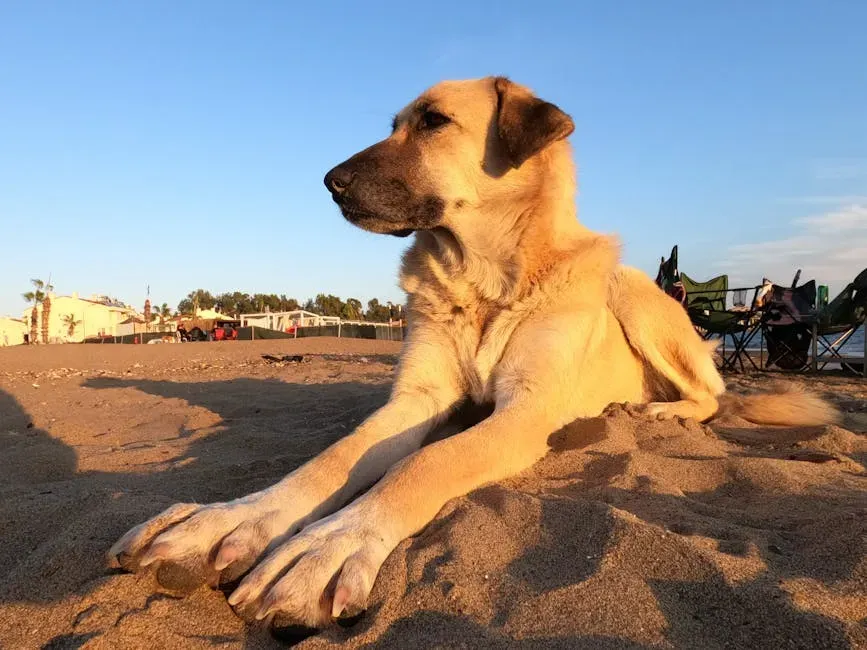
Living in Florida with a large dog is absolutely doable, and for the right breeds, it can be a genuinely wonderful life filled with beach runs, water adventures, and lazy afternoons in the shade. The key is choosing a dog whose biology gives them a real fighting chance in the heat, and then meeting them halfway with smart routines, shade, hydration, and attentive care.
None of these ten breeds are invincible in extreme heat. Every dog, no matter how well-suited to warm weather, needs an owner who pays attention. One of the best ways to narrow down potential breeds is to investigate what breeds were developed in similar climates – and that instinct is right on. The breeds that have spent generations working and living in warm environments carry those adaptations in their very structure.
The right large dog in Florida isn’t just a dog that tolerates the heat. It’s a dog that shares your lifestyle, fits your energy level, and gets the thoughtful, informed care that every dog deserves. That combination is what turns a Sunshine State household into a place where a big dog can truly thrive.


