
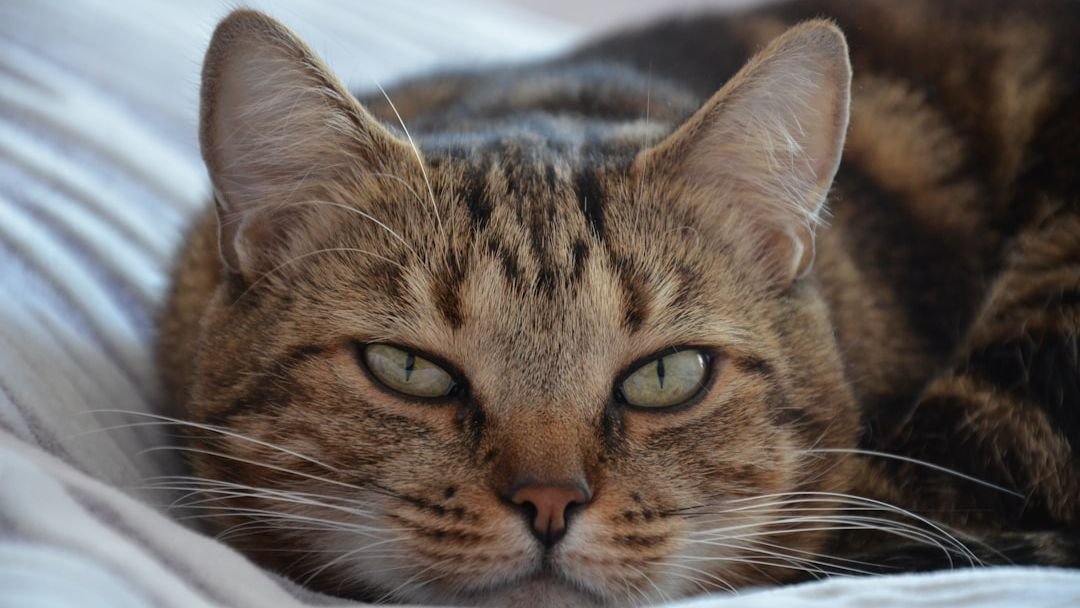
Cats are famously hard to read. They don’t whimper at the door, they don’t sulk in an obvious way, and they rarely demand attention the way a dog might. That quiet composure is part of their charm. It’s also part of what makes it so easy to miss when something is genuinely wrong.
Cats don’t express sadness in obvious ways. Instead of crying or acting dramatically different overnight, a sad cat often shows emotional distress through subtle changes in behavior, daily habits, and body language. These shifts can be easy to miss, especially since cats are naturally independent and tend to hide discomfort as a survival instinct.
The good news is that once you know what to look for, those signals become much easier to spot. Here are ten may be telling you they’re not okay.
1. They’re Hiding More Than Usual
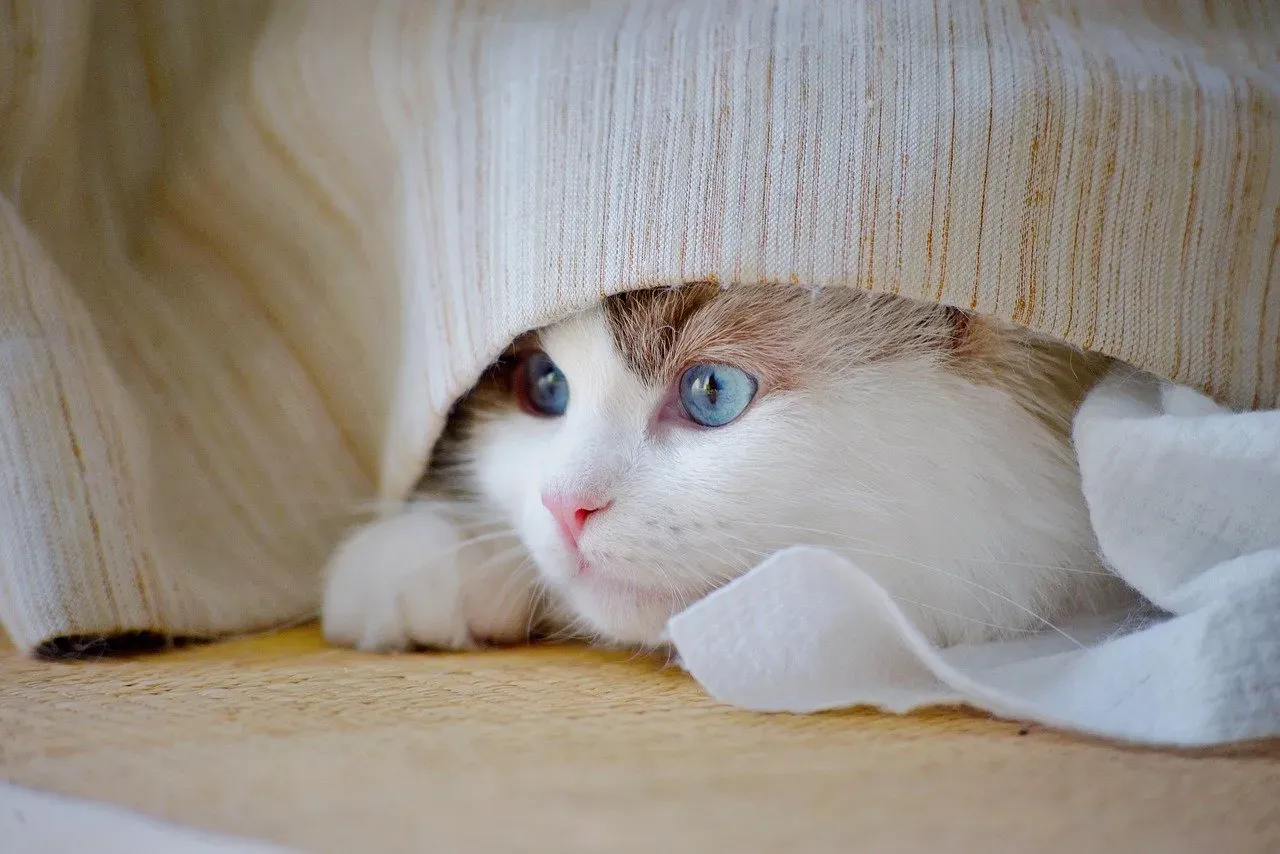
Most cats have a favorite nook or two where they retreat for a nap. That’s completely normal. The concern starts when a cat who used to follow you around the house or greet you at the door suddenly disappears for hours under the bed or inside a closet.
Hiding is one of the first or fearful of you or the situation. When a cat becomes significantly more reclusive than usual, it may be a sign that they’re feeling down. Unhappy cats are generally more fearful, and they may hide to soothe and protect themselves. Hiding can also indicate that a cat isn’t interested in activities they usually enjoy, such as playing with toys or cuddling up with their humans.
If you notice this pattern, resist the urge to drag your cat out. Give them space, but pay attention to how long it lasts and whether other signs appear alongside it. Persistent hiding that goes on for more than a day or two deserves a closer look.
2. Their Grooming Has Gone Off Track
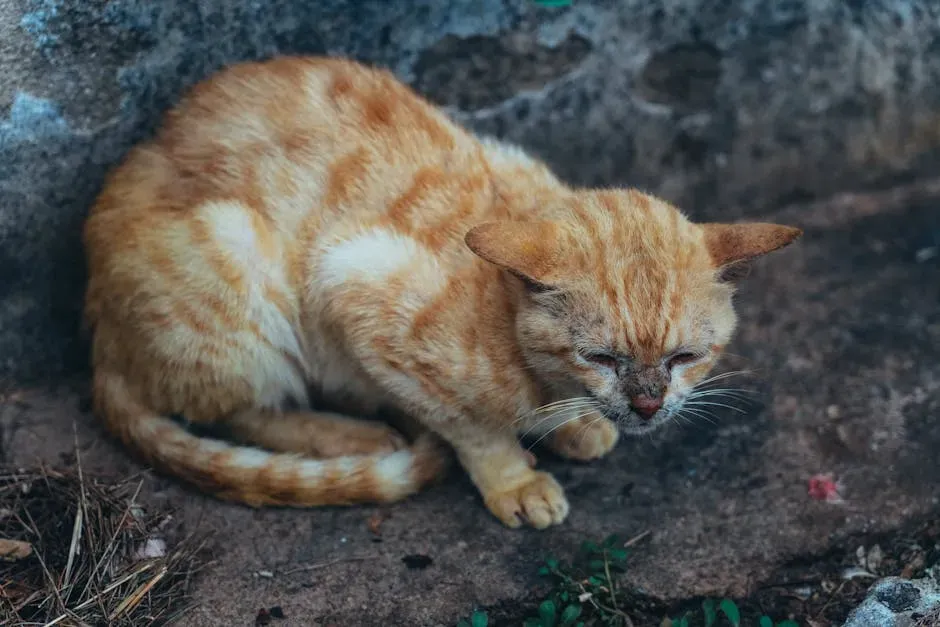
Cats are notoriously clean animals, so if you spot your cat’s grooming routine being neglected, this may be a sign that they are suffering from a low mood, anxiety, or stress. A dull, matted, or unkempt coat in a cat that used to look sleek is a clear signal that something has shifted emotionally or physically.
A lack of grooming is one of the clearest signs a cat is unhappy. Conversely, some cats over-groom when anxious, licking themselves so much they create bald spots. So the sign isn’t always neglect. Sometimes it’s the opposite extreme.
Neglecting regular grooming can lead to matted fur, which can be painful and even cause skin infections. Overgrown nails are another sign of neglect, which can cause discomfort and pain when walking or even lead to arthritis in older cats. Either pattern, too much grooming or too little, warrants a vet conversation.
3. Their Appetite Has Changed
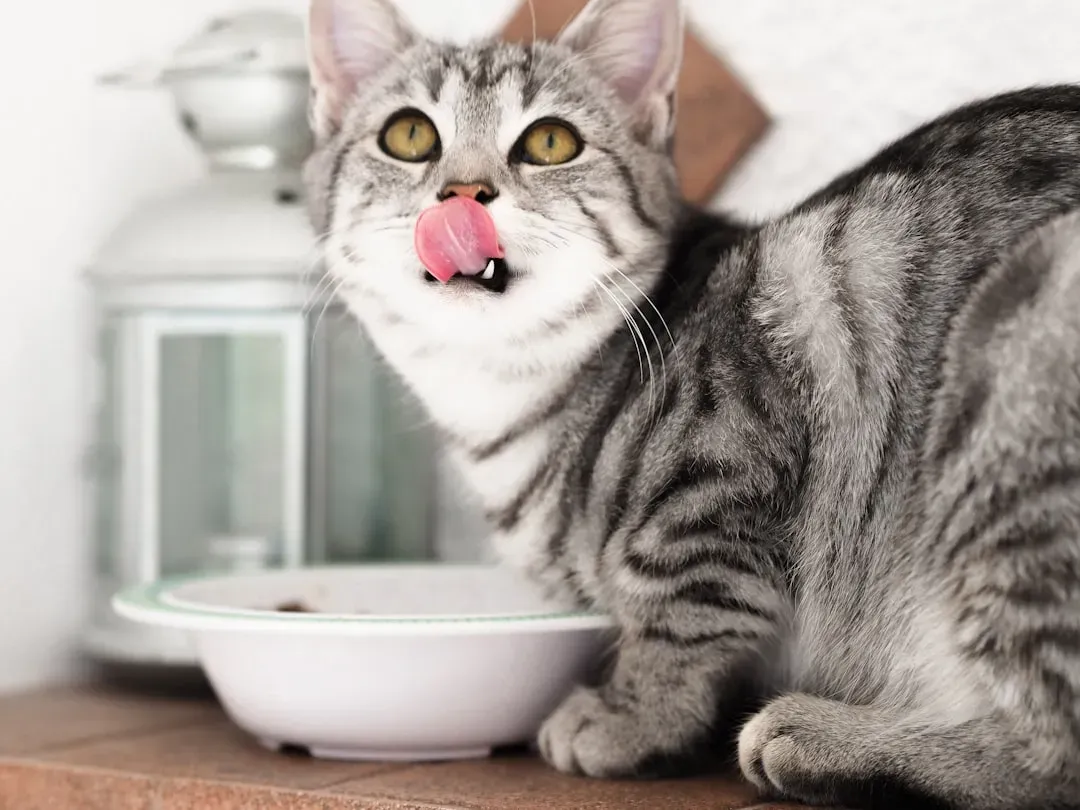
If a cat is unhappy, they may suddenly stop eating. They may even turn down their favorite treats. While less common, unhappy cats may also increase their food intake as a way to self-soothe. Regardless of whether they’re eating more or less, a change in appetite can indicate that cats aren’t feeling like their normal happy selves.
Cats have evolved to seek variety in their diets to give them a better chance at meeting their nutritional requirements. A cat that shows changes in appetite should always be evaluated by a veterinarian in case the change is due to a medical condition.
Don’t write off picky eating as a personality quirk too quickly. When a cat that normally cleans their bowl starts leaving food untouched, that shift in routine is meaningful. Track the change for a day or two, then call your vet if it continues.
4. Their Sleeping Patterns Have Shifted
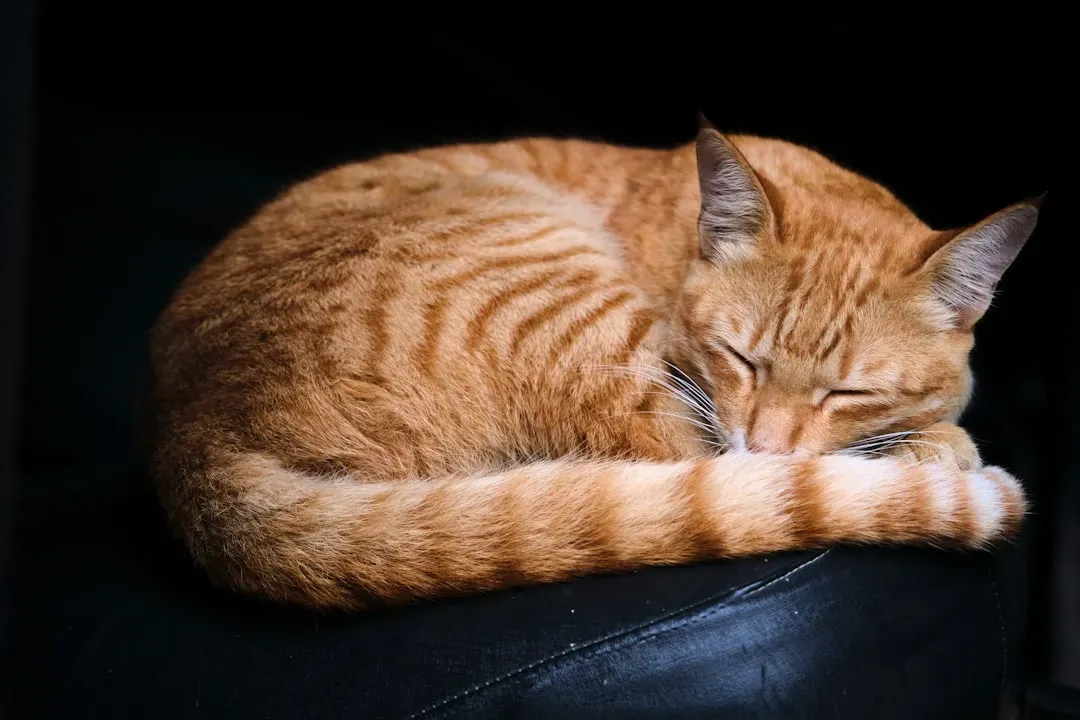
Cats sleep an average of 12 to 16 hours every day. However, if you notice they’re sleeping much more than usual or much less than usual, it could be an indication that they’re unhappy or unwell. Also, a change in the location where they normally sleep can be a clue that they’re not feeling like themselves.
A depressed cat will sleep even more than usual. If you notice a sudden change in your cat’s sleeping pattern, it means they could be unhappy. Unusually low energy is a red flag for unhappy cat behavior, suggesting a mental or physical problem.
It’s a small thing to notice, but the spot where a cat chooses to sleep says a lot. If they’ve moved away from their usual perch near you and started sleeping alone in corners or behind furniture, that isolation is worth paying attention to.
5. Their Vocal Behavior Has Changed
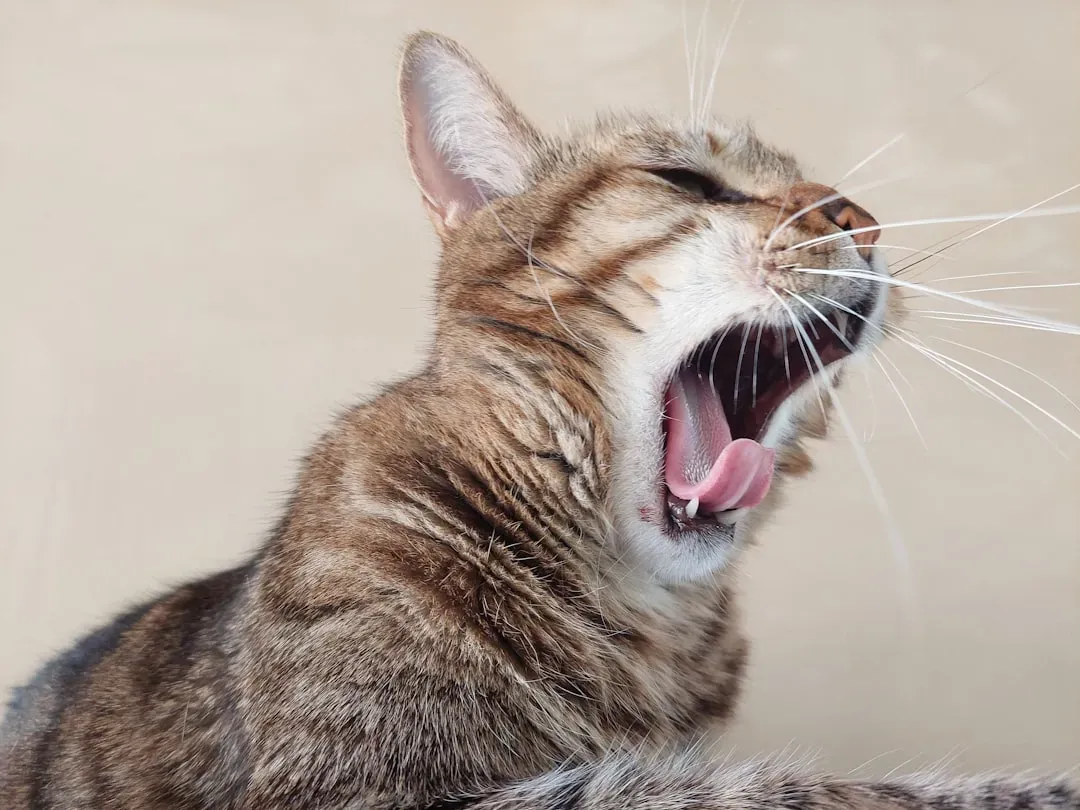
Changes in your pet’s usual vocal behavior are generally the best indicators that something is wrong. If your normally loud cat is quiet, or your quiet kitty is loud, then it’s time to call your veterinarian. The change itself is the signal, not the volume.
A change in a cat’s vocalizations could indicate that something is awry. In particular, a loud, mournful yowl that’s low in pitch can be their way of saying that they’re unhappy. Even purring can be an unhappy cat behavior. Purring can sometimes be a sign that your cat is trying to comfort herself.
This one surprises a lot of people. Most of us assume purring means contentment. It is important to note that a cat’s purr does not always indicate happiness. Even cats that are unhappy or in pain may purr. Context matters. If your cat is purring while also showing tense body language, trust the body, not the sound.
6. Their Body Language Has Become Tense or Withdrawn
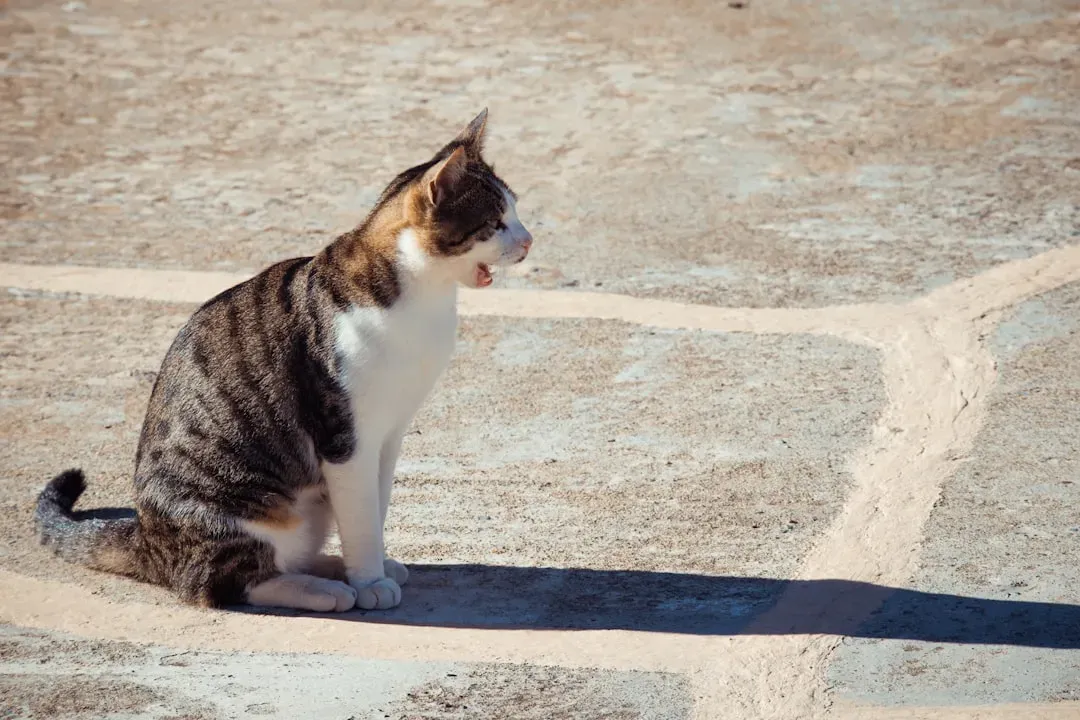
If a cat is flattened to the ground when they’re unhappy, their tail will likely be tucked close to their body. If they’re arching their back, their tail will look tense and they might hold it upright with the fur standing on end. If your cat twitches their tail rapidly backwards and forwards, this is often a sign they’re getting upset or angry.
Lowered body positions, being more slinky or trying to move inconspicuously, lack of jumping or investigating novelty, unusual tail position, and a change to rubbing against you and other objects can indicate stress, worry, or depression.
Think of body language as your cat’s daily weather report. If your cat is unhappy, you’ll find their ears are a lot lower than normal or even flat against their head. A cat holding a consistently tense or low posture throughout the day, and not just during play, is communicating something that deserves your attention.
7. They’ve Lost Interest in Play and Exploration
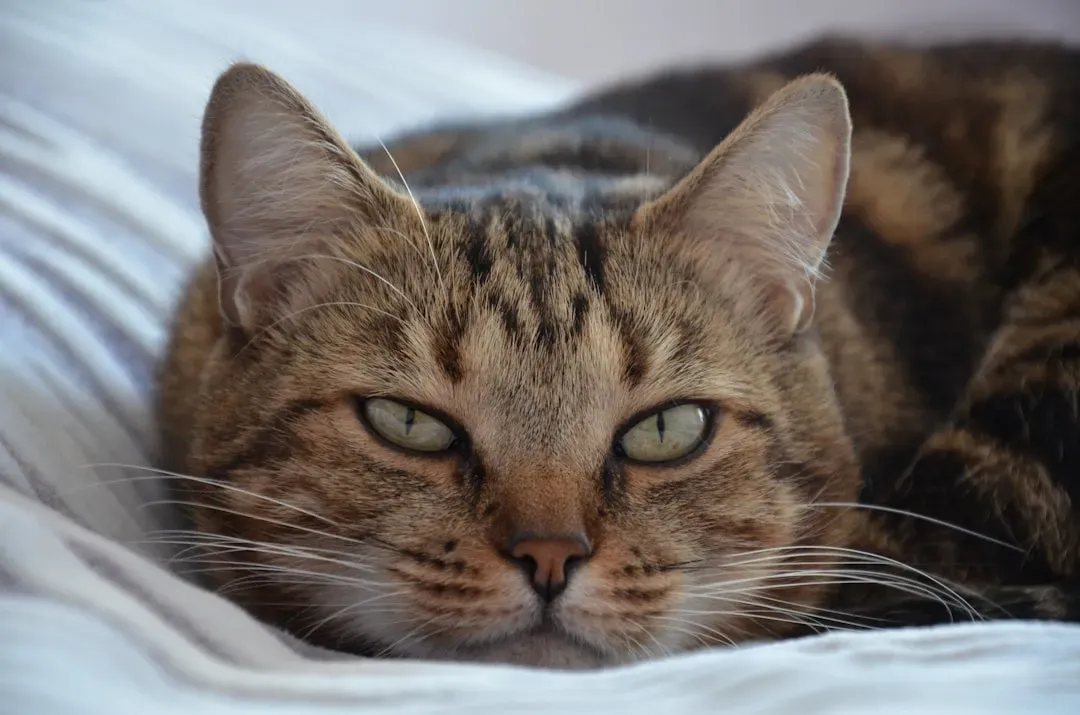
Cats in a home can be bored. If all your cat does is lie around, they might be under-stimulated. You might think they’re just lazy, but a bored cat may have simply given up and accepted their boredom. Bored cats are inactive and can become obese.
Loss of interest in play or favorite activities, including toys, routines, or treats they once enjoyed, along with decreased curiosity such as less window watching, exploring, or reacting to familiar sights and sounds, are common signs of emotional withdrawal.
A cat who used to chase feather wands and watch birds from the windowsill going completely still and uninterested is not “just getting older” by default. Simulating hunting behaviors keeps cats mentally stimulated and active. If interactive play sessions no longer spark any response, that drop in engagement is something to take seriously.
8. They’re Using the Litter Box Differently
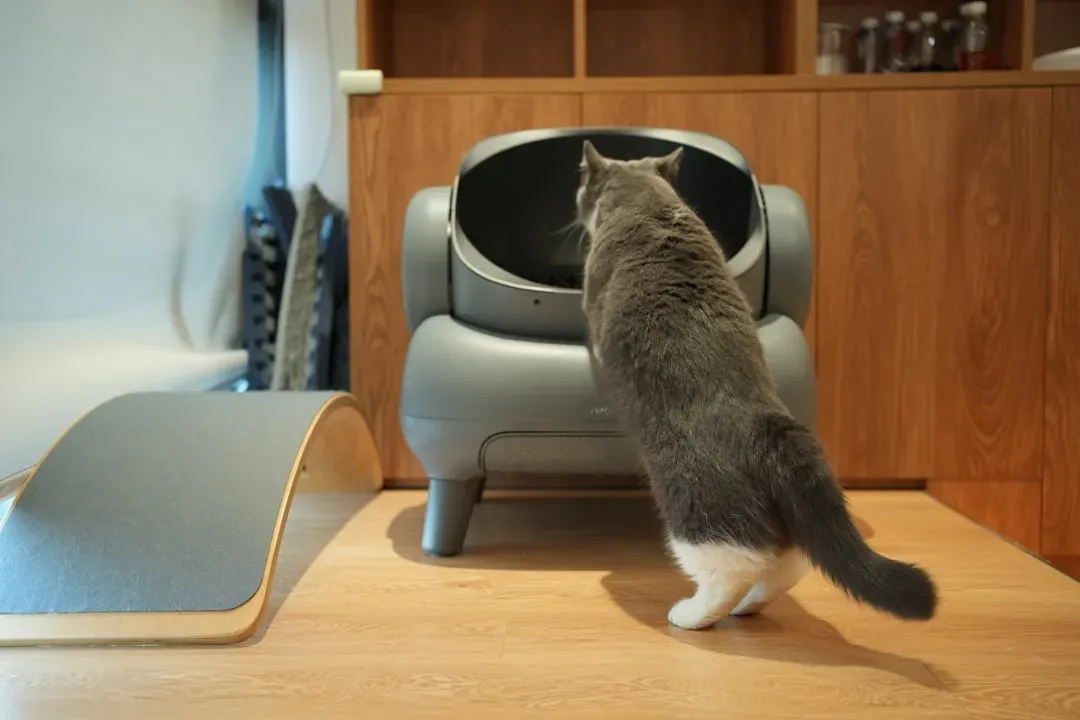
One of the most common signs of stress in cats is urinating outside the litter box. Cats usually do this because the smell of their own urine is comforting for them, and litter absorbs the smell. It’s a coping mechanism, not spite, and it’s important to respond with patience rather than frustration.
Urinating outside of the litter box can also have medical causes, such as urinary tract infections, stones or crystals in the urinary tract, or underlying kidney issues. So if your cat begins peeing outside the litter box, talk to your veterinarian to address any potential health concerns before focusing on stress-reduction measures.
Litter box changes, including avoidance, accidents, or changes in frequency, are significant and should never be ignored, as they often point to discomfort or illness rather than emotional sadness alone. A clean, private, and accessible litter box is one of the simplest things you can provide for a stressed cat.
9. They’ve Become Unusually Aggressive or Withdrawn Around People
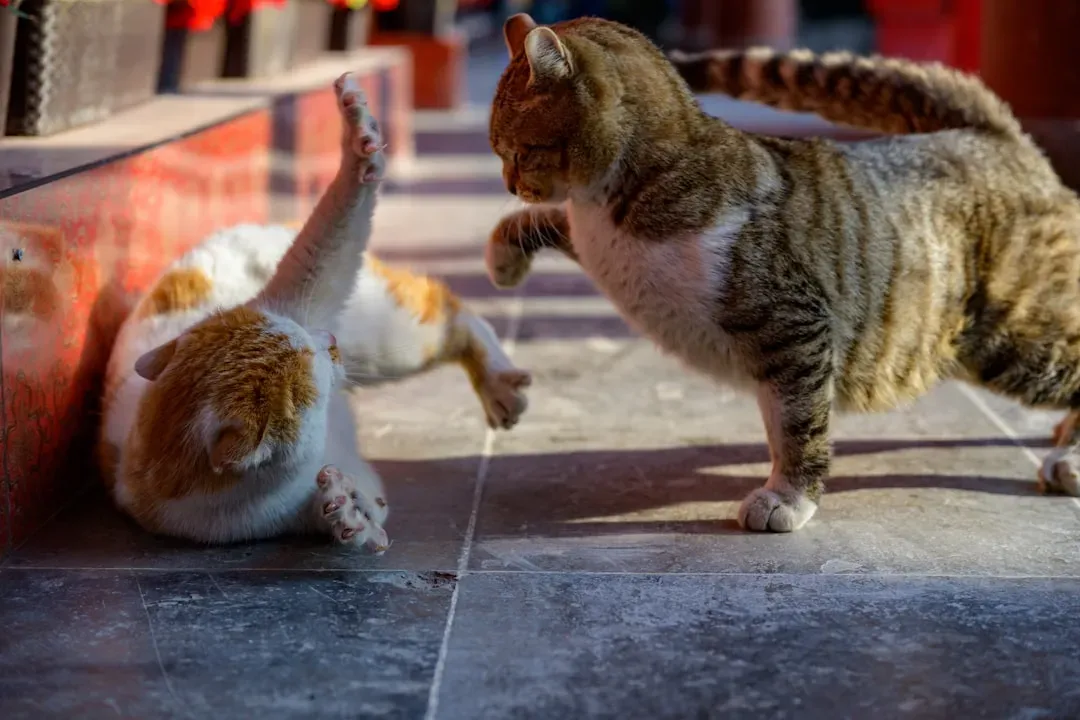
An unhappy cat can become aggressive and hostile. If your cat is normally friendly and social but suddenly becomes abnormally aggressive, then something is up. This shift often startles owners who aren’t expecting it from a cat that’s always been gentle.
Some cats prefer a little isolation, but if your pet is actively trying to avoid you or other people and pets in the house, they may be stressed. If your furry friend actively avoids you when they’re normally playful or keeps away for longer than usual, it can be a sign they’re mad, scared, or anxious. Cats will keep their distance when they get confused by a sudden loud voice, quick movements, or even an unfamiliar smell.
The key word here is “suddenly.” All cats have off days. The pattern to watch for is a consistent personality shift over several days or weeks, not a single grumpy afternoon after a trip to the vet.
10. Their Routine Has Fallen Apart
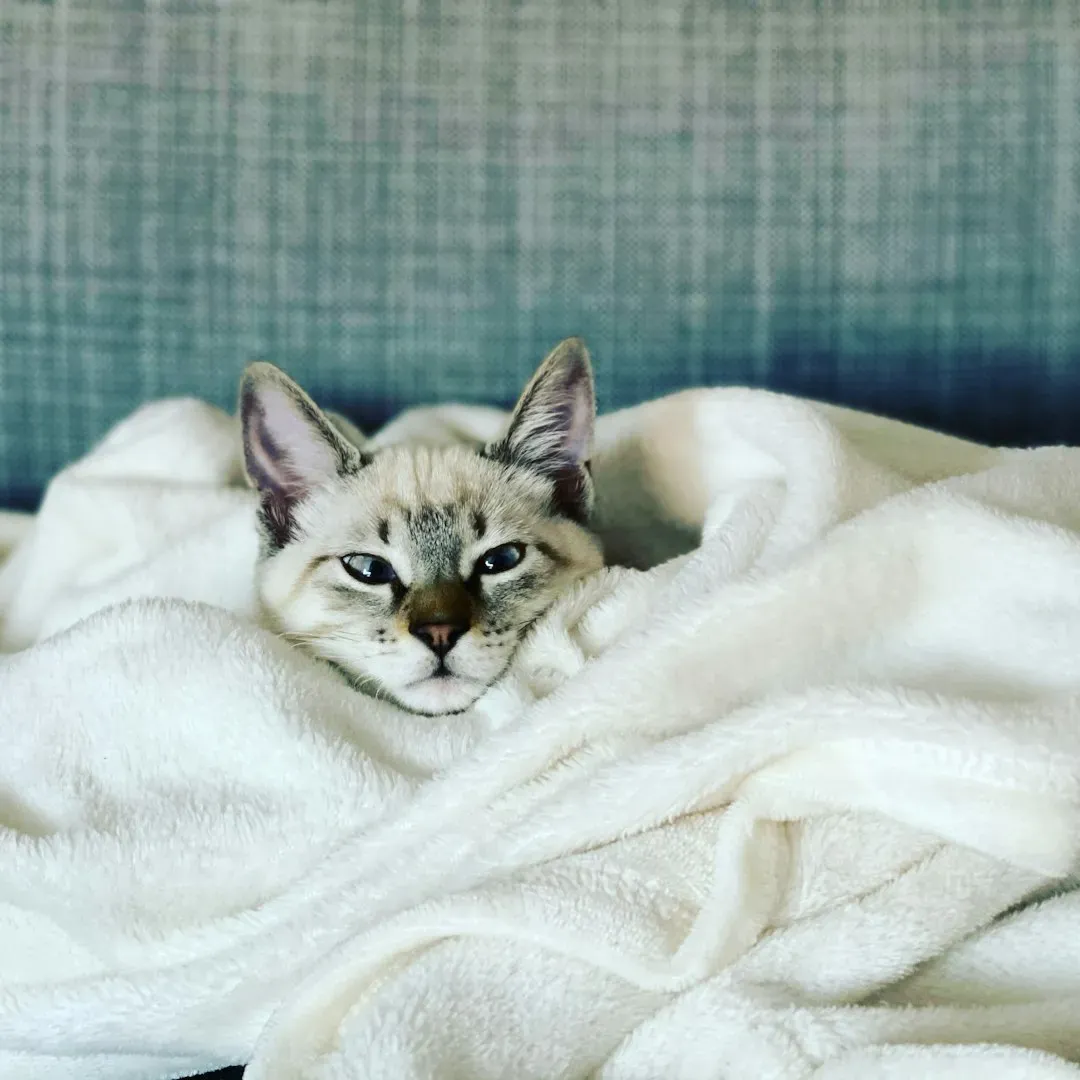
Cats tend to flourish when their daily activities follow a consistent pattern and timetable. Cats that all of a sudden deviate from their usual habits might be showing signs of distress. Routine isn’t just a comfort for cats. It’s something close to a psychological anchor.
Moving houses can be stressful for cats, as the sudden change might restrict their usual activity patterns. Relocating to an apartment might prevent an outdoor cat from accessing familiar outside spaces. Changes to working schedules, caretakers, or daily household patterns can also upset a cat’s routine.
Moving familiar objects can disrupt a pet’s environment. Changing the location of food and water dishes, litter trays, or favorite furniture can unsettle your cat. Feeding time, your work schedule, and playtime are routines your cat relies on. When those anchors shift, even slightly, some cats feel it keenly.
What to Do When You Spot These Signs
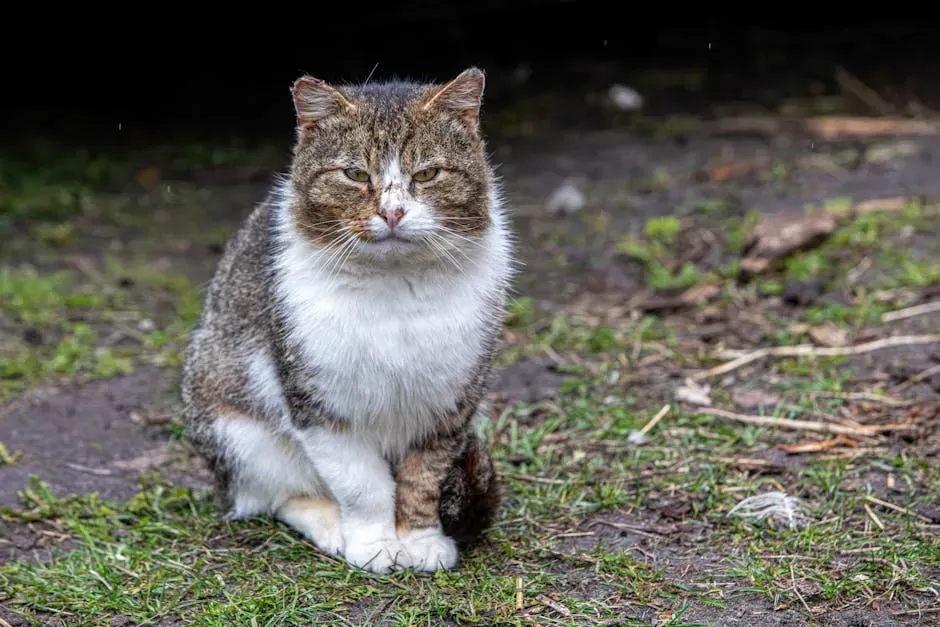
Emotional sadness in cats doesn’t always stay emotional. When left unaddressed, ongoing stress or depression can contribute to physical health issues, weakened immune systems, and behavior problems that may require medical intervention. By learning how to spot the early warning signs of sadness, cat parents can take proactive steps to support their cat’s emotional well-being and help prevent small issues from becoming more serious ones.
Providing your cat with sufficient environmental enrichment through plenty of positive attention, including petting, grooming, and interactive play, is a good starting point. The use of cat puzzle toys and treat-dispensing toys can also be helpful. Setting up an ideal space with all the resources your cat needs to feel comfortable and express normal behaviors makes a meaningful difference.
Depression in cats is generally a temporary condition that responds well to timely intervention. If you notice subtle signs of a depressed cat, schedule a wellness examination to rule out underlying conditions. Your vet is always the best first call when you’re unsure what you’re dealing with.
Conclusion
Living with a cat means learning a whole second language. It’s quieter than barking, less obvious than wagging, and easy to misread if you’re not paying close attention. The ten signs above are your translation guide.
None of them alone spells disaster. It’s the combination of signs, and how long they persist, that tells the real story. Spotting behavioural changes early will give you the best possible chance of helping your cat get back to their normal self as soon as possible. Sometimes the changes will be very obvious, but on other occasions, the signs may be more subtle.
The fact that you’re reading this article already says something good about you as a cat owner. Cats can’t ask for help. They rely entirely on the people who share their space to notice when something feels wrong and to care enough to act on it. That kind of quiet attentiveness is, in the end, one of the most loving things you can offer them.


