
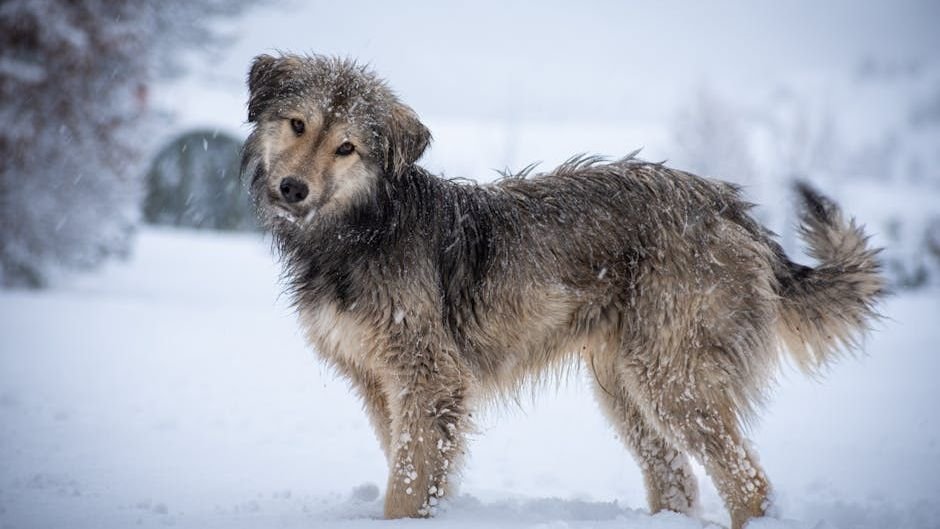
Picture this: it’s a July afternoon in Tampa, and your backyard thermometer reads 94°F with humidity so thick it feels like breathing through a warm, wet towel. You look down at your dog. Is your pup genuinely happy out here, or are they just being a good sport while quietly suffering?
Florida is an incredible place to share life with a dog. The proximity to beaches, water features, and pools delivers an essential reprieve for pets when conditions get sticky and sweaty. Still, the Sunshine State’s climate is not one-size-fits-all when it comes to canine comfort. Breeds with shorter coats, lighter builds, and a love for water activities generally do better in warmer climates, and those that are not prone to overheating or heat-related health issues are simply happier here.
A few key differences set warm and cold-weather-tolerant dogs apart: coat type and color, ear shape, and muzzle length. The best dogs in hot weather have short, single, or hairless coats – this no-frills fur allows air to circulate throughout the body and doesn’t retain heat. Whether you’re a lifelong Floridian looking for your next companion or someone relocating from up north and wondering whether to bring your fluffy Malamute, this guide was written with your dog’s wellbeing front and center.
1. Labrador Retriever: Florida’s Reigning Champion
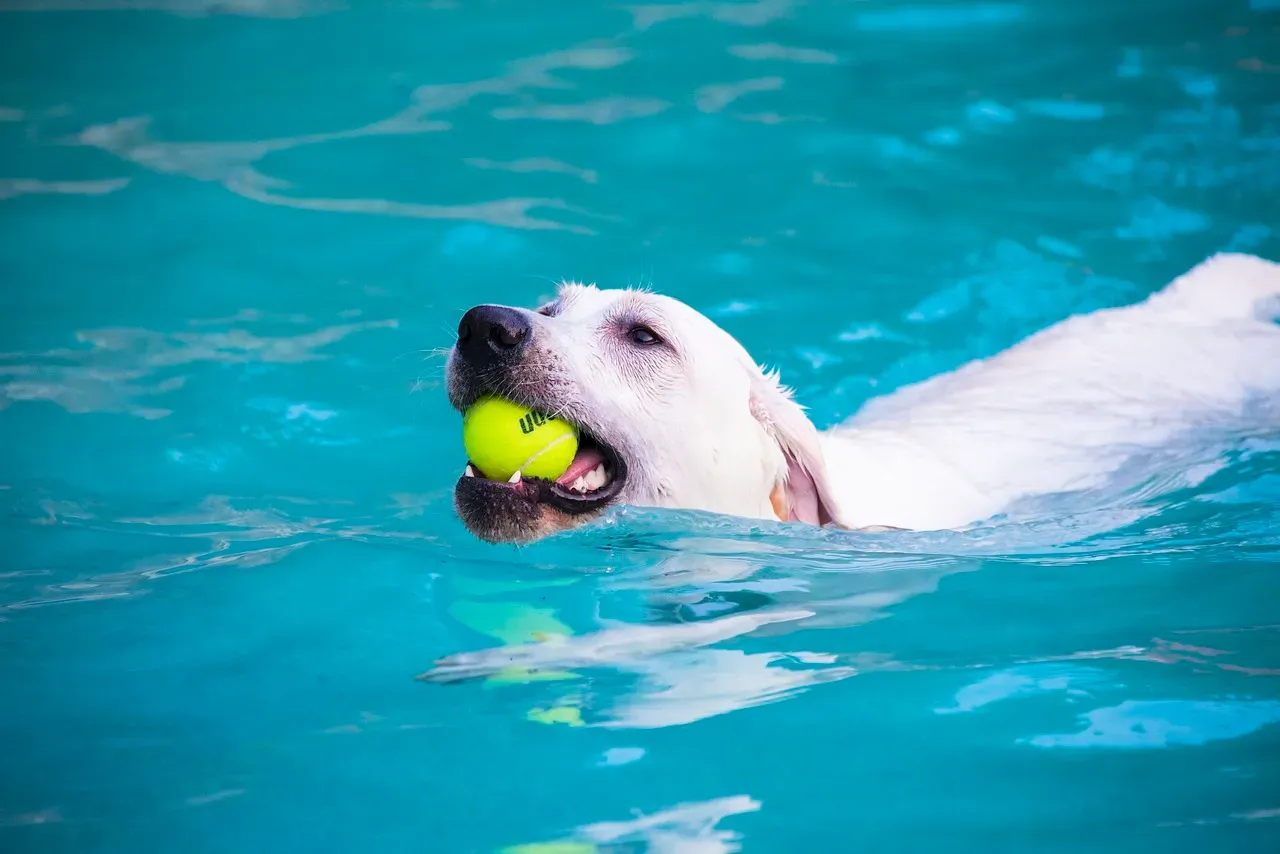
It probably comes as no surprise that the Labrador Retriever tops the list for Florida living. Labrador Retrievers are the most popular dog in Florida, and it’s not hard to see why. They are gentle, intelligent, loyal, and extremely friendly, and they also love the water, which makes them perfect for Florida’s hot climate. Whether it’s a quick morning swim at a dog-friendly beach or a backyard kiddie pool session, Labs are happiest when they’re wet.
Their dense, water-resistant double coat was purpose-built for just this kind of lifestyle. Labs shed their undercoat seasonally, helping them manage the heat. It’s crucial to keep an eye on hydration, exposure to UV rays, and exertion levels on hot days, so aim for early morning walks before the pavement heats up and keep fresh water flowing all day long. A Lab who gets enough activity and splash time is one content, tail-wagging roommate.
2. Chihuahua: Small Dog, Big Heat Tolerance

The Chihuahua originally hails from the deserts of Mexico, so they make a perfect companion during hot summer days. Their short coats, small stature, and big ears make them pros at reducing their body temperature and hardly noticing the heat. Those distinctive upright ears do more than look adorable – the shape allows airflow over expanded blood vessels in the thin skin to cool both sides.
Chihuahuas are perfect for Florida’s warmth due to their small size and short coats. They require minimal grooming and enjoy basking in the sun, making them ideal companions in warm climates. However, care should be taken to avoid prolonged exposure to extreme heat. Their petite size also means they cool down faster in the shade or indoors. Keep an eye on hot pavement – those tiny paw pads burn fast.
3. Italian Greyhound: Built Lean, Built for Sun
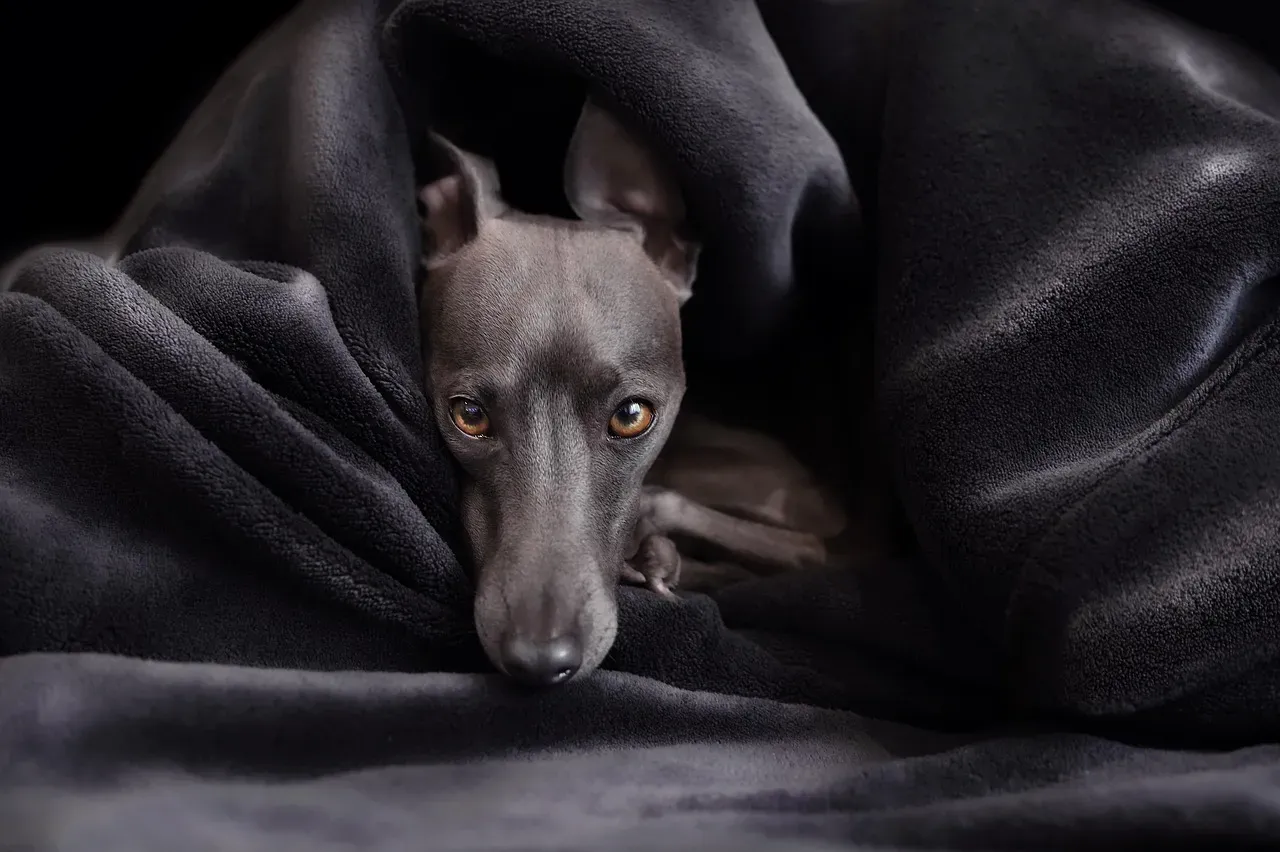
If you don’t plan on taking frequent trips to cold climates with your pup, the Italian Greyhound is a nice companion for Floridians. With a thin, short coat that can’t protect against snow, it’s best to keep this breed down south, as they thrive in sunny climates. The slender Italian Greyhound tends to carry low body fat and often requires a sweater when temperatures drop. In Florida, that last detail is almost never a concern.
The Italian Greyhound is much more in their element in hotter weather than in colder climates due to their thin coat and lithe physique. This sprightly, affectionate dog is elegant in form, loves running around the house, and is generally quite comfortable outdoors in warm weather. They’re surprisingly energetic for their size, but equally happy curling up on a sun-warmed sofa. Think of them as a heat-seeking missile in the best possible way.
4. Australian Cattle Dog: The Hardworking Heat Survivor
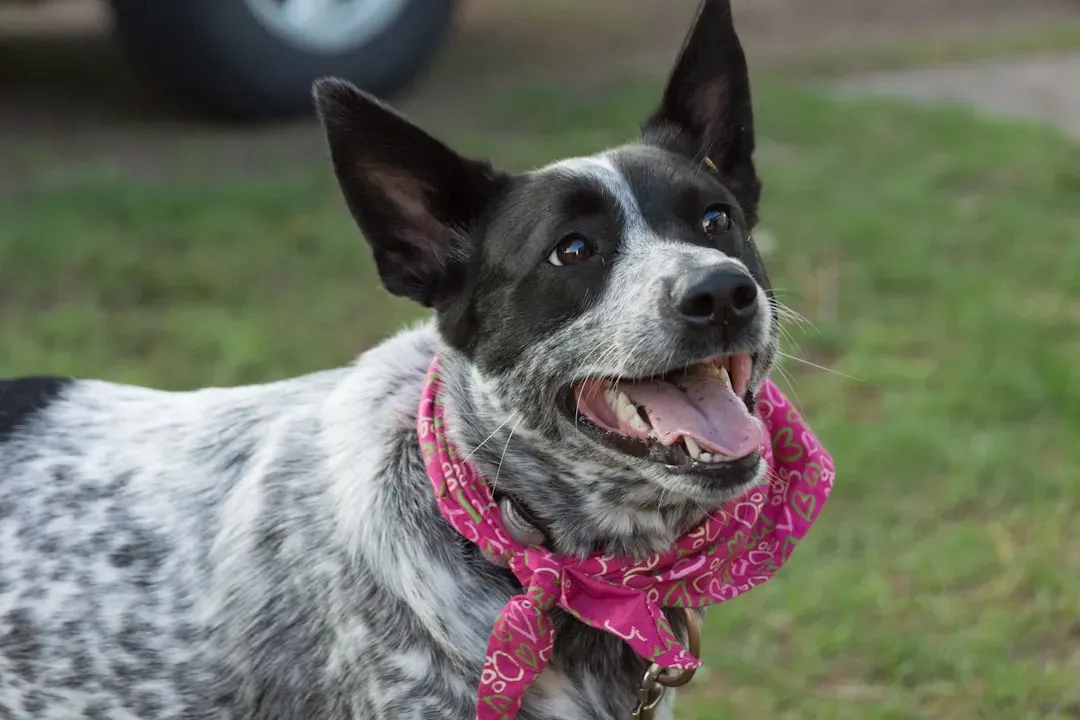
Hailing from hot-weather Australia, the Australian Cattle Dog is related to the Dingo in the outback and is accustomed to working in hot weather. These medium-sized dogs have a short double coat to keep them cool during long days of herding livestock, while providing insulation and protection when temperatures cool down later at night. That’s a genuinely clever design from centuries of natural working conditions.
Australian Cattle Dogs have a short, weather-resistant coat that can handle a variety of climates including hot ones. These dogs are highly energetic and thrive in active environments. They are intelligent and robust, making them well-suited for working or active families. Be honest with yourself, though – this breed needs serious daily exercise. A bored Cattle Dog in a small apartment will redecorate. Enthusiastically.
5. Great Dane: The Gentle Giant Who Loves to Lounge
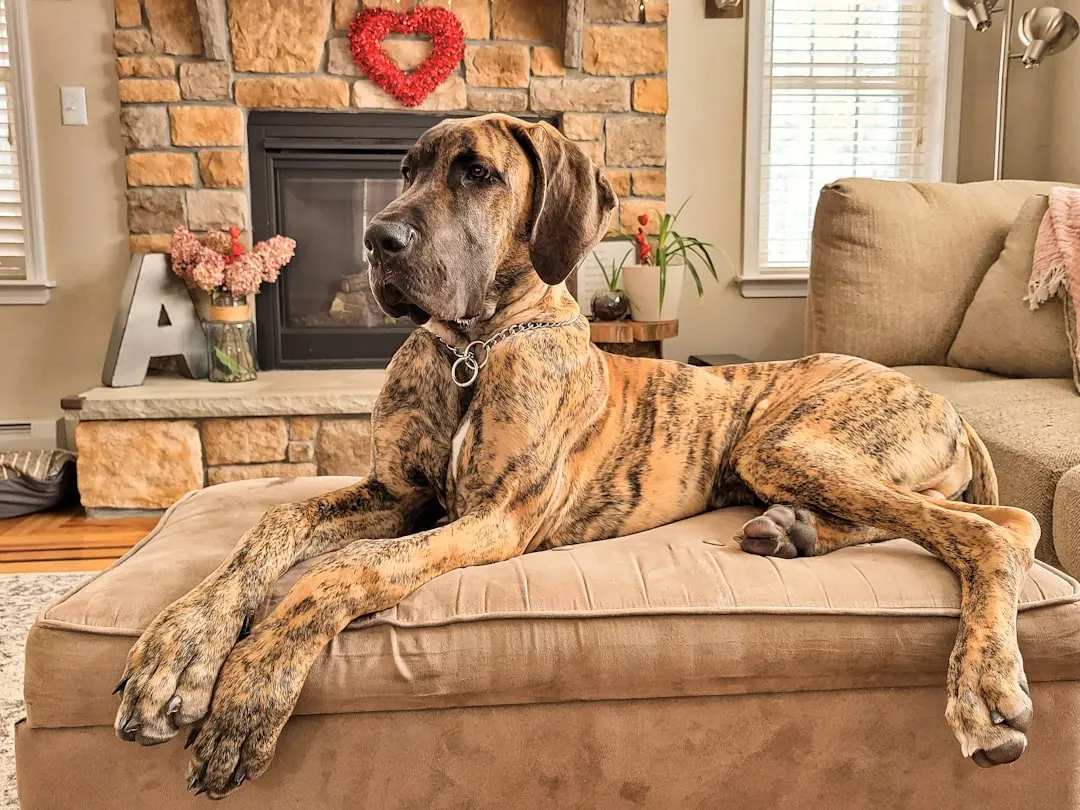
Great Danes will be happy to spend all day lounging, whether on the couch or in the sun. With short fur and a low body fat percentage, Great Danes are comfortable being outdoors and will be your companion at the pool or beach without worry. Their light-colored coats and long muzzles also work in their favor in the heat. The Great Dane is a large dog with numerous characteristics ideal for withstanding the heat: short hair, a long muzzle, and a lean build.
Yes, they’re enormous. Yes, they drool. But their low-energy temperament is perfectly matched to Florida’s hot afternoons, when really no one – dog or human – wants to do much of anything. Great Danes have short hair, which keeps them cool when it’s hot outside. This breed comes in many colors, including white, brindle, and fawn. If you have a black or darkly colored Great Dane, you’ll need to watch out for them getting too hot, as black absorbs the heat of the sun rather than reflecting it.
6. Dalmatian: The Spotted Sunbather
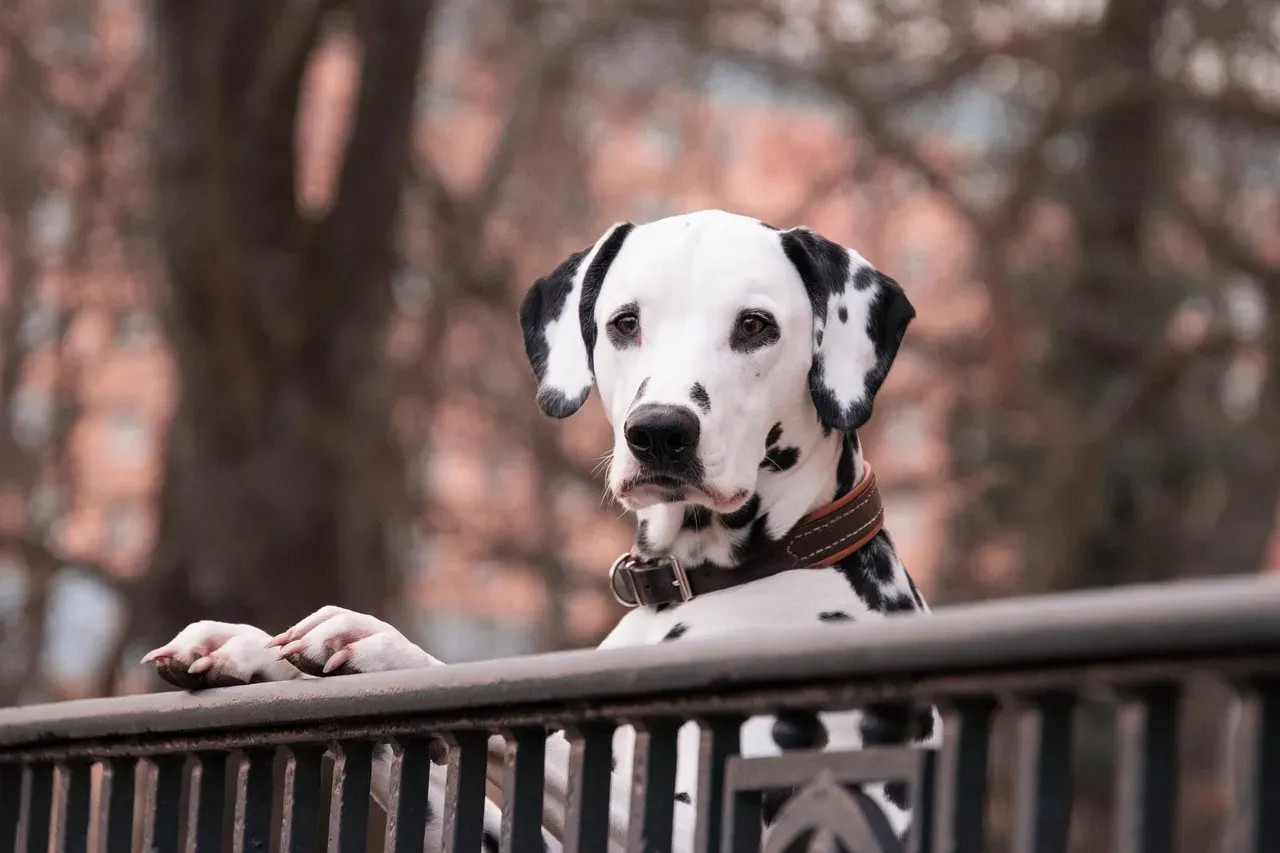
Dalmatians are renowned for their striking appearance with distinct black or liver spots. They were originally bred as carriage dogs and have a short, dense coat that doesn’t trap heat. This energetic breed enjoys physical activities, making it well-suited for an active lifestyle in a hot climate. Their lean, muscular physique genuinely handles Florida’s temperatures with ease.
The highly intelligent and obedient Dalmatian is a dog breed that doesn’t mind hot weather. Dalmatians have lean, muscular physiques with very little body fat, which means they don’t have the insulation to keep warm for very long in cold weather. This is perfect for hot weather, however, and so is their short white hair. Their white hair reflects the sunshine, and all those black little spots aren’t enough to cause them to overheat. Schedule morning and evening exercise sessions to keep them happily stimulated.
7. Vizsla: The Velcro Dog Who Loves Warm Weather

The Vizsla is a Hungarian breed known for its sleek, short coat that is ideal for hot weather. With their high energy levels and athletic build, Vizslas need plenty of exercise, which they handle well in warmer temperatures as long as they have adequate hydration. Their short coat is easy to maintain, and they are known for their affectionate nature and agility. In Florida, a Vizsla with a backyard and an active owner is an absolutely thriving dog.
When it comes to weather, Vizslas have certain sensitivities due to their short coats. They are not well-equipped for cold climates, lacking an undercoat to provide insulation. Vizslas fare better in warmer climates, thanks to their short, sleek fur. One important heads-up: these dogs are known for being deeply bonded to their humans. Their need for human interaction is high, making them less suitable for environments where they would be left alone for extended periods. They’re not a “leave them in the yard all day” kind of dog.
8. Havanese: Cuba’s National Dog Is Right at Home

The Havanese breed was developed in a tropical climate in Cuba. They have a unique coat of long, silky hair that acts as a natural insulator, helping to protect them from the sun’s rays and providing a barrier against excessive heat. Along with their luxurious coat, Havanese dogs have a smaller size which helps them disperse body heat more effectively, enabling them to better handle hot weather. It’s almost poetic that Cuba’s national dog thrives so naturally in Florida’s similar climate.
Havanese dogs are very adaptable to new environments and can accommodate any home or family size. They thrive well in hot temperatures because of their coat and can easily become unwell if exposed to cold weather. Havanese don’t shed, which makes them largely hypoallergenic and perfect for dog lovers with allergies. Their social, affectionate nature makes them wonderful companions for families, seniors, and apartment dwellers alike. Just be sure to keep that silky coat regularly groomed to prevent matting in the humidity.
9. Chinese Crested: The Hairless Wonder of the South

The Chinese Crested, available in both hairless and powderpuff varieties, thrives in warm climates. The hairless variation is particularly suited to Florida’s heat, requiring sun protection but minimal coat maintenance. Mainly hairless, the Chinese Crested tolerates hot weather. It was developed in China and bred down from large hairless dogs from Africa. This toy-group member’s coat is either hairless or soft and silky, and its ears are large and erect, which gives the breed a fanciful appearance.
The one real caveat with this breed is sun sensitivity. Like most hairless dogs, the Chinese Crested is more prone to sunburn. They should have dog sunscreen applied to their skin before any prolonged exposure to the sun. Think of it the way you’d think about your own beach prep. Keep a bottle of dog-safe sunscreen handy, limit midday outdoor time, and you’ll have a happy, quirky, sun-savvy companion on your hands.
10. Whippet: The Sleek Sprinter Built for Sunshine
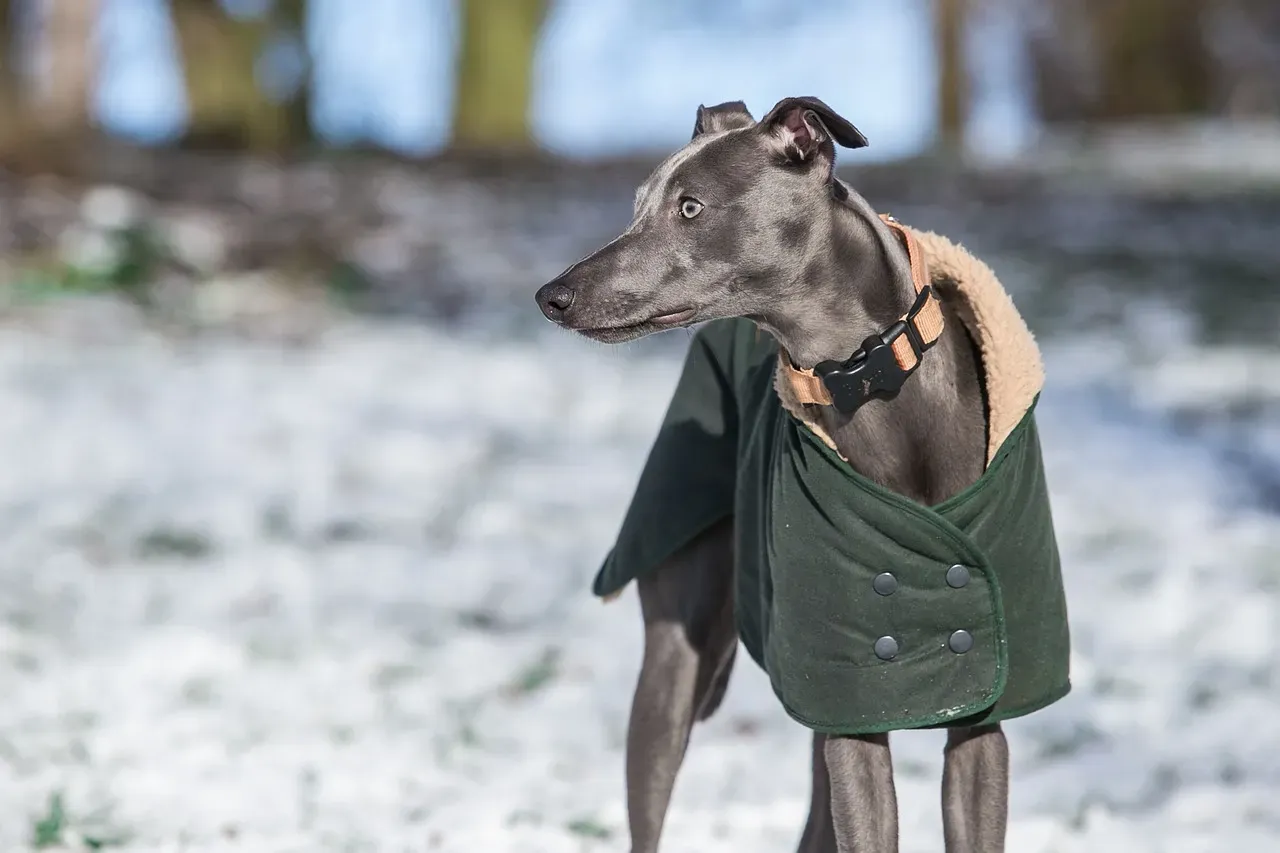
Whippets are built for speed and agility, but their playful and gentle nature makes them fantastic four-legged companions. Their slender frame, long snout, and thin, short coat help to keep them cool and comfortable in the summer sun. Similar to Greyhounds, Whippets possess a sleek, short coat and a love for speed. They thrive in warm weather given their exercise needs are met. Their playful nature and adaptable personality make them great pets for active Florida families.
Whippets are a fascinating blend of sprinter and couch potato. They’ll tear across a dog park at full tilt, then spend the rest of the afternoon sleeping in a sunny corner. In Florida, that routine is genuinely ideal. The Whippet is a Greyhound look-alike and a hound-group member bred to pursue and capture rabbits and race other Whippets. This breed’s smooth, super-short, thin coat comes in various patterns and colors. Minimal grooming, minimal fuss, maximum Florida lifestyle.
—
5 Breeds That Need a Colder Environment
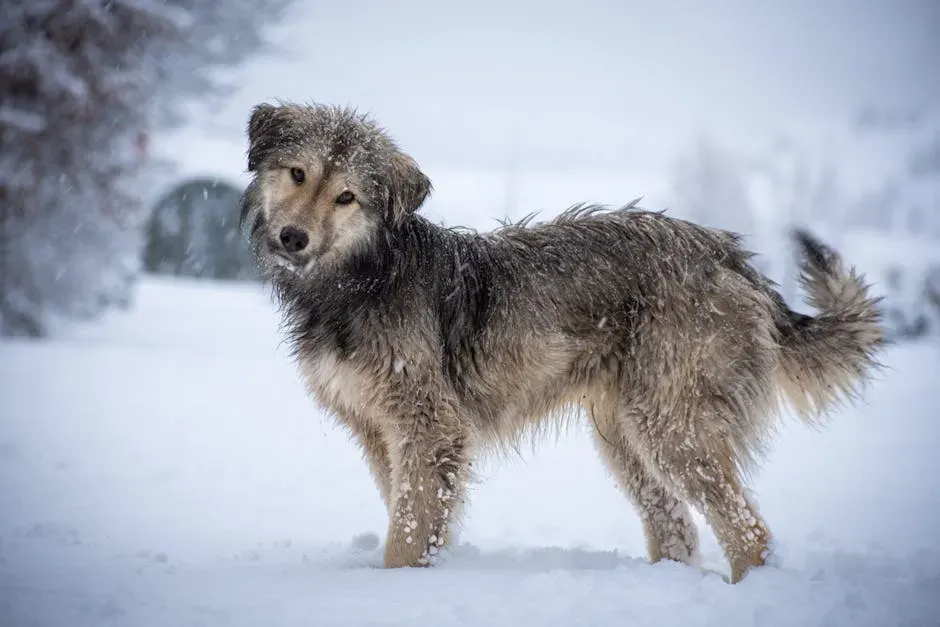
Now, let’s have an honest conversation. Some dogs are simply not built for Florida. That doesn’t mean you can’t care for them here with the right precautions, but it does mean you’ll be constantly working against their biology. Here are the five breeds that genuinely struggle in Florida’s heat, and what to watch for if you already own one.
1. Siberian Husky: Born for the Tundra, Not the Tropics
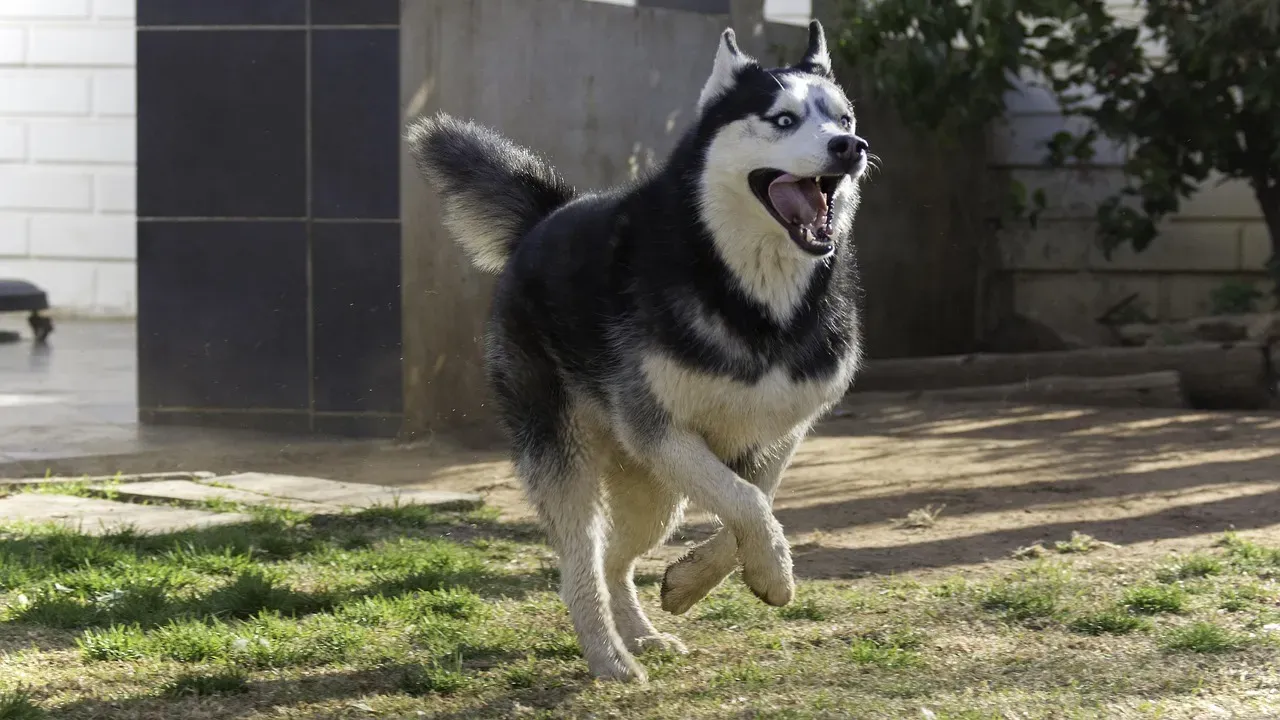
Siberian Huskies are known for their thick double coats – an undercoat and a protective topcoat – that kept their ancestors cozy on Siberian tundras. While this fur provides insulation in cold weather, it also means they’re built to retain heat rather than shed it efficiently in warm weather. Siberian Huskies struggle in warm weather due to their thick double coats. These dogs were bred for cold climates and have difficulty regulating their body temperature in hot conditions. Huskies can quickly overheat during outdoor activities in warm weather.
If you own a Husky in Florida, vigilance is non-negotiable. Pet parents should watch closely for the early signs of heat stress, which can include excessive panting, drooling, and lethargy. If your dog appears unusually tired, unenthusiastic about play, or is seeking shade and water constantly, these can all be signs that your Husky is too warm and needs a cool break. Monitoring their behavior during summer days helps prevent dangerous heat-related illnesses. Air conditioning isn’t a luxury for this breed in Florida – it’s life support.
2. Alaskan Malamute: Built for Arctic Loads, Not Florida Mornings
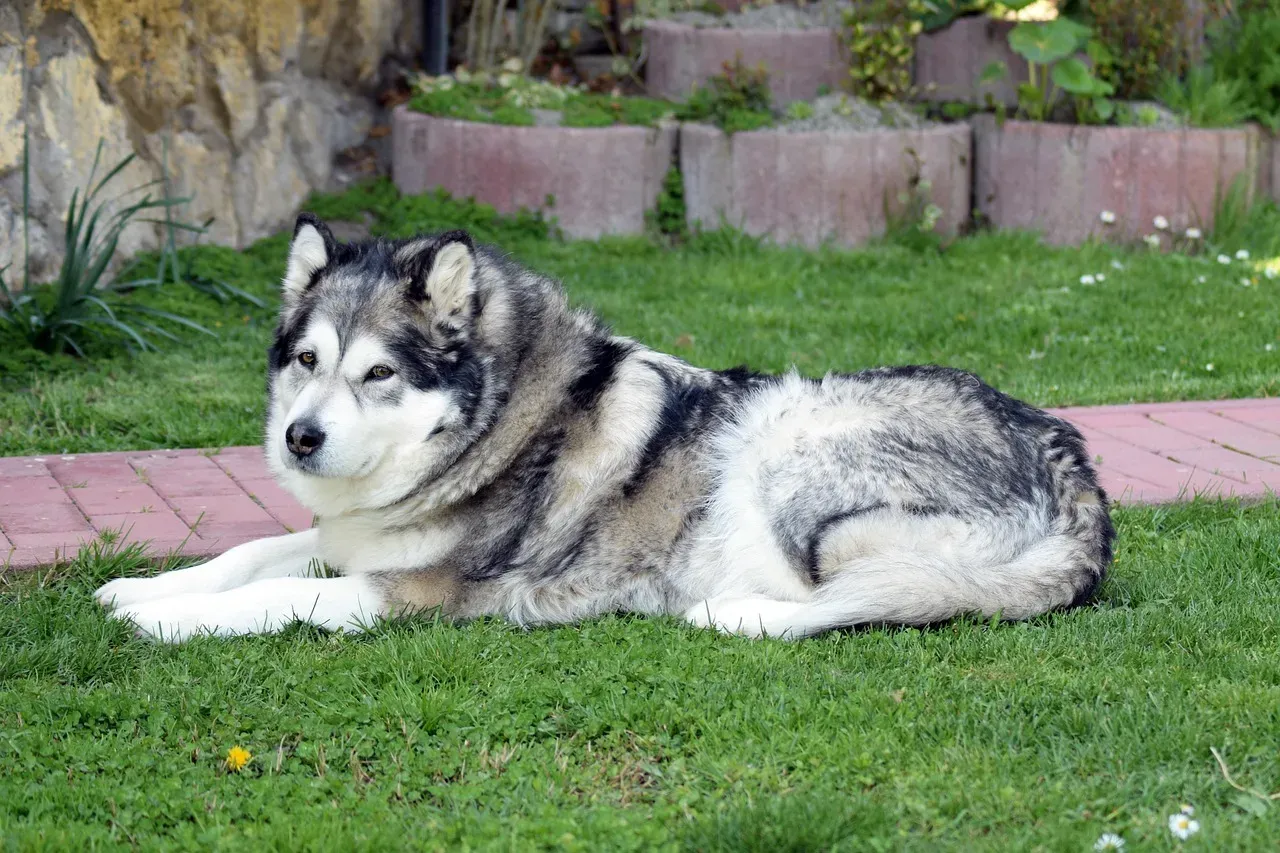
The Alaskan Malamute was bred to pull heavy loads in freezing Alaskan temperatures. This makes them one of the best dog breeds for cold weather, but one of the worst for hot climates. These dogs were bred for cold climates and have difficulty regulating their body temperature in hot conditions. Their dense fur, designed to protect against Arctic cold, traps heat and makes it challenging for them to cool down. Florida’s humidity compounds this problem significantly.
Malamutes are prone to overheating and heat exhaustion when exposed to high temperatures. These large, muscular dogs also generate significant body heat through physical activity. In warm weather, even moderate exercise can quickly lead to discomfort and potential health risks for Alaskan Malamutes. Keeping your Malamute inside during the hottest parts of the day and routinely grooming them with a comb or undercoat rake to remove excess fur can help your dog stay comfortable in the summer. Still, this breed truly belongs somewhere cold.
3. Chow Chow: A Walking Fur Coat in the Wrong Climate
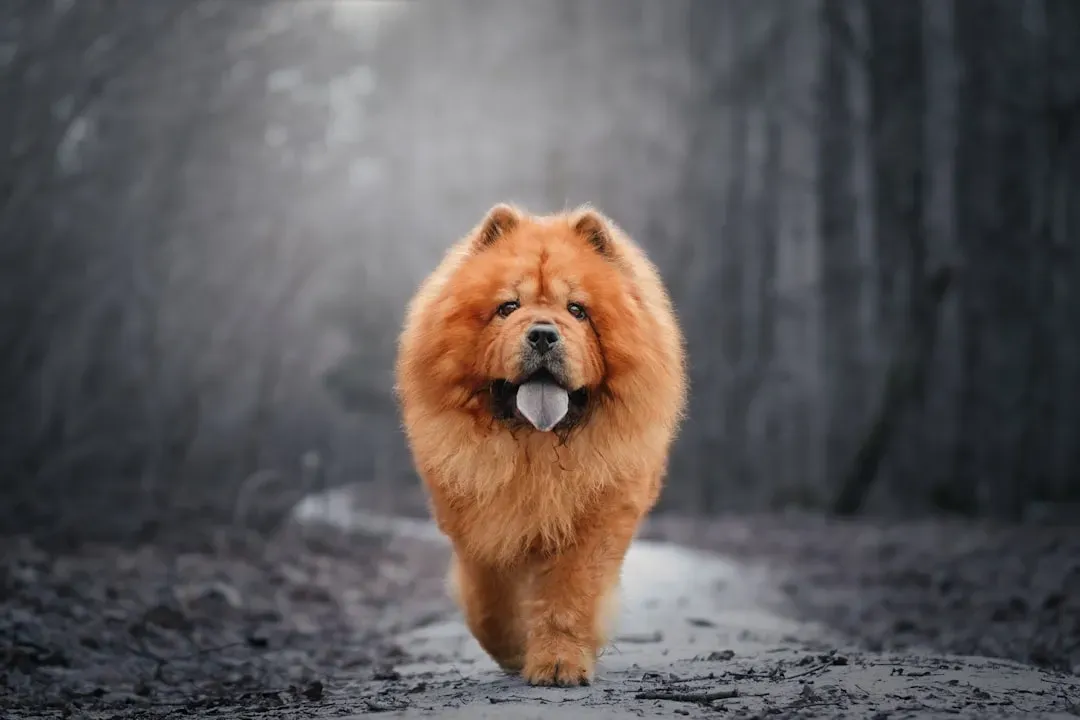
Chow Chows are known for their thick, double coats, which make them one of the least suited breeds for hot weather. Originally bred in northern China for cold climates, Chow Chows struggle to stay cool in the heat. Their dense fur traps warmth, making it difficult for them to regulate their body temperature. These dogs prefer cooler temperatures and should be kept indoors or in the shade during hot days.
The Chow Chow’s shortened muzzle and thick coat can be a deadly combination in hot weather. This is a breed dealing with two strikes against it in Florida – the thick double coat of a cold-climate dog combined with the breathing limitations of a slightly flat-faced build. Chow Chows need extra care in warm climates, including regular grooming to keep their coats manageable and prevent overheating. Watch for heavy panting, bright red gums, or unusual lethargy, as these are signals that your Chow needs to cool down immediately.
4. Bernese Mountain Dog: Snow-Lovers Out of Their Element
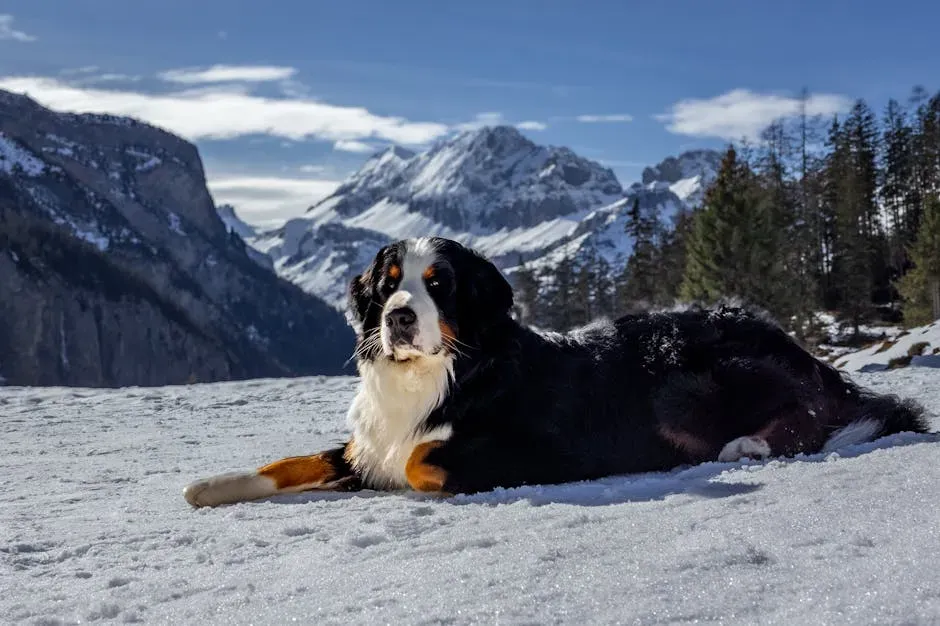
Bernese Mountain Dogs are large, heavy-coated dogs bred for cold-weather work in the Swiss Alps, making them ill-suited for hot climates. Their thick fur traps heat, making it difficult for them to cool down in warm weather. Bernese Mountain Dogs are prone to heatstroke if they overexert themselves in hot conditions, so owners need to keep them cool with shade, water, and limited outdoor activity during hot days. These gentle giants thrive in cooler environments and can struggle with high temperatures if proper care isn’t taken.
These dogs require constant access to shade and fresh water during hot days. Owners should limit outdoor activities to cooler hours of the day and provide air-conditioned spaces for their Bernese Mountain Dogs. Regular grooming is essential to help manage their coat, but even with proper care, these dogs are best suited for cooler climates. If you adore this breed and live in Florida, make peace with the fact that your air conditioning will be running year-round, and plan all outdoor time for early mornings or evenings.
5. Shih Tzu: Adorable, But Heat-Vulnerable

Shih Tzus, with their long, flowing coats and brachycephalic faces, are another breed that struggles in hot weather. These small dogs are more comfortable in cooler climates, where their coats provide warmth without causing them to overheat. In hot weather, Shih Tzus can quickly become fatigued or overheated, and their breathing can be labored due to their flat faces. That combination of flat face and heavy coat is a real challenge when the Florida humidity climbs.
Brachycephalic dogs such as Pugs, French Bulldogs, and Boxers – and the same applies to Shih Tzus – have a reduced ability to regulate their body temperature because of their flat faces. The way they are bred also tends to cause breathing difficulties and can lead to heat stroke even from short walks if the weather is hot enough. If you have a Shih Tzu in Florida, keep walks to five or ten minutes maximum during summer, watch for labored breathing or heavy panting after even mild activity, and never underestimate how fast these pups can overheat. When the temperature rises above 90 degrees, exercise outside during the day is not recommended, even for breeds that are healthy and not brachycephalic – and for flat-faced breeds, even cooler days require caution.
Know the Warning Signs, No Matter the Breed
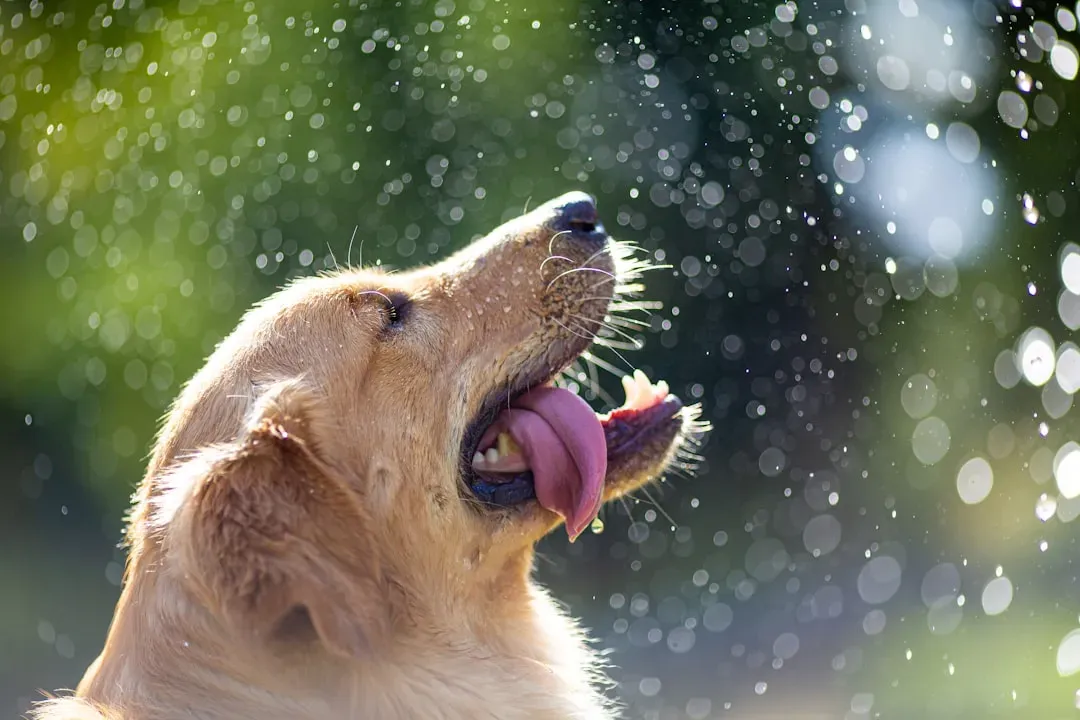
Signs to watch out for include excessive panting, bright red tongue, pale or white gums, difficulty breathing, vomiting, and increased heart rate. These are universal red flags that your dog is in trouble, regardless of whether they’re on the “thrives in Florida” list or not. Heatstroke is a life-threatening condition. A normal temperature for a dog is between 100.2°F and 102.8°F. When their temperature rises above 104°F, they are in danger. Dogs with temperatures between 104° and 106°F, considered moderate heatstroke, can recover if treated promptly. Temperatures above 106°F can be fatal if not treated immediately.
Prevention, as always, is far easier than treatment. Exercise during the cool parts of the day – early morning and evening hours – and only if your pet is properly conditioned. New workout routines should be done gradually over time, meaning weeks and months. Ideally, this change in lifestyle begins during the cool months of the year so your pup can get in shape before having to adapt to the warmer months. Preventing your puppy from overheating is all about making sure they have access to cool, fresh water at all times, not keeping them outside in the heat for too long, and taking them into a cooler environment if they appear or feel too hot.
Conclusion: Every Dog Deserves the Right Climate Match
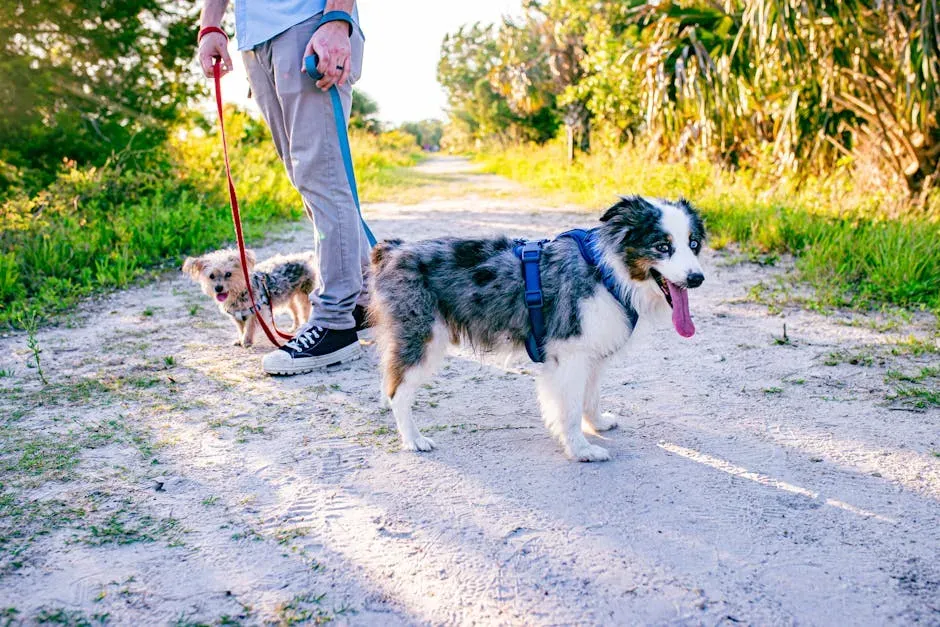
Choosing a dog for Florida life isn’t just about falling in love with a breed’s looks or personality – though both absolutely matter. It’s about genuinely setting your pup up to be comfortable, healthy, and happy in the environment you share together. Choosing the right dog for life in Florida isn’t just about what looks cute on Instagram. The climate matters, the living space matters, and so do heat tolerance, grooming needs, and daily care.
If you already own one of the breeds that struggles in the heat, don’t panic. With proper precautions like limiting outdoor time during peak heat, providing constant access to cool water and air conditioning, and watching carefully for signs of distress, you can keep your furry friend safe. The right knowledge paired with genuine attentiveness makes an enormous difference.
Florida’s sunshine is generous. Your job is to make sure your dog can enjoy every bit of it safely – tail wagging, ears up, paws cool, and bowl full. That’s the whole deal, really.


