
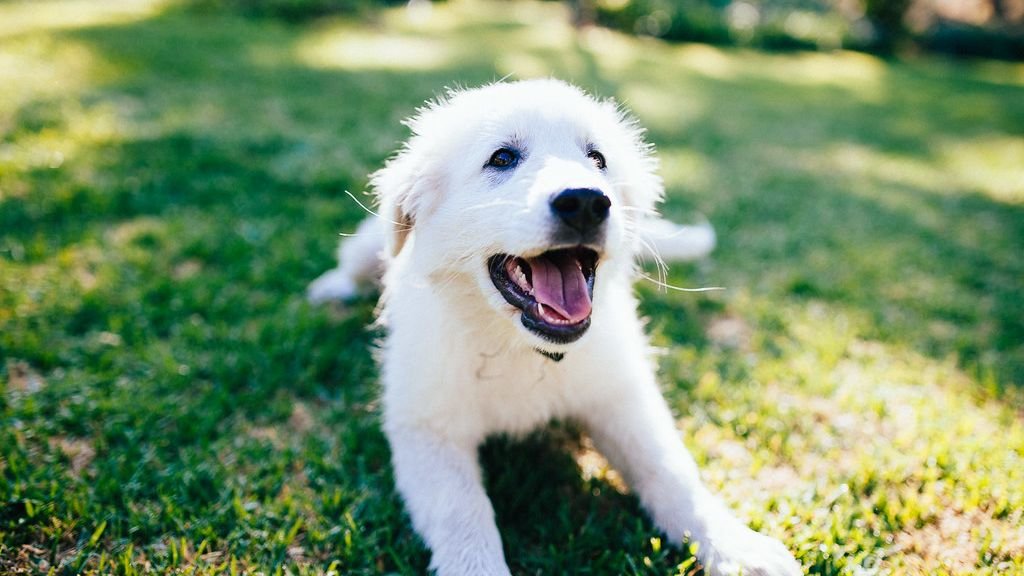
Out in the high desert stretches of New Mexico, the land doesn’t just belong to ranchers and homesteaders. New Mexico’s sprawling desert basins, rugged foothills, and broken canyons are home to bobcats, predators that are masters of their arid environment, using rocky outcrops, dry creek beds, and mesquite thickets to move with stealth. If you raise goats, chickens, or any small livestock, that stealth is a problem you feel in your gut every morning when you walk out to check on your animals.
When you live in areas where bobcats roam, having a trusty canine companion by your side can offer a sense of security. Bobcats may be elusive creatures, but they pose a real threat to smaller pets and livestock. The good news is that the right guardian dog changes the equation entirely. These breeds don’t just react to threats, they prevent them. Here are ten of the best guardian dogs to consider for your New Mexico property.
1. Great Pyrenees: The Quiet Giant That Bobcats Avoid
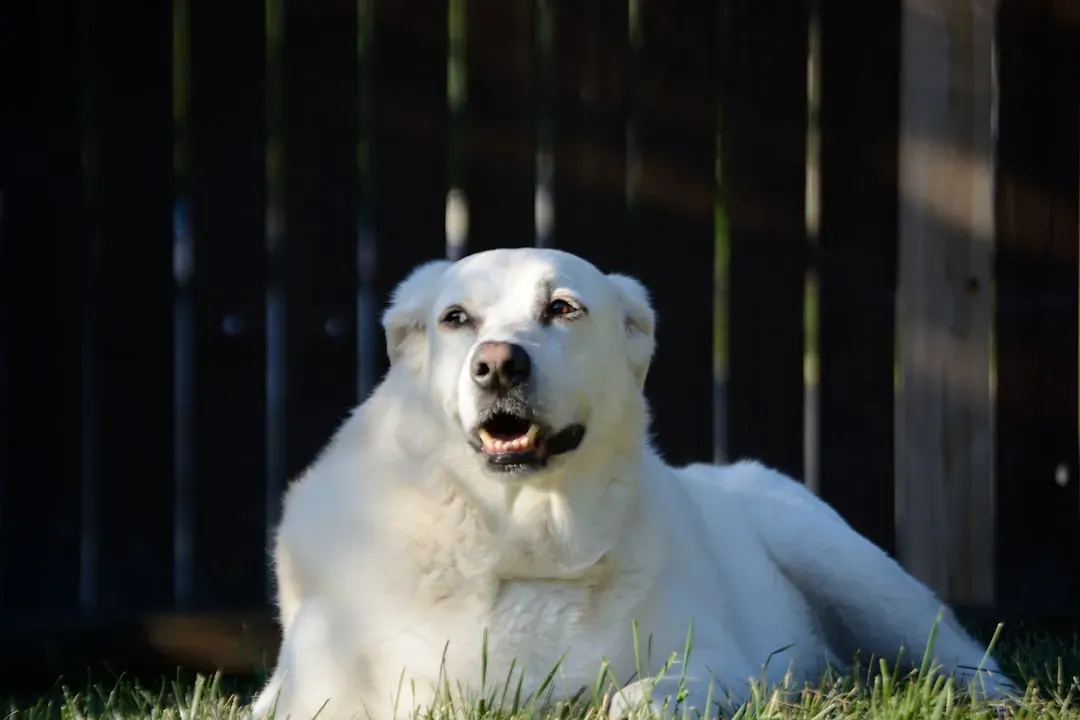
There’s a reason the Great Pyrenees is one of the most recognizable dogs on American farms and ranches. Great Pyrenees are the most popular livestock guard dog, and they were bred to defend farms against wolves and bears, which means they’ll also protect your property against bobcats, stray dogs, and human intruders. Their sheer presence alone is often enough to send a bobcat slinking back into the brush.
They are natural caretakers of young, injured, and sick animals while still watching over the herd. Their gentle attention to the animals they guard is sharply contrasted by their fierce protection against predators. A guardian dog’s first instinct is not necessarily to attack. While they frequently patrol the perimeter of their territory, they will try to scare away a predator with barking and growling before it can get close enough to cause harm. That measured approach is particularly effective against opportunistic hunters like bobcats. Keep in mind that in New Mexico’s warm months, their thick coat needs extra brushing and access to shade and fresh water.
2. Anatolian Shepherd: Built for Harsh Terrain and High Stakes
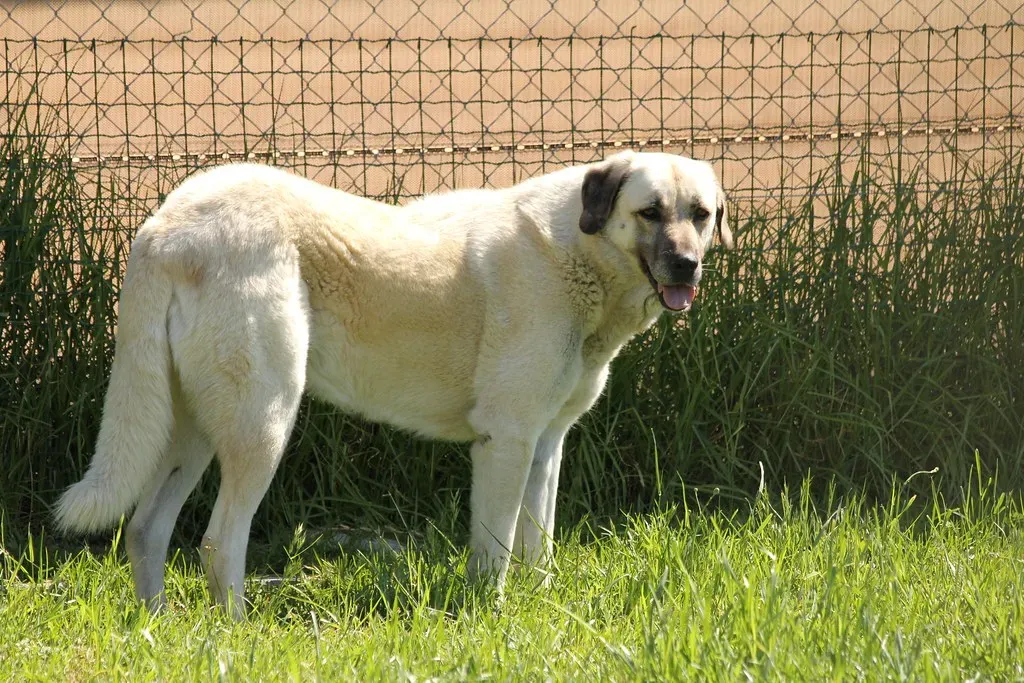
The Anatolian Shepherd has been protecting livestock for centuries and has been used as a deterrent in Namibia to ward off cheetahs, in America for deflecting mountain lions, and in its native country, Turkey, to chase off grizzlies and wolves away from goats and sheep. A bobcat, by comparison, is well within this dog’s capabilities. If you’re running livestock across a large New Mexico range, this breed is one of the most practical choices you’ll find.
Here in the U.S., Anatolian Shepherds are often used to guard cattle on large swaths of pasture or open ranges without a lot of supervision and are calm and observant over their livestock and surroundings. The Anatolian Shepherd is a fast, intelligent, and alert guardian with a strong protective instinct, ideal for large pastures and tough predator environments. One thing to watch in puppies: Anatolians can have a strong prey drive making them incredibly territorial, aggressive towards intruders, and tend to be overly playful with livestock as young dogs due to their tendency to mature slower than other LGD breeds. Patience during that early phase pays off enormously.
3. Kangal: The Most Powerful Deterrent on the List
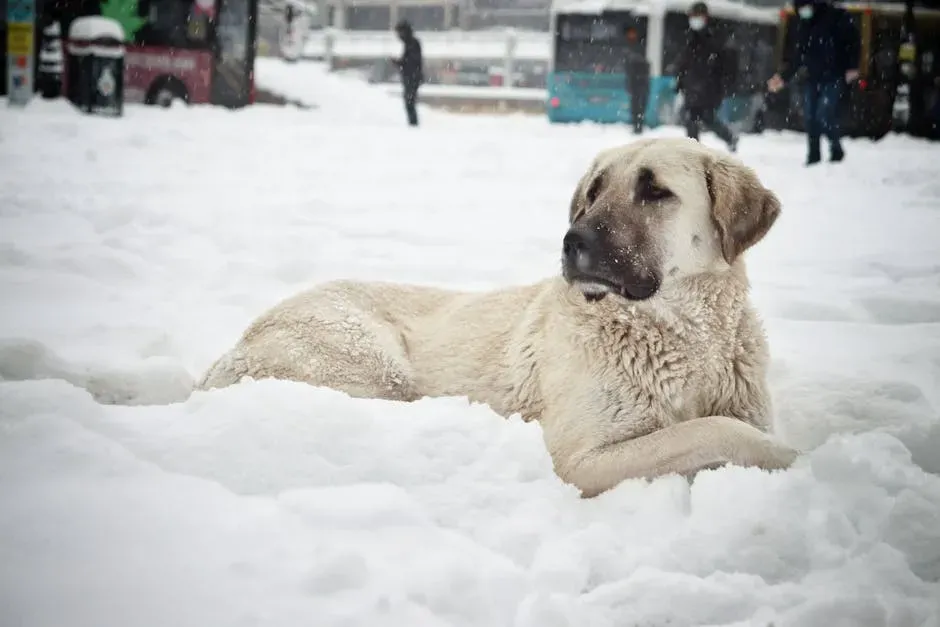
The Kangal is renowned for its courage. Used for centuries to protect livestock from predators like wolves and bears, Kangals are more than capable of handling a bobcat. This Turkish breed carries the kind of physical presence and bold temperament that makes most predators reconsider before they even get close. When it comes to the highest level of deterrence, the Kangal ranks best even for wolf situations, so a bobcat encounter is something this dog handles with relative confidence.
Kangals are more driven to run down and chase predators while some other breeds are more content to bark and warn them away. That proactive style is both an asset and a management consideration. New Mexico’s landscape suits the Kangal well. They’re remarkably calm with their flock but will not hesitate when a threat is real. Be prepared for an independent dog that requires clear boundaries, a secure perimeter, and an experienced owner who can meet this breed’s leadership needs.
4. Akbash: The Agile, Watchful Sentinel of the Southwest
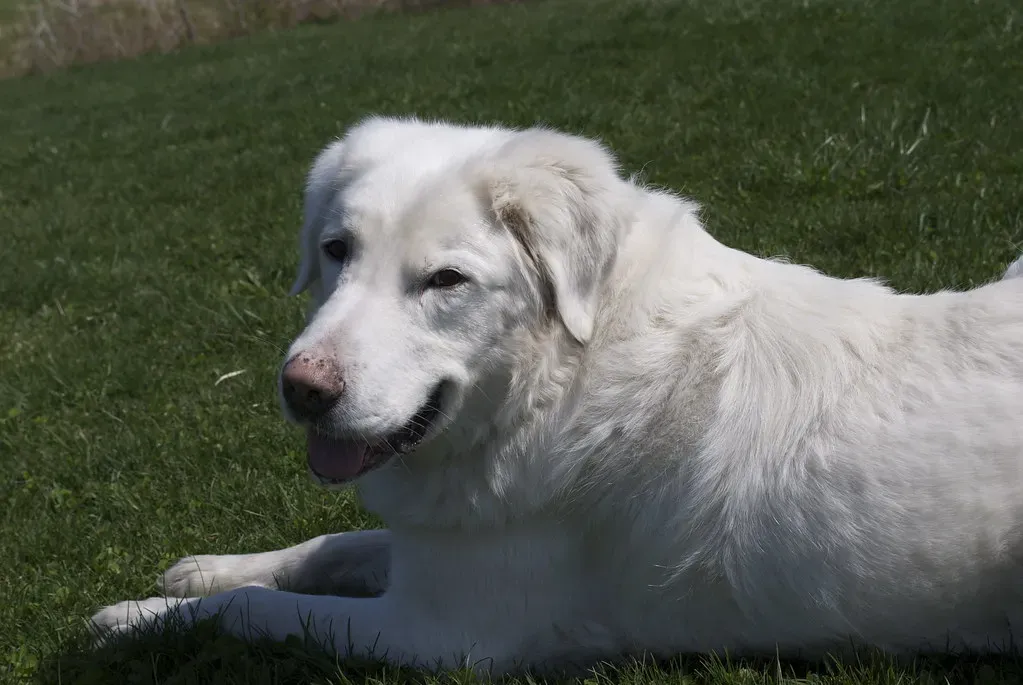
Akbash dogs are large dogs, weighing 80 to 140 pounds and standing up to 34 inches tall. Despite their size, they are fast and agile. These dogs have a calm demeanor and highly protective instincts, but only become hostile if threatened. Their sharp instincts and territorial nature make them excellent at deterring predators. That combination of speed and measured response is well suited to New Mexico’s open range conditions.
Originating from Turkey, the Akbash dog is a popular choice and works well in both open range and fenced pastures. They will protect early and from all predators, including people they do not know. They bond strongly with their herd and possess strong maternal instincts toward the animals. Akbash dogs are also among the breeds better suited for warmer climates, an important consideration for the New Mexico heat. Their protective instincts develop early, which makes early introduction to the flock absolutely essential.
5. Maremma Sheepdog: Italy’s White Guardian, Now at Home in the Desert
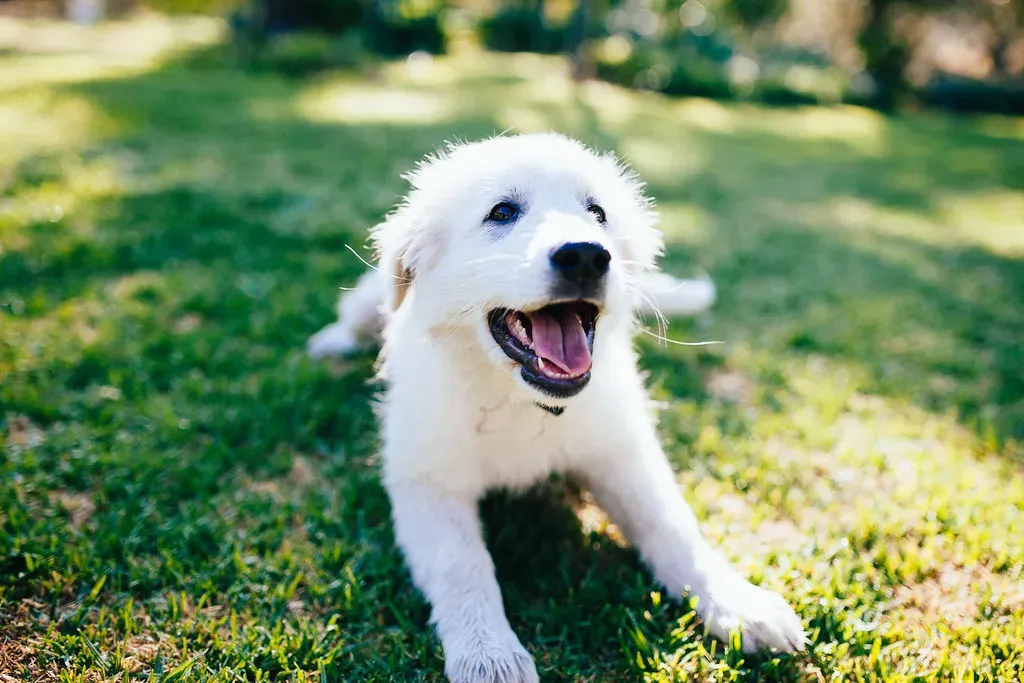
Hailing from Italy, the Maremma Sheepdog is a guardian dog breed that excels at protecting livestock in rural environments. These white-coated protectors blend in with their flocks, making them less visible to predators. They are affectionate with their family but take their job of protecting livestock very seriously. That camouflage trick is clever and effective. A bobcat scouting a flock from a distance may not even register that there’s a 90-pound guardian dog resting quietly among the sheep.
Maremma dogs are known for being calm and content while on the job as a livestock guardian and are most active at night. They aren’t always the friendliest toward human contact, especially strangers who try to approach them, though they’re not known for being overly aggressive. That nighttime vigilance is especially important in New Mexico, where bobcats are crepuscular, meaning they are most active at dawn and dusk. Proper socialization from an early age helps the Maremma distinguish between genuine threats and routine farm visitors.
6. Komondor: The Surprising Predator Deterrent Under the Dreadlocks
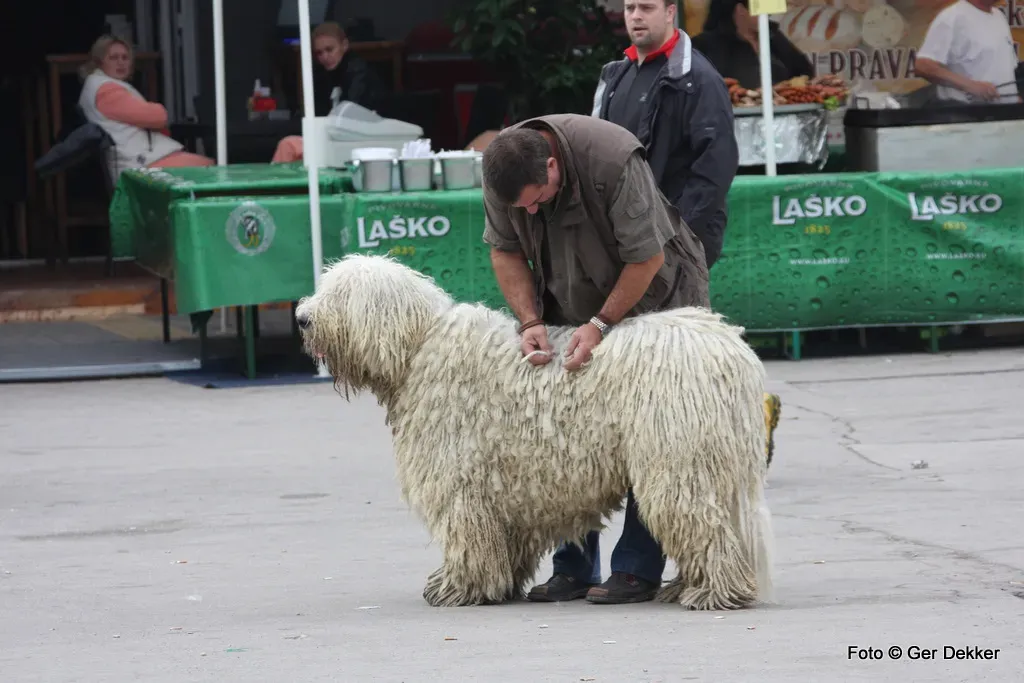
Don’t let the mop-like coat fool you. The Komondor, also called the Hungarian Sheepdog, is one of the most unique breeds among livestock guardian dogs. With its long, white, corded coat, this dog blends in with sheep and surprises predators that come too close. The coat also protects them from harsh weather and even predator bites. In the heat of a confrontation with a bobcat, that physical protection matters.
The Komondor is highly reactive to predators including human intruders and must be well trained and socialized early. Although this is a very dominant breed, they do not respond well to harsh discipline. Komondors will fiercely protect all that they consider theirs, including their owners and family. They are typically calm, independent, and self-assured, exhibiting a strong protective nature. Komondors require early socialization and training, and they may be more reserved around unfamiliar humans and children. This is a dog for an owner who is ready to invest time in proper training from puppyhood. If that’s you, the Komondor’s dedication is almost unmatched.
7. Kuvasz: Hungary’s Ancient Guardian Meets New Mexico’s Challenges
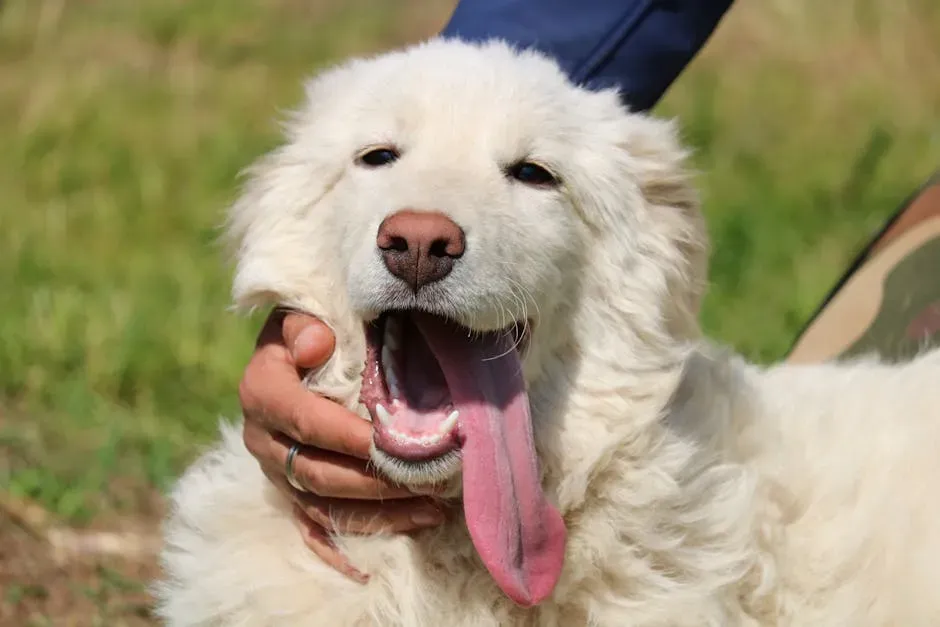
Originating in Hungary, Kuvasz dogs have a long history as guardians of livestock, particularly sheep and cattle. The name is derived from the Turkish for “armed guard of the nobility,” a job this breed performed with great skill. In the last half of the 15th century, the Kuvasz was also used as a hunting dog by kings and aristocrats. Eventually, the Kuvasz became a commoner’s dog and flock guardian. That long history of working alongside humans translates into strong instincts and deep loyalty.
The Kuvasz is very loyal to its family and often won’t bond if rehomed. Because they bond so fiercely, they are better suited to be an all-around farm dog and farm protector rather than being full-time with livestock. They are territorial, domineering, and reserved, and can be aggressive to other dogs. They must be well-socialized as puppies. Plan for consistent early socialization and secure fencing. Once properly settled into a role, the Kuvasz is a reliable and devoted guardian who takes bobcat deterrence seriously.
8. Tibetan Mastiff: Ancient Power With a Modern Purpose
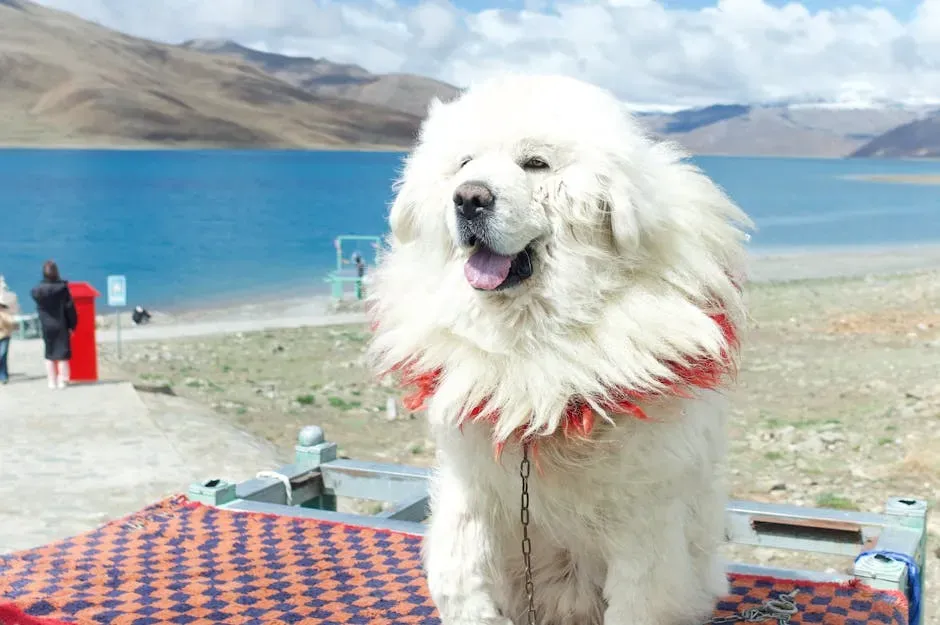
Known for their watchful, aloof, imposing, and intimidating nature, Tibetan Mastiffs are supreme guardian dogs who are sweet and highly devoted to their family. They defend their favorite humans in times of need and don’t let any animal or intruder harm them. These giant working dogs are larger and more powerful than most of the threats they’ll encounter on a New Mexico property. Their sheer size makes a powerful visual statement to any predator considering a raid.
Bobcats are agile and fierce predators, but they do their best to avoid a fight with these dogs. Tibetan Mastiffs have a broad head, high-set shaped ears, and expressive brown eyes which project a noble and sagacious expression. These wild cats would typically protect themselves by staying away from such fierce dogs. The Tibetan Mastiff is an ancient guardian breed that dates back as early as 1100 B.C. in China. After centuries of isolation in the Himalayan Mountains, it developed into the powerful livestock guard dog we know today. Note that their dense coat requires careful management in New Mexico’s warmer months, including shaded resting areas and close monitoring for signs of heat stress.
9. Rhodesian Ridgeback: Courage Backed by Lion-Hunting Instincts

Bred originally as herding dogs, German Shepherds are known to be alert and protective, but Rhodesian Ridgebacks bring something different to the table. Their alert nature, protective instincts, and adaptable behavior put them among responsible protectors. Rhodesian Ridgebacks are bred to hunt lions and have great hunting instincts. They can face wild cats, wolves, and coyotes, depending on their size and health. A bobcat is a far smaller opponent than a lion, which tells you something important about this breed’s confidence and capability.
These dogs are gentle yet courageous, making them ideal family dogs. They alert their family about potential threats without excessive barking. That controlled alertness is genuinely useful on a working property where constant barking becomes background noise. The American Kennel Club notes that Ridgebacks are cherished family dogs whose owners must be prepared to deal with their independence and strong prey drive. Channel that prey drive with consistent training and the Ridgeback becomes a confident, capable deterrent on your land. If a bobcat does get close, this dog won’t back down.
10. German Shepherd: The Versatile Protector for Home and Property
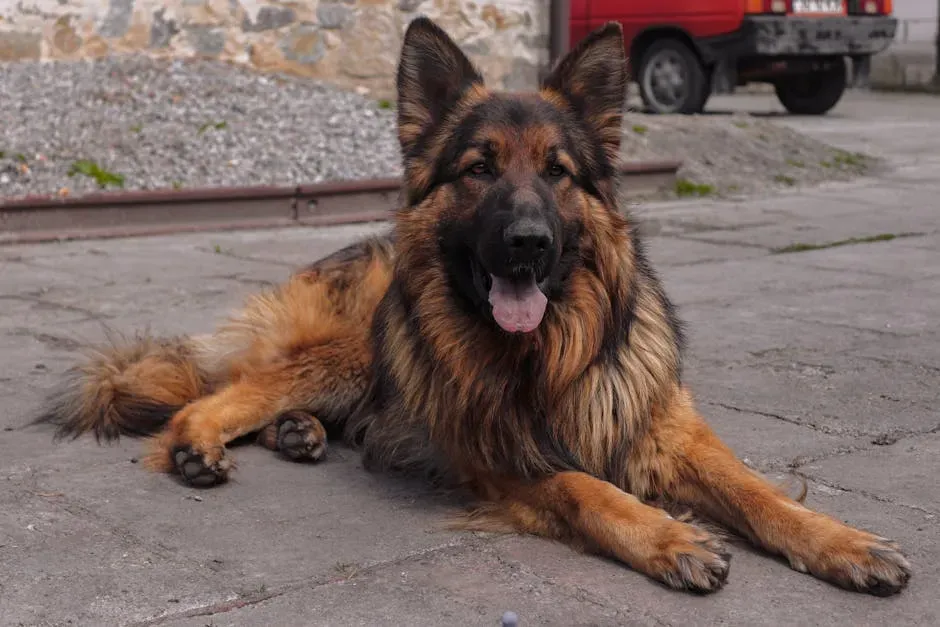
German Shepherds are known to be the best guard dogs for families and children alike. Their alert nature, protective instincts, and adaptable behavior make them responsible and reliable protectors. While they aren’t traditional livestock guardian dogs in the same category as the Kangal or Great Pyrenees, they thrive in a dual role: protecting the property and serving as a loyal family companion. Many New Mexico homesteaders with smaller acreage find the German Shepherd a practical and effective choice.
Bobcats may be strong and agile, but German Shepherds are no less capable with their large size and strong guarding instincts. If these two animals get into a fight, there is a chance of the Shepherd getting injured because bobcats have a strong and deadly bite. The injuries may lead to infections, which is why immediate veterinary care is recommended if something like this ever occurs. Prevention is always the priority. A well-trained German Shepherd patrolling a clearly marked territory will discourage most bobcat approaches long before any physical confrontation becomes a possibility. Keep your dog’s rabies vaccination current, too. The New Mexico Department of Wildlife and Department of Health have urged caution after aggressive bobcat encounters, and both bobcats and foxes in New Mexico have been diagnosed with rabies.
How Livestock Guardian Dogs Actually Deter Predators
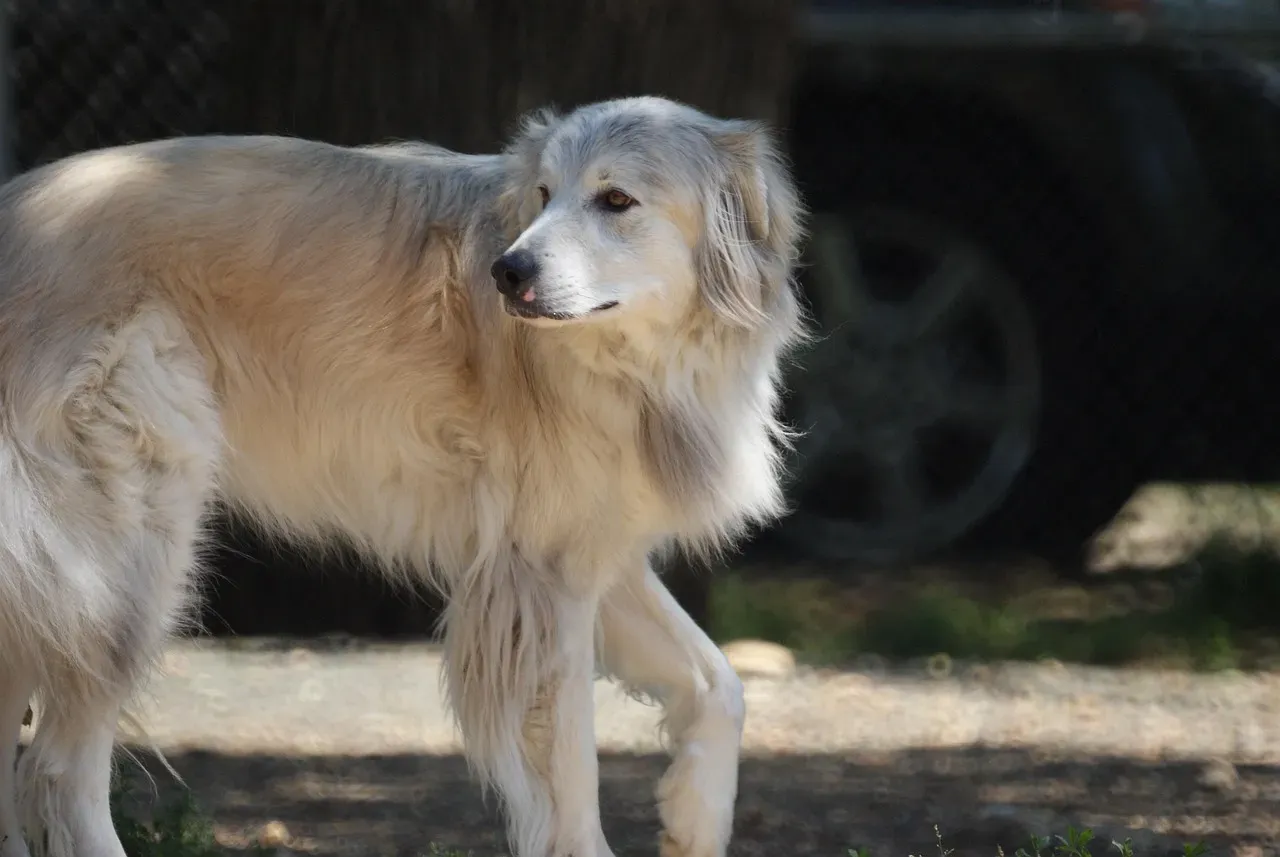
Livestock guardian dogs primarily protect through deterrence in three ways: territorial exclusion, disruption, and confrontation of potential predators. Disruption refers to barking or other types of aggressive behavior to encourage potential threats to stay away. When all else fails, the dog uses direct confrontation to attack the predator to keep the livestock safe. Understanding this hierarchy helps you set realistic expectations. Most of the time, a bobcat simply won’t risk an encounter with a confident, vocal guardian dog.
Research in Central Texas found that the presence of livestock guardian dogs reduced bobcat activity in the area, which aligns with what ranchers across the Southwest observe in practice. Depending on the breed, livestock guardian dogs can reduce the damage caused by predators by up to 70 to 80 percent. That’s a meaningful number if you’ve ever lost animals to a single overnight raid. Livestock guardian dogs also work best in pairs. It really does not matter if it is a male and female or two same-sex dogs. Pairing dogs not only increases coverage, it reinforces the territorial signal that tells bobcats to look elsewhere.
Bonding, Training, and Keeping Your Guardian Dog Healthy
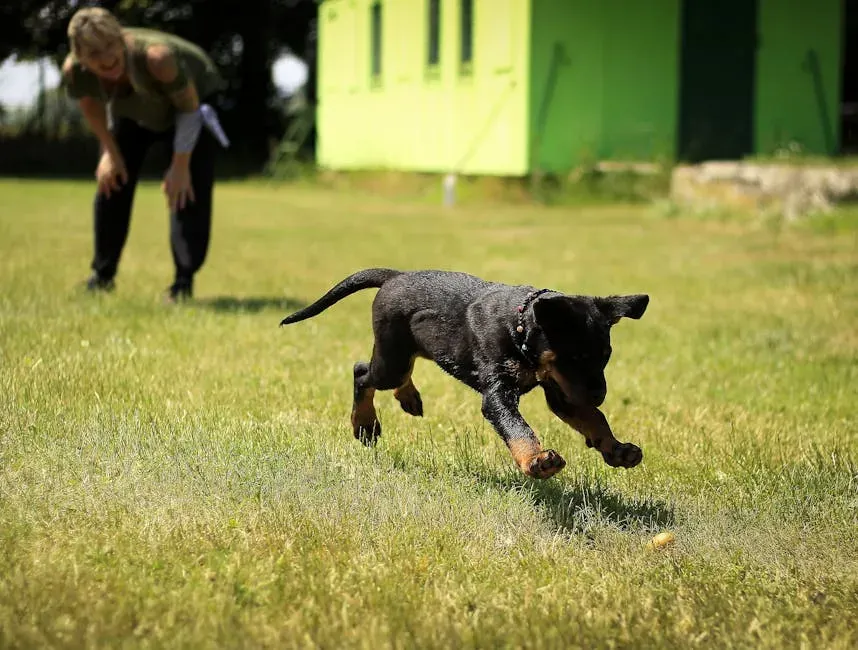
Bonding these dogs as young puppies, between 8 and 20 weeks old, to the flock is crucial in ensuring their success. Puppies need to build a relationship with the flock and know that remaining with the animals is part of their job. If possible, it also helps when those puppies are whelped in an area where they can hear and smell livestock. This early imprinting is not optional. A guardian dog that never bonded properly as a pup is far less reliable than one raised among the animals it protects.
When selecting a puppy, investigate the health status of the parents and look for hip dysplasia, a joint problem common to many large breeds of dogs. New Mexico wildlife officials recommend always keeping pets on a leash when in wildlife-active areas, ensuring pets are up to date on rabies vaccinations and wearing current license tags on their collar. If your dog has been bitten or scratched, especially by a wild animal, call your veterinarian even if the wound appears superficial. Regular wellness checks, updated vaccinations, and parasite prevention are the non-negotiable basics for any working dog living close to wildlife.
Conclusion: The Right Dog Changes Everything
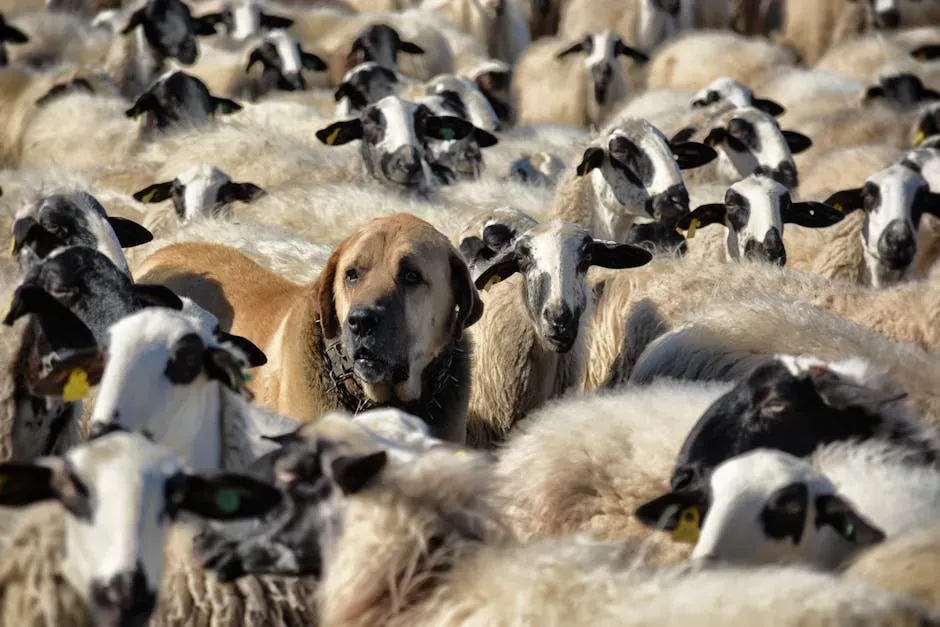
Choosing a guardian dog for your New Mexico property is one of the most practical and lasting investments you can make in the safety of your animals. Protecting livestock may have been among the first work ever assigned to domestic dogs, a role they’ve held for more than 5,000 years. That’s not a coincidence. These breeds exist because they genuinely work, and they work consistently, night after night, across every season.
The right match depends on your land size, your livestock type, your family situation, and how much predator pressure you’re dealing with. Effective livestock protection requires breeds selected for size, guardian instinct, territoriality, independence, and flock bonding. No breed guarantees perfect protection. Environment, husbandry, guardian training, and multiple layers of deterrence all matter. Start with a breed that suits your experience level, invest in proper early bonding and training, and keep your dog healthy. Do those things well, and you’ll have a guardian that gives you something invaluable: peace of mind every single time you walk out to check on your herd.


