
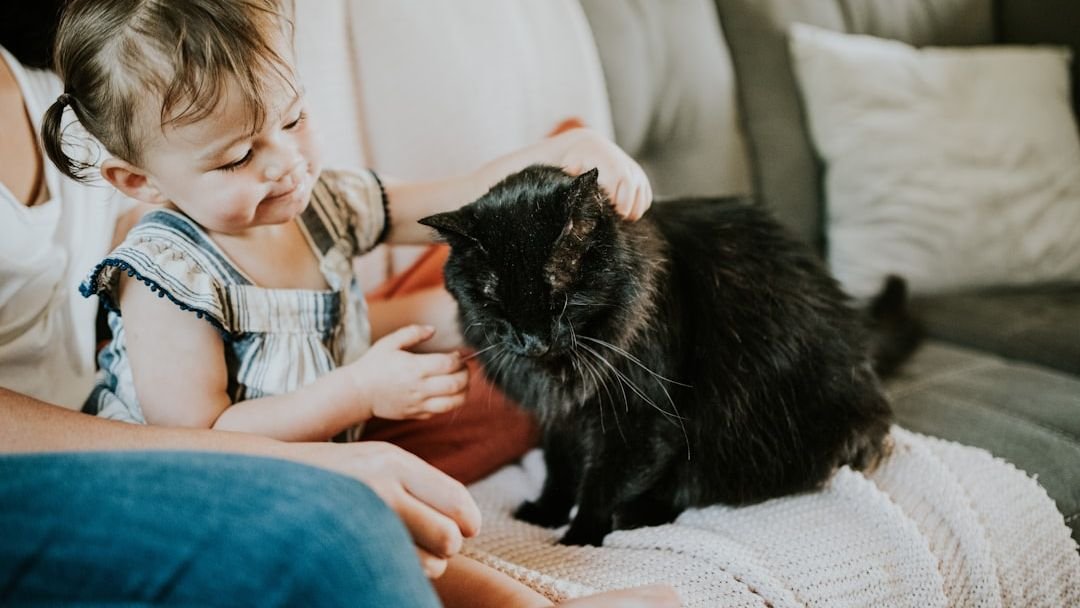
If you have kids at home, choosing the right cat can make the difference between a peaceful family life and constant stress. Some breeds are famously gentle and patient, while others can be high-strung, territorial, or simply too intense for little hands that grab, squeeze, and chase. You are not a bad person if you love these breeds, but you do need to be honest about what they’re like and what your kids can realistically handle.
What follows is not a list of “bad cats” but a list of breeds that tend to be poor matches for households with young children, especially noisy or chaotic ones. Temperament always varies from one individual cat to another, yet certain traits keep coming up in these breeds: low tolerance for rough handling, strong prey drives, or very high energy and anxiety levels. If you already have one of these cats and children, you can still make it work with boundaries and training; but if you are choosing a new cat for a kid-focused home, you will probably want to think twice.
Siamese: Intense, Vocal, and Easily Overstimulated
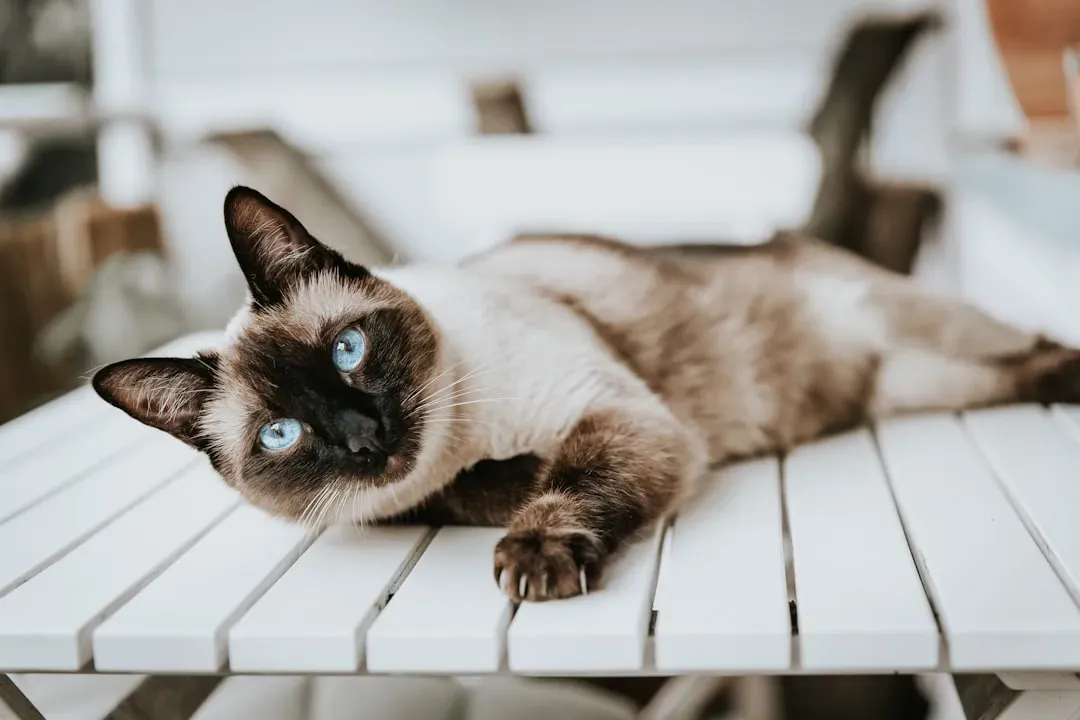
When you picture a Siamese, you might imagine a sleek, elegant, talkative cat – and you’d be right. What you might not be ready for is just how demanding and intense they can be. Siamese cats are very smart, emotionally sensitive, and highly attached to their humans, which sounds lovely until you add unpredictable noise, sudden movements, and grabby toddler hands into the mix.
This breed can become stressed or frustrated if your kids treat them like a plush toy, and their response is often loud complaining or a quick swat. Because Siamese cats can form very strong bonds with one person, they may even become jealous or possessive, which is the last thing you want around children who are still learning boundaries. Unless your kids are older, gentle, and willing to respect a cat’s space, a Siamese is more likely to feel overwhelmed than adored in a family setting.
Bengal: High-Energy Wild Child in Your Living Room
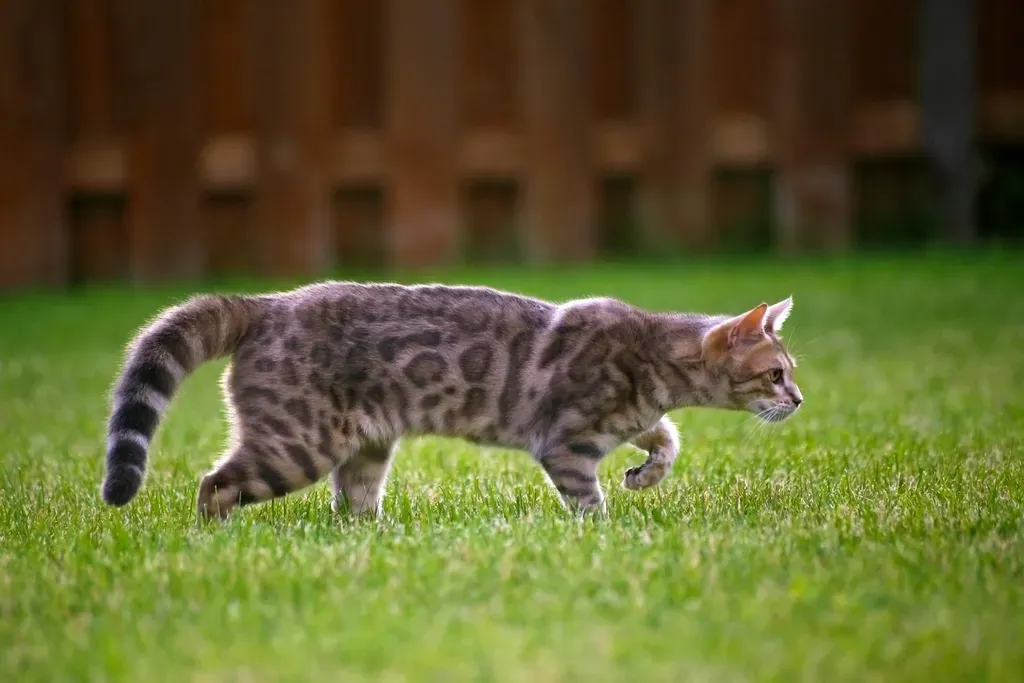
A Bengal looks like something straight out of the jungle, and in many ways, the personality matches the pattern. This is not a laid-back lap cat; it’s an athlete, a climber, and a hunter with a brain that needs constant stimulation. If your kids are very young, a Bengal’s rough play and lightning-fast pounces can be frightening or even dangerous when little fingers wiggle like prey.
Because Bengals are often part Asian leopard cat, they tend to have a stronger prey drive and a lower tolerance for clumsy handling than the average domestic cat. You might notice they enjoy chasing, grabbing, and batting at moving targets, which unfortunately can include your children’s feet and hands. In a calm, structured home with experienced adults, a Bengal can be amazing, but in a noisy, kid-heavy household, this breed often ends up stressed, misunderstood, and labeled as aggressive when it is simply being true to its nature.
Oriental Shorthair: Sensitive, Needy, and Not for Rough Play
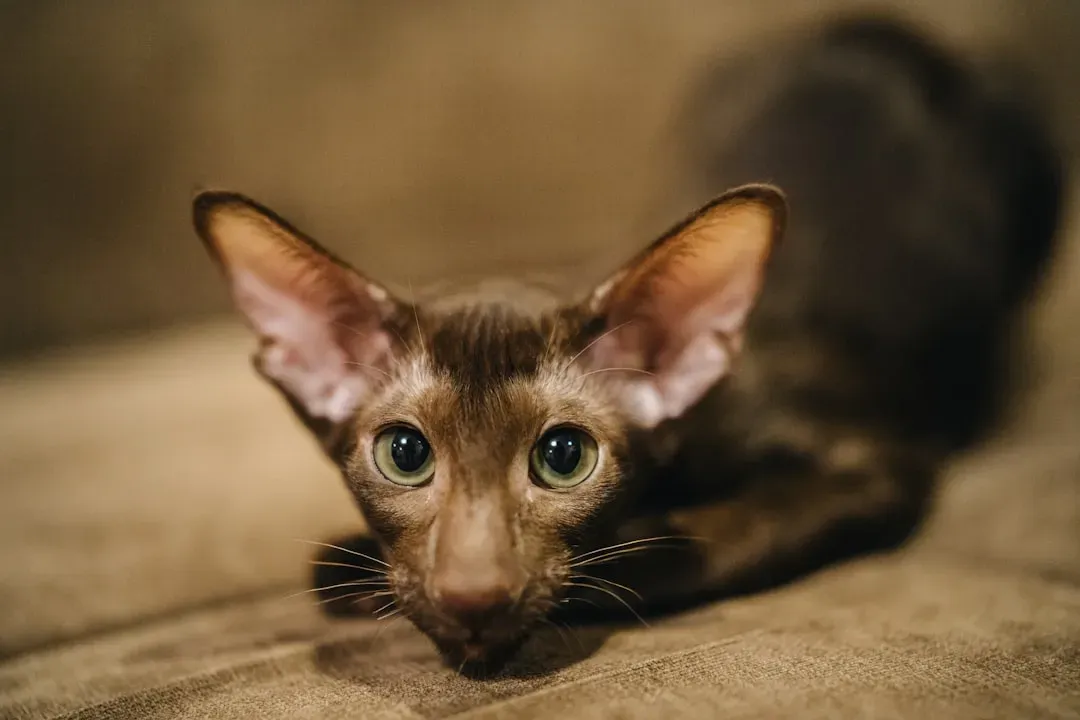
If you took the emotional intensity of a Siamese and put it in a slightly different body, you’d get the Oriental Shorthair. You get a sleek, elegant cat that seems to read your mood and wants to be involved in everything you do. The downside is that this same sensitivity can backfire badly around unruly or unpredictable children, because these cats often do not cope well with chaos or rough play.
Oriental Shorthairs generally do best when you can offer calm, consistent attention and respect their need for choice and control. A young child who hugs tightly, chases, or squeals in their face can quickly push them into stress, leading to hissing, scratching, or retreating under the bed. If you want a cat that can patiently endure being carried around by a preschooler, this is not the breed for you; you are far more likely to end up policing every interaction and apologizing on behalf of the kids.
Sphynx: High-Maintenance Body, Low Tolerance for Mishandling
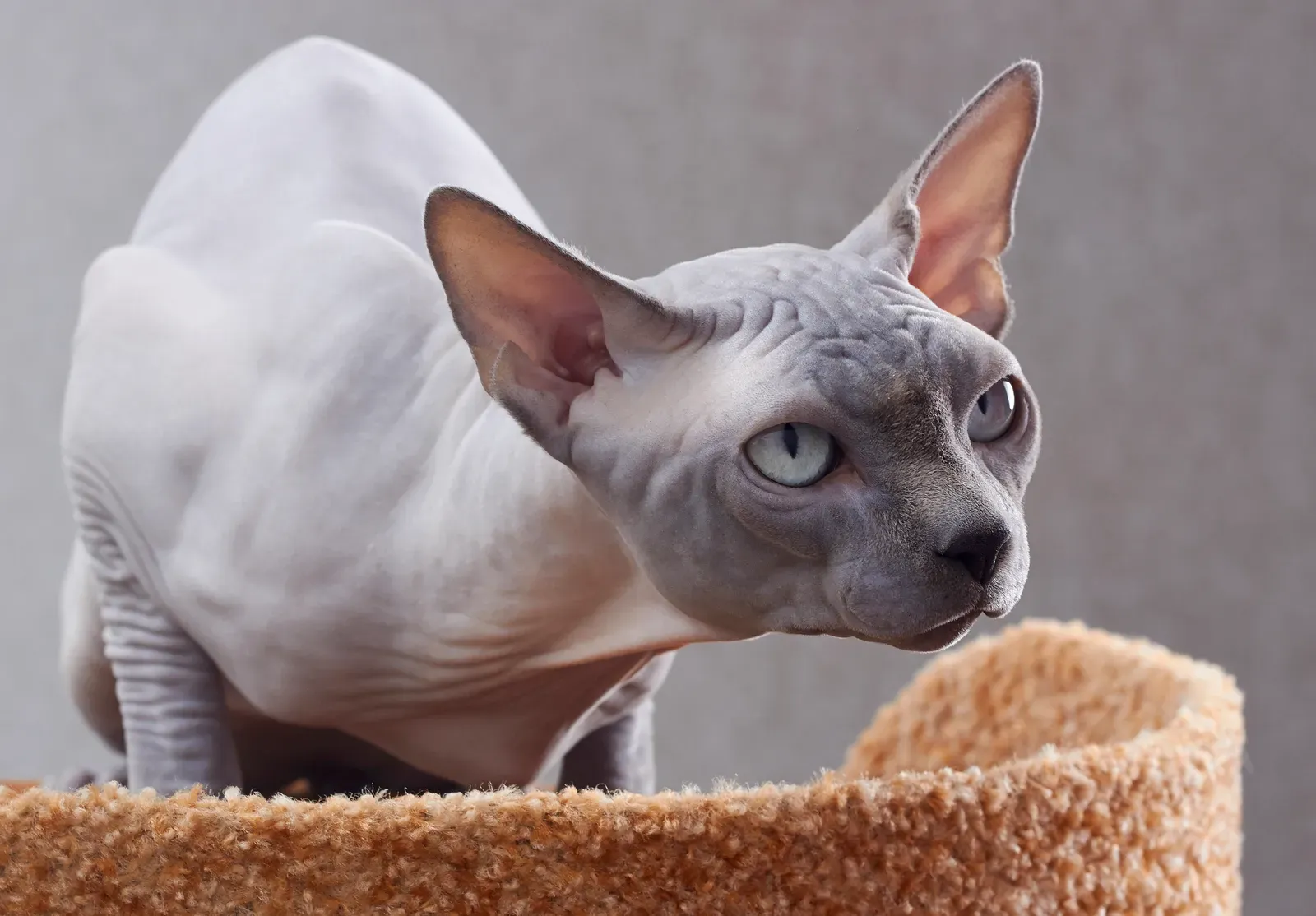
The Sphynx cat’s hairless body might fascinate your kids, but living with one is not as simple as it looks. You have to wipe and bathe them regularly, protect them from sunburn, and be mindful of temperature, which is already a lot to juggle alongside caring for children. Add in the fact that kids love to poke, squeeze, and explore textures, and you can see how easily a Sphynx could feel bothered or uncomfortable.
Sphynx cats are usually social and affectionate, but they can become stressed if your kids do not understand how delicate their skin is. A rough grab or a fall from a child’s arms can hurt them more than a thick-coated breed, and a painful experience can make them defensive. If you are already stretched thin with parenting, the grooming and environmental demands of a Sphynx – plus the need to constantly supervise kid–cat contact – can feel like too much.
Scottish Fold: Cute Looks, Hidden Discomfort
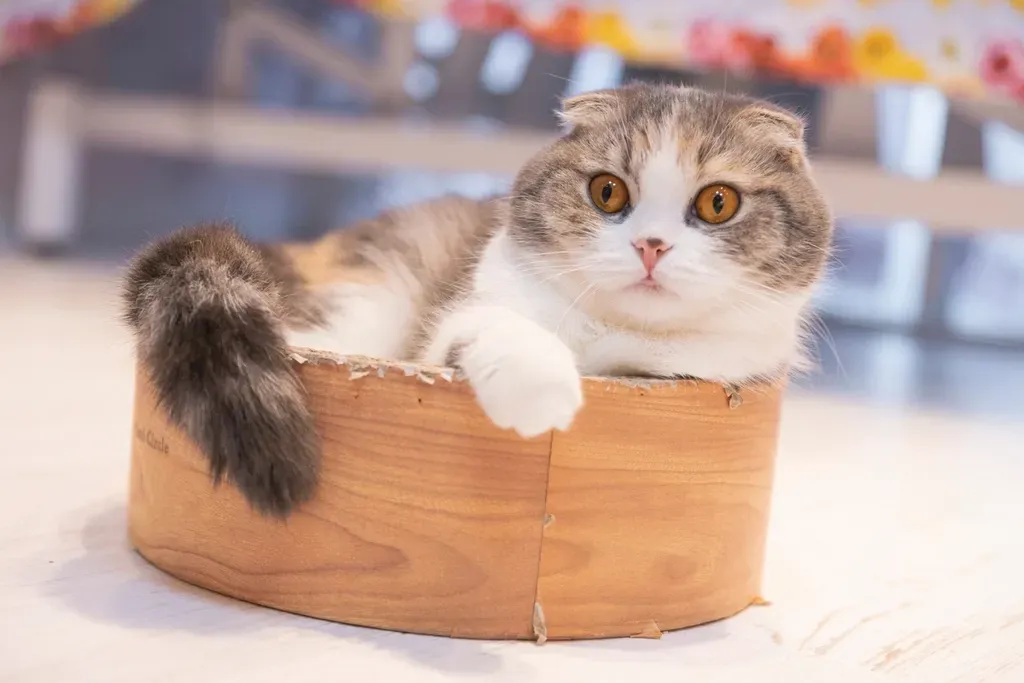
The rounded head and folded ears of a Scottish Fold make this breed irresistible to many families, especially children who see them as living cartoons. What you do not see at first glance is that those folded ears come from a genetic mutation linked to cartilage and bone problems. Many Scottish Folds are prone to painful joint issues that can make them stiff, sore, and less tolerant of being picked up or handled roughly.
In a home with kids, that means a Scottish Fold may react badly when a child unknowingly lifts them the wrong way or tries to play when the cat is hurting. You might see avoidance, growling, or sudden aggression that is actually a reaction to chronic discomfort. While every cat deserves a loving home, if you have young children, it is kinder to choose a breed that is less likely to suffer pain that your kids cannot recognize or manage around.
Persian: Gorgeous Coat, Low Patience for Chaos
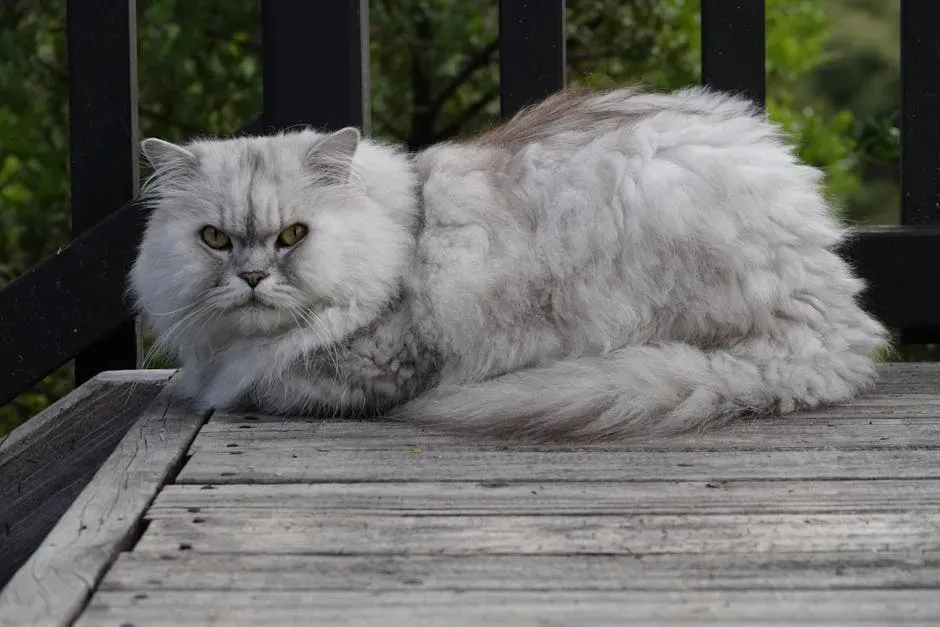
If your children dream of a fluffy fairy-tale cat, a Persian might seem like the perfect choice, but this breed is not built for noisy, high-energy households. Persians tend to be calm, sometimes even a bit aloof, and often prefer quiet, predictable environments. A pack of loud kids, friends coming and going, and constant activity can easily overwhelm them and push them into hiding or defensive behavior.
On top of that, a Persian’s long coat demands serious grooming, and kids are rarely consistent with brushing and gentle handling. If the fur becomes tangled and painful, your Persian will be even less willing to tolerate being picked up or petted by impatient little hands. You may find yourself spending more time untangling mats and preventing the cat from being carried around than actually enjoying the pet as part of the family.
Turkish Van: Water-Loving Athlete With a Strong Will
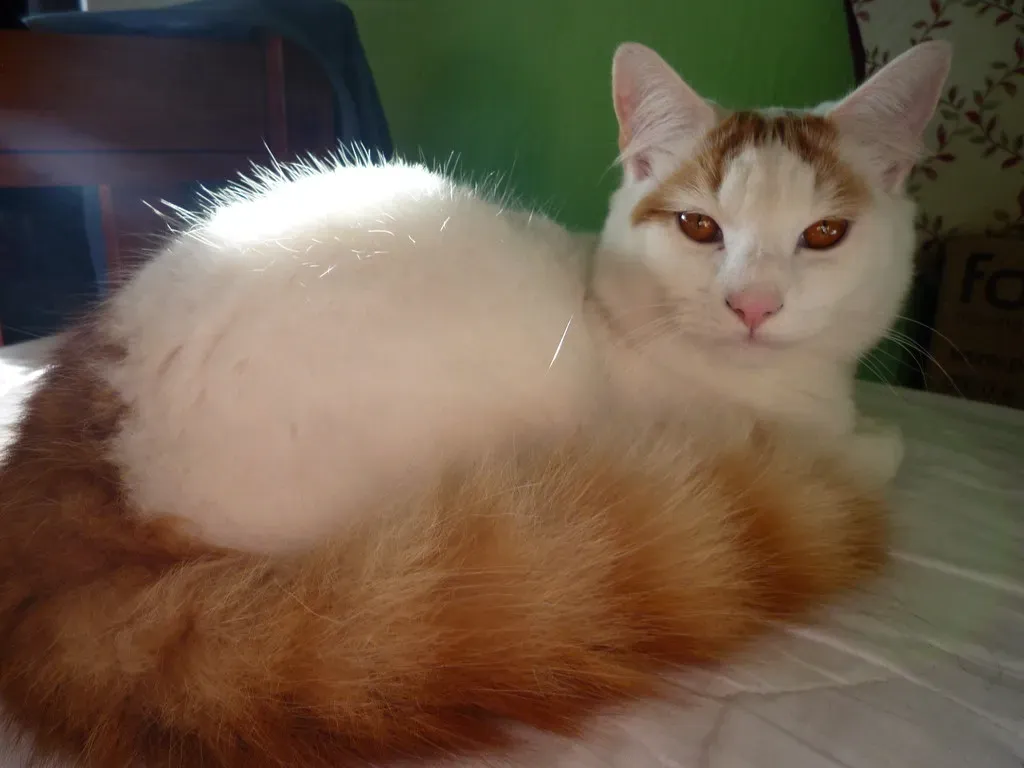
The Turkish Van is famous for enjoying water and being incredibly active, which sounds fun until you remember that kids and a high-speed cat do not always mix well. These cats can be bold, strong-willed, and sometimes territorial, and they are not known for being endlessly patient when someone crosses their boundaries. A curious child reaching for a Turkish Van that wants to be left alone may quickly discover just how fast a warning scratch can land.
This breed often prefers to choose when and how it interacts, and it usually expects those choices to be respected. In a household where children slam doors, chase, or insist on cuddling on their own schedule, a Turkish Van might feel constantly under siege. Unless your kids are older, respectful, and able to read feline body language, you are likely to see tension and stand-offs rather than calm companionship.
Russian Blue: Shy Soul in a Busy Household
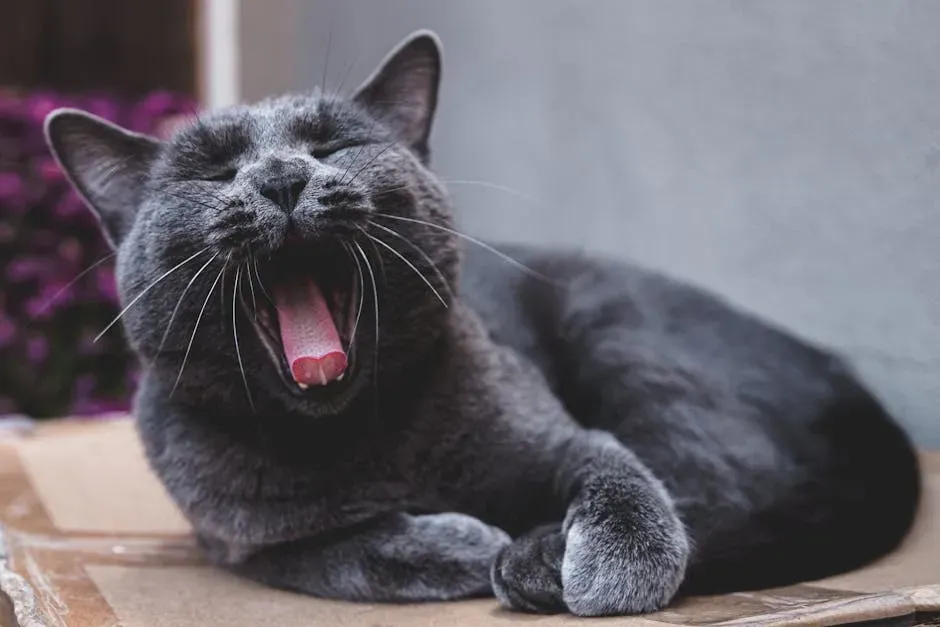
The Russian Blue is a beautiful, quiet, and often very loyal cat, but it tends to form deep bonds with a few trusted people and remain cautious with everyone else. If your home is full of fast-moving, noisy children, this breed is more likely to vanish under the bed than curl up in your kid’s lap. Loud voices, sudden hugs, and unpredictable movements can be especially stressful for a naturally reserved cat.
Over time, a Russian Blue in a kid-centered home may start to associate children with fear or disruption, making it even more secretive and wary. That is not good for your cat or your kids, who may feel rejected or frustrated. If what you want is a confident, tolerant cat that rolls with the chaos of family life, a breed that is famous for shyness and sensitivity will probably leave everyone disappointed.
Egyptian Mau: Fast, Wary, and Not a Fan of Clumsy Hands
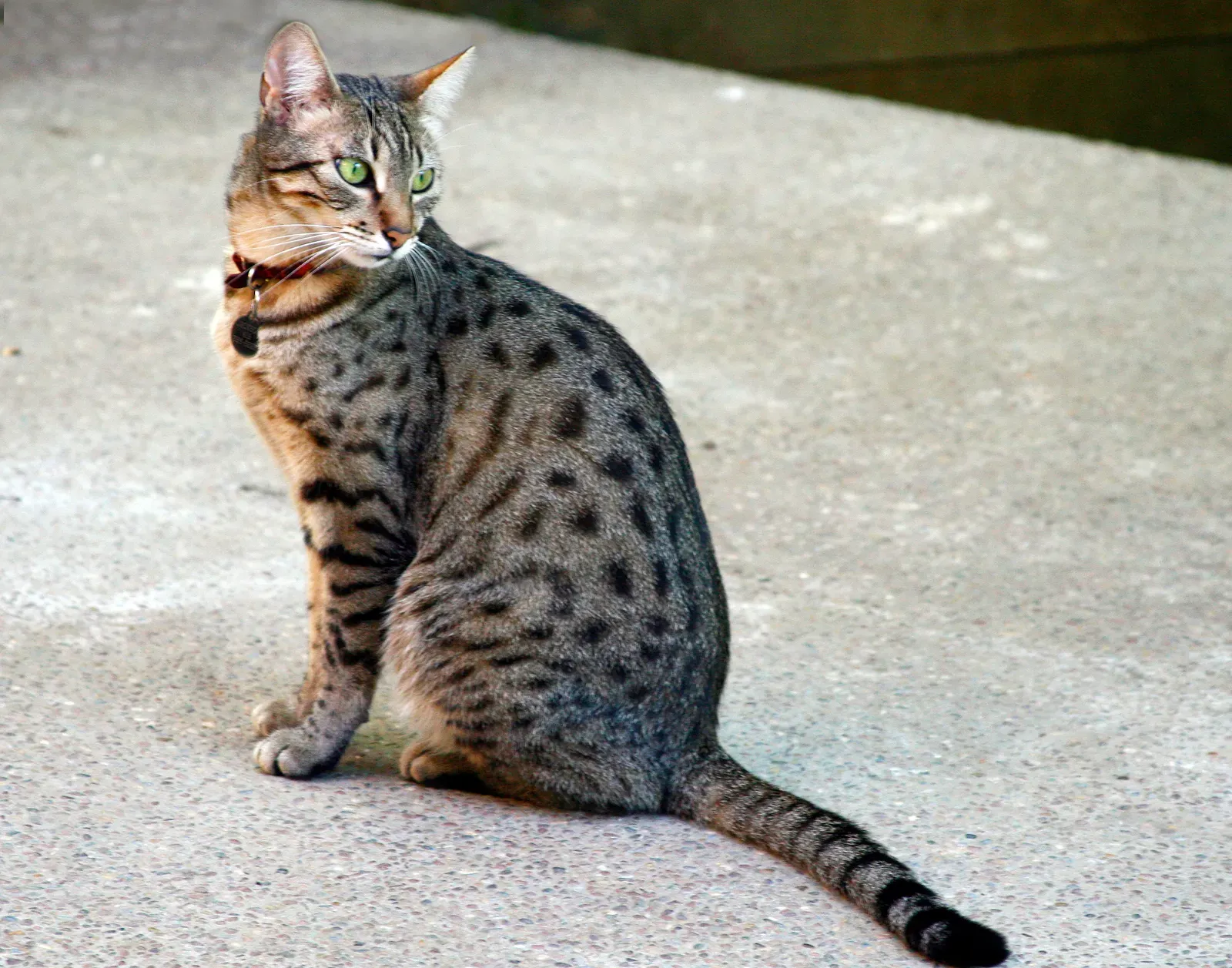
Egyptian Maus are striking spotted cats known for their speed and agility. They can be affectionate with their chosen people but tend to be alert, active, and sometimes wary of strangers or unpredictable situations. In a house with children who run, shout, or grab, a Mau might stay constantly on edge, ready to bolt or defend itself if it feels cornered.
Because these cats are quick and agile, they can easily escape or lash out before your kids even realize they have crossed a line. Over time, those tense interactions can teach your children that cats are unfriendly, when in reality this breed simply needs more calm and control than most kids can give. If your goal is an easygoing, kid-proof companion, you will probably find that the Egyptian Mau feels more like a skittish athlete than a cuddle buddy.
Singapura: Tiny Body, Big Sensitivity
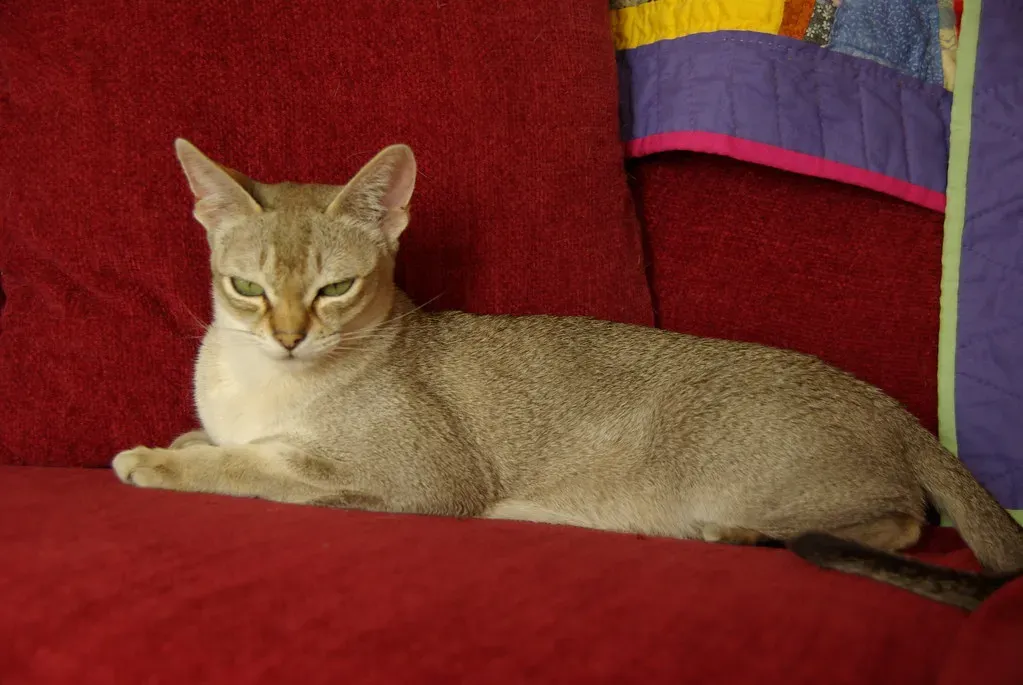
The Singapura is one of the smallest cat breeds, with huge eyes and a delicate build that naturally attracts children. Unfortunately, that tiny frame and sensitive nature do not make it a great match for little kids who haven’t fully learned gentleness. A fall from a child’s arms or an overly tight hug can hurt a Singapura more easily than a larger, sturdier breed.
On the emotional side, Singapuras can be quite alert and easily startled, and a loud household can leave them feeling anxious or constantly on guard. You might notice hiding, flinching, or avoidance around kids who move quickly or squeal excitedly. If you want your children to grow up confident and kind around animals, it is usually better to choose a cat that can comfortably tolerate beginner-level handling, rather than one that needs careful, almost adult-level respect.
Conclusion: Choosing a Cat That Fits Your Family, Not Just Your Feed
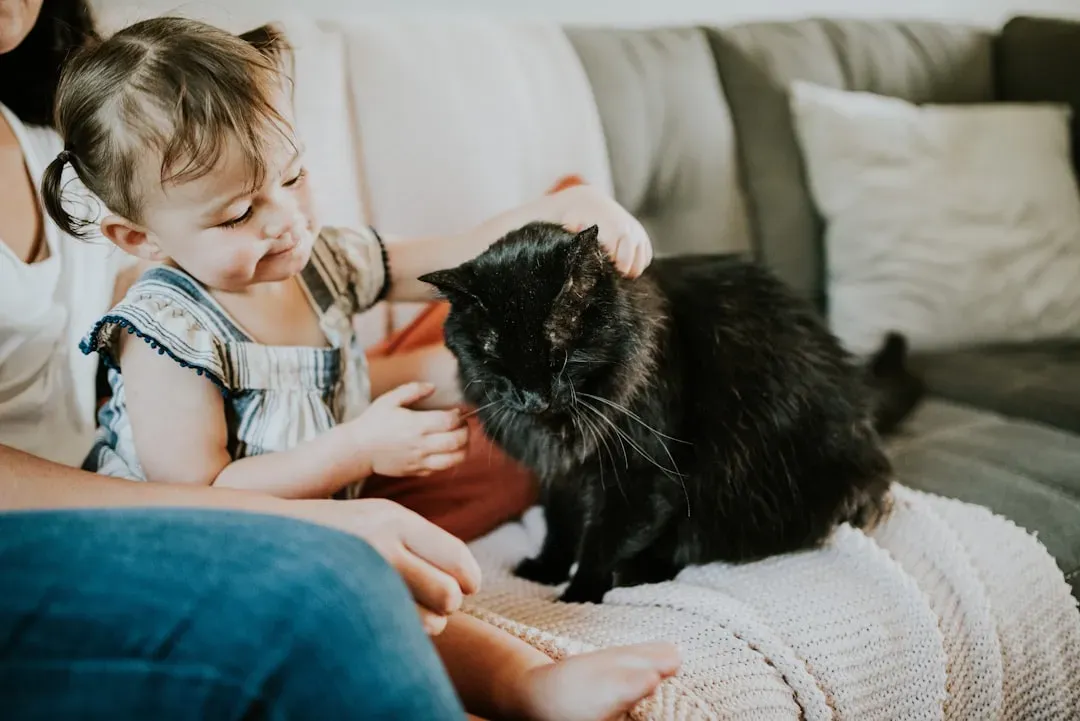
When you look at pictures online, it is easy to fall in love with the most exotic or striking cat breeds and assume they will magically fit into your family. In real life, the cats on this list often struggle in homes with noisy, energetic, or very young children, not because they are bad pets, but because their needs clash with what kids can realistically offer. Sensitive, high-energy, shy, or physically delicate breeds can quickly become stressed or defensive in a child-filled environment, and that stress can spiral into behavior problems and safety issues.
If you want the best outcome for both your kids and your future cat, focus less on looks and rarity and more on temperament, resilience, and tolerance. Meet individual cats, talk honestly with shelters or breeders about your home, and be willing to wait for the right match instead of forcing a tough breed into the wrong setting. A cat that thrives with children will teach your kids empathy, patience, and responsibility, while a mismatched breed may only teach them fear and frustration. In the end, the right cat for your family is the one whose personality truly fits your real life, not just your dream photo – which one do you think that might be for your home?


