
Montana is not gentle country. Its wilderness runs deep – from the Rocky Mountain Front where grizzlies push through prairie grass at dawn, to the dense forests of the Bob Marshall Wilderness where a black bear might be resting just past the next ridge. If you live here, ranch here, or simply love taking your dog into the backcountry, the reality of bear encounters isn’t hypothetical. It’s a question of when, not if.
For thousands of years, grizzly bears have roamed the plains of north-central Montana, and since westward expansion, ranchers have had to learn to live with these apex predators. That coexistence has never been easy. As humans continue to encroach on previously wild areas of North America, encounters between people and bears are becoming increasingly common. In Nevada alone, wildlife officials went from roughly 14 bear-related calls per year in the late 1980s to more than 1,450 calls by 2022. Montana is seeing a similar pattern. The good news? Certain dog breeds have been quietly proving themselves as one of the most effective, natural tools for navigating this reality. Here are 11 that genuinely stand out.
1. Karelian Bear Dog: The Gold Standard for Bear Country
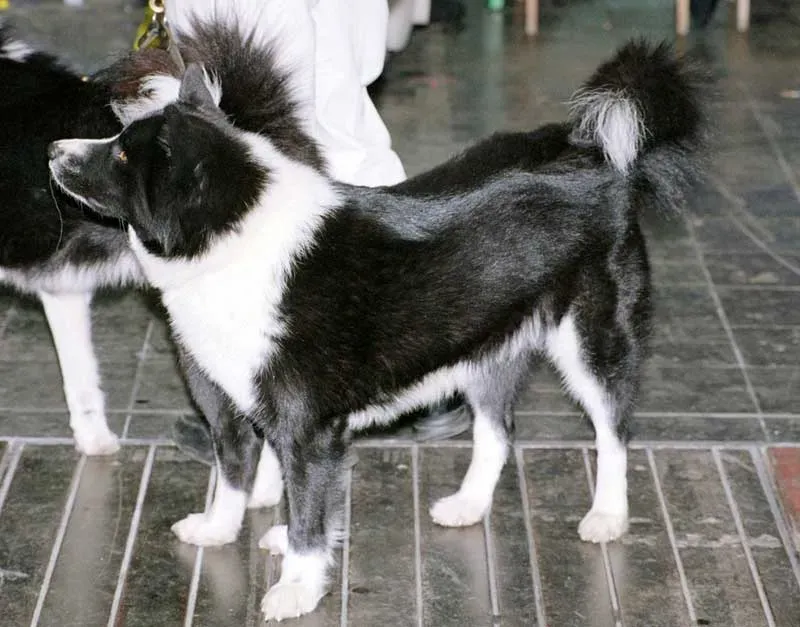
When it comes to dogs specifically designed to handle bears, no breed has a more direct resume than the Karelian Bear Dog. This Finnish breed is seen by many in its home country as a national treasure. Karelian Bear Dogs will hunt a variety of animals, and their quick reflexes and fearless nature have made them very popular for hunting large game including brown bears, moose, and wild boar – which is precisely the trait that earned the breed its name.
Karelian Bear Dogs have been used to reduce human-bear conflicts in the United States, Canada, and Japan, through programs developed and introduced by the Wind River Bear Institute and its founder Carrie Hunt. Their real-world impact in Montana is well documented. Karelian Bear Dogs are trained to protect their owners from grizzly bears but are also friendly enough to make good family dogs – and breeders like Jenna Bourgeois of Big Timber, Montana have been working with the breed for exactly that purpose. The approach they use is not confrontation but hazing: they create obnoxious, threatening noise, then quiet down again when bears go back to minding their own business.
If you’re considering a KBD, go in with eyes open. They’re absolutely not a good breed for first-time dog owners – they’re fearless, noisy, energetic, extremely strong-willed, and can be difficult to train. Early socialization and experienced handling are non-negotiable. But for experienced dog owners in bear country, few breeds come close.
2. Anatolian Shepherd: Montana’s Farmstead Protector
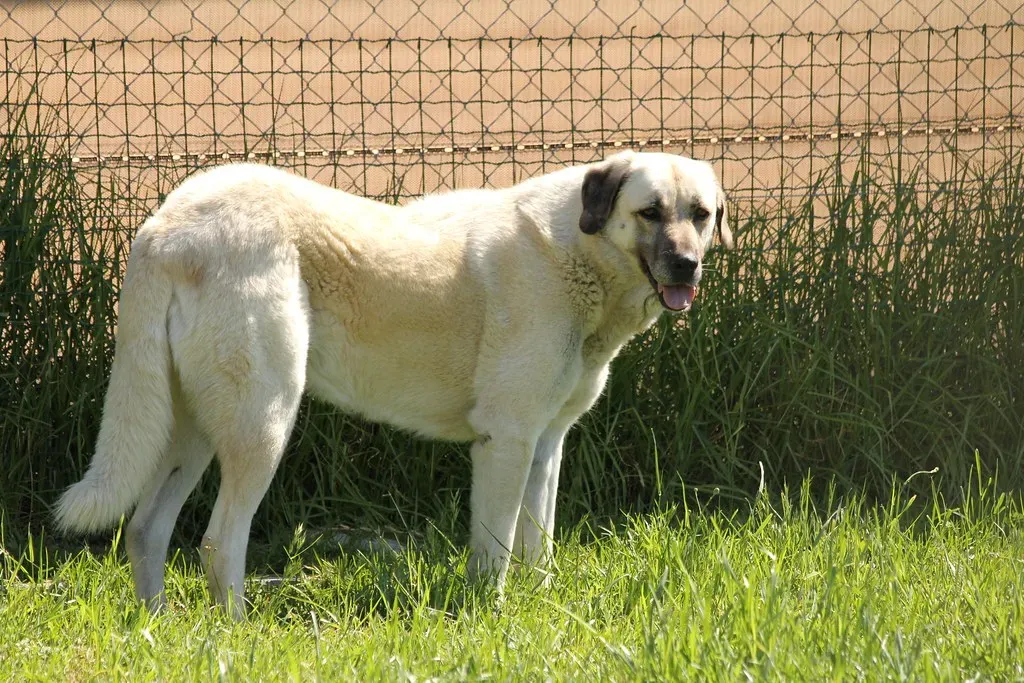
The Anatolian Shepherd has become something of a star in Montana’s bear management story, and for good reason. Large dogs such as shepherds have been used for centuries to keep carnivores away from livestock and people, and researchers Wesley Sarmento and Julie Young of Utah State University specifically studied the Anatolian’s effectiveness against grizzly bears on Montana farms. The results were striking. GPS data from the study showed an 88 percent reduction in the number of bears that came within 300 meters of farms with dogs compared to farms without dogs.
Anatolian Shepherds are known for their strength, independence, and strong guarding instincts, and with proper socialization and training they make reliable livestock protectors and loyal family companions. They are very territorial and respond quickly to threats, and are considered moderately reactive in how quickly they escalate from barking to confronting a perceived danger. Real Montana farm families, like the Beckers at Stick Leg Ranch, have seen this firsthand. At Stick Leg Ranch, where a bear previously killed the family’s chickens, two Anatolian shepherds named Zia and Astra finally allowed life to return to normal on the farm.
3. Kangal: The Powerhouse from Turkey
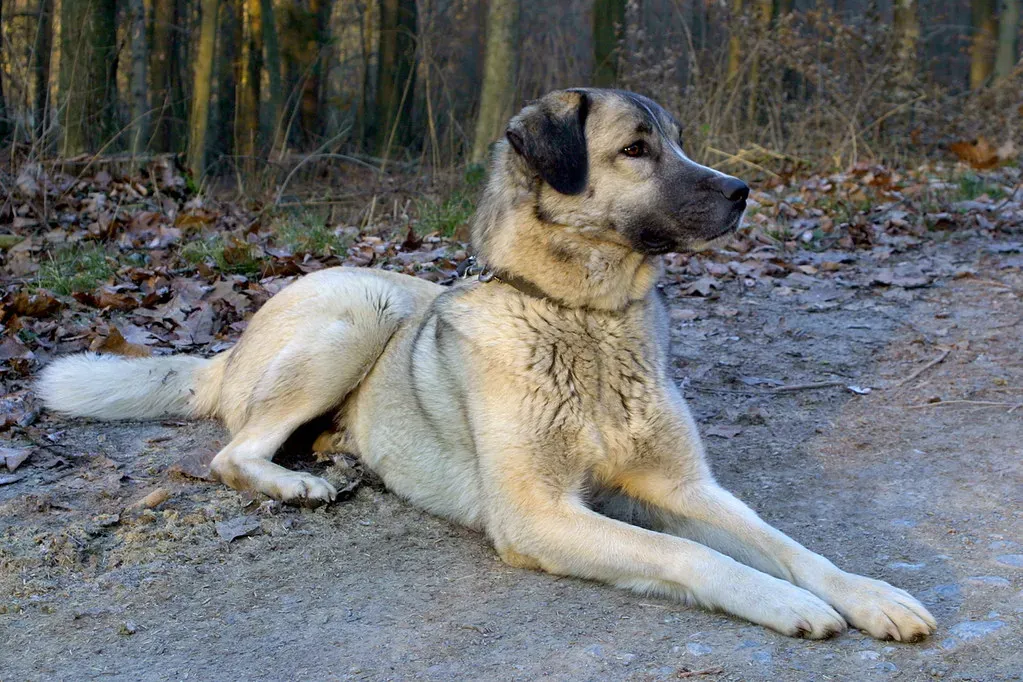
The Kangal is not a dog you overlook. Turkey’s national breed has protected sheep flocks in the harsh Anatolian plateau for centuries, and these powerful guardians developed to defend livestock against wolves, bears, and jackals without human direction. Weighing between 90 and 145 pounds, Kangals possess the strongest measured bite force of any domestic dog. That physical presence alone tends to give bears pause.
Originally bred in Turkey to guard flocks from wolves and bears, the Kangal is revered for its strength and composure under pressure. Despite its size and power, it is calm, loyal, and deeply bonded to its human family, with an ability to assess threats and act with precision that makes it an unmatched guardian. Kangals usually observe their herd from a vantage point, occasionally patrolling, and will place themselves between any perceived threat and what they’re protecting – barking before escalating further. Their coat handles Montana’s weather well too: it suits extreme weather, with a shorter summer coat and a dense double winter coat.
4. Great Pyrenees: The Gentle Giant Who Doesn’t Bluff
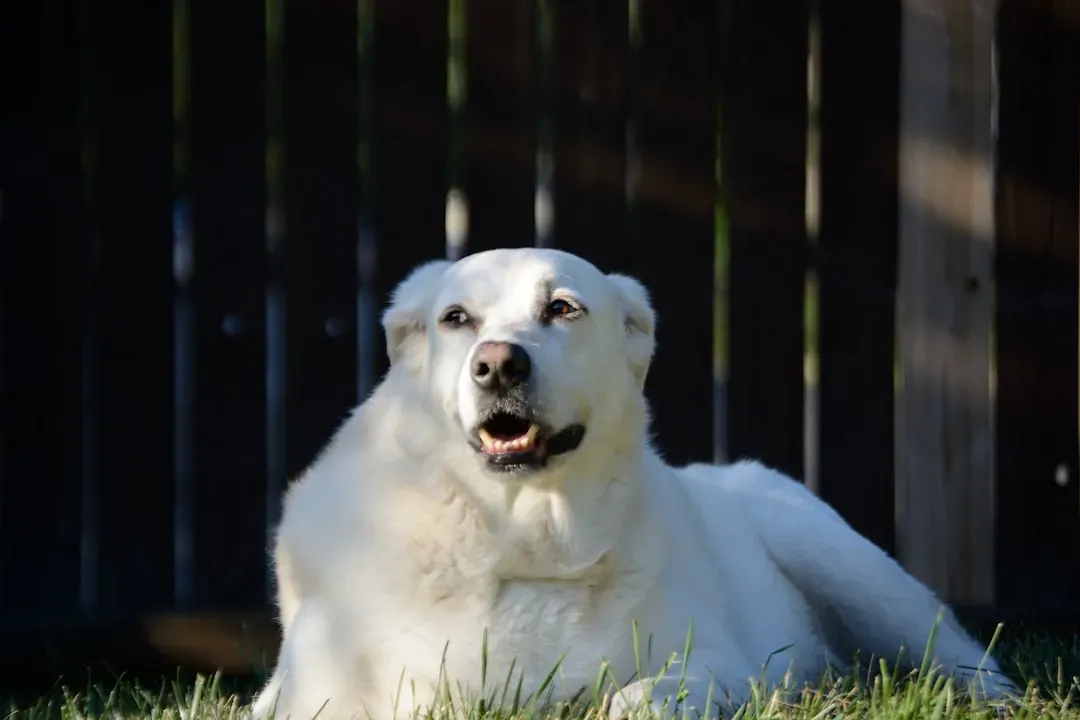
There’s something quietly formidable about a Great Pyrenees standing at the edge of a pasture at dusk. The Great Pyrenees is a majestic guardian that once roamed the Pyrenees Mountains protecting sheep from wolves and bears. Big, snow-white, and powerfully built, the Great Pyrenees has long been a top choice for ranchers and farm owners, with centuries-old roots protecting sheep from wolves in Europe and the Middle East. It gained popularity in the United States in the 1930s and remains one of the most trusted farm protectors today.
Great Pyrenees are breeds the size of linebackers that have been bred for one purpose: protect the flock. They aren’t lap dogs. They bark, they posture, and they will stand between a 700-pound bear and a field full of sheep without a second thought. One important health and management note: their thick double coat requires regular brushing, and owners should watch for heat stress during Montana’s warmer summer months. These dogs thrive with space, purpose, and a cool climate – all of which Montana has in abundance.
5. Tibetan Mastiff: Ancient Guardian, Modern Deterrent
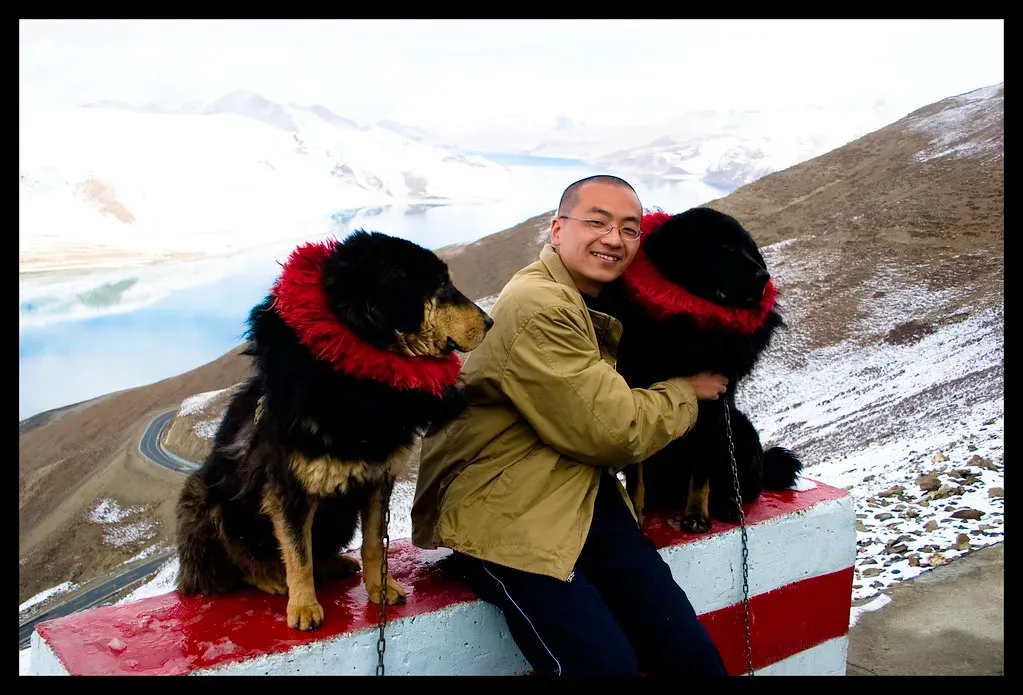
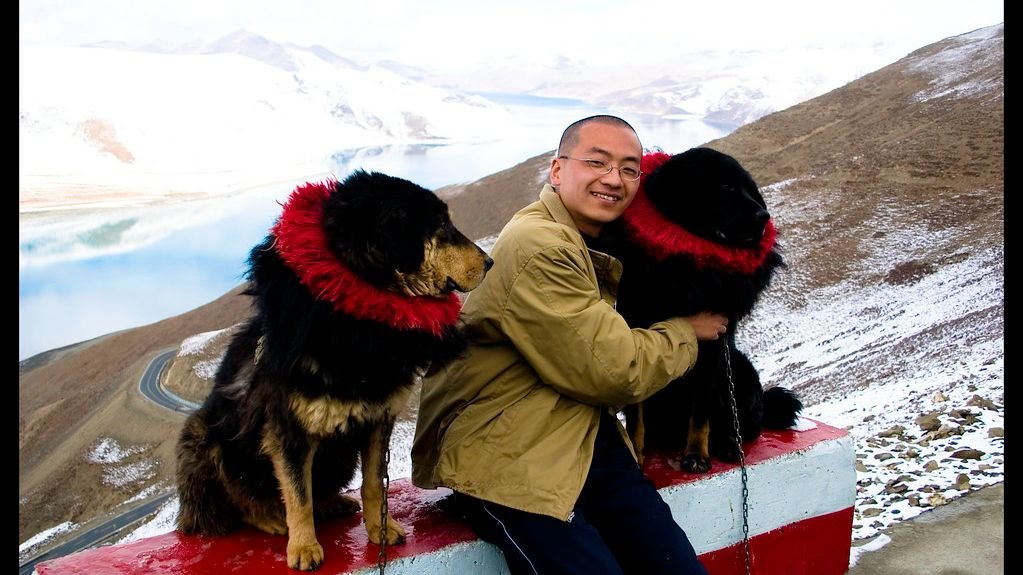
Few breeds command physical respect the way a Tibetan Mastiff does. Massive and lion-like, the Tibetan Mastiff is one of the most imposing livestock guardian breeds in the world. Developed in Tibet thousands of years ago, this ancient dog was bred to guard property and animals in harsh mountain regions, and is a fearless protector known to stand up to serious predators like coyotes and even bears. They are nocturnal by nature, becoming especially alert and vocal at night when livestock is most vulnerable.
Their thick, flowing double coat makes them especially suited for cold climates, and they are calm and mellow with their families but naturally aloof with strangers – becoming more alert and vocal especially at night. The Tibetan Mastiff was bred to guard and defend, which translates into strong loyalty and a natural instinct to protect its handler and territory. Though independent by nature, they are intelligent and capable of making quick decisions in challenging situations. Early socialization is essential, and experienced ownership is strongly recommended – this is not a breed that tolerates vague leadership.
6. Airedale Terrier: The Underrated Bear Country Companion
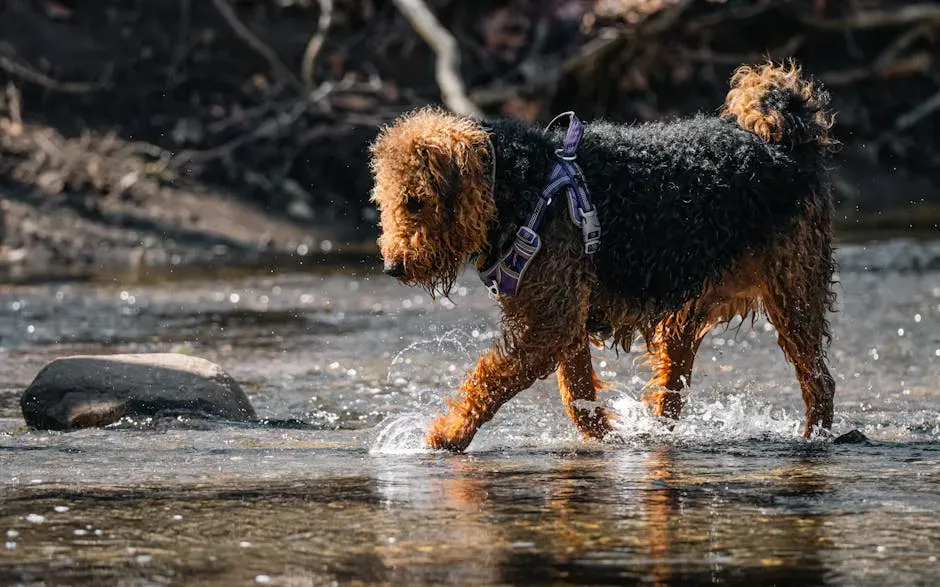
Don’t let the terrier label fool you. Airedale Terriers are used by landowners and conflict-reduction dog-handling specialists as guard and pursuit dogs to protect human safety and pursue wildlife. Ranch manager Greg Hertel of Ishawooa Mesa Ranch has been working with Airedale Terriers since the 1980s. Originally a deckhand of sorts while commercial fishing in Alaska, the breed then served Hertel running mountain lions for the Fish and Wildlife Service in the 1990s. Today, he uses the versatile 80-pound breed as a safety net while hunting in dense grizzly bear country.
At 60 to 80 pounds, Airedales prove that bear deterrence isn’t always about size – it’s about attitude and intelligence. In addition to their bear and mountain lion chasing ability, Airedale Terriers are also good family dogs, making them well suited to support smaller ranching and farming operations that need an all-purpose utility dog to protect human safety and livestock around the farmstead. They’re energetic and require consistent mental and physical engagement. A bored Airedale is a creative, sometimes destructive, Airedale.
7. Alaskan Malamute: Built for the Brutal and the Beautiful
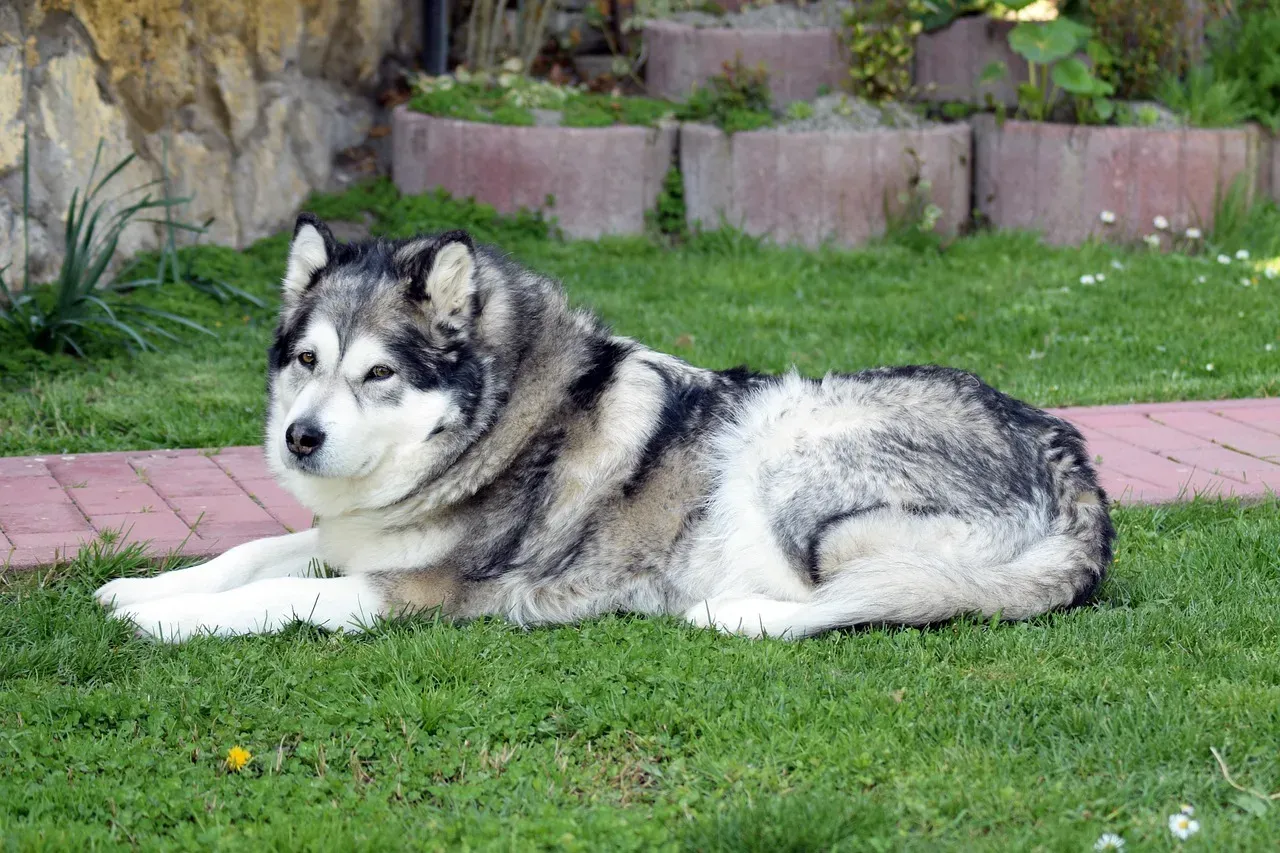
The Alaskan Malamute looks like it belongs in Montana. Its build, its coat, its energy – everything about this breed was shaped by environments that didn’t forgive weakness. Built for long-distance travel, the Alaskan Malamute can tirelessly track bears across vast and rugged terrains, including snow-covered regions and mountainous areas. Weighing between 85 and 100 pounds and standing up to 25 inches tall, the Malamute has the physical strength to handle intense encounters with confidence.
These aren’t just sled dogs – they’re legitimate predator deterrents with the muscle and mindset to back up their intimidating presence. Their thick coat provides natural armor against claws, while their pack mentality makes them incredibly protective of their human family. Malamutes are highly loyal to their handlers and work well in packs, making them valuable for group efforts. Their strong bond with humans ensures they stay focused when it matters most. They do require experienced handling and lots of daily exercise. A Malamute without a job is a restless Malamute, and that energy needs somewhere productive to go.
8. Plott Hound: The Relentless Tracker
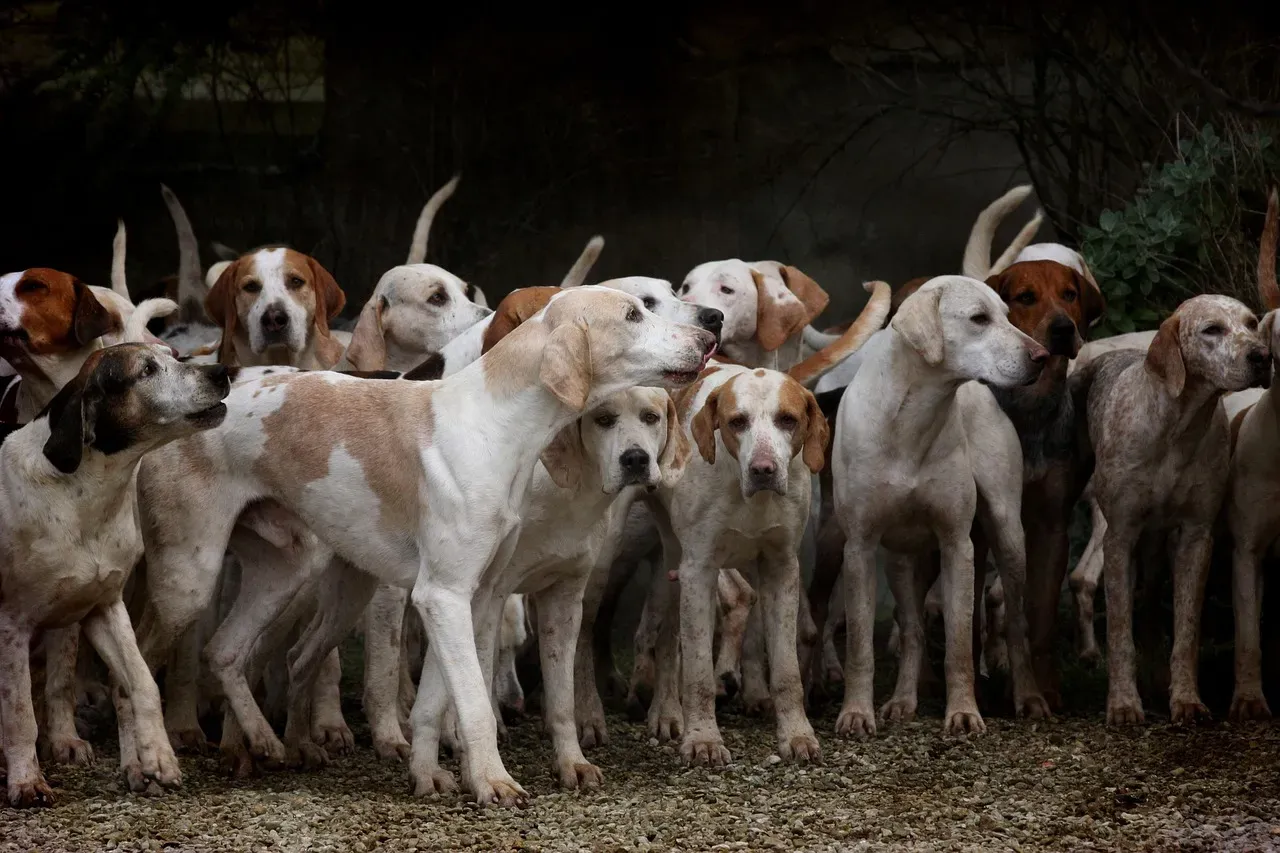
The Plott Hound is one of America’s most underappreciated working breeds, and it has a deep and specific history with bear hunting. The Plott Hound is a rugged, relentless hunting dog – a mellow gentleman at home but fearless, implacable, and bold at work. Plott Hounds stand out as a distinguished breed within the realm of bear hunting dogs, renowned for their exceptional tracking abilities and unwavering tenacity, with roots deeply embedded in American history.
Plott Hounds were specifically developed to hunt black bears in the Smoky Mountains and have been perfecting their technique for over 200 years. They stand out for their exceptional tracking abilities and their complete lack of fear, as well as their ability to work as a coordinated team – surrounding and confusing much larger predators. In a Montana context, Plotts are best deployed as alert and tracking companions rather than frontline confrontation dogs. Their nose is extraordinary, and an early warning from a Plott Hound gives you valuable time to react.
9. Norwegian Elkhound: The Quiet Confidence of the North
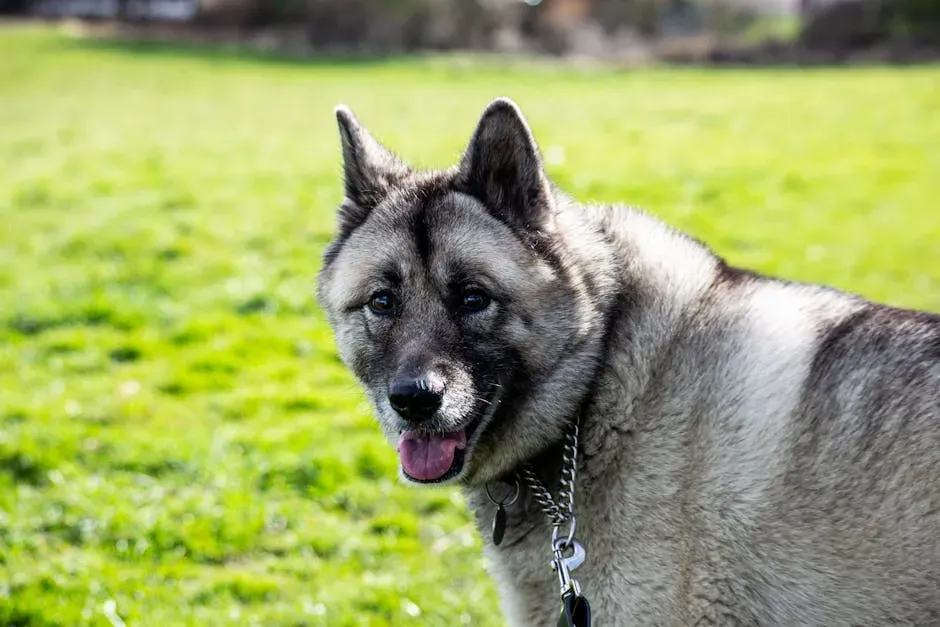
The Norwegian Elkhound doesn’t get the press it deserves when conversations about bear country dogs come up. That’s worth correcting. The Norwegian Elkhound is compact, hardy, and confident, born for mountainous forests where elk and bears test every weakness daily. It tracks quietly, then barks rhythmically, circling and feinting to hold position while safeguarding handler approach paths.
They offer athletic balance, a dense coat for protection, and a fearless attitude that respects pressure without wasting energy on theatrics. They are independent thinkers with a steady voice, and their durable feet handle shale, ice, and swampy ground during prolonged encounters. Montana’s varied terrain – from alpine scree to river bottoms – is exactly the kind of environment this breed was shaped for. Training benefits from patient repetition, clear rules, and rewarding games that channel drive into focus and distance control. For tough weather, tall cover, and stubborn bears, this breed brings grit, intelligence, and honest working enthusiasm.
10. Mountain Cur: The Forgotten American Working Dog
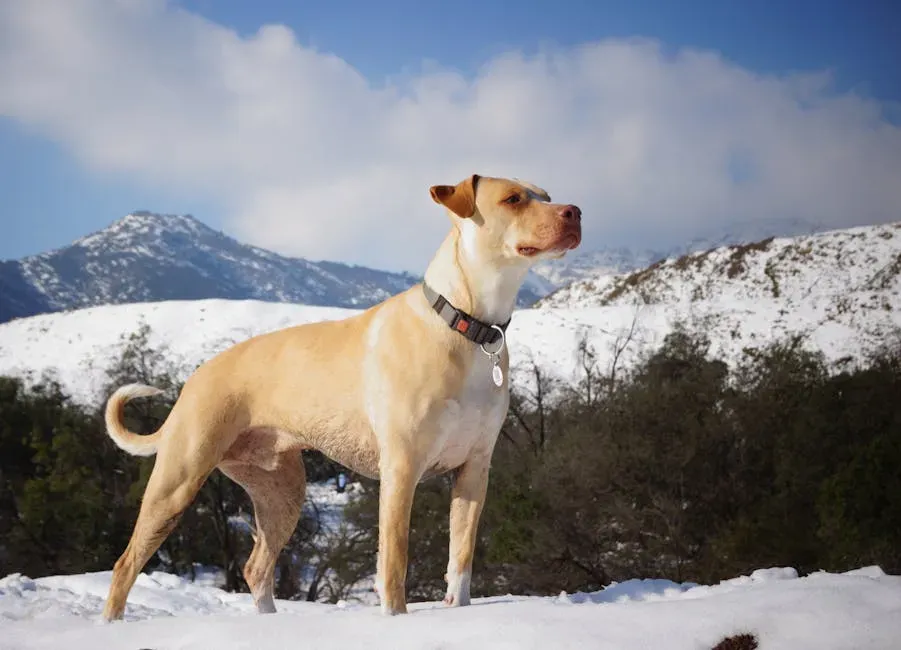
The Mountain Cur may be one of the most purely American working dogs on this list, shaped by frontier necessity rather than breed clubs or show rings. The Mountain Cur is a working dog bred specifically for treeing and trailing small game like squirrels and raccoons, but they are also used for hunting and baying big game like bear and wild boar, as well as serving as an all-purpose farm dog. The Mountain Cur was brought to America nearly two hundred years ago by settlers to guard family and property, as well as chase and tree game.
Mountain Curs are rugged and hardy dogs bred for their hunting capabilities, with a short coat and muscular build. They are known for their courage, loyalty, and versatility, used for trailing, baying, and sometimes treeing bears, and are adaptable to various terrains. They’re not as large as some of the guardian breeds on this list, but what they lack in size they make up for in tenacity and speed. In Montana’s forests and river drainages, a Mountain Cur that alerts early can be the difference between a calm situation and a dangerous one.
11. Caucasian Shepherd Dog: The Most Imposing Guardian on the List
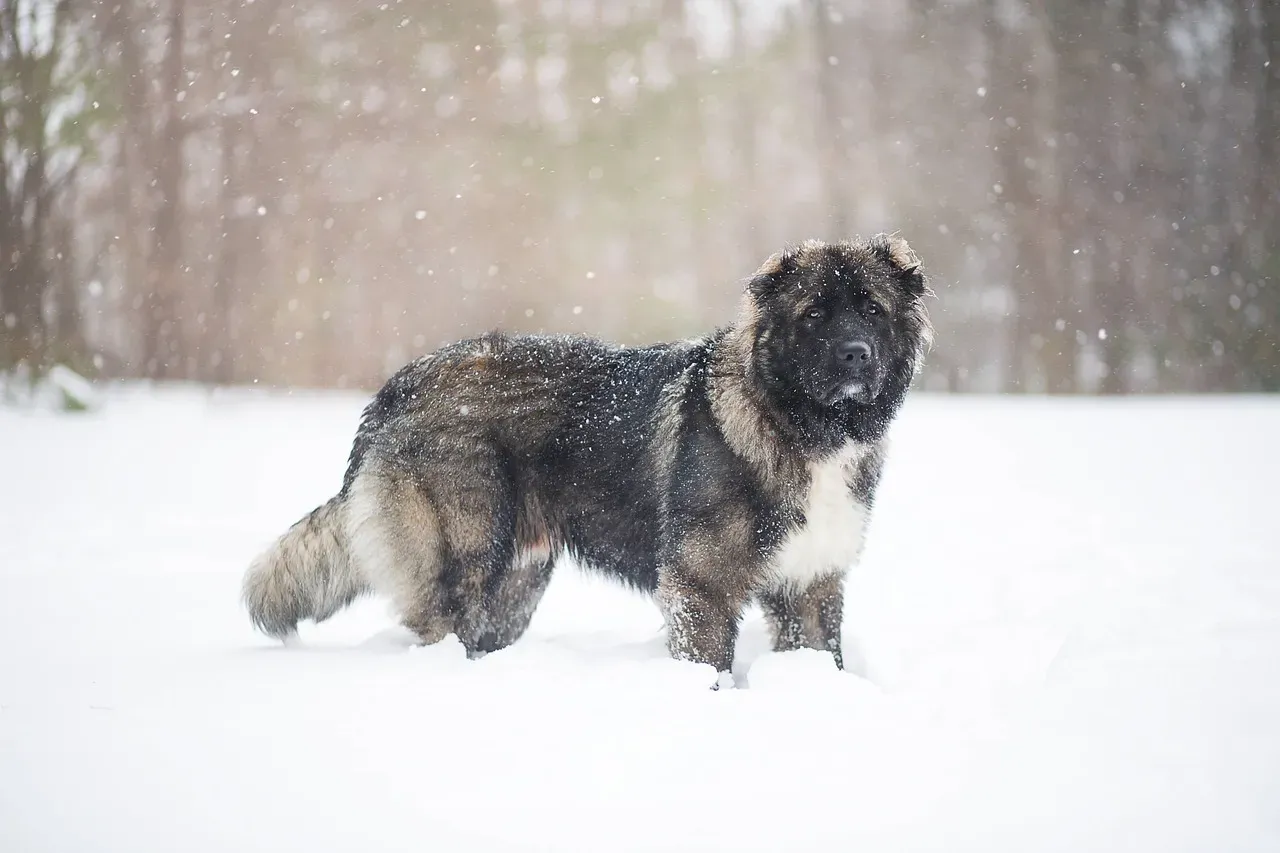
If sheer presence and raw protective power are what you’re after, the Caucasian Shepherd Dog occupies a category largely its own. The Caucasian Shepherd Dog is a fierce and powerful livestock guardian from the Caucasus region. These massive dogs are fearless protectors, standing up to wolves, bears, and other threats. While devoted to protecting livestock, they require experienced handling due to their strong-willed nature.
Known for its fearless temperament, the Caucasian Shepherd Dog is not intimidated by bears, and is capable of cornering and intimidating even the most aggressive animals. That said, this breed is genuinely not for casual dog owners. They demand structure, proper socialization from puppyhood, and a handler who understands working dog dynamics. The far eastern breeds from eastern Europe, Russia, and central Asia are very fast to react and very aggressive to predators and threats, including strangers. In the right hands and the right setting, though, few dogs on earth project the kind of authority that makes a grizzly reconsider its options.
Conclusion: Choosing the Right Dog for Montana’s Wild Spaces
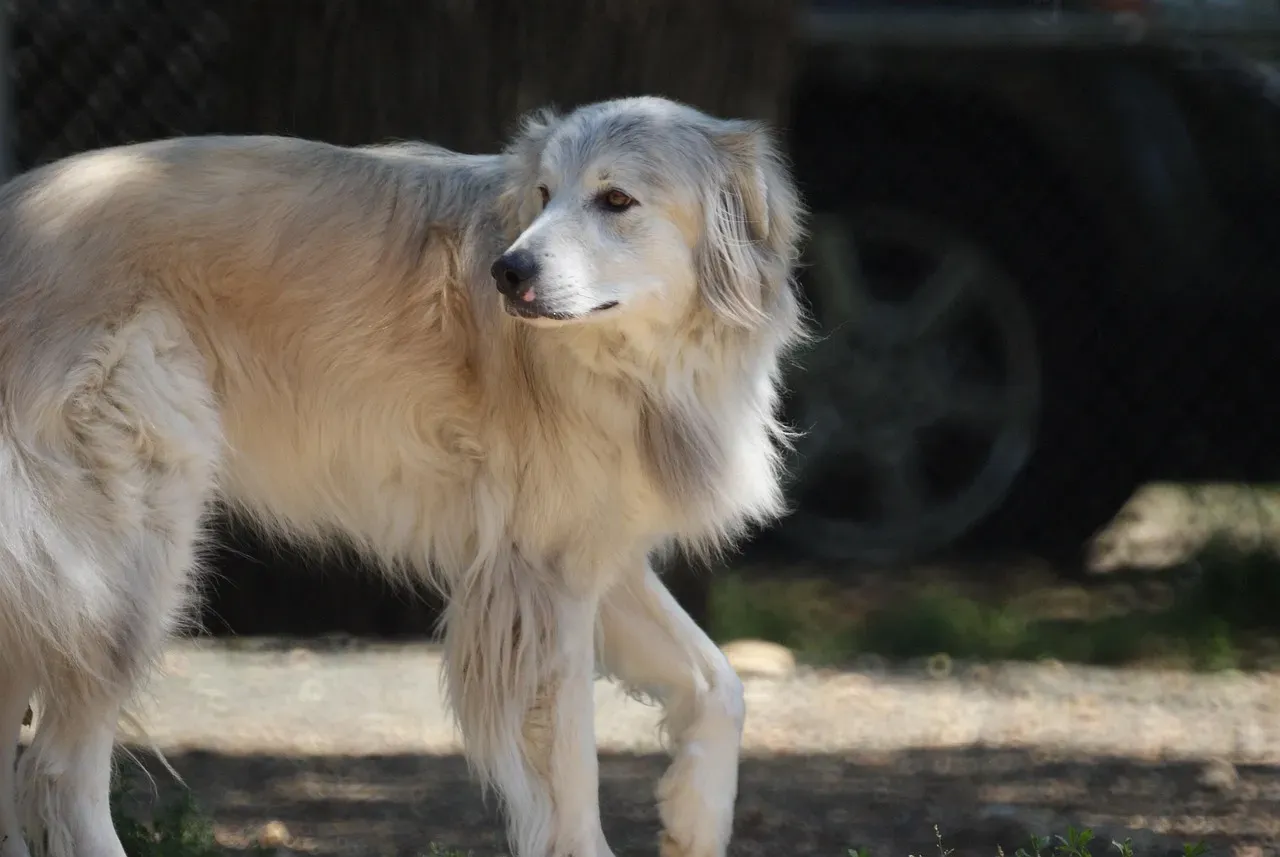
Living in Montana with bears as neighbors is not a problem to be solved – it’s a relationship to be managed thoughtfully. The dogs on this list aren’t magic shields. They’re working partners, and like any partnership, their effectiveness depends on proper training, clear roles, and genuine commitment from the owner. Livestock guardian dogs reduce predation through three major mechanisms: territorial exclusion, disruption, and confrontation. Understanding which of those roles fits your situation – farm, backcountry hiking, or rural homestead – should guide which breed you choose.
The simple presence of a livestock guardian dog can reduce visits from grizzly bears by nearly 88 percent, which should be encouraging to anyone living near expanding grizzly populations in the Northern Rockies, or recreating in grizzly habitat. A single guard dog is no match for a wolf or a grizzly bear in a direct fight, which is why proper training, working in pairs when possible, and never relying solely on your dog are all part of a responsible approach. These breeds deserve owners who understand what they’re asking of them.
Montana’s wildness is one of its greatest gifts. The right dog, chosen carefully and raised with purpose, doesn’t diminish that wildness – it helps you and your family move through it with a little more confidence and a little less fear. That’s worth everything.


