
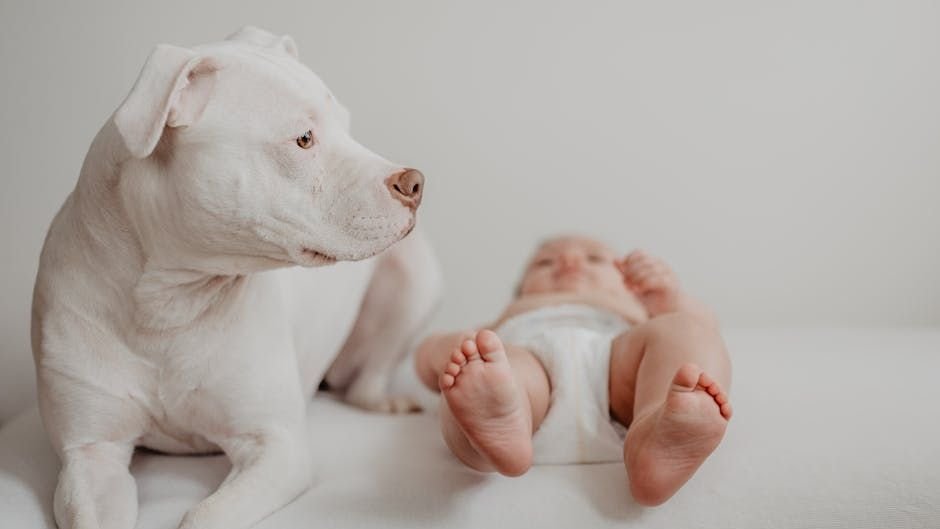
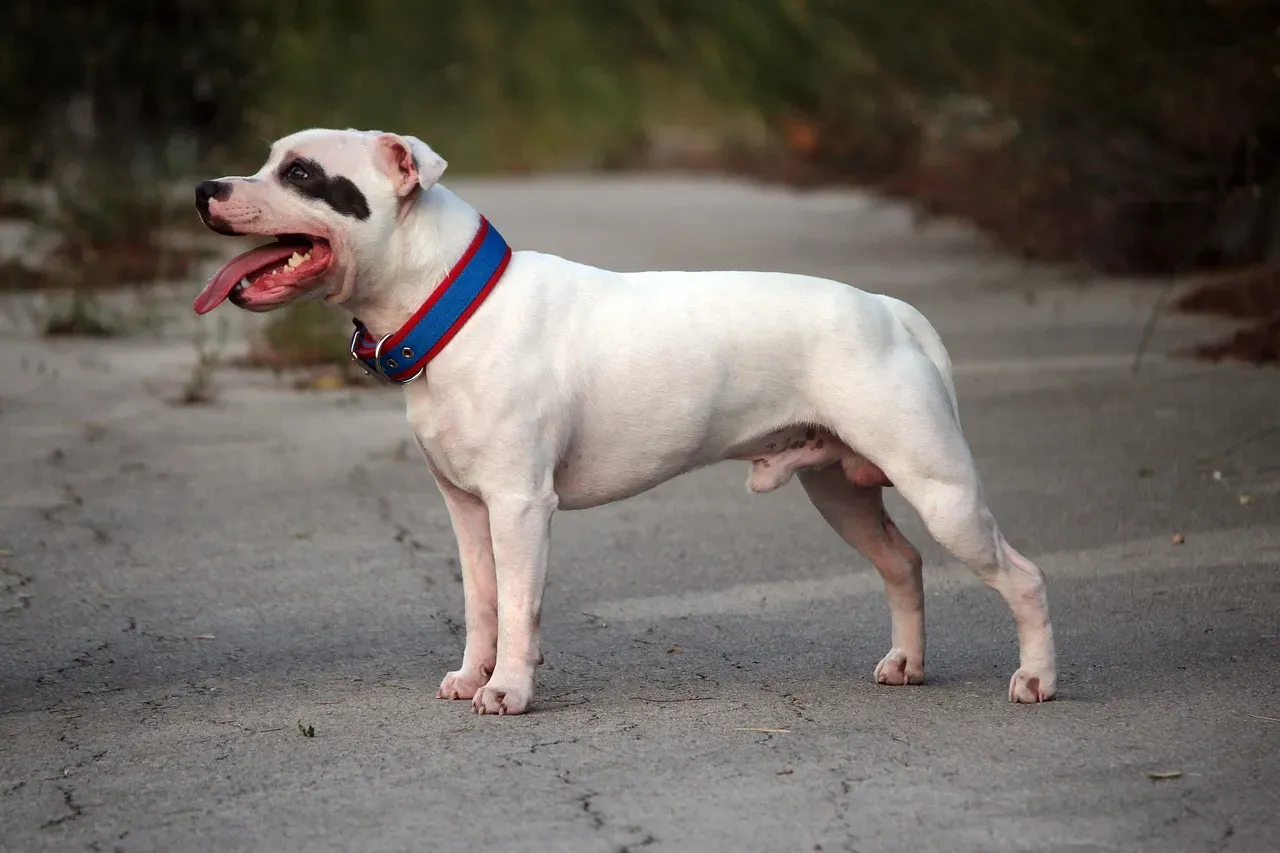
Picture a dog that looks like it could knock you over with its chest, yet spends its evenings gently nudging a toddler back to safety on the sofa. That’s a Staffy. Stocky, muscular, wide-jawed, and wearing what can only be described as a permanent grin, the Staffordshire Bull Terrier is one of the most visually misread breeds in the dog world.
In England, the Staffordshire Bull Terrier is nicknamed the “nanny dog,” such is its reputation as a child’s playmate and guardian. Despite a fierce appearance, this dog is a lover, not a fighter. The breed is gentle, docile, and always on the lookout for fun. Whether you’re already a Staffy owner or simply curious about the nickname that has followed this breed for decades, there’s more to this story than a cute label. Here’s what the research actually says and what every dog lover should know.
Where the “Nanny Dog” Nickname Really Comes From
The origin of the “nanny dog” label is more nuanced than most people realize. The earliest documented instance of this association comes from a 1971 New York Times article titled “A Breed That Came Up the Hard Way,” which references the Staffordshire Bull Terrier as being called a “nursemaid dog” because of their gentle nature around children. That’s a relatively recent origin for a nickname that many assume stretches back centuries.
Before the 19th century, it was very common for people of all social backgrounds to participate in watching bloodsports such as bull-baiting, bear-baiting, and cock fighting. Bulls brought to market were set upon by dogs very much similar to the Staffordshire Bull Terrier, done as a way of tenderizing meat and providing entertainment for spectators. The breed’s past is genuinely rough. But what makes its transformation so remarkable is how completely it turned the page.
As an important aside, fighting dogs were often handled in the pit during fights by both their owners and the judge, so they were bred to be as trustworthy with humans as they were aggressive towards other dogs. This is a critical detail. Human-friendliness was baked into the Staffy’s DNA by necessity, long before the family-dog era even began. Their gentleness with people was never an accident.
The Temperament That Earned Them the Title
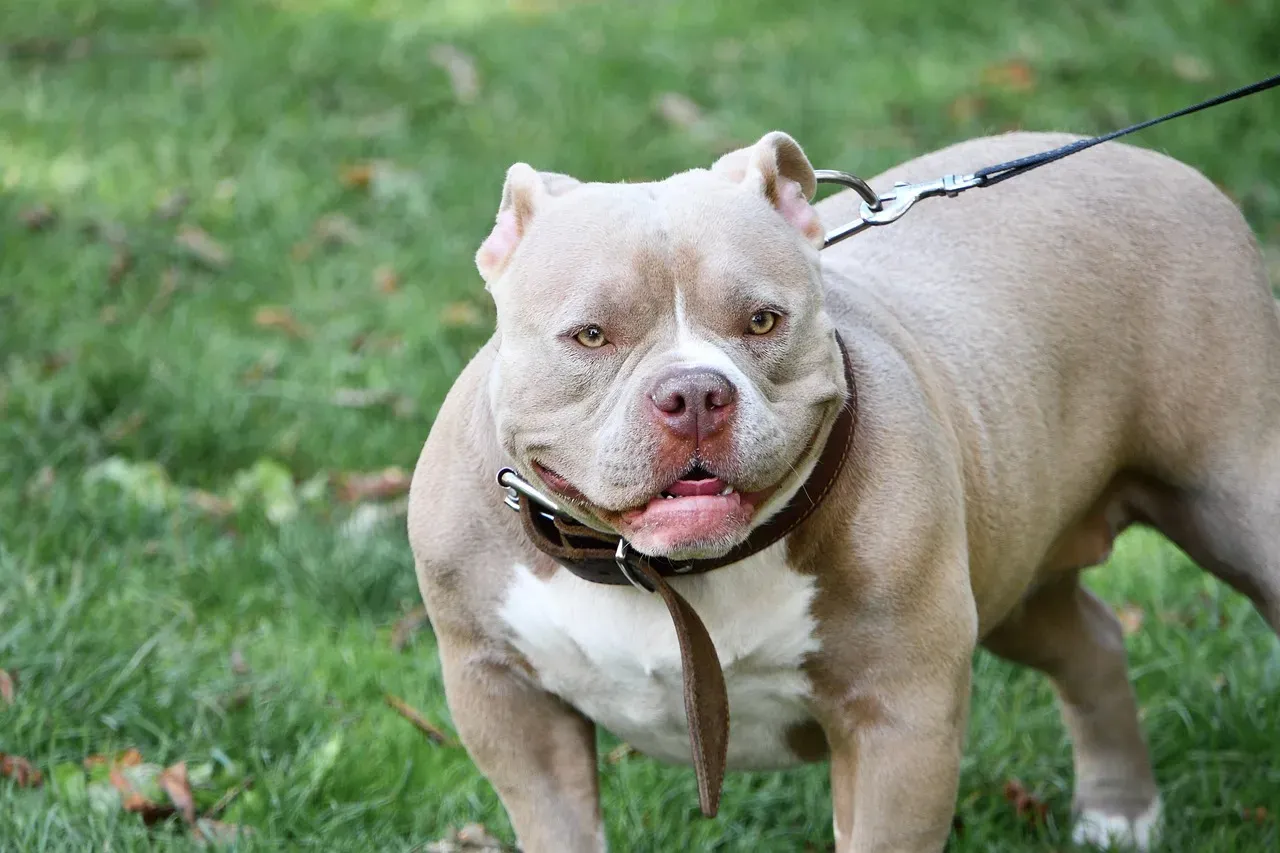
Staffordshire Bull Terriers are compact and powerful but are often nicknamed nanny dogs for a reason. When raised well, they are exceptional with people and thrive in a family environment. These dogs are animated, full of energy, and possess an emotional depth that is often underestimated. They do everything with heart and intensity.
Many parents have observed the soothing effect a Staffordshire Bull Terrier can have on children. These dogs seem to possess an inherent understanding of a child’s emotions and are quick to offer comfort during sad or distressed moments. It’s the kind of behavior that’s difficult to train into a dog. It just seems to be there.
Despite their bold presence, Staffies are often highly sensitive. They read body language well and respond strongly to tone and intention. This sensitivity means they do best with guidance that is both clear and kind. A Staffy who feels secure and loved tends to be calm, warm, and deeply attentive to the emotional state of everyone around them, children especially.
What “Nanny Dog” Means in Practice: Real Household Behavior
The nanny dog’s presence also contributes to a child’s social development. Interaction with these dogs teaches youngsters empathy, respect, and responsibility, nurturing their emotional growth in a unique and impactful way. Many Staffy owners describe a dog that instinctively stations itself near small children, not in an anxious way, but with a quiet, watchful steadiness.
They’re known as “nanny dogs” because they have such a gentle disposition and calm temperament when it comes to children. However, you shouldn’t take this to mean they can babysit your kids. All dogs should be supervised around children, no matter how friendly they might be. That balance matters enormously. Loving a breed deeply is no substitute for keeping an adult in the room.
Their love of children has given Staffies the nickname of “nanny dogs,” as they’re gentle, affectionate, and patient with little ones. However, they can sometimes be a bit boisterous and too enthusiastic, so care should be taken around toddlers who are easily knocked over. Think of it less as a risk and more as physics. A muscular, enthusiastic dog barreling toward a three-year-old with pure love in their eyes can still send that toddler sideways. Supervision is always the right call.
Training, Socialization, and Setting Your Staffy Up to Shine
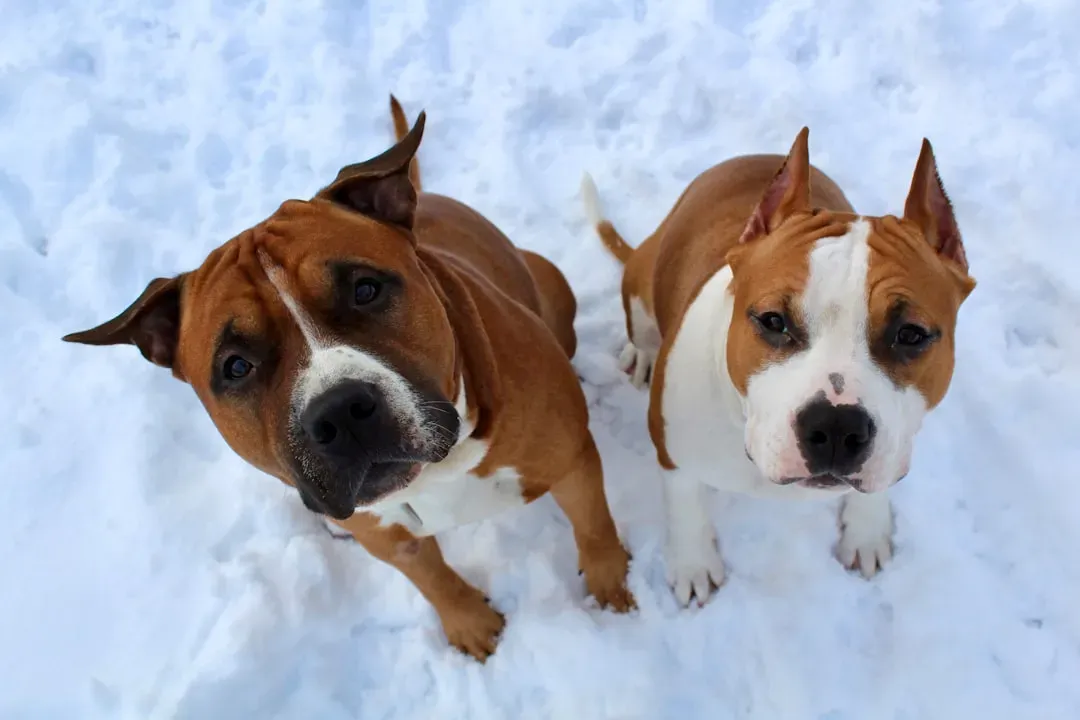
Staffies are intelligent and trainable, responding well to positive reinforcement methods. Early socialization and consistent training are vital for any dog breed, especially one with a strong personality. This is where responsible ownership makes all the difference. A Staffy who’s been guided and exposed to a variety of people, environments, and experiences from puppyhood is a dramatically different dog to one who hasn’t.
Obedience training is possible, although it is not the Staffordshire’s strong point. Force training methods will lead nowhere, but if training is made into a game, then the Stafford is more than willing to play. Keep sessions short, positive, and genuinely fun. Staffies thrive on reward-based interaction, and their eagerness to please tends to kick in the moment treats and praise are on the table.
Like most dogs, socializing a Staffie is vital for their growth and development. For best results, owners should begin the process as soon as possible during the puppy stages. Start by exposing them to different environments, people, sounds, and animals. Also, be sure to encourage positive interactions with other dogs, as this helps to build confidence and prevent aggression. Think of early socialization not as a task to complete but as an ongoing lifestyle. The more positive experiences your Staffy collects, the more balanced and confident they become.
Health Signs Every Staffy Owner Should Know
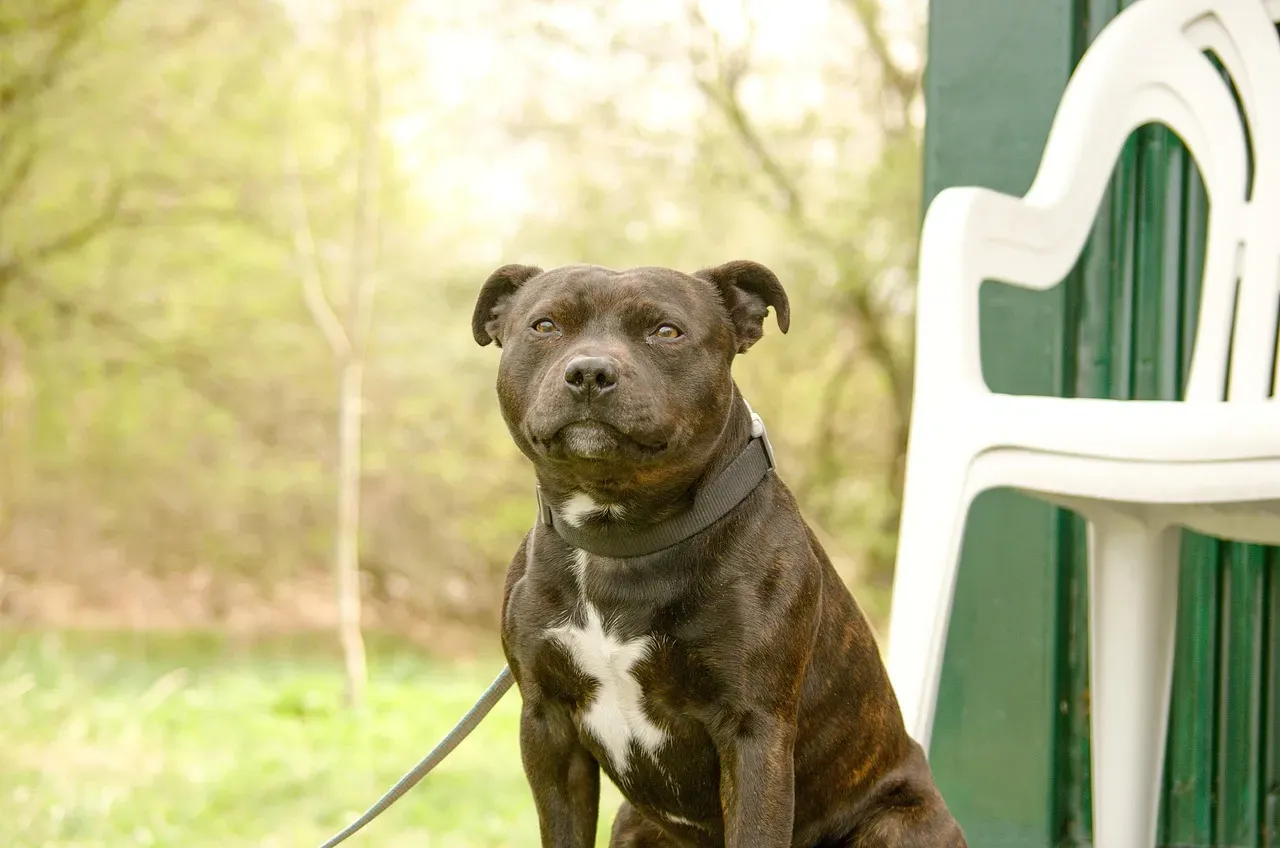
Like all breeds, Staffordshire Bull Terriers may be prone to certain health issues. Common concerns include patella luxation, cruciate ligament disease, cataracts, and skin allergies such as dermatitis. Regular veterinary check-ups, a balanced diet, and adequate exercise can help mitigate potential health problems and ensure your Staffie leads a long and healthy life.
Staffies can be prone to overheating, so make sure they have plenty of water and shade to keep cool in hot weather. Watch for heavy, labored panting, drooling, or sluggishness during warm weather walks. These are early warning signs that your dog needs to cool down, and Staffies don’t always self-regulate the way you’d hope they would.
Prone to certain health conditions like hip dysplasia and skin allergies, regular veterinary check-ups are essential. Skin allergies in particular can show up as recurring redness, itching, or hotspots on the belly and paws. If your Staffy is constantly scratching or chewing at their feet, a vet visit is warranted. Catching these things early keeps small problems from becoming expensive ones. Staffies generally live 12 to 14 years with proper care, exercise, and regular vet check-ups, so the investment in routine care genuinely pays off over the long run.
The Bigger Picture: Misunderstood, Overlooked, and Deeply Deserving
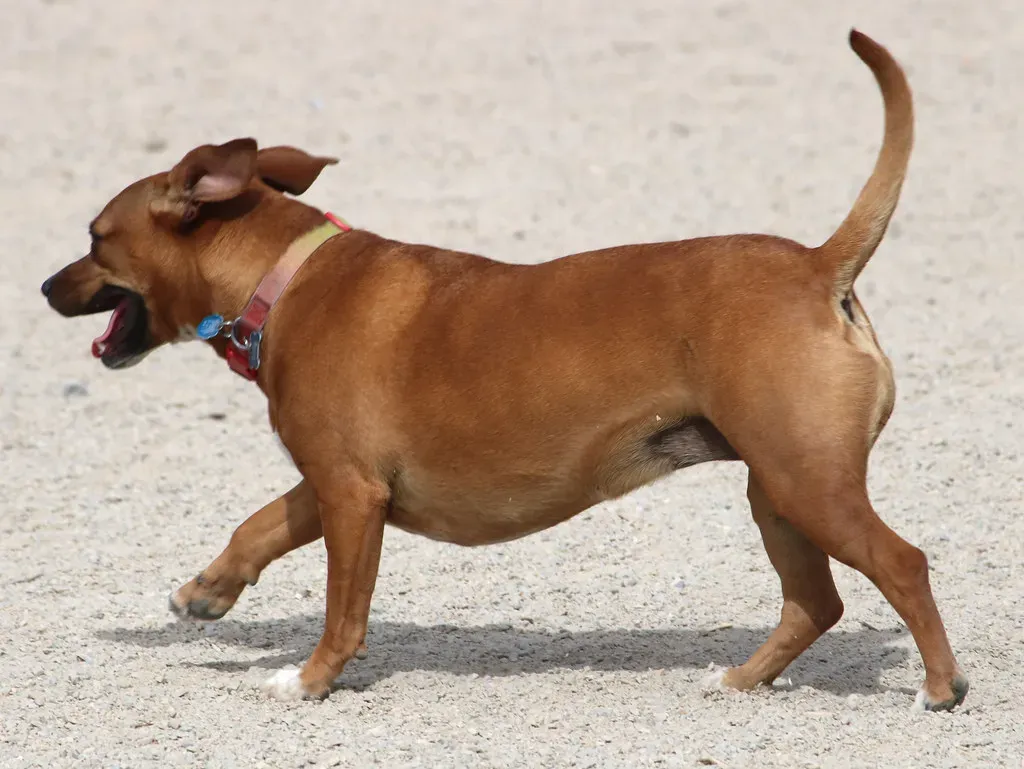
Staffordshire Bull Terriers have an unfair reputation as being dangerous or aggressive. While the breed can be very vocal and protective, they are not known to be aggressive by nature and are in fact loving and gentle dogs who crave companionship. The gap between how Staffies are often perceived and who they actually are is one of the more unfair stories in the dog world.
Staffordshire Bull Terriers took the top spot in ITV’s Britain’s Favourite Dogs, which says something significant. The public who actually live with and love this breed know something that strangers glancing at a stocky dog on a lead often don’t: what’s inside that compact, muscular frame is a huge, loyal, warm-hearted companion.
A common misconception about the Staffie is that they are inherently mean and aggressive. In reality, their temperament is heavily influenced by their upbringing, socialization, and training. For these reasons, responsible ownership is crucial for this particular breed. If you’re willing to put in the time, a well-raised Staffy will repay you with a loyalty and warmth that’s genuinely hard to match.
Conclusion
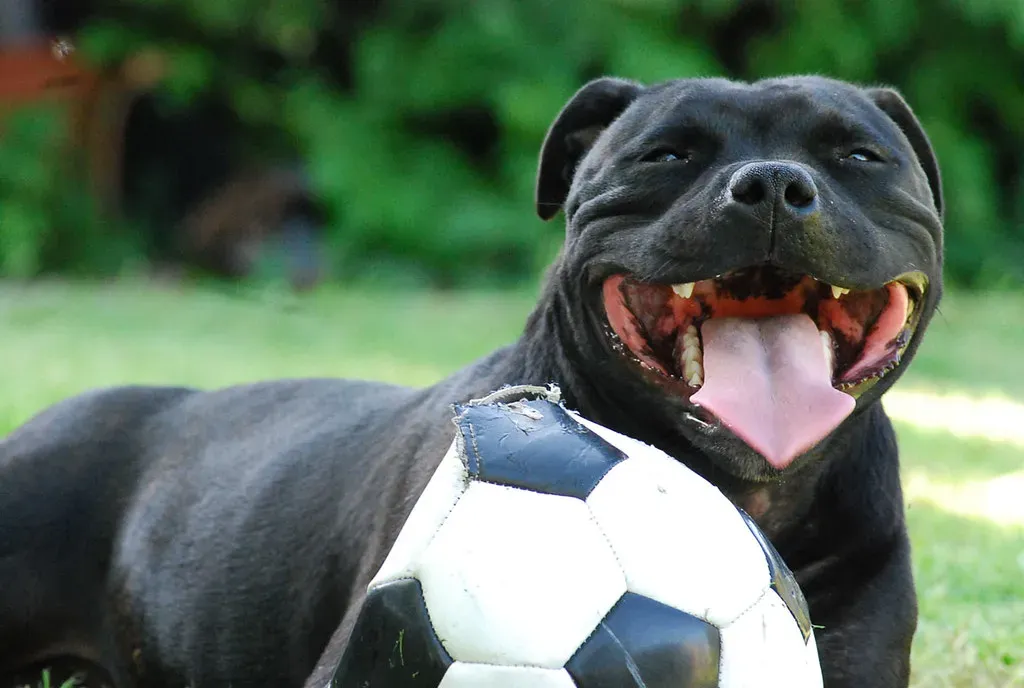
The “nanny dog” nickname was never meant to be a legal guarantee or a replacement for adult supervision. It was always a reflection of something real: a breed with an extraordinary capacity for gentleness, especially around the people it loves most. Staffies didn’t earn that reputation through marketing. They earned it one household, one child, one quiet Saturday afternoon at a time.
If you share your life with a Staffy, or you’re thinking about it, the research backs what so many owners already know instinctively. Train them well, socialize them early, keep their health in check, and never take their gentleness for granted. If you’re seeking a dog with courage, character, and deep emotional presence, the Staffy could be your perfect match. They require guidance, connection, and regular mental and physical outlets, but they repay your effort with affection, humor, and fierce devotion.
That trade-off isn’t just fair. For most Staffy families, it’s the best deal they’ve ever made.


