
Dogs can’t text you. They can’t leave a sticky note on the fridge. Yet every single day, your dog is sending you clear, heartfelt messages about how they feel about you. Most of us just don’t know the language well enough to read them.
Unlike humans, dogs don’t verbalize trust. Instead, they reveal it through their gentle behaviors that are deep-rooted in instinct, emotional security, and body language. The beautiful thing is, once you learn to notice these signals, you’ll realize your dog has probably been telling you all along. Here are 17 signs to look for.
1. They Greet You Like You’ve Been Gone for a Year
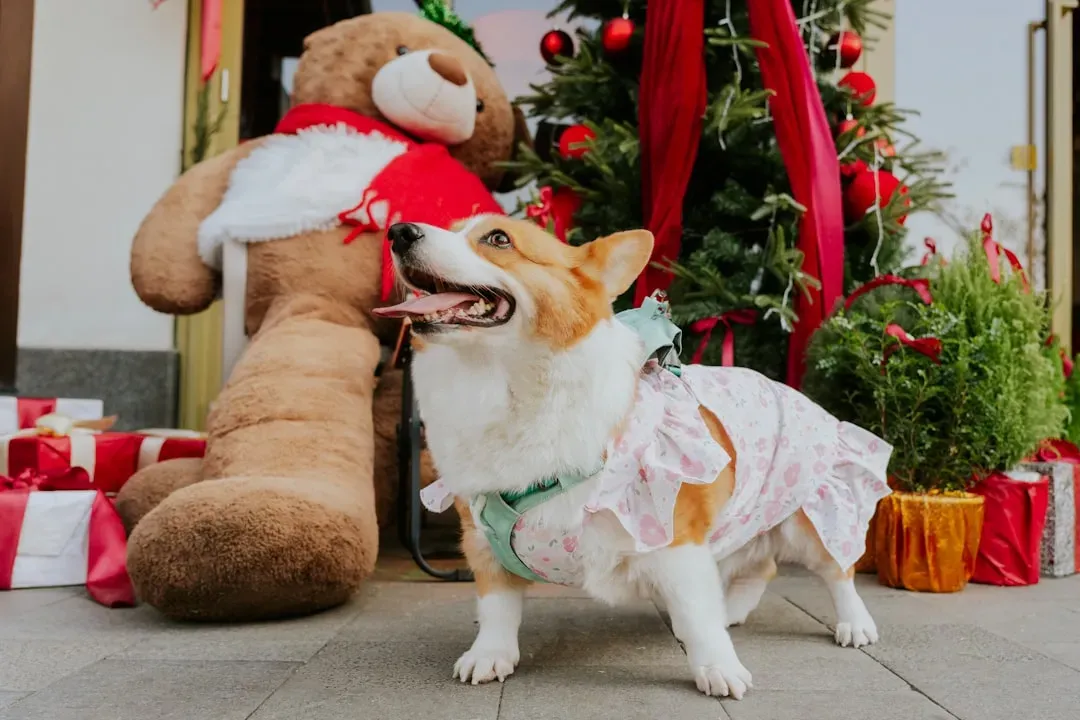
You stepped out for ten minutes. You come back, and your dog acts like you just returned from a six-month expedition. That full-body wiggle, the spinning, the whimpering of pure joy – it’s not just a habit. Trusting dogs show excitement when you arrive home, whether you’ve been gone five minutes or five hours. This enthusiasm isn’t just about getting fed or walked. It’s genuine joy at your return because they missed your company.
One of the most obvious signs of attachment is the enthusiastic, full-body greeting you receive whenever you return home. Your dog may jump, wag their tail vigorously, and even bark out of excitement. Think of this greeting as your dog’s version of saying, “I’m so glad you’re back. You’re my person.” It doesn’t get more honest than that.
2. Their Whole Body Looks Relaxed Around You
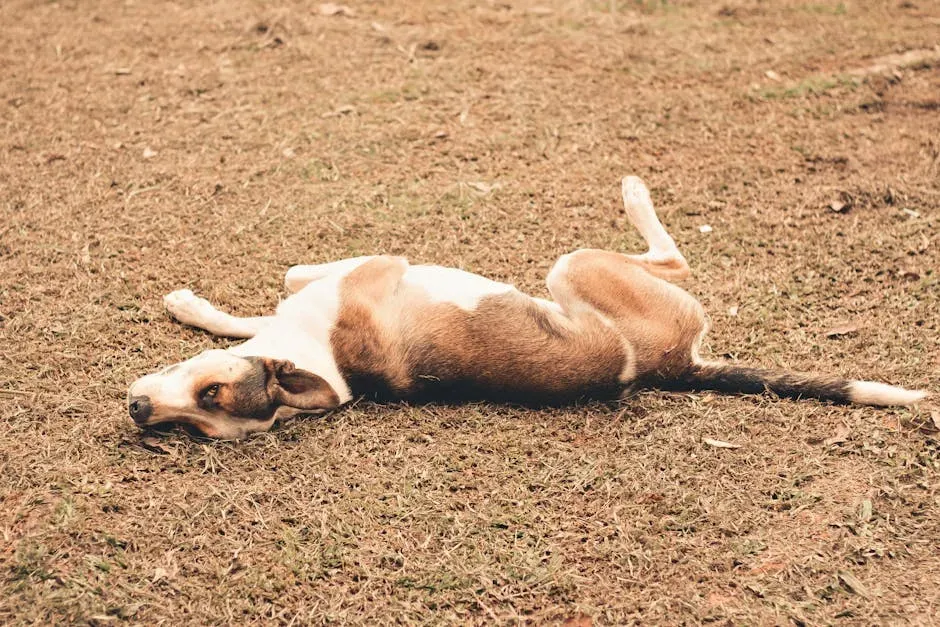
A dog who’s on alert and worried will have vastly different posture than one who feels at ease. Your trusting dog will present with body language that shows their comfort level with you. You’ll likely see a relaxed face, soft eyes, and a wag that wiggles the entire hind end.
Dogs that trust their people often display signs of confident and relaxed body posture. They keep their mouths slightly open, their eyes blink often, their ears are in a forward position, and their tails are either wagging or perky and loose. This type of body language says your dog is confident by your side and isn’t worried about being scared or surprised. When you spot that floppy, loose, easy-going posture, take it as a compliment.
3. They Make Soft, Steady Eye Contact With You
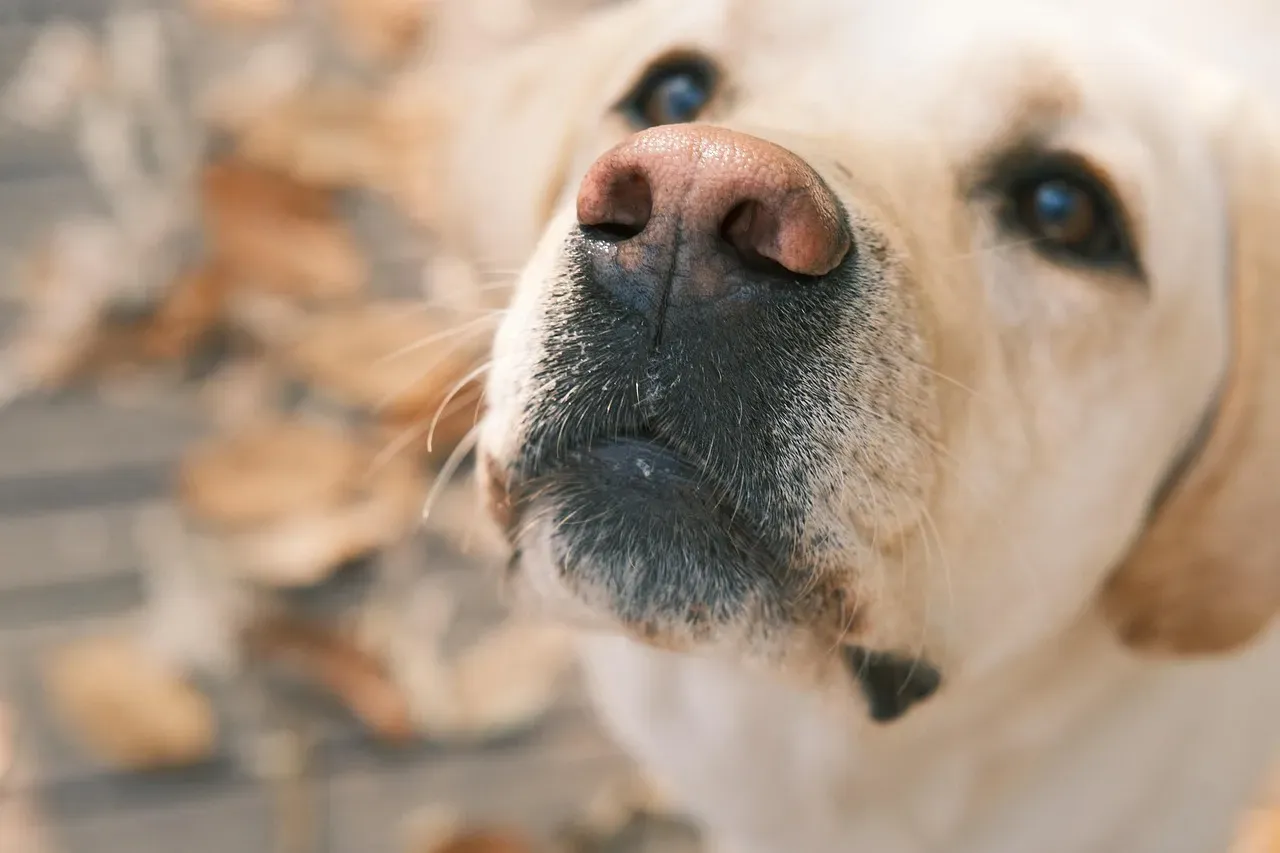
Research from Japanese scientists has revealed that sustained eye contact between dogs and their trusted humans triggers the release of oxytocin in both parties. This “love hormone” is the same one that bonds parents and children, indicating the depth of the dog-human connection. That long, soft gaze your dog gives you from across the room? It’s biochemically bonding you both together.
A dog that looks another dog in the eye is most likely issuing a threat. It’s a sign of dominance, and to keep the peace, most dogs avoid locking eyes with their furry friends. Your dog won’t look into the eyes of another dog, but you’re not another dog. You’re the person they trust more than anyone else in the world. The distinction is significant and worth appreciating.
4. They Show You Their Belly
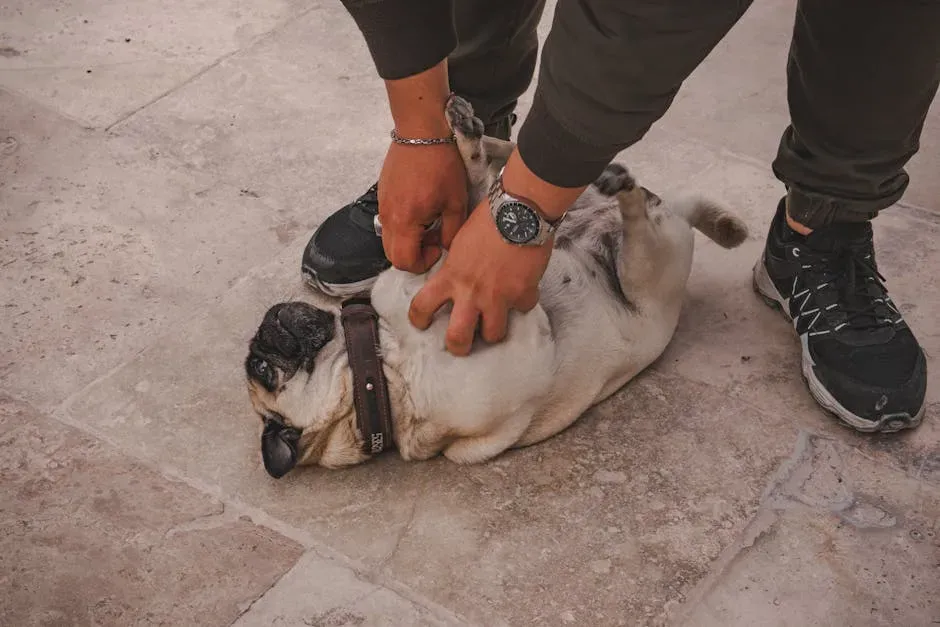
Belly exposure is a huge trust signal. When your dog rolls over to show their belly, they’re displaying the most vulnerable part of their body. This isn’t always a request for belly rubs (some dogs don’t enjoy them), but it’s always a sign of trust and submission.
Rolling over is a complex signal that can mean different things depending on the context. In a relaxed, safe environment, rolling over is a sign of submission and trust, showing that the dog feels comfortable enough to expose their most vulnerable area. However, in a tense situation, this posture can also indicate fear and an attempt to appease a perceived threat. Always read the whole scene, not just one gesture. A relaxed face and loose body alongside the belly roll means you’ve earned it.
5. They Sleep Near You or Against You
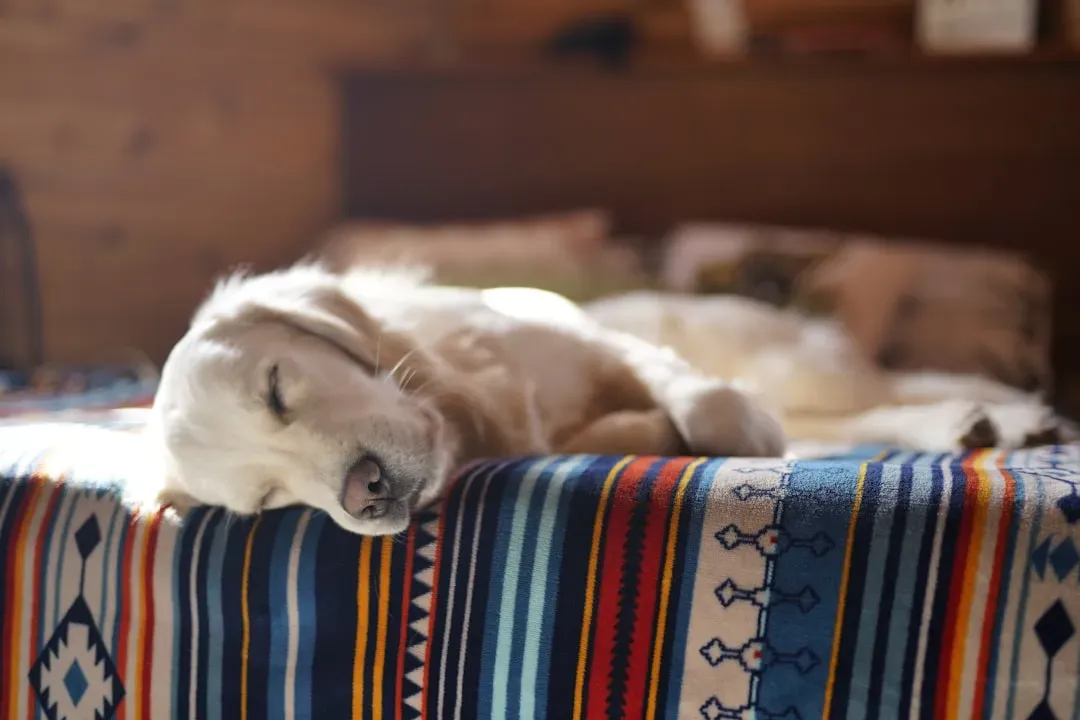
Sleeping near you or even touching you while sleeping shows deep trust. Dogs are vulnerable when they sleep, so choosing to rest beside you means they believe you’ll keep them safe. If your dog falls asleep with their back to you, that’s even stronger trust because they’re confident you’ll watch out for threats.
Positions when sleeping show emotional security. Dogs rest on their sides and backs only when feeling safe and loose and not tense. Trust and emotional comfort are shown when choosing to sleep in close proximity. Relaxed sleeping positions reflect the belief that the dog is guarded and protected, and does not have to be on high alert. If your dog curls up and sighs as they drift off next to you, that sigh carries a lot of meaning.
6. They Lean Their Weight Into You
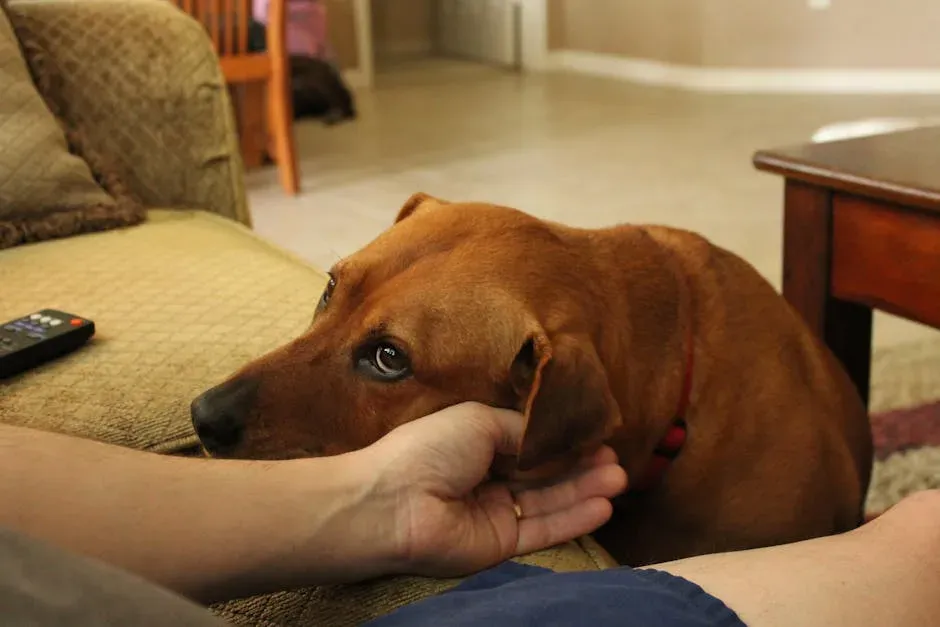
If your dog leans their body weight against you or rests their head on your lap, it’s a sign of trust and attachment. They only do this with people they feel comfortable and secure around. It’s a quiet gesture but a deeply intentional one. Your dog isn’t leaning on you by accident.
Leaning onto someone portrays comfort, reliance, and emotional trust. Dogs often lean towards reliable individuals for grounding and reassurance. This type of behavior projects a strong connection instead of balancing support. Think of it as your dog’s version of resting their head on a trusted friend’s shoulder. Simple, wordless, and completely sincere.
7. They Come When You Call, Even With Distractions
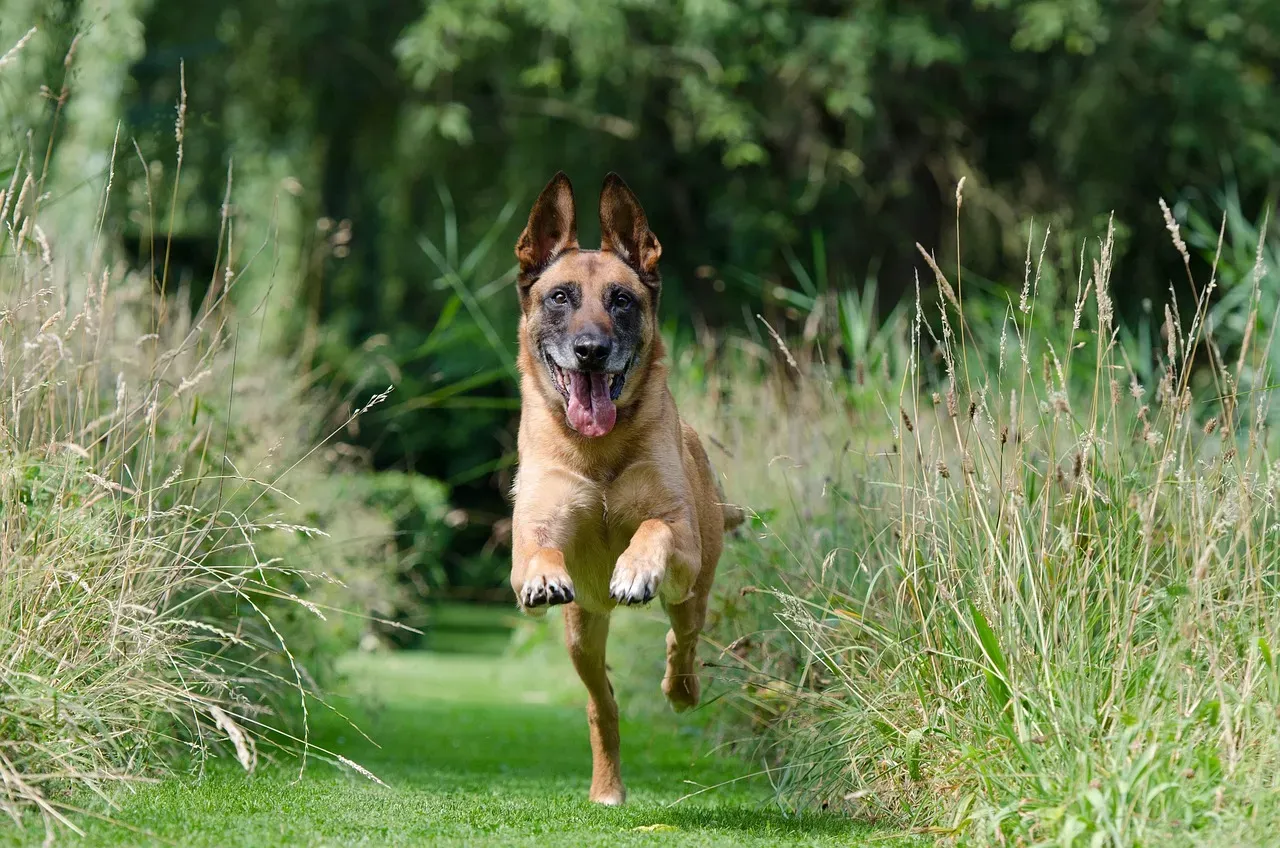
A dog who trusts you responds positively to your presence and commands. They come when called, even if something more interesting is happening nearby. That squirrel at the far end of the yard is very interesting. The fact that your dog turns away from it when you call is not just obedience. It’s trust.
They come when called, even if something more interesting is happening nearby. This shows they value your direction and believe following you leads to good outcomes. Recall is one of the clearest behavioral tests of the bond between you two. If it’s reliable, your relationship is solid. If it’s shaky, it may be worth investing more time in positive reinforcement training before frustration creeps in.
8. They Look to You for Guidance in New Situations
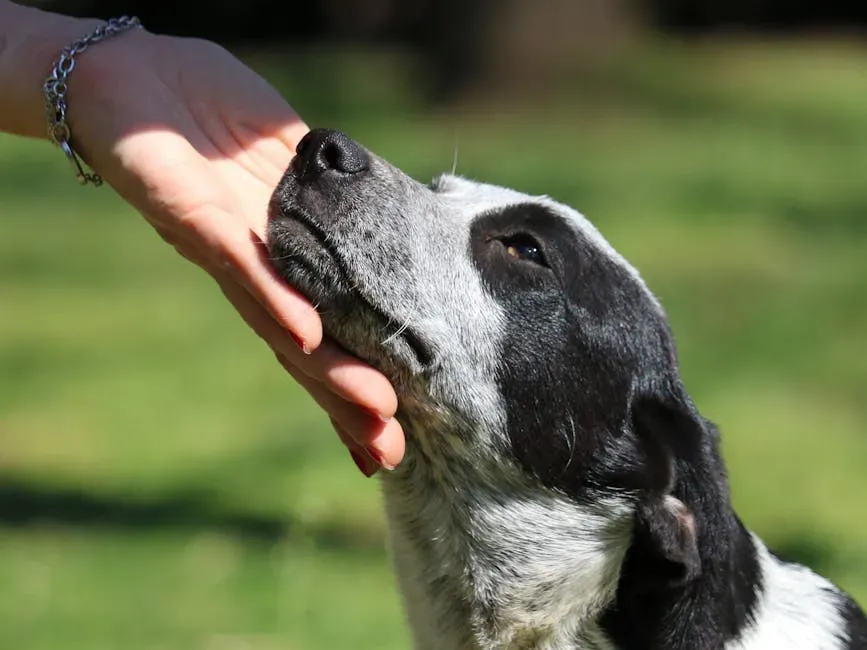
In new or potentially stressful situations, a trusting dog will look to their owner for cues about how to react. This “social referencing” behavior shows they value your judgment and rely on you for safety signals. You might notice this at the vet, at a noisy park, or when meeting a stranger. Your dog glances up at you first before deciding how to feel.
When a dog finds itself in an unfamiliar situation, it’s likely that it will look up at its owner for comfort and trust that they are there to provide moral support. This is particularly evident in new environments – remember that dogs look to humans to learn about their surroundings, so if a dog sticks near and looks to you for reassurance, you can rest assured they feel trust in your presence. Your calm reaction in those moments directly shapes how your dog handles the unknown.
9. They Bring You Their Favorite Toys
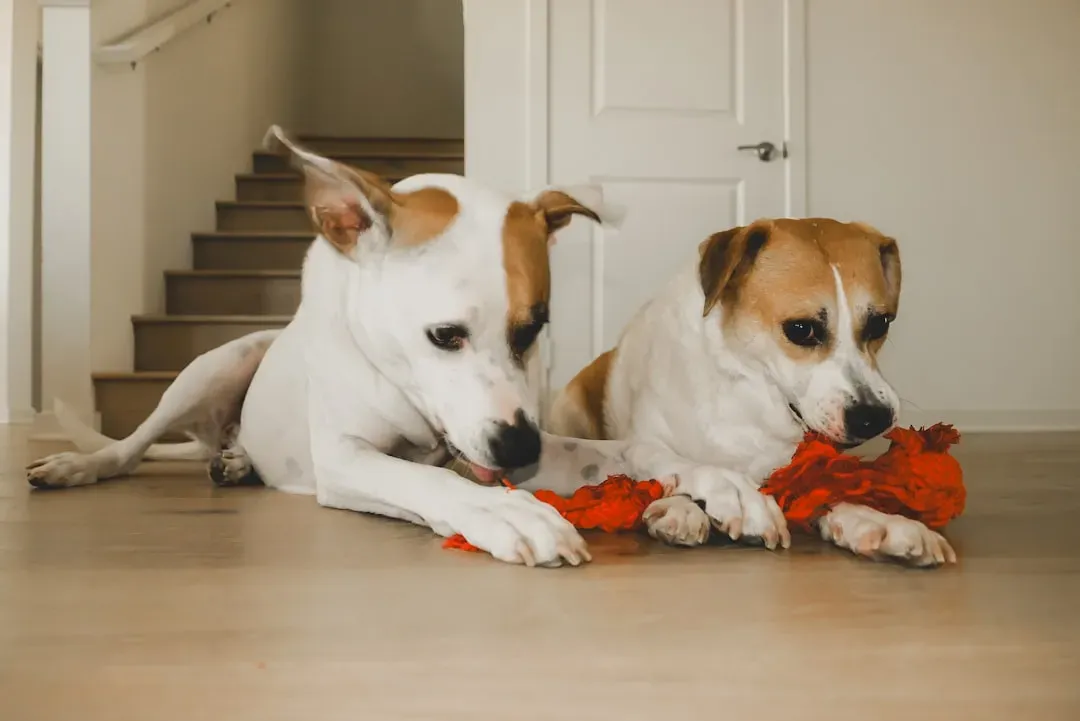
When your dog brings you their favorite toys or special items, they’re demonstrating both trust and a desire to share experiences with you. This behavior mirrors social bonding practices observed in wild canid populations. Handing over a prized chew or beloved stuffed animal is not nothing. It’s a big deal in dog terms.
This behavior is especially telling because dogs can be quite possessive of their treasured items. When they voluntarily drop that soggy tennis ball at your feet and look up at you with bright eyes, they’re inviting you into their world. Accepting it gracefully, playing along, or even just acknowledging the gift deepens the connection. Your dog notices when you engage.
10. They Follow You From Room to Room
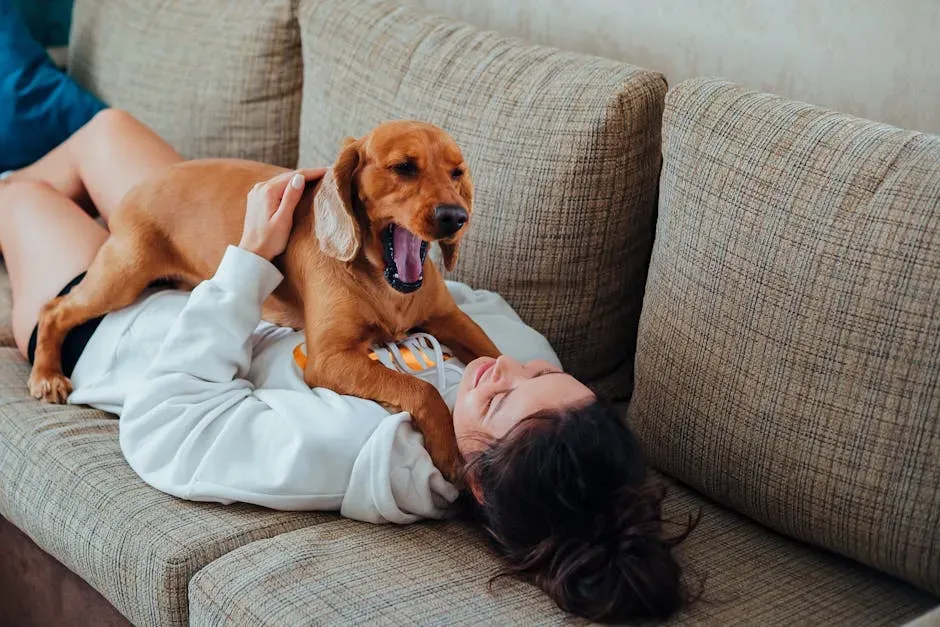
Dogs called “Velcro dogs” stick close to their favorite humans. It might feel like a lot when you can’t even use the bathroom alone, but trailing you through the house is a genuine sign of attachment and trust. Your presence makes them feel secure.
There’s a nuance here worth noting. If your dog sticks to you like glue with a cheerful attitude, it can be considered a strong affiliative behavior. But if they’re following you around closely monitoring your every move, they probably feel unsure. Always look at the full picture, meaning body language. A relaxed, happily trotting shadow is trust. A tense, anxious one may indicate a need for more reassurance or structure.
11. They Stay Calm During Grooming and Vet Visits
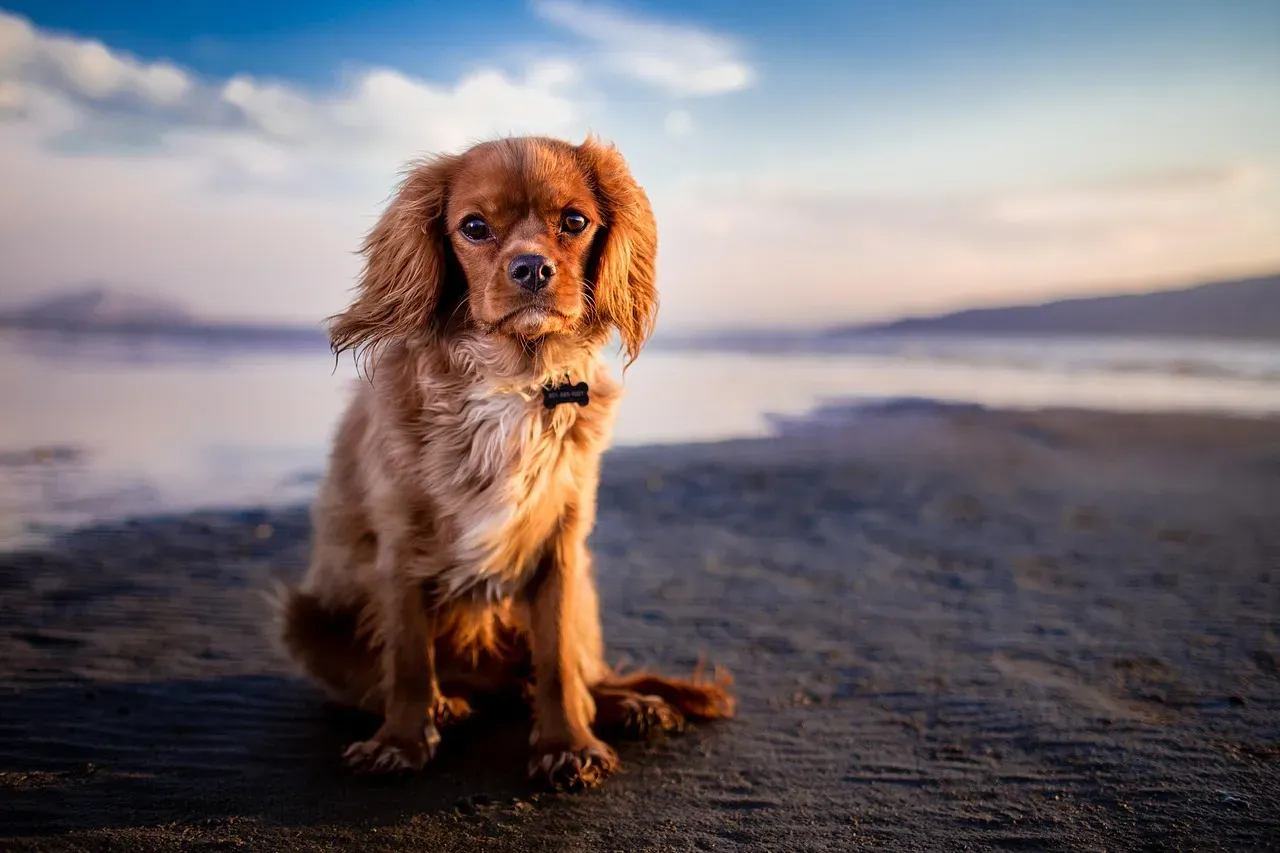
From teeth brushing to nail trimming, our pups require quite a few grooming and care tasks, and allowing us to perform them without a fuss is a clear indicator that your pup trusts you. Most of the handling required for care is awkward if not a little uncomfortable for dogs, so a dog who goes with the flow during unpleasant procedures shows how much they trust you.
Physical touch acceptance is another clear indicator. A trusting dog doesn’t pull away when you reach to pet them, remains calm during grooming or vet visits when you’re present, and may even seek out your touch for comfort during stress. If your dog goes still and sighs during a nail trim rather than scrambling away, that’s earned trust on full display. Reward it with treats and praise every time.
12. They Eat Calmly in Your Presence Without Guarding
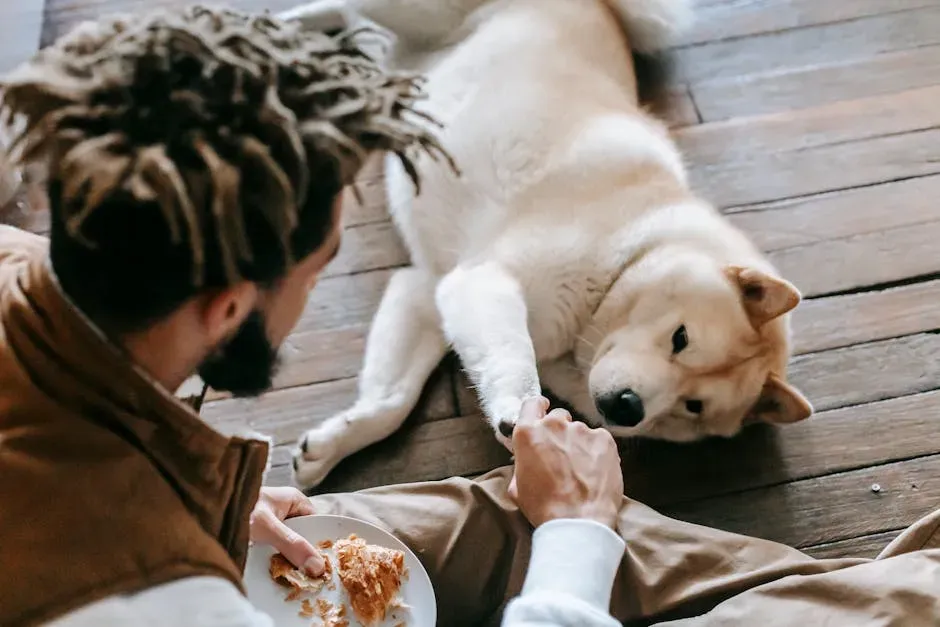
Your dog’s eating behavior also reveals trust. A dog who eats calmly in your presence, allows you to approach their food bowl without guarding, or even pauses eating to greet you shows they don’t see you as a threat to their resources.
If your dog eats comfortably without guarding or anxiety, it means that it is not stressed and trusts in having enough food to survive. Resource guarding is a common sign of insecurity, not dominance, so a dog that eats peacefully around you is communicating something quietly important: they feel safe and they know their needs will be met. That kind of confidence doesn’t happen without consistent, caring ownership.
13. They Seek You Out for Comfort When Scared
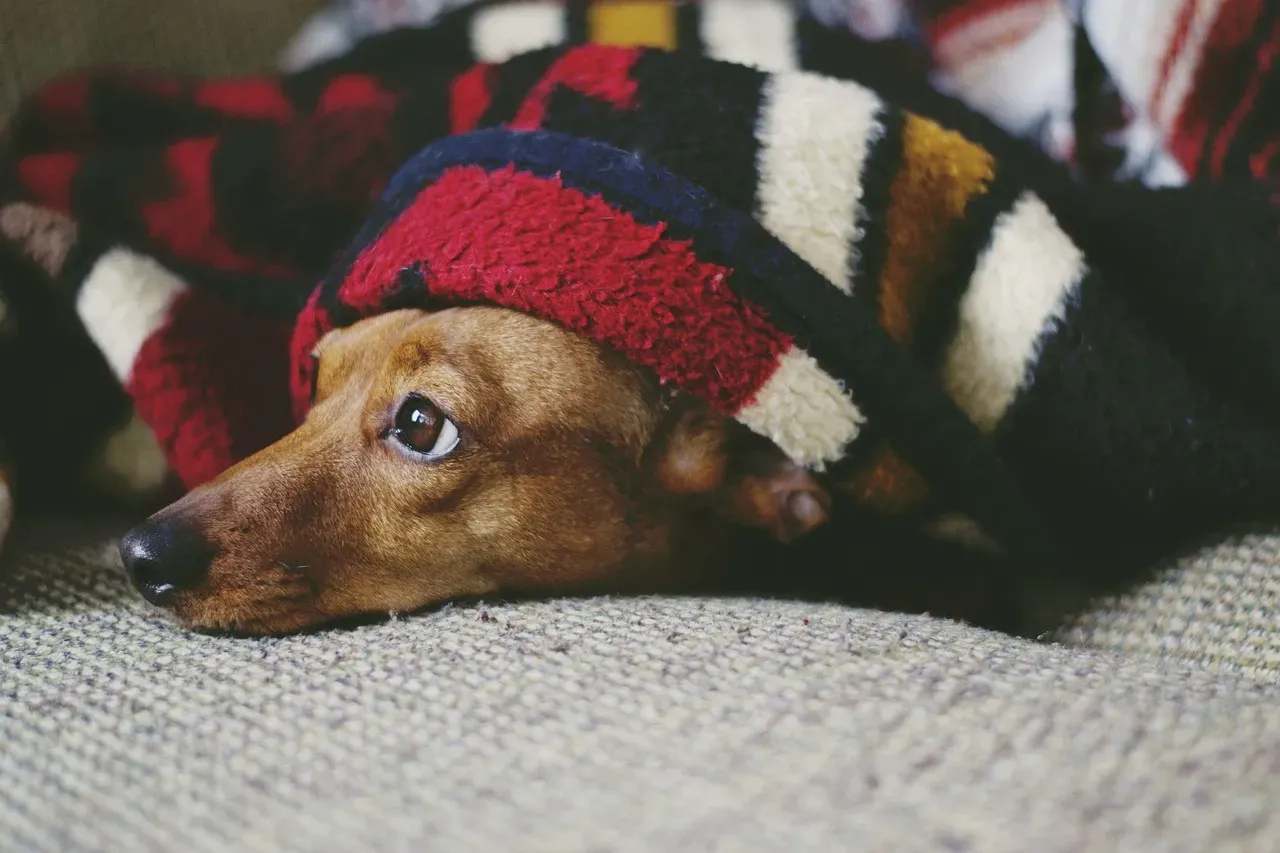
The best way to know if your dog feels safe and comfortable around you is if they rely on you to provide safety and comfort. When startled or upset, do they look to you and move toward you, or do they retreat and seek distance? If they’re running toward you and not away from you, that’s a pretty solid answer.
During a thunderstorm, a fireworks show, or an unexpected loud noise, watch where your dog goes. A dog that presses into your side or nudges your hand with their nose during those moments is choosing you as their safe place. For your dog, trust means feeling secure enough to be vulnerable around you. When a dog trusts their owner, they believe you won’t hurt them, will meet their needs, and will protect them when needed.
14. They Respond Enthusiastically During Training
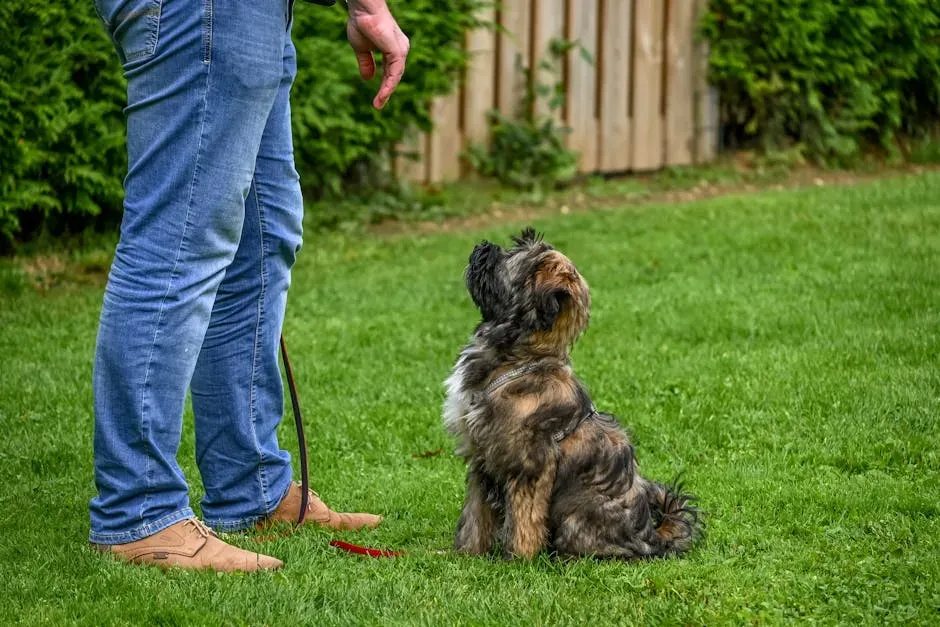
If your dog seems eager and attentive during training, it’s a sign they both respect and trust you. A dog who approaches training with bright eyes, a loose body, and a willingness to try is one who genuinely believes good things come from working with you. That belief is built over time through consistency and kindness.
When your dog trusts you, training becomes easier because they want to please you and believe following your commands leads to good outcomes. A trusting dog learns faster and retains lessons better than one who’s uncertain about your intentions. If training feels like a collaboration rather than a battle, that’s the trust showing up in real time. When dogs receive positive reinforcement, trust is enhanced, and a dog is far more likely to respect their owner’s guidance.
15. They Mirror Your Emotions
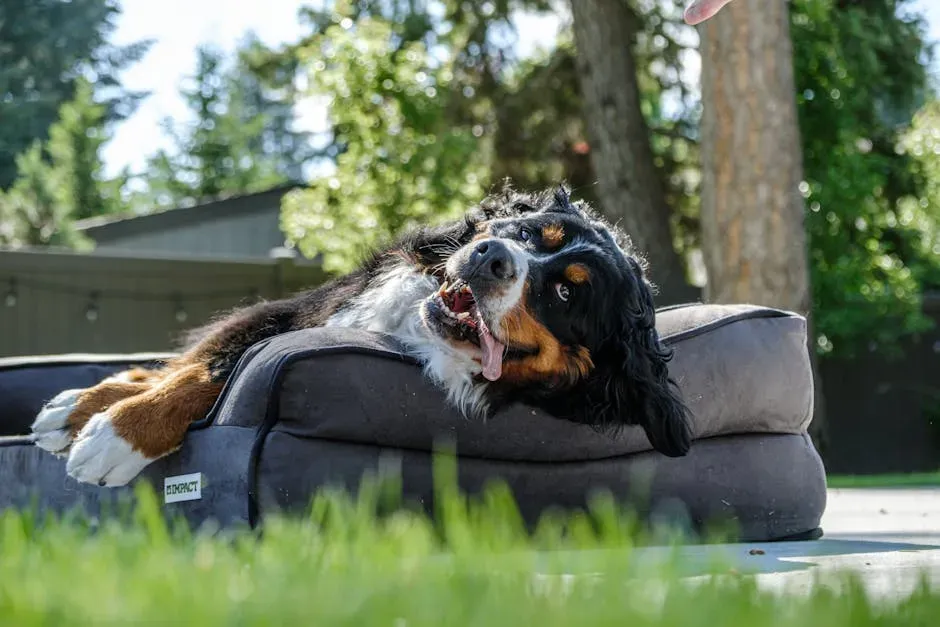
Dogs are remarkable in their ability to perceive human emotions visually and auditorily. They read facial expressions, tone of voice, and body language to understand your feelings and adjust their behavior accordingly. A dog who picks up on your sadness and quietly rests their head on your knee isn’t doing it by accident. They’re responding to you.
Dogs with strong emotional attachments will be very in tune with their pet parent’s emotions. They can pick up on feelings of anxiety or sadness and will try to provide comfort by nuzzling or licking your face. This emotional attunement is one of the more remarkable things about living with dogs. The flip side is worth knowing too: a study from Brigham Young University suggests that your dog can read your emotions and is less likely to trust you when you’re in a bad mood. Your emotional state genuinely affects how safe your dog feels around you.
16. They Initiate Physical Contact with You
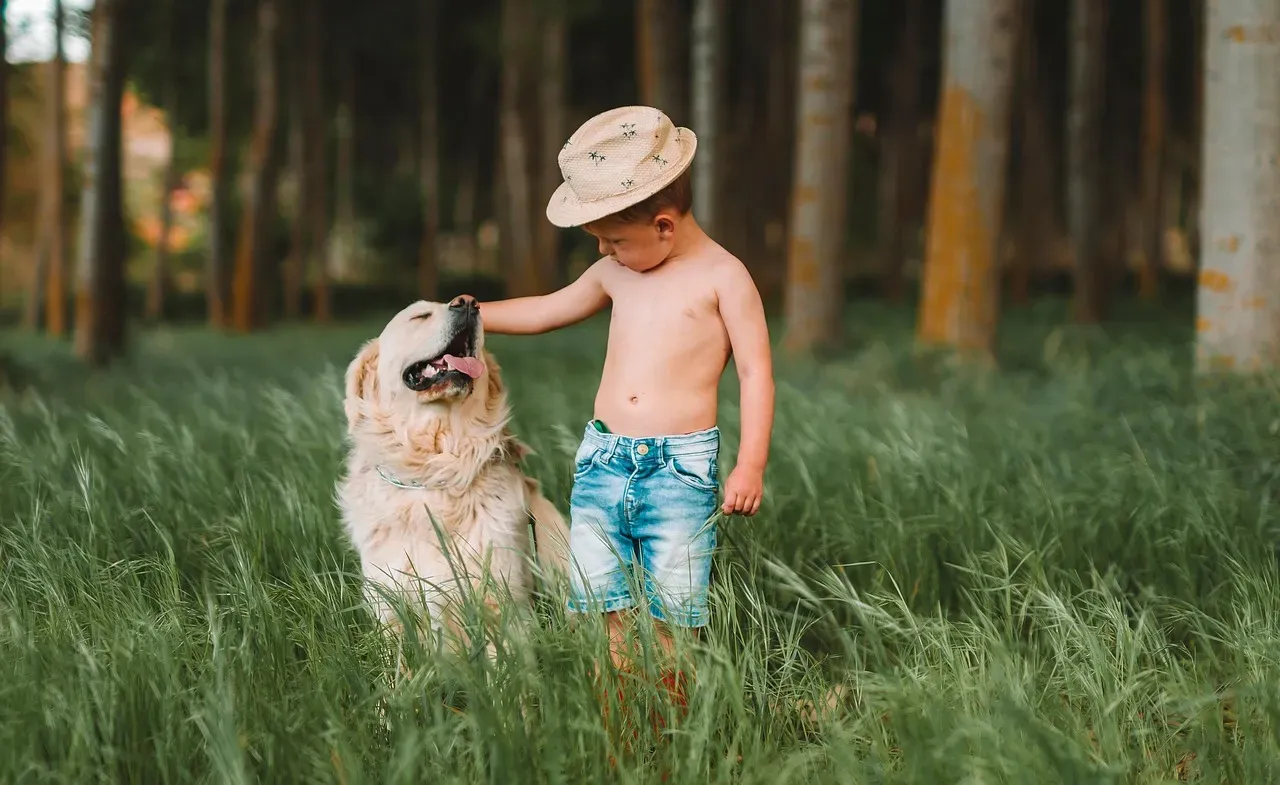
If your dog willingly comes to you, seeks proximity or gentle contact, this means the dog trusts you and feels secure seeking attention. There’s a meaningful difference between a dog who comes to you because they want to and a dog who only approaches when commanded. Voluntary closeness is the real tell.
If your dog strolls by just to “check in” or places a paw or snout on you randomly, it means they are invested in your well-being. Dogs naturally “herd” those they care for – the behavior is more than just curiosity, it’s protective connection. A dog who chooses to push their nose into your palm or drape a paw across your lap on their own terms is expressing something pure and deliberate. Notice it. Receive it.
17. They Keep an Eye on You During Off-Leash Adventures
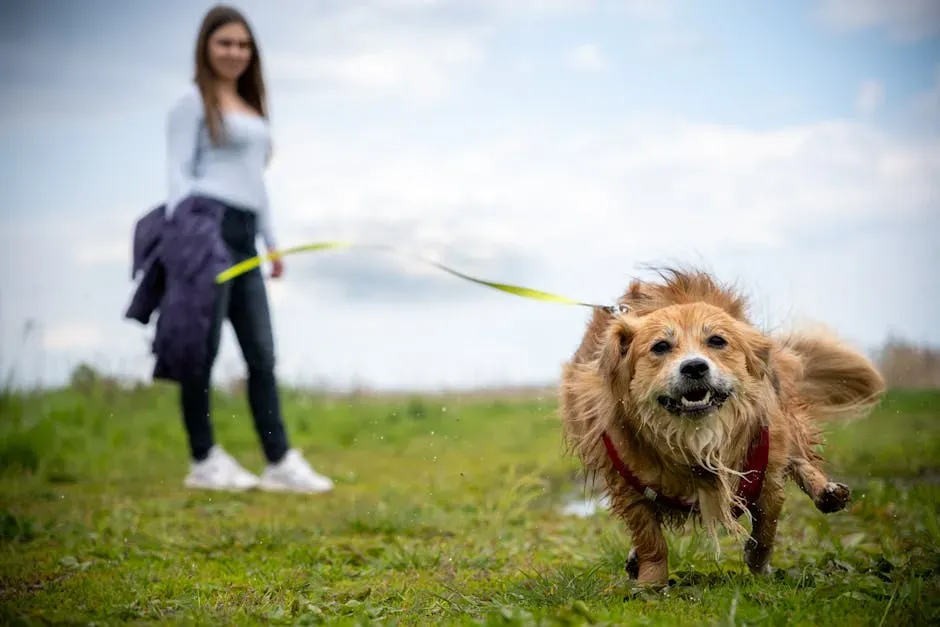
When you and your dog are having adventures together, it’s easy for your pup to get distracted. It’s a great big world out there, but a dog who trusts their person knows exactly who’s at the center of it: you. That’s not to say your dog needs to be attached to your hip at all times; it’s more a case of your best friend wanting to keep their eyes on you no matter how much fun they’re having.
At the dog park or on a trail, notice how often your dog loops back to check on you. That glance over the shoulder mid-run, the quick trot back before dashing off again. They look to you for guidance in new situations and recover quickly from accidents or mistakes. Most importantly, they choose to be near you when other options are available. In a wide-open field full of smells and distractions, choosing to stay connected to you is the clearest compliment they can give.
Conclusion: Trust Is a Language Worth Learning
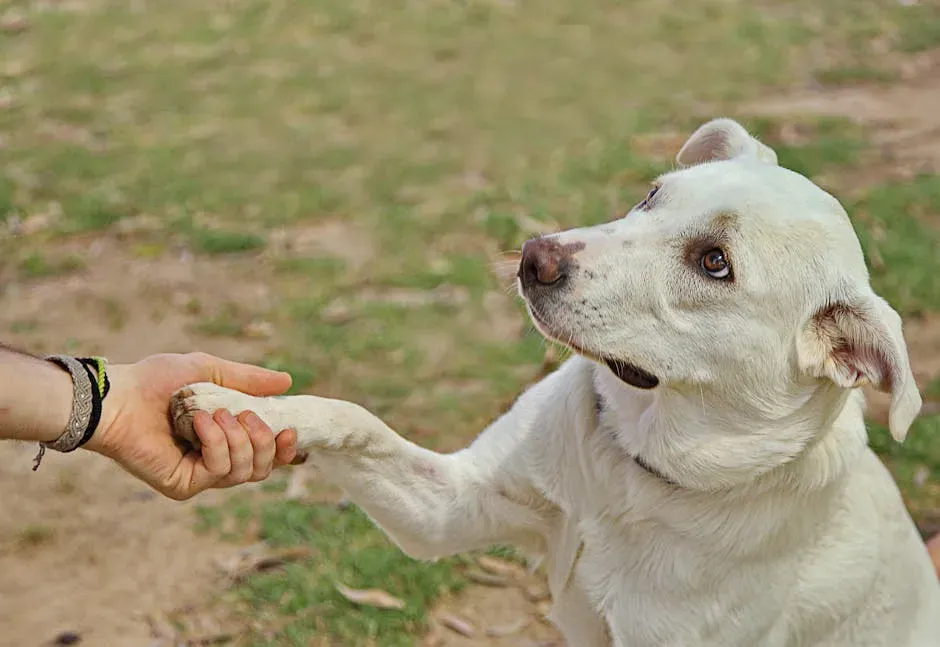
Trust between you and your dog doesn’t happen overnight. It develops through consistent interactions, clear communication, and reliable care that shows your dog they’re safe with you. Every calm moment, every gentle grooming session, every patient training day is a deposit into that trust account.
Dogs who trust their owners show lower stress levels, adapt better to changes, and recover faster from scary experiences. They sleep more soundly, eat more consistently, and play more enthusiastically. That’s not a small thing. A dog who trusts you lives a genuinely better life because of it.
Building trust is an ongoing, daily process, not a one-time achievement. So the next time your dog leans into you, brings you their toy, or curls up against your leg at the end of a long day, recognize it for what it is. That’s not just cuteness. That’s your dog saying, quietly and completely, “You’re my person, and I know I’m safe with you.” Few things in life are more worth earning.


