
You walk into the living room and find your favorite throw pillow reduced to a pile of fluff. Your dog is in the corner, ears flat, eyes wide, and tail barely moving. Sound familiar? Most dog owners have lived this exact scene at least once, and many have felt the strange, almost comical mix of frustration and melting affection that follows.
Here’s the thing worth understanding: your dog may not feel guilt the way humans do, but that doesn’t mean they’re indifferent to your emotions. Dogs are highly social animals with strong bonds to their human companions, and though they may not understand the concept of apology in a human sense, they have developed recognizable behavioral cues that function as ways to mend social rifts or calm tension. Learning to read these signals isn’t just heartwarming. It’s genuinely useful for building a deeper, calmer relationship with your dog.
1. The Classic Head Drop
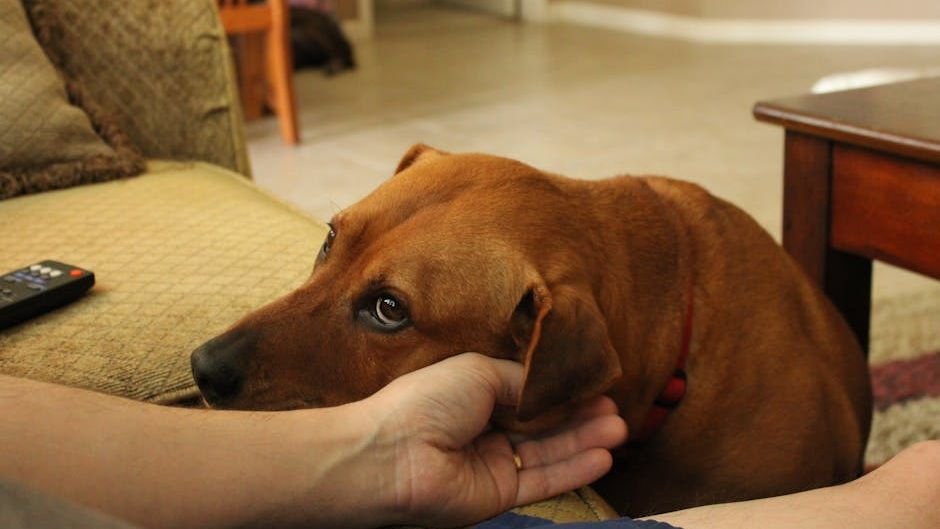
One of the most immediately recognizable signs that your dog is trying to make peace is the lowered head. Dog avoidance behaviors are some of the most recognizable gestures that mimic guilt, and a dog might lower their head to make it clear that they mean no harm. It’s a quiet, almost humble gesture, and most owners instinctively feel its sincerity.
A classic submissive gesture, lowering the body makes the dog appear smaller and non-threatening. Think of it as your dog physically shrinking themselves down to say, “I’m not a problem here. Please don’t be upset.” If you notice this paired with slow movement and soft eyes, your dog is working hard to restore the peace between you.
2. Tucked Tail Between the Legs
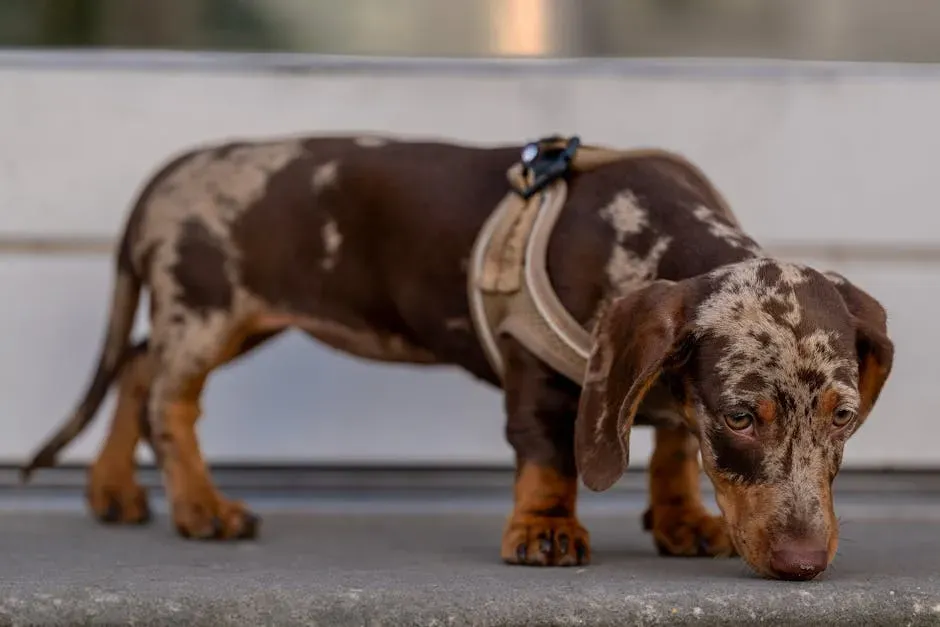
A tail tucked between the legs is a universal sign of fear or submission, suggesting your dog knows they’ve crossed a line. It’s one of the most visible signals in a dog’s body language toolkit, and it’s hard to miss once you know what you’re looking at.
A tucked tail is a classic sign of fear or anxiety in dogs. When they’ve done something wrong, they may tuck their tail between their legs as a display of submission or to protect themselves from perceived threats. Rather than scolding further when you see this, try softening your tone. Your dog is already communicating that the tension has registered.
3. Avoiding Eye Contact
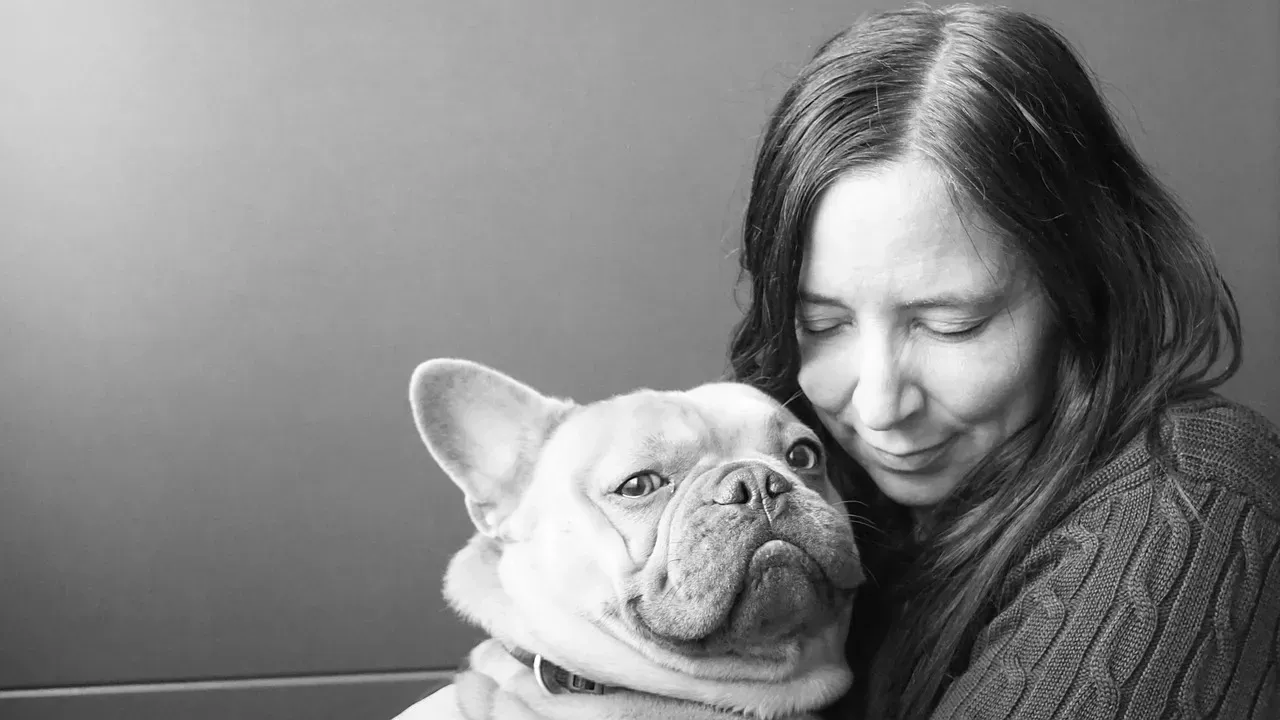
You might notice that your dog is avoiding eye contact with you at all costs. This is another way dogs say sorry, a clear signal that they don’t want to engage in conflict. Avoiding it entirely can defuse a tense situation. It can feel evasive to us, but in canine communication, it’s actually a gesture of respect.
The most subtle signal is the avoidance of direct eye contact. This is a very significant gesture since the opposite, a direct stare, communicates a threat. So when your dog refuses to meet your gaze, they’re not being sneaky. They’re doing the opposite: backing down and letting you know they’re not looking for a fight.
4. Flattened Ears
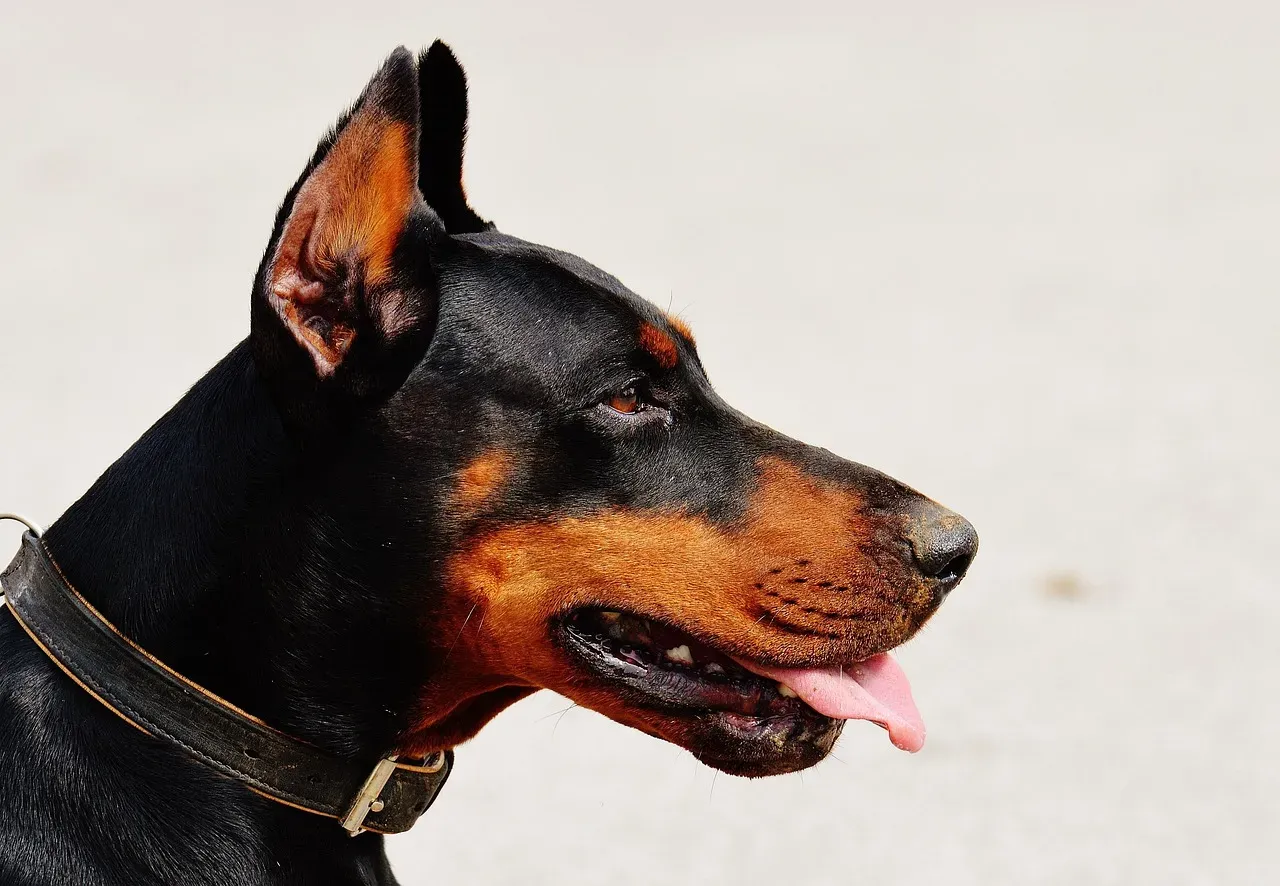
Flattened ears often accompany guilty or submissive acts. Sometimes called “airplane ears,” this look is often paired with a lowered head and soft eyes, creating the full picture of a dog who knows the mood in the room has shifted. It’s one of those signals that, once you recognize it, you’ll never unsee.
Ear position reflects a dog’s emotional state and attention focus. Ears pulled back against the head suggest fear, anxiety, or submission. Keep in mind that dogs with naturally floppy ears may show a less dramatic version of this, so look for the overall posture change rather than the ears alone. The full picture matters more than any single cue.
5. The Belly Rollover
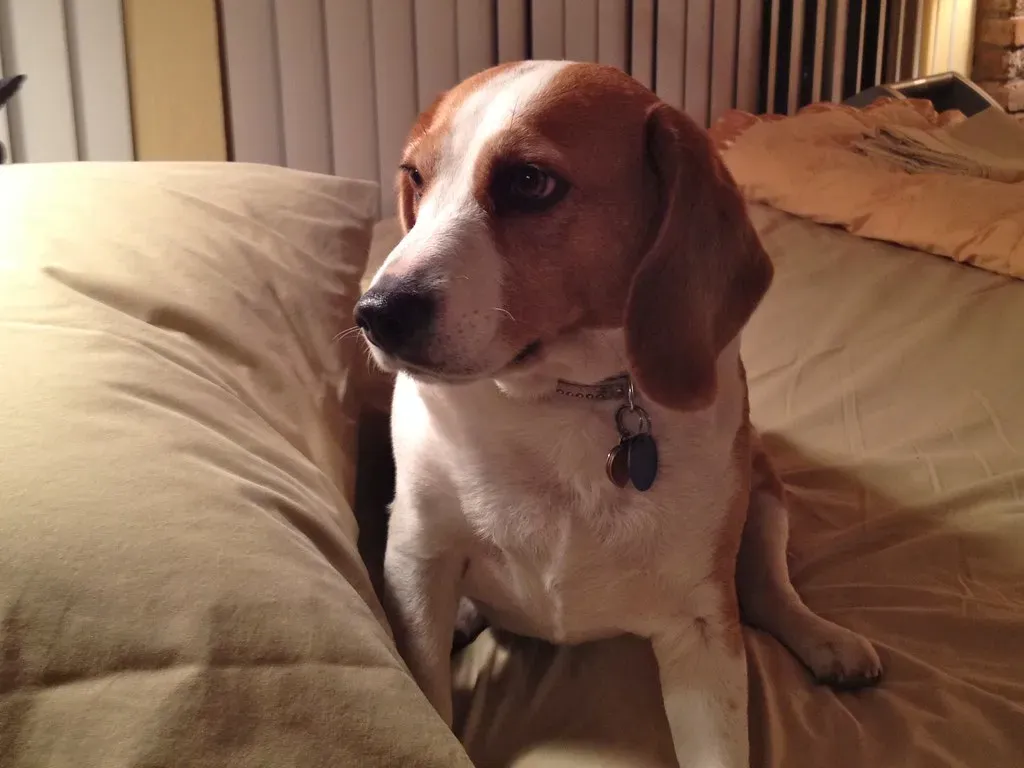
One of the most common submissive behaviors is for dogs to roll onto their back, exposing their belly. This puts the dog into a very vulnerable position, indicating that they’re allowing their person to have control over the situation. It’s a dramatic and trusting move, and it tends to work remarkably well on humans.
Rolling over and showing the belly is a sign of ultimate trust and submission, and inviting a rub may be a way of defusing tension. That said, not every belly rollover is an apology. Context matters. If it happens right after a scolding or a moment of tension, you’re likely looking at a genuine peace offering. If it happens out of nowhere during a relaxed afternoon, your dog probably just wants a scratch.
6. Gentle Pawing or Nudging
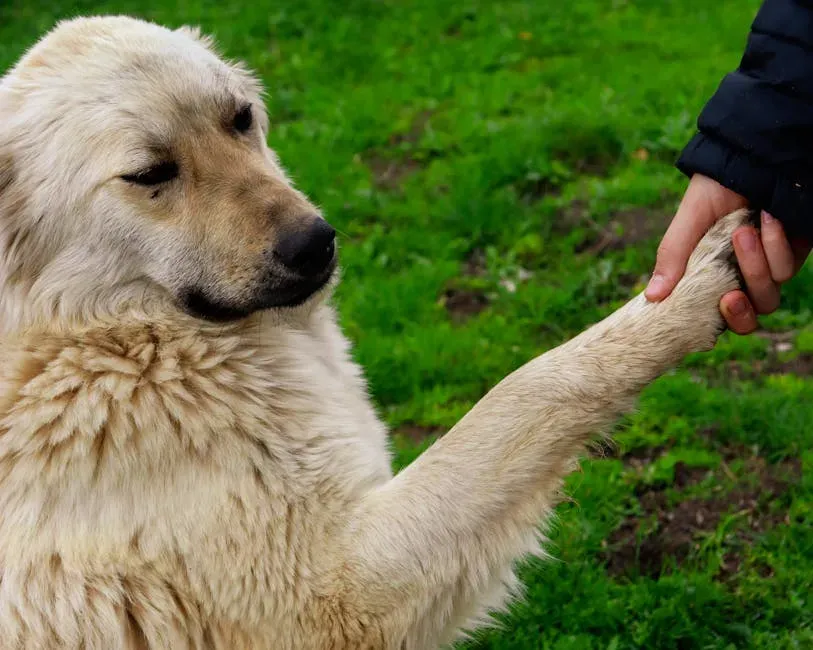
Softly touching you with a paw can be a way of seeking attention or reconciliation. It’s gentle, tentative, and often accompanied by a hopeful look upward. Dogs who use this behavior are essentially reaching out, quite literally, to reestablish a physical connection with you after sensing distance or displeasure.
Gently touching you with a paw might be their way of reconnecting or seeking forgiveness. You’ll often see this combined with a low body posture or soft whine. Responding with calm acknowledgment, not big excitement, helps your dog feel reassured without reinforcing anxious behavior. A slow pet and a gentle voice goes a long way.
7. Licking Your Hands or Face
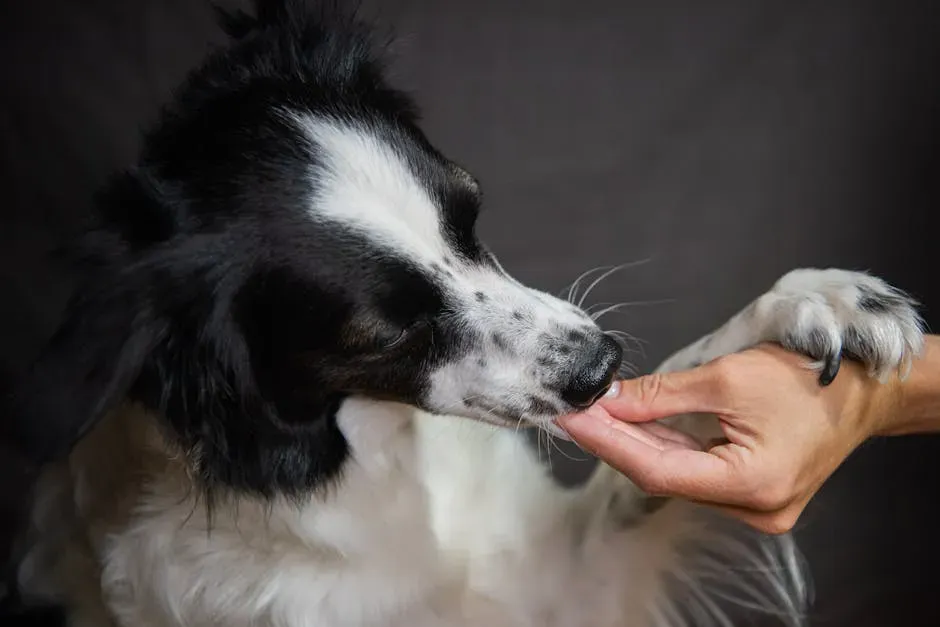
Dogs may lick your face, hands, or feet as a gesture of appeasement or affection. Licking has deep roots in canine social behavior, going back to how puppies greet adult dogs and how pack members reinforce bonds. When directed at you after a tense moment, it carries the same emotional weight.
Appeasement licks are behaviors that dogs use to communicate that they are at peace and to eliminate a perceived threat. If your dog comes to you and quietly licks your hand after you’ve expressed frustration, try to receive it as the olive branch it is. Pulling away abruptly can confuse them. A calm, steady response helps close the loop on the conflict more effectively than prolonged stern silence.
8. Offering You a Toy
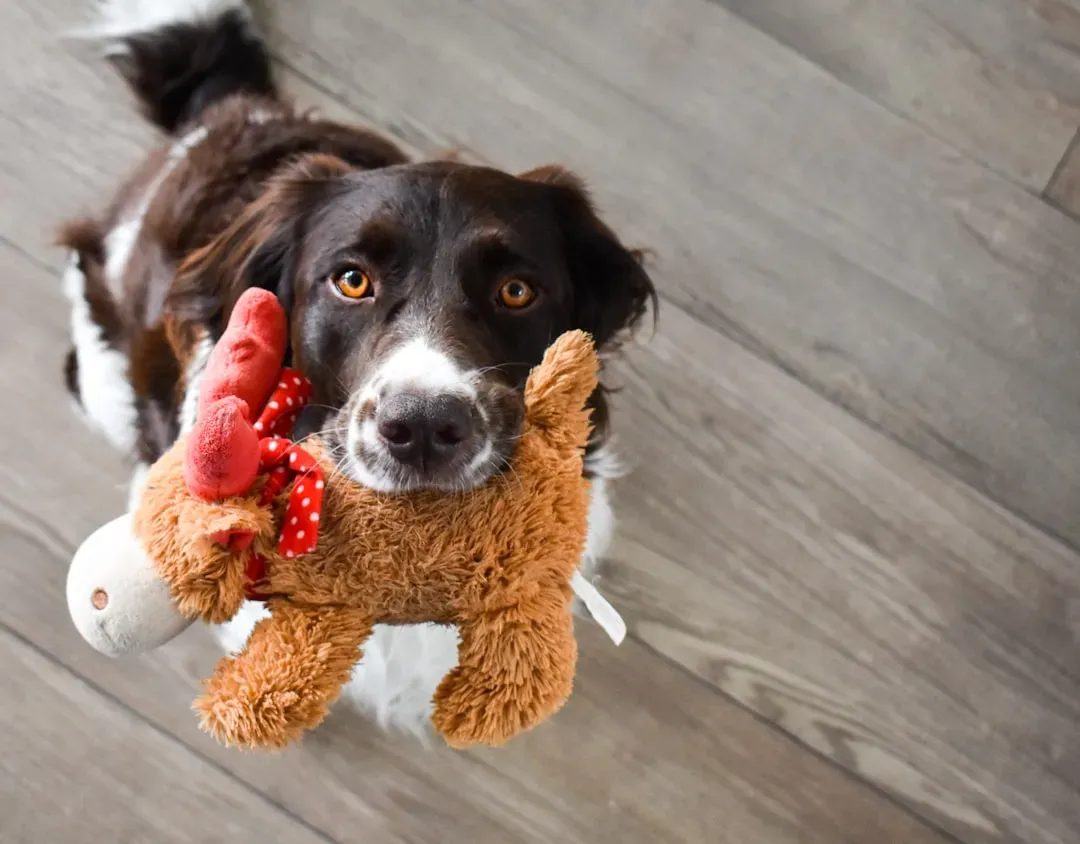
Dogs may bring you a toy as a sign of devotion. However, this behavior could also be one of the ways dogs say “I’m sorry.” It’s endearing, slightly ridiculous, and, if you know what to look for, genuinely communicative. Your dog isn’t just playing. They’re trying to redirect the energy in the room toward something positive.
Holding items in their mouth can be soothing, as dogs find pleasure from chewing, licking, or holding items. While it can lower their arousal level, it can also serve as a way to redirect the interaction onto something else, like their favorite toy. Think of it as your dog’s version of showing up with flowers. They’re offering what they have, doing their best with the emotional tools available to them.
9. Following You From Room to Room
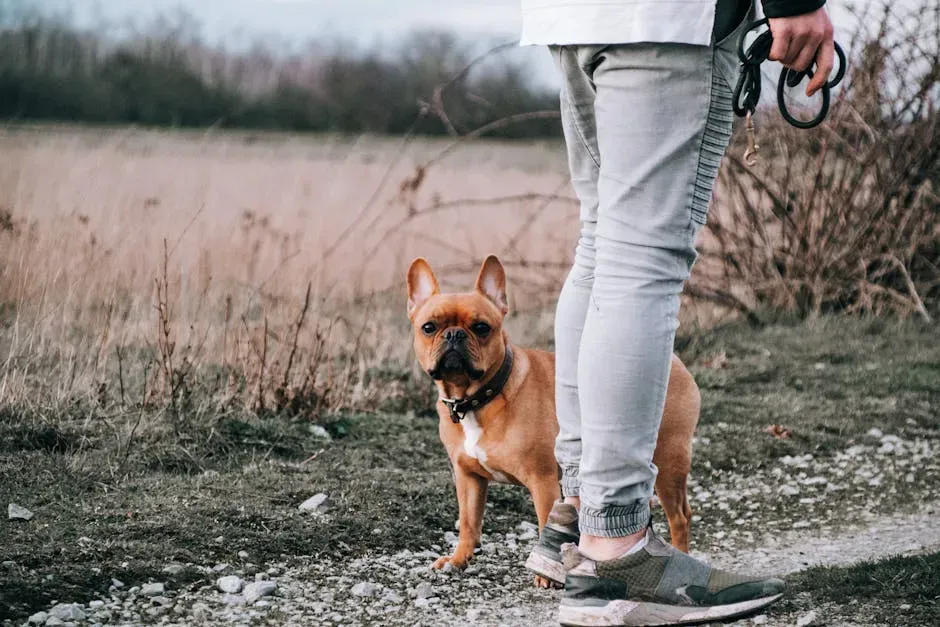
Sometimes, your dog may follow you around after a little mischief, especially if they’re feeling insecure. This is another subtle way dogs say sorry. It can seem clingy or even annoying in the moment, but it’s worth understanding what’s actually driving it.
Dogs are social animals who partially rely on their humans’ presence for safety and security. They may want to keep track of the owner’s body language or try to seek out an alternative way to appease their human. If your dog is shadowing your every step after a misdeed, they’re not just being needy. They’re monitoring the situation and looking for a signal that things are okay between you again. A calm word or a relaxed pat on the floor inviting them to settle near you can resolve the tension faster than you’d expect.
10. Stress Yawning or Lip Licking
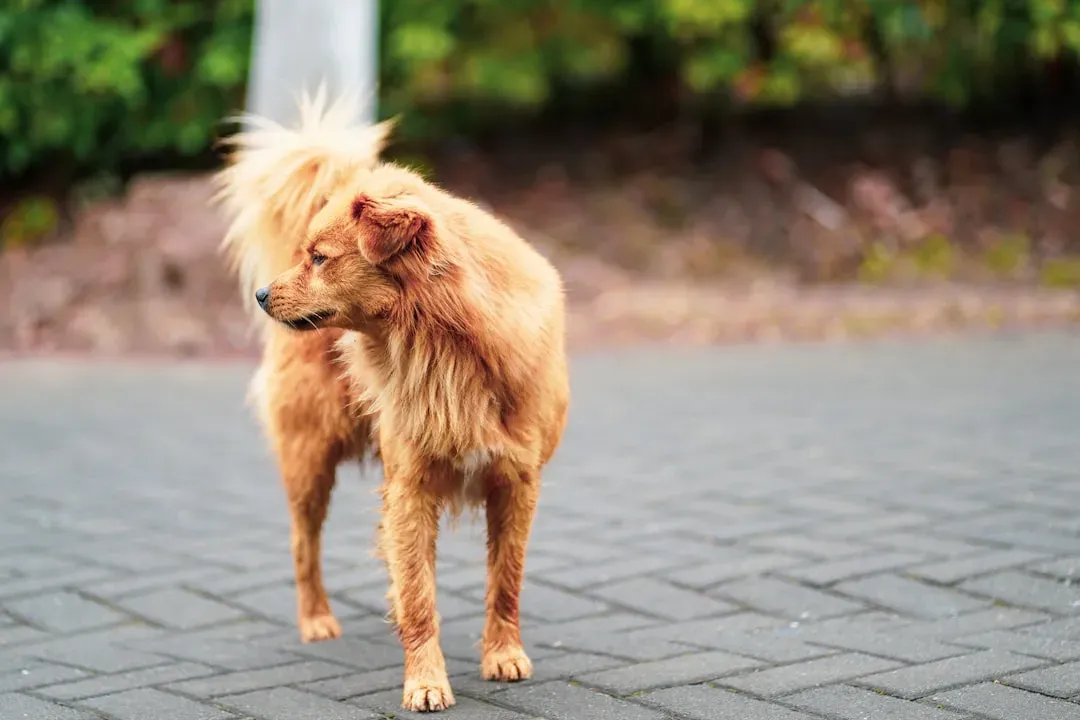
Yawning in dogs can signify a lot of things, but in the context of doing a misdeed, it can signify stress or a dog’s intentions to avoid conflict or de-escalate an intense situation, especially if you scold them after they do something bad. In dog apology, yawning is usually accompanied by other submissive behaviors such as tucking their tail and airplane ears.
Lip licking when not eating or drinking is a common stress signal that many people overlook. Dogs use this behavior to self-soothe and to communicate that they’re feeling pressure or anxiety about a situation. When you see these together, your dog is telling you they feel uncomfortable and want the tension gone. This is a good moment to lower your voice, slow your movements, and give them room to settle down. Escalating when you see these signs usually makes things worse, not better.
11. The “Puppy Eyes” Look
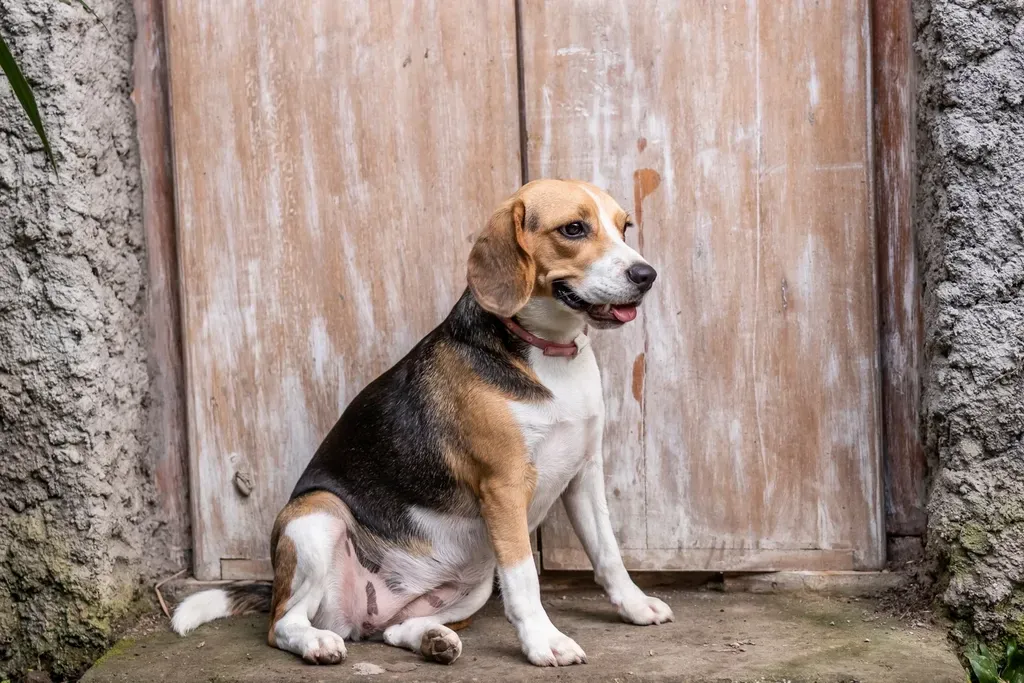
You know that irresistible look your dog gives you, with big, soulful eyes? While it may seem like an expression of guilt, it’s often just a natural response to your emotions. Dogs use their eyes to communicate, and those puppy-dog eyes can be a way of seeking reassurance or attention. Science backs this up too. Research has found that dogs have developed facial muscles specifically suited for producing this expression when interacting with humans.
When it comes to that infamous guilty look, understanding dog body language is the key to unlocking the mystery. That pitiful puppy-eyed expression isn’t necessarily a sign of genuine guilt, but more often a display of appeasement behavior. Dogs are masters at reading our emotions, so when they see us frowning or hear the sharp tone of our voice, they instinctively respond with behaviors like avoiding eye contact, cowering, or even offering a submissive grin.
How to Respond When Your Dog Apologizes
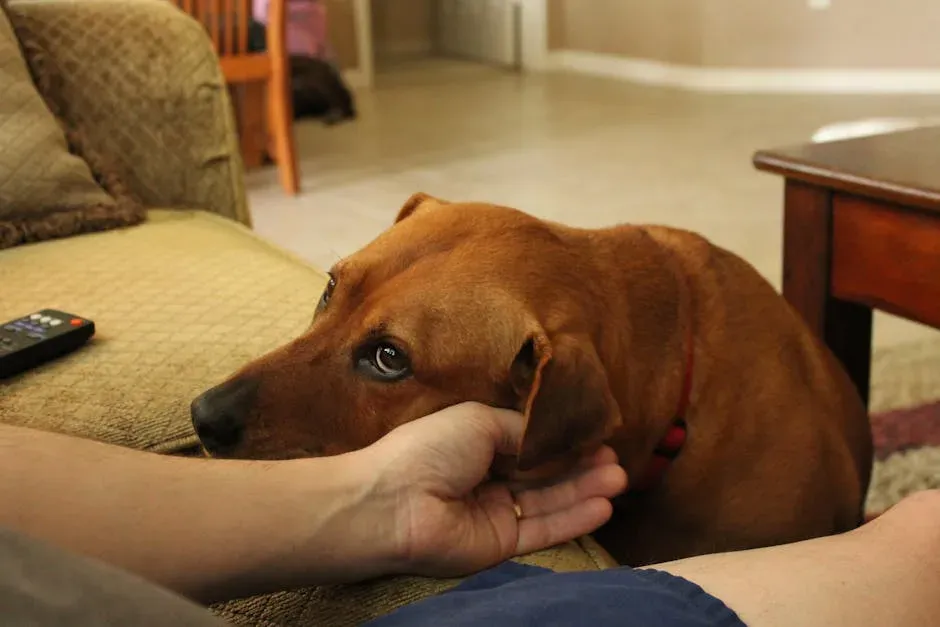
Responding to a dog’s apology is key to maintaining a great relationship with them. Since they communicate differently and process guilt and remorse differently from us, understanding this is crucial to responding to their apology with compassion, rather than with punishment. The goal isn’t to convince yourself your dog feels bad. The goal is to acknowledge the gesture and help them feel safe again.
Stay calm and avoid yelling or harsh reactions that can damage trust. Acknowledge the gesture with gentle petting, a calm voice, or a kind word, which reinforces positive behavior. Prolonged anger doesn’t teach your dog anything useful. Forgiving your dog after they show remorse helps make them feel less insecure and self-conscious, and prevents them from becoming withdrawn and stressed.
Conclusion

Dogs don’t speak our language, but they’re communicating constantly. Every flattened ear, tucked tail, and gentle paw on your knee is part of a vocabulary developed over thousands of years of living alongside humans. While dogs may not grasp the human concept of apology, they do recognize when their behavior upsets their humans. Over thousands of years of domestication, dogs have developed a remarkable ability to read and respond to human emotions, and this emotional intelligence enables them to display behaviors that resemble apologies.
Once you understand what your dog is actually saying, the whole dynamic shifts. You stop seeing a guilty dog and start seeing a social, emotionally attuned animal doing their best to stay connected with you. Understanding your dog’s individual personality and learning to read their specific signals is key to deciphering their apologies. The more fluent you become in their language, the less you’ll need to raise your voice, and the more your dog will trust you with exactly the kind of loyalty they’ve always been capable of offering.


