

Your dog looked away when you leaned in for a hug. He yawned slowly right before the vet took him to the back room. He nudged your hand with his nose three times in a row. You probably noticed each of these moments. What you may not have realized is that every single one of them was a sentence.
Most of dog communication occurs silently through body language, and it’s likely that before a dog starts to communicate more loudly through sound, there has been some silent body language that has already gone unnoticed. That means by the time your dog barks or growls, he’s already been talking to you for a while. Because dogs don’t speak human language, the only way to truly comprehend and communicate with them is to learn what they’re telling us through their body and vocal language – and dogs communicate using a complex language of body signals that reflect what they’re thinking and feeling. Once you start paying real attention, you’ll find the conversation has been going on all along.
The Tail Tells a More Complicated Story Than You Think

Most of us grew up believing a wagging tail means a happy dog. It’s a lovely idea, but it’s only part of the truth. All a wagging tail actually means is that the dog is emotionally aroused – it could be excitement, but it could be frustration or worse. To interpret a dog’s emotions and intentions, you need to look at the speed and direction of the wag, as well as the position of the tail.
Studies show that dogs wag their tails to the right when they are happy or confident, and to the left when they are frightened. That’s a remarkably precise form of communication happening right in front of us every day. Those long, slow, side-to-side tail sweeps your dog makes when greeting you – the type that wags the dog’s whole body – indicate a relaxed dog. A faster, twitch-like wag, on the other hand, indicates a higher level of arousal, possibly in a negative way.
A dog may also stop moving its tail altogether, holding its tail and body stiff, as an attempt to pause or discontinue an interaction. Many dogs do this when petted by strangers to communicate that they no longer want to interact. That frozen tail isn’t indifference. It’s a polite but firm request for space.
Eyes, Ears, and the Whole Face Are Constantly Broadcasting

Dogs communicate how they feel through body language – including their ears, eyes, mouth, posture, and tail – and understanding these signals helps prevent fear, stress, and bites while strengthening your bond. The face alone carries an enormous amount of information. Many pet parents don’t realize how important it is to observe their dog’s eyes to determine their emotional state. If you can see the color in your dog’s eyes, it likely means they’re feeling relaxed.
The whites of the eyes are another key indicator. Known as “whale eye,” when a dog shows the whites of the eyes, it’s a signal that they’re feeling anxious or stressed. You might see this when you make your dog uncomfortable, like when you pat them on the head, or when they’re afraid someone will steal a bone or toy. For the ears, the picture is equally telling. A dog’s ears are very expressive and react immediately to changes in emotions. When the dog’s ears are pointed forward, the dog is alert and focused – this is one of active interest in a sound, motion, or new stimulus in the environment.
If a dog’s ears are flat and pinned back or to the sides, the dog is definitely signaling fearful body language. Depending on the overall body language that follows, it might be a submissive gesture or a precursor to conflict. The key is always to read the face as a whole, not to cherry-pick a single feature.
Calming Signals: The Subtle Vocabulary of Stress and Appeasement

The term “calming signals” was conceived by Norwegian dog trainer and canine ethologist Turid Rugaas to describe patterns of behavior used by dogs when interacting with each other in stressful environments and when conveying their desires or intentions. The term is often used interchangeably with “appeasement signals,” and these signals are communicative cues used by dogs to de-escalate aggressive encounters or prevent them completely.
Calming signals can be seen in both stressful and exciting situations – good and bad stress affect a dog the same way. The top three calming signals owners should watch for are lip licking, yawning, and shaking off. Context matters enormously here. These calming signals can be tricky to distinguish from normal behavior, as dogs can use them in different contexts. A yawn can mean that the dog has just woken up from a nap – or it can mean that he is highly uncomfortable and should be removed from the situation as quickly as possible. It’s important to view these signals in the context of the dog’s environment and general behavior.
The play bow – front legs down, rear end in the air – is used to initiate play but also serves as a calming signal. If a dog is uncertain how to deal with a situation, it will often exhibit this position. It’s one of those gestures that wears two very different hats, which is why context always wins over single-signal interpretation.
When Silent Signals Are Actually Cries for Help
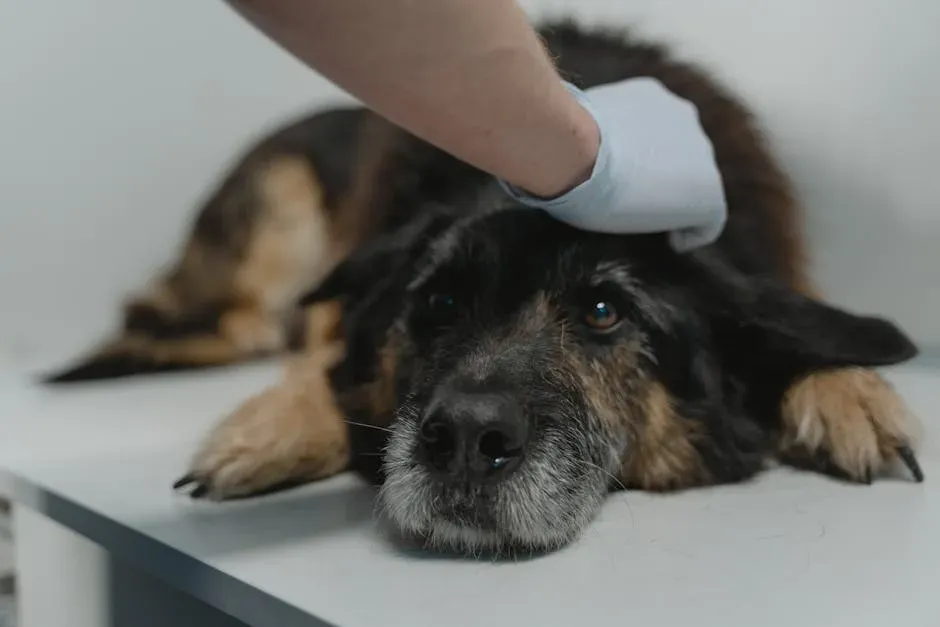
Recognizing the signs of pain in dogs is essential for maintaining their health and quality of life. As a pet guardian, you are in the best position to detect subtle changes in your dog’s behavior or physical condition that may indicate discomfort. Since dogs cannot verbally communicate their pain, understanding their nonverbal cues is critical for early identification and management.
A peer-reviewed study reports that fewer than half of dog owners correctly identify subtle behavioral changes as likely indicators of pain. Researchers from Utrecht University say the findings have important implications for veterinarians, who depend heavily on owner-reported behavior changes when assessing pain in canine patients. What slips through the cracks? Owners often don’t realize that more subtle indicators such as yawning, lip and nose licking, and changes in facial expressions including looking away and increased blinking are all warnings that a dog may be suffering.
Behavioral changes due to pain often develop gradually, so being attentive to your dog’s daily habits is key. Changes to look out for include altered posture – your dog may sit or lie down more often, hold an arched back, carry their head low, or position their tail abnormally. A dog who suddenly prefers hard floors over soft beds might have joint pain that makes it difficult to get up from sinking surfaces. Conversely, a dog who seeks out soft areas when they used to prefer harder surfaces might be trying to cushion painful joints. These are the small shifts that so easily get written off as “just getting older.”
How to Become Fluent: Reading the Full Picture
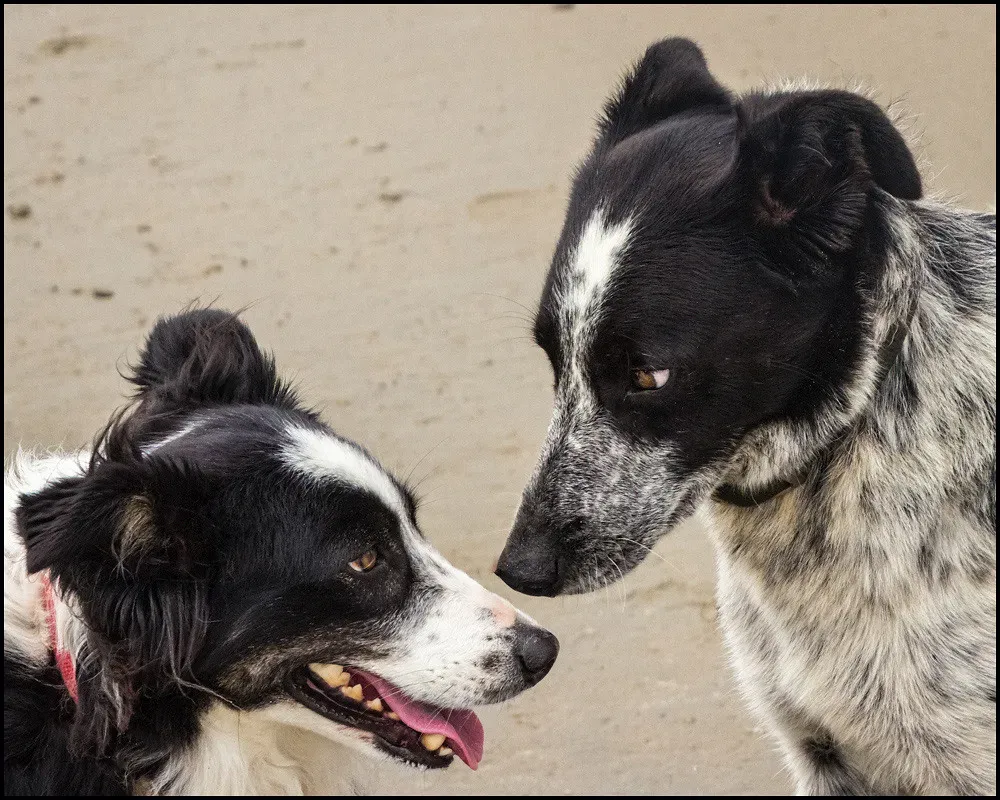
No dog body language signals act alone – they’re all part of a package. When you read a dog’s communication, look at every signal the dog is using, from tail height to eye shape. Your dog is talking to you all the time. This is the most important shift in perspective you can make: stop looking for one signal and start reading the whole dog at once.
Researchers reviewed footage of dogs interacting with their owners and identified 49 possible gestural signals the pets may have used. They narrowed those down to 19 signals, which the dogs deployed in combinations to get their point across. According to the study, the most common requests were for food or drink, to open a door, to get a toy or bone, and to be scratched. Dogs are, in other words, actively trying to have conversations with us. Preliminary studies also suggest that dogs living with a larger number of people develop more gestures, which hints at something genuinely touching – they adapt their communication to whoever is listening.
It’s important to know your dog’s baseline, because every animal is different. Some naturally pant more, some hold their tails lower, and some yawn often. The more time you spend observing your dog in relaxed, comfortable situations, the easier it becomes to spot the signals that mean something is “off.” Prevention starts with familiarity. You can’t notice the change if you’ve never learned what normal looks like.
Conclusion: The Language Has Always Been There
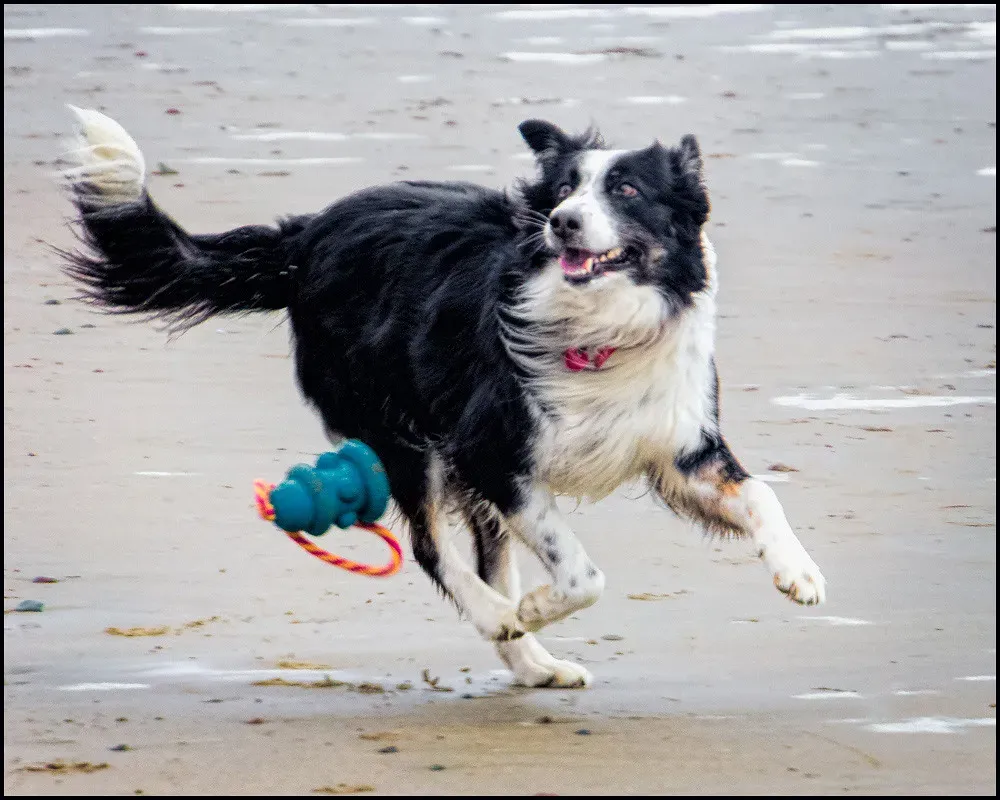
Dogs have been communicating with us long before we thought to pay close attention. They’re not mysterious – they’re precise. Reading, understanding, and responding to your dog’s body language is a key part of the companion-to-owner relationship. By understanding their cues and appropriately advocating for your dog, owners can continue to ensure their dogs remain happy, comfortable, and safe.
The good news is that fluency in this language isn’t reserved for trainers or veterinarians. It’s built one quiet, attentive moment at a time – watching your dog in the backyard, noticing what happens at the vet’s office, catching that small yawn before a big crowd approaches. If you learn what your dog is saying, you will develop a deeper bond of trust and respect – and your newfound understanding of your dog’s emotional state can help you predict their behavior and prevent problems before they arise.
Every gesture your dog makes is an attempt to bridge the gap between two very different species who chose, somehow, to share a life together. That’s worth paying attention to.


