
Few decisions in dog ownership carry as much weight as the spay conversation. For small breeds, the guidance is fairly straightforward. For large and giant breeds, though? It’s genuinely more complicated than most people realize, and the science has been shifting in ways that deserve a real, honest look.
This isn’t an argument against spaying. It’s a reminder that your 90-pound Labrador or German Shepherd isn’t a smaller version of a Chihuahua, and the timing and context of this decision can shape her long-term health in meaningful ways. Here’s what the research actually says, on both sides.
Reason 1 Not to Spay Early: It Can Compromise Joint Health in Ways That Last a Lifetime

If you have a large-breed dog, this is probably the most important reason to pause before scheduling surgery early. Sex hormones play a direct role in a dog’s development. They’re involved in closing the growth plates in bones, which helps ensure proper joint formation. When a dog is spayed before reaching full maturity, the absence of these hormones can interfere with growth plate closure, leading to an increased risk of joint disorders.
When large dogs are spayed, they can be two to five times more likely to develop joint disorders. This risk is more severe if dogs are spayed young, but it can occur even if the female is a little older at the time of surgery. Hip dysplasia, anterior cruciate ligament ruptures, and elbow dysplasia are all more common.
A University of California, Davis study found that mixed-breed dogs weighing more than 44 pounds as adults are at higher risk for one or more joint disorders if spayed before one year of age. Dogs weighing up to 43 pounds had no increased risk for joint problems. That’s a pretty clear line in the sand, and it matters enormously for how you plan your dog’s care.
Reason 2 Not to Spay Early: The Cancer Picture Is More Complicated Than You’ve Been Told
Most owners are told that spaying reduces cancer risk. That’s partially true, but incomplete. Spayed female dogs have a higher incidence of some types of tumors, including lymphoma, mast cell tumors, and osteosarcoma. These are serious cancers, and they don’t get nearly as much airtime as mammary cancer does in the spay conversation.
Previous studies on 35 popular dog breeds have shown that early spaying or neutering can increase the risk of joint disorders, like hip and elbow dysplasia, and certain cancers. Breeds like Golden Retrievers and German Shepherds show up repeatedly in this research, which should be a signal to any owner of those dogs to have a deeper conversation with their vet.
Research from Drs. Benjamin and Lynette Hart at the University of California, Davis has added to growing evidence that delaying these procedures can reduce the risk of cancer and joint disorders in certain breeds. The nuance here is real. Your dog’s breed matters, her size matters, and the timing of the surgery matters more than a blanket rule ever could.
Reason 3 Not to Spay Early: Urinary Incontinence Is a Real and Underreported Risk

Picture this: your otherwise healthy three-year-old Rottweiler starts leaving small wet spots on her bed. She’s not ill. She’s not anxious. She’s simply experiencing a side effect that nobody warned you about at the six-month checkup. Dribbling urine after being spayed is more common than most people think.
The incidence of urinary incontinence is less than one percent in intact females, but affects up to twenty percent of spayed females. That means a spayed dog is significantly more likely to develop a dribbling problem. The risk of urinary incontinence is greatest for dogs that weigh over 33 pounds. That covers most large breeds entirely.
This doesn’t mean incontinence is inevitable or untreatable. It is manageable with medication in many cases. The point is that large-dog owners deserve to know this risk exists upfront, so they can make a fully informed choice rather than discovering it after the fact.
Reason 4 Not to Spay Early: Hormones Do More Than Just Drive Reproduction

Natural sex hormones are important for lifelong health. In addition to increased joint disorders and cancers, spaying has been related to increased risk of obesity, incontinence, behavioral issues, diabetes, and hypothyroidism. These hormones are essentially communication signals for the whole body, not just the reproductive system.
Spayed dogs develop hormone-related problems like diabetes mellitus more than dogs that are not spayed. Researchers have found that the increased incidence of diabetes in spayed dogs, which can be double the risk, is not simply related to obesity. Rather, spayed dogs develop diabetes because they no longer have hormonal feedback to the pancreas.
Ovary removal has also been linked to increased progression of cognitive dysfunction syndrome, which is essentially canine dementia. This may be due to a loss of hormones in the brain, though definitive details are still under study. Research has suggested that the longer dogs retain their natural sex hormones, the more likely they are to live longer, healthier lives.
Reason 5 Not to Spay Early: Behavior Changes Aren’t Always Predictable or Positive

Removing sex hormones can affect brain chemistry, especially in dogs that are spayed or neutered early. While many dogs become calmer, others may show unwanted changes in mood or behavior. If you’ve ever heard someone say their dog seemed “off” or unusually anxious after being spayed early, they may not have been imagining it.
These risks depend on the dog’s age, temperament, and pre-existing behavior patterns. In some cases, spaying may improve behavioral issues, but in others, it can make them worse if done at the wrong time. Spaying before maturity may also be associated with an increased risk of certain behaviors such as noise phobia.
You can reduce these risks by delaying surgery until after emotional maturity and using positive reinforcement training to help your dog adapt. This is a practical, actionable piece of guidance. Behavior-driven reasons for early spaying are often overstated, so it’s worth setting realistic expectations before making that call for your large-breed girl.
Reason 1 Vets Say You Should: Pyometra Is a Life-Threatening Condition That Spaying Eliminates
Now for the other side, which is equally important. Pyometra is a serious bacterial infection of the uterus that can quickly become life-threatening. The body of the uterus and uterine horns become distended with bacteria and pus, which can lead to a fatal rupture into the abdomen if left unattended. Pyometra is quite common in unspayed female dogs and can present at any time, though it’s seen more often in middle-aged to older dogs.
Spaying and neutering are considered preventive care for dogs, with proven health benefits: it eliminates uterine infections, a life-threatening condition affecting up to roughly one in four intact older females. For large-breed dogs that often live into their early teens, this is a very real and ongoing lifetime risk if they remain intact.
The key takeaway here is timing, not avoidance. Waiting until your large dog is skeletally mature before spaying her does not mean skipping the surgery entirely. The protection against pyometra remains one of the most compelling medical reasons to eventually spay every intact female dog.
Reason 2 Vets Say You Should: Mammary Cancer Risk Drops Significantly With Spaying
Spaying reduces a dog’s risk of ovarian and mammary cancer and eliminates uterine infections. Spays performed before six months of age almost completely eliminate the risk of mammary gland tumors, which is essentially breast cancer in dogs. This is one of the most well-known arguments for spaying, and it holds up.
According to the American Veterinary Medical Association, spaying significantly lowers the risk of breast cancer in dogs, especially when performed before a female pet reaches 12 months of age. For large breeds where delaying makes orthopedic sense, this means timing the surgery thoughtfully rather than indefinitely postponing it.
The practical takeaway: if your large-breed dog has gone through her first heat cycle while you’ve been waiting for skeletal maturity, don’t panic. The protection against mammary cancer decreases somewhat but doesn’t disappear. Discuss the new risk-benefit picture with your vet and schedule accordingly.
Reason 3 Vets Say You Should: Spayed Dogs Tend to Live Longer on Average

Studies have repeatedly shown that spayed or neutered dogs and cats live longer, on average, than those that remain intact. This advantage is likely due to the health and behavioral benefits of the procedures. Established health benefits include protection against some potentially serious diseases.
An intact uterus and ovaries expose your dog to the risk of uterine cancer, ovarian cancer, metritis, torsion of the uterus, cystic changes, prolapse, and even complications with endocrine disorders like diabetes mellitus. That’s a long list of conditions that simply vanish after a spay is performed. For large dogs that are already predisposed to orthopedic challenges, avoiding additional serious illness is a meaningful goal.
The message isn’t that spaying is a cure-all. It’s that the cumulative protection from multiple serious reproductive diseases does appear to contribute to longer average lifespans, and that’s worth factoring into your decision alongside everything else.
Reason 4 Vets Say You Should: Managing an Intact Large Female Is a Real Commitment

Most female dogs will go into heat when they’re around six months to one year old and can get pregnant before they’re fully developed themselves. If you don’t plan to breed or spay your dog, you’ll have to make an effort every seven months or so to keep her isolated from intact male dogs for the duration of her heat cycle.
With a large, energetic breed like a Bernese Mountain Dog or a Weimaraner, managing heat cycles is no small task. There’s the physical containment challenge, the behavioral changes during estrus, and the very real risk of accidental pregnancy. It’s important to determine if your lifestyle allows you to be a responsible owner of an intact dog without undue stress. Controlling an intact male when he can smell females in heat can be difficult, and females in heat can attract unwanted visitors while presenting practical management challenges during heat cycles.
This is not about judging anyone’s commitment. It’s about being honest that intact dog management requires consistency, vigilance, and reliable containment. If your daily life doesn’t support that reliably, spaying at an appropriate age is a responsible and caring choice for your dog.
Reason 5 Vets Say You Should: Timing Matters, But Waiting Doesn’t Mean Never

Large-breed dogs, those projected to be over 45 pounds as adults, should generally be spayed after growth stops, which usually falls between nine and fifteen months of age. Many factors influence this decision, and a veterinarian can help narrow down the recommended window depending on your dog’s disease risk and lifestyle.
A general recommendation from veterinary professionals is that large-breed dogs, those likely to reach 60 to 100 pounds at maturity, should have spaying considered at around 11 to 12 months of age or after their first heat, and giant-breed dogs at 14 months or after their first heat. This is a reasonable middle ground that honors both the hormonal development research and the genuine protective benefits of spaying.
The goal isn’t to avoid surgery entirely. It’s to do it the right way, at the right time, with the right support. That framing is exactly right. The conversation about spaying a large dog shouldn’t be “yes or no.” It should be “when, and what does my individual dog’s health picture look like?”
The Bottom Line: Your Dog Deserves a Personalized Conversation
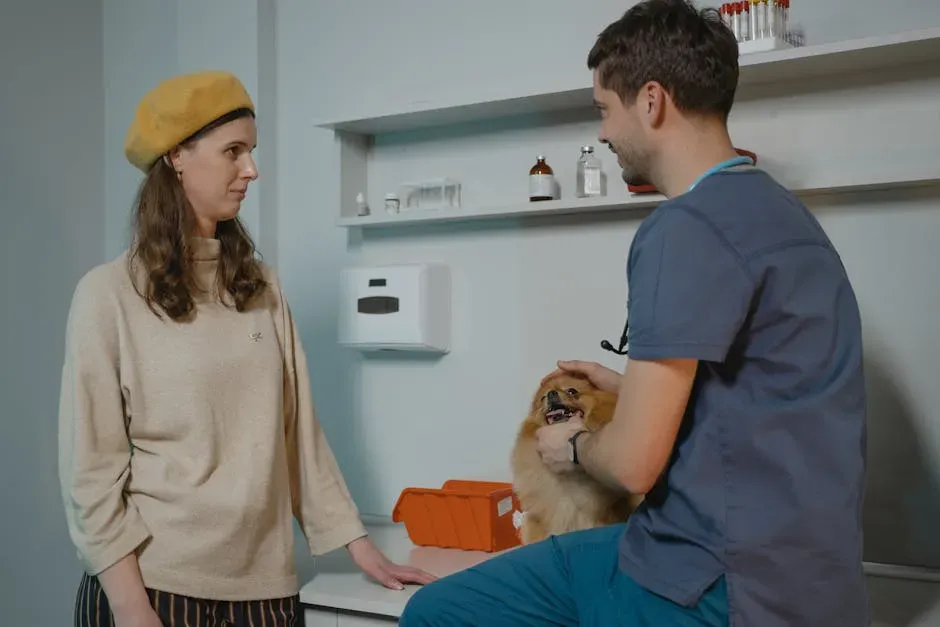
When it comes to dogs, there is no one-size-fits-all recommendation. The optimal timing of spaying is as individual as your pet. Your veterinarian can help you decide based on your dog’s breed, age, sex, personality, role, home environment, and health status. That conversation is worth taking seriously, especially for large and giant breeds.
If you’re feeling overwhelmed by the conflicting information out there, you’re not alone. The science genuinely has become more nuanced over the past decade, and the old “spay at six months, no questions asked” standard simply doesn’t hold up well for large dogs anymore. The best age to spay or neuter should no longer be the standard “six months of age” response that many veterinarians have used as a guideline, but rather tailored to each individual dog, especially if the dog is a large or giant breed.
Talk to your vet. Ask about your specific breed’s data. Consider your lifestyle honestly. And know that being thoughtful about timing is not the same as being negligent. The most loving thing you can do for a large dog is to make this decision with eyes wide open, armed with the best information available, and with her long-term health at the center of every consideration.


