
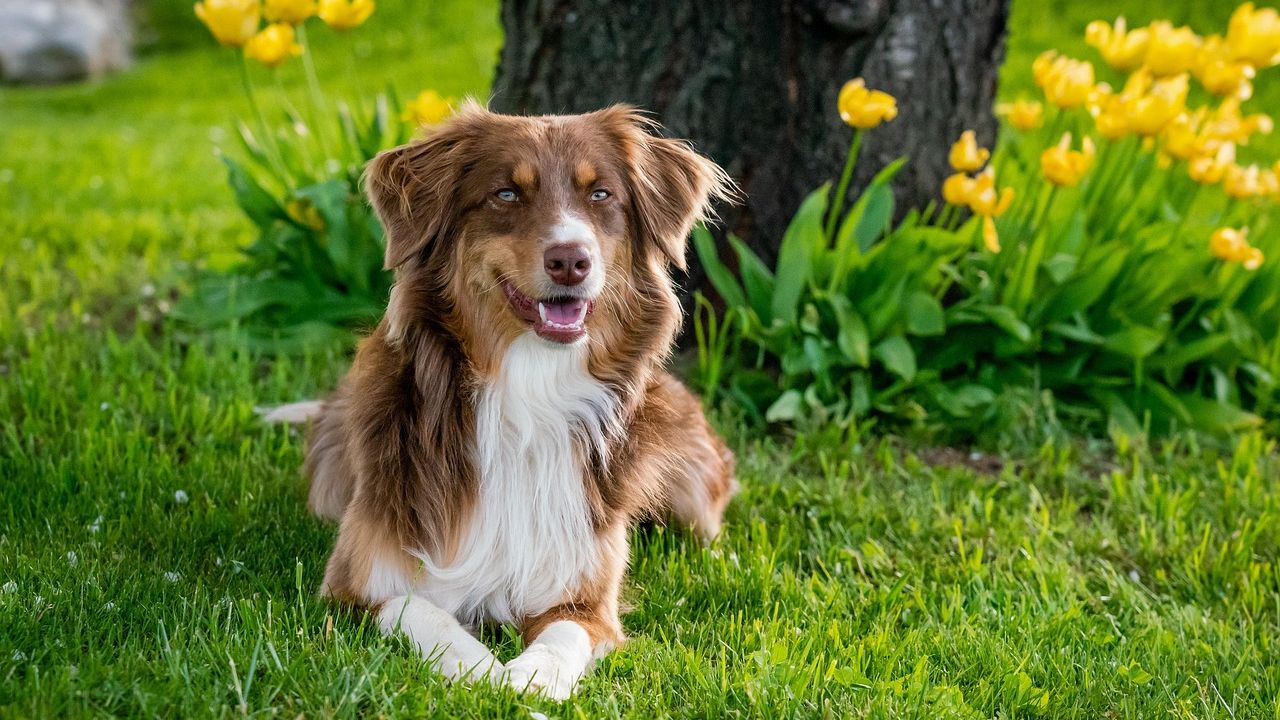
Picture this: you throw a tennis ball across the park, and before it even lands, a blur of golden fur is already mid-sprint, eyes locked, tail high, and every single muscle working in perfect harmony. Some dogs were simply built for this. Not trained into it, not persuaded by treats alone – genuinely, deeply wired for the thrill of the chase and the satisfaction of the return.
Dogs like Golden Retrievers and Labrador Retrievers were bred to retrieve game for hunters, and this instinct remains remarkably strong. The act of chasing and retrieving mimics hunting behaviors, which are deeply ingrained in many dog breeds. Playing fetch is not just a fun activity for dogs. It’s also an excellent way to provide them with physical exercise, mental stimulation, and a strong bond with their owners. Breeds that were developed for retrieval, herding, or hunting tend to have a strong prey drive and a natural instinct to chase and bring back objects.
Whether you’re an active dog owner looking for the perfect playtime partner or simply curious about what makes some dogs born fetchers, this list covers ten breeds that bring extraordinary dedication, speed, and joy to the game.
1. Labrador Retriever: The Gold Standard of Fetch
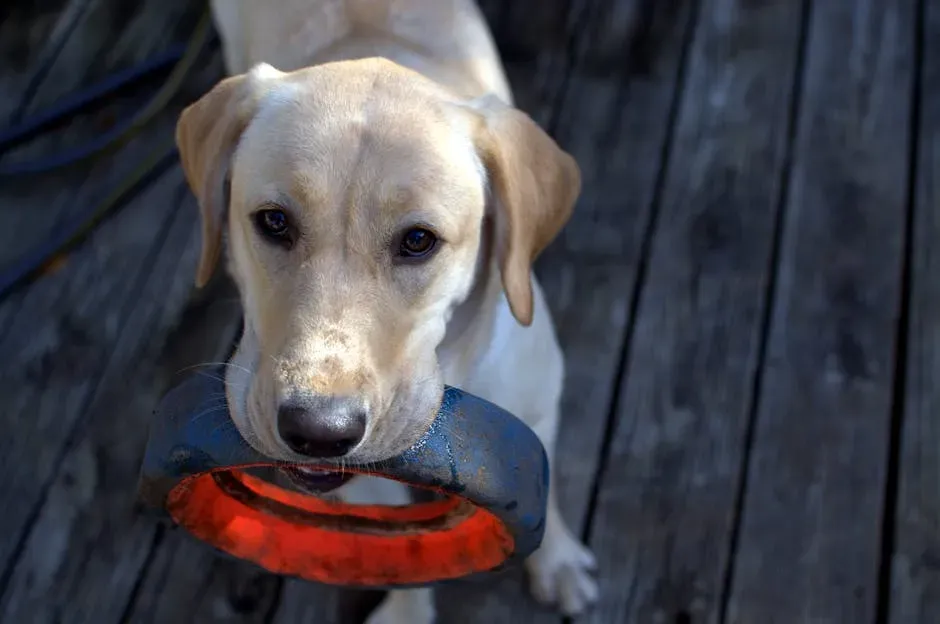
There’s a reason Labs are consistently among the most popular family dogs in the world, and fetch plays no small part in that story. Labrador Retrievers have been retrieving since the early 1800s. While their first job was to retrieve fish, they eventually evolved into duck-finding dogs. Today, playing fetch satisfies their natural retrieving instincts, since chasing and returning objects provides both physical exercise and mental stimulation.
One of the most interesting traits of Labrador Retrievers is their natural inclination to carry things in their mouth. This comes from their heritage as retriever dogs, bred to retrieve game without damaging it. This trait means Labs often feel the urge to hold or carry objects, which is why they love fetch games and can become skilled at various dog sports. Labradors are the gold standard when it comes to fetch. They’ll chase down a ball with full enthusiasm and bring it right back, ready for the next round before you’ve even caught your breath. Their soft mouths make them perfect retrievers, since they can carry toys or balls without damaging them.
One practical tip for Lab owners: Labrador Retrievers are energetic, intelligent, and active dogs with a strong desire to work and play. As a sporting breed, they require substantial daily exercise and mental stimulation to remain healthy, balanced, and well-behaved. Without adequate activity, they may develop destructive behaviors or weight-related health issues. A daily session of fetch is genuinely one of the best ways to keep a Lab physically and mentally in top shape.
2. Golden Retriever: The Gentle, Joy-Filled Fetcher
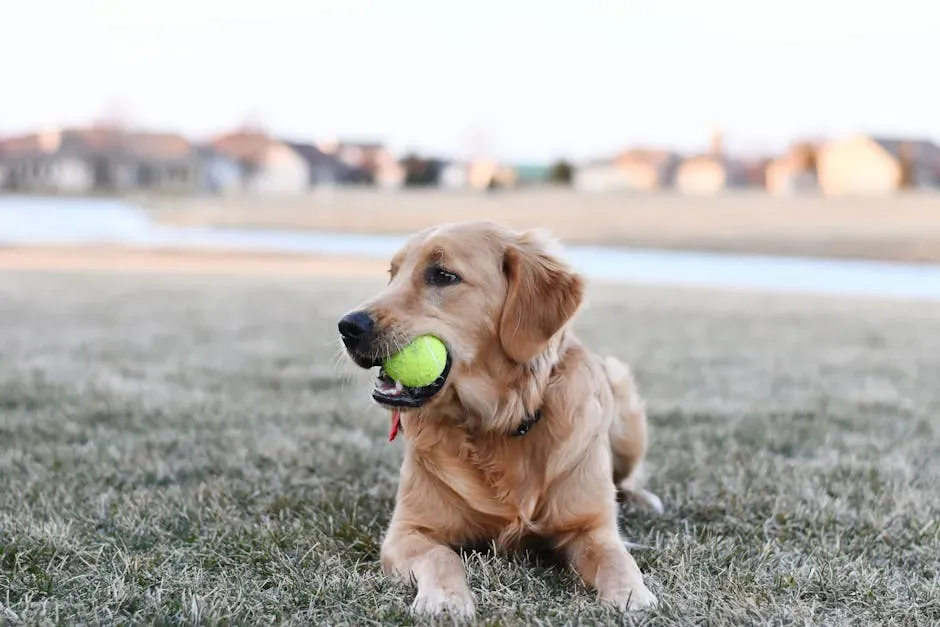
Golden Retrievers approach fetch like it’s their full-time job. Their friendly, eager personalities mean they’ll run after a ball again and again, always happy to bring it back. They love to please their owners and are easy to train, so they quickly learn to release the ball on command. With their cheerful attitude and boundless patience, they’re the kind of dog that keeps fetch fun no matter how many rounds you play.
A Golden’s mouth is so soft that they can carry a raw egg without cracking it. That’s by design, and that’s why these dogs were developed to retrieve game without damage. That extraordinary gentleness transfers directly to fetch, making them incredibly safe to play with around children. Golden Retrievers are not only intelligent but also exceptionally loyal. Their natural retrieving instinct combined with their love for human interaction makes them unstoppable fetch partners.
Golden Retrievers are noted by the AKC for their all-around love of life, trustworthy and eager-to-please nature. If your Golden seems restless, pacing the house, or nudging toys toward you repeatedly, those are classic cues that they need an outlet. Twenty to thirty minutes of quality fetch can shift a bouncy Golden into a contented, calm companion for the rest of the evening.
3. Border Collie: The Focused, Relentless Retriever
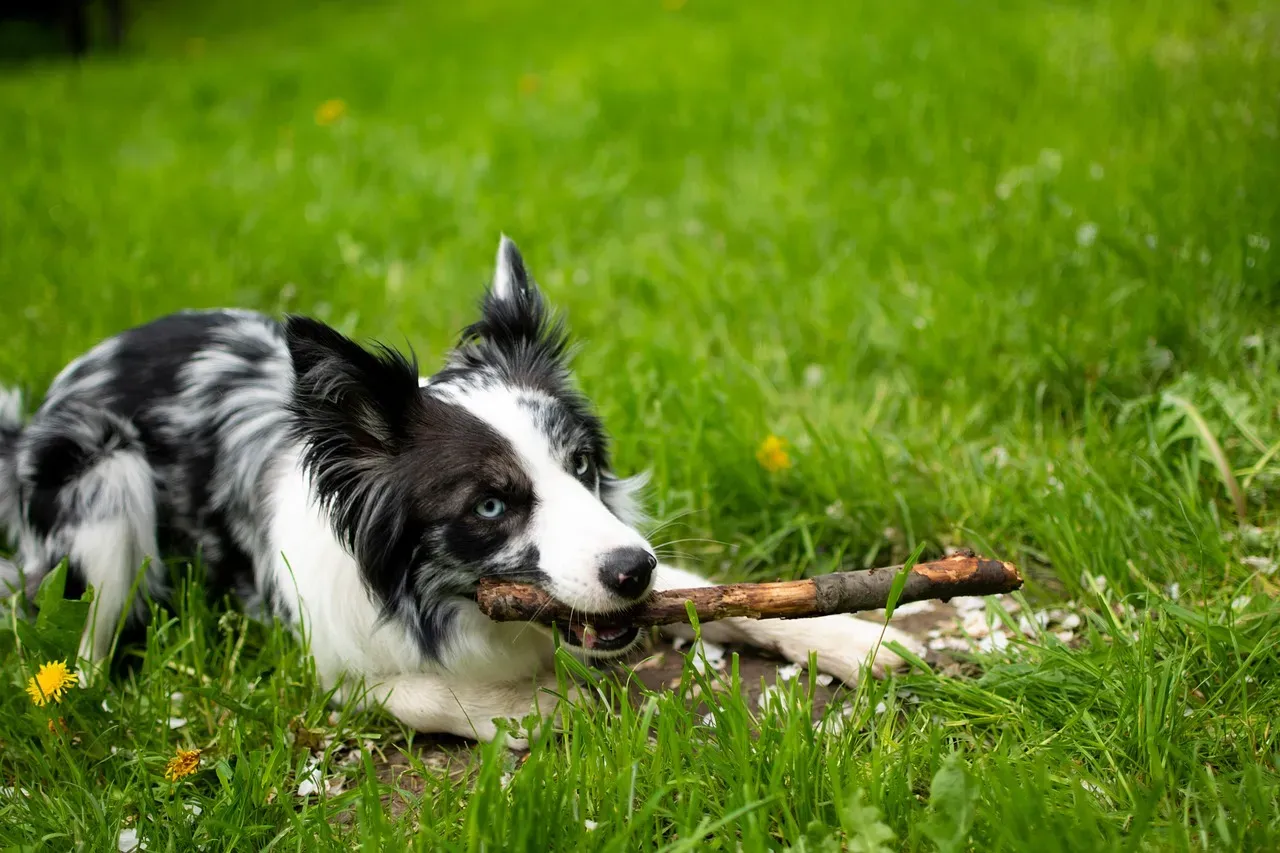
The Border Collie is a bubbly, energetic breed primarily known for their herding instincts, but they play a mean game of fetch too. Collies are quick on their feet and love a good game. They can have a mischievous edge sometimes that keeps you on your toes. They excel at agility games and have a lot more endurance than you’d think, able to go for hours if you let them.
Border Collies are described by the American Kennel Club as intelligent workaholics, perfect for agility training, working on farms and obedience training. They will only settle down once the working day is done, meaning any potential owner needs to have the time and energy to keep them occupied. Fetch, for a Border Collie, isn’t recreation. It’s closer to a mission. The collie can run up to 30 mph, which means they’ll easily outpace any ball you throw.
It’s worth knowing that a bored Border Collie will invent its own entertainment, and that rarely works out well for furniture. If you own one, commit to structured daily play. Fetch is perfect, but so is mixing in frisbee throws or obstacle running to satisfy their problem-solving minds alongside their need for speed.
4. Australian Shepherd: The Athletic All-Rounder
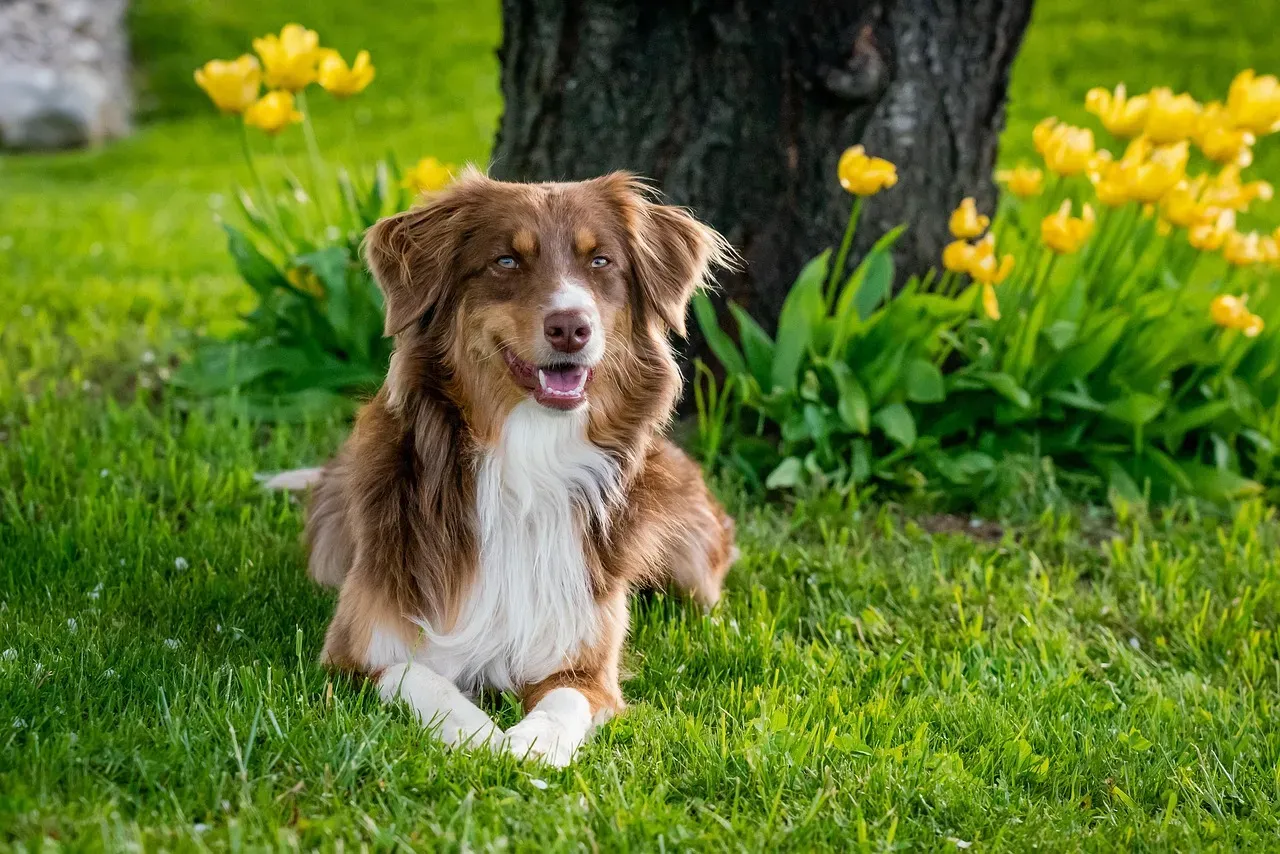
Australian Shepherds are high-energy dogs with a strong work ethic and a love for activity. Their natural agility and intelligence make them skilled at fetch, and they’ll chase down a ball with incredible speed and accuracy. Aussies enjoy the challenge and are especially skilled at catching balls or frisbees mid-air, making fetch a favorite game for this active breed.
Agile and intelligent, Australian Shepherds are natural athletes. Their herding background means they have the stamina for long fetch sessions and can keep up with even the most active owners. They have plenty of energy and it needs to be burned off. Fetch engages their instinct to chase and allows them a variety of ways to catch, either on ground or in the air. Think of an Aussie as that teammate who gives every single play one hundred percent effort, every single time.
If your Australian Shepherd seems hyper-focused, starts herding family members, or obsessively circles the yard, those are behavioral cues that their energy quota hasn’t been met. Regular, vigorous fetch sessions help redirect that intense working drive into something healthy. Frisbees work especially well with this breed, given how much they love aerial catches.
5. Standard Poodle: The Underrated Fetch Champion
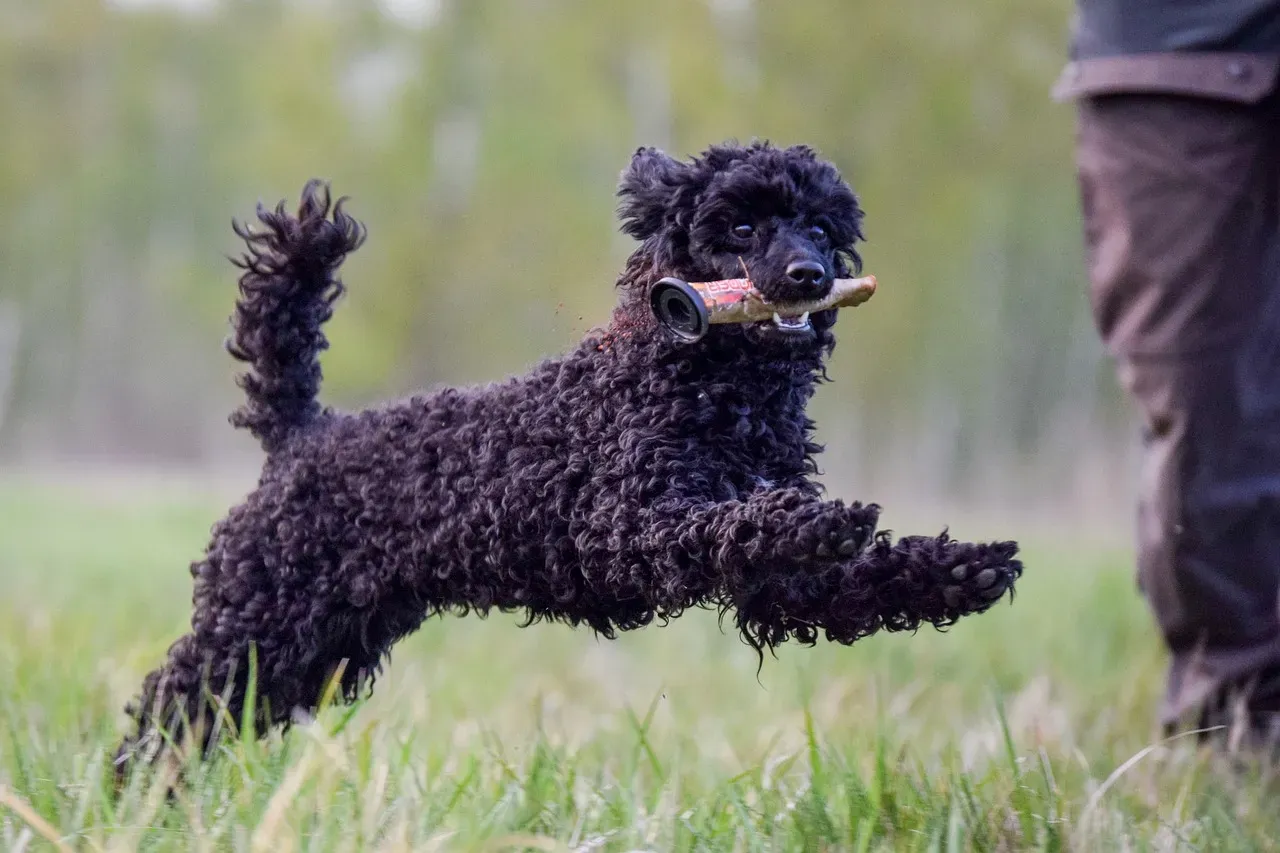
Most people picture a poodle primped on a show stage, not sprinting across a field to catch a tennis ball. The surprise is real, and completely warranted. These beautiful dogs were originally bred to be water retrievers and hunting dogs, making them both one of the best dogs for outdoor activities and dog breeds that love fetch. Playing fetch taps into their natural instincts to chase and bring back objects, while a treat or round of praise reinforces their drive.
The Standard Poodle is a capable, athletic retriever. Agile and highly responsive, they excel at learning fetch games with extra layers: multi-toy routines, voice cues, or even sorting by color. Besides being easy-to-train dogs that love fetch, they’re also amongst the smartest dog breeds and fastest runners, capable of reaching speeds of up to 30 miles per hour. For owners with allergies who still want an enthusiastic fetch partner, the Standard Poodle is genuinely hard to beat.
One practical benefit of playing fetch with a Poodle: their sharp minds mean they can learn complex retrieval games quickly. Try naming different toys and asking them to retrieve specific ones. It keeps the game mentally stimulating, prevents boredom, and deepens communication between you and your dog in a genuinely rewarding way.
6. English Springer Spaniel: The Tireless Field Fetcher

A small and agile retriever, the English Springer Spaniel is great at fetching thanks to their long history of retrieving waterfowl. They might appear delicate compared to some bigger breeds, but this dog is a born athlete that does great at agility, hunting, flyball, and other dog sports. They can be surprisingly competitive when you really get into a game, despite their sensitive nature.
The English Springer Spaniel was specifically bred to flush out birds but has developed into an all-around hunting dog, including retrieving. This breed loves to chase and hates to not bring back its prey. The English Springer Spaniel is another hunting breed with a natural aptitude for fetching. Known for their energetic personalities and love of play, Springers are always ready to chase down a ball or toy. Their enthusiasm for fetch is matched by their stamina, making them a fantastic choice for anyone looking for a dog that can play fetch all day.
Springer Spaniels do best with owners who can commit to consistent daily exercise. Without it, their high energy can tip into anxious or destructive behavior. Signs to watch for include excessive barking, tail-chasing, or destructive chewing. These are often signals that your Springer needs more active play, and a hearty game of fetch is one of the most effective ways to reset their mood.
7. Weimaraner: The Sleek Speed Machine
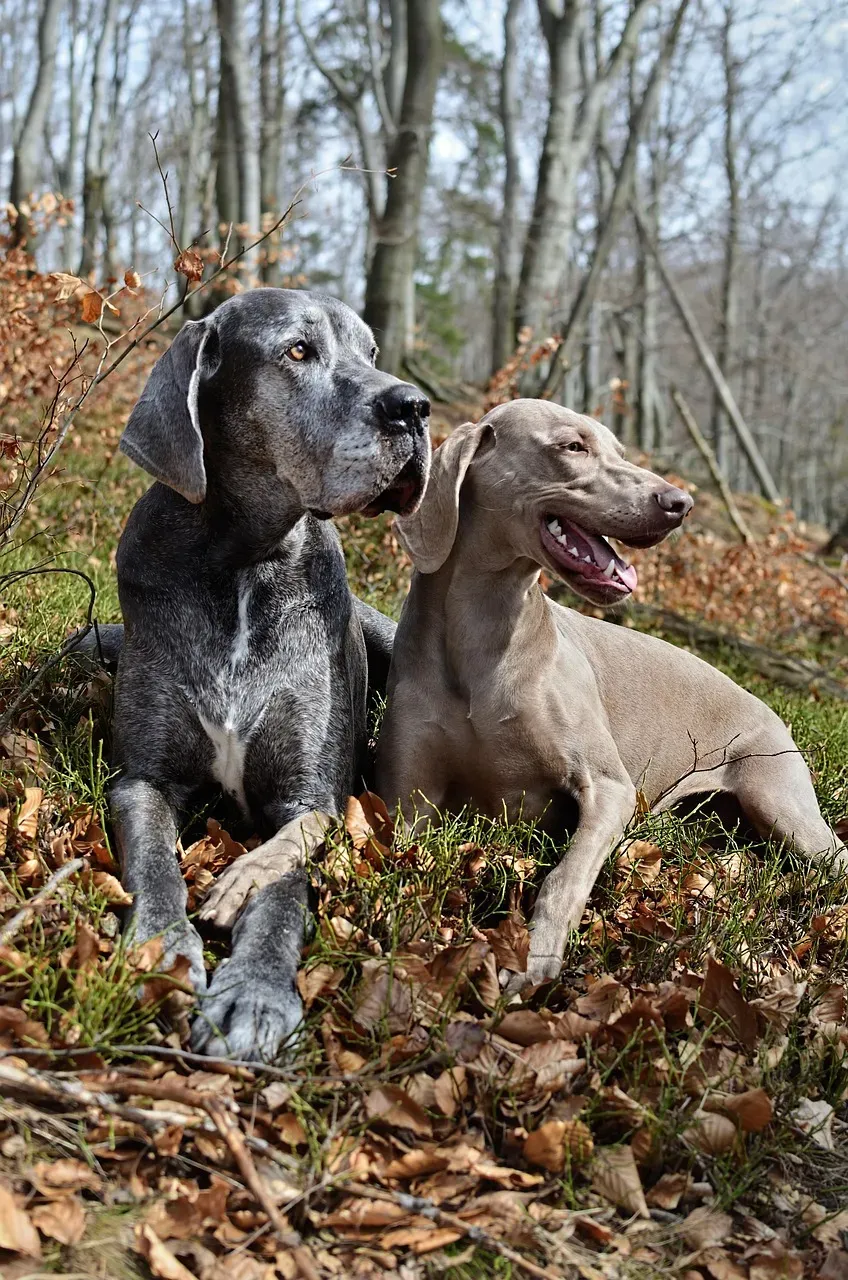
Sprint-first instincts drive the Weimaraner. This breed was developed for pursuing large game across open terrain, and that same energy is evident in its enthusiasm for fetch. They’re driven more by the thrill of the chase than the object itself, which makes fetch sessions fast, focused, and surprisingly athletic.
Weimaraners, with their sleek bodies and high endurance, are exceptional fetch players. Bred as hunting dogs, they have a strong retrieving instinct and love to chase after objects. Their athleticism and agility make them especially skilled at catching balls in mid-air. Weimaraners bring a sense of grace and elegance to the game, turning every fetch session into a display of athleticism.
Weimaraners can become destructive or develop separation anxiety if their exercise needs aren’t met consistently. They’re not a casual-afternoon-walk kind of dog. If your Weimaraner is restless, whining, or seems almost frantic without activity, that’s a clear signal. Two solid fetch sessions per day, ideally in a wide open space, can make an enormous difference in their overall temperament and wellbeing.
8. Vizsla: The Velcro Dog Who Lives for the Throw
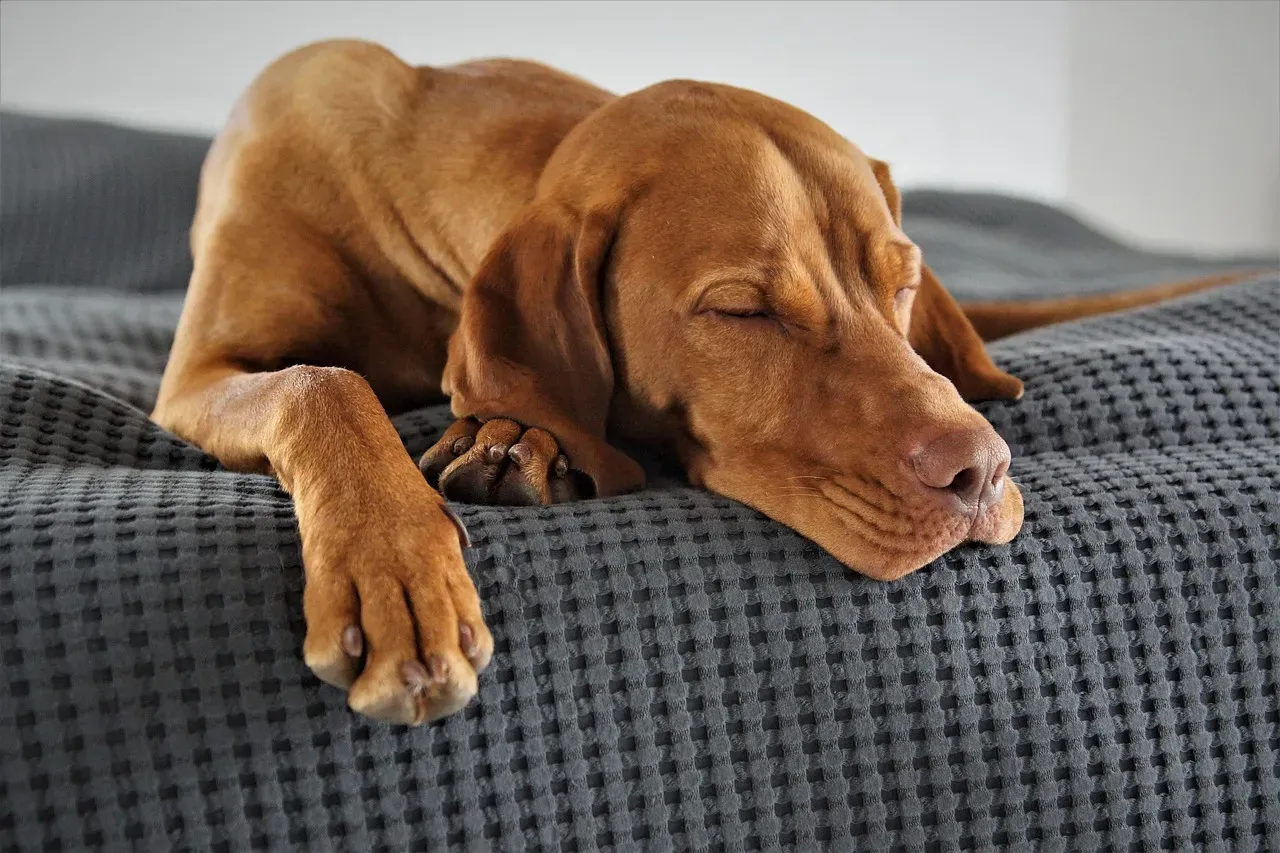
Vizslas are known for their high energy and athleticism, and they’re remarkably skilled at fetch. Originally bred for hunting and retrieving game, Vizslas have a strong retrieving instinct and will happily chase down a ball or toy for hours. Their gentle mouths make them perfect for retrieving without causing damage, and their agility adds an extra level of excitement to each fetch session.
The Vizsla, also known as the Hungarian Pointer, has a lineage dating back over 1,000 years. Developed by Hungarian nobles, the Vizsla was bred to point, retrieve, and track game while staying close to its owner. Vizslas are incredibly affectionate dogs and form strong bonds with their owners. They thrive on human companionship, and many owners describe them as velcro dogs because they tend to stick close by their side and crave constant physical contact and attention.
This deep attachment means fetch with a Vizsla is never just exercise. It’s quality time with you, and that’s what they truly value. Since the Vizsla forms such strong bonds with their people, they are more prone to separation anxiety. If you spend extended periods away from home, the Vizsla might not be the best breed for everyone. Keep sessions structured and positive, always end on a good throw, and your Vizsla will reward that consistency with sheer, joyful dedication.
9. German Shorthaired Pointer: The All-Terrain Fetch Machine
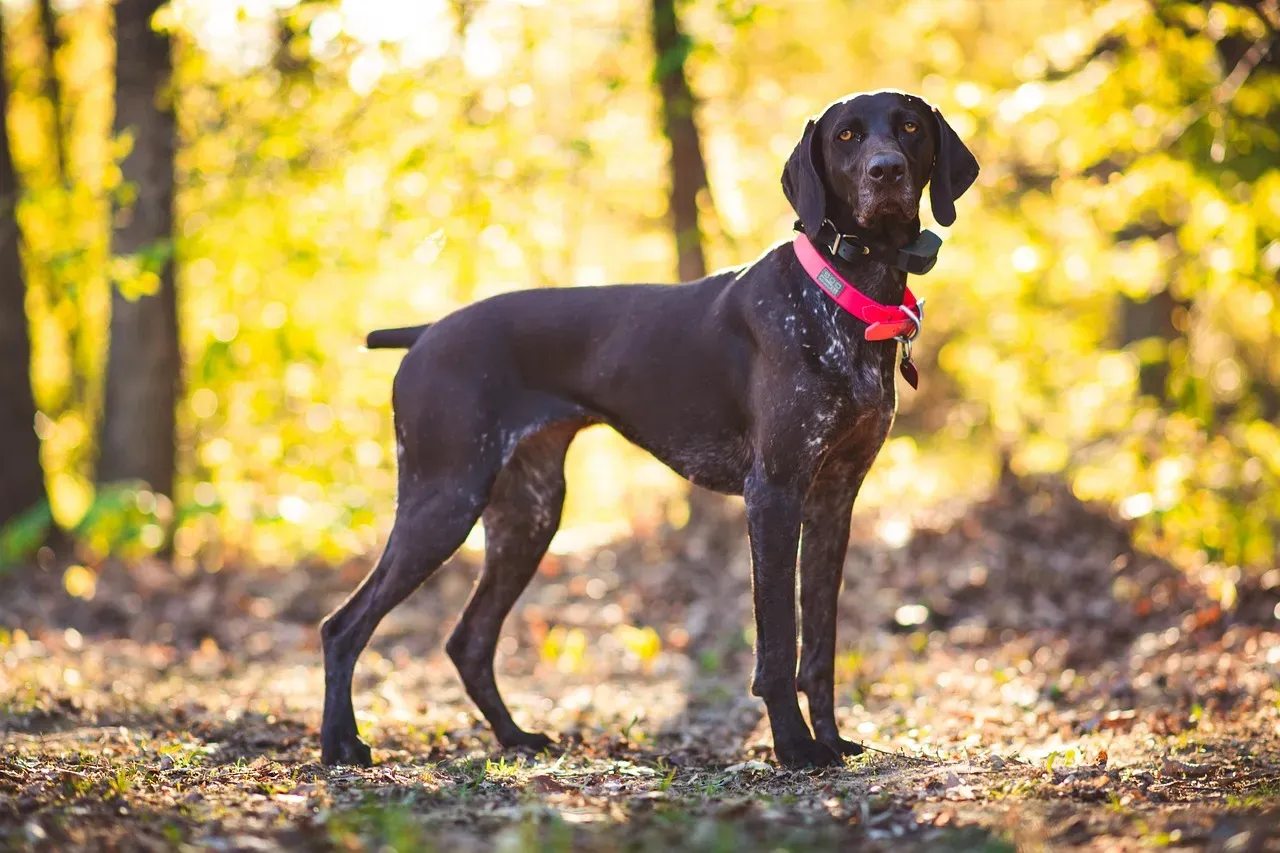
The German Shorthaired Pointer is a highly intelligent dog with almost unlimited energy. They are skilled in pointing, tracking, and retrieving, and even excel in dog sports like agility and obedience. German Shorthaired Pointers are known for their hunting instincts and are amazing retrievers. They can jump high to grab a ball right out of the air and can run for hours. This breed is energetic, athletic, and enjoys all outdoor games.
The GSP was designed to be the ultimate all-purpose hunting dog, capable of tracking, pointing, retrieving, and even swimming to hunt waterfowl. This versatility made them highly sought-after by hunters and outdoor enthusiasts. The German Shorthaired Pointer is intelligent and eager to please, so it can be fun to train them even if you are a beginner. Their trainability makes them ideal for therapy work and search and rescue.
GSP owners often find that their dogs do best when fetch sessions have a clear structure. They respond well to positive reinforcement and learn quickly, but they have a high energy level, so it’s better to train them after playtime to help keep them focused. You will want to aim for one to two hours of daily exercise when you own a German Shorthaired Pointer. Start a session with some warm-up running, then move into focused retrieval work to match their natural work ethic.
10. Belgian Malinois: The High-Drive Precision Fetcher
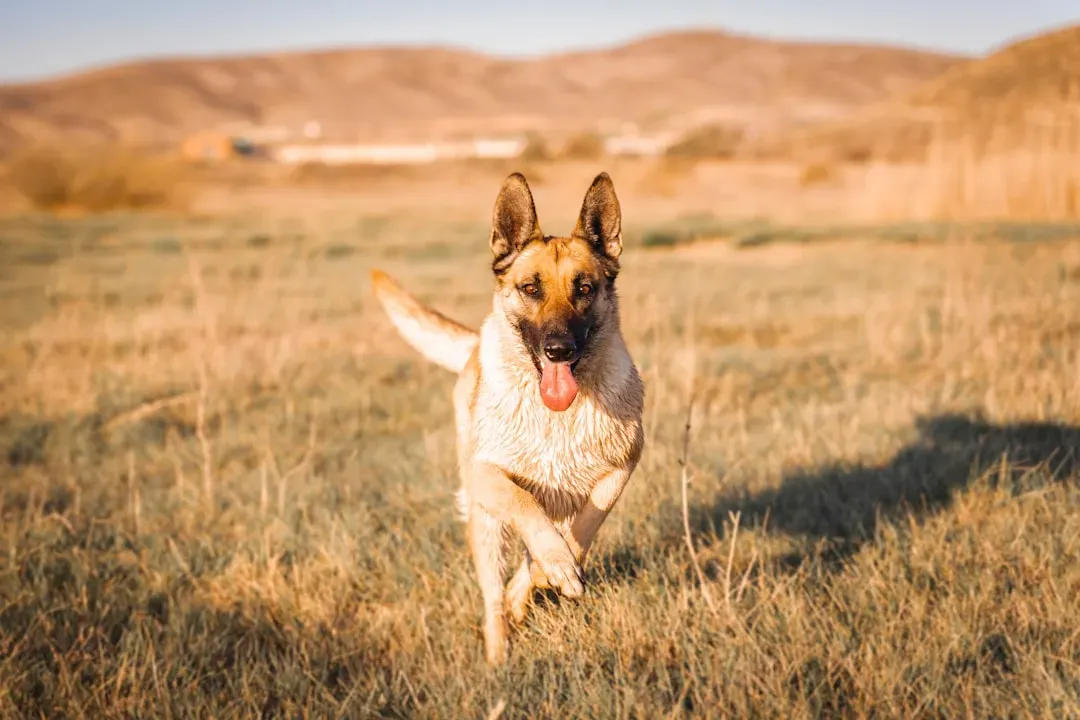
The Belgian Malinois is a high-energy breed with a strong drive to work and a natural talent for fetch. Often used in military and police roles, this breed has exceptional focus and agility, making them excellent at fetching. Similar in appearance to a German Shepherd, the Malinois is incredibly smart and easy to train. For these exact reasons, they are commonly used as police dogs. They are also very active and require a lot of exercise. A session of fetch is perfect for stimulating their minds while working off some of their extra energy.
The Belgian Malinois checks off all the boxes when looking for a great fetching dog. It comes from a line of working dogs that want to please their owner, including bringing back their favorite toy. The Malinois requires ample exercise time, as well as mental stimulation, to keep them happy and healthy. They don’t just play fetch. They execute it with a focus that can genuinely take your breath away.
One important thing to understand about owning a Malinois: this breed is not for everyone. Their intensity is real and constant. If their physical and mental needs go unmet, they can become anxious or develop problem behaviors quickly. Fetch should be paired with structured training sessions, clear boundaries, and confident leadership. When that combination is in place, a Malinois becomes one of the most impressive, responsive dogs you’ll ever work with.
A Final Thought: Playtime Is Partnership
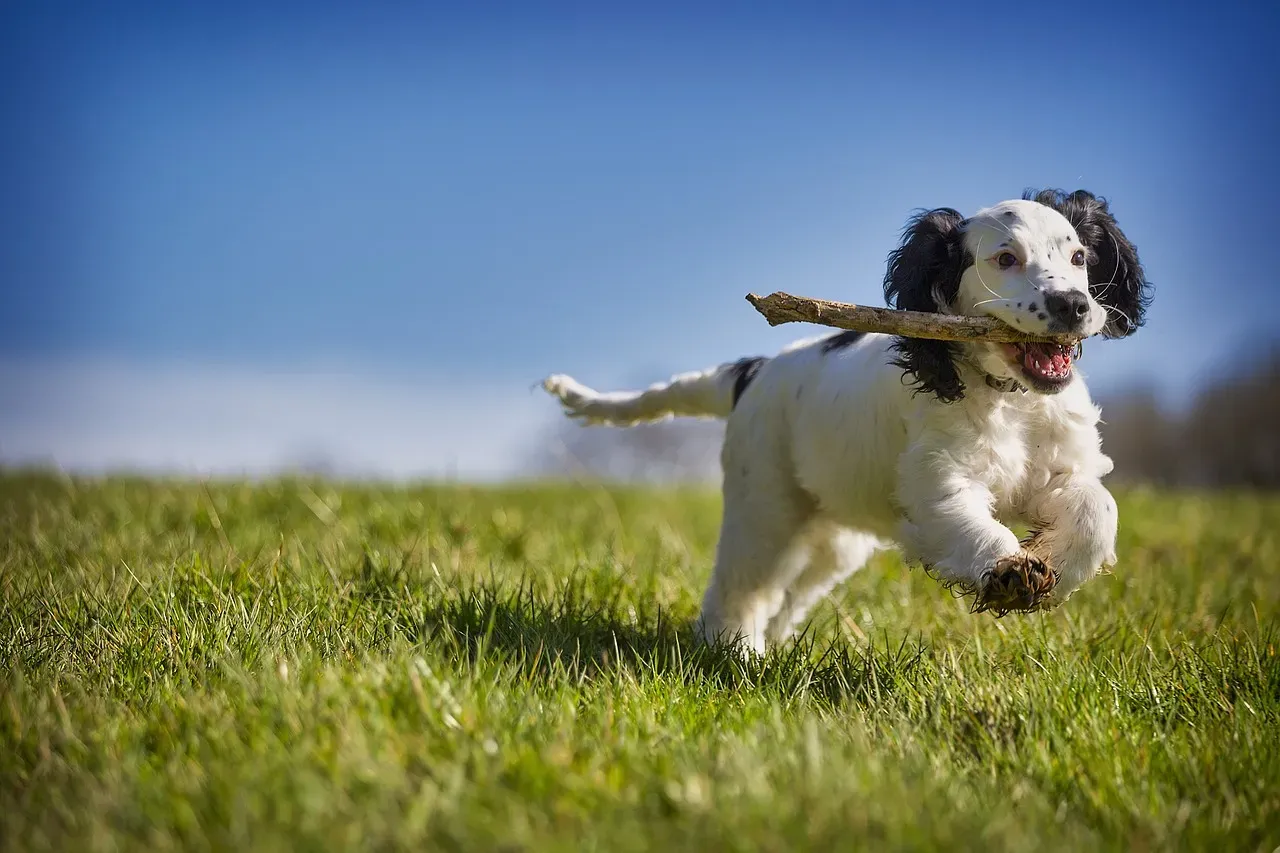
Veterinary experts agree that most fetch-loving dog breeds share three key traits: they’re athletic, energetic, and eager to please. These qualities make them the ultimate playtime partners for both pet parents and kids. Across every breed on this list, the common thread isn’t just speed or instinct. It’s the genuine desire to connect with you.
Playing fetch with a dog provides a wide range of benefits, from physical exercise and mental stimulation to socialization and bonding. For dogs, the game of fetch is an excellent way to burn off energy and satisfy their natural instinct to chase and retrieve. It’s also a great way to provide mental stimulation and challenge, helping to prevent boredom and destructive behavior.
No matter which breed you have, the ritual of the throw and the return is one of the simplest ways to say to your dog: I see you, I’m here, let’s do this together. That’s worth more than any toy or treat. Pick up the ball, head outside, and let your dog remind you just how good it feels to play.


