
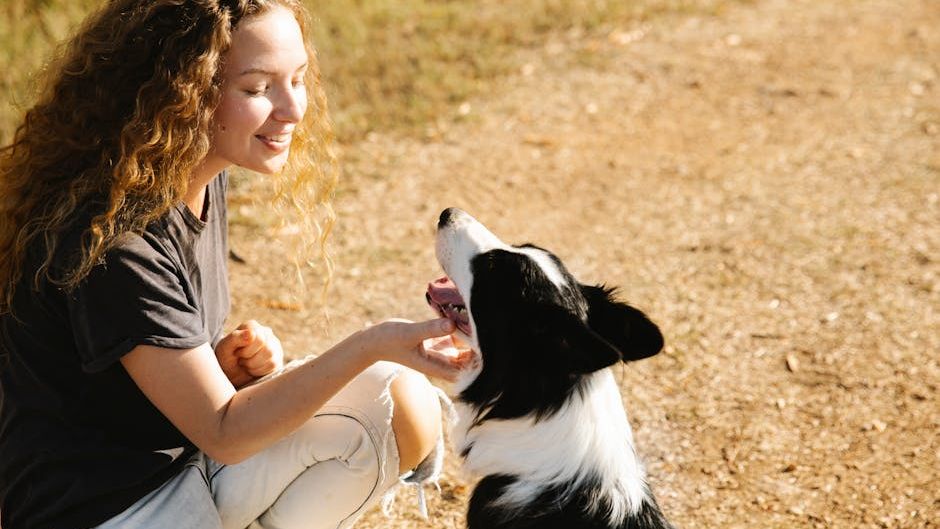
There’s a moment most dog owners know well. You walk through the front door after a long day, and before you’ve even set down your bag, your dog is already there. Not because they heard a treat bag rustle or spotted a leash. They simply knew it was you. That quiet, electric recognition is more than habit. It is the visible surface of something much deeper, a bond rooted in biology, shared history, and emotional attunement that researchers are only beginning to fully understand.
The remarkable bond between humans and dogs spans millennia, crossing cultural and geographical boundaries. It shows up in burial sites, in working partnerships, and in the wordless comfort of a dog simply resting its head in your lap. Most American families consider their dogs to be family members. That’s not sentiment. That’s a measurable, documented reality with profound implications for how we live, how we feel, and how we care for the animals who share our homes.
The Science Behind the Bond: Why Dogs Love Us Back
It turns out your dog isn’t just acting happy to see you. Something is genuinely firing in their brain when you walk in. Researchers trained dogs to lie still in an fMRI machine, then had the dog’s human come into view. The same part of the dogs’ brains lit up when they saw their human as happened in babies when they saw their mother. On a neurological level, dogs have that same kind of love response when they see us as babies have when they see their mom.
Research has shown that dogs bond with humans similarly to how human infants bond with their parents. When a dog interacts with its owner, both experience a surge in oxytocin, the “love hormone” that strengthens emotional connections. A study published in Science found that simply gazing into a dog’s eyes can increase oxytocin levels in both the dog and the owner. This hormonal response fosters trust and affection, reinforcing the bond between humans and their canine companions.
Nearly forty percent of the variation in dog social skills, revealed as early as 8 weeks, is derived from genetic factors and include interest in human faces and responding to human gestures at first exposure. In other words, your dog didn’t just learn to love you. They were, in many ways, born ready for it.
Reading the Signs: How Your Dog Tells You They’re Bonded to You

Dogs can’t send a text to let you know they care, but they do communicate constantly through their bodies. Understanding your dog’s body language is one of the most powerful ways to strengthen your bond. Dogs communicate how they feel through their posture, tail movements, ears, eyes, and overall behavior.
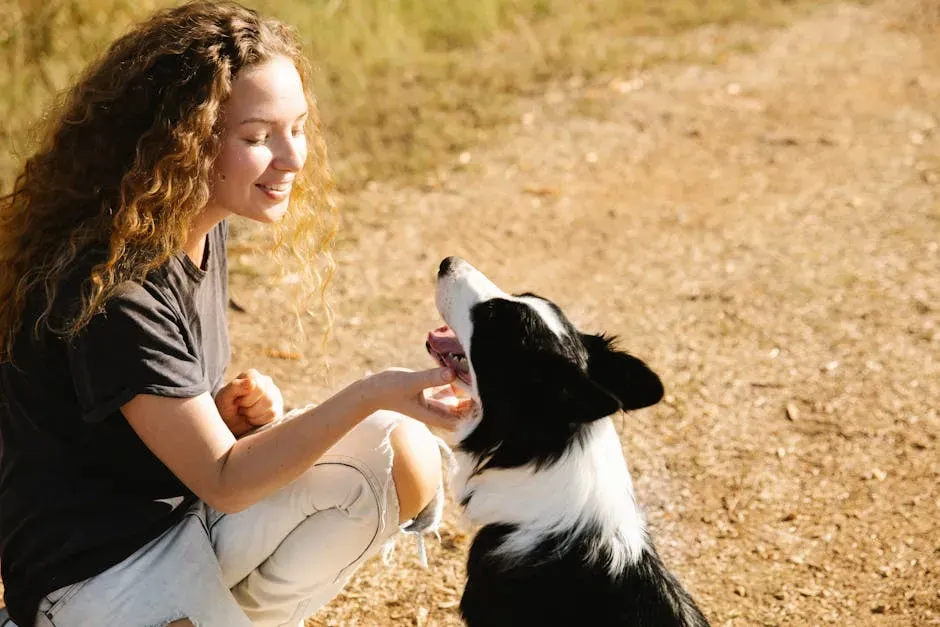
When a dog maintains eye contact with you, it’s their way of connecting and showing trust. It’s the same mechanism that forms bonds between parents and their children. When a dog snuggles up or leans against you, it’s a sign of deep comfort and trust. It’s their way of saying, “You’re my safe place.”
One key behavior is proximity seeking, where the animal will seek out the attachment figure as a means of coping with stress. Conversely, the absence of an attachment figure can trigger behaviors indicative of separation-related distress in dogs. So if your dog shadows you from room to room, that’s not clingy behavior. That’s attachment, in its most straightforward expression. Another such behavior is the safe haven effect, which describes when the canine more freely explores novel objects in the caretaker’s presence.
The Health Benefits: What the Bond Does for You
The benefits of living with a bonded dog don’t stop at emotional warmth. They show up in measurable physical and mental health outcomes. Dogs specifically have been proven to reduce stress, anxiety and depression, ease loneliness, encourage exercise, and improve your overall health.
Epidemiological research suggests that dog ownership is linked to greater physical activity levels, presumably linked to dog-walking, and reduced risk for cardiovascular disease, stroke, and all-cause mortality. Studies show that dog owners experience a 24 percent decrease in overall mortality and a 31 percent reduction in cardiovascular-related deaths. Those are not small numbers.
Interacting with animals has been shown to decrease levels of cortisol, a stress-related hormone, and lower blood pressure. Other studies have found that animals can reduce loneliness, increase feelings of social support, and boost your mood. It’s worth noting, though, that a close dog-owner relationship may be a feasible strategy to help people cope during mentally challenging times, but they are not a panacea in terms of prevention or treatment for depression or anxiety. The bond helps, genuinely. But it works best when the relationship itself is healthy and the dog’s needs are being met too.
When the Bond Breaks Down: Separation Anxiety and Behavioral Signals

A deep bond is a wonderful thing. In some cases, though, it can tip into an imbalance that causes real distress for your dog. The quality of the attachment bond may mediate behavioral responses to caregiver absence, especially when such responses reach clinically significant levels, as observed in Canine Separation Anxiety. CSA is one of the most frequently reported forms of anxiety-related behavior by dog guardians, and caregiver absence is consistently identified as a major anxiety-inducing context.
Research has found that separation and attachment behaviors affect a significant portion of dogs in the United States, alongside aggression-related problems and fear and anxiety behaviors. Signs to watch for include destructive behavior when left alone, excessive vocalization, pacing, house-soiling despite being trained, and signs of panic such as drooling or trembling. These aren’t signs of a “bad dog.” They’re distress signals from an animal who genuinely needs you.
Prevention begins early. Dogs thrive on routine. Predictable mealtimes, walks, play, and rest help your dog feel safe and secure, especially if they’re new to your home. Teaching your dog that your departures are temporary and safe, through short practice absences and calm returns, can significantly reduce anxiety over time. If behavioral issues persist, a veterinarian or certified behaviorist is the right next step. It’s important to learn to read your dog’s body language and talk to your local veterinarian if there is any type of behavior happening that bothers you. They can help you identify the cause and find a solution.
Deepening the Bond: Practical Ways to Nurture a Lifelong Connection
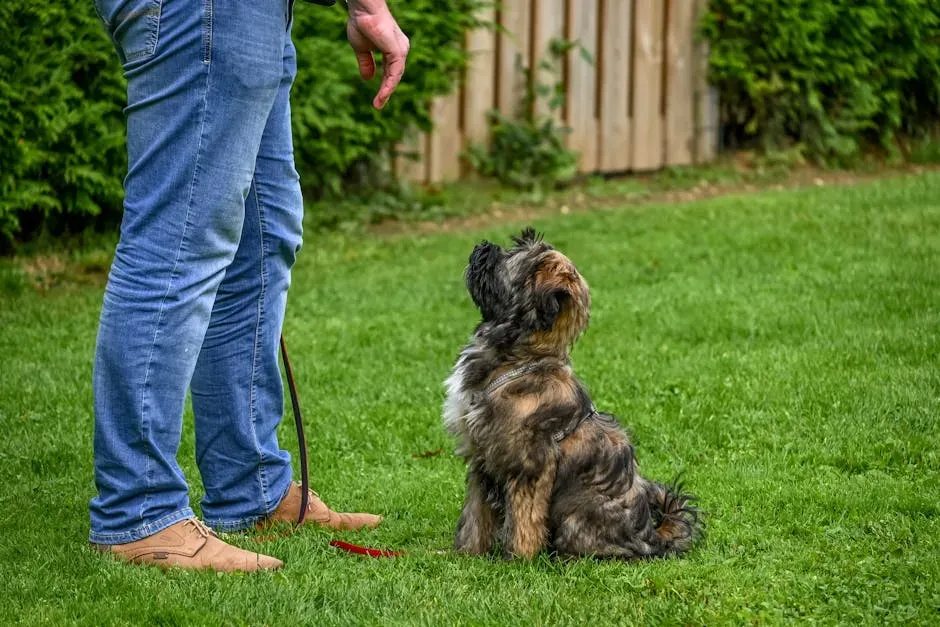
The good news is that building a stronger bond with your dog doesn’t require expensive gear or elaborate planning. The best way to bond with your dog is through consistent daily routines that include training, structured play, calm time together, and predictable care. Dogs build trust through repetition, not occasional attention.
Training is one of the most impactful tools available to you. Training your dog using positive reinforcement is not only effective, but it’s also a relationship builder. Rewarding good behavior with treats, praise, or playtime reinforces your bond and creates a safe space for learning. Avoid punishment-based methods, which can damage trust and create confusion or fear. Even simple five-minute sessions daily can build meaningful communication over weeks and months.
Dogs are incredibly sensitive to human attention and energy. When you strengthen your bond with your dog by being fully present, your dog feels seen and valued. Even short moments of intentional connection, repeated daily, have a powerful cumulative effect. If you have family members, make sure everyone is involved in your dog’s care. Assign responsibilities like feeding, walking, or playtime. This encourages the whole family to bond with your dog and ensures they feel equally loved by everyone.
Conclusion: A Bond Worth Tending Every Day

What we know about the human-dog bond today is more nuanced and better supported by science than at any point in history. The research shows that the human-animal bond is strong, that pets positively impact their owners’ health, and that stronger bonds are connected to improved veterinary care around the world. That last point matters. A dog who is deeply bonded to their family is more likely to be taken to the vet, noticed when something is off, and given the care they need.
Stronger pet attachment relates to increased caregiving behavior and positive owner-pet interactions across the lifespan, potentially improving welfare outcomes for pets. The relationship is reciprocal in the truest sense. You care better when you’re connected, and your dog thrives when they feel secure in that connection.
The bond between a dog and their family isn’t something that simply happens. It’s built through thousands of small moments: the morning walk, the training session that ends in laughter, the quiet evening on the couch. The bond between humans and dogs is rooted in history, biology, and shared experience. It is a connection based on loyalty, love, trust, and understanding. Tend to it with consistency and care, and it will be one of the most rewarding relationships of your life.


