
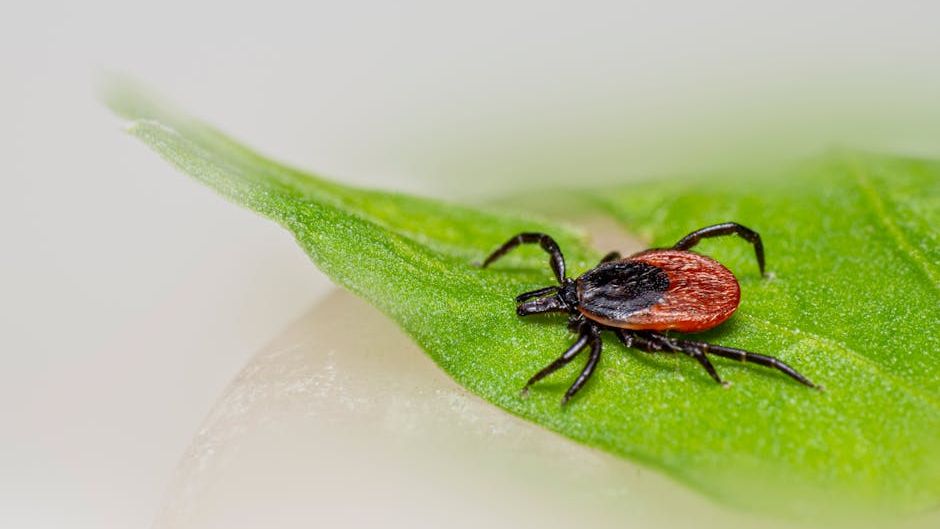
Picture this: you’re running your fingers through your dog’s fur after a trail walk, and you feel something that definitely shouldn’t be there. Small. Round. Stubbornly attached. That’s a tick, and the clock starts ticking the moment you find it.
Ticks attach themselves to feed on blood, and the longer they stay attached, the greater the risk of disease transmission. That’s not a scare tactic – it’s just how these parasites work. The good news is that knowing what to do, and doing it quickly, makes an enormous difference in protecting your dog. Here are five things that genuinely kill or deal with ticks effectively, along with everything you need to know to use them safely.
1. Isopropyl Alcohol (Rubbing Alcohol): The Fast-Acting Option After Removal
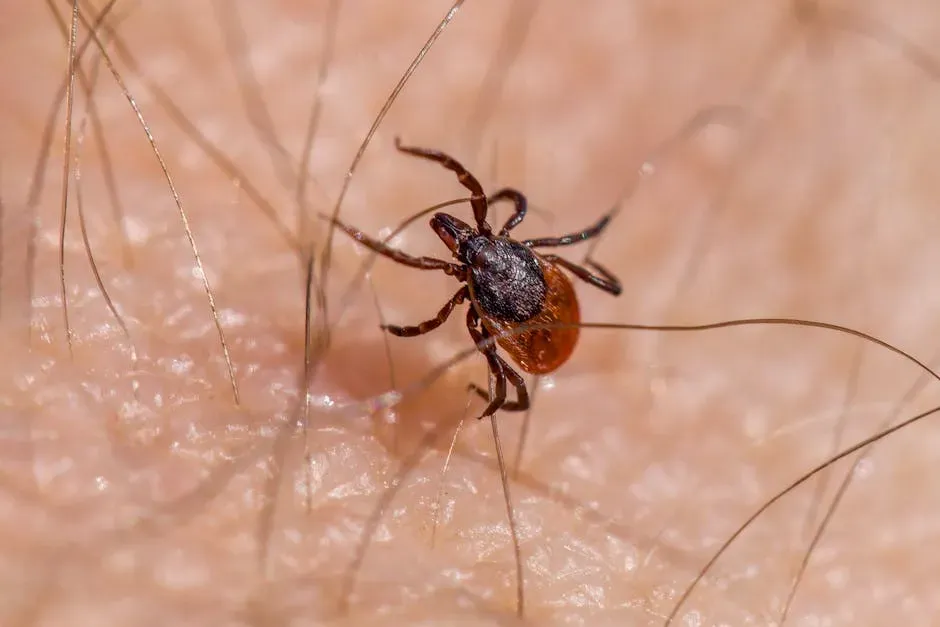
Rubbing alcohol is one of the most reliable solutions that kills ticks on contact. If you place a tick into a container with alcohol, it will die almost immediately. This makes it the go-to method for disposing of a tick once you’ve already pulled it off your dog’s skin.
Here’s where a lot of dog owners get tripped up: the order matters. Do not pour alcohol directly on a tick still attached to your dog, as it can cause the tick to regurgitate harmful fluids into your pet’s bloodstream. That’s the kind of thing that turns a small problem into a much bigger one.
The science behind it is straightforward. Rubbing alcohol dehydrates insect cells, causing them to dehydrate and die. Most insects, including ticks, need a moisture-full environment to survive. Rubbing alcohol gets rid of the moisture and will kill them. After safely removing the tick, drop it into a small jar of rubbing alcohol and seal the lid. The isopropyl alcohol will kill the tick. Many veterinarians recommend keeping the tick in the container in case your dog starts to show any signs of illness.
2. Fine-Tipped Tweezers or a Tick Hook: The Most Effective Removal Method
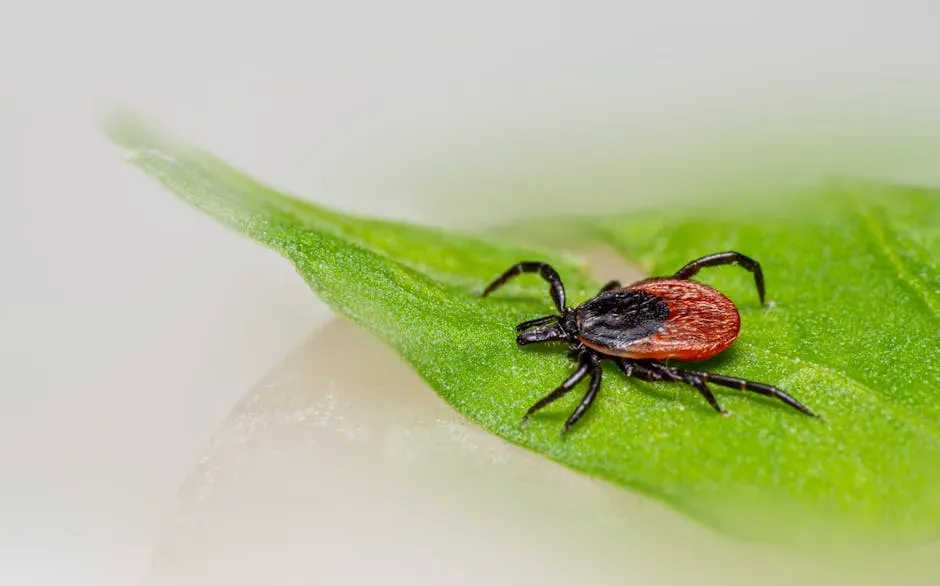
Removing a tick from your dog is best done with tweezers. Most experts agree that removing the tick before trying to kill it is best. Physical removal is, practically speaking, the single most important action you can take. No substance or product replaces getting the tick off promptly and cleanly.
Technique genuinely matters here. To safely remove a tick from your dog, use clean, fine-tipped tweezers and grip the tick close to the dog’s skin. Using steady pressure, gently pull the tick in a straight upward motion. Do not twist, jerk, or squeeze the tick when pulling it from the skin. This may leave the head embedded, which is harder to remove from a dog’s skin or fur.
After removal, clean the area immediately. Thoroughly clean the affected area and your hands with alcohol or soap and water. Some vets prefer tick hooks over tweezers because they make it easier to grasp the tick without compressing its body. If you distress the tick during removal, one of two unfortunate things can happen: the mouthparts get left in the skin, or the tick injects its parasite-laden gut contents into the pet’s bloodstream. Take your time, stay steady, and don’t rush.
3. Vet-Approved Tick Sprays: On-Contact Killing Power
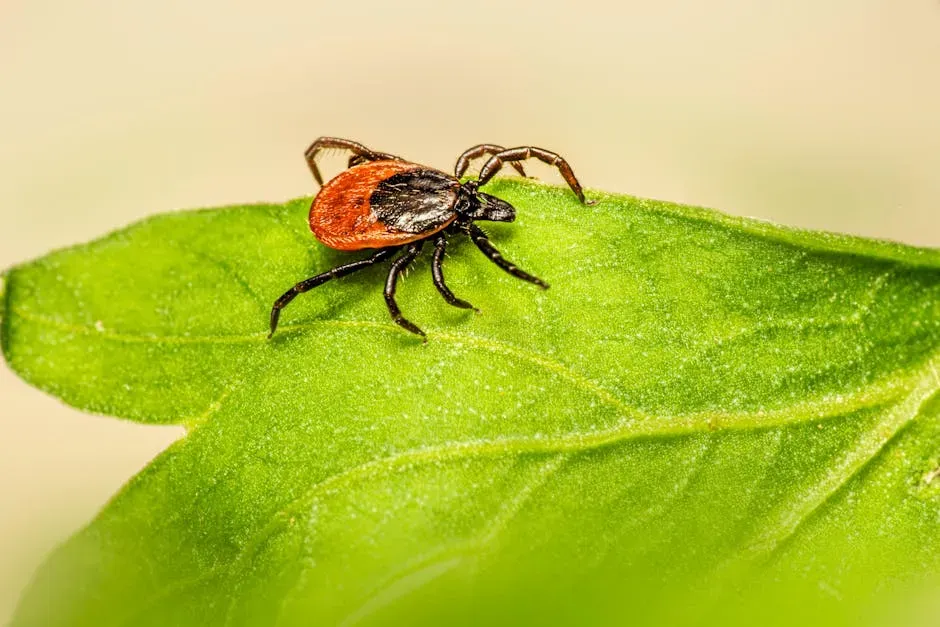
Several over-the-counter dog-safe tick sprays can kill ticks on contact. Always check labels to ensure they’re formulated for dogs. These sprays are designed specifically for canine use and can be applied directly to your dog’s coat in tick-prone areas before or after outdoor activities.
The critical caveat here is species specificity. Do not use human-grade insect repellent for dogs. Many are highly toxic to pets. This is a mistake that happens more often than it should, especially during camping trips or hikes when human bug sprays are readily at hand.
When used properly, vet-formulated sprays offer real protection. They work best as part of a broader routine rather than a standalone solution. Frequent bathing and brushing make it easier to spot ticks before they attach. Specialized dog shampoos with tick-repelling properties can reduce the risk of infestations. Think of a tick spray as one useful layer in a multi-layered protection plan.
4. Vet-Prescribed Oral and Topical Preventives: The Strongest Long-Term Defense

Tick medications that you give your dog regularly are the best way to kill ticks on your dog. These medications help stop ticks from attaching to your dog, limiting the risk of disease. For regular outdoor dogs especially, this is the most consistent and reliable protection available.
Oral preventatives containing isoxazoline – such as NexGard, Simparica, Credelio, and Bravecto – do not prevent tick attachment, but they have a relatively fast tick kill time. The tick kill time is important to note because of the diseases that can be spread if a tick remains attached and alive too long. Timing really does matter: the bacteria that causes Lyme can be transmitted through tick saliva to a dog within 12 to 24 hours of the tick beginning to feed, while the bacteria that cause Ehrlichiosis and Anaplasmosis can be transmitted within three hours.
It’s worth knowing that oral isoxazoline medications carry an FDA safety note worth discussing with your vet. The FDA’s formal isoxazoline warning applies to NexGard, Bravecto, Simparica, and Credelio, noting that seizures may occur even in dogs without prior history. For the vast majority of dogs, this risk is rare and these products are used safely. However, for dogs with documented seizure disorders or neurological conditions, veterinarians commonly recommend non-isoxazoline alternatives. As always, the conversation with your veterinarian is irreplaceable.
5. Recognizing the Warning Signs After a Tick Bite: What to Watch For
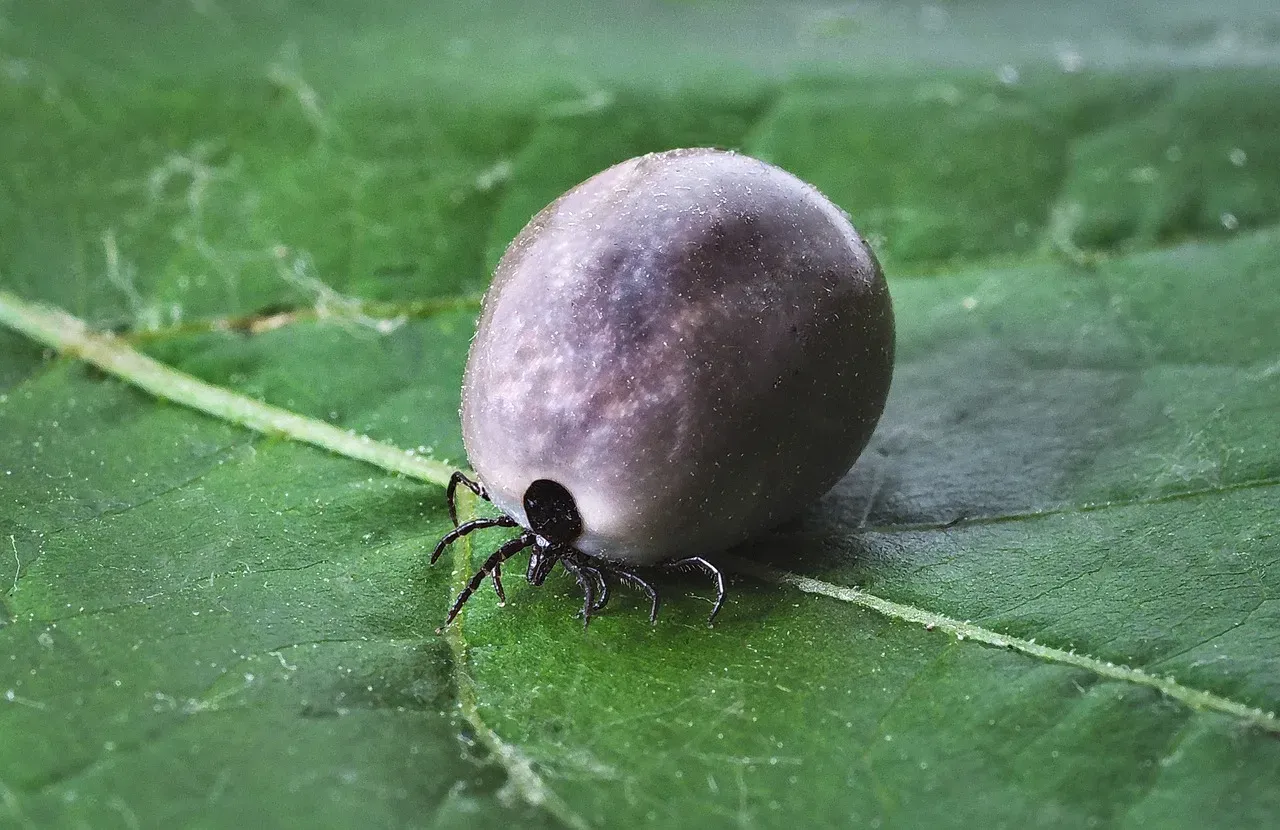
Killing a tick quickly matters most because of what it can leave behind. The most important tick-borne diseases that affect dogs are Lyme disease, Ehrlichiosis, Anaplasmosis, Rocky Mountain Spotted Fever, Babesiosis, Bartonellosis, and Hepatozoonosis. Each can range from manageable with early treatment to genuinely life-threatening if ignored.
Your dog can’t tell you something’s wrong in words, so knowing what to watch for is everything. Hallmark signs of tick-borne diseases in dogs include vomiting, fever, swelling around joints, lameness, and lethargy. These symptoms don’t always show up immediately. Infected dogs may show symptoms days to weeks after being bitten, or they may appear healthy for months before becoming ill.
Some of the specific signs to take seriously include: Lyme disease, which comes from the deer tick, can cause stiffness, lameness, swollen joints, loss of appetite, fever, and fatigue. Ehrlichiosis symptoms may not surface for months after transmission and can include fever, loss of appetite, depression, weight loss, runny eyes and nose, nosebleeds, and swollen limbs. If your dog seems off after spending time outdoors, especially in grassy or wooded areas, a vet visit is worth it. If appropriate treatment for tick-borne disease in dogs is started promptly after symptoms begin, dogs generally recover from tick-borne diseases caused by bacteria, including Lyme disease, anaplasmosis, ehrlichiosis, and Rocky Mountain spotted fever.
Conclusion: Small Parasite, Big Responsibility
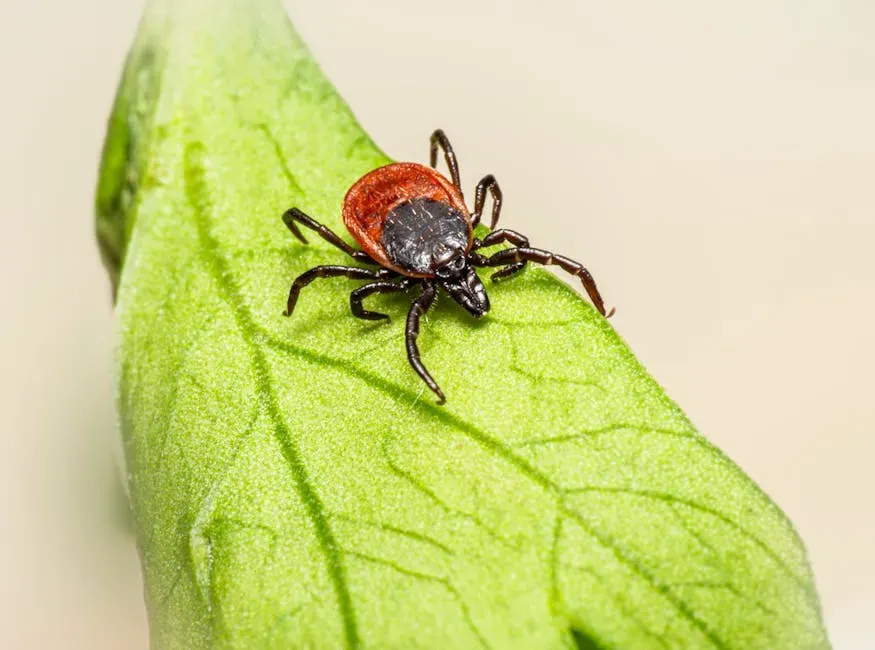
Ticks are frustratingly good at what they do – they’re quiet, patient, and they cause harm long after you’ve spotted them. The risk of disease transmission increases the longer a tick is attached, making prompt removal essential. That simple fact is the most important thing to carry with you on every walk.
Keep rubbing alcohol and fine-tipped tweezers or a tick hook on hand at home. Talk to your vet about the right preventive medication for your dog’s specific lifestyle, age, and health history. Check your dog for ticks daily during tick season – spring, summer, and fall, or year-round in warmer climates – brushing your fingers through their fur and applying enough pressure to feel any small bumps.
Your dog depends on you to catch what they can’t. With the right tools and a consistent routine, you’re giving them exactly the kind of protection they deserve. The best tick story is always the one where you find it, remove it safely, and move on with your walk.


