
There’s something that happens the moment you walk through your front door after a long, draining day. Before you’ve even set down your bag, there’s a warm, living creature who has been waiting specifically for you. Tail moving like a metronome, eyes soft and full of recognition. No judgment. No catching up required. Just sheer, uncomplicated joy at your return.
That greeting is not routine. It’s a relationship. And science, alongside generations of dog lovers, is increasingly confirming what you’ve probably always felt in your bones: your dog doesn’t just share your home. Your dog actively shapes the quality of your daily life in ways that are measurable, meaningful, and sometimes surprising.
The Science of the Feel-Good Moment
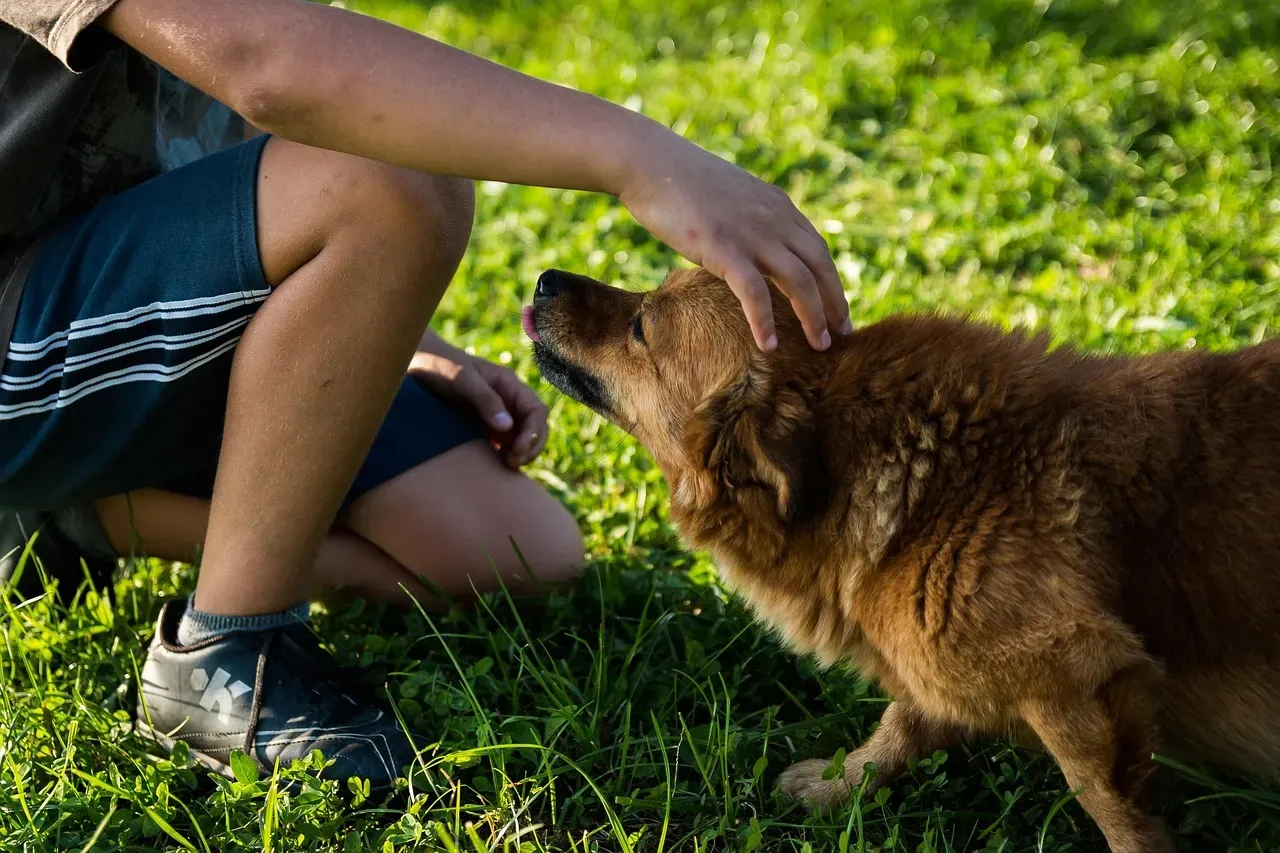
Most people know that petting their dog “feels good,” but the biology behind that feeling is genuinely fascinating. When you pet a dog, your brain releases a surge of feel-good hormones such as oxytocin, dopamine, and serotonin, the same chemicals that boost feelings of love, joy, and relaxation, while simultaneously reducing cortisol, the stress hormone.
This combination creates a natural antidepressant effect, and multiple studies have shown that even a few minutes of gentle interaction with a dog can noticeably reduce anxiety and tension. That’s not a small thing. In a world where stress has become almost ambient, a few minutes matters.
Dogs that are emotionally attached to their owners tend to maintain soft, relaxed eye contact, and that mutual gaze releases oxytocin in both the dog and the human, deepening the sense of connection and affection. The next time your dog holds your gaze for a beat longer than feels accidental, they really are telling you something.
Your Dog Is Reading You More Than You Realize
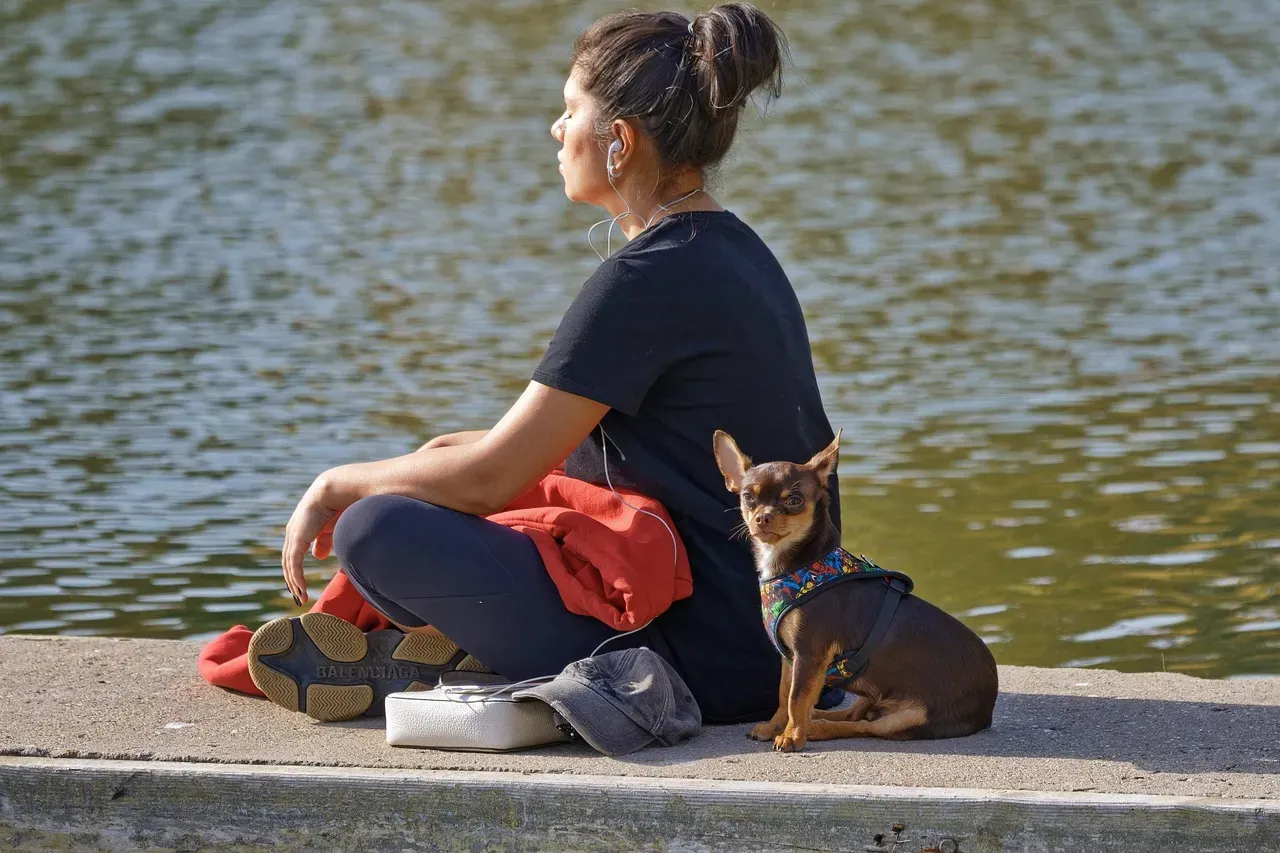
Dogs have spent thousands of years evolving alongside humans, and that long history shows. Pets have become acutely attuned to human behavior and emotions. Dogs, for example, understand many of the words we use, but they’re even better at interpreting tone of voice, body language, and gestures.
Canines are capable of assessing humans’ emotional states, as well as discriminating humans by levels of familiarity. This is why a dog that’s been with you for years will often respond differently to your anxious voice than your casual one. They notice the difference, even when the words are identical.
Research has shown that dogs often mimic our emotions, a phenomenon known as emotional contagion. Dogs yawn when their owners yawn because of contagious yawning, which is considered a sign of empathy and strong social bonding. These aren’t quirks. They’re evidence of a species that has become genuinely tuned in to us over millennia.
How Dogs Give Your Physical Health a Quiet Boost
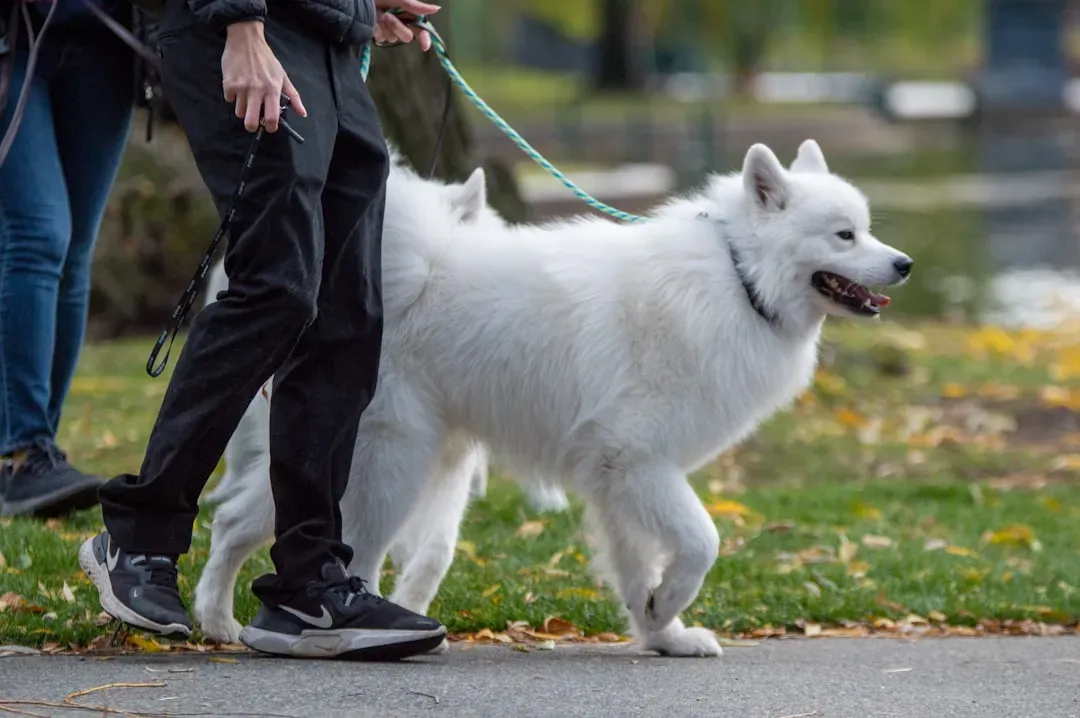
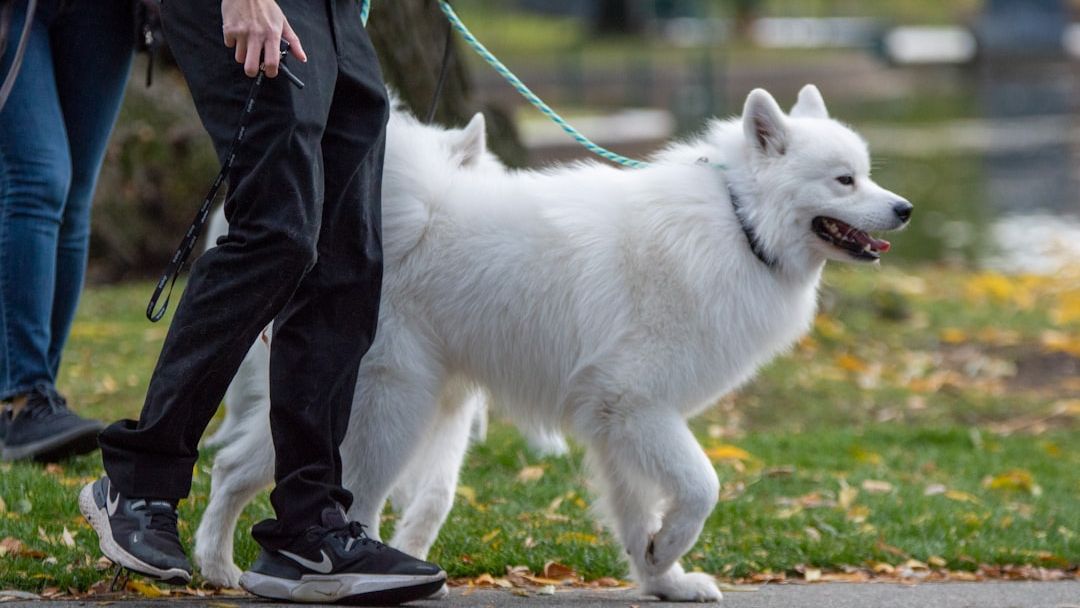
Over sixty percent of dog owners meet the recommended weekly amount of exercise, which means at least 150 minutes of moderate activity each week. That’s a striking statistic, and most dog owners will recognize exactly why it’s true. The dog wants to go out. So you go out.
Studies have consistently found that dog owners have lower blood pressure and cholesterol levels and better overall heart health. Research has also suggested an association between dog ownership and diminished sympathetic responses to stress, in addition to lower blood pressure levels and an improved lipid profile. That’s a meaningful cluster of benefits coming from something as simple as daily walks and companionship.
Heart attack patients with pets survive longer than those without, and pet owners over age 65 make significantly fewer visits to their doctors than those without pets. These numbers speak quietly but persistently. Having a dog doesn’t just improve the mood. It may genuinely change the trajectory of your health over time.
Dogs as Social Catalysts in Your Community

Here’s something dog owners discover pretty quickly: you don’t walk a dog through a neighborhood anonymously. People make eye contact. People stop and talk. Pets can lead to more human interactions, because animals are a natural conversation starter. If you’re a dog owner, you’ve likely noticed that your dog is practically an invitation for social interaction on walks.
Owning a pet can also increase opportunities for social interaction. Dog parks, pet training classes, and veterinary visits can lead to new friendships and community connections, which can help with social isolation. For anyone navigating loneliness, which affects far more people than we tend to acknowledge, that kind of incidental community-building is not trivial.
Pets, such as cats and dogs, significantly enhance human life satisfaction and well-being, comparable to the impact of family and friends. Dog caregivers in particular appear to be more extroverted, agreeable, and less neurotic, and pet caregivers generally tend to be more open, conscientious, and extroverted than non-pet caregivers. Whether dogs attract a certain kind of person or help shape one is still an open and interesting question.
The Bond Itself: What It Looks Like and Why It Matters

Psychologists believe the relationship between human and canine is a bidirectional attachment bond that resembles the typical human caretaker-infant relationship, including proximity-seeking behavior where the dog seeks out its owner as a means to cope with stress. Put simply, your dog doesn’t just like having you around. They rely on you emotionally.
When a dog rolls belly-up in your presence, it’s a vulnerable position, and displaying that level of trust is a classic behavior indicating that they feel safe and attached. When a dog leans their whole body weight against you, it’s one of the sweetest bonding behaviors, a way to stay physically connected while feeling supported, often used as a simple check-in especially in calm or uncertain moments.
A strong human-dog bond isn’t just emotional; it directly impacts your dog’s health too. Dogs who feel secure are more likely to thrive physically and emotionally. The relationship, in other words, runs in both directions. How well you tend to the bond shapes how well your dog fares.
Dogs and Mental Health: More Than Just Comfort
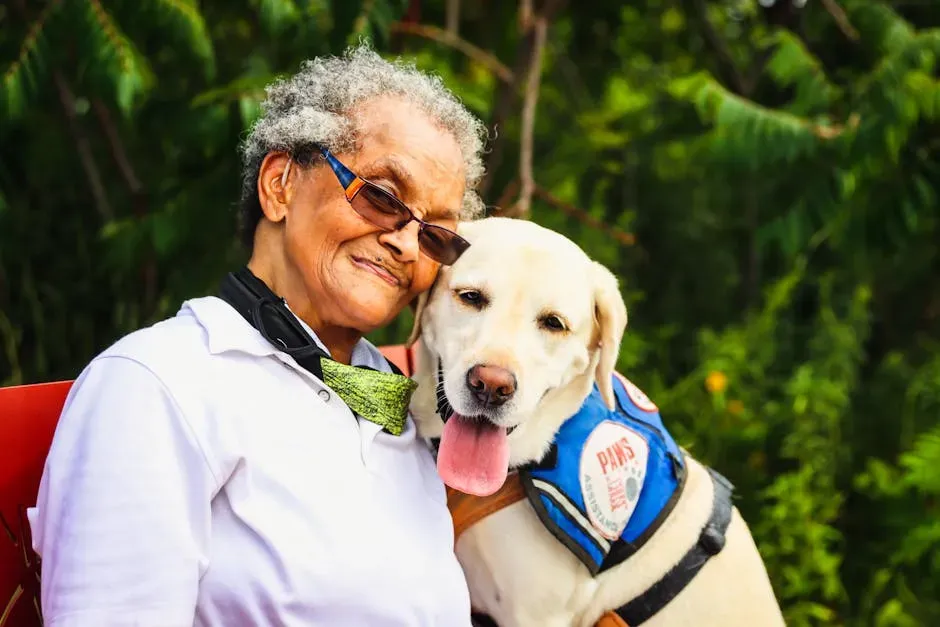
We know that dogs can reduce emotional distress, increase life satisfaction, and even help treat post-traumatic stress disorder. Animals are now a recognized part of many mental health therapy programs, and therapy dogs are used in hospitals, nursing homes, and counseling centers to provide comfort and support to patients.
Pet ownership can provide essential social and emotional support for older adults. Older adults who own pets report a reduction in stress and loneliness, along with an increase in activity and overall quality of life. Beyond that, pets can help older adults manage long-term conditions like Alzheimer’s disease and dementia, improving quality of life by decreasing distress, loneliness, and depression.
Dogs offer non-judgmental companionship, unconditional love, and a sense of purpose, all of which can help ease symptoms of depression, anxiety, and stress-related disorders. The responsibility of caring for a dog also provides a sense of routine and structure, which is particularly helpful for those struggling with mental health challenges. That daily rhythm of feeding, walking, and connecting is its own quiet form of therapy.
Conclusion: The Ordinary Magic of Showing Up for Each Other
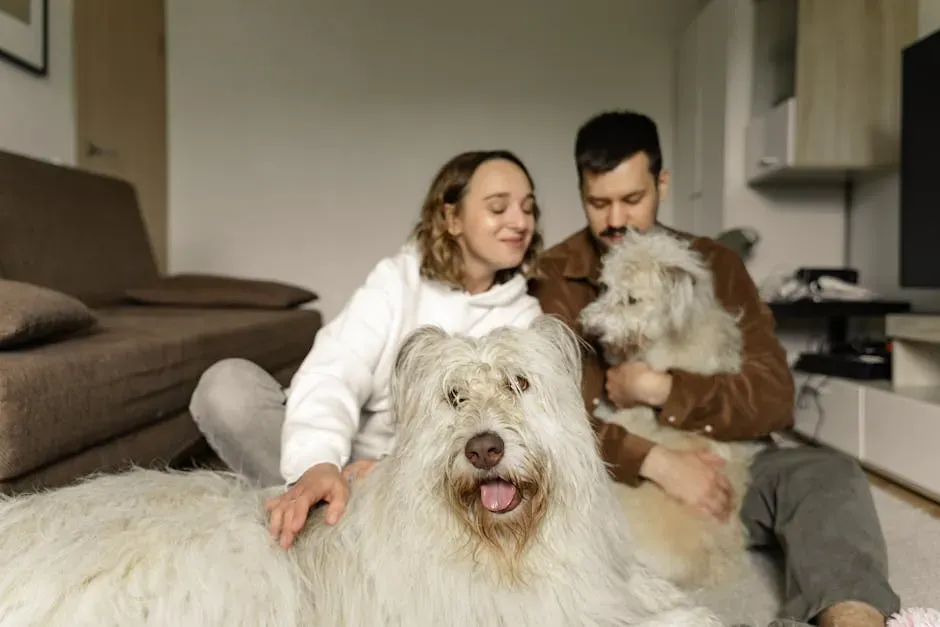
When you really look at everything a dog brings into a life, it’s a little humbling. Not because dogs are magic, but because what they offer so consistently is something genuinely rare: presence. They show up, every single day, with the same willingness to connect. No conditions, no history of grievances, no distraction.
The science backs up what dog owners have always known intuitively. It’s clear that dogs can play a huge role in increasing our health and wellbeing, meaning that every dog owner has a potential natural health service living with them. That framing captures something true, though the word “service” almost underplays it.
The relationship is reciprocal at its core. The more we support the wellbeing of dogs, the more they thrive. As much as dogs are good for us, we need to make sure we’re good to them too. That’s ultimately what makes this bond worth understanding, not just what your dog does for you, but how much better a person you can become by caring well for them in return.


