
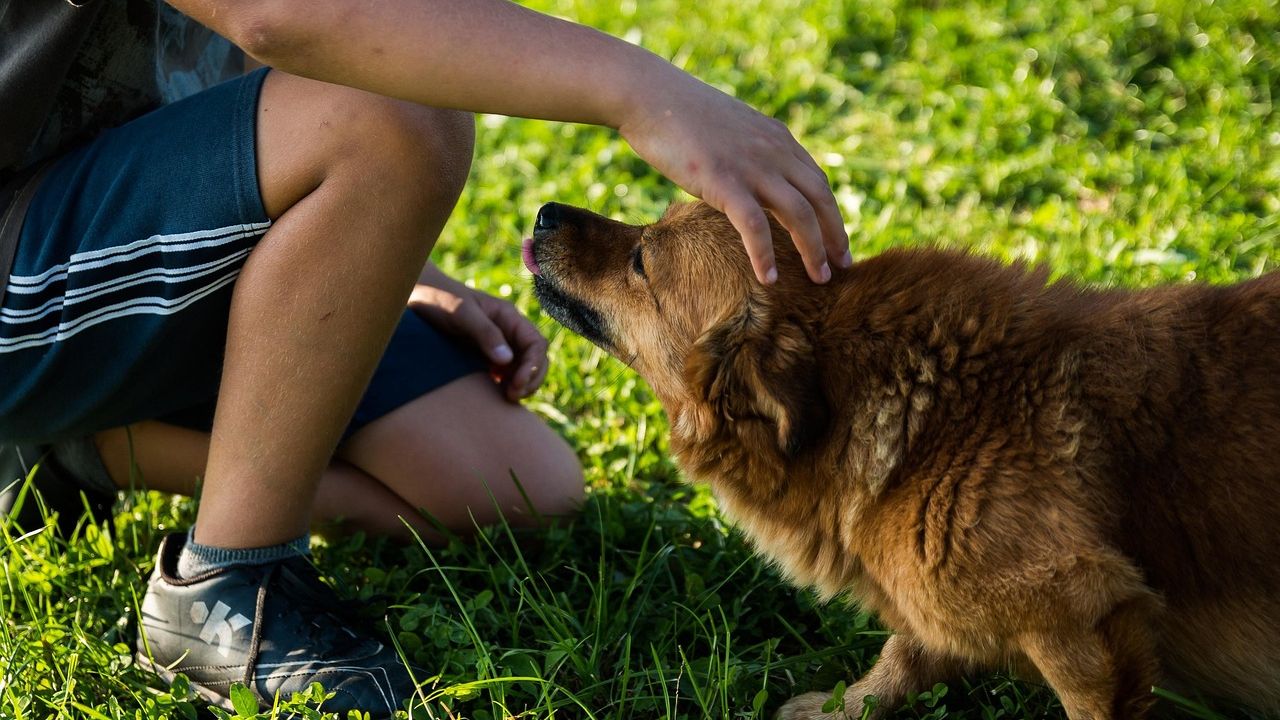
Your dog doesn’t need a grand gesture. They don’t need a new toy every week or an Instagram-worthy adventure every weekend. What they need – what they’re quietly waiting for every single day – are the small, consistent moments that tell them they matter. A look that says “I see you.” A hand that reaches over without being asked. A routine that feels like a promise kept.
The science backs this up, too. Dogs have a unique way of showing and receiving affection that is deeply rooted in science, and one key player in this process is oxytocin, known as the “love hormone,” which is responsible for social bonding in both humans and dogs, creating feelings of happiness and attachment during interaction. What’s remarkable is that it works both ways – every warm exchange between you and your dog triggers this response in both of you.
So if you’ve ever wondered whether your dog truly feels loved, or how to deepen the bond you already share, this is for you.
1. Make Soft, Intentional Eye Contact
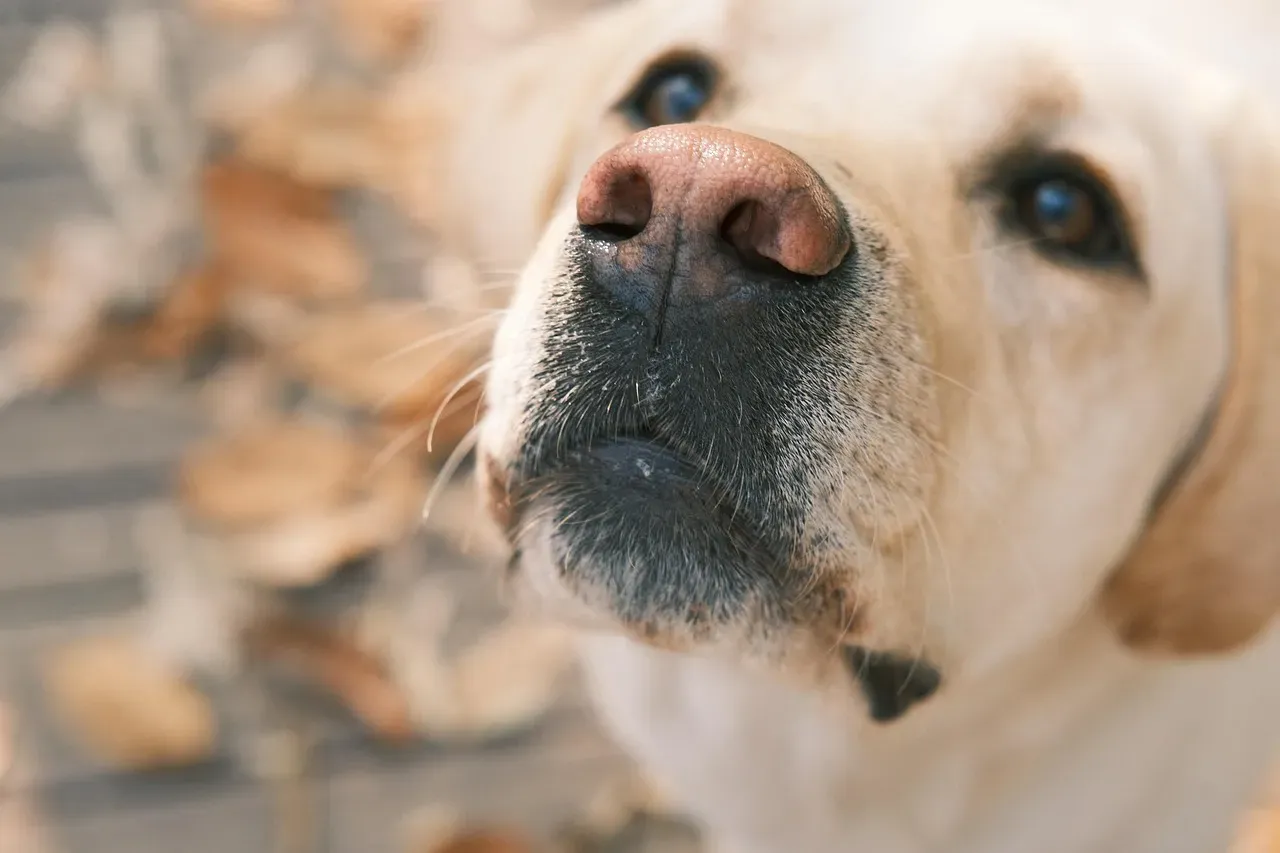
There’s something almost meditative about holding your dog’s gaze on a quiet afternoon. It might seem simple, but the science behind it is genuinely moving. When you and your dog maintain eye contact, both of you get a boost in oxytocin, and this hormone strengthens social bonds and lets your dog literally “feel the love.” Long gazes lasting over one minute boost your dog’s oxytocin more than short glances.
That said, context matters here. While direct eye contact between dogs can be a sign of dominance or aggression, a soft, prolonged gaze with a relaxed expression is a sign of love and trust, and when your dog looks into your eyes with a gentle, calm demeanor, it’s their way of bonding with you. Keep your expression open, your body relaxed, and let it be unhurried. Your dog will feel the difference.
2. Speak to Them in a Warm, Reassuring Tone
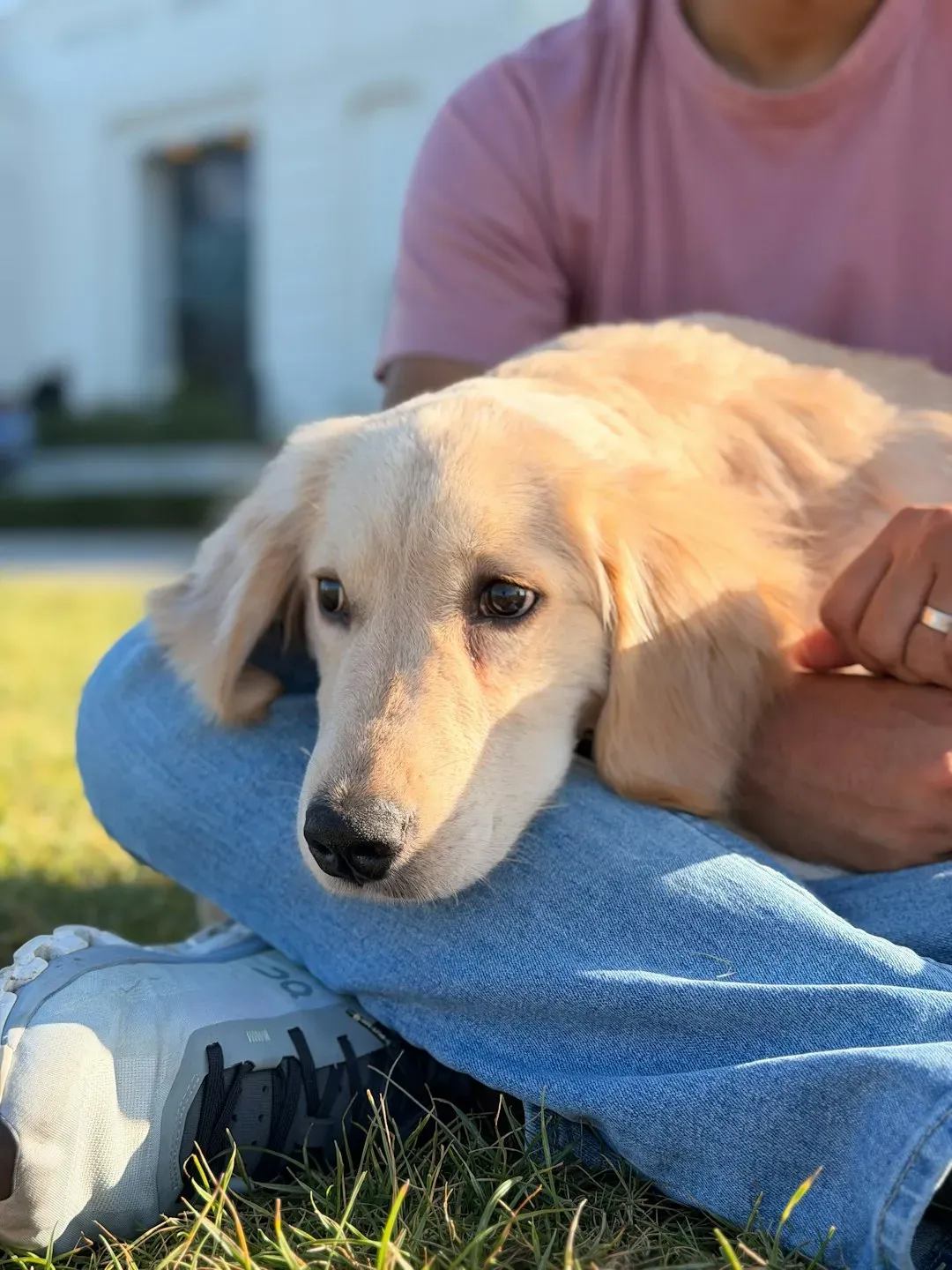
It’s not the words – it’s how you say them. Dogs don’t process human language the way we do; they respond to the emotional and tonal qualities of our speech. Research from leading animal behavior centers reveals that high-pitched, friendly voices produce more tail wagging, attention, and cooperation, while harsh or reproachful tones cause retreat and reduced performance.
A soft and reassuring tone of voice expresses affection and caring and is often used when bonding with your dog – think of how you might talk when trying to comfort a baby. You don’t need to perform or put on a show. A low, gentle “good boy” during a quiet moment on the couch carries more weight than you might think. Tails wag more, dogs stay closer to their person, and they seem more at ease – and the longer and more frequently a trainer or owner speaks in this kind tone, the happier the animals seem to be.
3. Let Them Sniff on Walks
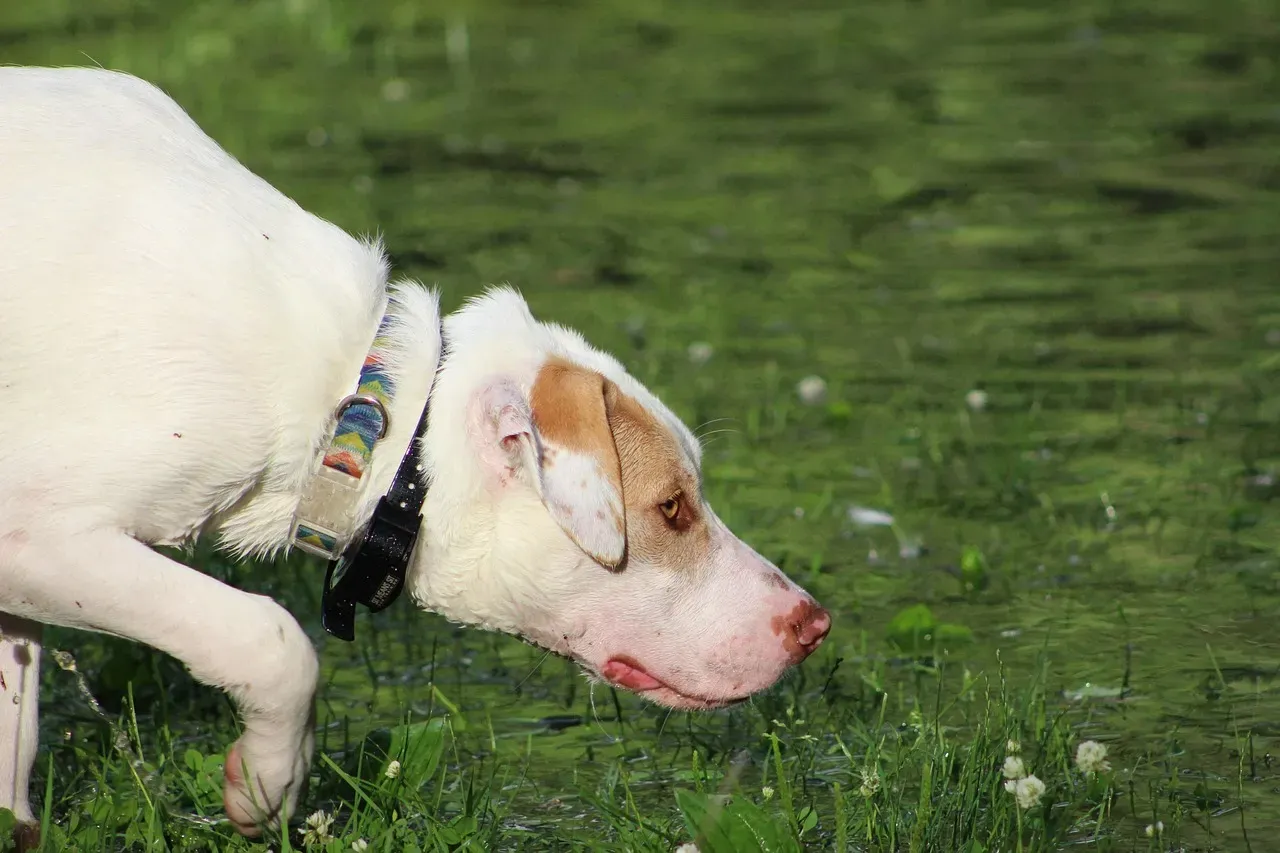
Most of us walk our dogs to burn their energy. Fair enough. But from your dog’s perspective, the walk is a full sensory experience – a moving, shifting newspaper of the neighborhood that only they can read. Sniffing during walks is more than physical exercise – it’s a vital form of mental stimulation. Allowing your dog to sniff engages their brain and satisfies their natural instincts, and since dogs primarily experience the world through their sense of smell, sniffing activates their brain, reduces boredom and anxiety, and helps them stay engaged.
Slowing down and letting them investigate that particular patch of grass isn’t indulgent – it’s genuinely good for them. Using a longer leash gives your dog the freedom to explore and sniff, which is crucial for their mental well-being, and incorporating “sniff breaks” into your walk allows them to engage in natural behaviors while maintaining a structured routine. Think of it less as losing time and more as giving them a gift they can’t get anywhere else.
4. Establish a Consistent Daily Routine
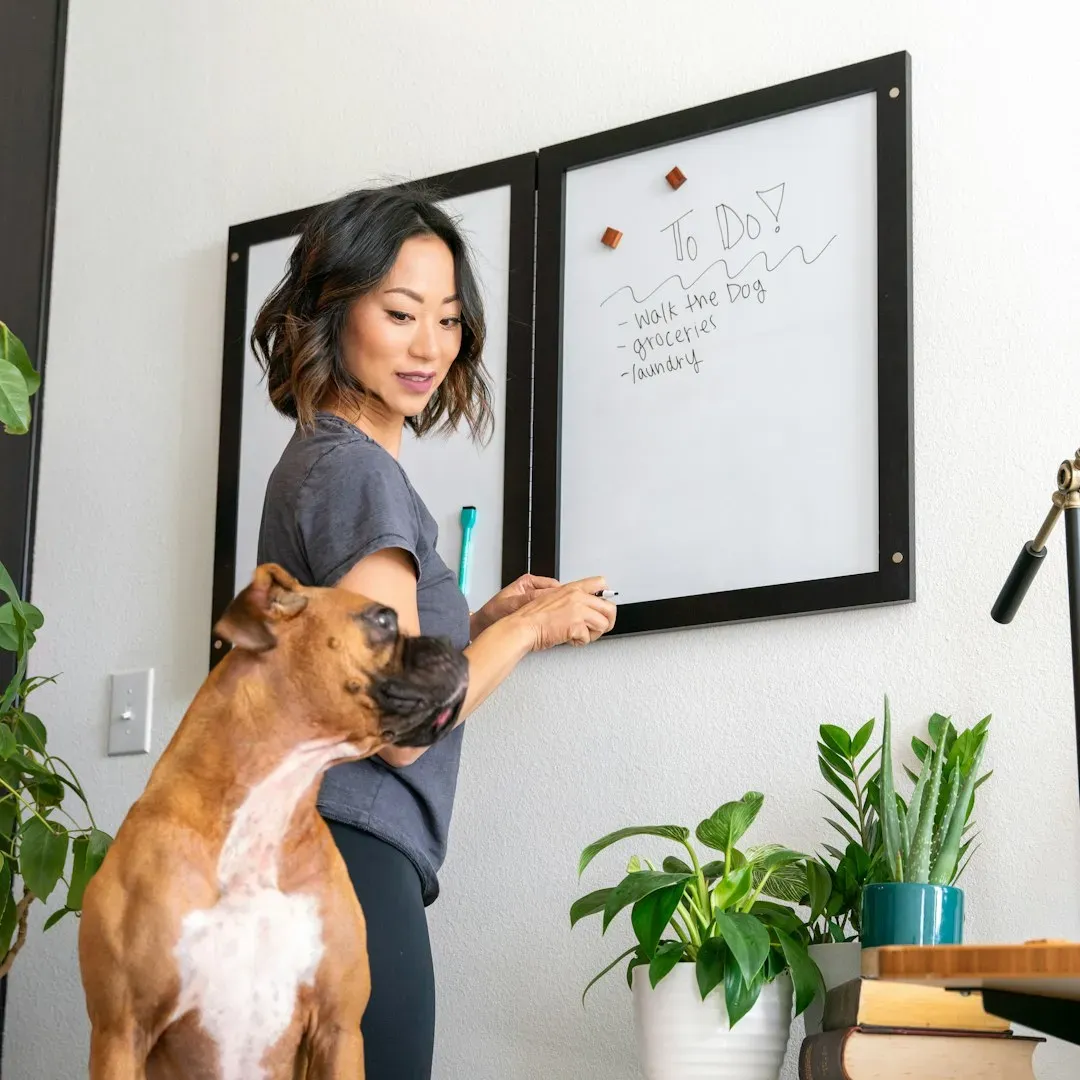
Dogs are creatures of rhythm. They don’t wear watches, but they absolutely track time – through your habits, your scent changes, the light in the room. Dogs thrive when they have a routine, from meals, walks, and even potty breaks and bedtime, and keeping them at an ideal weight through a consistent feeding schedule is one of the ultimate gestures of caring for your pooch.
The routine of a daily walk can provide dogs with a sense of security and stability – dogs thrive on routine, and establishing a consistent walking schedule helps reduce stress and anxiety, making them feel more confident and at ease. When your dog knows what to expect, they can relax. Dogs that can count on you to serve breakfast just after the morning walk and know they’ll get their favorite chew toy before you leave for work move through the day with much greater ease. Predictability is a form of love in their language.
5. Respond When They Bring You a Toy
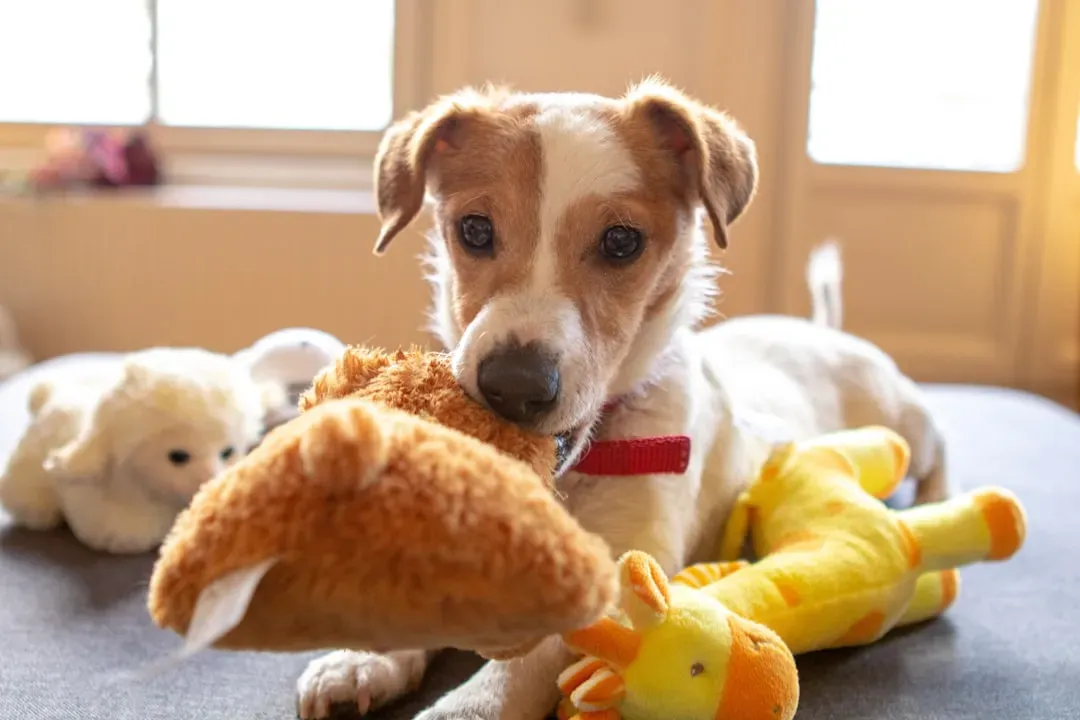
When your dog trots over and drops a soggy tennis ball in your lap, they’re not just being goofy. It’s an invitation – a genuine one. When your dog offers you a toy, they’re inviting you into their world of play and valuing shared experiences, and it also signals trust – dogs trust you enough to share prized items and may repeatedly bring toys during times of emotional excitement.
The meaningful response isn’t just to take the toy; it’s to engage. You know your dog loves you when they bring you their favorite toy – this behavior is an invitation to play and a sign of affection, showing they trust you with their prized possessions, and playtime with your dog strengthens your bond while providing them with much-needed exercise. Even a few minutes of genuine play tells your dog clearly: I noticed you. I’m here with you.
6. Give Them a Safe, Comfortable Space of Their Own

Loving your dog also means knowing when to give them space. Every dog needs a place where they can decompress – a bed, a crate, a quiet corner – that belongs entirely to them. Dogs benefit from a quiet, comfortable resting area they can predictably access, whether that’s a crate, a bed in a low-traffic room, or a gated-off corner.
When that space is consistent and respected by everyone in the household, your dog learns that they don’t have to stay alert all the time. They can exhale. When a dog truly feels safe, they relax: ears droop, their body “flops,” breathing deepens, and eyes soften – some will roll over and sprawl on their back, and these cues signal maximum comfort, which is a major trust factor. Seeing your dog fully relaxed in their spot is one of the quietest, most meaningful signs that you’re getting it right.
7. Use Positive Reinforcement in Training
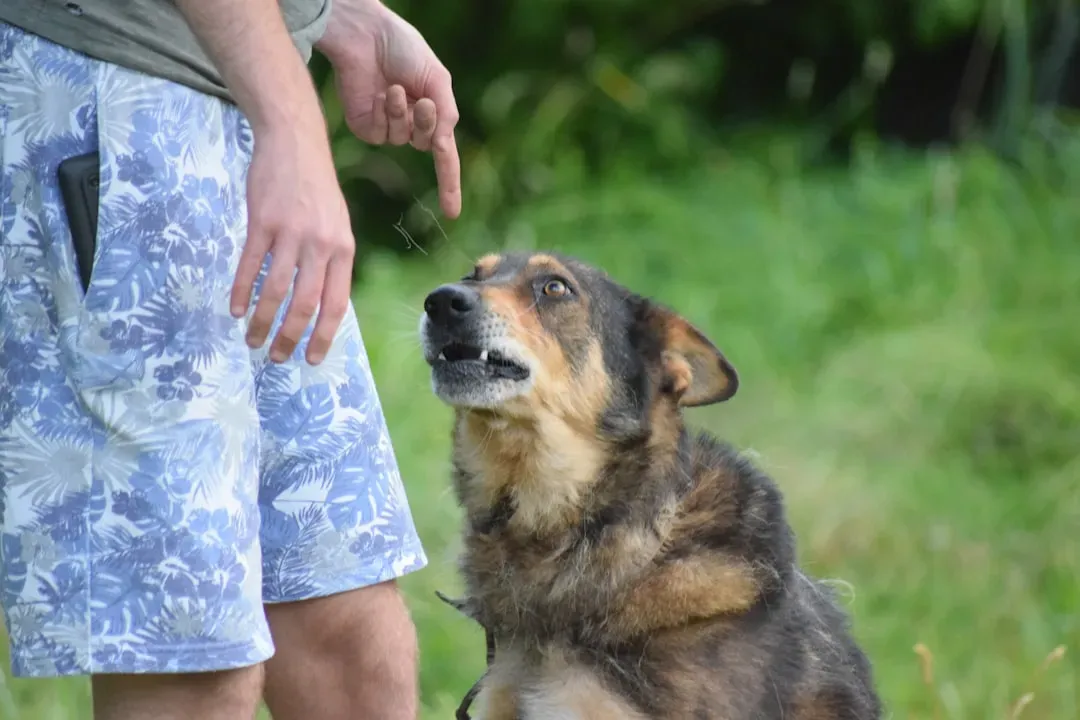
Training isn’t just about manners. Done well, it’s one of the most bonding activities you can share with your dog. Rewarding good behavior with treats, praise, and affectionate gestures reinforces your love while also reinforcing desired behaviors, and positive reinforcement training methods build trust and strengthen the bond between you and your dog.
There’s real joy in learning something together, and your dog feels it too. Never physically or verbally punish your dog, as it only fosters fear and can lead to reactive behavior. Instead, stick to positive reinforcement training, which teaches your dog desired behaviors with reward-based learning while strengthening your bond. Short, upbeat training sessions – even five minutes a day – show your dog that you’re paying attention to them. That in itself is a form of love.
8. Lean Back Into Their Lean
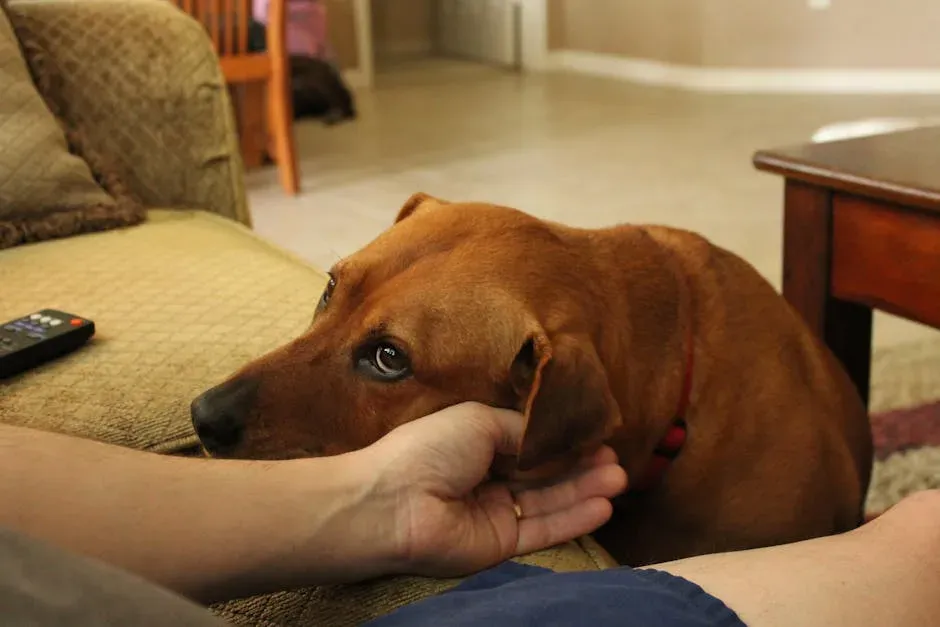
When your dog presses their warm body weight against your leg, that’s not just physical contact – it’s a trust signal wrapped in fur. Dogs lean on you for two major reasons: closeness and reassurance, and leaning can mean “I trust you with my safety” or simply “I feel happiest when touching you.”
They press their side, head, or whole body into you and just stay there – this kind of contact helps dogs feel grounded and calm, and your presence regulates their nervous system even if you’re not actively petting them. You don’t need to do anything elaborate in response. Simply staying still, giving them a gentle pat, or just allowing the contact to continue is enough. To your dog, your stillness signals safety.
9. Greet Them Genuinely When You Come Home
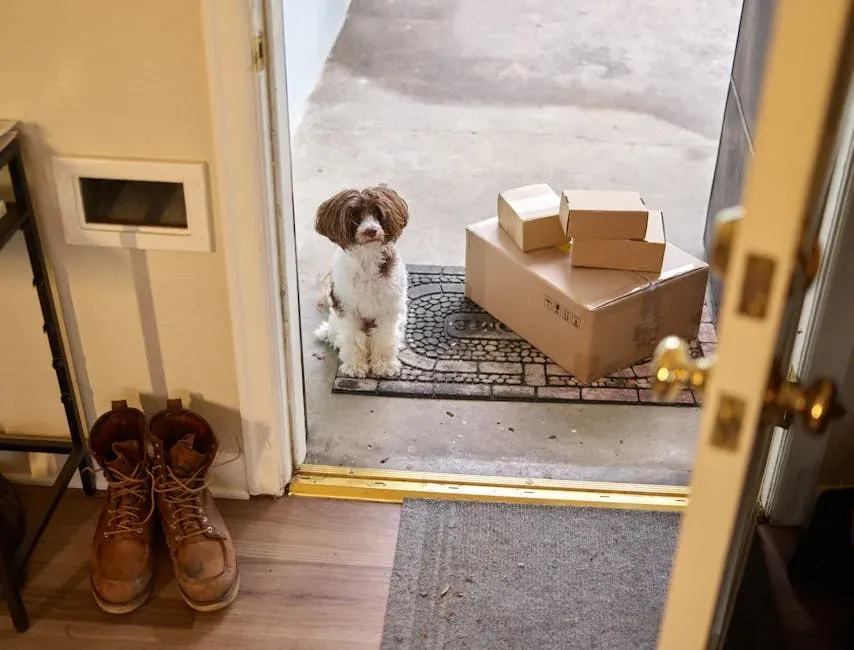
It doesn’t matter if you were gone for eight hours or eight minutes. Your return is an event for your dog. Whether it’s been five hours or five minutes since they saw you, the certainty of their happy welcome is an indisputable sign of affection – and how you respond to that welcome matters more than most people realize.
When you walk in distracted, glued to your phone, and offer only a half-hearted pat, your dog registers the emotional gap. Studies show dogs naturally get excited and move toward the people they know best after being apart, which comes from how emotionally bonded they feel – they missed you while you were gone, are happy to see your safe return, and express their love through enthusiastic greetings. Take ten seconds. Put the phone down. Crouch to their level and let them know, in their language, that you’re happy to be home too.
10. Learn and Respect Their Body Language
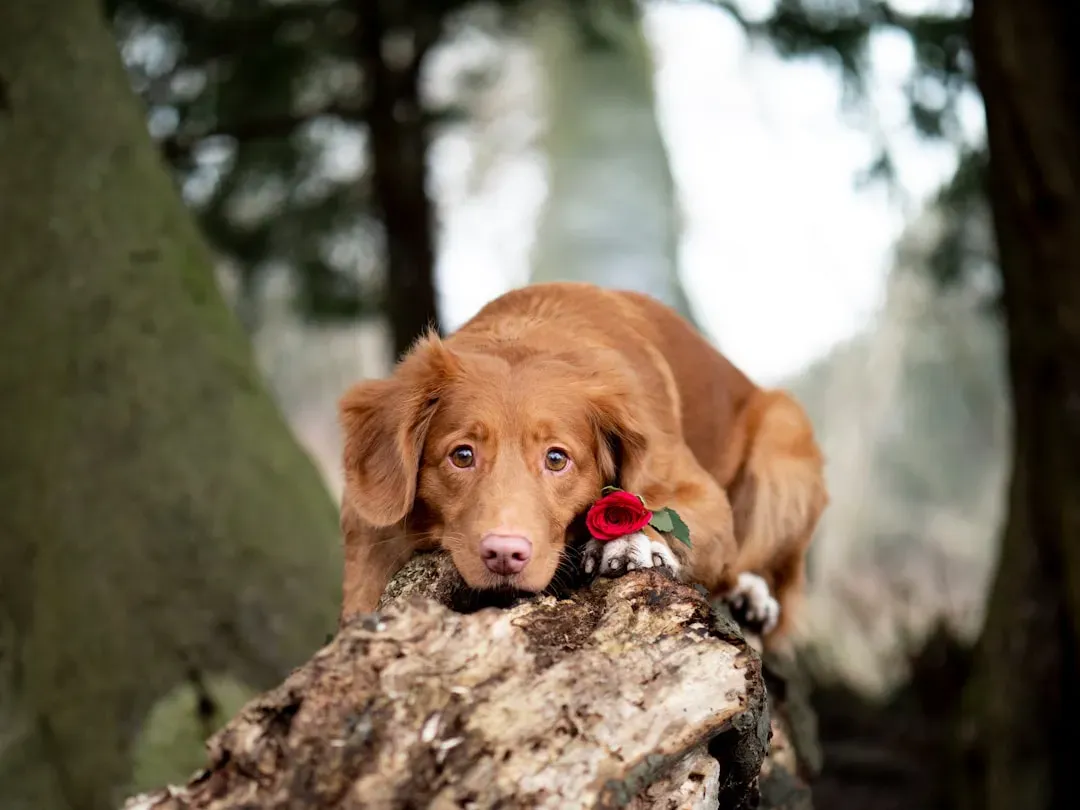
One of the most profound things you can do for your dog is to actually listen to them – not with your ears, but with your eyes. No dog body language signals act alone – they’re all part of a package, and when you read a dog’s communication, you need to look at every signal from tail height to eye shape. Your dog is “talking” to you all the time, and if you learn what they’re saying, you will develop a deeper bond of trust and respect.
Understanding the difference between a relaxed “flopped” dog and one with stiffened posture isn’t a minor skill – it’s the foundation of the whole relationship. One of the biggest mistakes owners make is assuming their dog shows love the same way humans do. Dogs don’t usually express connection through hugs and kisses – instead, they show their love through behavioral clues. The more fluent you become in canine body language, the more your dog will trust that you truly see them.
11. Offer Calm Physical Affection on Their Terms
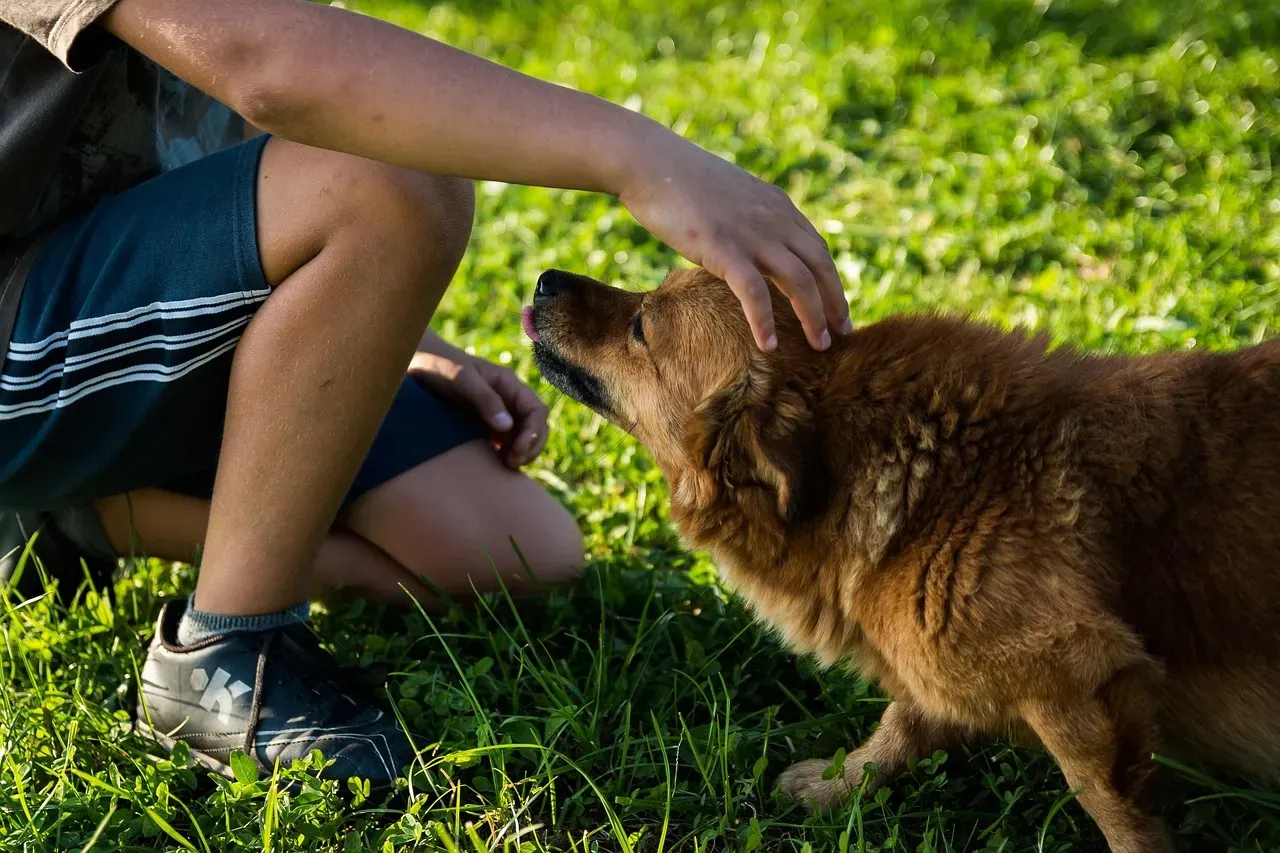
Physical touch is powerful, but it only works as love when your dog welcomes it. For dogs who cherish physical contact, a gentle pat, ear scratch, or belly rub serves as a heartfelt “I love you,” but not all dogs are fond of being touched – if your dog is constantly in your space, lying on or next to you, or wiggles their entire body at the mere sight of you, it’s a good indication they’ll appreciate more physical affection.
Even brief interactions with their human companions – as little as three minutes – can elevate oxytocin levels and reduce stress levels in dogs, and those doing the petting are likely to experience the same mood-boosting effects. Watch for your dog’s response when you reach out – do they lean into your hand, or do they subtly turn away? That feedback is their way of telling you what feels good. Because dogs can’t communicate verbally, closely watch their body language, looking for changes in ear position, gaze, body posture, and facial expressions to gauge comfort.
12. Be Their Safe Anchor in Stressful Situations
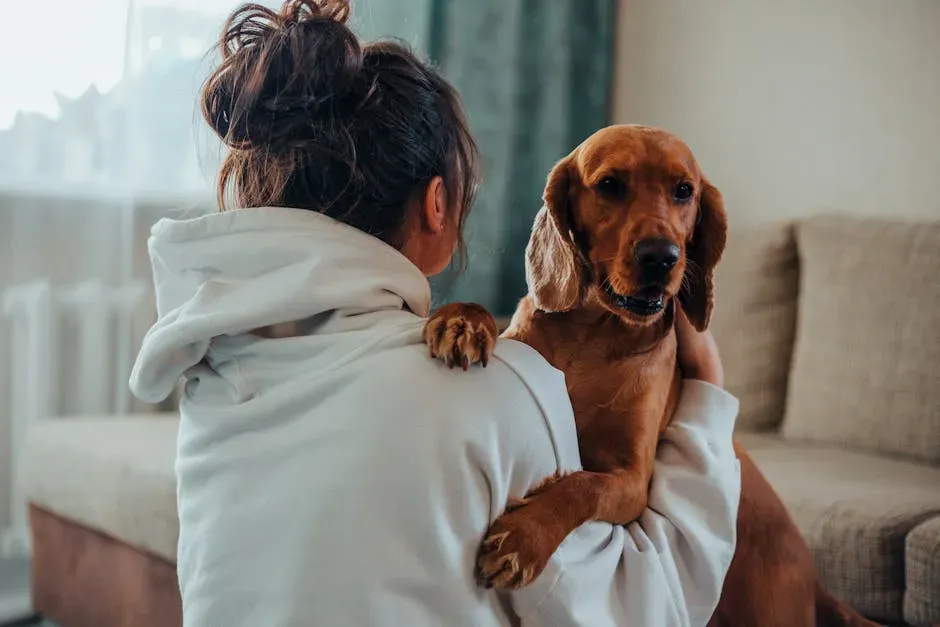
Think about what your dog experiences at the vet clinic, during a thunderstorm, or when strangers crowd around them. Those moments can feel overwhelming. Your presence – not your words, but your actual physical nearness and calm energy – makes a measurable difference. Your presence is comforting to your dog, and for faithful dogs, your presence provides security. When you step closer, it can lower your dog’s stress levels and reduce vigilance and defensive behaviors, helping them regulate their emotions better and even become more tolerant of being handled.
Sometimes life gets intense, and a dog who trusts their person is going to turn to them for help when feeling overwhelmed – whether it’s dealing with a pushy stranger or an unexpected sound. A dog who trusts you will look to you for direction, and thanks to the bond you’ve built, you’re the security blanket, escape hatch, and translator all rolled into one. Staying calm yourself is the single most effective thing you can do in those moments. Your dog is reading you constantly.
13. Spend Unhurried Time Simply Being Together
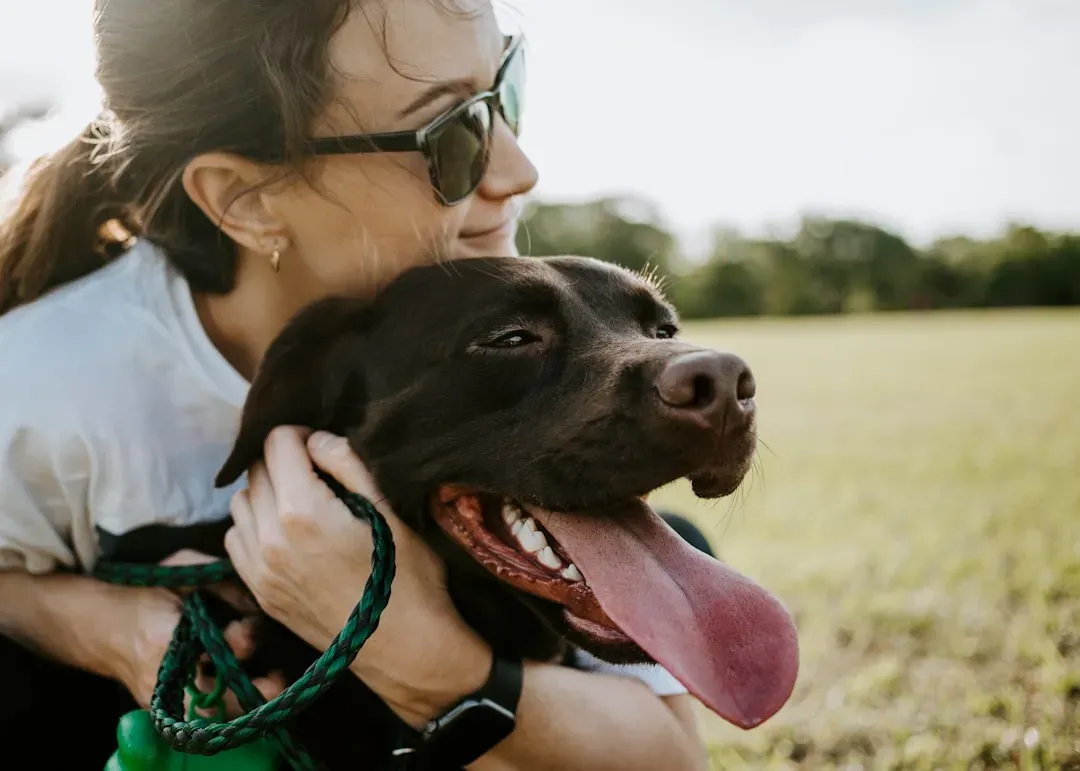
Not every moment of bonding needs to be structured. Sometimes the most powerful thing you can do for your dog is just be present – sitting quietly on the porch together, reading on the couch while they nap at your feet, or enjoying the kind of easy silence that feels like companionship rather than obligation. Spending quality time with your pup through play, walks, and cuddle sessions fosters a sense of companionship and affection, and engaging in activities that your pooch enjoys makes them feel valued and cherished.
If your dog follows you from room to room or lies nearby while you’re doing something boring, that’s a big deal. Studies have found that dogs stick closer to their owners than to other people, which is a strong sign that they feel safe, bonded, and emotionally connected. They’re not looking for food, walks, or playtime – they just want to be close. Honor that by not always being in a rush. Your dog’s favorite place in the world is wherever you are.
14. Praise Them with Genuine Enthusiasm
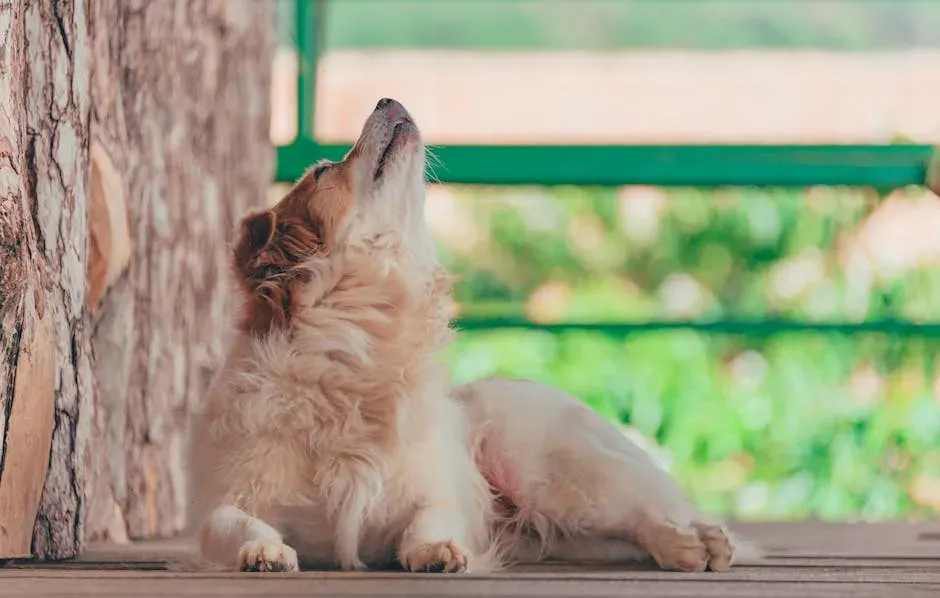
Verbal praise is more powerful than many dog owners realize. When given a genuine, warm “good girl” or “well done, buddy,” your dog doesn’t just hear noise – they register your emotional state and mirror it back. Acts of love are important, but don’t underestimate the power of telling your dog you love them, especially in a cheerful tone. Research found that when given the choice of food or verbal praise from their beloved human, nearly every dog in a study opted for praise.
The average dog can learn roughly 165 words, mostly terms related to their everyday life. If you say “I love you” often enough, you can absolutely make that phrase part of their vocabulary. The key is authenticity. Dogs are fluent at detecting emotional falseness. Understanding words creates a predictable world for your dog as they can count on praise and positive interactions when they respond correctly, and dogs seem to enjoy getting things right – becoming frustrated when they feel their owner is not pleased. Make your praise specific, warm, and timely, and you’ll see your dog light up every single time.
15. Let Them Sleep Close to You
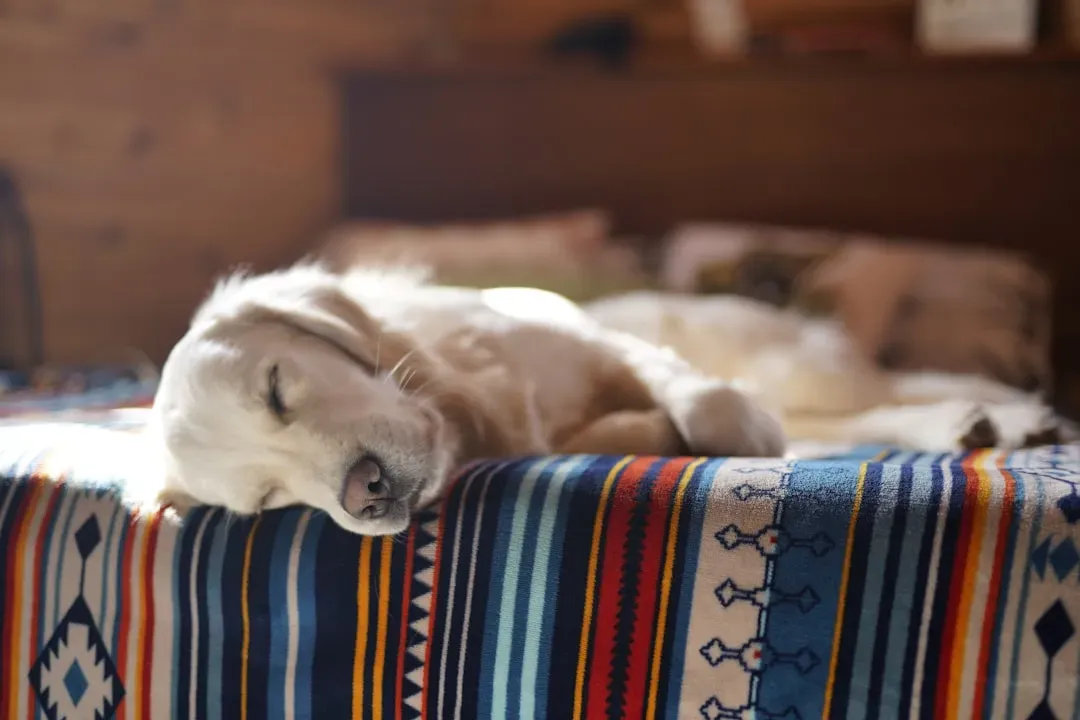
Whether your dog sleeps at the foot of your bed, curled against your legs, or simply in their bed nearby, proximity during sleep is a profound trust signal. Another sign your dog is bonded to you is when they choose to sleep near you or cuddle with you. To dogs, sleeping in a pack signals safety, and curling up next to you shows you’re part of their “pack.” A bonded dog may even use your scent, breathing, and heartbeat to feel calm and regulate their nervous system.
Sleep is a vulnerable time for any animal, but your dog doesn’t feel that way when curled up next to you. Studies indicate that dogs who have a secure relationship with their humans sleep better when they’re close, and it’s not just about the warmth – it’s about the deep sense of security they feel nestled up with you. You don’t have to share your pillow if that’s not your thing. When the day is over and it’s time to settle down, a dog who trusts you will want to hang out close to you – some trusting pups will want to find a spot beneath the blanket pressed up against you, while others might camp out in their dog bed nearby with a single paw pressed against your foot. Either way, they just want to know you’re there.
The Bigger Picture: Love Is a Daily Practice
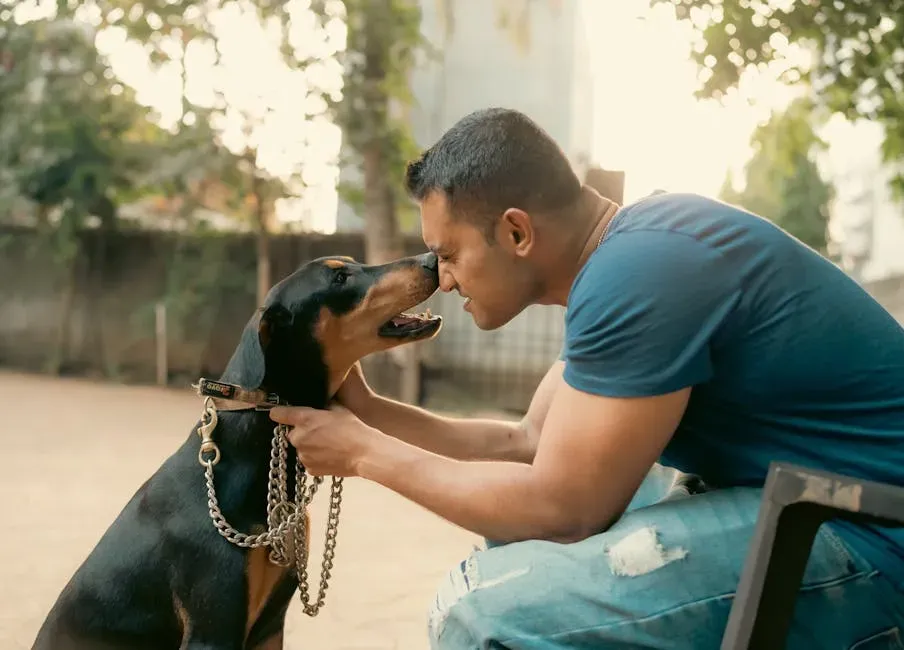
None of these fifteen gestures require a lot of money, extra time, or special training. They require something simpler and more valuable: attention. Dogs constantly look to humans for emotional guidance and reassurance, and when you show up consistently – calm, present, and genuinely responsive – your dog doesn’t just feel cared for. They feel understood.
Positive, reward-based training helps build trust over time, and building trust is an ongoing, daily process – not a one-time achievement. That’s true for all fifteen gestures listed here. None of them work as a one-off gesture; they work because they’re repeated, woven into the texture of daily life until your dog simply knows, without any doubt, that they are safe and loved.
The relationship between humans and dogs is one of the most enduring partnerships in nature. Dogs have evolved alongside humans, gradually mastering the art of social signaling to fit into our lives, and this unique bond between species is backed by thousands of years of companionship, underscoring why dogs remain humanity’s most loyal friends. They’ve spent millennia learning to read us. The least we can do is spend a little more time truly seeing them back.


