
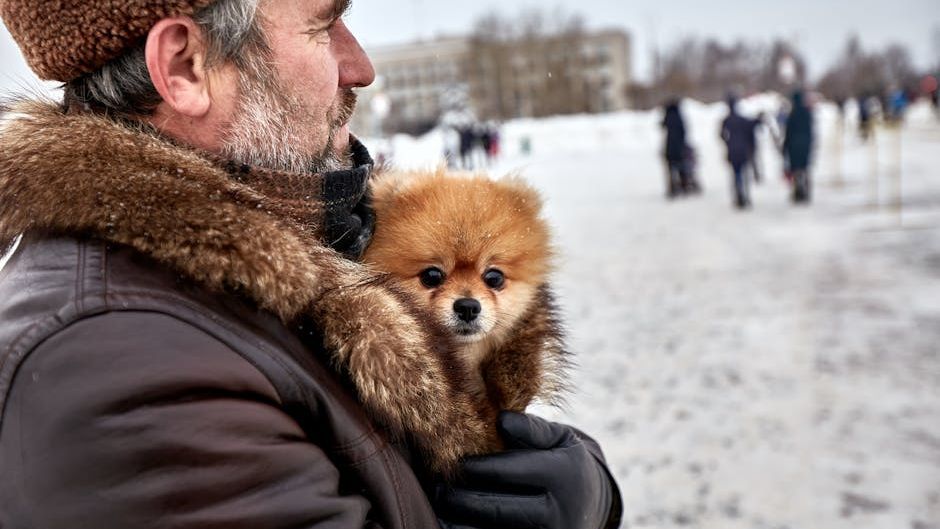
There’s something quietly magical about a cold winter evening when the heater hums in the background, a blanket is pulled up, and a small, warm dog is curled against your legs. It’s one of those simple pleasures that dog lovers know well. The bond between a person and a lap dog runs surprisingly deep, stretching back thousands of years across royal courts, monastery halls, and palace chambers.
Lap dogs are small companion breeds originally bred to provide warmth, comfort, and affection rather than perform labor or hunting duties. Their history stretches back thousands of years – ancient Chinese royals kept Pekingese as sacred pets, while European aristocrats favored Maltese, Cavalier King Charles Spaniels, and Bichon Frisés as symbols of refinement and status. Today, their purpose is essentially unchanged: to be your closest, warmest, most loyal little companion.
What separates these breeds from ordinary small dogs isn’t just size – it’s temperament bred over centuries specifically for human company. According to the American Kennel Club, a lap dog is defined by two traits: being small enough to rest comfortably in a person’s lap and being genuinely inclined to do so. Unlike high-energy working breeds, lap dogs were developed purely as companion animals. Their job has always been to stay close.
Here are ten breeds that truly deliver on that promise, especially when the temperatures drop.
1. Cavalier King Charles Spaniel: The Original Royal Lap Warmer
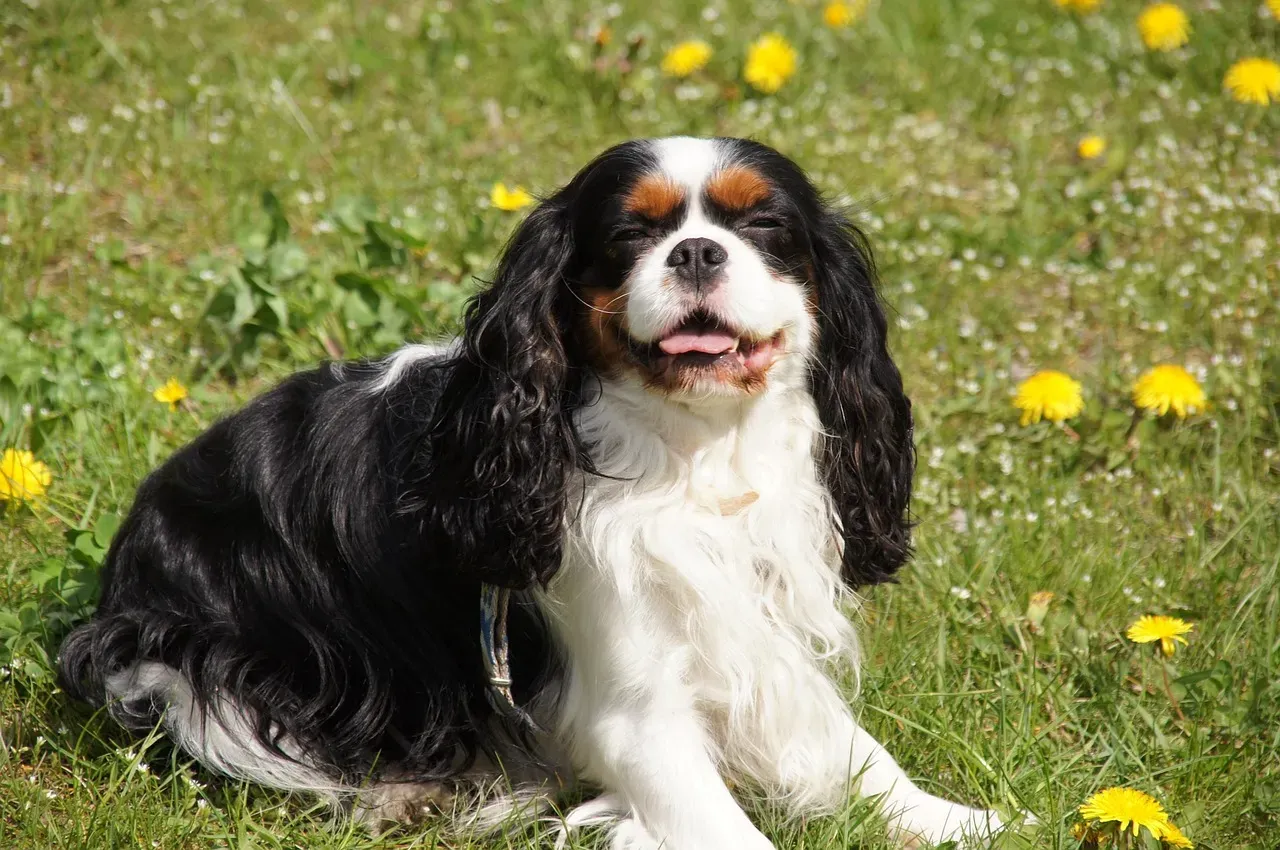
Few breeds carry their purpose so clearly in their history. The Cavalier King Charles Spaniel was bred to warm laps in drafty castles or on chilly carriage rides, with a figure just 12 to 13 inches high at the withers and 13 to 18 pounds. That heritage is still visible in how these dogs behave today – they will actively seek out your lap rather than simply accept it when placed there.
The Cavalier is the closest thing to a universally agreed-upon best lap dog. At 12 to 18 pounds and standing 12 to 13 inches tall, it’s the right size for actual lap use without becoming uncomfortable. The AKC ranks the Cavalier as America’s 14th most popular dog breed, a position earned almost entirely on personality. Their silky, feathered coat and soulful dark eyes make them immediately disarming.
One important caveat: Cavaliers are prone to mitral valve disease. If buying from a breeder, ask for cardiac health clearances on both parents from a cardiologist – this is an industry standard for responsible Cavalier breeding. Regular annual vet check-ups are essential, and early detection genuinely matters for this breed. Watch for signs like exercise intolerance or a persistent cough, and flag them to your vet promptly.
2. Shih Tzu: The Ancient Palace Companion
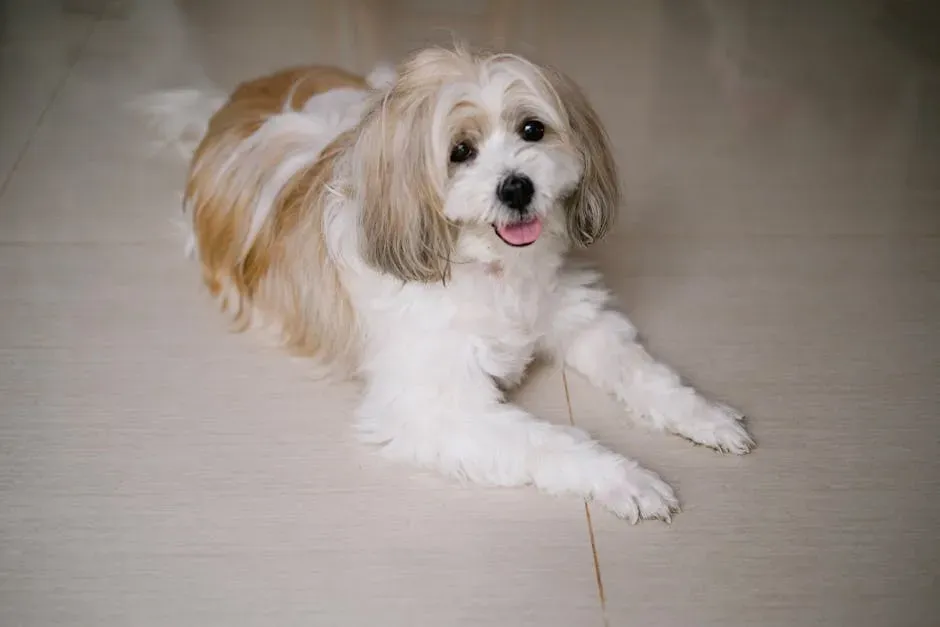
The Shih Tzu was bred in ancient China specifically as a palace companion dog – the name roughly translates to “little lion,” though the temperament is anything but fierce. Weighing 9 to 16 pounds, they’re sturdier than they look. Their temperament is famously calm: affectionate and friendly without being anxious or clingy. This makes them ideal for quieter households and older owners who want steady, warm company.
Shih Tzus adapt well to apartments and need only a short daily walk. The double coat requires daily brushing unless kept in a shorter clip, which most owners prefer for practicality. They get along well with children and other pets, making them one of the more versatile lap breeds for multi-person households. In winter especially, that thick double coat keeps them warm on the inside while their body warmth does the same for you. Because of their short muzzles, the breed is more susceptible to having respiratory issues and may snort or sneeze frequently – worth knowing before you’re startled by an enthusiastic snore mid-cuddle.
3. Chihuahua: Tiny, Fierce, and Completely Devoted
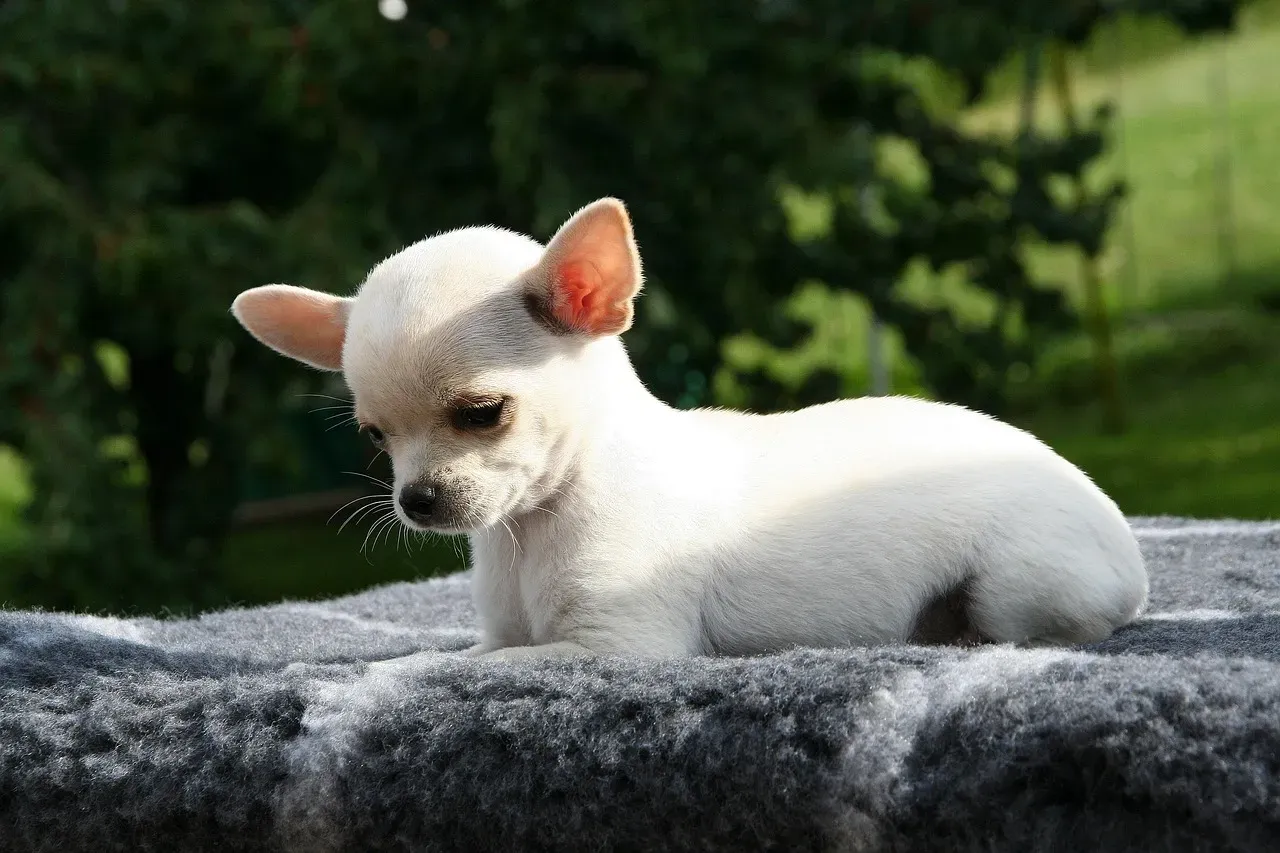
The Chihuahua is one of the oldest lapdog breeds in the Americas. People in ancient Aztec and Toltec civilizations kept them as comfort animals and believed they guided souls to the afterlife. Though small, these dogs have big personalities and regularly appear on the list of most popular dog breeds in the U.S. Their intensity is part of the appeal – they love their chosen person with a depth that’s almost disproportionate to their tiny frame.
Chihuahuas are particularly vulnerable to colder temperatures. Because Chihuahuas have a higher surface area-to-volume ratio, they tend to lose body heat quickly, making it essential for their owners to provide them with warmth during chilly weather. This is precisely why they burrow so eagerly into laps and blankets. In winter, a cozy dog sweater for outdoor trips and a warm, padded bed indoors are practical essentials. Their very small size makes them poorly suited for excessive activity, roughhousing with kids, and cold weather. Affectionate and loyal, Chihuahuas bond closely with their favorite people.
4. Pomeranian: The Fluffy Cloud with a Spitz Soul
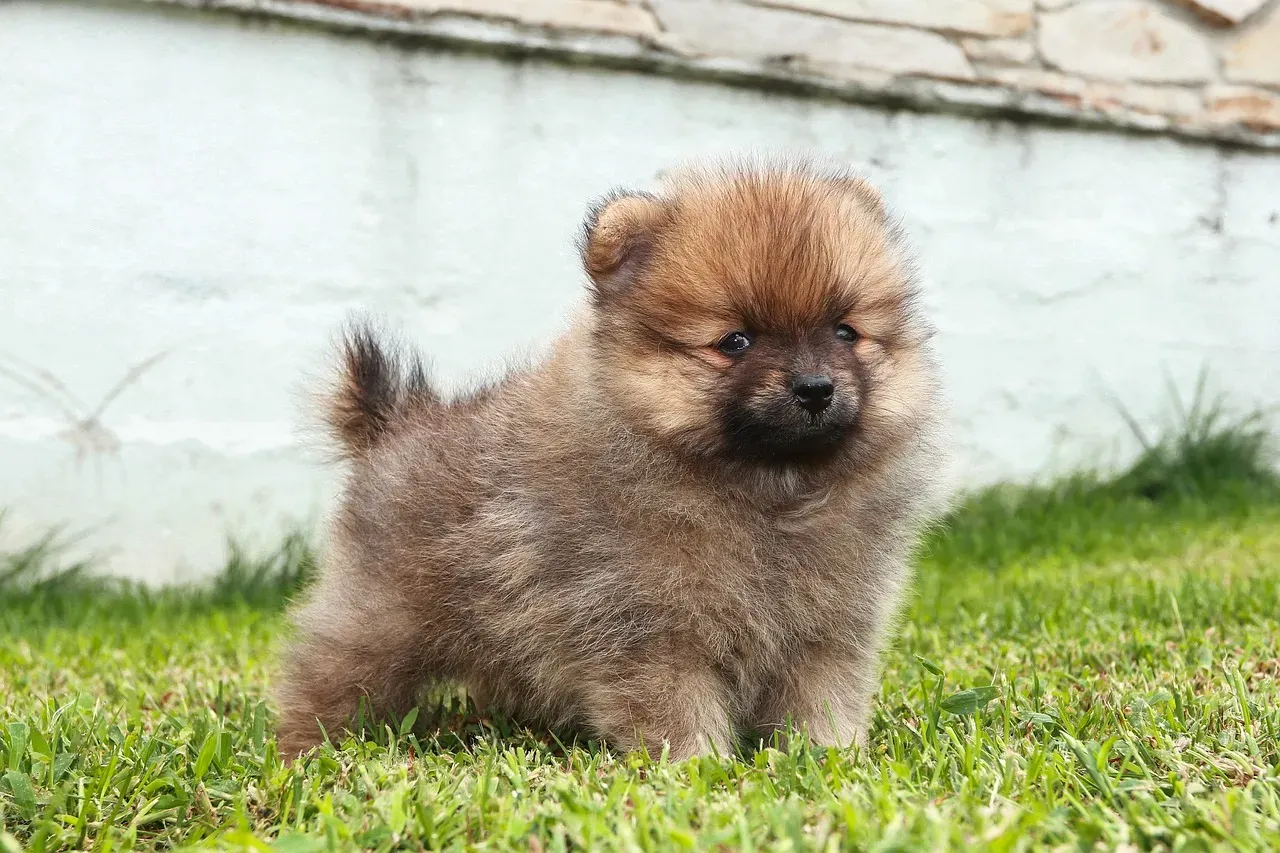
With their cute strut and beautiful coat, Pomeranians are a popular lap dog. They weren’t always the little dog we know today – Pomeranians are actually descended from sled dogs, and their predecessors weighed around 30 pounds. Once they captivated Queen Victoria and became more popular, Poms were selectively bred to be the tiny, cute dogs we know today. That sled dog ancestry still peeks through in their alert, confident nature.
The Pomeranian seems to always be smiling, and this look matches their personality. Pomeranians are smart and easy to train, and they love being with their people more than anything else. They do well with children, as long as the children are old enough to play gently with these small dogs. Pomeranians are also active, but their small size means a little exercise goes a long way, helping them adapt well to city living. Their thick double coat is an asset in winter – just be aware that regular brushing prevents matting, especially in the dense undercoat.
5. Maltese: Elegance and Warmth in One Small Package
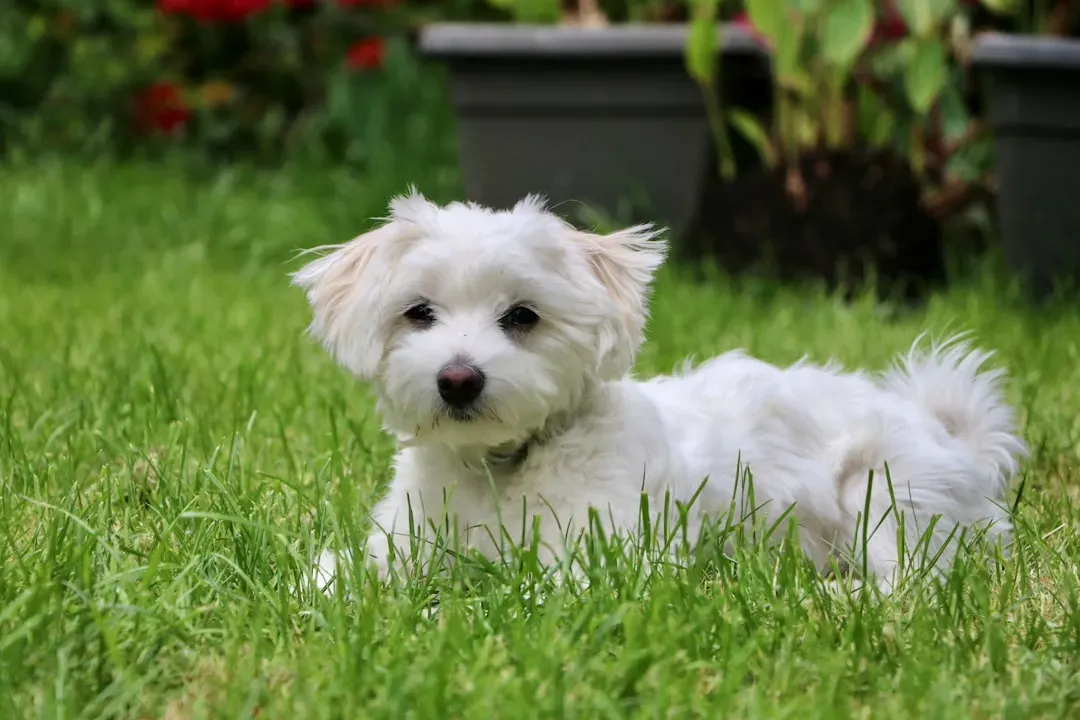
The Maltese is one of the oldest toy breeds in existence, with a documented history stretching back over 2,000 years across the Mediterranean. At 4 to 7 pounds, it’s among the smallest true lap dogs. Despite the compact size, Maltese dogs are lively and engaged – they want to be with you constantly, not just sit passively. That attentive, “I see you” energy makes them especially comforting during long winter days indoors.
The Maltese is a small white dog known for their straight, sweeping curtain of fur. Despite their long coat, this toy breed isn’t a heavy shedder and is often labeled as hypoallergenic, although there’s no truly hypoallergenic dog. Still, Maltese can be a good choice for people with allergies. Because their coat touches the floor when kept long, many owners opt for a “puppy cut” to reduce grooming demands. Watch for tear staining around the eyes, a common issue in the breed that is manageable with regular gentle cleaning.
6. Pug: A Lap Dog That Was Born to Lounge
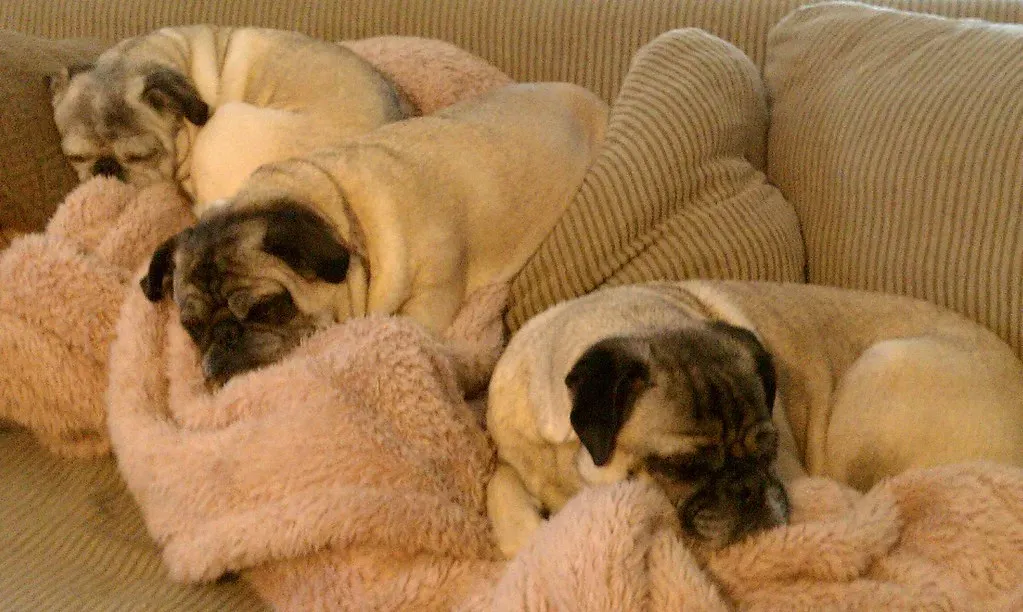
The Pug has been a companion dog for over 2,000 years, originally bred for Chinese royalty before becoming popular among European nobles in the 16th century. At 14 to 18 pounds, a Pug sits comfortably in the lap without overwhelming it. Their defining characteristic is calm, almost philosophical contentment – Pugs genuinely prefer rest over activity. Daily exercise needs are modest: 20 to 30 minutes of walking is sufficient.
Pugs possess a short, smooth coat and a stocky physique. Due to their brachycephalic (short-nosed) structure, they can struggle with breathing in colder air, further complicating their ability to enjoy winter outdoor activities. Keep outdoor winter walks brief, use a properly fitted harness instead of a collar to reduce neck pressure, and always watch for labored breathing or excessive snoring that suddenly worsens. Because of their flat, brachycephalic face, Pugs overheat easily and should also avoid vigorous outdoor activity in warm weather. Essentially, your Pug prefers your couch year-round, and honestly, that’s a fair arrangement.
7. Bichon Frise: The Cloud Dog With a Heart of Gold
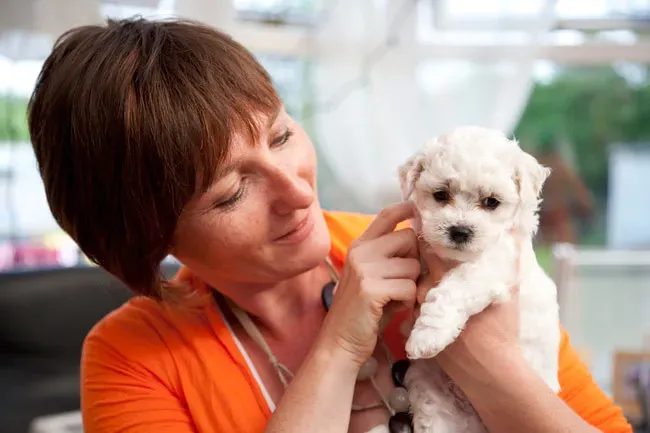
The Bichon Frise is one of the best hypoallergenic lap dog options available. Their coat grows continuously like human hair rather than shedding seasonally, which dramatically reduces allergen spread. Personality-wise, the Bichon is stable and social – less likely to fixate on a single person and generally good with whoever’s in the room. They’re among the most highly adaptable dog breeds, adjusting well to new people, environments, and household changes. If you need a lap dog that can travel or live in a busy home, the Bichon handles it better than most.
A small, cuddly breed known for their puffy white coat, Bichon Frises are both friendly and loving, capable of getting along with people and other dogs. Bichon Frises love to play games and can easily adapt to life in the country or city. Their coat, while low-shedding, does require professional grooming every four to six weeks to prevent matting – something worth budgeting for if you’re considering this breed. Ideally, lap dogs like the Bichon live in homes where they don’t have to be left alone for long periods of time. Many of these dogs are affectionate and enjoy being close to their people as often as possible. Some may even become destructive if left alone for too long.
8. Italian Greyhound: The Elegant Lap Seeker
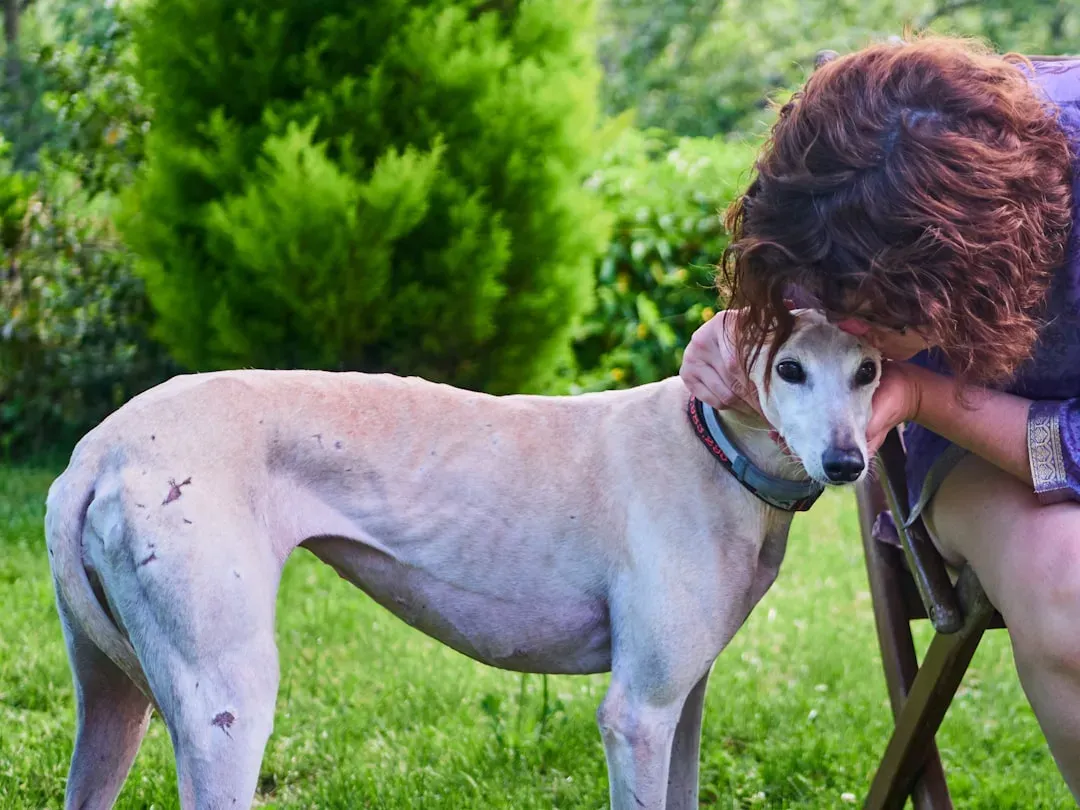
The Italian Greyhound dates back to the Roman Empire, though the breed became especially adored in Renaissance Italy. Catherine the Great and Queen Victoria both had Italian Greyhounds, and these dogs sometimes appeared in royal portraits. Despite having a similar sleek build to their Greyhound cousins, Italian Greyhounds are much smaller dogs bred more for snuggling than sprinting! They love lounging and lying around. Their elegant, almost feline demeanor is deceptive – underneath it is a deeply people-oriented dog.
Italian Greyhounds are low maintenance when it comes to grooming because of their short, fine hair. However, their coat does not insulate them well, and combined with their slender bodies, they can be easily affected by the cold. So if you decide to bring home an Italian Greyhound, make sure you have plenty of dog sweaters and canine coats to keep them warm. This cold sensitivity is precisely why they become devoted lap dogs in winter – they’re genuinely seeking warmth from you. Italian Greyhounds need about two hours of running and playing each day, with their exercise usually spread throughout the day, punctuated by long naps, preferably on your lap.
9. Toy Poodle: Brains, Beauty, and Cuddling Instincts
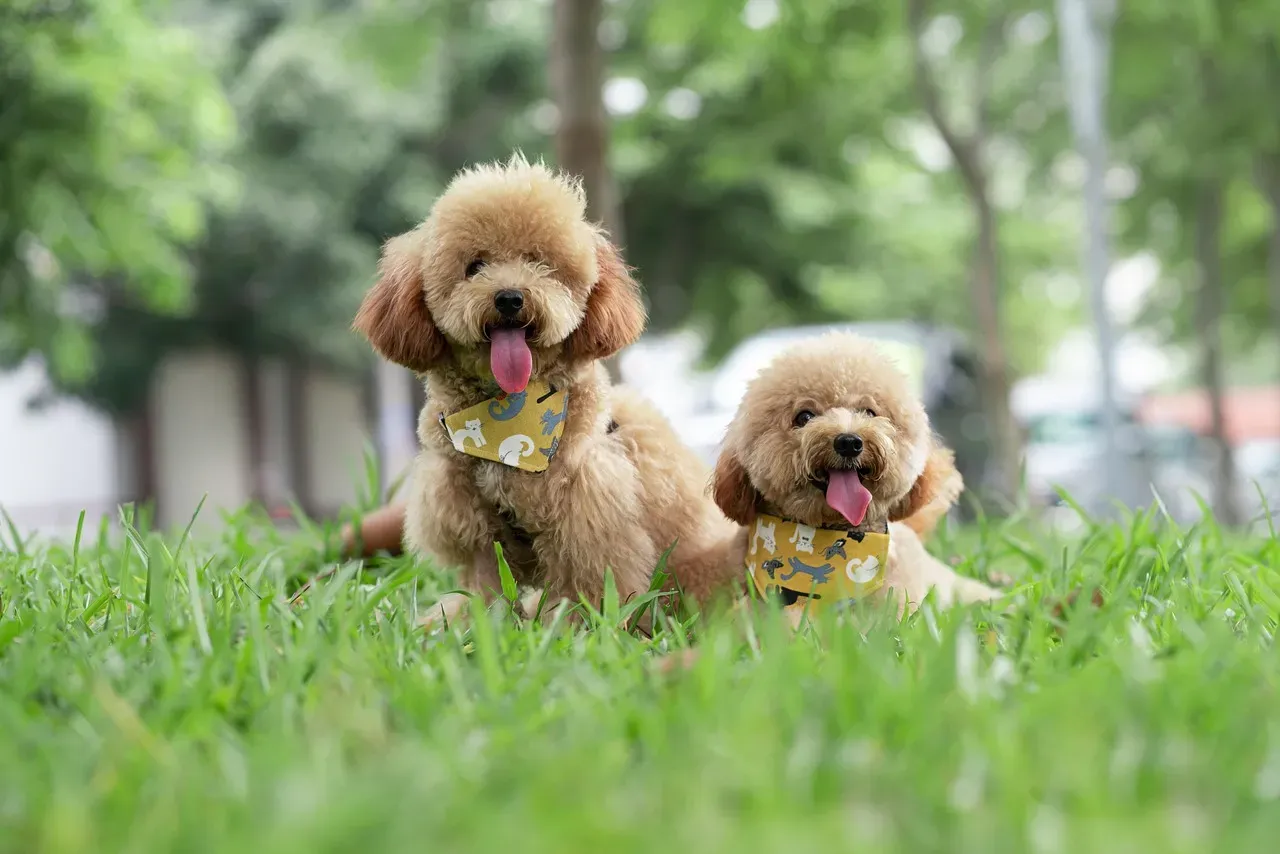
Toy Poodles are not only intelligent, they are also great with children, low-shedding, loyal, and playful. As people pleasers, this breed always wants to be near their owners and will gladly snuggle up on your lap. Their intelligence means they pick up on your moods quickly, making them remarkable emotional companions on cold, grey days when you most need it. They’re also genuinely fun to train, which gives you a productive indoor activity when winter keeps you both inside.
Toy Poodles today are exceptionally smart and excel in all kinds of dog sports and other activities. The breed’s coat is nearly non-shedding but requires regular grooming maintenance. Plan for professional grooming every six to eight weeks to keep the coat clean, tangle-free, and comfortable for your dog. While some get enough activity playing fetch in the hallway, others need more rigorous cardio or lengthier walks to stay mentally and physically healthy. Even in winter, a short daily walk and some indoor play keeps a Toy Poodle happy, balanced, and ready to settle back into their favorite spot on your lap.
10. French Bulldog: The Compact, Charismatic Winter Couch Partner
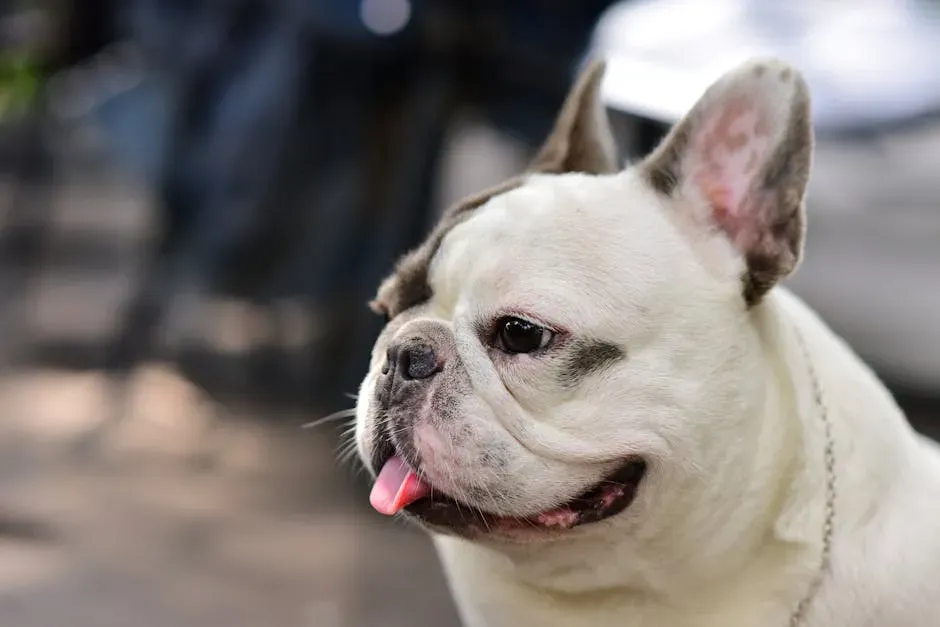
The French Bulldog is another sweet and loving breed that loves to cuddle. French Bulldogs, also known as Frenchies, are small dogs only growing up to about 13 inches tall. They are stocky dogs, weighing around 20 to 28 pounds. French Bulldogs know how to keep you on your toes – they are intelligent, energetic, lively, and social. After a long day of playing, though, they will demand your lap to take a long nap. That shift from playful clown to velcro couch dog is one of their most endearing qualities.
This breed is known for its compact size and short coat, which provides minimal insulation against the cold. French Bulldogs often have difficulty maintaining their body heat in chilly conditions. A quality dog coat for outdoor winter walks is more necessity than fashion for a Frenchie. Like Pugs, their flat faces can make cold air uncomfortable to breathe – keep outdoor time brief when temperatures dip significantly. According to the AKC, the French Bulldog is one of the most popular of all dog breeds, probably because the Frenchie is known to be fun and playful but highly adaptable to a variety of people. They are good with kids and don’t need as much physical activity as some other breeds, which makes them well-suited for city life.
Caring for Your Lap Dog Through Winter: What Every Owner Should Know
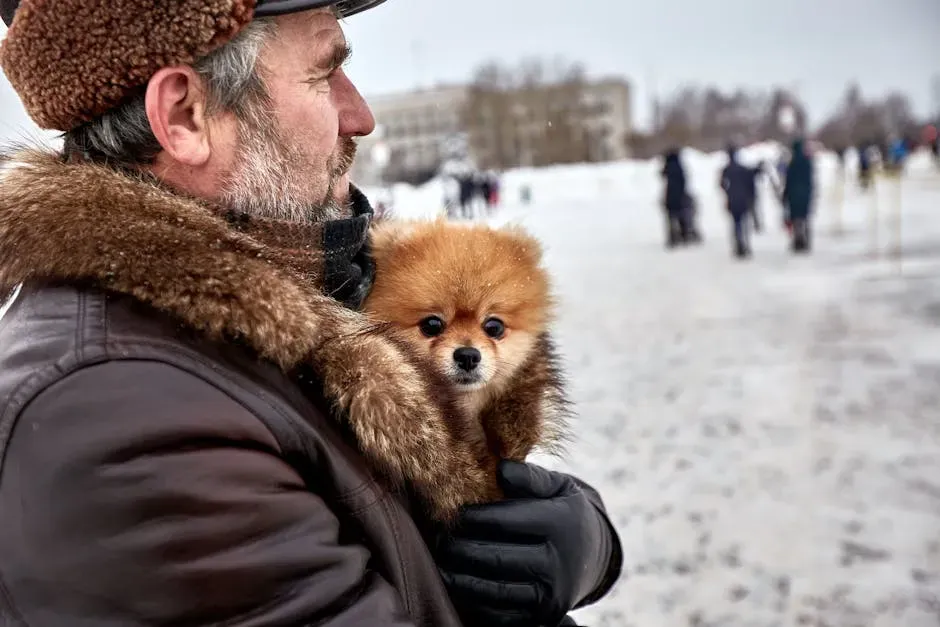
For small dog companions, cold weather brings unique challenges. Their petite bodies, thin coats, and lower fat reserves make them more vulnerable to the cold than larger breeds. This is true whether your dog is a well-coated Shih Tzu or a nearly furless Italian Greyhound – every small breed deserves thoughtful cold-weather management. A good dog coat, a raised bed away from drafts, and warm bedding go a long way toward keeping your companion comfortable.
Small dogs lose heat more quickly than larger dogs because they have a higher surface-area-to-volume ratio. This means they can get cold faster, even during short walks. Breeds with thin coats or little body fat are particularly susceptible to hypothermia and frostbite. Know the warning signs: shivering that won’t stop, tucked tail, whining, lifting paws off cold ground, and reluctance to move. These aren’t drama – they’re real signals that your dog needs warmth now. Don’t shave your small dog’s coat in winter – it’s their natural protection. However, keep the fur trimmed around the paws to prevent ice balls from forming.
Ideally, lap dogs live in homes where they don’t have to be left alone for long periods of time. Many of these dogs are affectionate and enjoy being close to their people as often as possible. Some may even become destructive if left alone for too long. This is especially relevant in winter, when shorter days and colder weather limit outdoor enrichment. Interactive toys, puzzle feeders, and short training sessions indoors help keep lap dogs mentally stimulated even when the weather says “stay in.”
Conclusion: The Right Dog Makes Winter Something to Look Forward To
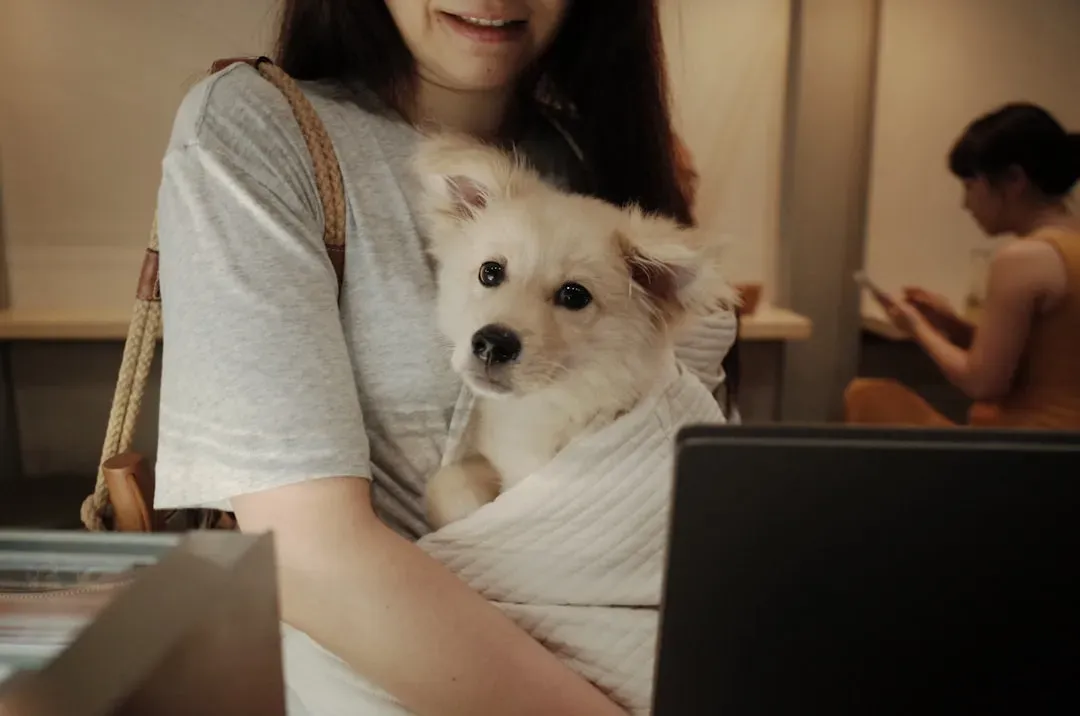
Choosing a lap dog isn’t just about picking a small breed. It’s about finding a companion whose personality genuinely matches yours, and whose needs you can meet with care and consistency. The key to finding the best cuddly lap dog is to identify dogs with the right temperament traits. The best lap dogs are generally small, affectionate dog breeds with mellow and friendly personalities – and without excessive energy to burn.
Each breed on this list brings something slightly different to the sofa. The Cavalier offers aristocratic sweetness. The Chihuahua delivers fierce devotion. The French Bulldog brings humor and warmth in roughly equal measure. There’s no universal “best” – only the best fit for your life, your home, and your winter evenings.
What unites all ten is something simple and quietly profound. They like to sleep in their owners’ laps because they feel secure there. In the lap, they are protected from all sides. They also seek further bond through touch and associate emotional security with the owner’s presence. That kind of trust, offered unconditionally, is worth every blanket, every walk in a tiny sweater, and every vet appointment. Winter gets a little kinder when something warm is counting on you.


