
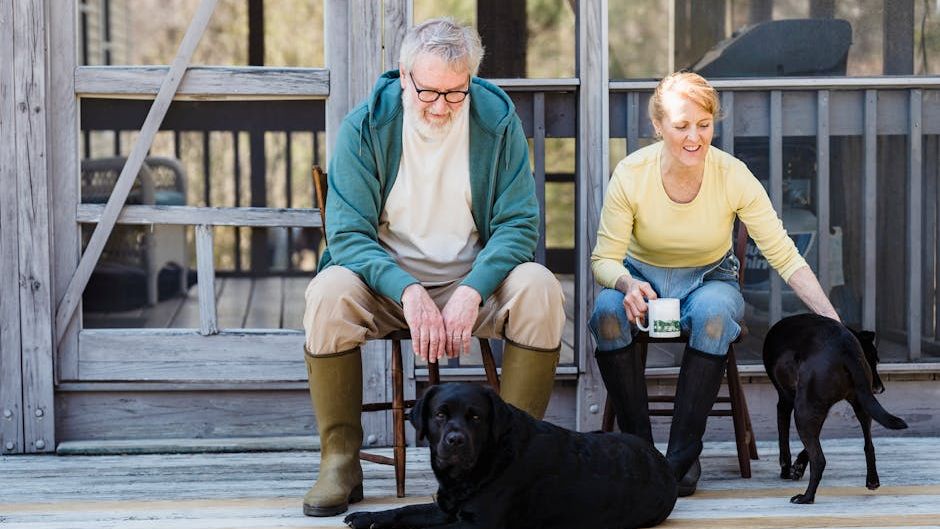
Think about what happens the moment you walk through your front door after a genuinely exhausting day. Your dog doesn’t know how bad the traffic was or how difficult that meeting was. It simply rushes to greet you, tail going, body wiggling, entire being focused entirely on you. That moment isn’t just sweet. It turns out, it might be keeping you alive.
Science has been quietly catching up to what dog owners have always known. The bond between humans and their dogs is measurably good for the body and the mind. Researchers have now linked dog ownership to lower blood pressure, reduced risk of heart disease, sharper cognition in old age, and even a lower overall risk of death. The evidence is real, the mechanisms are increasingly well understood, and the benefits touch almost every dimension of well-being.
1. Your Dog Lowers Your Stress Levels Faster Than Almost Anything Else
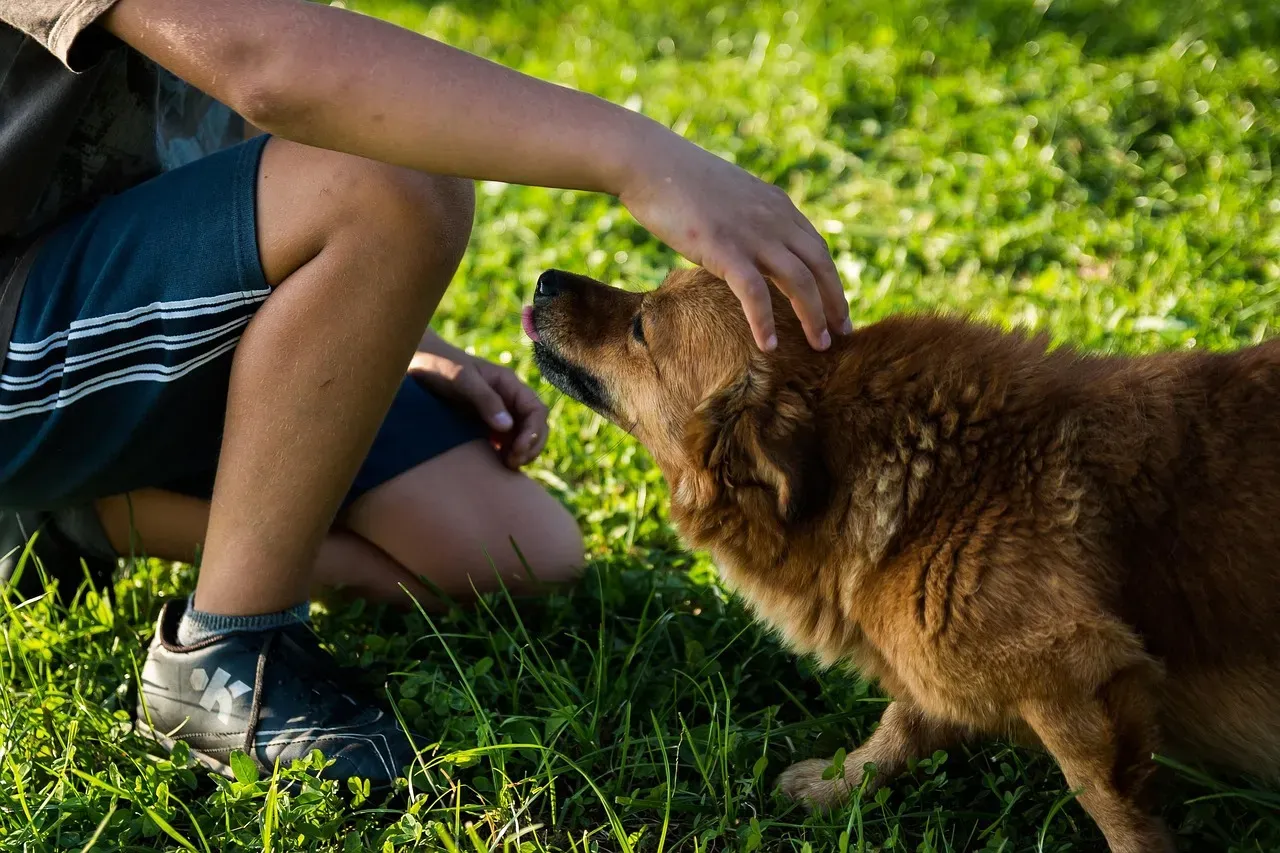
When life piles on, most people reach for their phone, a snack, or the television. Turns out, reaching for your dog is one of the most physiologically effective things you can do. Even just petting a familiar dog lowers blood pressure and heart rate, slows breathing, and relaxes tense muscles. Scientists at Washington State University discovered that petting a dog for just 10 minutes can have a significant impact, with study participants showing a significant reduction in cortisol, a major stress hormone.
What makes this particularly interesting is how deeply dogs affect both of the body’s stress pathways, not just one. Several studies have found that people exposed to a stressful situation have a lower cortisol response if they’re with a dog than if they’re alone, even lower than if they’re with a friend. That’s a remarkable thing. Your dog may be a more effective biological buffer against stress than your closest human companion. Prevention tip: Make time for at least a few minutes of intentional, screen-free contact with your dog each day. The science supports it.
2. Your Dog Keeps Your Heart Genuinely Healthier
The cardiovascular benefits of dog ownership are among the most consistently documented in the research. Researchers at Uppsala University in Sweden reviewed national registry records of 3.4 million people who had no history of cardiovascular disease, followed their health records for about 12 years, and found that dog owners had a lower risk of death due to cardiovascular disease than people who did not report owning a dog, as well as a lower risk of death from other causes.
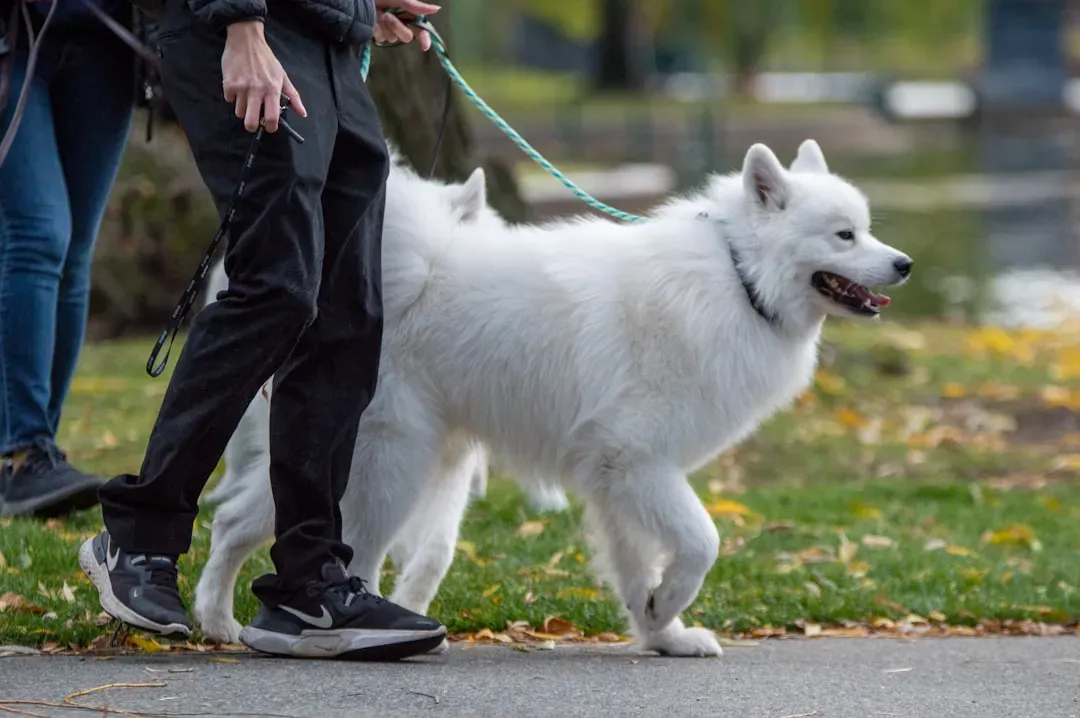
Just the presence of animals significantly improves blood pressure. Pet owners typically have a lower resting blood pressure than people who don’t own pets. Regular exercise, such as walking your dog, also lowers your risk of heart disease. If you already have a dog and have been doing daily walks without thinking much about it, you’re quietly doing one of the most heart-protective things available to you. Keep it up, rain or shine.
3. Your Dog Gets You Moving Every Single Day

Dogs are, in the most affectionate sense, relentless. They don’t care about your schedule. They don’t accept excuses. And because of that, they are extraordinary fitness accountability partners. More than 60% of dog owners meet the recommended weekly amount of exercise, getting 150 minutes of moderate exercise or 75 minutes of vigorous exercise each week. That’s a meaningful number when you consider how many people without dogs fall significantly short of those targets.
A 2017 study found that dog owners walked 22 minutes more on average than people who didn’t own dogs, and also spent less time sitting. Those extra minutes compound over time into real, measurable changes in weight, blood sugar, joint health, and cardiovascular fitness. A Mayo Clinic Health System report confirms that dog owners are more likely to meet the recommended 150 minutes of weekly aerobic exercise, reducing risks of coronary heart disease, osteoporosis, and Type 2 diabetes. Your dog’s daily need for a walk is, without exaggeration, a built-in prescription for longevity.
4. Your Dog Helps You Live Longer Overall

This one stops people in their tracks when they first hear it. Owning a dog can help you live longer. A comprehensive review of studies published between 1950 and 2019 found that dog owners had a lower risk of death. That’s a span of nearly seven decades of data pointing in the same direction. The signal is consistent and hard to dismiss.
Dog owners have been shown to have a 24% lower risk of death and a four times greater chance of surviving for at least a year after a heart attack. The protective effect was especially prominent for people living alone, who have been found to have a higher risk for early death than those who live with other people. If you live alone and have a dog, that animal may be doing more for your longevity than any supplement you’ll ever take. That wagging tail might actually be adding years.
5. Your Dog Sharpens Your Brain as You Age
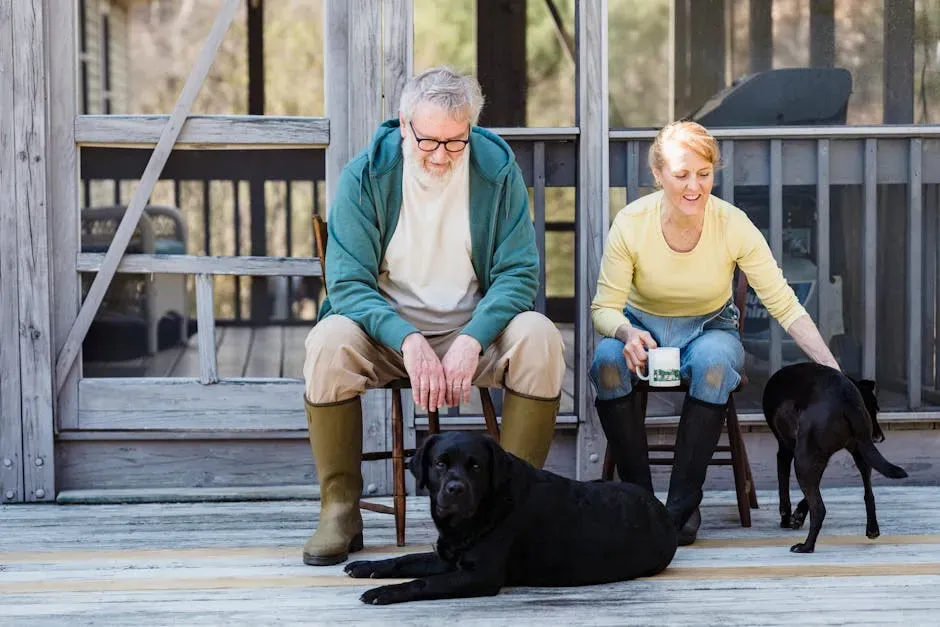
Cognitive decline is one of the most feared aspects of growing older, and the research connecting dog ownership to brain health is genuinely encouraging. Owning a dog isn’t just fun; it might also help keep your brain sharp as you age, according to a study published in 2025 in Scientific Reports. Researchers examined 18 years’ worth of data from 16,582 people aged 50 and older. The scale of that dataset gives the findings real weight.
Researchers found that people with dogs showed a slower decline in memory, including both immediate and delayed recall, compared with participants who didn’t own pets. The likely mechanisms include the physical activity, the routine stimulation, and the social engagement that dogs naturally encourage. Pets can also help older adults manage long-term diseases like Alzheimer’s disease and dementia, improving quality of life for people diagnosed with these diseases by decreasing distress, loneliness, and depression. If you have an aging parent at home, a dog in the household may be one of the kindest cognitive interventions available.
6. Your Dog Lifts Depression and Eases Anxiety

Depression and anxiety are not abstract statistics. They’re the heaviness in the chest on a Monday morning, the 3 a.m. dread, the shrinking world. Dogs have a particular ability to interrupt that cycle in ways that are both chemical and behavioral. When you pet a dog, your brain releases a surge of feel-good hormones such as oxytocin, dopamine, and serotonin. These chemicals are the same ones that boost feelings of love, joy, and relaxation. At the same time, interacting with pets reduces the stress hormone cortisol, creating a natural antidepressant effect.
Research shows dogs are naturally attuned to human emotions, sensing changes in mood and stress through body language, scent, and tone of voice. This unique connection helps ease feelings of loneliness and anxiety, making dogs an important unofficial part of many people’s emotional support systems. While dogs are not a substitute for therapy or medication, their companionship can complement professional treatment by reducing stress and promoting social interaction. If you’re going through a rough stretch emotionally, your dog’s instinct to stay close, lean in, and look at you is not your imagination. They genuinely know.
7. Your Dog Creates a Daily Routine That Anchors Your Mental Health

One underappreciated gift of dog ownership is structure. Dogs are creatures of rhythm and need, and they export that rhythm to their owners in ways that quietly stabilize mental health. A dog’s presence brings unconditional love, structure, and connection, and helps to create daily routines. These simple interactions can boost mood by increasing the levels of feel-good chemicals in the brain.
For individuals struggling with depression or anxiety, the small consistent responsibilities of pet ownership provide a reason to get out of bed and engage with the world. That gentle accountability fosters discipline, routine, and motivation, all essential for recovery and stability. There’s something almost therapeutic about the fact that your dog still needs a walk at 7 a.m., regardless of how you feel. Some mornings, that obligation is quietly the thing that saves you. Your dog depends on you, which gives you a sense of purpose.
8. Your Dog Helps You Build Real Social Connections

Loneliness is now widely recognized as one of the most serious threats to human health, comparable in impact to smoking. Dogs are natural antidotes to that isolation, serving as conversation starters and social bridges in ways that few other things can replicate. Researchers have found that about 40% of dog owners had an easier time making friends, with dogs providing the perfect way to get to know strangers and form new friendships.
Pets can be a great social lubricant for their owners, helping you start and maintain new friendships. Dog owners frequently stop and talk to each other on walks, hikes, or in a dog park. Pet owners also meet new people in pet stores, clubs, and training classes. Owning a dog has been linked to better mental health and a lower perception of social isolation, which can reduce the risk of heart attacks and cognitive issues. Think about the last time a stranger approached you because of your dog. That small exchange is more valuable to your health than it probably felt in the moment.
9. Your Dog Eases Loneliness, Especially as You Age
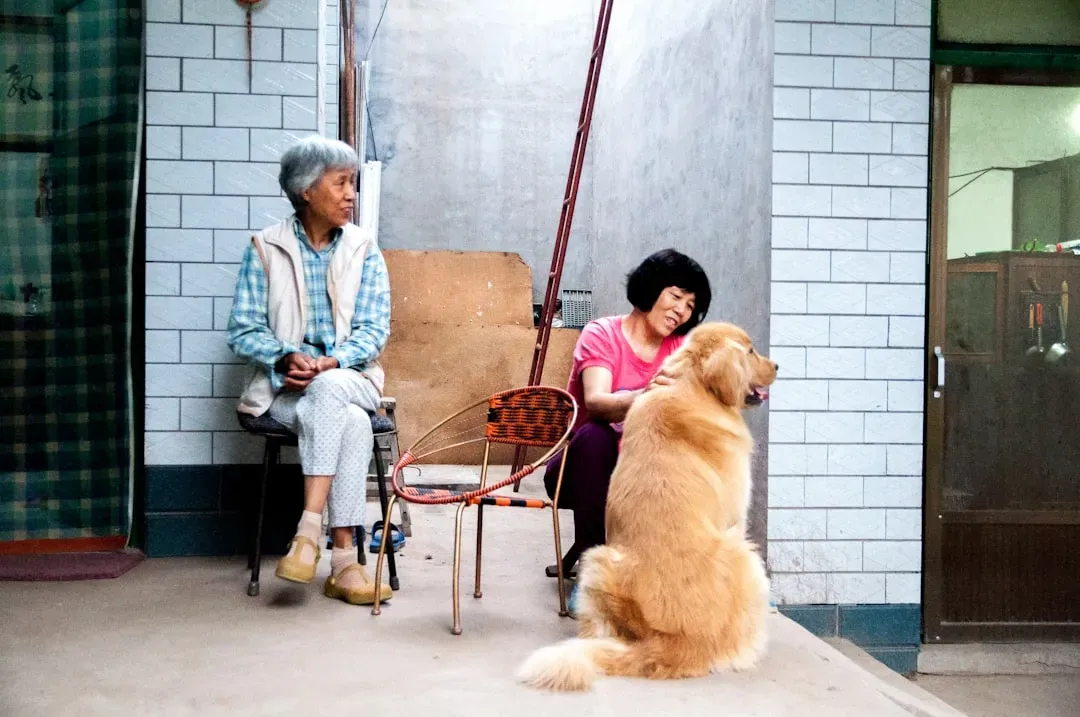
Getting older in a society that often moves quickly and communicates digitally can be profoundly isolating. Dogs fill that emotional void with something uncomplicated and consistent. A small Australian study discovered that dog ownership can reduce loneliness. A national survey by the Human Animal Bond Research Institute found that 85% of respondents believe that interaction with pets reduces loneliness, and most agree that human-pet interactions can help address social isolation.
Pet ownership can provide essential social and emotional support for older adults. Older adults who own pets report a reduction in stress and loneliness. They also experience an increase in activity and overall quality of life. Additionally, older adults who have strong connections with their pets report lower rates of depression. A dog doesn’t know your age, your health limitations, or your social calendar. It just shows up, every single day, with the same steady affection. For many older adults, that consistency is genuinely life-sustaining.
10. Your Dog Supports Veterans and Trauma Survivors

For people carrying invisible wounds, the therapeutic potential of dogs goes far beyond ordinary companionship. Psychiatric service dogs have been especially well studied among veterans with PTSD, with research showing improved daily well-being and reduced suicidality. That’s not a minor finding. For a population where the stakes are extraordinarily high, this matters deeply.
Veterans with PTSD service dogs were found to have significantly altered cortisol profiles compared to a control group of Veterans on the waitlist, suggesting potential effects to the stress response system. These remarkable dogs are trained to recognize emotional distress, provide medical alerts, and offer constant, grounding companionship. Service animals offer invaluable benefits for veterans suffering from PTSD. The ability to provide emotional support, reduce anxiety and assist in managing symptoms makes service animals a valuable tool in the treatment and recovery process. If you know a veteran struggling, exploring a properly trained service dog program may be one of the most meaningful referrals you can make.
11. Your Dog Gives You a Sense of Purpose and Meaning
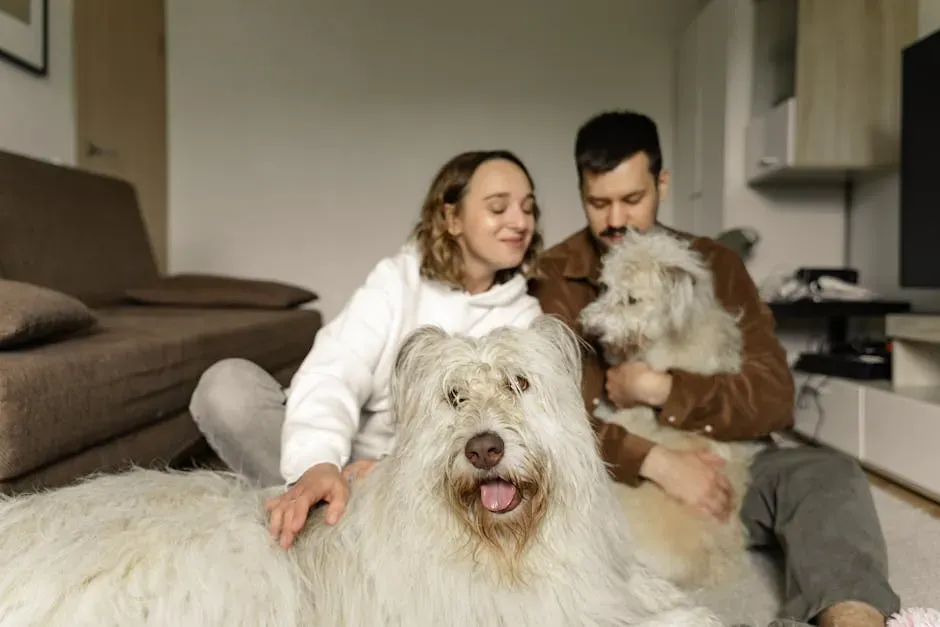
Purpose is not a luxury. Research consistently links a strong sense of meaning to longer, healthier lives. Dogs, quietly and without fanfare, deliver that. Most owners agree that a pet can improve mental health in many ways. A dog’s constant love, care, daily structure, and needs can fill us with purpose. Caring for another living being asks something of you, and that asking matters more than we often acknowledge.
Companionship can help prevent illness and even add years to your life, while isolation and loneliness can trigger symptoms of depression. Caring for an animal can help make you feel needed and wanted, and take the focus away from your problems, especially if you live alone. There are mornings when the smallest anchor to purpose is the most powerful one. A dog who needs feeding, a walk, and your attention has a quiet way of reminding you that showing up matters. That reminder is not nothing. It’s actually everything.
12. Your Dog Encourages Mindfulness and Presence

Dogs are among the most present creatures on the planet. They don’t ruminate about yesterday. They don’t worry about next month. They inhabit this moment, completely, and when you’re with them, they gently pull you into it too. Dogs help keep people focused on the present moment rather than on the future, which can assist with stress and anxiety. When people start to feel overwhelmed, dogs provide an infectious sense of calm, allowing people to take a deep breath and relax.
Pets live completely in the present moment. Watching a dog delighting in a simple game of fetch encourages us to embrace mindfulness, to be fully present, grateful, and content in the now. That shift in perspective is transformative for mental well-being, fostering calmness and resilience in daily life. You don’t need a meditation app when you have a dog who is completely absorbed by a puddle or a scent in the grass. Follow their lead more often. It’s one of the more underrated wellness practices available to you.
Final Thoughts: The Dog at the Door Is Already Helping You

The evidence is layered, nuanced, and genuinely compelling. Dogs reduce cortisol, lower blood pressure, push us outside, build social bonds, slow cognitive aging, ease grief, and anchor us to routine and purpose. They don’t require a prescription, a co-pay, or a waiting room. They’re already there, waiting at the door.
None of this means that dog ownership is without real responsibility. A dog’s well-being is entirely in your hands, and that commitment deserves to be honored thoughtfully. But when the care flows in both directions, as it tends to with dogs and the people who love them, the health benefits described here are not incidental. They’re the natural output of one of the most enduring and mutually beneficial relationships in human history.
Take care of your dog with everything you’ve got. The science makes it clear: in doing so, you are also, without question, taking care of yourself.


